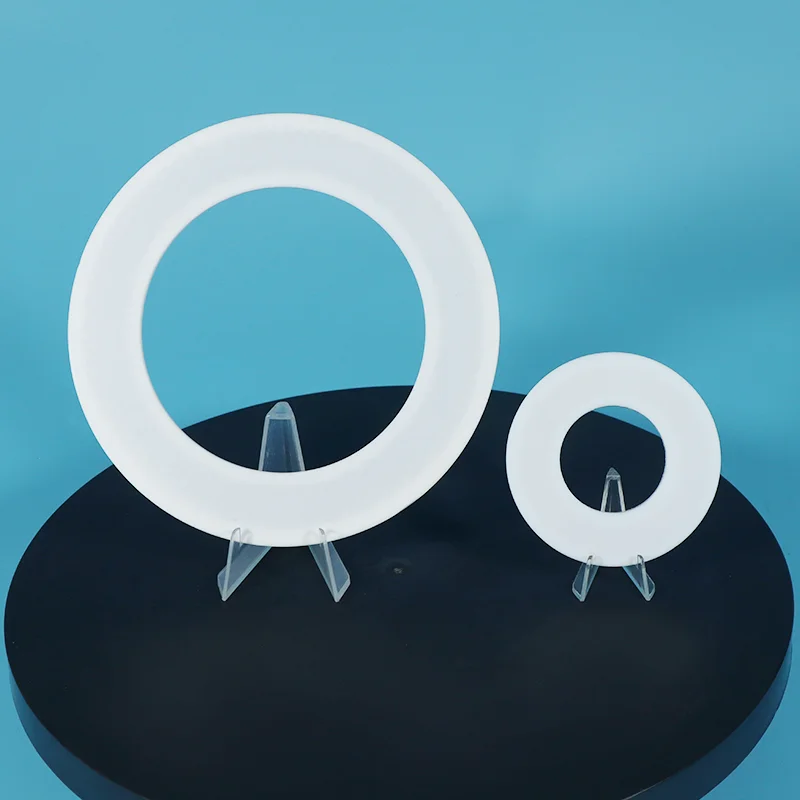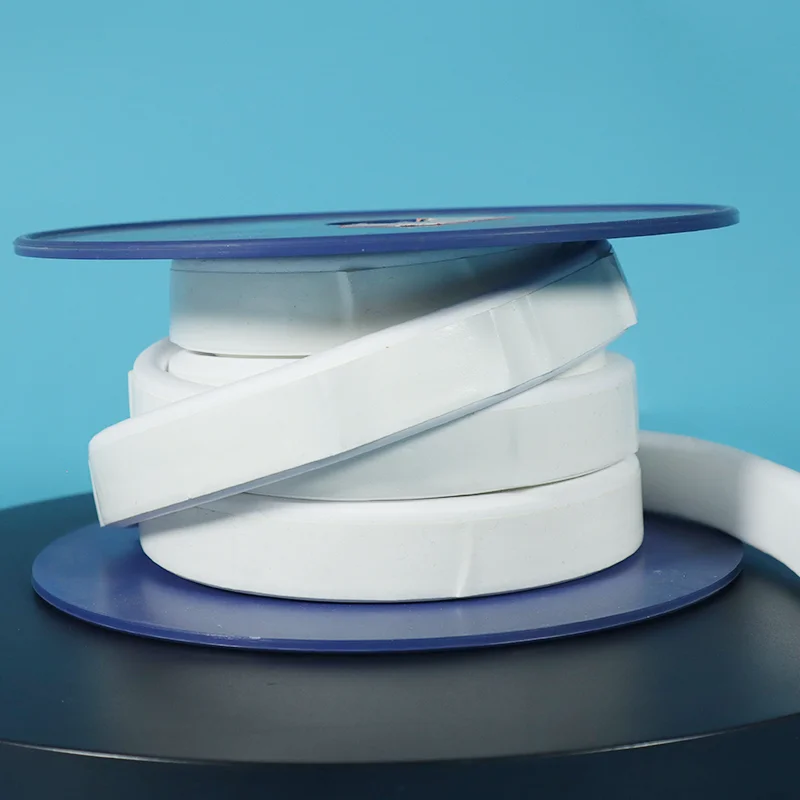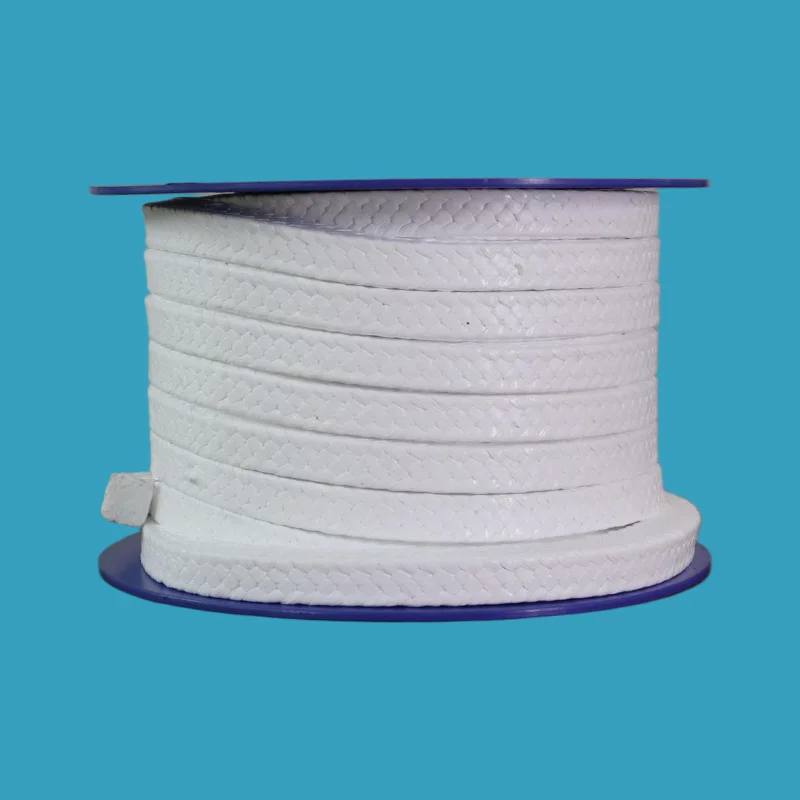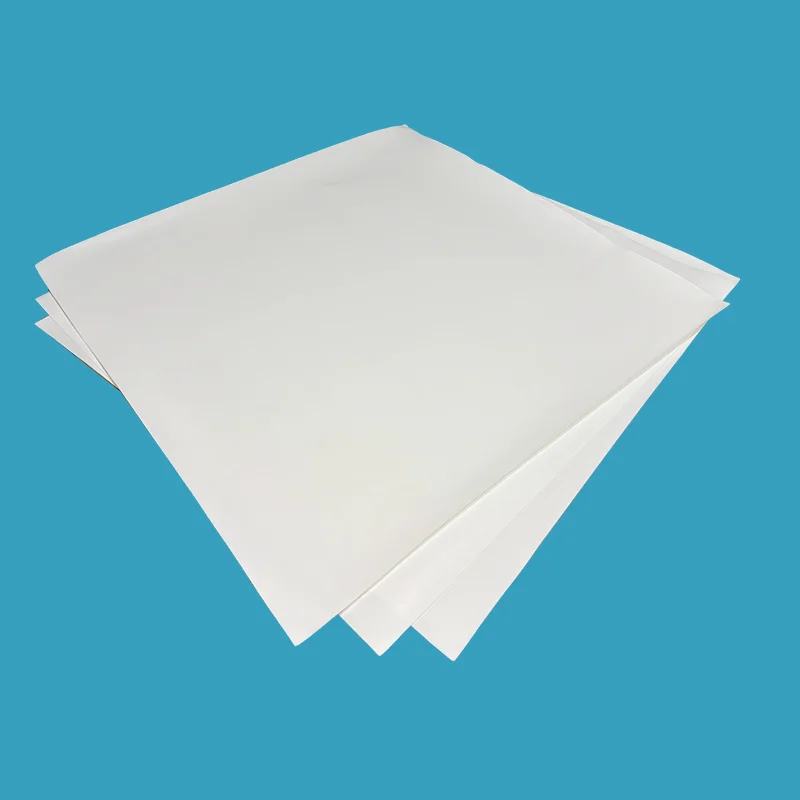
A Metal Clad Expanded PTFE Gasket combines the chemical resistance and conformability of expanded PTFE with the structural support of a metal layer. This construction is designed for demanding sealing environments where conventional soft PTFE gaskets may need additional dimensional stability or mechanical reinforcement. By matching the metal layer, expanded PTFE grade, gasket dimensions, flange design, temperature, pressure, and process medium, buyers can achieve a more dependable sealing solution. This guide explains how the construction works, where it is useful, what to consider during selection, and how Ningbo Taifno PTFE Plastic Products Co., Ltd. can support customized PTFE sealing requirements.
A Metal Clad Expanded PTFE Gasket is a composite sealing component that combines an expanded polytetrafluoroethylene layer with a metal reinforcement or cladding structure. The purpose of this combination is straightforward: bring together the sealing characteristics of expanded PTFE with additional mechanical support from metal.
Expanded PTFE is valued for its highly compressible structure and ability to conform to surface irregularities. Unlike a rigid PTFE sheet, its expanded structure can adapt more readily to imperfections on flange faces. Research on expanded PTFE gasket materials has demonstrated high compressibility and strong sealing performance, while also examining creep relaxation, recovery, torque retention, and gas permeability.
The metal component provides a different set of characteristics. It can help reinforce the gasket, improve dimensional stability, and support the sealing structure when the application involves demanding mechanical conditions. The final performance therefore depends not only on the PTFE material but also on the metal type, thickness, geometry, gasket profile, flange condition, and service conditions.
The construction of a metal clad expanded PTFE gasket can vary according to the intended application. A typical design incorporates an expanded PTFE sealing element together with a metal reinforcement layer. Different designs may be selected according to flange dimensions, pressure conditions, temperature, chemical exposure, and required mechanical characteristics.
Provides chemical resistance, compressibility, low-friction characteristics, and conformability to the flange surface.
Provides additional structural reinforcement and dimensional stability where the application requires a more supported sealing structure.
Transfers compression to the gasket and determines how effectively the gasket fills surface irregularities.
This composite approach is particularly useful when a sealing application requires more than chemical compatibility alone. A gasket must maintain sufficient contact stress over its service life, accommodate surface imperfections, and remain compatible with the process medium.
Choosing a gasket is rarely about one property. Industrial buyers usually need to balance chemical compatibility, temperature, pressure, flange condition, installation requirements, service life, and maintenance costs. A metal clad expanded PTFE gasket can address several of these considerations within one composite design.
PTFE is known for its broad resistance to aggressive chemicals. This makes expanded PTFE suitable for many chemical processing environments involving corrosive liquids, gases, solvents, acids, and alkalis. However, compatibility should always be confirmed for the actual medium, concentration, temperature, and operating conditions rather than assuming universal compatibility.
One of the major advantages of expanded PTFE is its ability to conform to flange surface irregularities. This characteristic can be especially useful when sealing surfaces are not perfectly smooth or when equipment has experienced wear during long-term operation.
The metal component can provide additional structural support compared with a soft PTFE sealing element used alone. This can be beneficial when dimensional stability and mechanical robustness are important design considerations.
Because the gasket combines different material characteristics, engineers can design the sealing structure around the actual operating environment rather than relying on a single material property. The correct configuration can help address demanding flange geometries and process conditions.
Leakage can lead to production interruptions, product loss, equipment contamination, and maintenance work. A correctly selected and properly installed gasket can help reduce these risks by maintaining an effective seal throughout the intended service period.
The combination of expanded PTFE and metal reinforcement makes this gasket concept relevant to industrial systems where chemical resistance and mechanical stability are both important. Actual suitability should always be confirmed against the complete operating specification.
| Industry | Typical Sealing Areas | Main Considerations |
|---|---|---|
| Chemical Processing | Pipelines, reactors, valves, vessels | Chemical compatibility and leakage control |
| Petrochemical | Flanges, process equipment, piping | Temperature, pressure and media compatibility |
| Pharmaceutical | Process lines and equipment | Material purity and cleaning requirements |
| Food Processing | Piping and processing equipment | Regulatory and material requirements |
| Power Generation | Heat exchangers, piping, equipment | Thermal cycling and flange stability |
| Semiconductor | Gas and chemical delivery systems | Cleanliness and process compatibility |
A common purchasing mistake is selecting a gasket based only on nominal size or material name. A more reliable approach is to evaluate the complete sealing environment.
| Selection Factor | Information to Provide |
|---|---|
| Medium | Chemical name, concentration and physical state |
| Temperature | Normal, minimum and maximum operating temperatures |
| Pressure | Working and possible peak pressure |
| Flange | Type, dimensions, material and surface condition |
| Gasket | Thickness, profile, dimensions and reinforcement requirements |
Even a high-performance gasket can fail if installation conditions are unsuitable. The flange faces should be inspected and cleaned before assembly. Foreign particles, old gasket remnants, corrosion products, and surface damage should be addressed before installing the new gasket.
Excessive compression should also be avoided. The correct assembly load depends on the gasket construction, flange design, bolt system, and operating conditions. For critical equipment, engineering calculations and the manufacturer's installation recommendations should take priority over generic torque values.
Different gasket materials solve different sealing problems. The following comparison provides a practical starting point rather than a substitute for application-specific engineering evaluation.
| Material Type | Main Strength | Potential Limitation | Typical Consideration |
|---|---|---|---|
| Virgin PTFE | Chemical resistance and purity | Creep and dimensional behavior under sustained load | Clean and chemically demanding services |
| Expanded PTFE | Conformability and sealability | Application-specific compression requirements | Irregular or demanding flange surfaces |
| Metal Clad ePTFE | PTFE sealing characteristics plus reinforcement | Requires careful material and design matching | Applications requiring both conformability and structural support |
| Spiral Wound | Broad industrial pressure and temperature applications | Flange condition and installation are important | Process piping and equipment |
Possible causes include insufficient gasket compression, damaged flange faces, incorrect gasket dimensions, uneven bolt loading, or unsuitable material selection.
Review gasket thickness, handling procedures, alignment, compression level, and the mechanical requirements of the joint.
Confirm the actual process medium and operating temperature against the selected PTFE grade and metal reinforcement before production.
Look beyond the gasket itself. Thermal cycling, flange movement, bolt relaxation, vibration, pressure changes, and installation quality can all affect sealing durability.
Standard gasket dimensions are not always sufficient for specialized industrial equipment. Large vessels, non-standard flanges, customized machinery, and process systems may require specific inner and outer diameters, thicknesses, profiles, bolt-hole configurations, or material combinations.
Ningbo Taifno PTFE Plastic Products Co., Ltd. focuses on PTFE-based products and customized sealing solutions for industrial applications. For buyers sourcing a Metal Clad Expanded PTFE Gasket, supplying complete technical information can make the specification process more efficient.
For OEM and industrial purchasing teams, customized production can also help reduce the need for field modification. When the gasket dimensions and construction are developed around the actual equipment, procurement, installation, and replacement processes can become more consistent.
Its purpose is to combine the sealing characteristics of expanded PTFE with the additional structural support of a metal component. The exact construction should be selected according to the application.
Expanded PTFE has a highly fibrillated structure that provides high compressibility and conformability. These characteristics can help it accommodate flange surface irregularities more effectively than rigid PTFE sheet in suitable applications.
PTFE offers broad chemical resistance, but compatibility depends on the specific chemical, concentration, temperature, exposure time, and the metal used in the composite structure. Application-specific compatibility should therefore be confirmed before selection.
Yes. Customized dimensions, thicknesses, profiles, reinforcement materials, and other design parameters can be considered depending on the manufacturing capability and application requirements.
Buyers should ideally provide the gasket drawing or dimensions, flange type, material requirements, operating temperature, operating pressure, process medium, quantity, and any applicable certification or testing requirements.
Start with correct material selection and gasket dimensions, then ensure proper flange preparation, accurate positioning, uniform bolt loading, and appropriate compression. The complete joint design should be considered rather than treating the gasket as an isolated component.
A Metal Clad Expanded PTFE Gasket is designed around a practical combination of sealing and structural characteristics. Expanded PTFE contributes chemical resistance, flexibility, compressibility, and surface conformability, while the metal component can provide additional mechanical reinforcement and dimensional stability.
The right gasket should never be selected by material name alone. Process medium, temperature, pressure, flange condition, gasket dimensions, metal compatibility, installation method, and regulatory requirements all influence the final specification. Careful evaluation of these factors can help industrial buyers reduce leakage risks and achieve more consistent sealing performance.
For OEM equipment manufacturers, distributors, maintenance teams, and industrial procurement professionals looking for customized PTFE sealing components, Ningbo Taifno PTFE Plastic Products Co., Ltd. can support application-specific product requirements and customized gasket solutions.
Need a customized Metal Clad Expanded PTFE Gasket for your equipment?
Share your drawing, dimensions, operating conditions, and material requirements with Ningbo Taifno PTFE Plastic Products Co., Ltd. to discuss a suitable sealing solution. Contact us for customized PTFE gasket requirements and industrial sealing support.