Send Inquiry
English
News

What Operating Conditions Must Be Determined Before Customizing PTFE Parts?

2026-08-05 0 Leave me a message

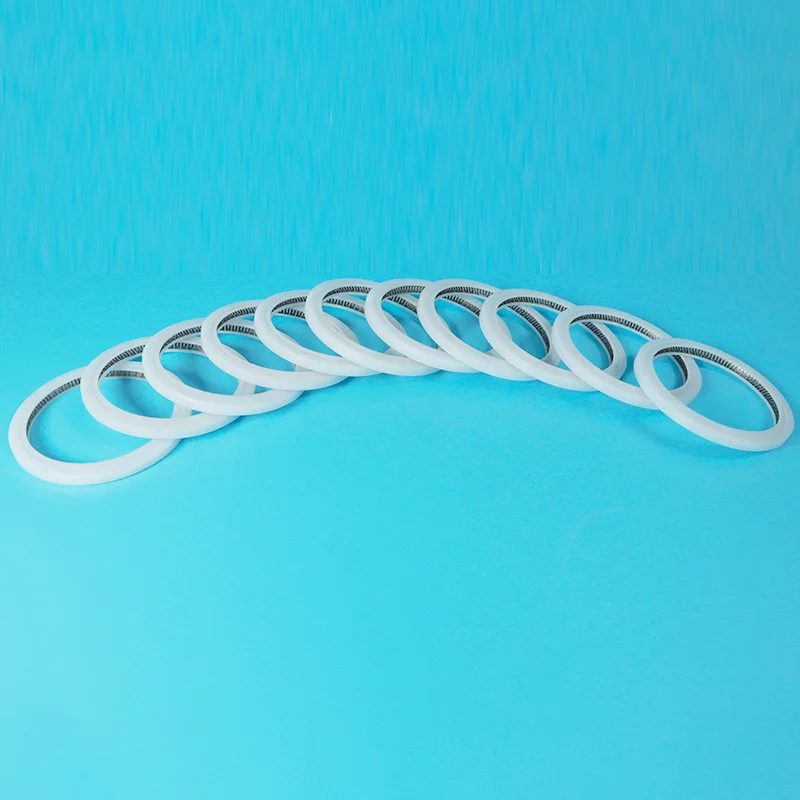
Customizing PTFE seals and machined components involves more than simply manufacturing parts according to blueprints; first, the specific operating conditions must be clearly defined.

1. Operating Temperature

Temperature is a critical factor in selecting PTFE materials. While PTFE offers a broad temperature resistance range, actual usage conditions vary depending on the specific modified material or composite structure.

Key parameters to define include: normal operating temperature, maximum and minimum temperatures, the presence of temperature cycling, and exposure to short-term high-temperature spikes.

For equipment subject to cryogenic temperatures, sustained high heat, or frequent temperature fluctuations, actual material performance should be verified during the design phase rather than relying solely on PTFE's theoretical temperature limits.

2. Operating Pressure

Pressure determines the mechanical load the seal must withstand.

For custom orders, please provide Taifno with details regarding: normal operating pressure, peak pressure, pressure differential, static vs. dynamic pressure, and the presence of pressure pulses.

High-pressure applications require greater focus on PTFE's resistance to cold flow and creep, as well as its mechanical strength. In such cases, filled PTFE grades—incorporating additives like glass fiber, carbon fiber, graphite, or bronze—may be more suitable than virgin PTFE.

3. Contact Media

Although PTFE possesses excellent chemical stability, material selection for custom seals must still be confirmed based on the specific media involved.

Please provide the name and concentration of the medium whenever possible—such as acids, alkalis, organic solvents, oils, gases, steam, pharmaceutical solutions, food-grade media, or high-purity chemicals.

For equipment in the chemical, semiconductor, and pharmaceutical industries, media purity and material cleanliness are also essential criteria for selection.

4. Mode of Motion

When PTFE seals are used in dynamic equipment, the specific type of motion must be identified.

Common scenarios include:

Reciprocating motion: Piston or piston rod seals in hydraulic cylinders, pneumatic cylinders, etc.

Rotary motion: Sealing components for pump shafts, agitator shafts, and rotating machinery.

Static sealing: Flanges, valve bodies, pipe connections, and equipment interfaces.

Different modes of motion impose varying requirements regarding friction, wear, clearances, and mechanical strength; therefore, material selection cannot be based on product geometry alone.

Related News
Leave me a message
X
We use cookies to offer you a better browsing experience, analyze site traffic and personalize content. By using this site, you agree to our use of cookies.Privacy Policy
RejectAccept