Send Inquiry
English
Products
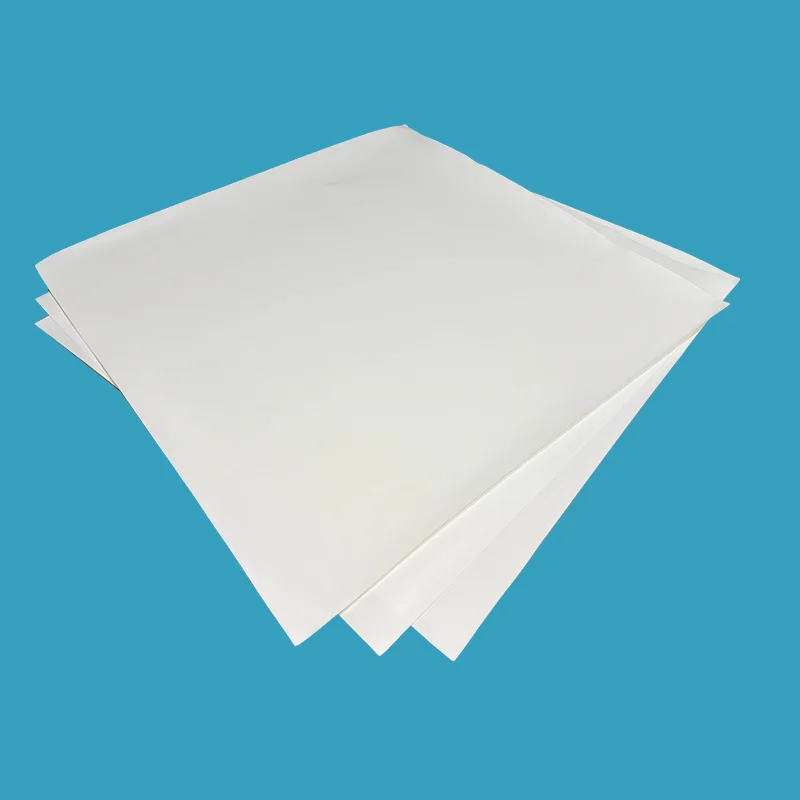
Barium Sulfate Filled PTFE Sheet
  • Barium Sulfate Filled PTFE SheetBarium Sulfate Filled PTFE Sheet

Barium Sulfate Filled PTFE Sheet

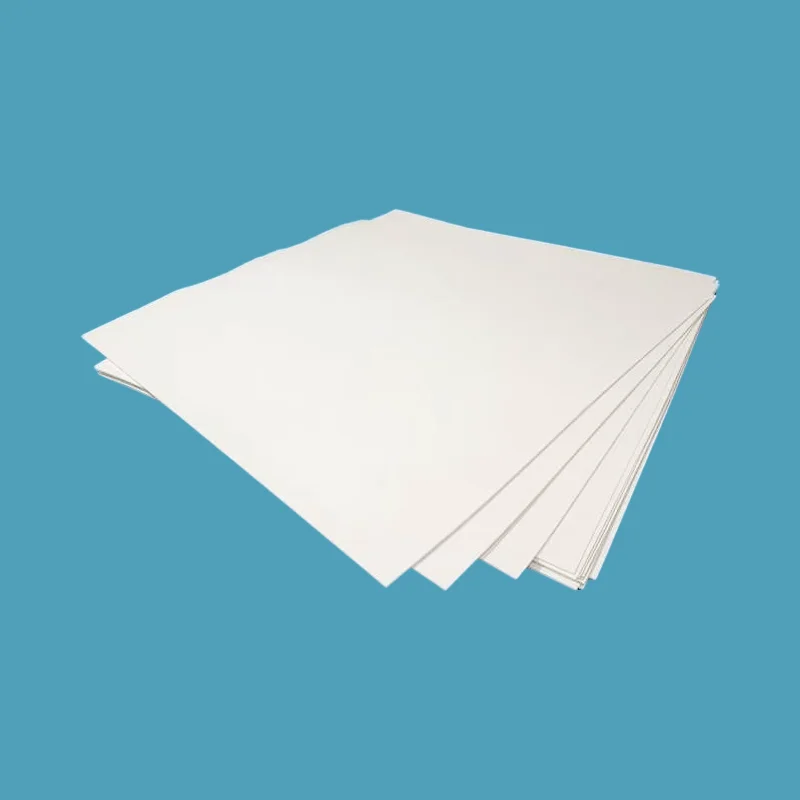
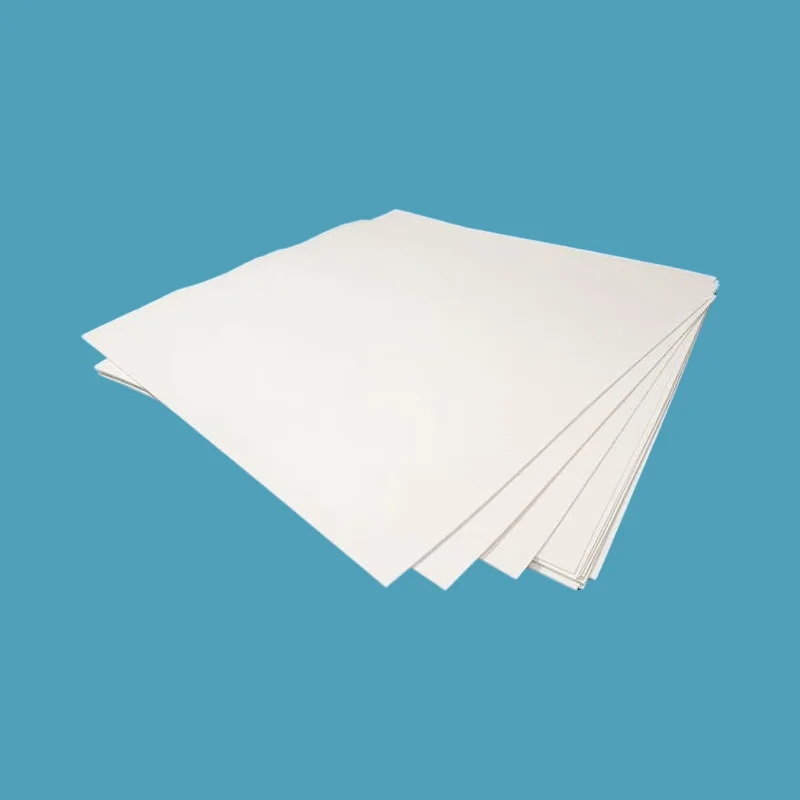
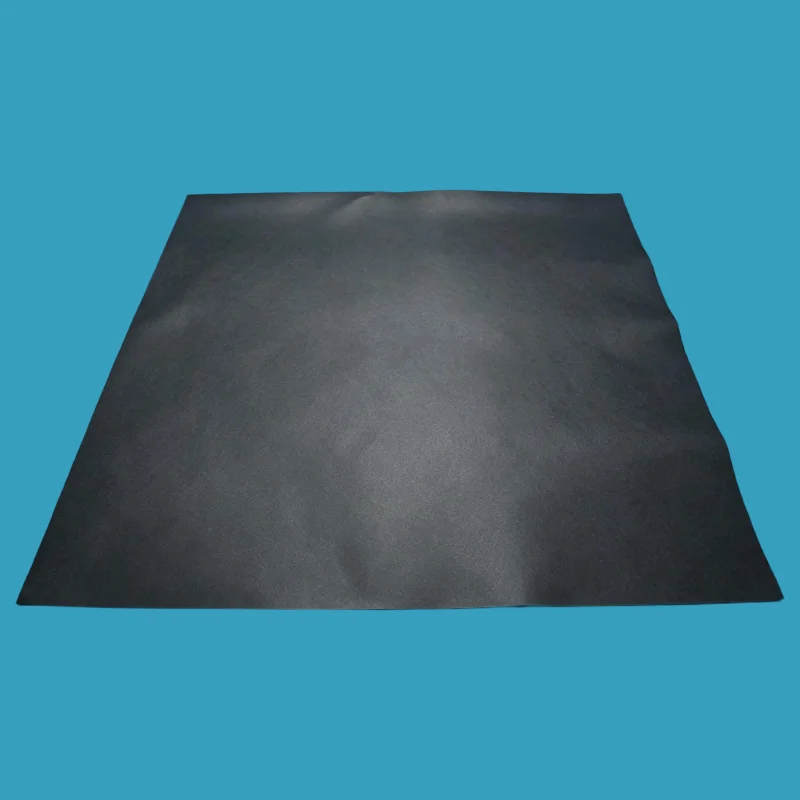
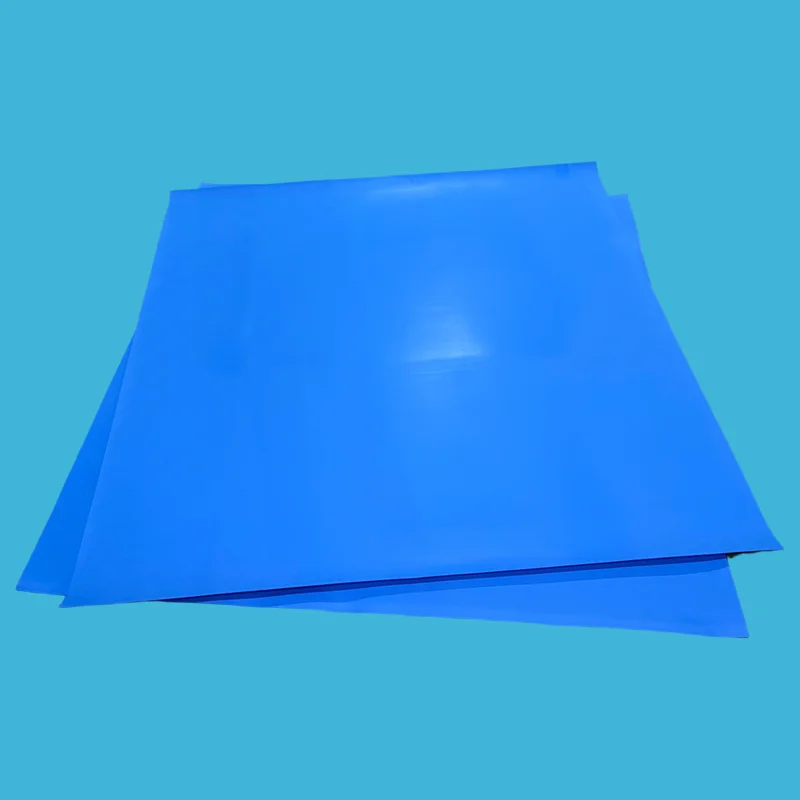
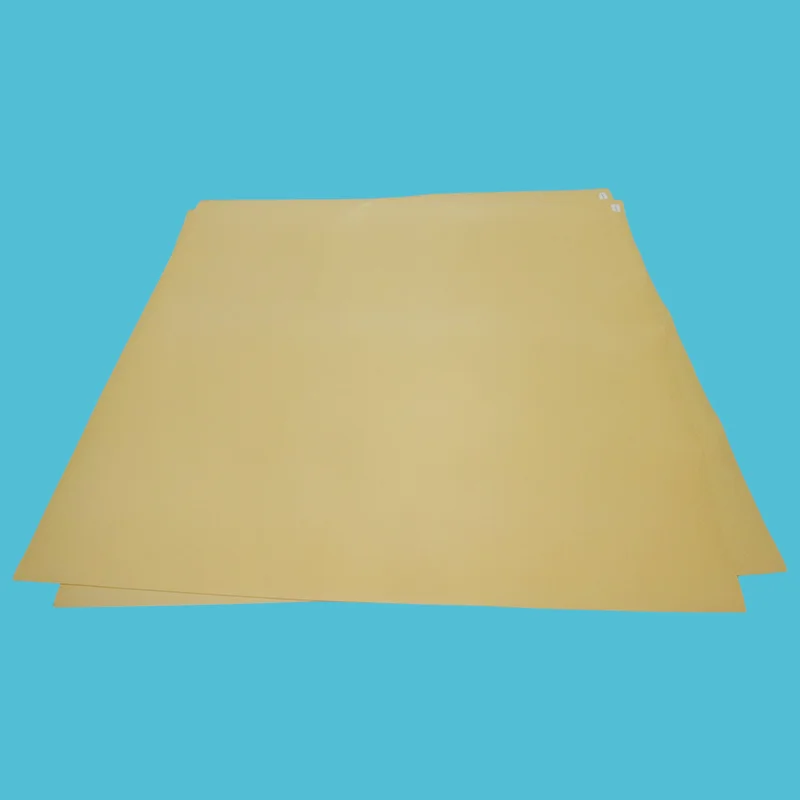
Welcome to source Barium Sulfate Filled PTFE Sheet from Taifno. As a direct factory, we offer competitive prices and free samples. This product is a high-density material (density up to 3.0 g/cm³), exhibiting creep resistance and bolt torque retention. It performs exceptionally well in conditions involving strong alkalis, moderately strong acids, chlorine, and toxic chemicals.

Barium Sulfate Filled PTFE Sheet incorporates barium sulfate (BaSO₄) as a reinforcing filler. It features an operating temperature range of -180°C to +200°C, a pressure resistance of up to 83 bar (1200 PSI), and full chemical resistance across the 0–14 pH range; it is particularly recommended for applications involving strong alkaline solutions and hydrofluoric acid (concentrations up to 48%).

Please provide the dimensions and application details, and the Taifno technical team will provide a solution and quote within 24 hours.

Barium Sulfate Filled PTFE Sheet

Product Introduction & Why Choose

What Is Barium Sulfate Filled PTFE Sheet?

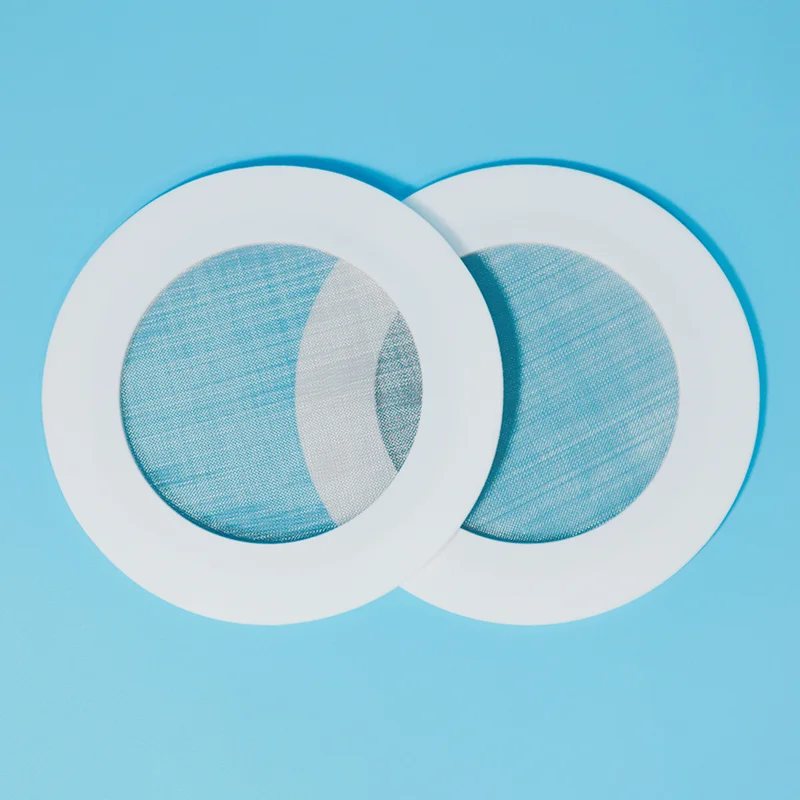
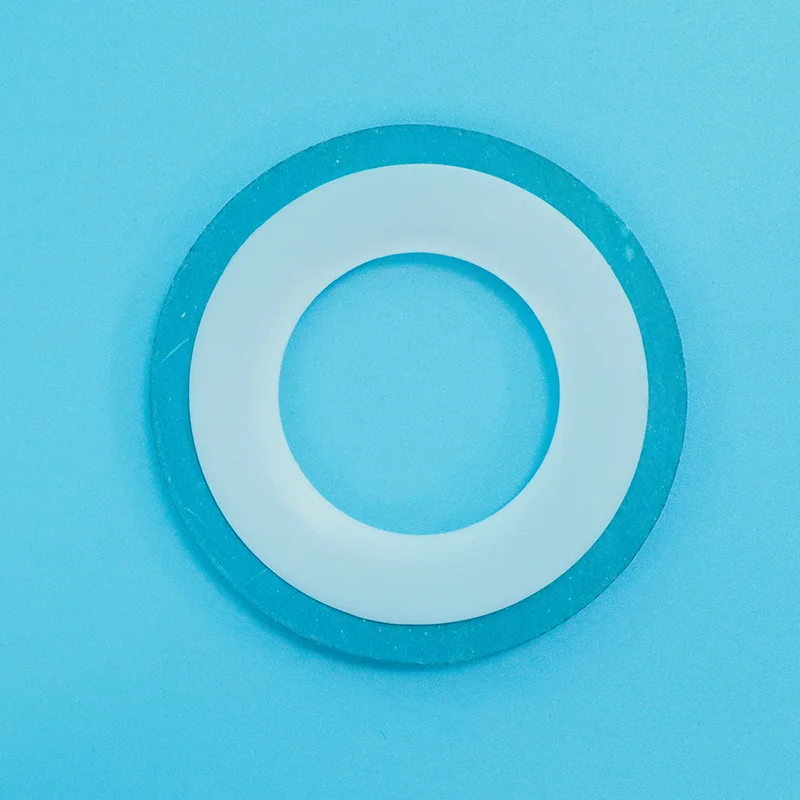
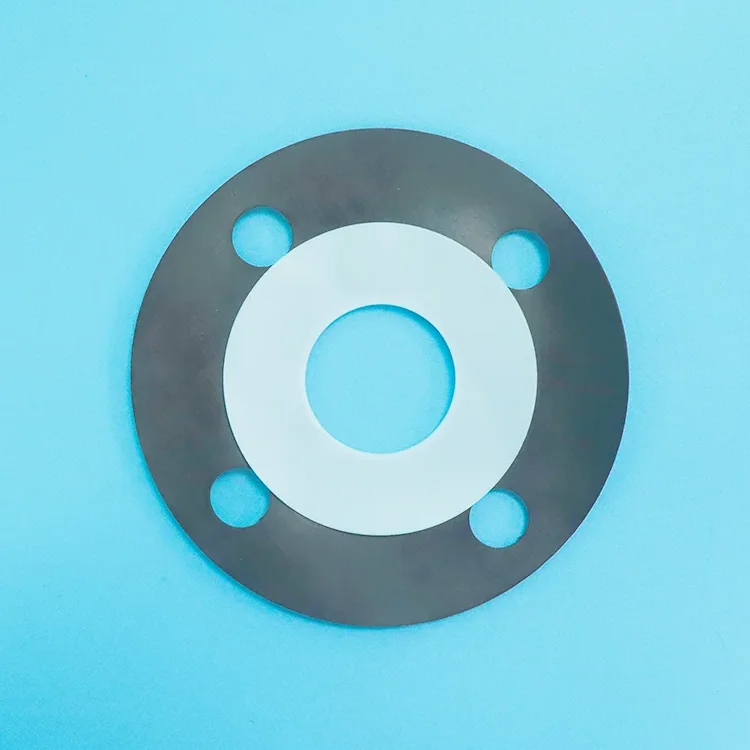
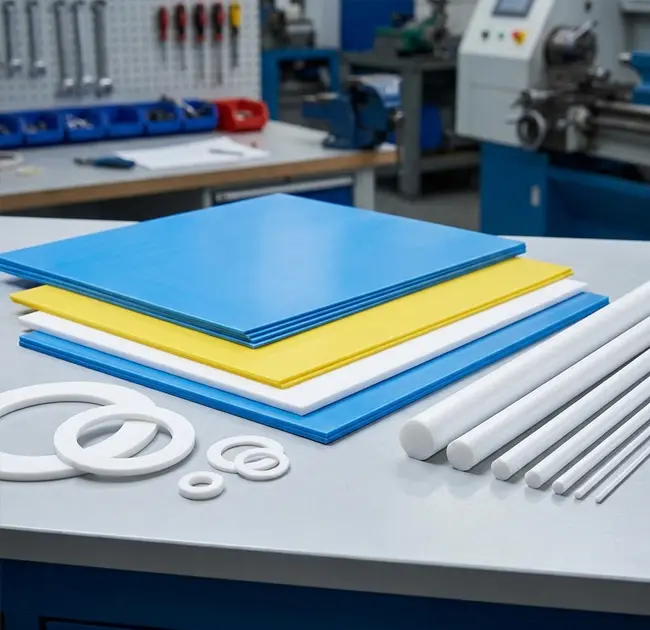
Barium sulfate filled PTFE sheet (also known as BaSO₄ PTFE sheet or white filled PTFE gasket) is a high-performance gasket material made from virgin PTFE reinforced with barium sulfate filler. The barium sulfate particles provide structural reinforcement that significantly improves the material's sealing performance while maintaining PTFE's broad chemical compatibility (pH 0-14).

Key benefits of barium sulfate reinforcement:

Superior chemical resistance: particularly effective against strong alkalis and hydrofluoric acid (up to 48%)

Reduced creep relaxation: unique manufacturing process minimizes cold flow problems typical of conventional PTFE sheets

Excellent bolt torque retention: maintains seal over time, fewer re-torquing requirements

High density: up to 3.0 g/cm³ creates optimum conditions for high mechanical stress applications

Tighter seal: reduces product loss and emissions

FDA compliant: meets FDA 21 CFR 170.39 and 177.1550 specifications for food and pharmaceutical applications

Will not support flame: fire safe

Will not support bacterial growth: suitable for clean processes

TA-Luft certified: clean air compliance for fugitive emissions

DNV GL approved: marine and offshore applications

Limitations to be aware of:

Not compatible with molten alkali metals, fluorine gas, anhydrous HF, or sulfuric acid >75% at temperatures above 65°C

Why Choose Barium Sulfate Filled PTFE?

Problem

How Barium Sulfate PTFE Solves It

The Cost of Choosing Wrong

Strong caustics attack standard gaskets

BaSO₄ PTFE offers superior caustic resistance — pH 0-14 compatibility

Gasket degradation, leakage, safety incidents

Hydrofluoric acid dissolves other filled PTFE

BaSO₄ PTFE handles HF up to 48% — silica-filled PTFE cannot

Catastrophic gasket failure, equipment damage

PTFE creeps under load and leaks

High density (3.0 g/cm³) + barium sulfate reinforcement reduces cold flow

Frequent re-torquing, gasket replacement every 6-12 months

Toxic chemical service requires zero emissions

TA-Luft certified — meets fugitive emissions standards

Environmental fines, safety violations

FDA compliance needed for food/pharma

FDA 21 CFR 170.39 and 177.1550 compliant

Product contamination, batch loss, FDA fines

Comparison & Selection Guide

Barium Sulfate PTFE vs Virgin PTFE vs Silica-Filled PTFE vs ePTFE

Feature

Barium Sulfate PTFE

Virgin PTFE

Silica-Filled PTFE

ePTFE (Expanded)

Density

★★★★★

2.9-3.0 g/cm³

2.15-2.20 g/cm³

2.1-2.3 g/cm³

0.7-1.0 g/cm³

Creep Resistance

★★★★★

excellent

★★☆☆☆

poor

★★★★☆

★★★★☆

Caustic Resistance

★★★★★

excellent

★★★★☆

★★★★☆

★★★★★

HF Resistance

★★★★★

up to 48%

★★★★★

❌ NOT compatible

★★★★★

Conformability

★★★☆☆

★★☆☆☆

★★★☆☆

★★★★★

FDA Compliant

✅ Yes

✅ Yes

✅ Yes

✅ Yes

TA-Luft Certified

✅ Yes

❌ No

✅ Yes

✅ Yes

DNV GL Approved

✅ Yes

❌ No

❌ No

✅ Yes

Best For

Strong caustics, HF, toxic chemicals, high load

General chemical

Strong acids

Damaged flanges, low torque

Quick Selection Guide

If Your Service Is...

Choose...

Why

Strong caustics, chlorine, toxic chemicals

Barium Sulfate PTFE

Superior chemical resistance + creep resistance

Hydrofluoric acid service (up to 48%)

Barium Sulfate PTFE

Specifically recommended for HF service

High mechanical stress / high bolt load

Barium Sulfate PTFE

High density (3.0 g/cm³) provides structural strength

Food/pharmaceutical processing

Barium Sulfate PTFE

FDA compliant, will not support bacterial growth

Fugitive emissions control required

Barium Sulfate PTFE

TA-Luft certified

Badly pitted, warped flanges

ePTFE (Expanded PTFE)

Better conformability to irregular surfaces

Strong acids (non-HF)

Silica-Filled PTFE

Excellent acid resistance

General chemical, lower cost

Virgin PTFE

Universal chemical resistance, lowest cost

Primary Applications

Industry

Application

Why Barium Sulfate

Chemical Processing

Strong caustics, chlorine, toxic chemicals, HF service

Superior chemical resistance + creep resistance

Chlor-Alkali Industry

Chlorine handling, caustic soda processing

Specifically designed for chlorine and caustic service

Pharmaceutical

Sterile processing equipment

FDA compliance, non-contaminating

Food & Beverage

Sanitary connections

FDA compliance, bacteria resistant

Oil & Gas

Refinery flanges, pipelines — hydrocarbons, aggressive chemicals

Chemical compatibility + TA-Luft certified

Pulp & Paper

Caustic processing, digesters

Strong alkali resistance

Cryogenic

LNG, cryogenic equipment

-180°C capability

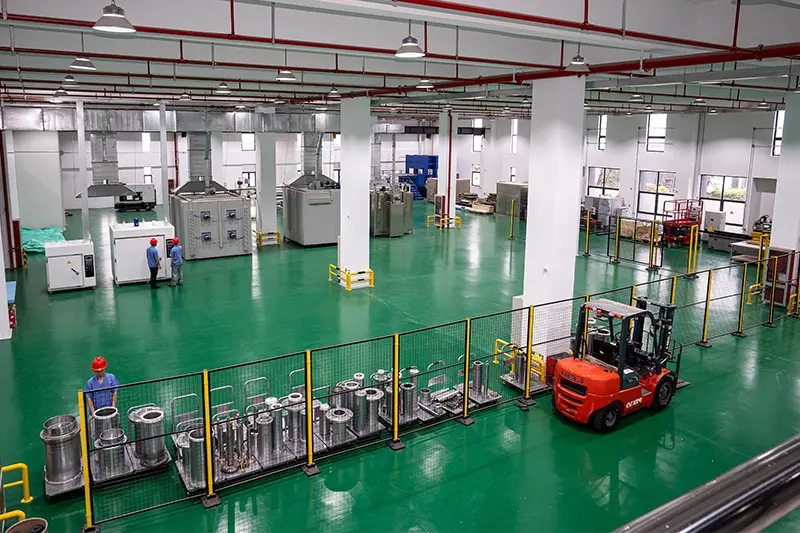
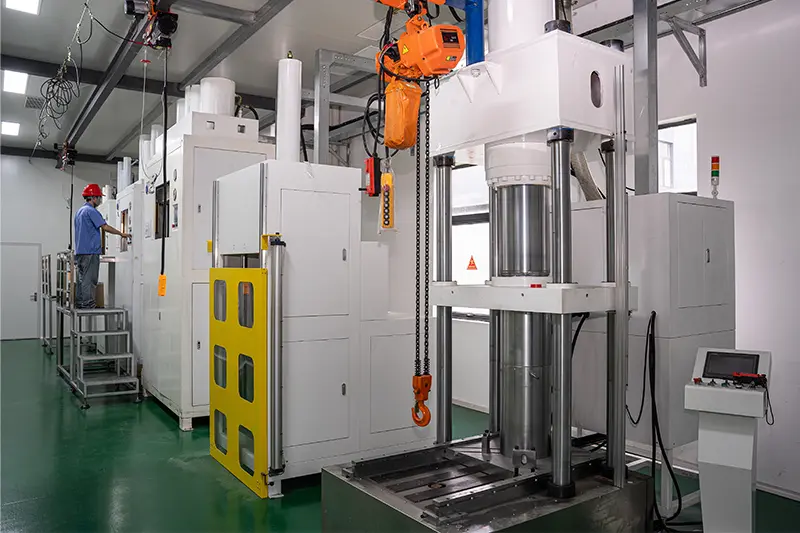
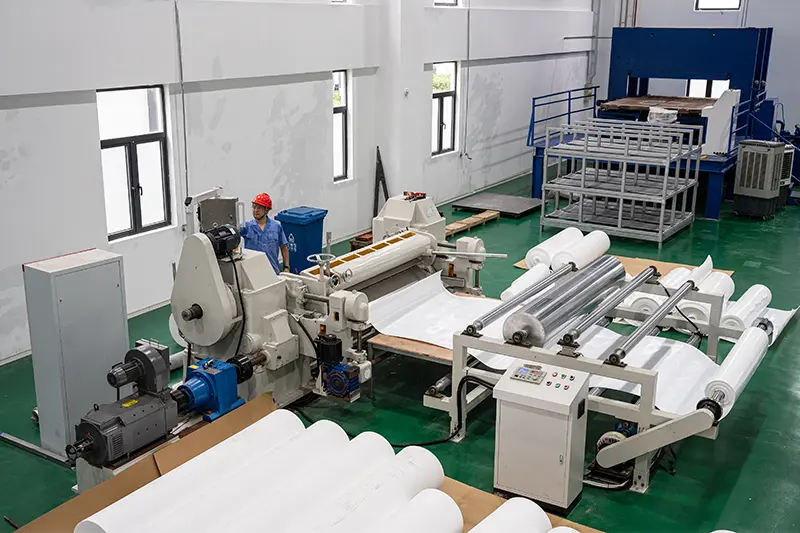
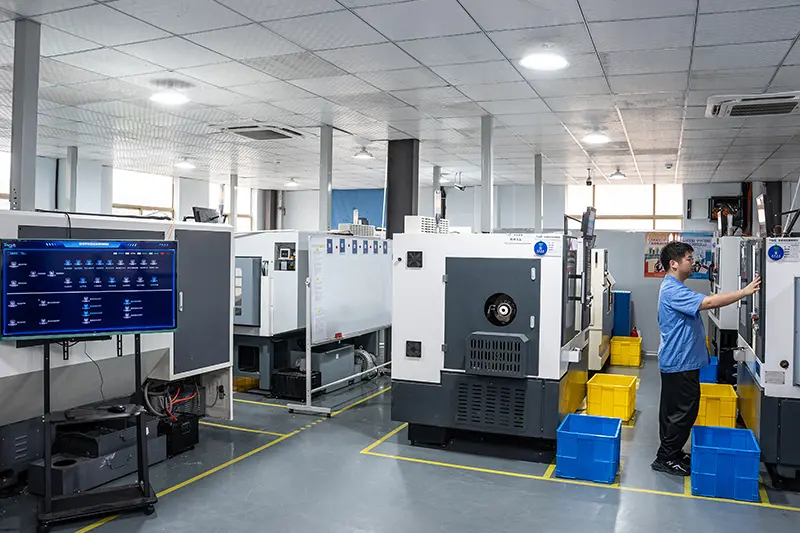
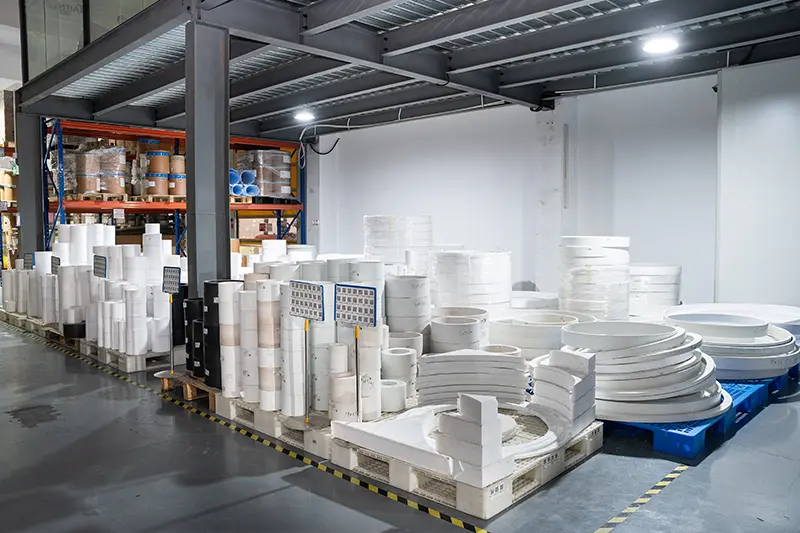
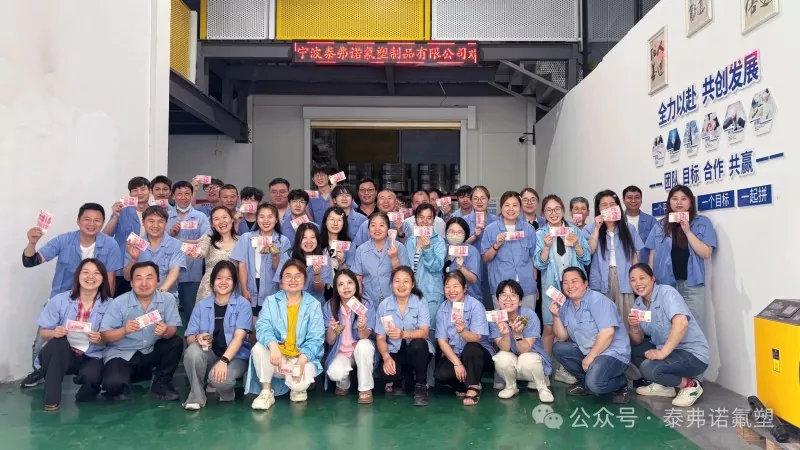
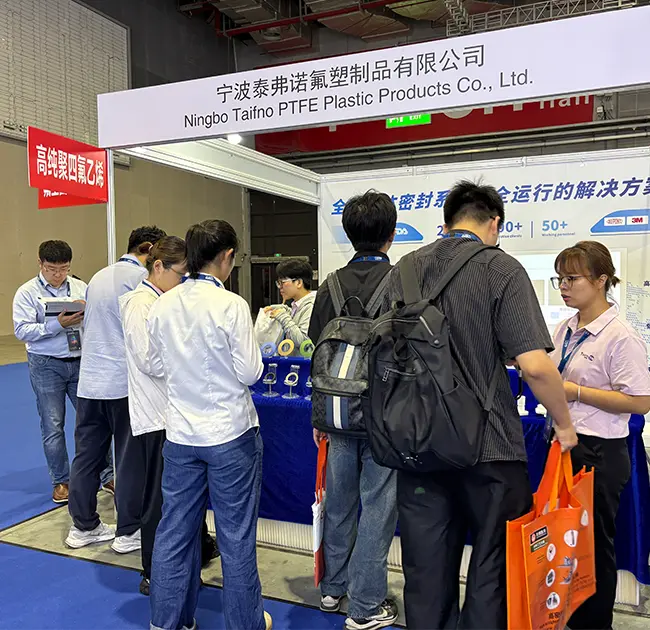
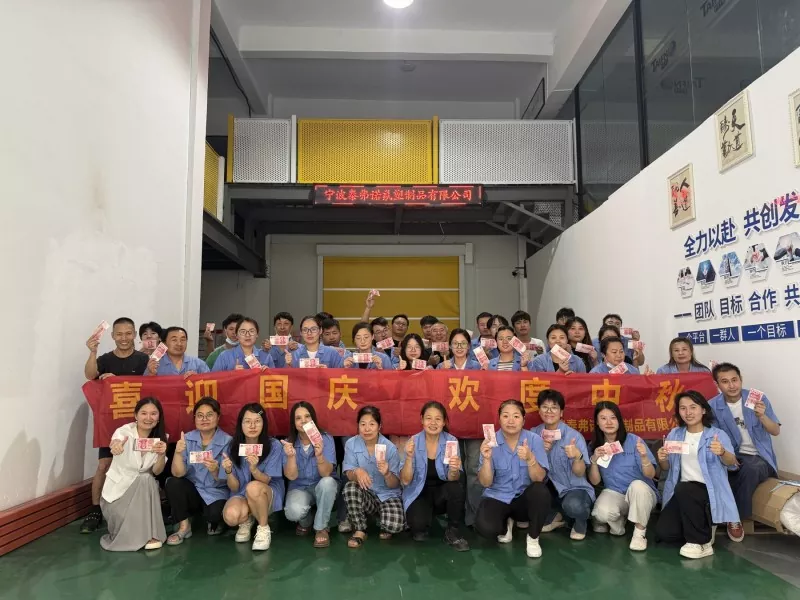
FactoryFactoryFactoryFactory

Technical Specifications

Product Properties

Parameter

Value

Notes

Temperature Range

-180°C to +200°C

Continuous service

Max Pressure

Up to 83 bar (1200 PSI)

Depends on thickness and design

Density

2.9 – 3.0 g/cm³

High density material

Compressibility

7-11%

ASTM F36 M

Recovery

40-46%

ASTM F36 M

Tensile Strength

15-17 MPa

Leak Rate

0.01 mg/(s x m)

DIN 28090-2

Color

Off-white / White

Material

PTFE + barium sulfate (BaSO₄) filler

FDA Compliant

Yes

FDA 21 CFR 170.39, 177.1550

TA-Luft Certified

Yes

Clean air compliance

BAM Certified

Available on request

Oxygen service

DNV GL Approved

Yes

Marine applications

Available Sizes

Size (mm)

Thickness (mm)

Notes

1500 × 1500

1.0, 1.5, 2.0, 3.0

Standard sheet sizes

1500 × 1500

4.0

Available on request

1200 × 1200

1.0, 1.5, 2.0, 3.0

Alternative size

2000 × 2000

0.75 – 3.2

Large sheet available

Custom sizes

Available on request

Cut gaskets available

Our Quality Assurance

100% Virgin PTFE Resin — consistent quality, batch after batch

Barium Sulfate Reinforcement — uniform dispersion for consistent performance

FDA-Compliant — meets FDA 21 CFR 170.39 and 177.1550 specifications

TA-Luft Certified — clean air compliance for fugitive emissions

BAM Approved — oxygen service available on request

DNV GL Approved — marine and offshore applications

Full Traceability — material certificates on request

Lead Time — standard sizes in stock (24-48 hours); custom sizes 7-10 days

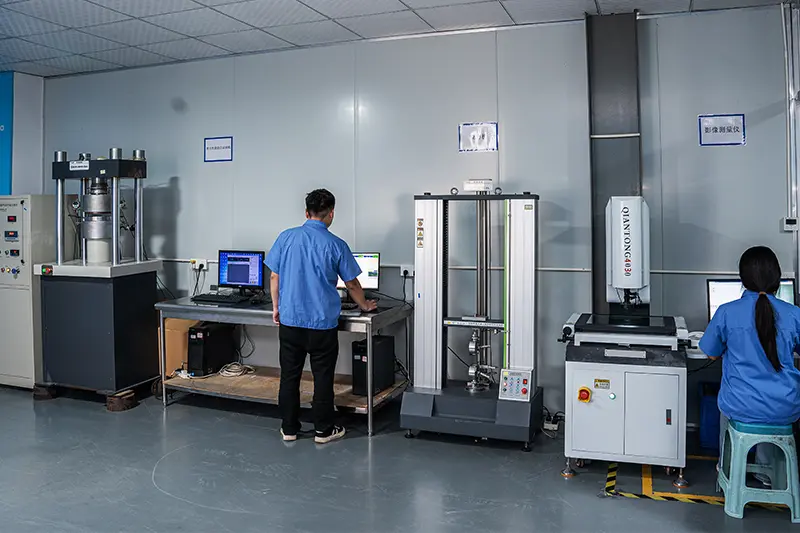
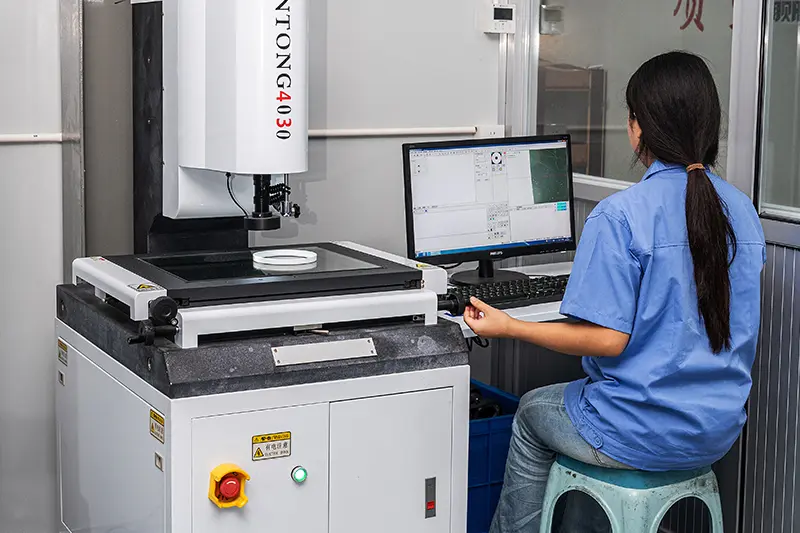
TestTestTestTest

FAQ

Q: Where should I use Barium Sulfate Filled PTFE Sheet?

A: Available in FDA-compliant grades (FDA 21 CFR 170.39, 177.1550) for food and pharmaceutical applications. TA-Luft certified for fugitive emissions control. DNV GL approved for marine applications.

When NOT to use it: Molten alkali metals, fluorine gas, anhydrous HF, or sulfuric acid >75% at temperatures above 65°C.

Q: How does barium sulfate filled PTFE compare to other filled PTFE sheets?

A: Barium sulfate filled PTFE offers the highest density (2.9-3.0 g/cm³) among common filled PTFE grades, providing superior mechanical strength and resistance to cold flow.

It is specifically recommended for applications requiring high structural integrity, such as high bolt load equipment, strong caustics, and toxic chemical service.

Unlike silica-filled PTFE which is not compatible with hydrofluoric acid, barium sulfate filled PTFE is recommended for HF service up to 48%. All three grades, barium sulfate, silica, and glass fiber filled PTFE, offer pH 0-14 chemical resistance and FDA-compliant options.

For badly pitted or warped flanges, consider ePTFE (expanded PTFE) which offers superior conformability with similar chemical resistance but lower mechanical strength.

Q: What are the limits and what are the most common mistakes?

A: Temperature: -180°C to +200°C continuous service.

Pressure: Up to 83 bar (1200 PSI), depends on thickness and design.

Chemical: pH 0-14, NOT compatible with molten alkali metals, fluorine gas, anhydrous HF, or sulfuric acid >75% at temperatures above 65°C.

Three common mistakes:

Using beyond temperature limits: above +260°C, PTFE structure degrades; for higher temperatures use graphite or metal gaskets

Over-tightening: barium sulfate PTFE requires controlled torque; excessive compression can damage the gasket; follow recommended installation torque specifications

Ignoring chemical compatibility limits: verify your specific media against the material's limitations before installation; when in doubt, contact us for verification

Hot Tags: Barium Sulfate Filled PTFE Sheet, Barium Sulfate PTFE Sheet, Filled PTFE Sheet
Send Inquiry
Contact Info
X
We use cookies to offer you a better browsing experience, analyze site traffic and personalize content. By using this site, you agree to our use of cookies.Privacy Policy