Send Inquiry
English
Products
Type B PTFE Envelope Gasket
  • Type B PTFE Envelope GasketType B PTFE Envelope Gasket
  • Type B PTFE Envelope GasketType B PTFE Envelope Gasket

Type B PTFE Envelope Gasket

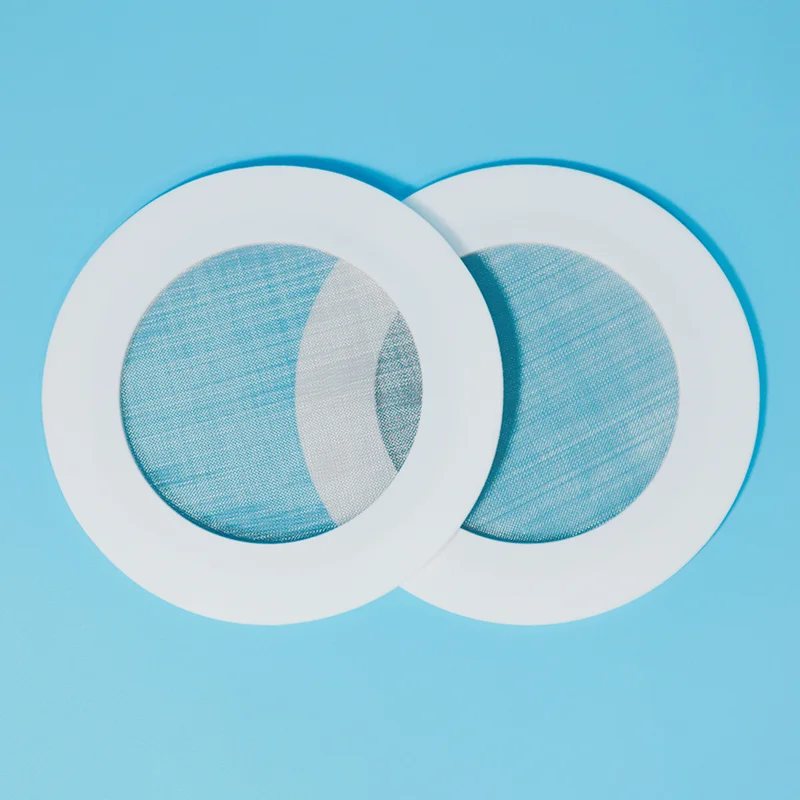
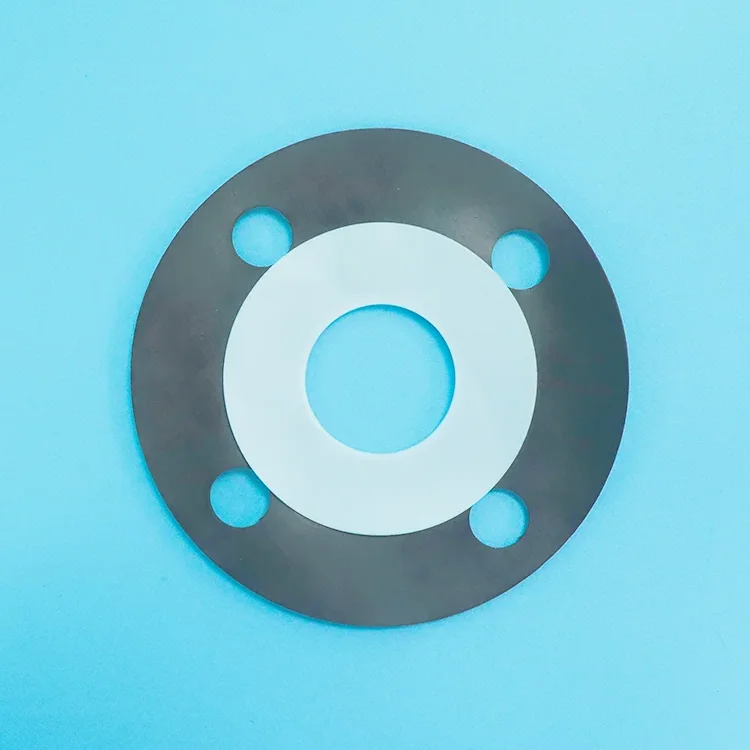
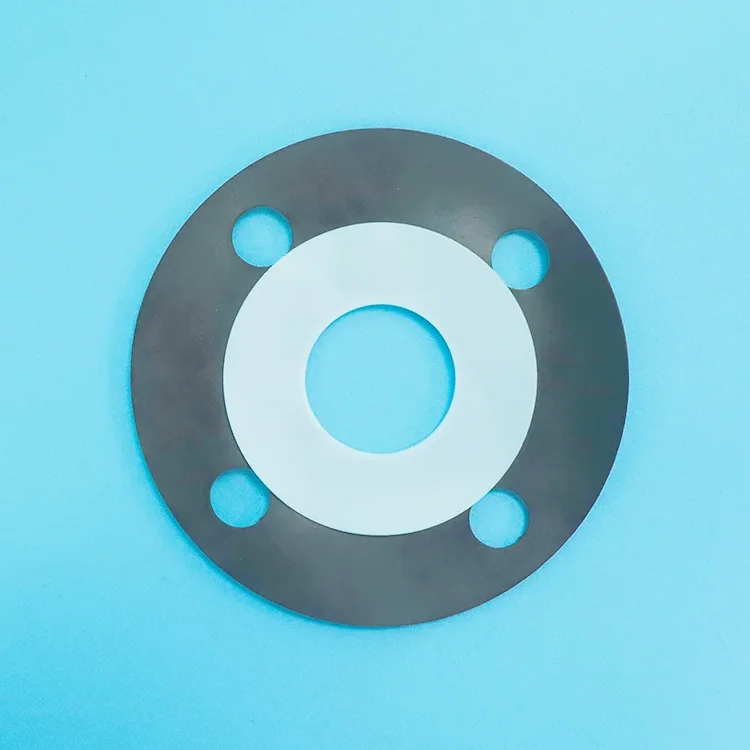
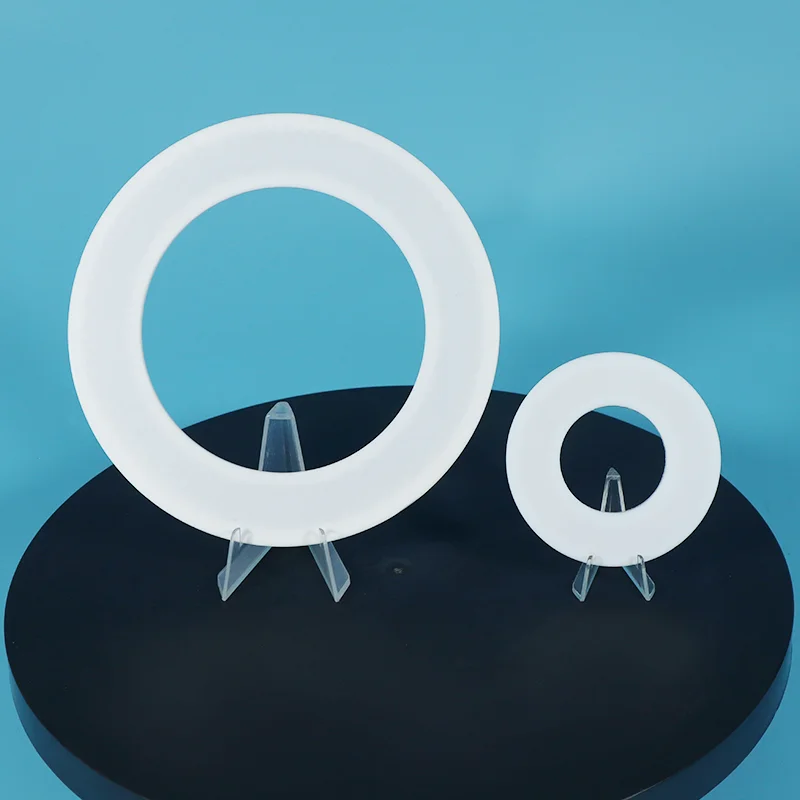
Type B PTFE Envelope Gasket offers better sealing than Type A, lower cost than solid PTFE. It eliminates the weak point of Type A gaskets, prevents corrosive media attacks. Contact Taifno to get a customized solution, we can also offer technical support and free samples.

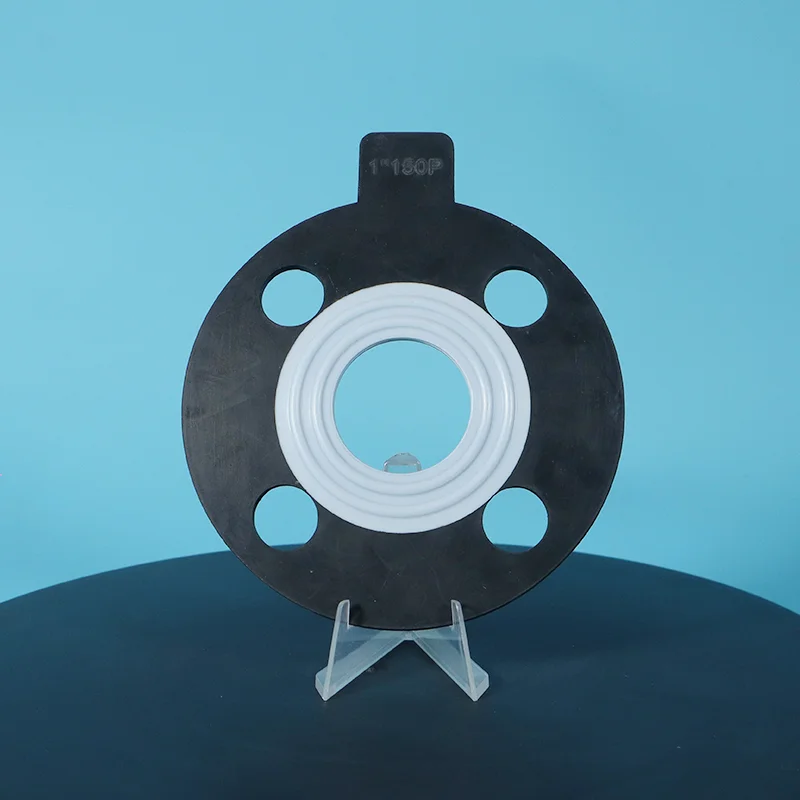
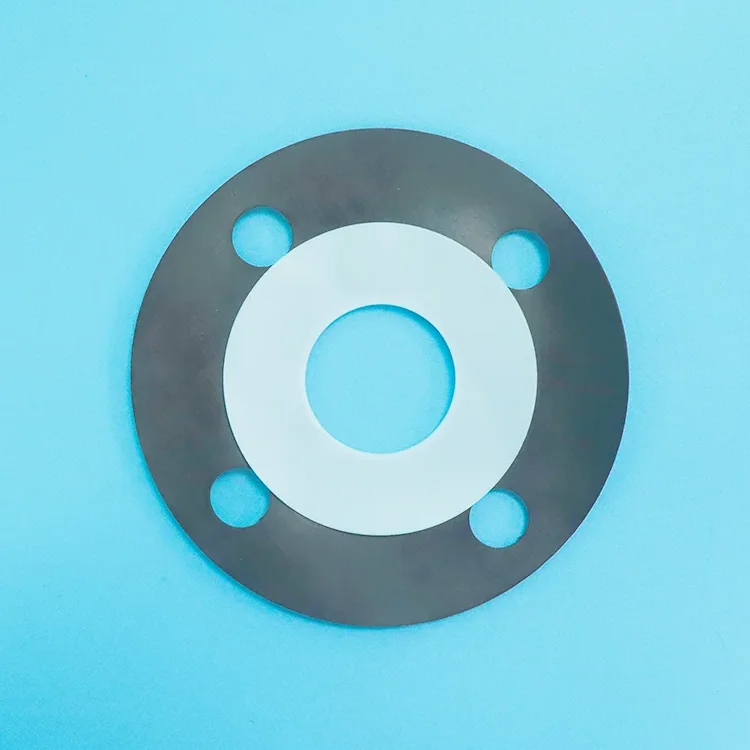
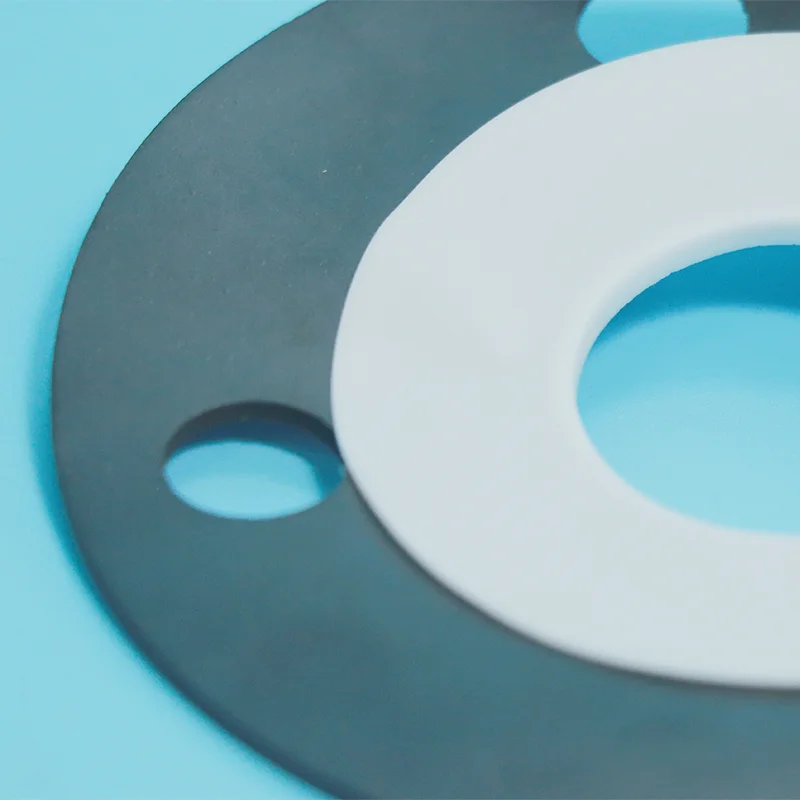
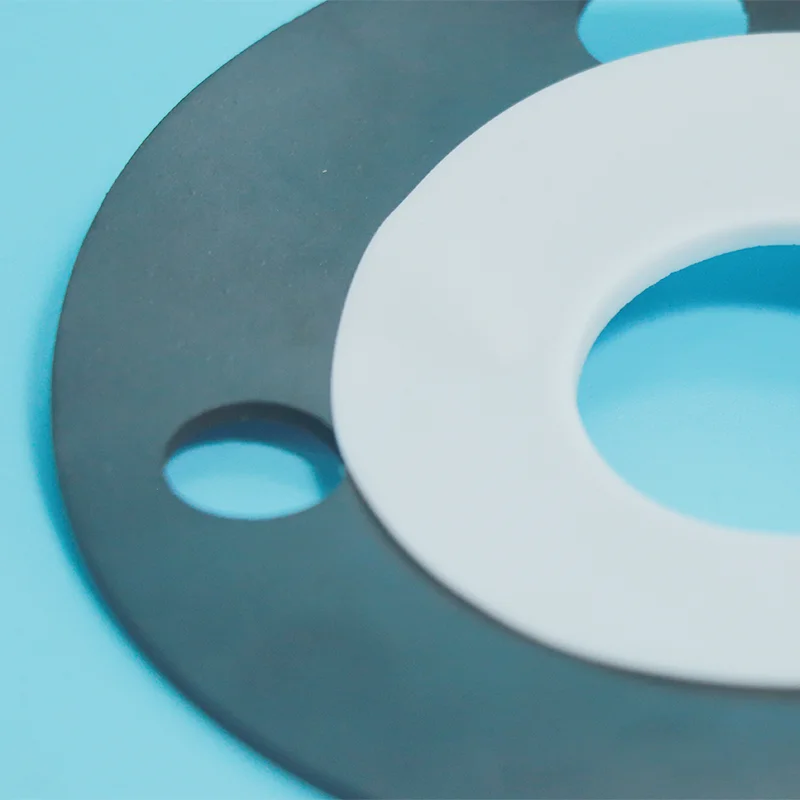
Type B PTFE envelope gasket is machined from PTFE block into a square cross-section, fully encapsulating the filler core with no slit. Better sealing integrity than Type A. Lower cost than solid PTFE.

Send your flange size and media to Taifno, we are a professional manufacturer and can offer customized solutions.

Type B PTFE Envelope GasketType B PTFE Envelope Gasket

What Is Type B PTFE Envelope Gasket?

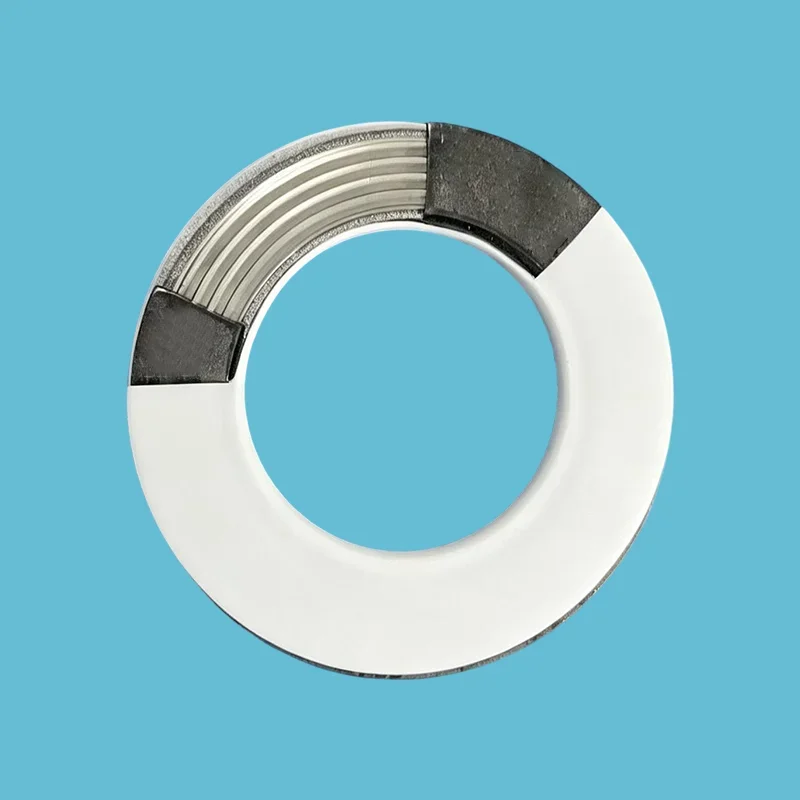
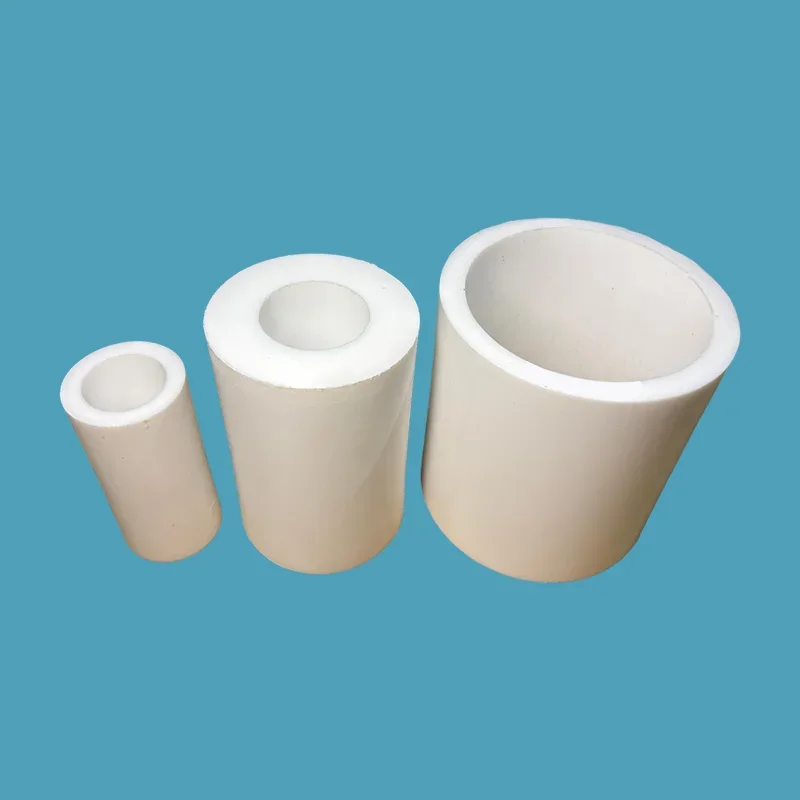
A Type B PTFE envelope gasket consists of a PTFE outer jacket machined from solid PTFE block or sheet, fully encapsulating a soft filler core. Unlike Type A (which has a slit cut from the outer edge), Type B is machined with a square cross-section and has no slit — the filler core is completely sealed within the PTFE envelope.

Structure:

PTFE Jacket: Machined from PTFE block or sheet into a square cross-section, fully encapsulating the filler core with no exposed slit

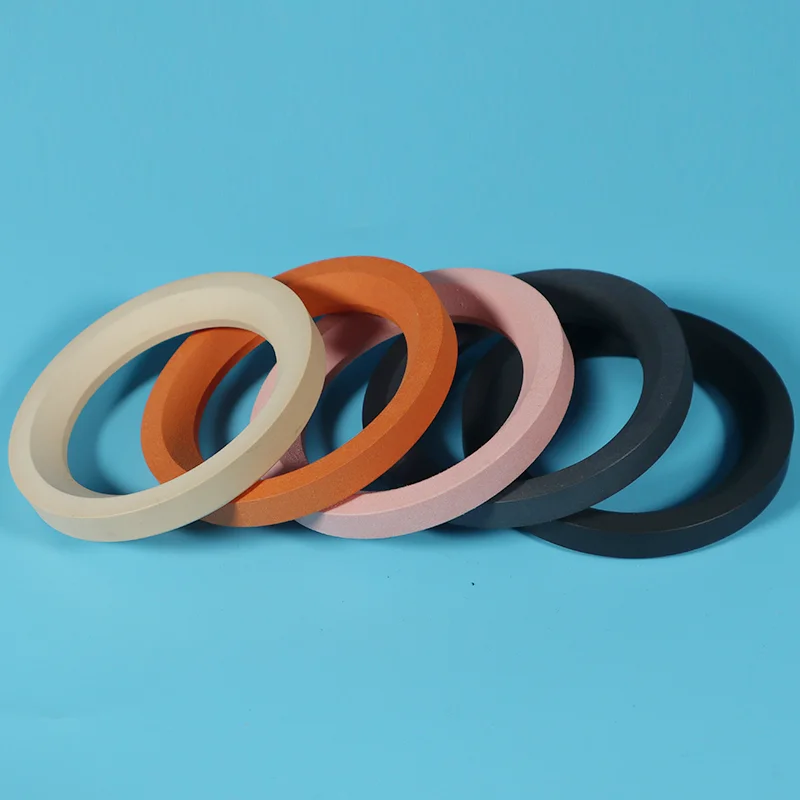
Filler Core: Non-metallic material such as non-asbestos rubber sheet, compressed fiber, or graphite composite sheet

Type B Construction: Full envelope with machined square cross-section, no slit, no exposed filler, better sealing integrity

Key characteristics:

No slit: The filler core is completely sealed within the PTFE jacket, no exposed weak point

Better sealing integrity: The machined construction provides superior sealing performance compared to Type A

Inner diameter matching: The inner diameter can be machined to match the flange bore, preventing flow turbulence and reducing erosion

Comparison & Selection Guide

Type A vs Type B vs Type C vs Solid PTFE

Feature

Type A (Slit)

Type B (Machined)

Type C (Corrugated Metal)

Solid PTFE

Construction

Slit from outer edge

Machined square cross-section

Corrugated metal insert

One-piece solid PTFE

Slit/Weak Point

Yes

No

No

No

Filler Core

Soft non-metallic

Soft non-metallic

Metal (304/316 SS)

None — solid PTFE

Pressure Limit

Up to 4.0 MPa

Up to 5.0 MPa

Highest

Up to 10.0 MPa+

Chemical Resistance

★★★★☆

★★★★★

★★★★☆

★★★★★

Cost

$ — most economical

$$

$$$

$$$$

Best For

Low pressure, general chemicals

Medium-high pressure, critical service

High pressure, thermal cycling

Maximum chemical resistance, high purity

Quick Selection Guide

If Your Application Is...

Choose...

Why

Low-pressure corrosive service, general chemicals, cost-conscious

Type A

Economical, good chemical resistance

Medium-high pressure, critical chemicals, better sealing integrity

Type B

No slit, full encapsulation, lower cost than solid PTFE

High pressure, thermal cycling, blowout risk, large diameter

Type C

Metal core provides spring-back

Ultimate chemical resistance, high purity, no permeation risk

Solid PTFE

No filler core, no permeation, maximum purity

Primary Applications

Industry

Application

Why Type B

Chemical Processing

Medium-high pressure flanges, pump connections, acids, solvents, caustics

Full PTFE envelope, no filler exposure

Pharmaceutical

Sterile processing equipment

Full PTFE jacket prevents contamination

Food & Beverage

Sanitary connections — FDA-compliant

PTFE is non-stick, FDA-compliant

Oil & Gas

Medium pressure corrosive lines

Corrosion resistance + better sealing reliability

FactoryFactoryFactoryFactory

Technical Specifications

Type B PTFE Envelope Gasket Properties

Parameter

Value

Temperature Range

Up to +200°C

Pressure Limit

Up to 5.0 MPa (50 bar)

pH Range

0-14 — universal chemical resistance

PTFE Jacket Construction

Machined, square cross-section

Gasket Factor (m)

2.5

Minimum Seating Stress (y)

20 MPa

Size Range

Up to DN500 (recommended)

Material

PTFE jacket + non-metallic filler core

Available Filler Options

Filler Material

Best For

Temperature Limit

Non-asbestos rubber sheet

General chemical service

Up to +200°C

Compressed fiber

Higher temperature, better recovery

Up to +250°C

Graphite composite sheet

High temperature, thermal cycling

Up to +300°C

FDA-compliant filler

Food and pharmaceutical applications

Up to +200°C

TestTestTestTest

Case Study 

At a large petrochemical plant in Shanghai, the outlet pipeline valve of an ethylene cracker gas compressor (Class 300) operated under H₂S-containing service conditions with exposure to corrosive media, elevated temperatures, pressure fluctuations, and frequent start-stop cycles. The original spiral wound gaskets gradually lost sealing performance during long-term operation due to corrosion of the winding materials and filler components, creating potential leakage risks and increasing maintenance requirements.

To address these challenges, the plant replaced the existing gaskets with Type B PTFE-encapsulated gaskets. Featuring a fully PTFE-jacketed flexible filler core, this design provides excellent resistance to H₂S, acids, alkalis, and other aggressive chemicals while preventing direct contact between the process medium and the internal filler material. The compressible core also delivers improved recovery performance, allowing the gasket to compensate for flange irregularities and pressure fluctuations during operation.

After installation, the Type B PTFE-encapsulated gaskets achieved stable sealing performance in the ethylene cracker gas compressor outlet valve application. Throughout the 4-year turnaround cycle, the system maintained zero leakage, demonstrating the long-term reliability of PTFE-encapsulated gasket technology in demanding petrochemical sealing applications while reducing maintenance frequency and improving operational safety.


FAQ

Q: What is a Type B PTFE envelope gasket, and when should I use it?

A: A Type B PTFE envelope gasket is a machined PTFE jacket with a square cross-section, fully encapsulating a soft filler core with no slit. The full envelope provides superior sealing integrity compared to Type A (slit type), no exposed filler core, no potential weak point. The inner diameter can be machined to match the flange bore, preventing flow turbulence.

Use Type B when: You need better sealing reliability than Type A for medium-to-high pressure corrosive service (up to 5.0 MPa) but don't want to pay for solid PTFE.

When NOT to use Type B: Low-pressure, cost-sensitive applications where Type A is sufficient. For high-pressure or large diameter service, consider Type C. For ultimate chemical purity and no permeation risk, consider solid PTFE.

Q: Type B vs. solid PTFE gasket, which one should I choose?

A: Type B (envelope) offers chemical resistance from the PTFE jacket with compressibility from the filler core, at a lower cost than solid PTFE.

However, the filler core can be attacked if media permeates through the PTFE jacket over time. Solid PTFE gasket offers maximum chemical resistance and purity, no filler core, no permeation risk.

But it costs significantly more and is less resilient (no filler core to provide spring-back).

Quick rule:

Medium pressure, cost-conscious, corrosive service → Type B.

High pressure, ultrapure, critical service, no permeation risk acceptable → Solid PTFE.

Q: What are the limitations and what are the most common mistakes?

A: Temperature: Up to +200°C.

Pressure: Up to 5.0 MPa (50 bar).

Chemical: pH 0-14 universal resistance, NOT compatible with molten alkali metals or elemental fluorine at high temperatures. PTFE can be permeated by some chemicals (nitric acid, chlorine, ethylene oxide) over time.

Common mistakes:

(1) Using Type B in applications where media permeates PTFE: some chemicals can permeate through PTFE over time and attack the filler core, replace gaskets regularly or use solid PTFE gaskets. 

(2) Over-tightening: excessive compression can damage the PTFE jacket, use controlled torque. 

(3) Wrong size selection: A and B types are recommended for sizes up to DN500, for larger diameters, Type C is preferred.

Hot Tags: Type B PTFE Envelope Gasket Manufacturer, PTFE Envelope Gasket Supplier, PTFE Envelope Gasket Wholesale
Send Inquiry
Contact Info
X
We use cookies to offer you a better browsing experience, analyze site traffic and personalize content. By using this site, you agree to our use of cookies.Privacy Policy