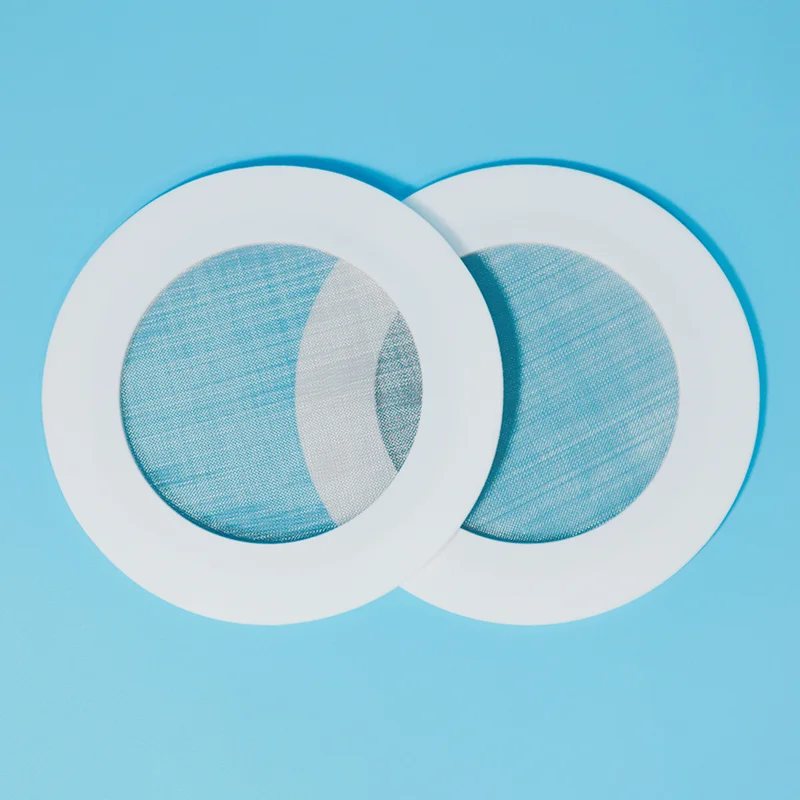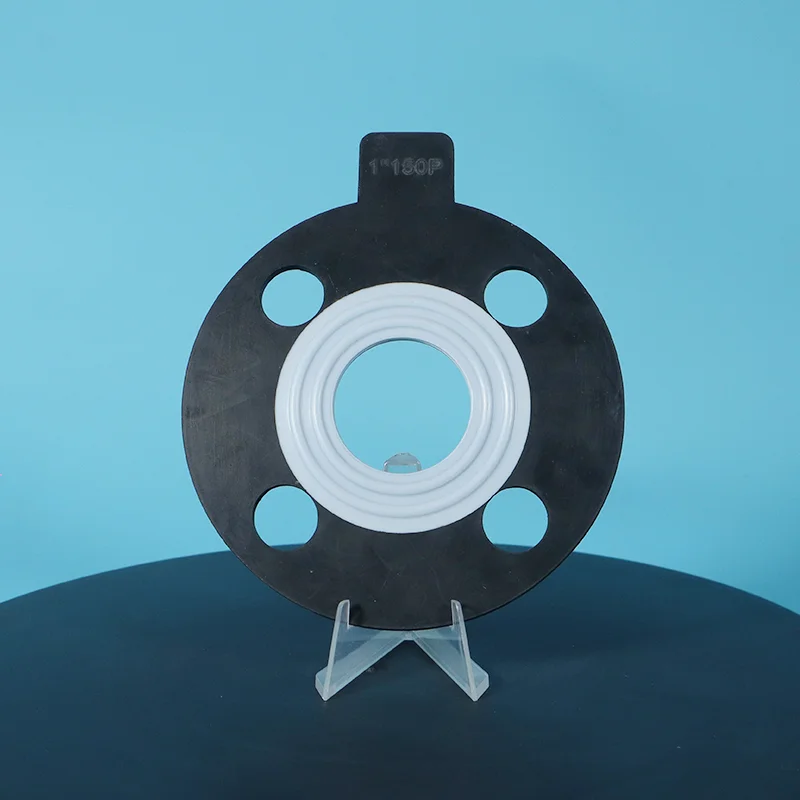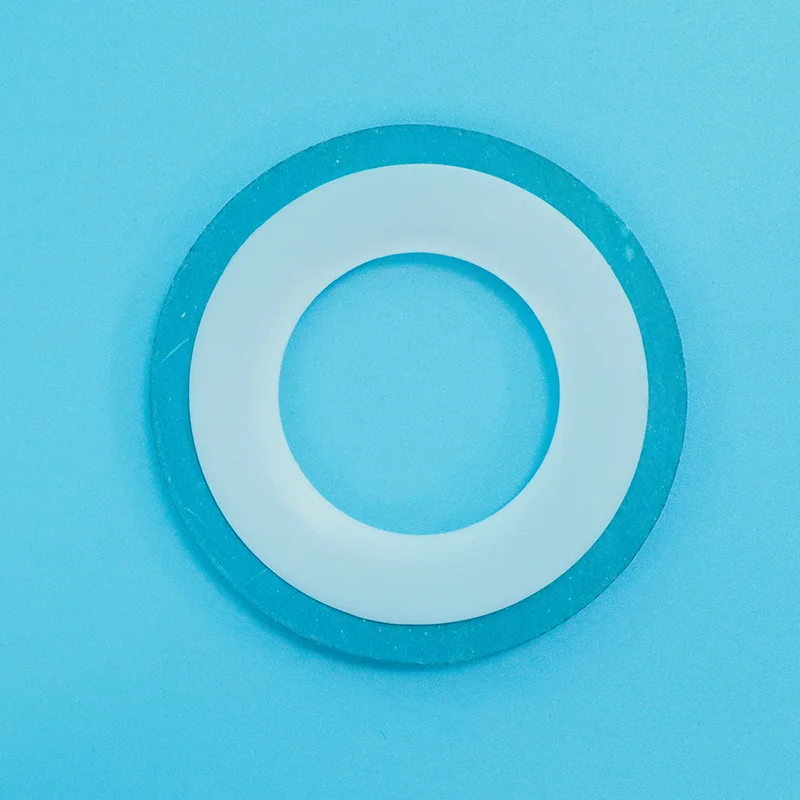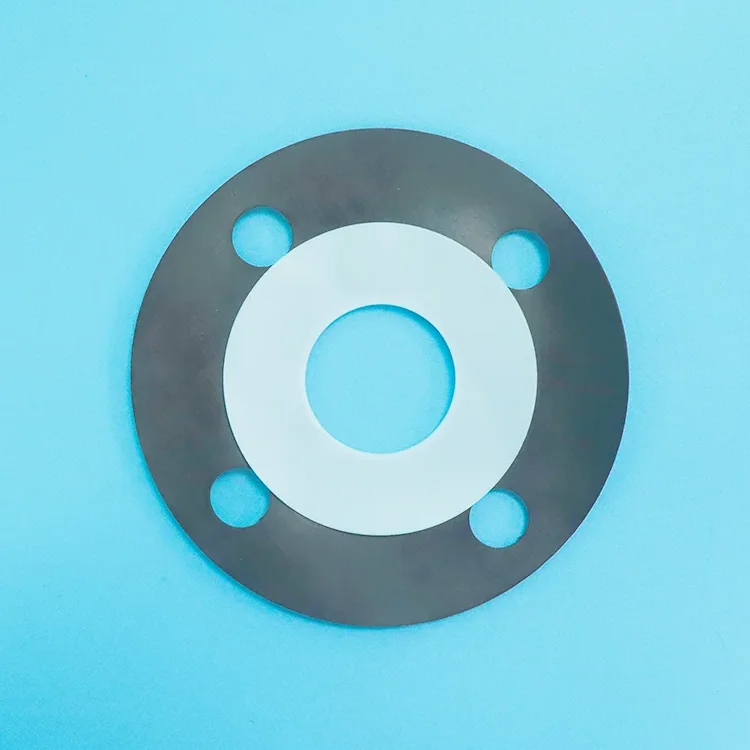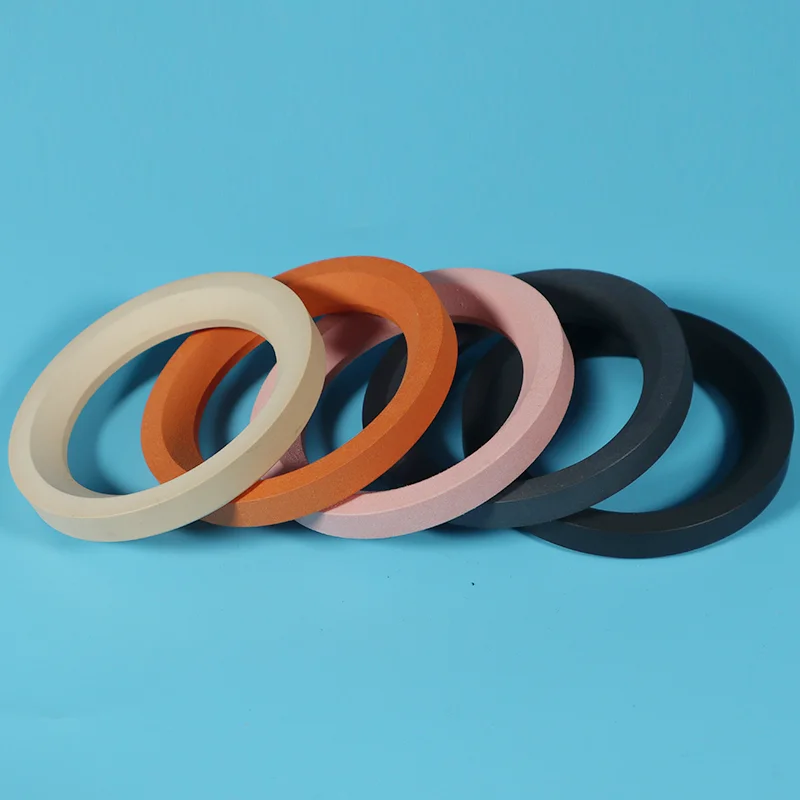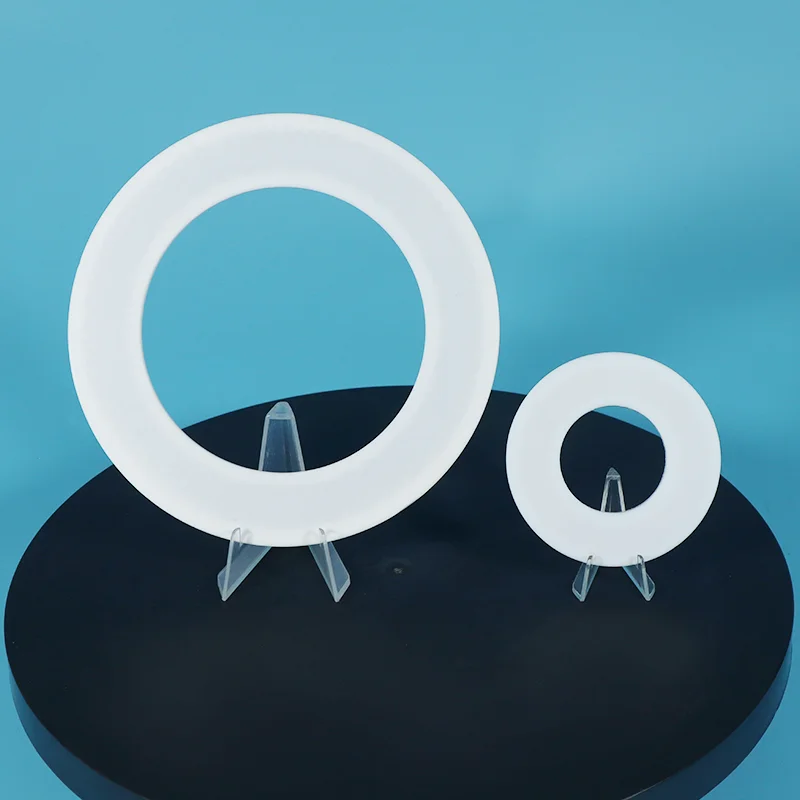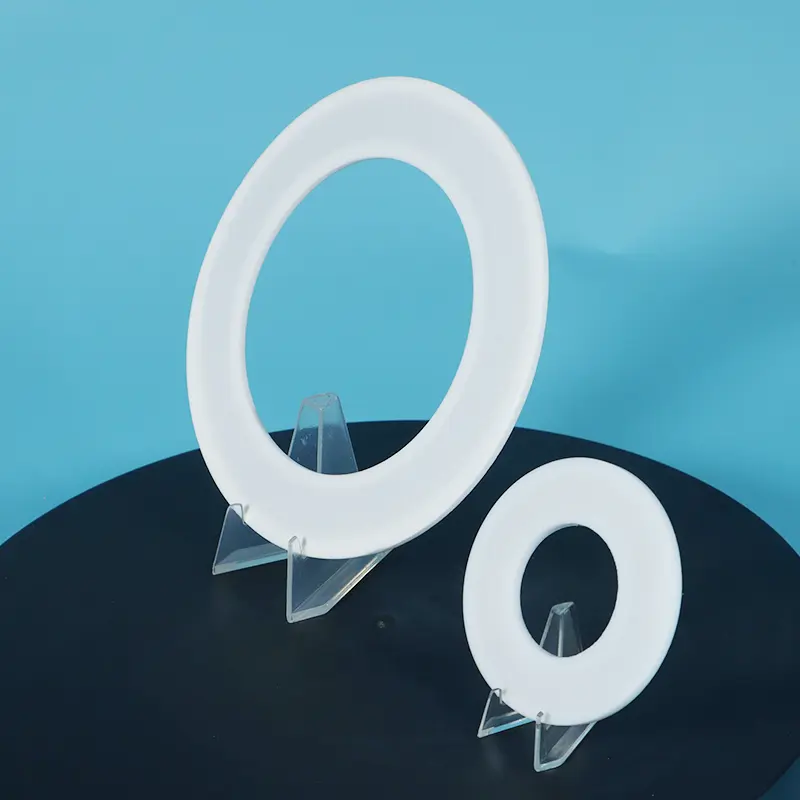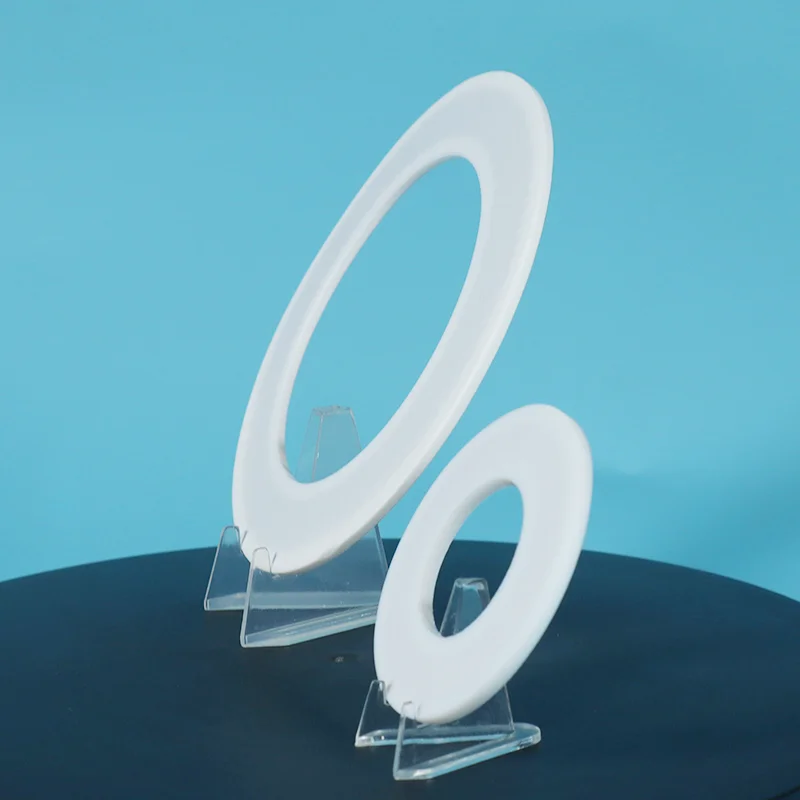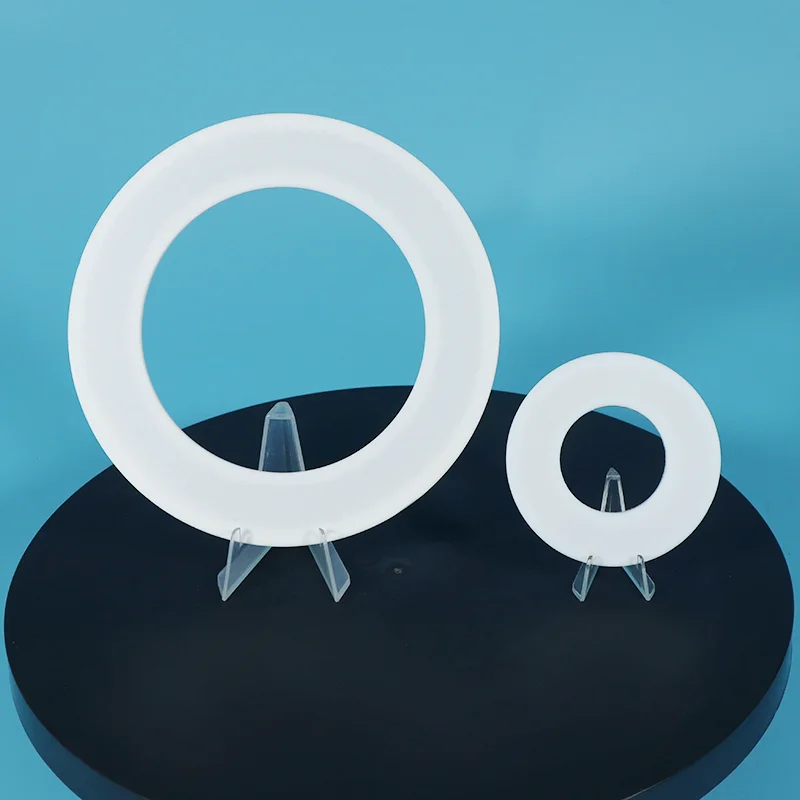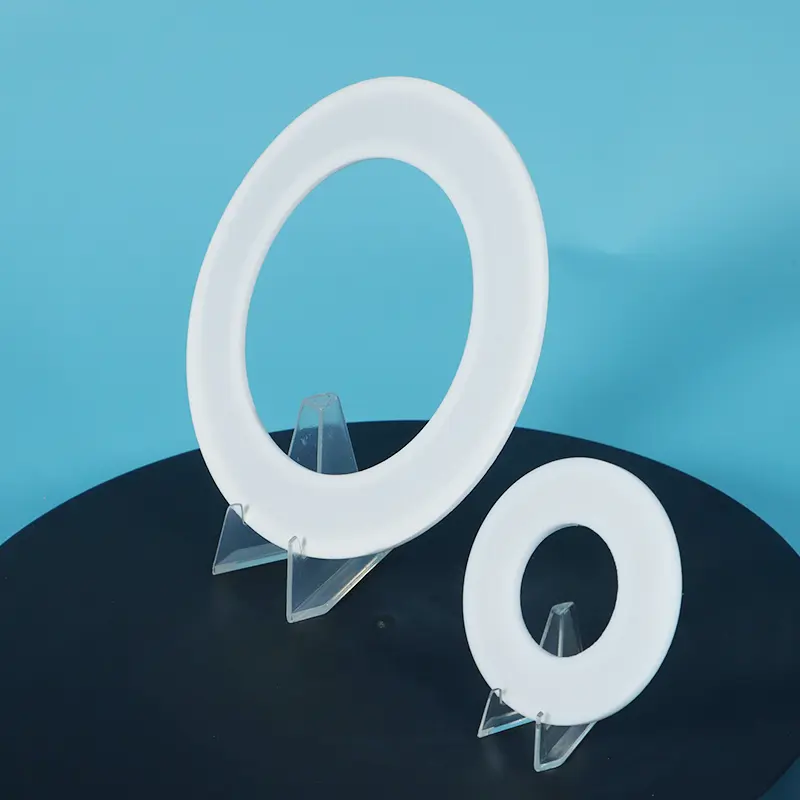
Need the strength of metal with the chemical resistance of PTFE? Taifno offers Metal Clad PTFE Gaskets for global buyers. The metal core provides structural strength, blowout resistance, and high-temperature capability far beyond polymer-only gaskets. The PTFE cover provides chemical resistance and a reliable sealing surface.

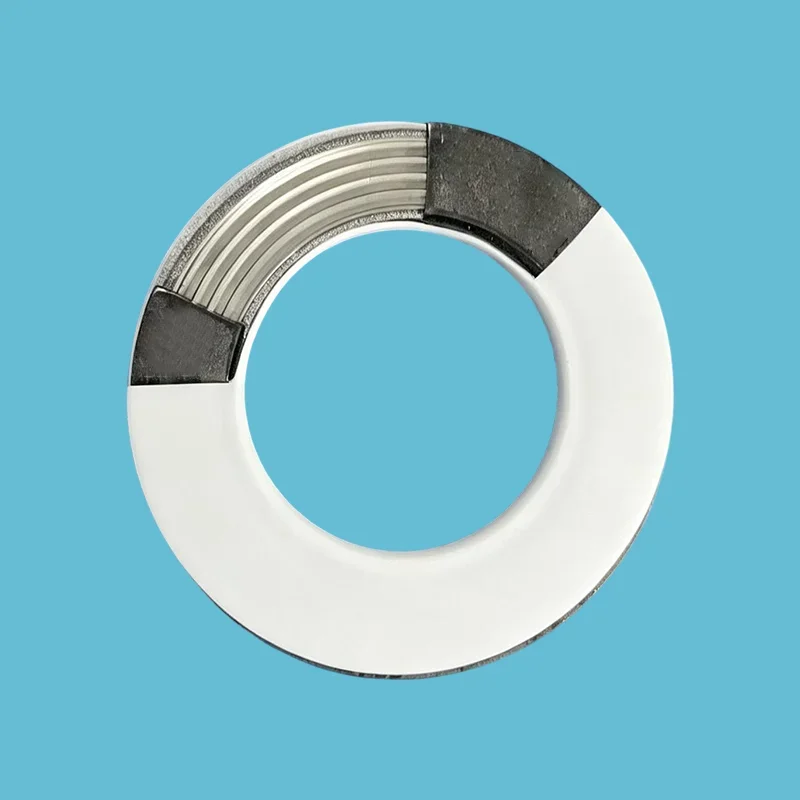
A Metal Clad PTFE Gasket consists of a solid metal core (typically 304/316 stainless steel, carbon steel, copper, or titanium) that is fully or partially covered by a PTFE jacket. The metal core provides structural strength, blowout resistance, and high-temperature capability far beyond polymer-only gaskets. The PTFE cover provides universal chemical resistance (pH 0-14) and a reliable sealing surface.
Metal Core: Provides structural strength, blowout resistance, and high-temperature capability
PTFE Jacket: Provides universal chemical resistance (pH 0-14), non-stick surface, and protects the metal core from corrosion
Filler Core (Optional): Non-asbestos, graphite, or PTFE filler inside the metal core provides additional resilience
Metal strength: Handles extreme pressure (up to 100 MPa) and temperature (up to +700°C)
PTFE protection: PTFE jacket provides chemical resistance and prevents contamination
Large diameter capability: Up to DN5000 — ideal for heat exchangers and large vessels
Complex shapes: Can be manufactured in circular, oval, and rectangular shapes
|
Feature |
PTFE Metal Jacketed |
Spiral Wound |
Type C Envelope |
Solid PTFE |
|
Core Material |
Solid metal (steel/SS/copper/titanium) |
V-shaped metal + filler |
Corrugated metal insert |
None — solid PTFE |
|
Temperature Range |
Up to +700°C |
Up to +650°C (graphite) |
Up to +260°C |
Up to +260°C |
|
Pressure Capability |
Up to 100 MPa |
Up to 100 MPa |
Moderate-high |
Moderate |
|
Blowout Resistance |
★★★★★ excellent |
★★★★★ excellent |
★★★★☆ good |
★★☆☆☆ poor |
|
Chemical Resistance |
★★★★★ pH 0-14 |
★★★★☆ |
★★★★★ |
★★★★★ |
|
Large Diameter |
Up to DN5000 |
Up to DN1500 |
DN350+ |
Limited |
|
Best For |
Extreme pressure, extreme temperature, heat exchangers |
High pressure, high temperature, steam |
Thermal cycling, chemical service |
Maximum purity, FDA applications |
|
If Your Application Is... |
Choose... |
Why |
|
Extreme pressure (up to 100 MPa), extreme temperature (up to +700°C) |
Metal Jacketed |
Solid metal core provides maximum strength and heat resistance |
|
Heat exchangers, large vessels, large diameter flanges (up to DN5000) |
Metal Jacketed |
Up to DN5000 — handles large diameters |
|
High pressure, high temperature, steam, thermal cycling |
Spiral Wound |
V-shaped metal + filler provides excellent performance |
|
Chemical service + thermal cycling |
Type C |
Corrugated metal provides spring-back |
|
Maximum chemical purity, no metal content, FDA applications |
Solid PTFE |
No metal core, no contamination risk |
|
Industry |
Application |
Why Metal Jacketed |
|
Chemical Processing |
Heat exchangers, pressure vessels, reactor flanges |
Metal strength + PTFE chemical resistance |
|
Oil & Gas |
Pipeline flanges, wellhead equipment, high-pressure lines |
Extreme pressure capability, blowout resistance |
|
Power Generation |
Steam systems, boiler connections, turbine seals |
High temperature up to +700°C |
|
Pharmaceutical |
Sterile processing equipment |
PTFE cover prevents contamination |
|
Heat Exchangers |
Shell and tube heat exchangers, pass partition bars |
Complex shapes available — circular, oval, rectangular |


|
Parameter |
Value |
|
Temperature Range |
Up to +700°C (depending on metal core) |
|
Pressure Capability |
Up to 100 MPa (100 bar) |
|
pH Range |
0-14 — universal chemical resistance |
|
Metal Core Materials |
Carbon steel, 304 SS, 316 SS, 316L SS, copper, titanium, Hastelloy, Inconel |
|
PTFE Jacket Material |
Virgin PTFE or expanded PTFE |
|
Filler Options |
Non-asbestos, graphite, PTFE, ceramic fiber |
|
Diameter Range |
Up to DN5000 (5 meters) |
|
Thickness Range |
2-8 mm |
|
Gasket Factor (m) |
3.75 |
|
Minimum Seating Stress (y) |
60 MPa |
|
Core Material |
Temperature Limit |
Best For |
|
Carbon Steel |
Up to +300°C |
General service, cost-effective |
|
304 Stainless Steel |
Up to +530°C |
General chemical service |
|
316 Stainless Steel |
Up to +530°C |
Improved corrosion resistance — aggressive chemicals |
|
316L Stainless Steel |
Up to +530°C |
Enhanced corrosion resistance — acidic environments |
|
Copper |
Up to +400°C |
Heat exchangers, thermal conductivity |
|
Titanium |
Up to +500°C |
Seawater, marine applications |
|
Hastelloy® |
Up to +700°C |
Extreme corrosion resistance — highly aggressive chemicals |
|
Inconel® |
Up to +700°C |
High-temperature strength — extreme heat |
100% Virgin PTFE Resin — consistent quality, batch after batch
Premium Metal Core — high-strength, corrosion-resistant materials
Full Traceability — material certificates available on request
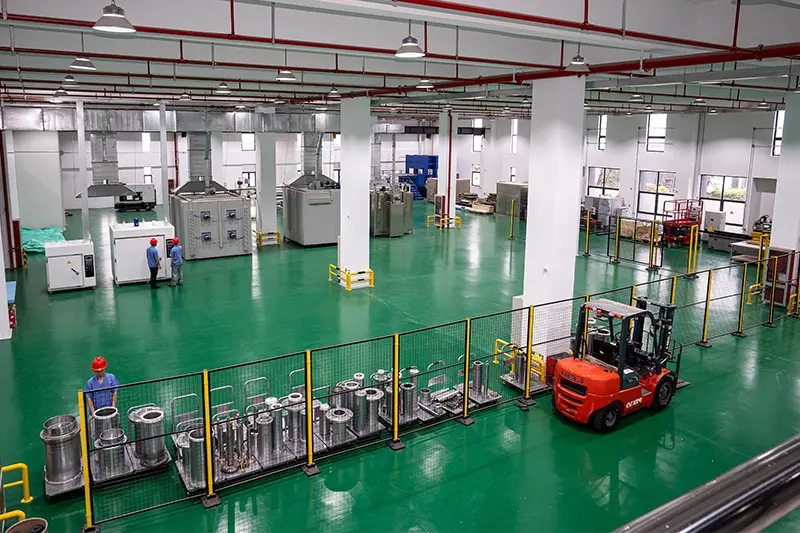
Custom Manufacturing — circular, oval, and rectangular shapes available
Large Diameter Capability — up to DN5000 (5 meters)
Lead Time — standard sizes 5-10 days; custom sizes 10-20 days depending on complexity


At a fine chemical plant in Jiangsu, a glass-lined polymerization reactor equipped with a DN1200 manhole was operating under demanding thermal cycling conditions, with one temperature cycle between ambient temperature and 200℃ every day.
Although solid PTFE gaskets offered excellent chemical resistance, their lack of structural reinforcement caused creep deformation, stress relaxation, and reduced sealing pressure during repeated thermal cycling. As a result, leakage occurred after approximately one month of operation, affecting production continuity.
To overcome the challenges of high-temperature cycling and the sealing requirements of glass-lined equipment, PTFE-encapsulated gaskets with 304 stainless steel corrugated cores were installed as a replacement solution. The PTFE encapsulation layer provides outstanding chemical resistance, while the corrugated stainless steel core enhances mechanical strength, recovery performance, and resistance to thermal cycling.
After replacement, the gasket service life was extended from around 1 month to 10 months, significantly reducing maintenance frequency and improving the long-term reliability of the polymerization reactor.
A: Both handle high pressure and high temperature, but they serve different applications.
Metal Clad PTFE Gasket: a solid metal core fully or partially covered in PTFE. Best for chemical service where PTFE chemical resistance is required, heat exchangers, large diameter flanges (up to DN5000), and complex shapes (circular, oval, rectangular).
Spiral wound gasket: V-shaped metal windings with filler (graphite/PTFE) between them. Best for high pressure, high temperature, steam, and standard ASME flange applications up to DN1500.
Quick rule:
Chemical service, large diameter, complex shapes → Metal jacketed.
High pressure, high temperature, steam, standard flanges → Spiral wound.
A: Temperature: Up to +700°C depending on the metal core material, 304/316 SS up to +530°C, carbon steel up to +300°C, and Hastelloy/Inconel up to +700°C.
Pressure: Up to 100 MPa (100 bar).
Chemical: pH 0-14 universal resistance (PTFE cover).
The key difference from standard PTFE gaskets: The metal core enables far higher temperature and pressure capability, making them the preferred choice for heat exchangers and high-pressure vessels.
Size capability: Up to DN5000 (5 meters), significantly larger than spiral wound gaskets which are typically limited to DN1500.
A: Temperature: Up to +700°C (depending on metal core).
Pressure: Up to 100 MPa.
Chemical: pH 0-14, PTFE jacket provides universal resistance, but the metal core can corrode if the PTFE jacket is damaged.
Three common mistakes:
(1) Using metal jacketed gaskets in applications where the PTFE jacket is not compatible: PTFE is not compatible with molten alkali metals or elemental fluorine at high temperatures.
(2) Over-tightening: while the metal core is strong, excessive compression can damage the PTFE jacket; use controlled torque.
(3) Wrong metal core selection: choose the right metal core for your temperature and media; carbon steel corrodes in salt water, 316 SS handles acidic environments better, titanium is best for marine applications.
We include installation specifications with every order.
Address
No.1028, Qiersan Street, Andong Town, Cixi City, Zhejiang Province, China
Tel