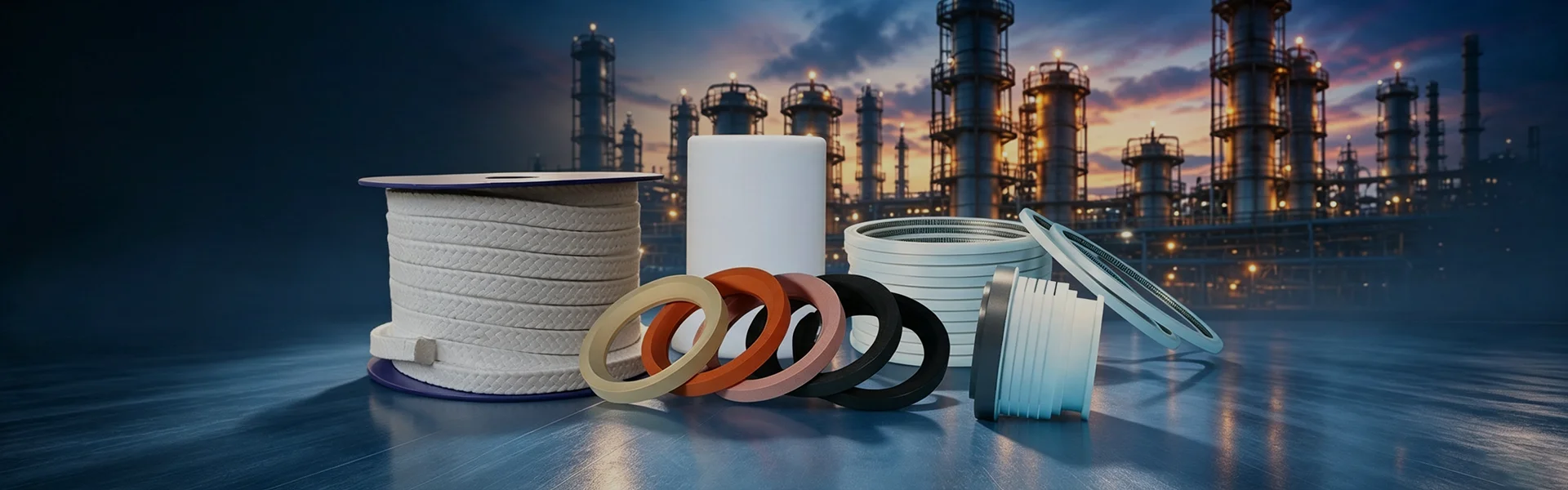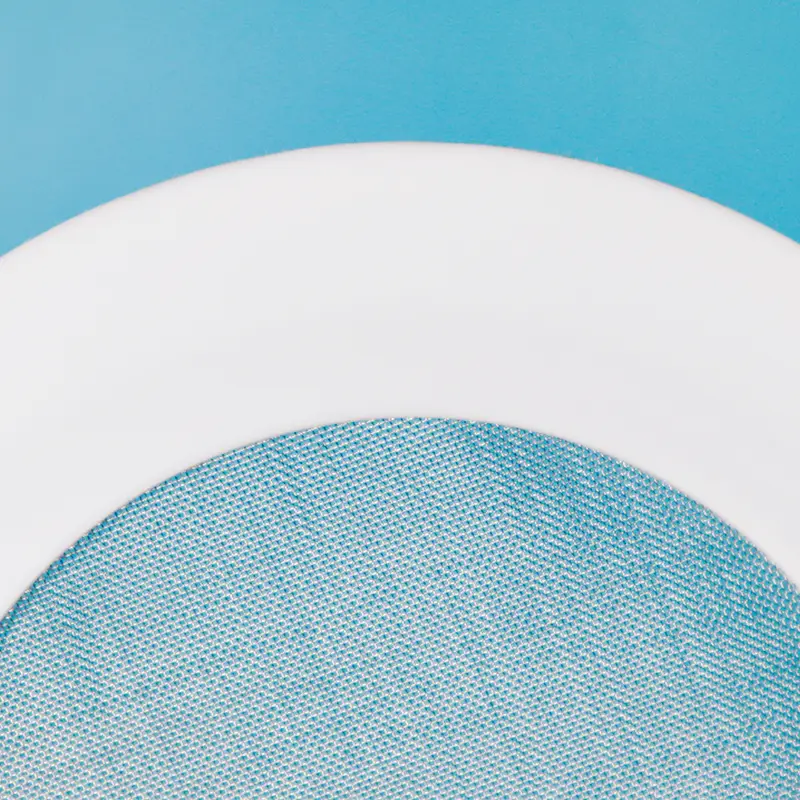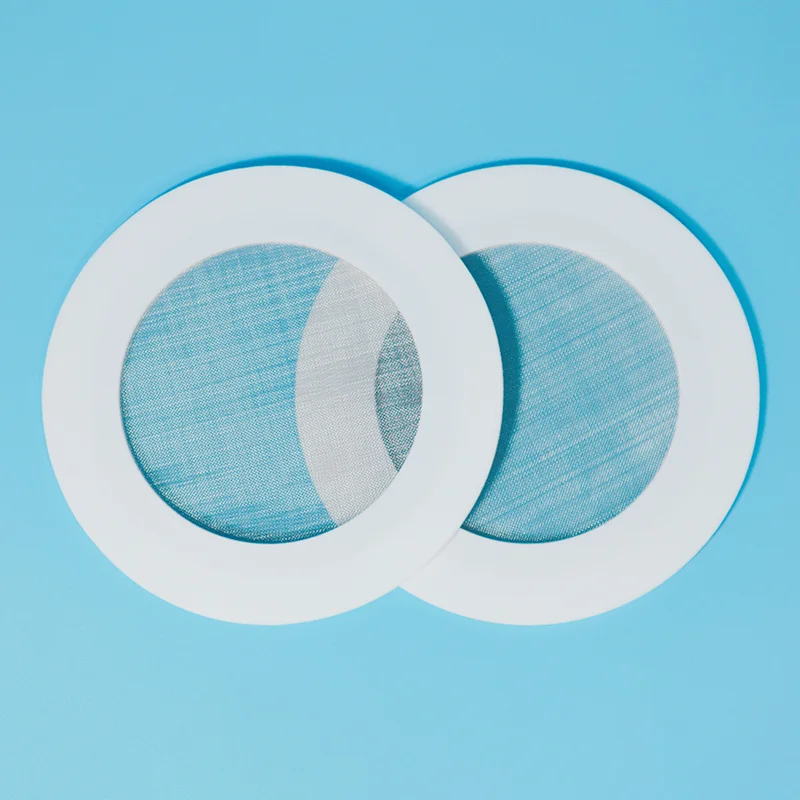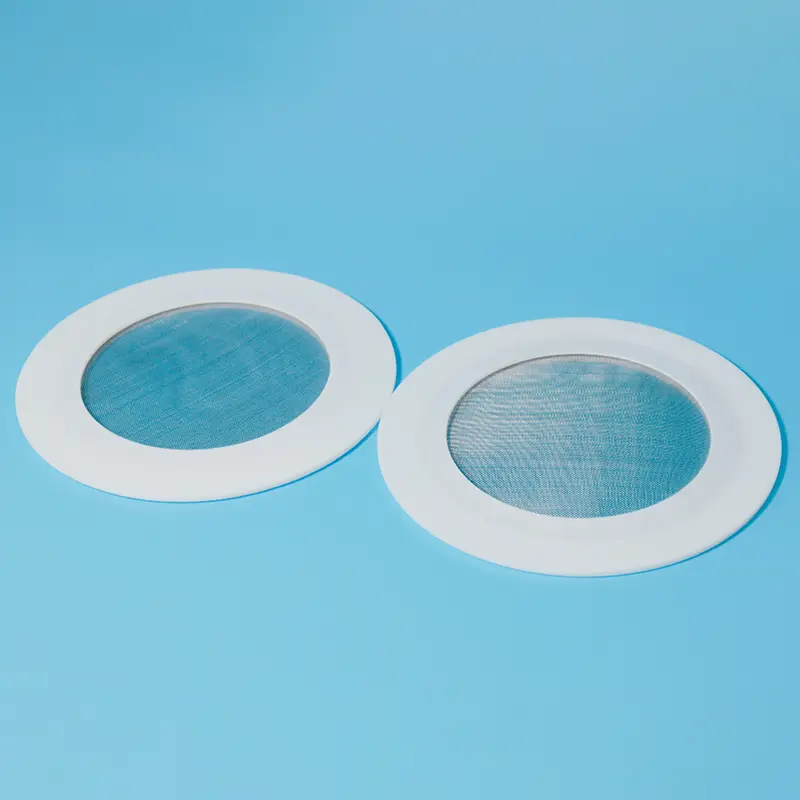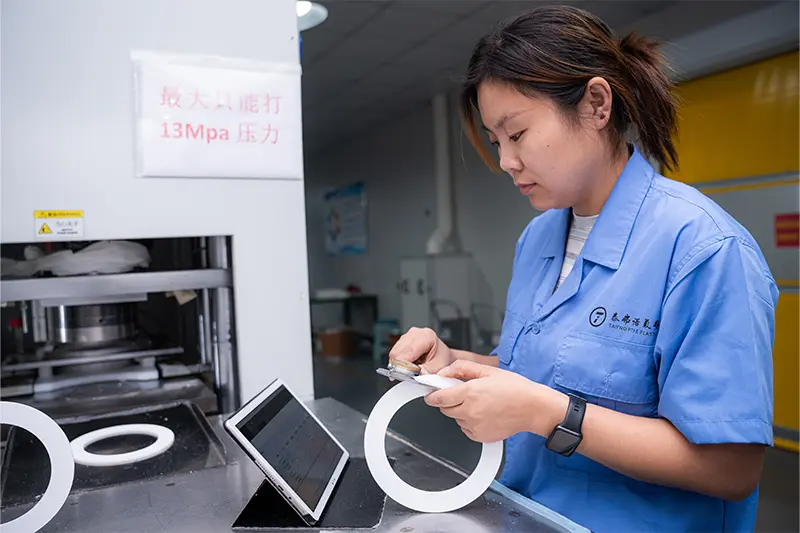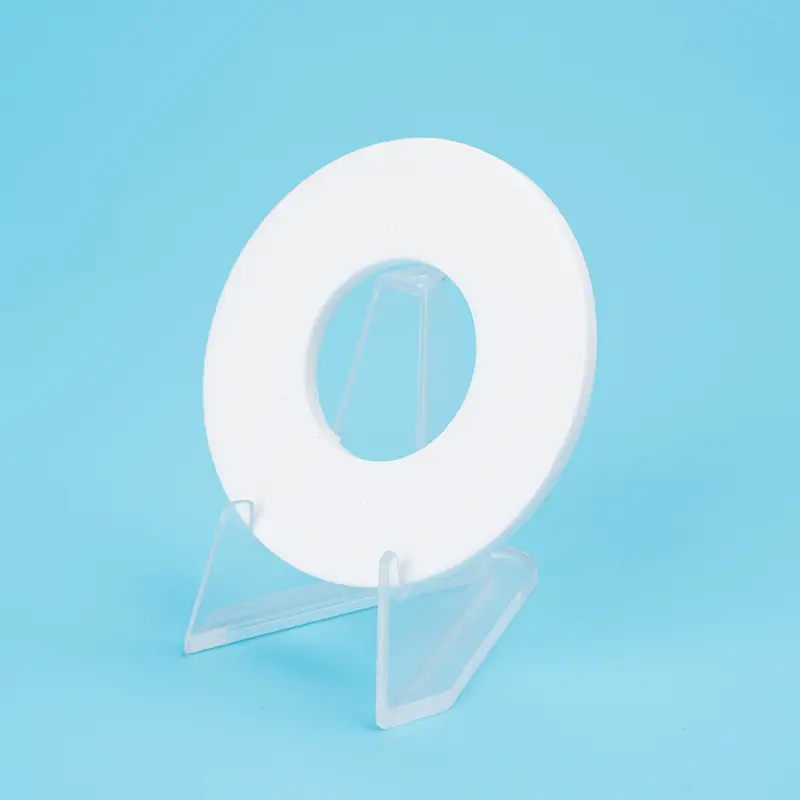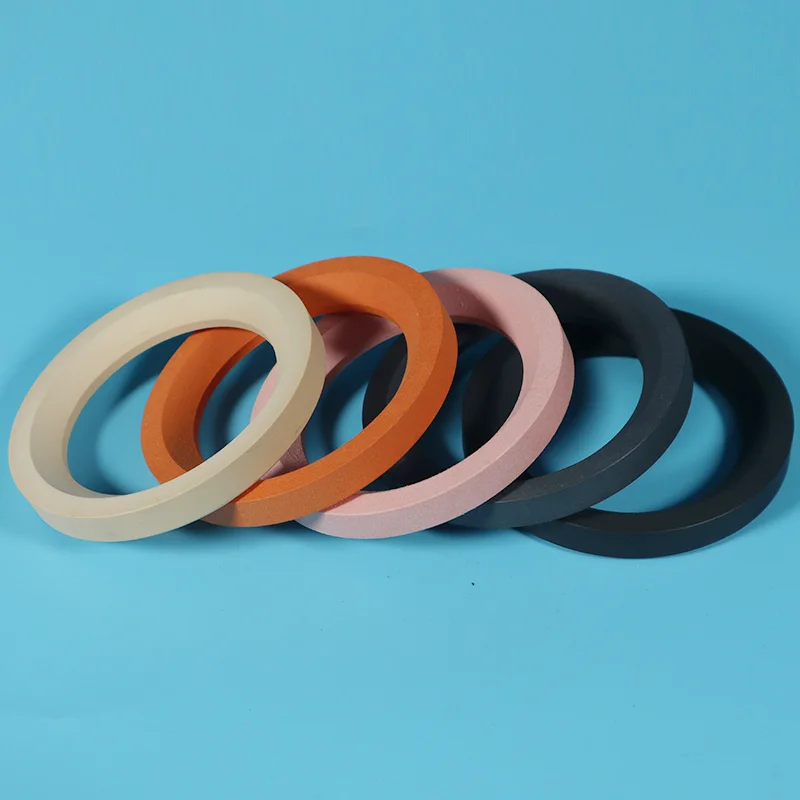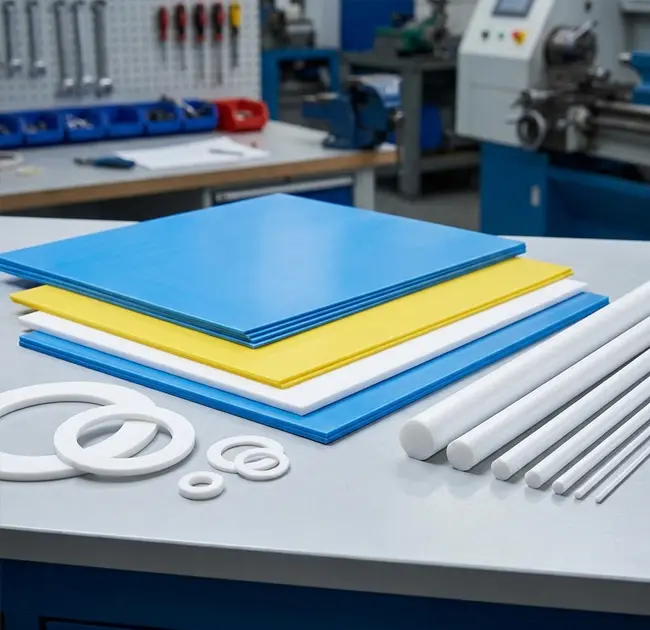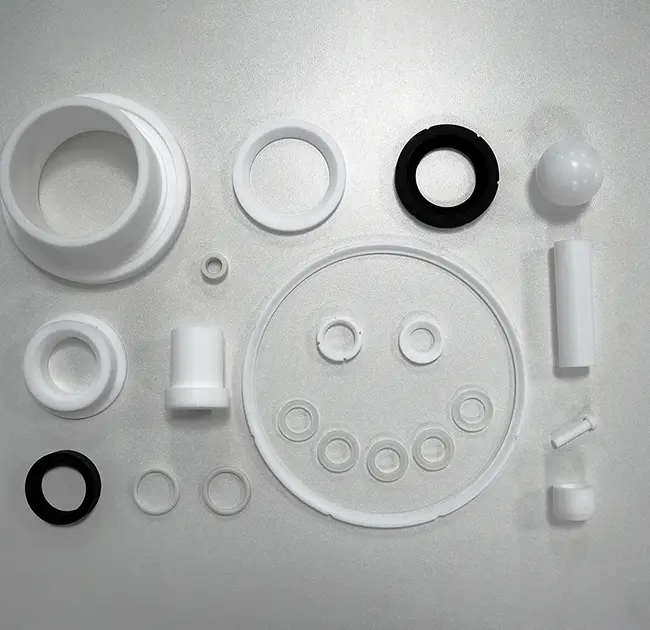
Metal Mesh Reinforced PTFE gaskets offer superior structural strength compared to standard PTFE gaskets, with a pressure resistance of up to 6.4 MPa (64 bar); available mesh specifications range from #40 to #200 (SUS316 material). As a professional manufacturer, Taifno also offers FDA-compliant models suitable for the food and pharmaceutical industries.
Please provide the flange dimensions and mesh specifications, and we will provide a quotation within 24 hours.

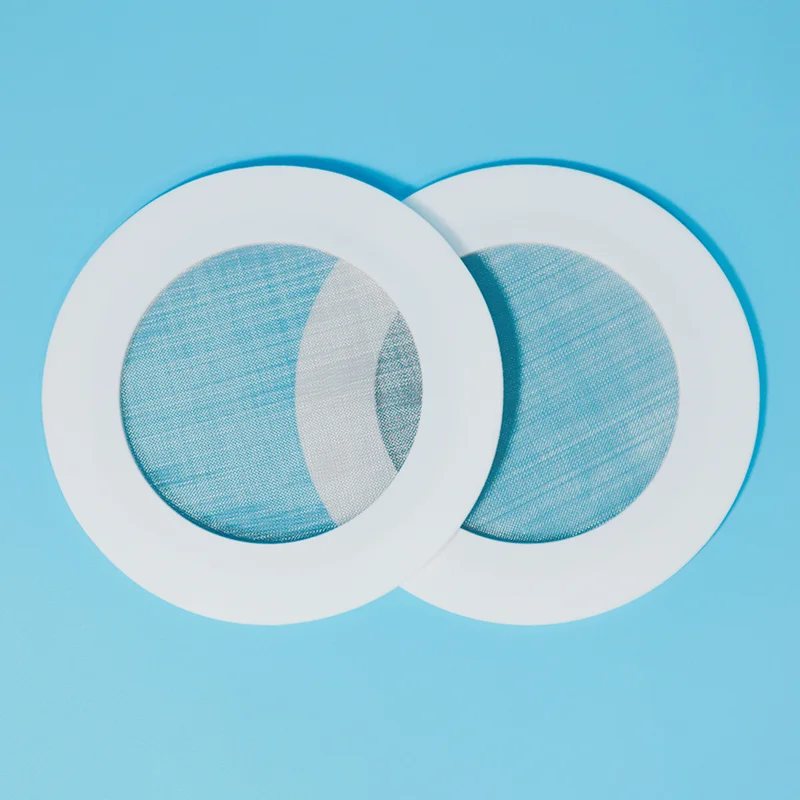
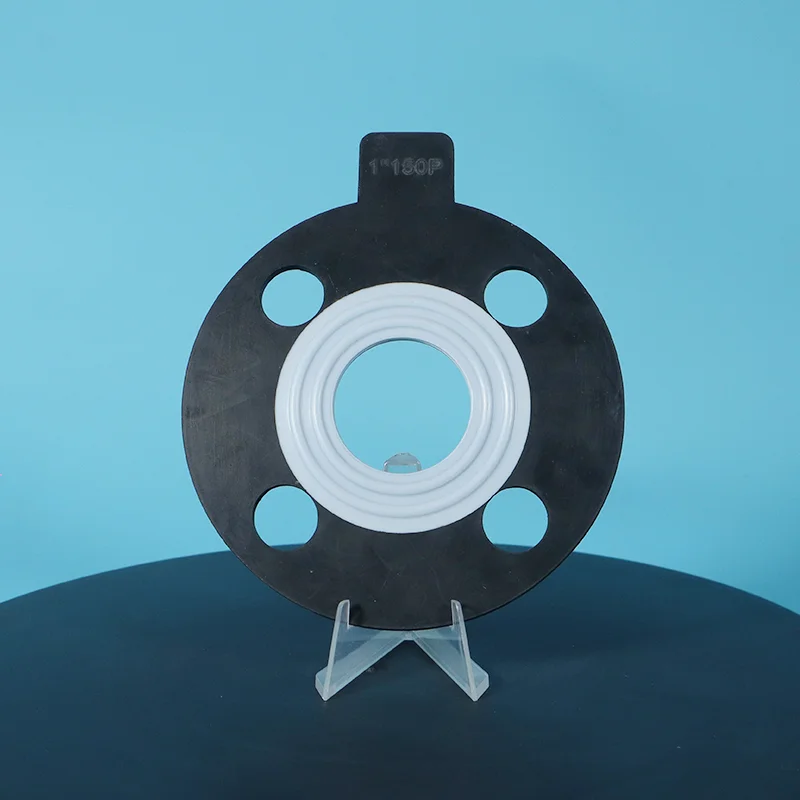
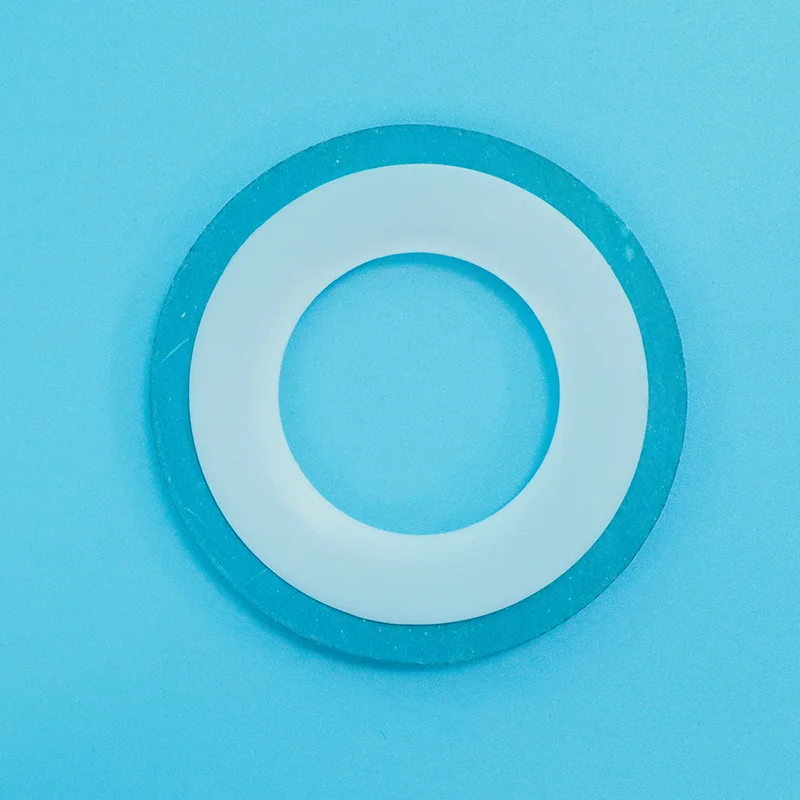
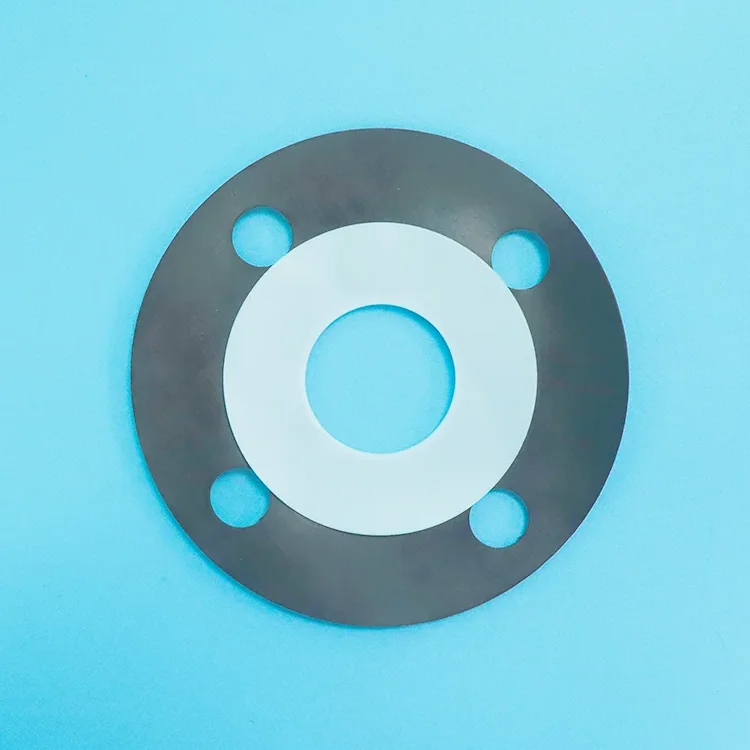
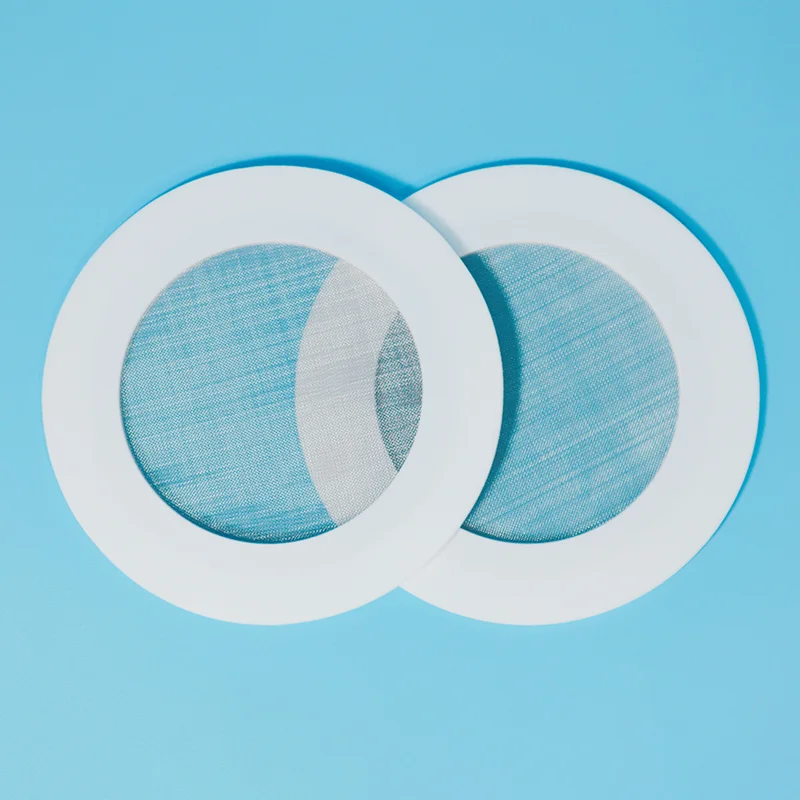
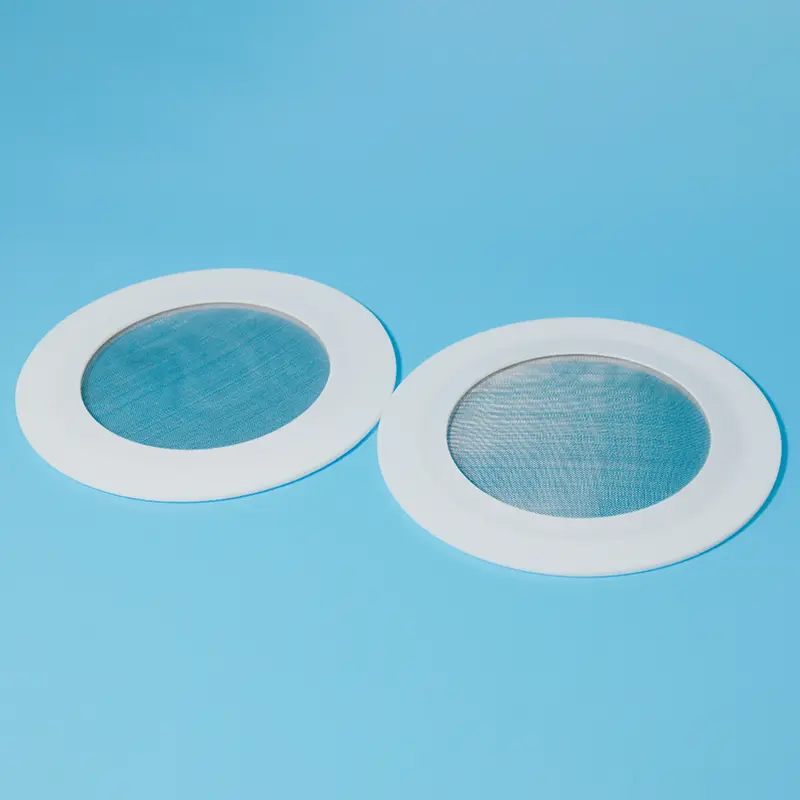
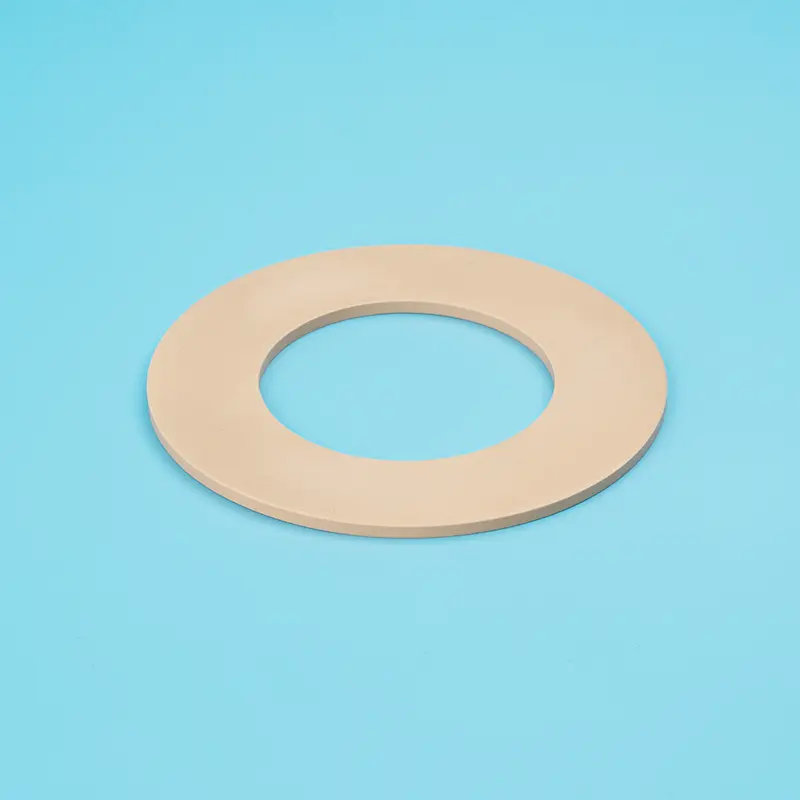
A Metal Mesh Reinforced PTFE Gasket is a composite sealing component that combines a PTFE sealing element with a stainless steel mesh (SUS316) integrated into the gasket structure. The metal mesh provides reinforcement while the PTFE provides chemical resistance and sealing.
Reinforced Gasket (Structural): Metal mesh embedded within the PTFE body to resist cold flow, reduce creep relaxation, and prevent blowout under high pressure
Strainer Gasket (Filter): Metal mesh covers the bore, acting as an integrated strainer to catch particulates while the PTFE seals the flange
PTFE body: Provides universal chemical resistance (pH 0-14) and low friction sealing
Metal mesh (SUS316): Provides reinforcement, blowout resistance, and filtration
Homogeneous bonding: PTFE fused around the metal during sintering — no adhesives, no delamination
Reinforced design: reduces creep and cold flow, maintains bolt torque longer
Blowout protection: metal reinforcement prevents gasket extrusion under high pressure
Integrated filtration: catches particulates without a separate strainer
Low torque sealing: suitable for glass-lined, FRP, and cast iron flanges
Wide chemical compatibility: PTFE handles pH 0-14, SUS316 mesh handles most media
FDA-compliant grades available: food and pharmaceutical applications
Versatile mesh options: available from #40 to #200 mesh (SUS316)
Filter mesh requires periodic inspection: clogging can cause pressure drop or damage
Not for continuous heavy filtering: use a dedicated strainer for heavy solids loading
|
Feature |
Metal Mesh PTFE |
Metal Jacketed PTFE |
Standard PTFE |
|
Creep Resistance |
★★★★☆ improved |
★★★★★ excellent |
★★☆☆☆ poor |
|
Blowout Protection |
★★★★☆ good |
★★★★★ excellent |
★☆☆☆☆ poor |
|
Filtration |
✅ Integrated strainer option |
❌ None |
❌ None |
|
Chemical Resistance |
★★★★★ pH 0-14 |
★★★★☆ |
★★★★★ |
|
Flange Protection |
★★★★☆ low torque |
★★★☆☆ |
★★★☆☆ |
|
FDA Compliant |
✅ Yes |
✅ Yes |
✅ Yes |
|
Cost |
$$ |
$$$ |
$ |
|
Best For |
Filtration + sealing, creep resistance, low torque |
Extreme pressure, high temperature |
General chemical service |
|
If Your Service Is... |
Choose... |
Why |
|
Pipeline needs particulate removal + sealing |
Strainer Gasket |
One component, two functions — lower cost, fewer leaks |
|
High pressure, thermal cycling, blowout risk |
Reinforced Gasket |
Metal reinforcement resists creep and extrusion |
|
Glass-lined, FRP, or cast iron flanges |
Strainer or Reinforced |
Low clamp load sealing + metal reinforcement |
|
Food, beverage, or pharmaceutical |
FDA-compliant Strainer Gasket |
PTFE + SUS316 — FDA grades available |
|
Chemical processing, strong acids |
Reinforced Gasket |
pH 0-14 chemical resistance + structural strength |
|
Mesh Size |
Particle Size |
Best For |
|
#40 |
Coarse (approx. 420µm) |
Large solids, slurries, mining applications |
|
#60 |
Medium (approx. 250µm) |
General industrial filtration |
|
#100 |
Fine (approx. 150µm) |
Chemical processing, moderate filtration |
|
#150 |
Very fine (approx. 100µm) |
Pharmaceutical, high-purity applications |
|
#200 |
Ultra-fine (approx. 74µm) |
Fine chemical, high-purity filtration |
|
Industry |
Application |
Why Metal Mesh PTFE Gasket |
|
Chemical Processing |
Pipeline flanges, reactor connections |
Creep resistance + chemical resistance + filtration option |
|
Oil & Gas |
Natural gas lines, meters |
Integrated filtration + sealing + blowout protection |
|
Food & Beverage |
Sanitary connections |
FDA-compliant PTFE + SUS316 mesh |
|
Pharmaceutical |
Sterile processing, high-purity applications |
Fine mesh (#150-#200) + USP compliance |
|
Water & Wastewater |
Cast iron, FRP flanges |
Low clamp load sealing + filtration |
|
Glass-lined Equipment |
Glass-lined flanges |
Low torque sealing + creep resistance |


|
Parameter |
Value |
|
Temperature Range |
-180°C to +200°C (PTFE limit) |
|
Pressure Range |
Up to 6.4 MPa (64 bar) |
|
Mesh Material |
SUS316 stainless steel |
|
Mesh Options |
#40, #60, #100, #150, #200 |
|
Metal Thickness |
0.20 mm typical |
|
Color |
White/off-white (PTFE) + silver (mesh) |
|
Material |
Virgin PTFE + SUS316 stainless steel mesh |
|
FDA Compliant |
Yes — available for food/pharma |
|
Chemical Compatibility |
pH 0-14 (PTFE), SUS316 handles most media |
|
Size Range |
Thickness (mm) |
Mesh Options |
|
DN25 to DN450 |
2.5 – 4.5 |
#40 – #200 |
|
Custom sizes available |
Up to 3000+ |
Per specification |
|
Tri-Clamp sanitary sizes |
1.0S – 2.0S |
#40 – #200 |
100% Virgin PTFE Resin — consistent quality, batch after batch
SUS316 Stainless Steel Mesh — corrosion-resistant, food-grade material
Homogeneous Bonding — PTFE fused through mesh perforations — no delamination
FDA-Compliant Grades Available — for food, beverage, and pharmaceutical applications
Full Traceability — material certificates on request
Lead Time — standard sizes in stock (24-48 hours); custom sizes 7-15 days


At a natural gas gathering station in Northwest China, a 15MPa high-pressure pipeline had been operating under long-term high pressure, frequent pressure fluctuations, and complex media conditions. The original spiral wound gaskets gradually suffered from corrosion and sealing degradation caused by continuous exposure to corrosive media and repeated pressure cycles, creating potential leakage risks and affecting the safe operation of the pipeline system.
To address these challenges, PTFE gaskets reinforced with 316L stainless steel mesh inserts were installed as a replacement solution. The PTFE sealing layer provides excellent chemical resistance, while the 316L stainless steel mesh reinforcement enhances mechanical strength, pressure resistance, and long-term sealing stability.
After replacement, the pipeline has operated continuously for more than 2 years under fluctuating pressure conditions, maintaining reliable sealing performance with zero leakage throughout the service period.
A: A Metal Mesh Reinforced PTFE Gasket (also known as a strainer gasket PTFE or reinforced PTFE gasket) combines PTFE's chemical resistance with stainless steel mesh reinforcement or filtration.
Use the reinforced version when you need creep resistance and blowout protection, in high-pressure, thermal cycling, or vacuum service where standard PTFE would deform.
Use the strainer version when you need to remove particulates from your fluid stream while sealing the flange, eliminates a separate strainer, reduces leak points, and lowers installation cost.
Available in mesh sizes from #40 to #200 (SUS316) and FDA-compliant grades.
A: PTFE gaskets with metal mesh are typically available in #40, #60, #100, #150, and #200 mesh (SUS316 stainless steel).
Selection guide:
#40 (coarse): large solids, slurries, mining.
#60 (medium): general industrial filtration.
#100 (fine): chemical processing, moderate filtration.
#150-#200 (very fine): pharmaceutical, high-purity, food applications.
Higher mesh provides finer filtration but higher pressure drop. For heavy solids loading, use a dedicated strainer, the gasket mesh is for light to moderate particulate removal.
Need help selecting the right mesh? Contact us with your media, temperature, pressure, and particle size.
A: Temperature: -180°C to +200°C continuous service.
Pressure: Up to 6.4 MPa (64 bar), depends on thickness and design.
Chemical: PTFE pH 0-14 — SUS316 mesh handles most acids, alkalis, and solvents.
Three common mistakes:
(1) Using strainer gasket for heavy solids loading, mesh clogs, pressure builds up, and the gasket can fail. Use a dedicated strainer for heavy solids.
(2) Choosing wrong mesh size: too fine causes pressure drop; too coarse lets particles through.
(3) Ignoring periodic inspection: filters can become loose or damaged over time; inspect regularly.
Address
No.1028, Qiersan Street, Andong Town, Cixi City, Zhejiang Province, China
Tel