Products
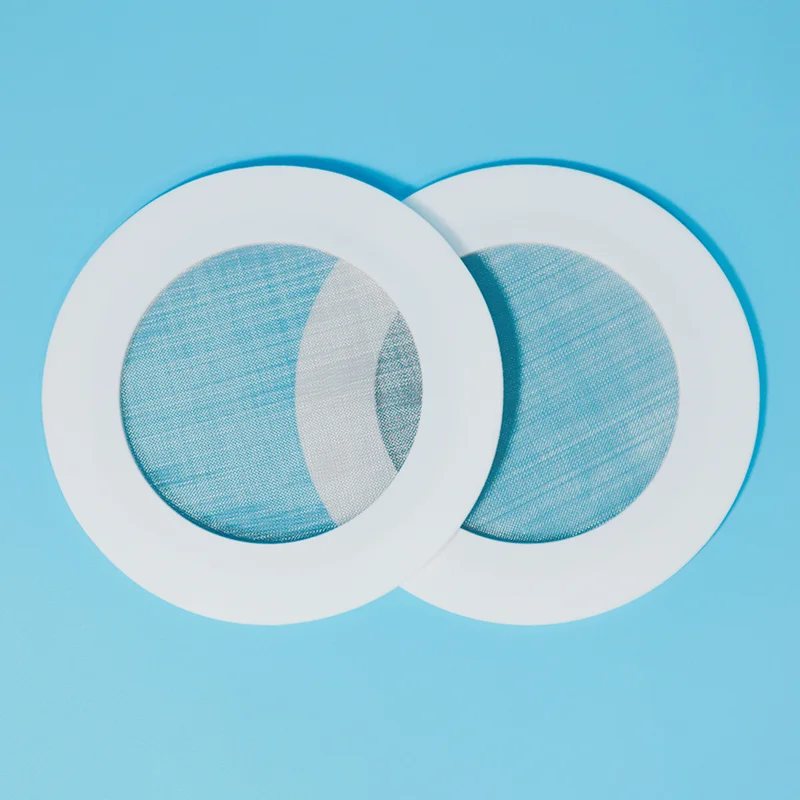
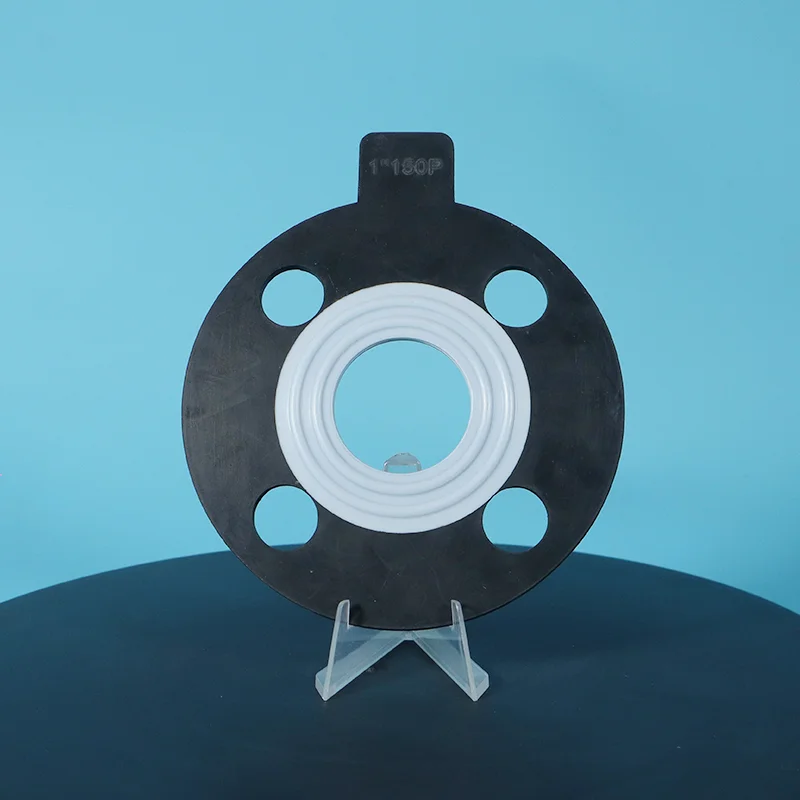
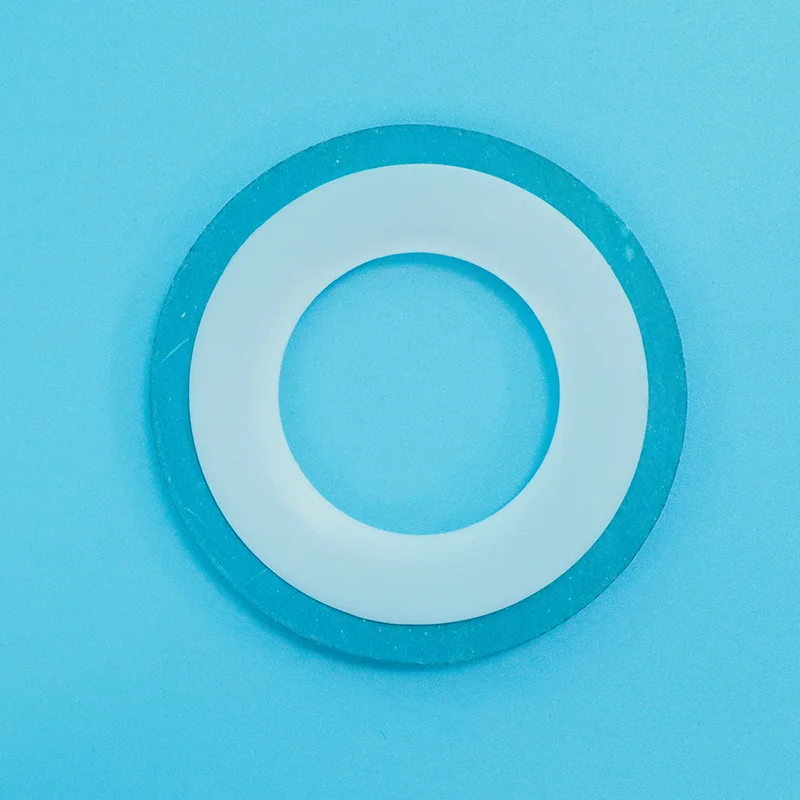
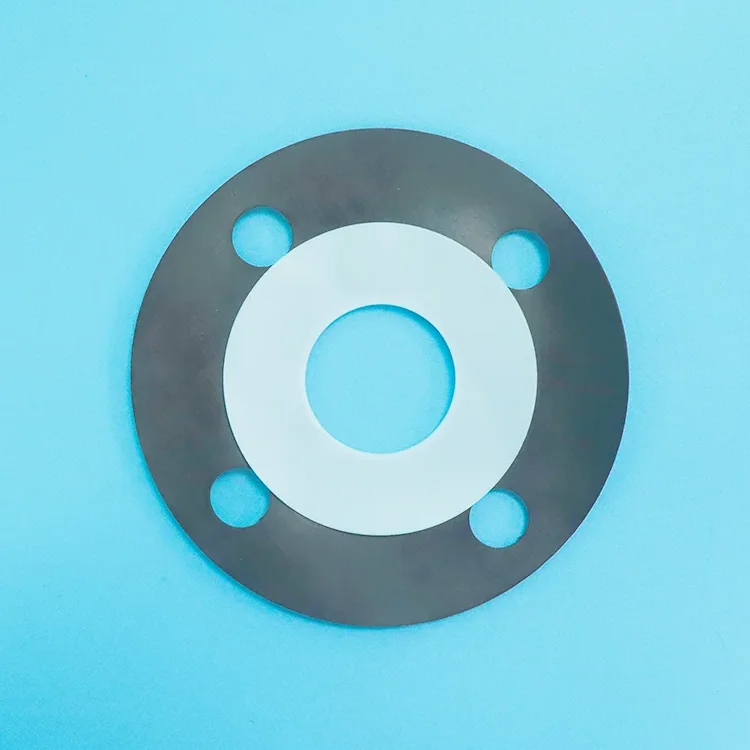
Silica-Filled PTFE Gasket
  • Silica-Filled PTFE GasketSilica-Filled PTFE Gasket
  • Silica-Filled PTFE GasketSilica-Filled PTFE Gasket
  • Silica-Filled PTFE GasketSilica-Filled PTFE Gasket

Silica-Filled PTFE Gasket

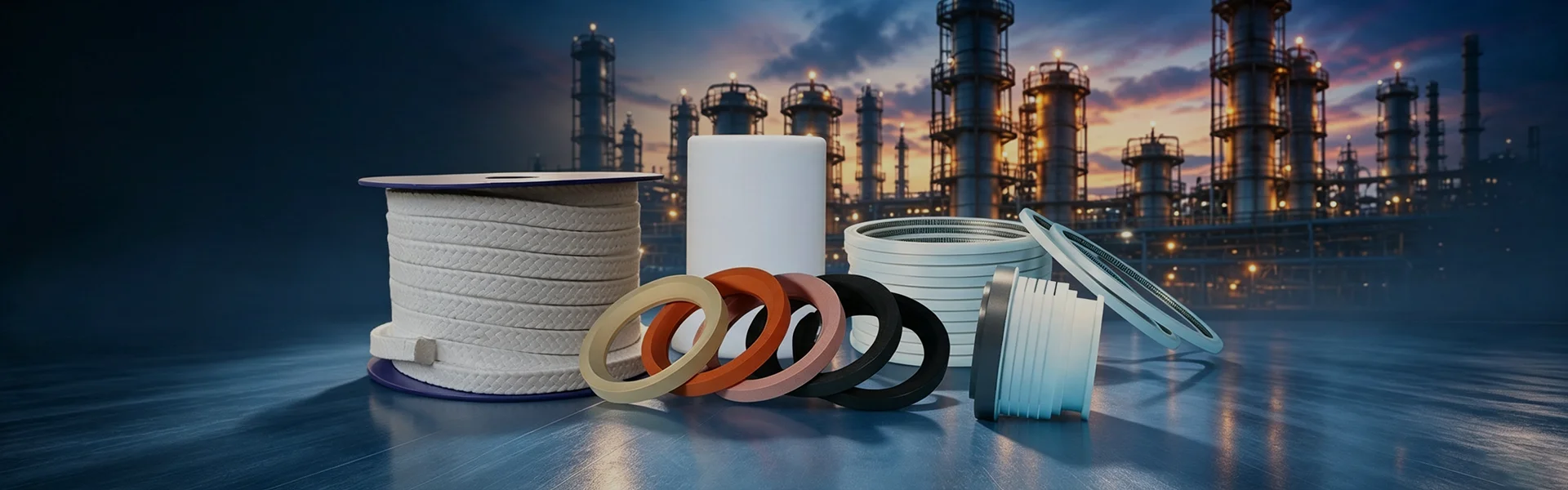
The silica-filled PTFE gasket is part of Taifno’s line of machinable PTFE gaskets; as a specialized manufacturer, we can provide professional solutions tailored to your specific operating conditions. This high-performance filled PTFE gasket is designed for applications involving strong acids, solvents, hydrocarbons, chlorine, and cryogenic environments. Contact us today for a quote.

Silica-filled PTFE gaskets are made by adding silicon dioxide filler to PTFE resin through a specialized manufacturing process. Silica filling significantly improves PTFE's cold flow/creep behavior and bolt torque retention while maintaining PTFE's excellent chemical resistance.

These gaskets are ideal sealing materials for strong acids, solvents, hydrocarbons, chlorine, and cryogenic service.

What Problems Can Silica-Filled PTFE Gasket Solve?

Problem

Consequences

How Silica-Filled Gaskets Solve the Problem

Creep and leakage of PTFE gaskets in strong acid service (sulfuric, hydrochloric, and nitric acids)

Frequent replacement, production interruption, safety risks

Silica-filled structure significantly reduces cold flow and improves bolt torque retention

Frequent failure of seals in organic solvent pipelines

Leakage, environmental pollution, product loss

Silica-filled gaskets are resistant to most solvents

Chlorine pipeline seals failing to meet standards, resulting in excessive fugitive emissions

Environmental penalties, safety hazards

TA-Luft (VDI 2440) certified; meets fugitive emission standards

Embrittlement and leakage of conventional PTFE gaskets in cryogenic service (LNG, liquid oxygen)

Seal failure, equipment downtime

Suitable for temperatures as low as -268°C; designed for cryogenic applications

Product Form

Product Form

Description

Sheets

Standard size: 1500×1500mm; thicknesses: 1.6mm (1/16"), 3.2mm (1/8"), etc.

Cut Gaskets

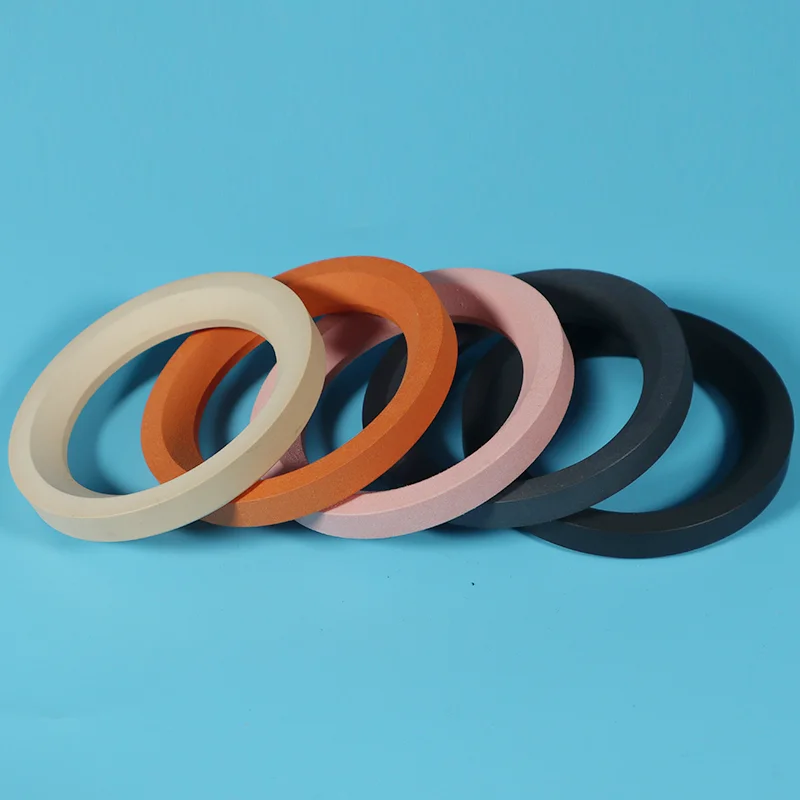
Custom-cut to any flange size.

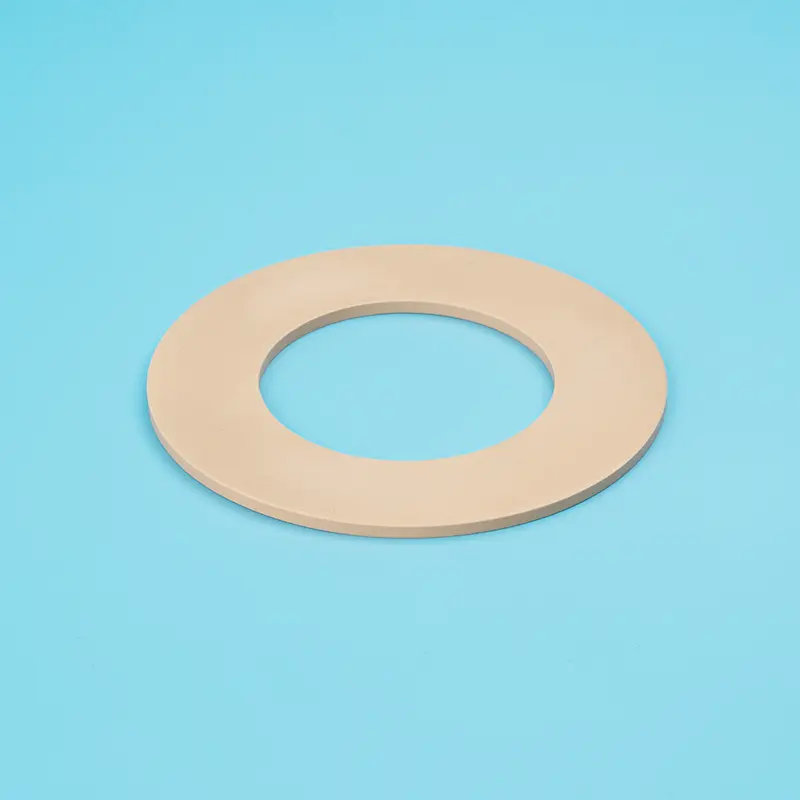
Typical Color: Fawn, Brown

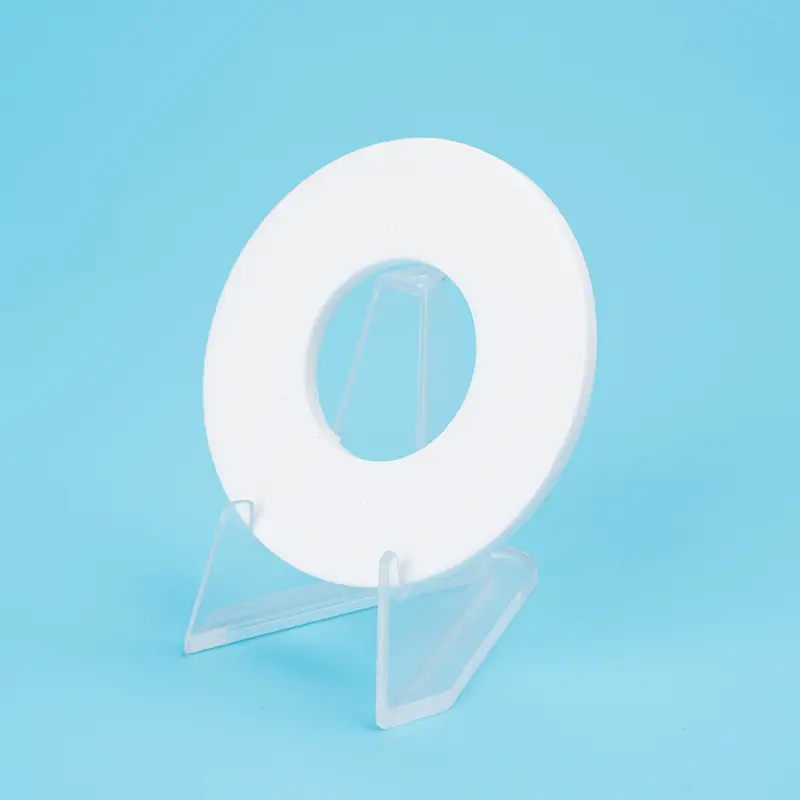
Silica-Filled PTFE GasketSilica-Filled PTFE Gasket

Silica-Filled vs. Other Filled PTFE: Which One Should You Choose?

Comparison Item

Silica-Filled

BaSO₄-Filled

Glass Microsphere Filling

Glass Fiber-Filled

Strong Acids (except HF)

★★★★★

Best

★★★★☆

Good

★★★★☆

Good

★★★★☆

Good

Organic Solvents

★★★★★

Best

★★★★☆ Good

★★★★☆

Good

★★★★☆

Good

Strong Caustics

★★★☆☆

Moderate

★★★★★

Best

★★★☆☆

Limited

★☆☆☆☆

Not suitable

Hydrofluoric Acid (HF)

❌ NOT compatible

★★★★★

Suitable (up to 48%)

❌ Not Compatible

❌ NOT compatible

Chlorine

★★★★★

Excellent

★★★★★

Excellent

★★★★☆

Good

★★★★☆

Good

Cryogenic Service (-268°C)

★★★★★

Best

★★★★★

Best

★★★★☆

Good

★★★★☆

Good

Creep Resistance

★★★★★

Excellent

★★★★★

Excellent

★★★★☆

Good

★★★★☆

Good

Best Applications

Strong Acids, Solvents, Chlorine, Cryogenic

Caustics, HF

Low Torque, Uneven Flanges

High Wear, High Pressure

Quick Decision:

Strong acids, solvents, chlorine, cryogenic → Choose Silica-Filled

Strong caustics, HF → Choose BaSO₄-Filled

Uneven flanges, low torque → Choose Glass Microsphere

High pressure, high wear → Choose Glass Fiber-Filled

Silica-Filled PTFE Gasket vs. Conventional PTFE Gasket

Comparison Item / Comparison

Silica-Filled PTFE Gasket

Conventional PTFE Gasket

Customer Value

Creep Resistance

★★★★★

Excellent (minimal cold flow)

★★☆☆☆

Poor (significant cold flow)

Bolts retain torque longer; seals last longer

Bolt Torque Retention

★★★★★

Excellent

★★☆☆☆

Poor

Reduced need for retightening; lower maintenance costs

Strong Acid Resistance

★★★★★

Excellent (except HF)

★★★★★

Excellent

Equally excellent performance

Temperature Range

-268°C to +260°C-268°C is the minimum rated limit for cryogenic service (liquid helium); continuous operating temperature depends on actual working pressure & flange condition.

-200°C to +260°C

Suitable for cryogenic conditions

Max Pressure

83 bar (1200 PSI)

Lower

Suitable for higher pressures

Typical Seal Life

3–5 years

1–2 years

2–3 times longer service life

Material Cost

30–50% higher

(Lower)

Lower total cost of ownership

Core Advantages

Advantages

Description

Customer Value

Preferred for strong acid applications

Excellent performance in corrosive media such as strong acids (except HF), solvents, and hydrocarbons

Suitable for corrosive environments such as chemical and petrochemical processing

Excellent creep resistance

Minimized cold flow, significantly reduced creep relaxation, and excellent bolt torque retention

Reduces the need for re-tightening and lowers maintenance frequency

Suitable for cryogenic service

Continuous use temperature: -200°C to +260°C.

Suitable for cryogenic applications (e.g., LNG, liquid oxygen)

High pressure rating

Maximum pressure: 83 bar (1200 PSI)

Compatible with higher-pressure-class flanges

TA-Luft certified

Complies with TA-Luft (VDI 2440) fugitive emission control requirements

Environmentally compliant and audit-ready

FDA compliant

Complies with FDA 21 CFR 177.1550 and USDA requirements

Suitable for the food and pharmaceutical industries

Technical Specifications

Parameter

Parameter / Value

Material

PTFE + Silica (SiO₂)

Color

Fawn, Brown

Density

2.1–2.3 g/cm³

Minimum Temperature

-268°C (-450°F)

Maximum Temperature

260°C (500°F)

Maximum Pressure

83 bar (1200 PSI)

pH Range

0–14

Gasket Factor (m)

2.5

Max P×T (1/16")

12,000 bar·°C

Max P×T (1/8")

8,600 bar·°C

Sheet Size

1500×1500mm, etc.

Thickness Range

1.6mm (1/16"), 3.2mm (1/8"), etc.

⚠️ Not Suitable For:

❌ Hydrofluoric acid (HF) service — silica reacts with HF; use Barium Sulfate Gasket or virgin PTFE

❌ Strong caustics (NaOH, KOH) — use Barium Sulfate Gasket

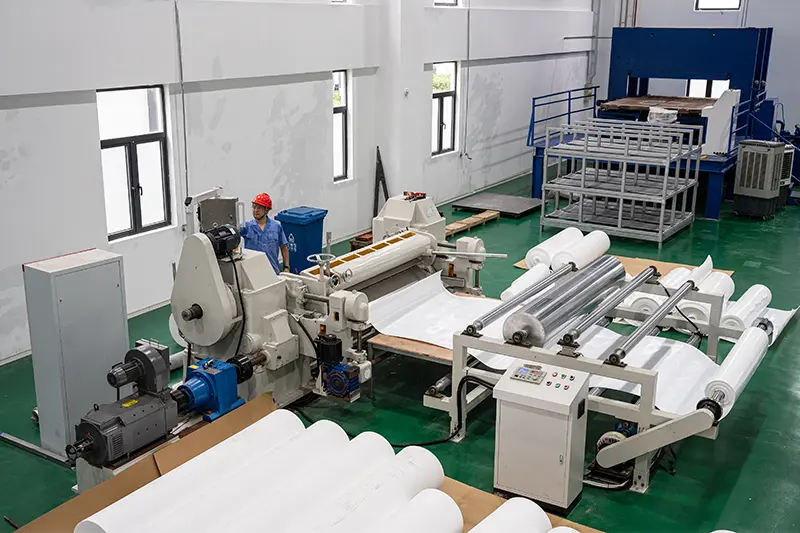
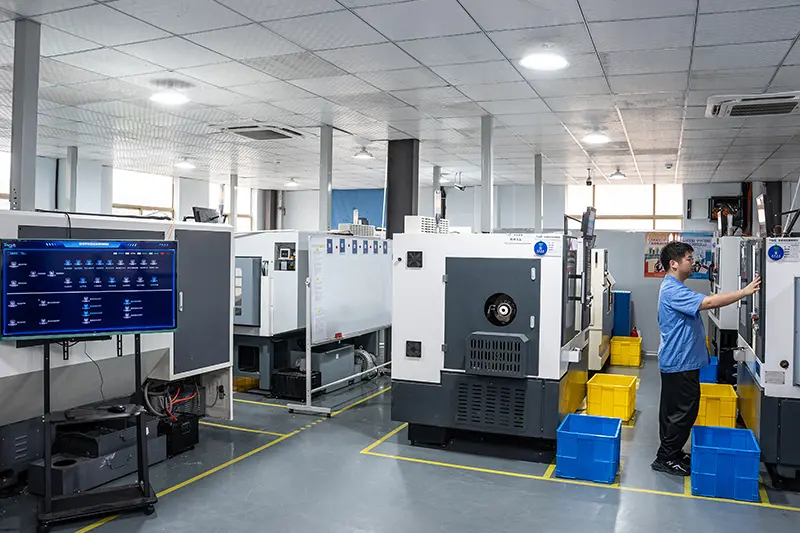
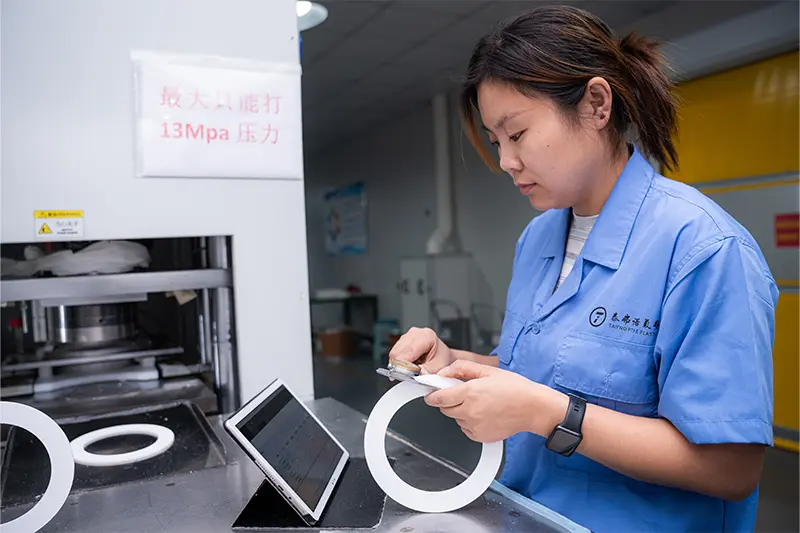
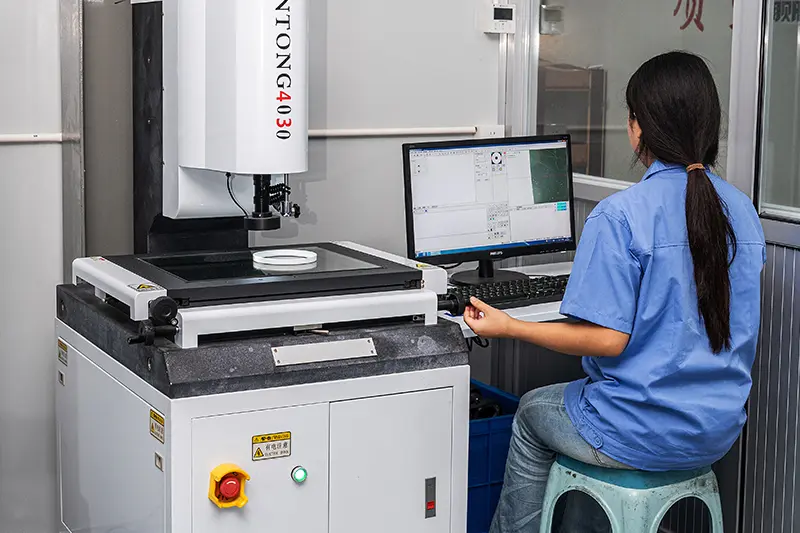
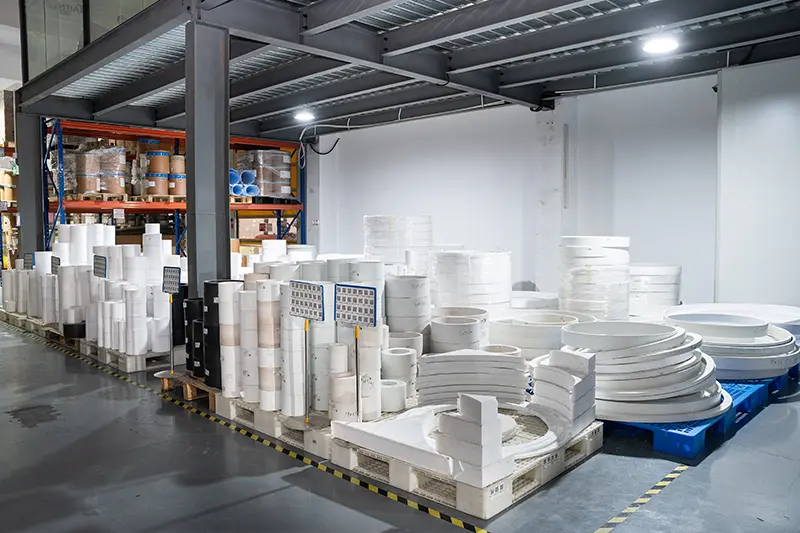
FactoryFactoryFactoryFactory

Application Scope

Industry

Typical Applications

Key Requirements

Chemical & Petrochemical

Strong acid piping, solvent systems, hydrocarbon lines

Resistance to strong acids and solvents

Chlor-Alkali

Chlorine piping seals

Chlorine resistance

Cryogenic Service

LNG, liquid oxygen, cryogenic piping

Low-temperature resistance down to -268°C

Pharmaceutical

Sterile equipment seals, clean piping

FDA compliant

Food & Beverage

Food-grade piping seals

FDA/USDA compliant

Power Generation

Steam systems, water treatment

Temperature and pressure resistance

Marine

Marine piping flange seals

ABS certification

Customer Case Studies

Case Studies

Challenge

Solution

Result

Strong Acid Piping at a Chemical Plant in the USA

Conventional PTFE gaskets creeping and leaking under concentrated sulfuric acid service, replaced every 8-12 months, annual maintenance >$20,000

Replaced with silica-filled PTFE gaskets

3 years continuous service, zero leakage — maintenance cost reduced by 70%

Solvent System at a Petrochemical Plant in Germany

Solvent piping flanges leaking frequently, fugitive emissions exceeding limits, facing environmental fines

Used silica-filled PTFE gaskets (TA-Luft VDI 2440 certified)

TA-Luft certified, fugitive emissions compliance, passed environmental audit

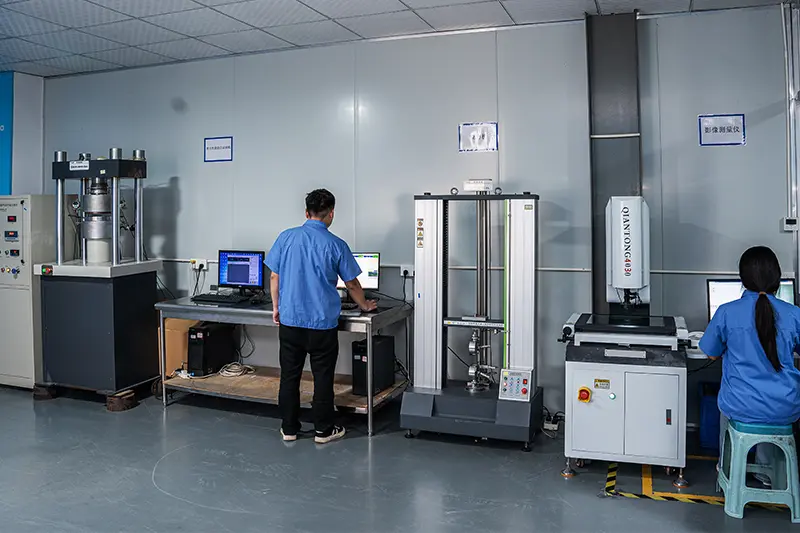
TestTestTestTest

FAQ

Q: What is the difference between silica-filled PTFE gaskets and conventional PTFE gaskets?

A: Silica-filled PTFE gaskets contain silica filler, significantly improved creep resistance (cold flow minimized), excellent bolt torque retention, wider temperature range ( -268°C to +260°C ), higher pressure rating ( 83 bar ).

Conventional PTFE gaskets have excellent chemical resistance but significant cold flow.

Choose silica-filled for: Strong acids, solvents, hydrocarbons, chlorine, cryogenic service.

Choose conventional PTFE for: General chemicals, non-critical applications. Silica-filled costs 30-50% more but offers 2-3x longer seal life, lower total cost.

Q: What is the difference between silica-filled PTFE gaskets and barium sulfate-filled PTFE gaskets? Which one should I choose?

A: The key difference is media compatibility.

Silica-filled gaskets perform better in strong acids and organic solvents, but are NOT compatible with hydrofluoric acid (HF) or strong caustics.

Barium sulfate-filled gaskets are compatible with HF (up to 48%) and strong caustics — the preferred choice for caustic and HF service.

Quick decision:

Strong acids, solvents, chlorine, cryogenic → Choose Silica-Filled.

Strong caustics, HF, toxic chemicals → Choose Barium Sulfate-Filled.

For specific selection advice, please provide your media, temperature, and pressure.

Q: Can silica-filled PTFE gaskets be used for food or pharmaceutical applications?

A: Yes. Silica-filled PTFE gaskets meet FDA 21 CFR 177.1550 and USDA food contact requirements.

PTFE is non-toxic, tasteless, odorless, and does not contaminate media. Please specify FDA-compliant grade when ordering.

Q: What are the temperature and pressure limits for silica-filled PTFE gaskets?

A: Temperature: Continuous use temperature: -200°C to +260°C.

Pressure: Up to 83 bar (1200 PSI).

Chemical resistance: pH 0-14.

⚠️ NOT compatible with hydrofluoric acid (HF) or strong caustics.

For application-specific data, please provide your media, temperature, and pressure, we will calculate for you.

Q: What is the MOQ? What is the lead time? Do you support samples?

A: MOQ: Small-batch customization supported.

Lead time: Standard specifications 24-48 hours shipping; custom sizes 7-15 working days.

Samples: Free samples supported (available to both new and existing customers, shipping collect).

Payment terms: T/T (recommended).

Quality: Material certificates available for every batch.

Hot Tags: Silica Filled PTFE Gasket Manufacturer, Silica Filled PTFE Gasket Supplier, PTFE Silica Filled Gasket Wholesale
Send Inquiry
Contact Info
X
We use cookies to offer you a better browsing experience, analyze site traffic and personalize content. By using this site, you agree to our use of cookies. Privacy Policy
RejectAccept