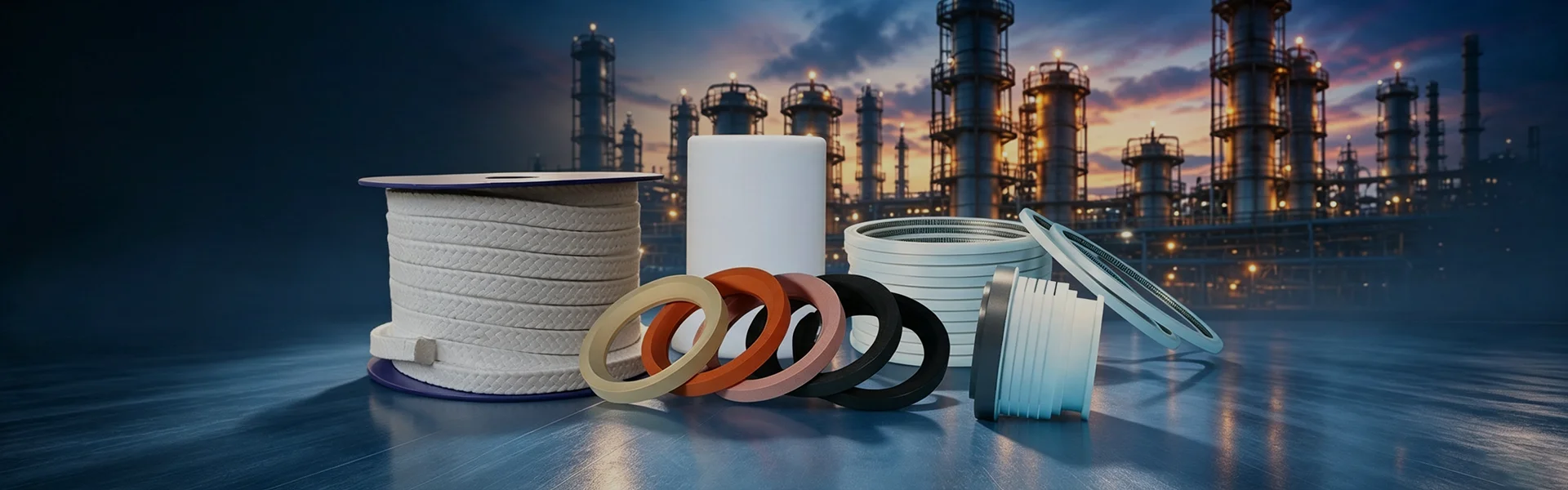
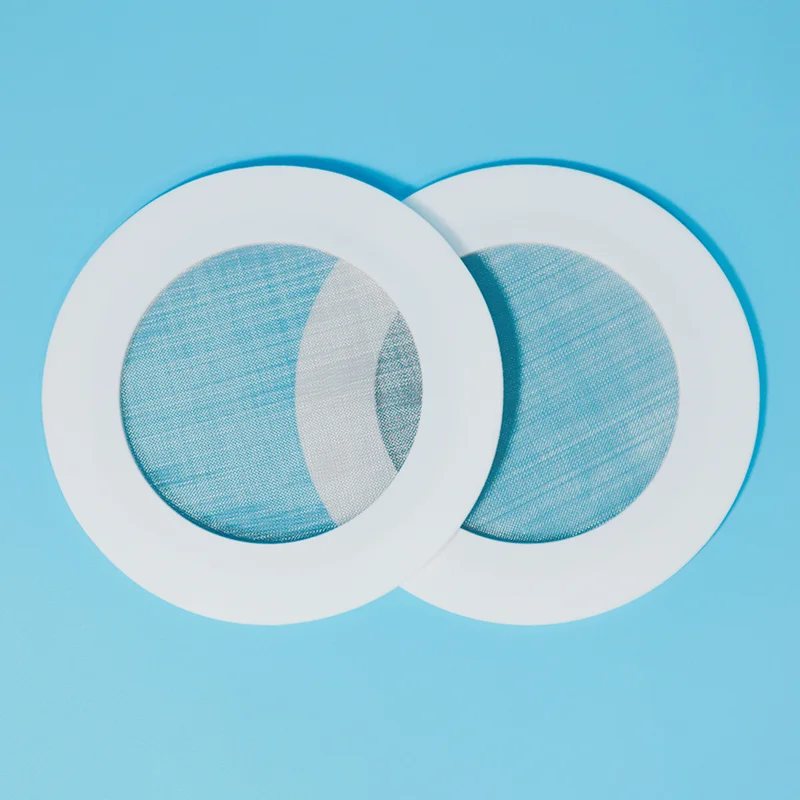
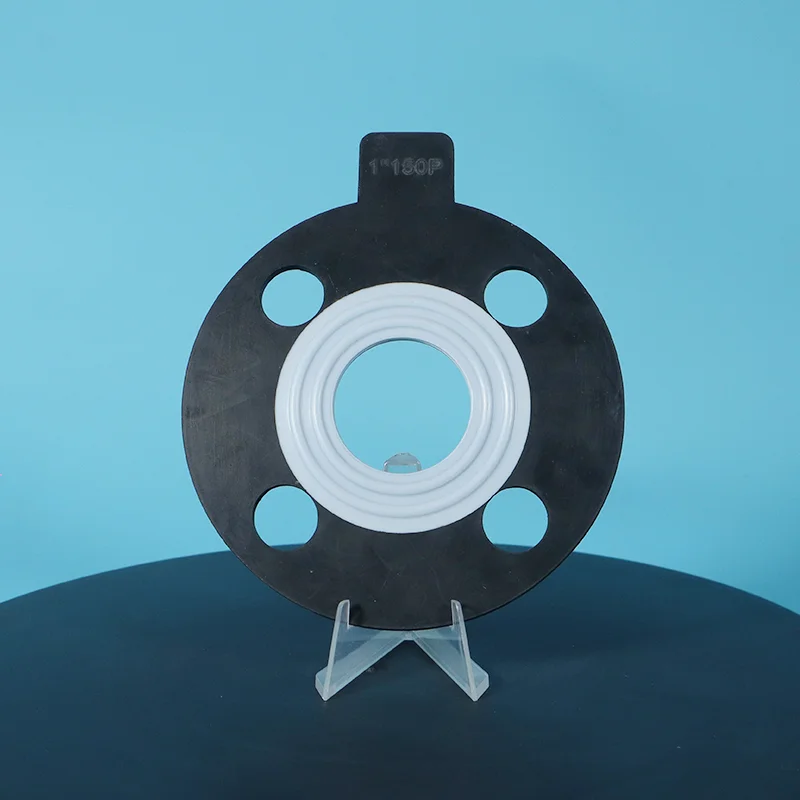
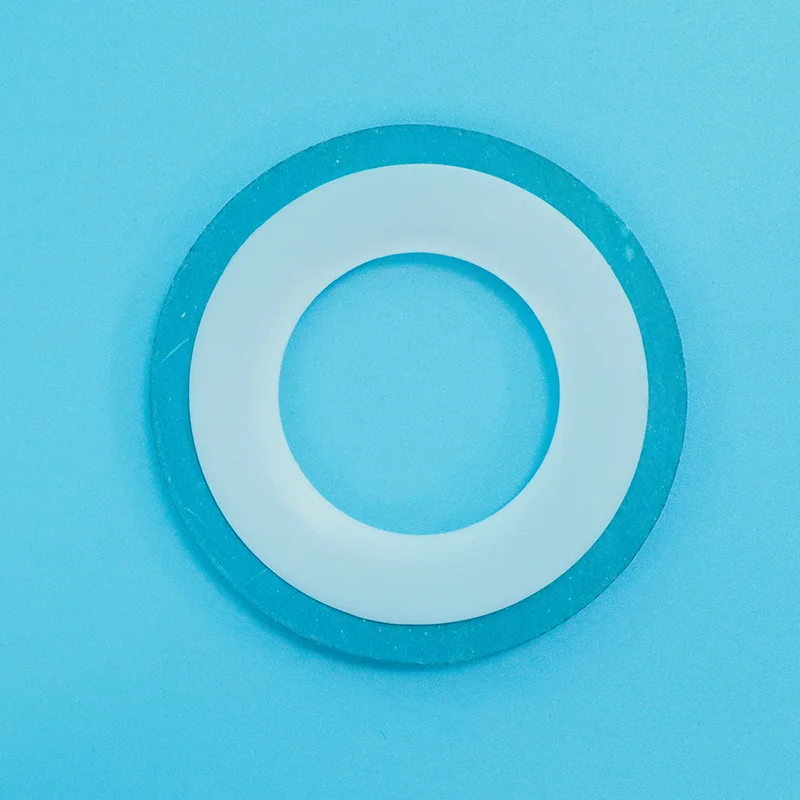
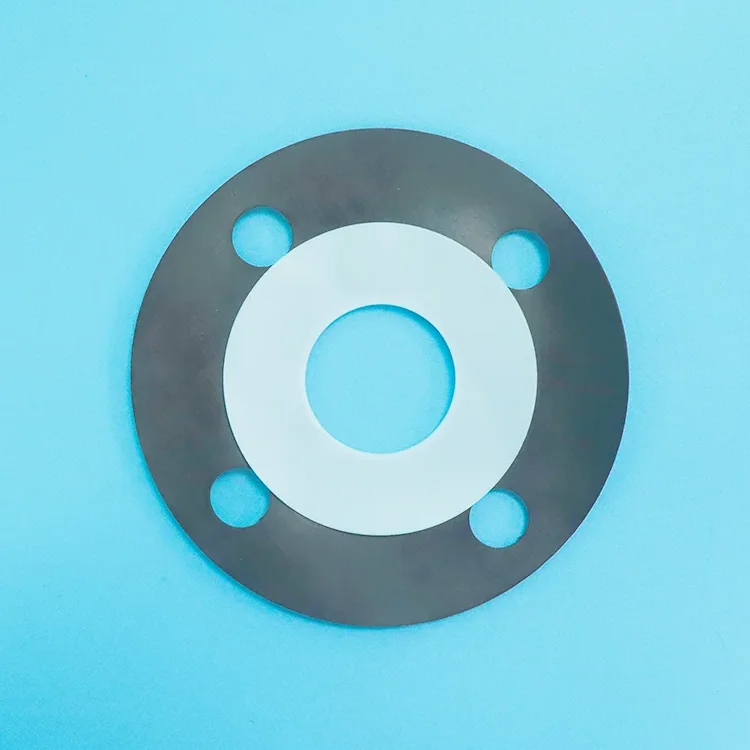
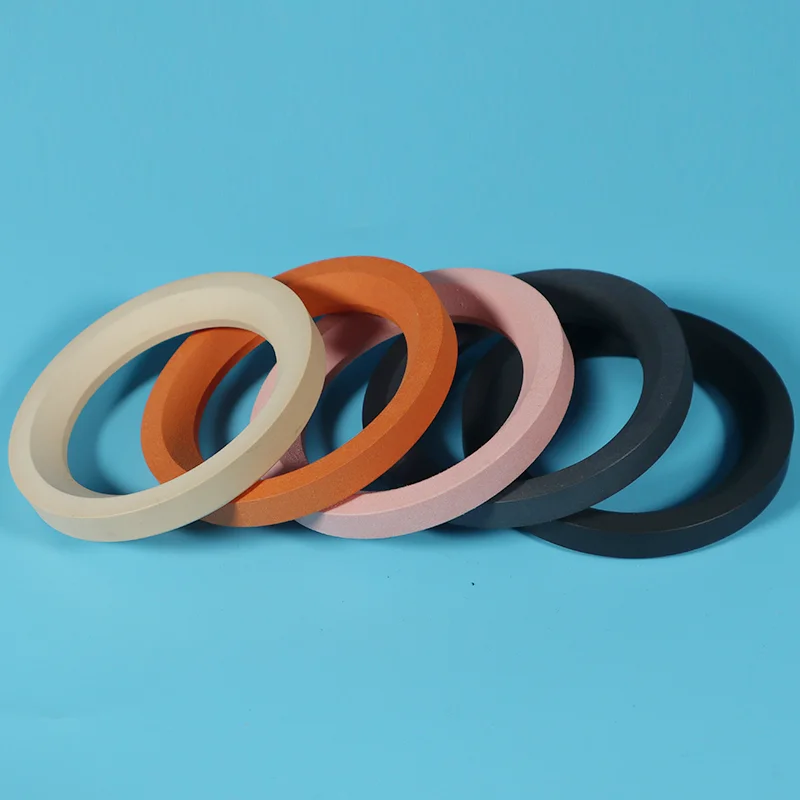
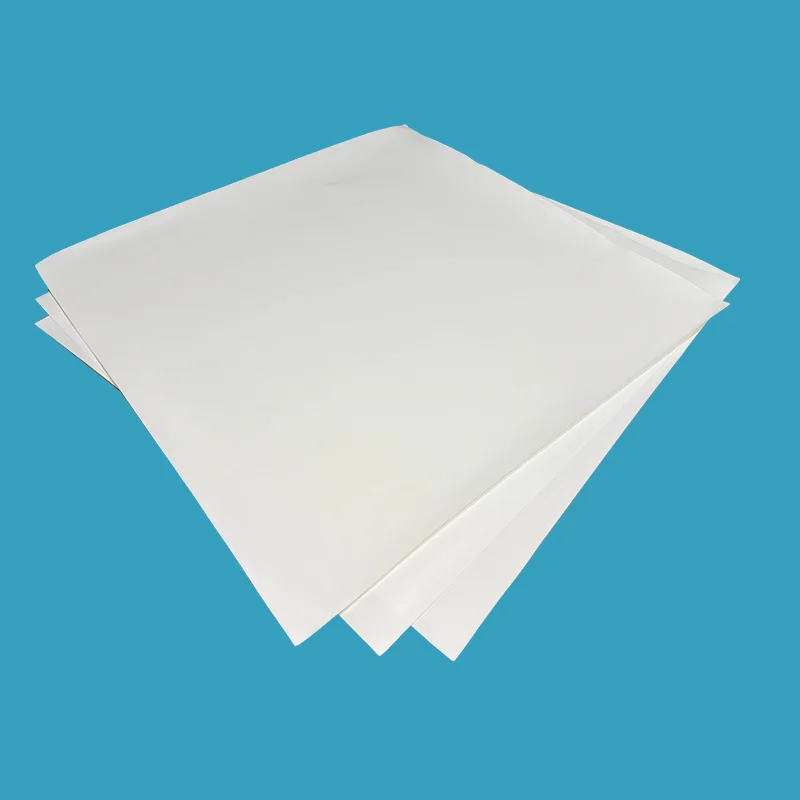
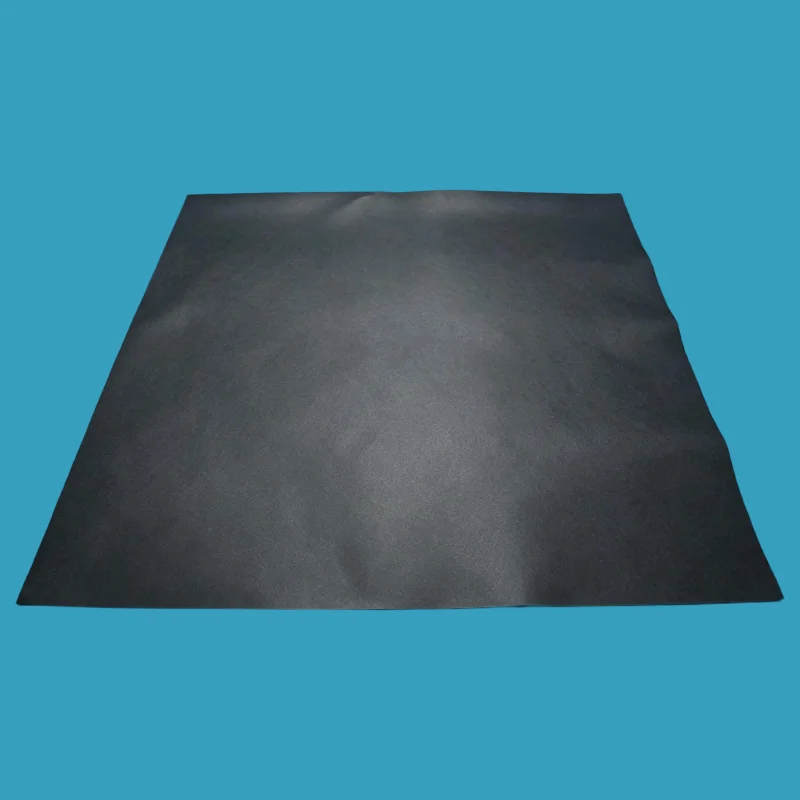
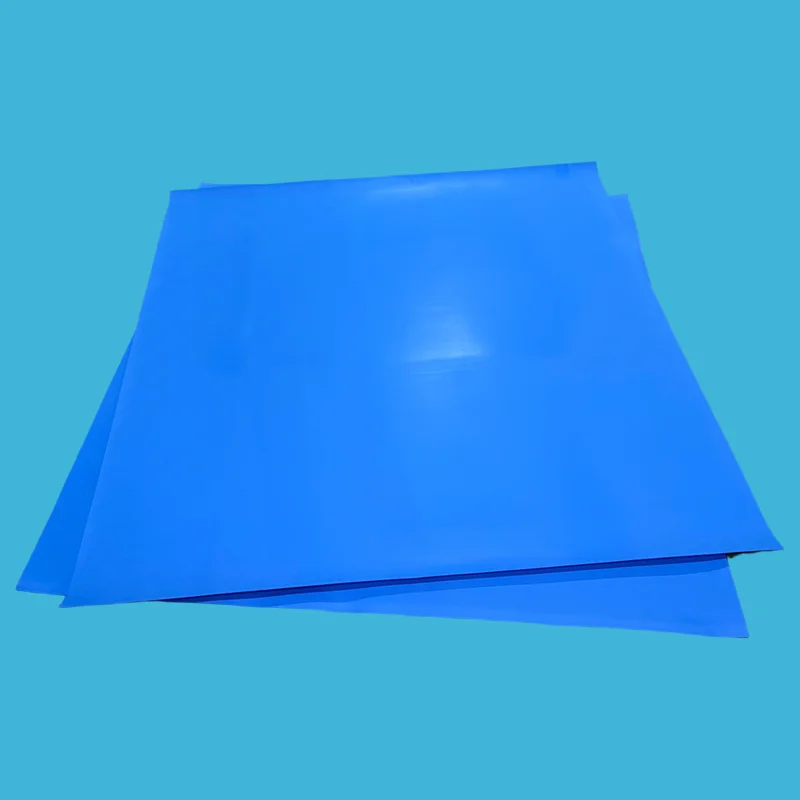
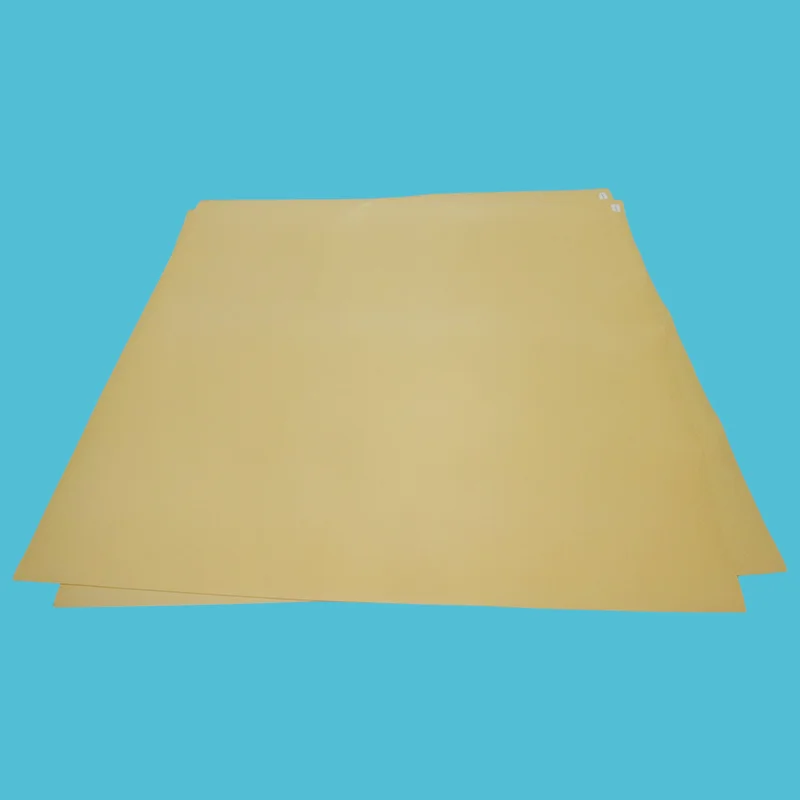
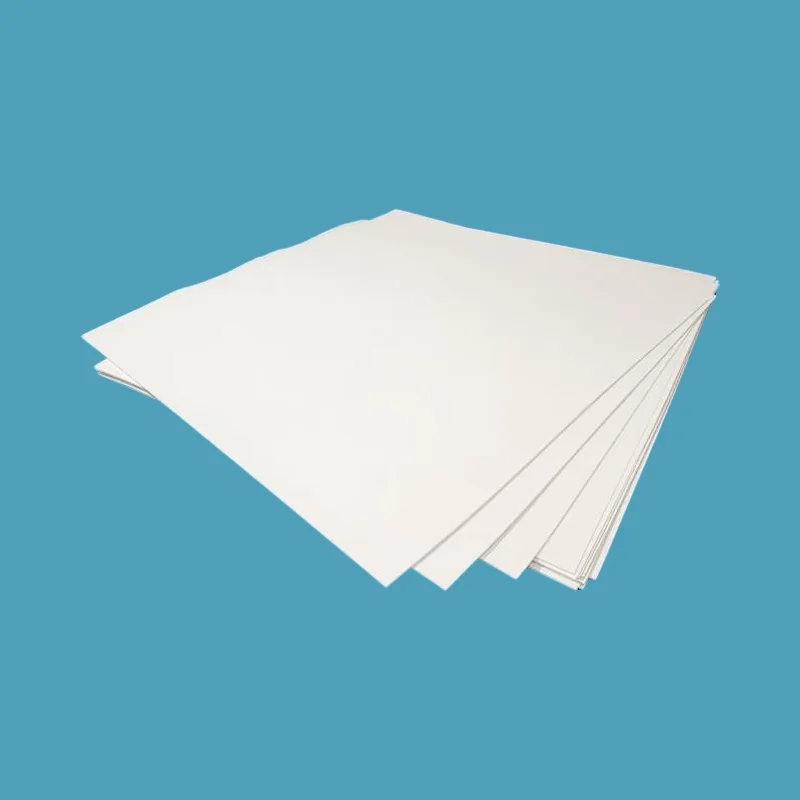
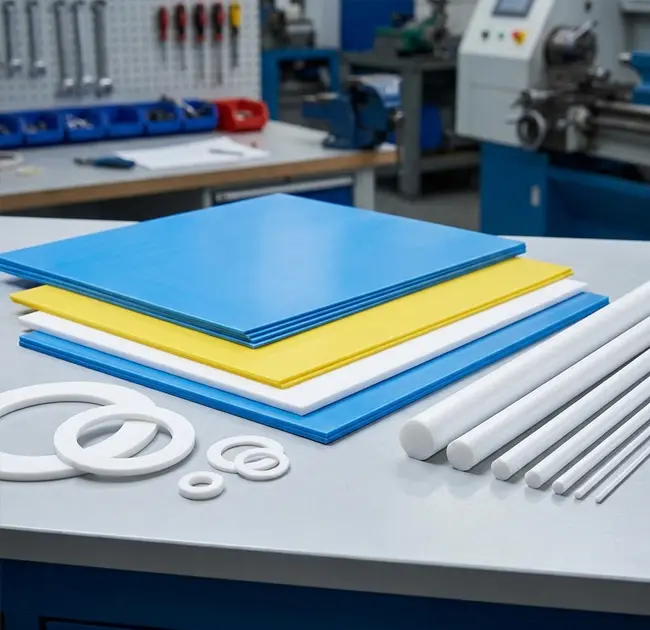
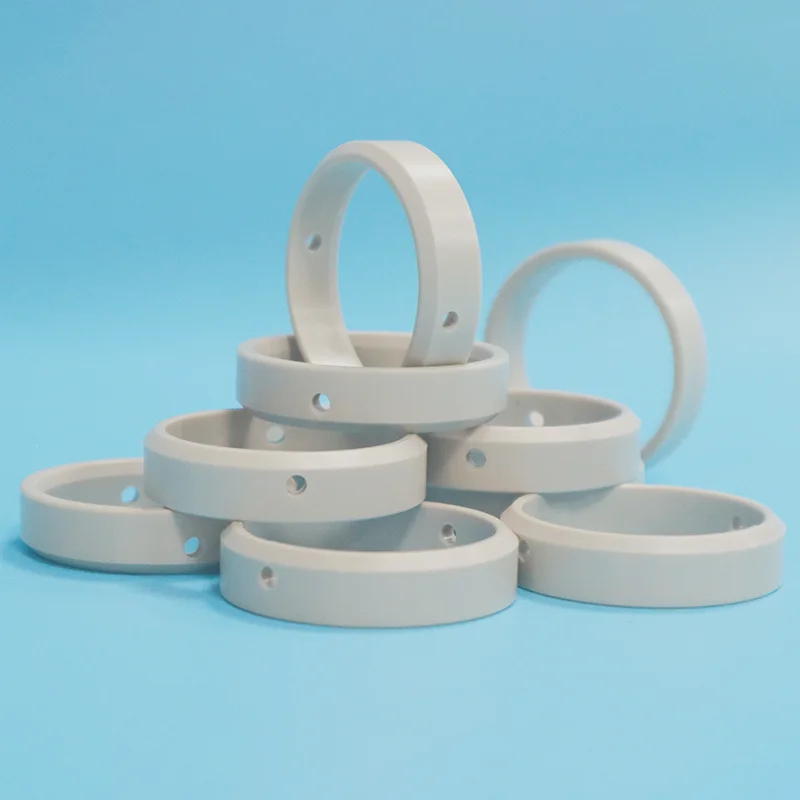
Choosing Taifno means partnering with a reliable manufacturer and supplier of modified PTFE sheets. With our own factory and R&D center, we produce materials featuring superior resistance to cold flow, as well as enhanced thermal conductivity and wear resistance. These sheets can be machined into various sealing components and engineering parts suitable for industries such as chemicals, semiconductors, electrical equipment, and machinery.
What Is Modified PTFE Sheet?
Modified PTFE sheet (RPTFE, Reinforced PTFE) is produced by adding reinforcing fillers (glass fiber, carbon fiber, graphite, barium sulfate, silica, MoS₂, bronze) to virgin PTFE resin during compounding, then compression molding or skiving into sheet form. Fillers improve mechanical strength, wear resistance, creep resistance, and dimensional stability while maintaining PTFE's universal chemical resistance (pH 0-14).
The problem they solve: Virgin PTFE is soft, it creeps (cold flows) under sustained load, deforms, and leaks over time. In high-pressure, abrasive media, or thermal cycling service, virgin PTFE fails. Modified PTFE adds structural reinforcement, maintaining chemical resistance while providing mechanical strength where virgin PTFE cannot deliver. The wrong choice costs you downtime, product loss, and maintenance expenses.
The payoff: Higher upfront cost but 3-5x longer service life. This leads to the lower total cost and less downtime, and that means fewer replacements.
Filler Types and Performance Characteristics
Glass Fiber Filled PTFE
|
Parameter
|
Description
|
|
Fillers
|
15-25% glass fiber
|
|
Temperature
|
-180°C to +200°C
|
|
Tensile Strength
|
≥25 MPa
|
|
Key Features
|
Highest wear resistance, increased compressive strength, reduced creep, improved rigidity
|
|
Best For
|
Abrasive media, slurries, high load, valve seats, high pressure service
|
|
Service Life vs Virgin
|
3-5x longer in abrasive service
|
|
Limitation
|
Not compatible with hydrofluoric acid (HF) or strong alkali — glass reacts
|
|
Color
|
Off-white, light gray, light blue
|
Silica-Filled PTFE
|
Parameter
|
Description
|
|
Fillers
|
Silicon dioxide (SiO₂)
|
|
Temperature
|
-180°C to +200°C
|
|
Tensile Strength
|
≥20 MPa
|
|
Key Features
|
Excellent creep resistance, outstanding bolt torque retention, low gas permeation, high density (2.1-2.3 g/cm³)
|
|
Best For
|
Strong acids, solvents, hydrocarbons, chlorine service, cryogenic service, oxygen service (BAM approved)
|
|
Limitation
|
Not compatible with HF or strong alkali — silica reacts
|
|
Color
|
Fawn, orange, white
|
Barium Sulfate Filled PTFE
|
Parameter
|
Description
|
|
Fillers
|
Barium sulfate (BaSO₄)
|
|
Temperature
|
-180°C to +200°C
|
|
Density
|
2.9-3.0 g/cm³ — highest among filled grades
|
|
Key Features
|
Highest density, excellent creep resistance, high mechanical strength, superior caustic resistance
|
|
Best For
|
Strong caustics, chlorine, toxic chemicals, hydrofluoric acid service (up to 48%), high load applications
|
|
Limitation
|
Not compatible with molten alkali metals, fluorine gas, anhydrous HF, or sulfuric acid >75% above 65°C
|
|
Color
|
White, brown
|
Carbon/Graphite-Filled PTFE
|
Parameter
|
Description
|
|
Fillers
|
Carbon powder or graphite
|
|
Temperature
|
-180°C to +200°C
|
|
Key Features
|
Excellent thermal conductivity, low friction, anti-static properties, improved creep resistance
|
|
Best For
|
High speed, heat dissipation, dry running, dynamic sealing
|
|
Limitation
|
Not for strong oxidizers at high temperature — carbon oxidizes
|
|
Color
|
Black, dark gray
|
Glass Microsphere Filled PTFE
|
Parameter
|
Description
|
|
Fillers
|
Hollow glass microspheres
|
|
Temperature
|
-180°C to +200°C
|
|
Compressibility
|
≥50%
|
|
Recovery
|
≥32% (up to 55.8% in some grades)
|
|
Key Features
|
Low density, excellent compressibility and recovery, conformable, flange-friendly
|
|
Best For
|
Glass-lined flanges, fragile flanges, low torque sealing, thermal cycling
|
|
Limitation
|
Lower pressure rating (up to 55 bar), not compatible with HF
|
|
Color
|
Blue, white
|
MoS₂ Filled PTFE
|
Parameter
|
Description
|
|
Fillers
|
Molybdenum disulfide (MoS₂)
|
|
Key Features
|
Enhanced lubricity, reduced friction, improved wear resistance
|
|
Best For
|
Sticky media, low-torque operation, high-load, low-friction applications
|
|
Limitation
|
Not for oxidizing acids
|
|
Color
|
Dark gray
|
Product Comparison and Selection Guide
Modified PTFE vs Virgin PTFE
|
Feature
|
Modified PTFE
|
Virgin PTFE
|
Why It Matters for Your Bottom Line
|
|
Creep Resistance
|
★★★★☆
significantly improved
|
★★☆☆☆
poor
|
Less re-torquing, fewer leaks, longer service life
|
|
Wear Resistance
|
★★★★★
excellent (glass/carbon)
|
★★☆☆☆
poor
|
3-5x longer life in abrasive service
|
|
Mechanical Strength
|
★★★★☆
improved
|
★★☆☆☆
soft
|
Handles higher pressure without deformation
|
|
Chemical Resistance
|
★★★★☆
depends on filler
|
★★★★★
pH 0-14
|
Verify filler compatibility with your media
|
|
Cost (Initial)
|
$$-$$$
|
$
|
Higher upfront — but lower total cost
|
|
Service Life in Demanding Service
|
3-5 years
|
6-12 months
|
One modified PTFE seat = 3-6 virgin PTFE replacements
|
|
Total Cost (3-Year)
|
Lower
|
Higher
|
Fewer replacements = less downtime = real savings
|
|
FDA Compliant
|
⚠️ Depends on filler
|
✅ Yes
|
Choose virgin for FDA applications without fillers
|
Quick Selection Guide
|
If Your Service Is...
|
Choose...
|
Why
|
ROI
|
|
Abrasive media, slurries, high pressure
|
Glass Fiber Filled
|
Highest wear resistance and mechanical strength
|
3-5x longer life
|
|
Strong acids, solvents, chlorine, cryogenic
|
Silica Filled
|
Excellent creep resistance + chemical compatibility
|
Longer seal life, fewer re-torquing
|
|
Strong caustics, HF service, high load
|
Barium Sulfate Filled
|
Highest density, best caustic and HF resistance
|
Superior chemical resistance
|
|
High speed, heat dissipation, dry running
|
Carbon/Graphite Filled
|
Thermal conductivity + low friction
|
Reduced heat damage, longer service
|
|
Glass-lined flanges, fragile flanges, low torque
|
Glass Microsphere Filled
|
Conformable, flange-friendly, low torque
|
Protects expensive glass-lined equipment
|
|
Sticky media, low friction, low torque
|
MoS₂ Filled
|
Enhanced lubricity
|
Smooth operation, reduced torque
|
|
Chemical purity required, FDA applications
|
Virgin PTFE
|
No fillers — maximum chemical purity
|
Lowest cost for clean service
|
What Are the Key Advantages of Modified PTFE?
1. Enhanced Creep Resistance
Modified PTFE significantly reduces cold flow (creep) compared to virgin PTFE, maintaining bolt torque longer and preventing leakage over time. It has less re-torquing, fewer leaks, and longer service life.
2. Improved Wear Resistance
Glass fiber and carbon fiber fillers provide excellent wear resistance, lasting 3-5x longer than virgin PTFE in abrasive service. One modified PTFE seat = 3-6 virgin PTFE replacements.
3. Higher Mechanical Strength
Modified PTFE offers higher compressive strength, tensile strength (≥20-25 MPa), and dimensional stability. It is suitable for high-load applications where virgin PTFE deforms.
4. Thermal Conductivity
Carbon and graphite fillers improve thermal conductivity, dissipating frictional heat and reducing hot spots in dynamic applications.
5. Universal Chemical Resistance (with limits)
Modified PTFE retains PTFE's pH 0-14 chemical resistance, but fillers may have specific chemical limits. Always verify compatibility for your media.
6. FDA-Compliant Grades
Select modified PTFE grades (barium sulfate, glass microsphere, carbon/graphite) meet FDA 21 CFR 177.1550 requirements for food and pharmaceutical applications.
FAQ
Q: When should I upgrade virgin PTFE to modified PTFE?
A: Upgrade to modified PTFE when virgin PTFE fails in your service under high pressure, abrasive media, thermal cycling, or when creep deformation causes leakage.
Virgin PTFE works well for clean chemicals, smooth flanges, low pressure (<30 bar), and FDA applications. Modified PTFE provides 3-5x longer service life in demanding services, higher upfront cost, lower total cost.
If virgin PTFE fails every 6 months, one modified PTFE seat that lasts 3 years saves you 5 replacements + 5 downtime events + labor.
Quick rule:
Need chemical resistance only → Virgin PTFE.
Need chemical resistance + mechanical strength → Modified PTFE.
Q: Glass-filled vs. silica-filled vs. barium sulfate-filled, which one should I choose?
A: Glass-filled: Best for abrasives, slurries, high pressure. Highest wear resistance and strength. Not for HF or strong alkali.
Silica-filled: Best for strong acids, solvents, chlorine, cryogenic. Excellent creep resistance and bolt torque retention. Not for HF or strong alkali.
Barium sulfate-filled: Best for strong caustics, HF service (up to 48%), toxic chemicals. Highest density (2.9-3.0 g/cm³), excellent mechanical strength.
Quick rule:
Abrasives → Glass.
Acids/solvents → Silica.
Caustics/HF → Barium sulfate.
Not sure? Send us your media, temperature, and pressure, Taifno’s technical group will recommend in one reply.
Q: What are the limits and the most common mistakes of modified PTFE sheets?
A: Temperature: -180°C to +200°C (grade dependent).
Pressure: Up to 80-85 bar (depends on grade and thickness).
Chemical: pH 0-14, but each filler has specific limits:
Glass-filled: not for HF or strong alkali.
Silica-filled: not for HF or strong alkali.
Barium sulfate-filled: not for molten alkali metals or fluorine gas.
Carbon-filled: not for strong oxidizers.
Three common mistakes:
(1) Using the wrong filler for your media: verify chemical compatibility before selection.
(2) Over-tightening: modified PTFE requires controlled torque; excessive compression damages the material.
(3) Exceeding temperature limits: fillers do not extend PTFE's temperature range; the PTFE matrix limits performance.
For every order, we will offer complete installation specifications and guidance, you can also contact us to get technical support.