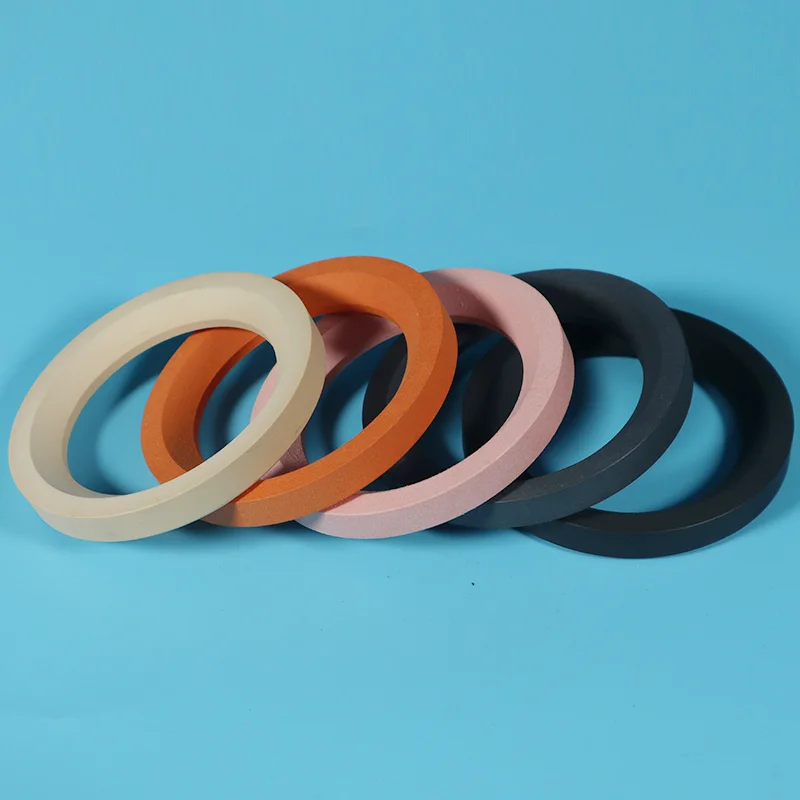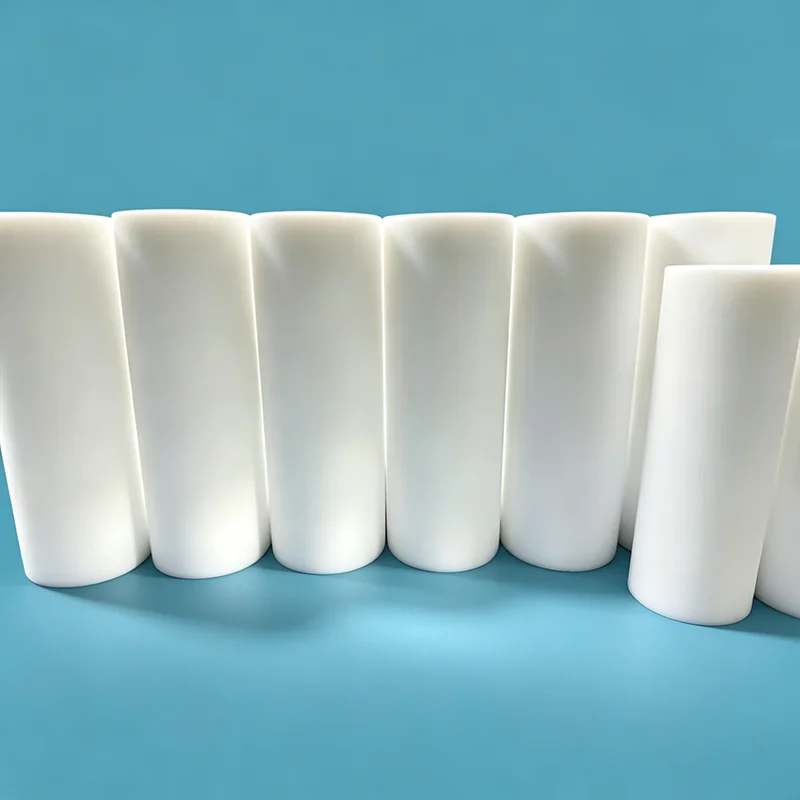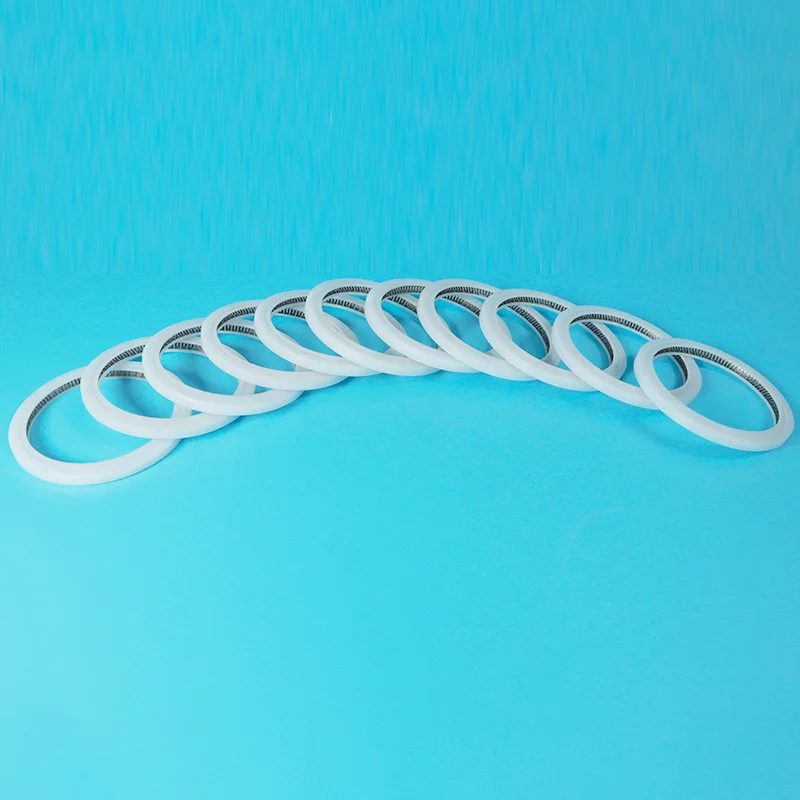
Virgin PTFE offers excellent chemical resistance but has limited resistance to creep under continuous compression. During long-term service, bolt load relaxation and gasket deformation can reduce sealing performance.
For fragile flange materials such as glass-lined, ceramic, and plastic equipment, the high tightening force required by standard PTFE may also create a risk of surface damage.
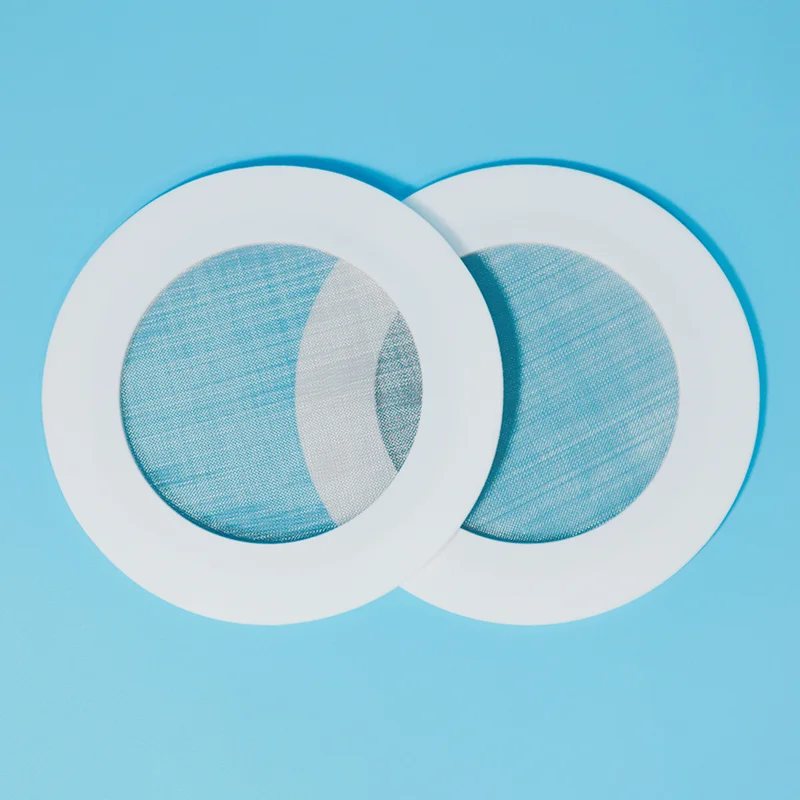
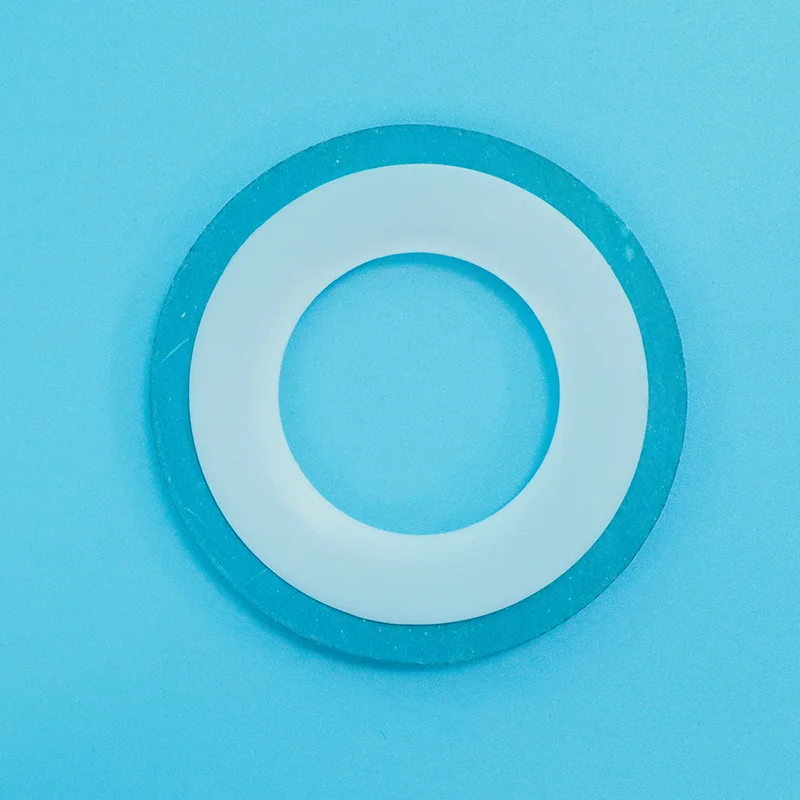
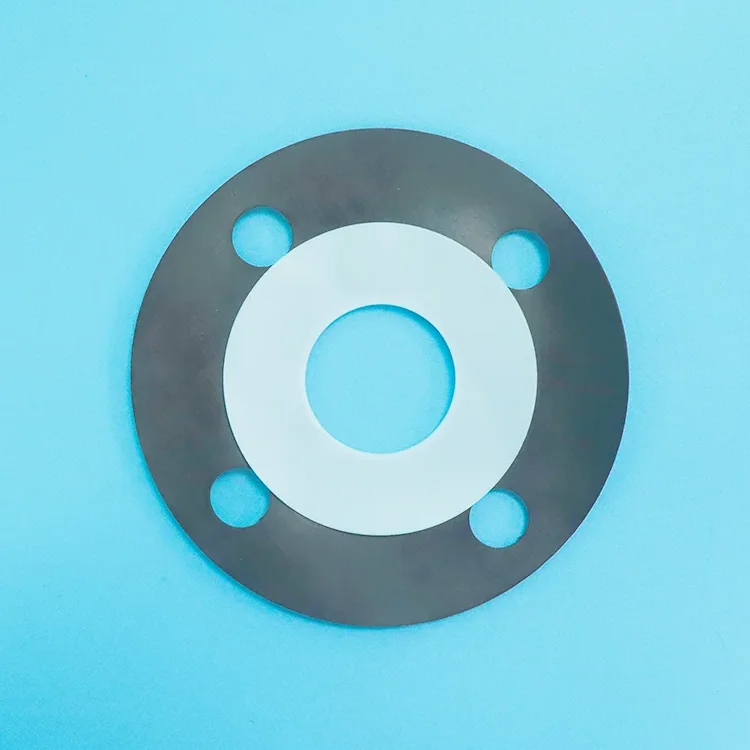
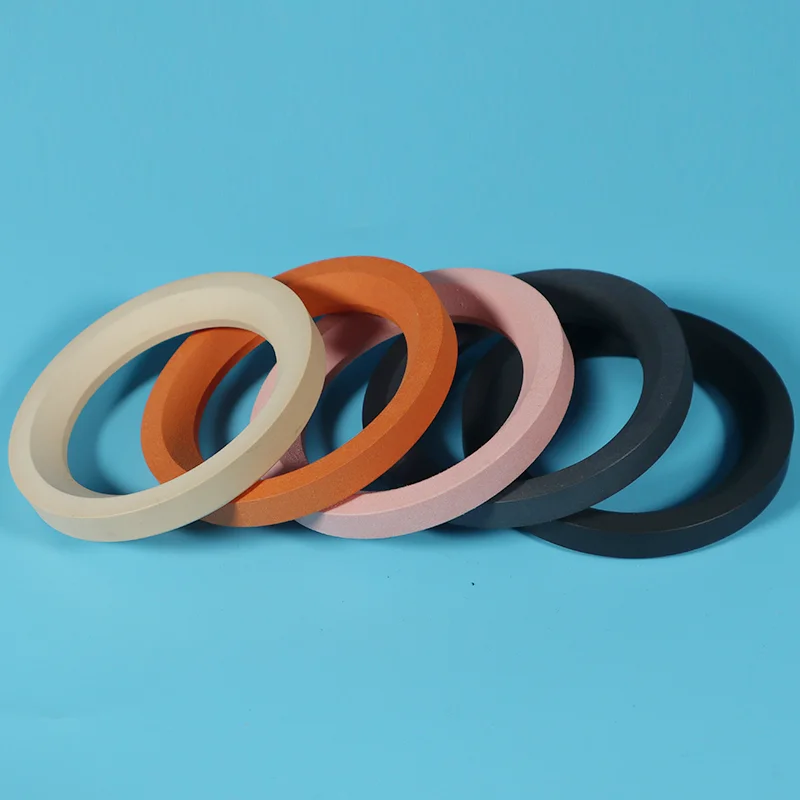
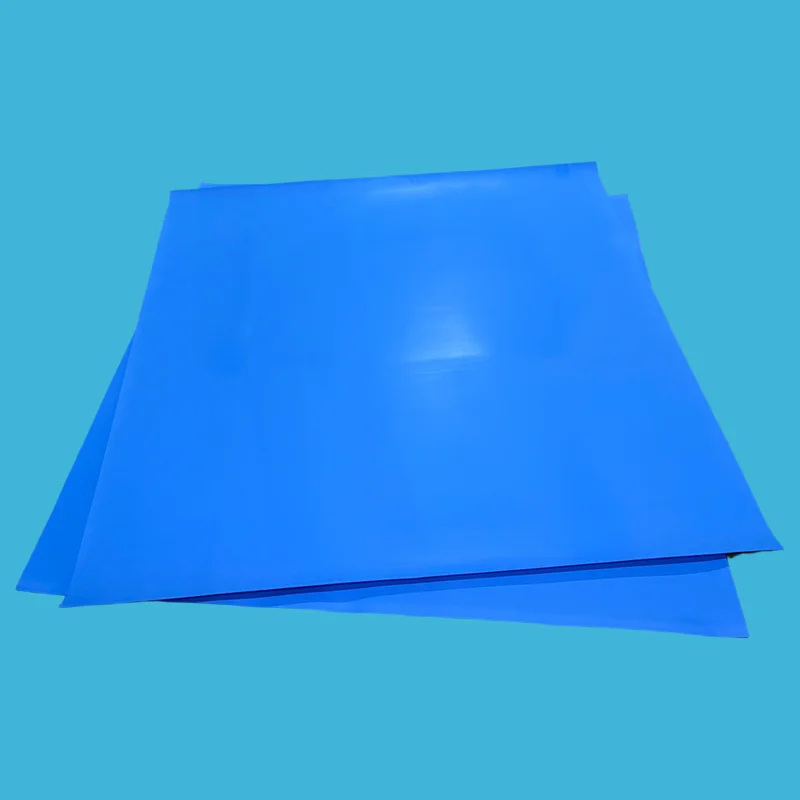
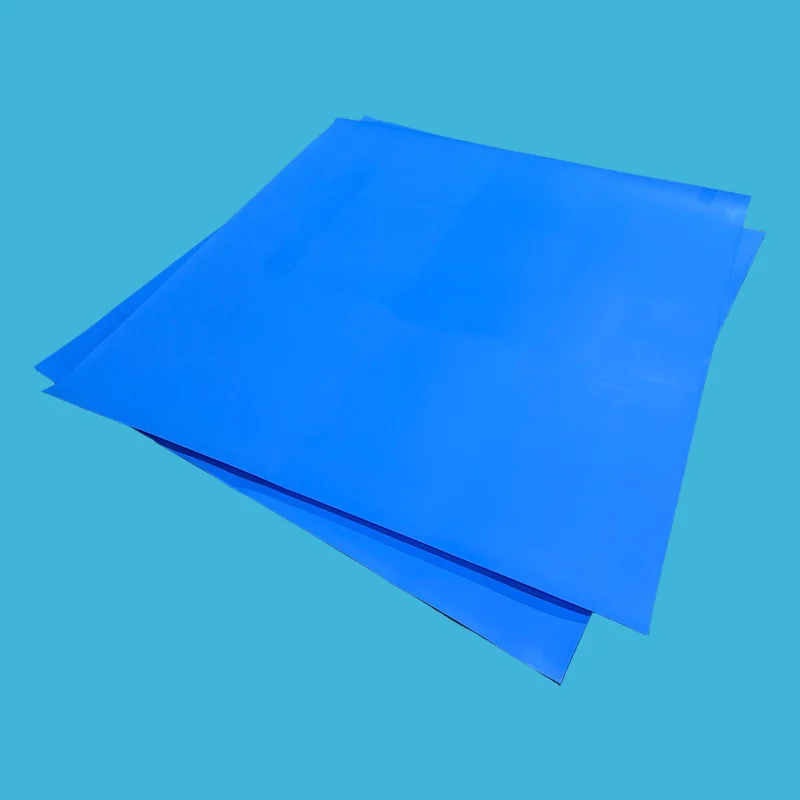
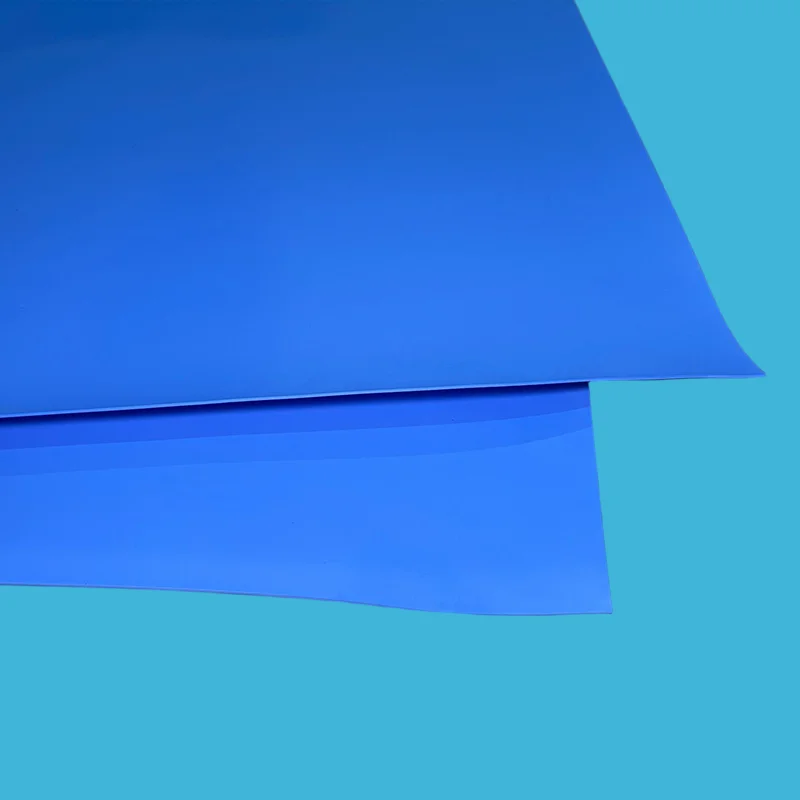
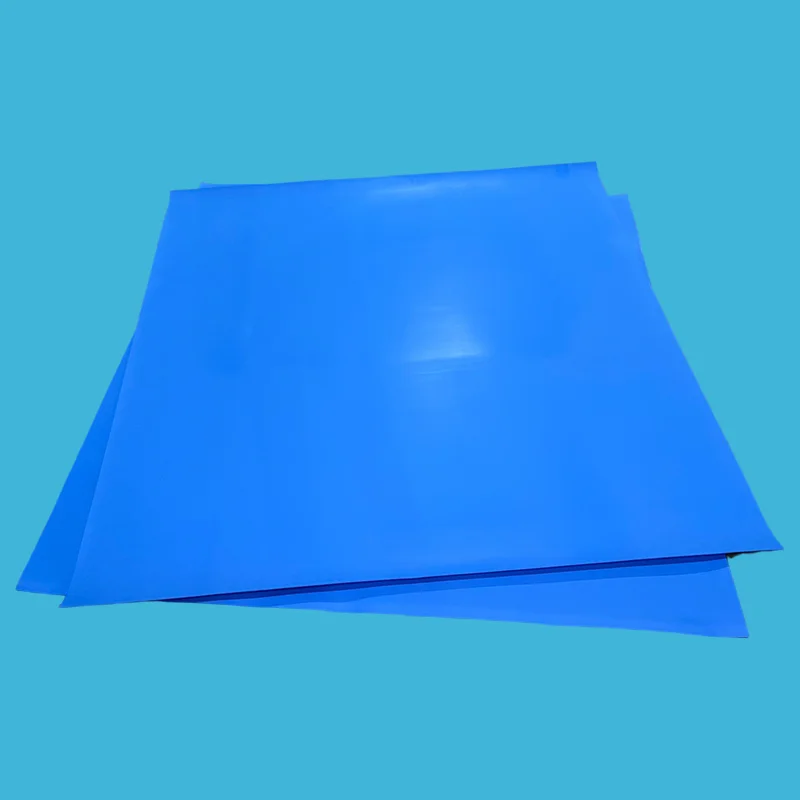
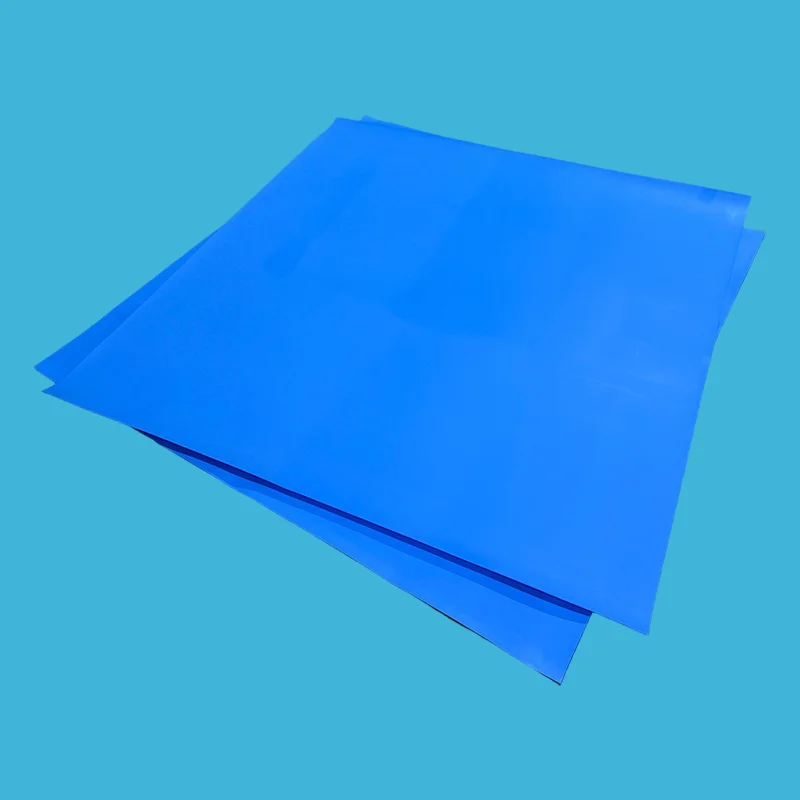
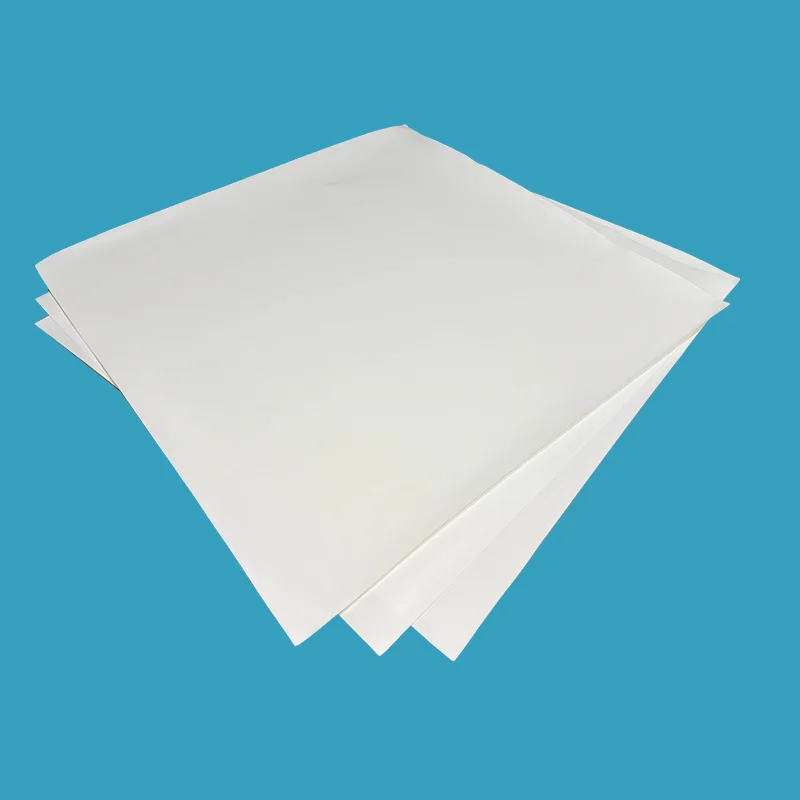
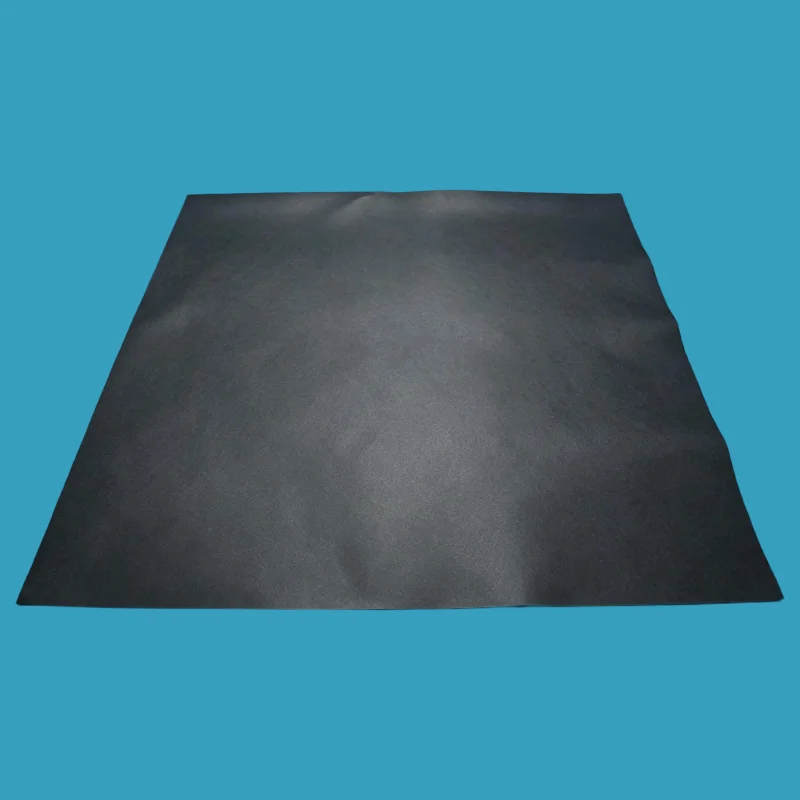
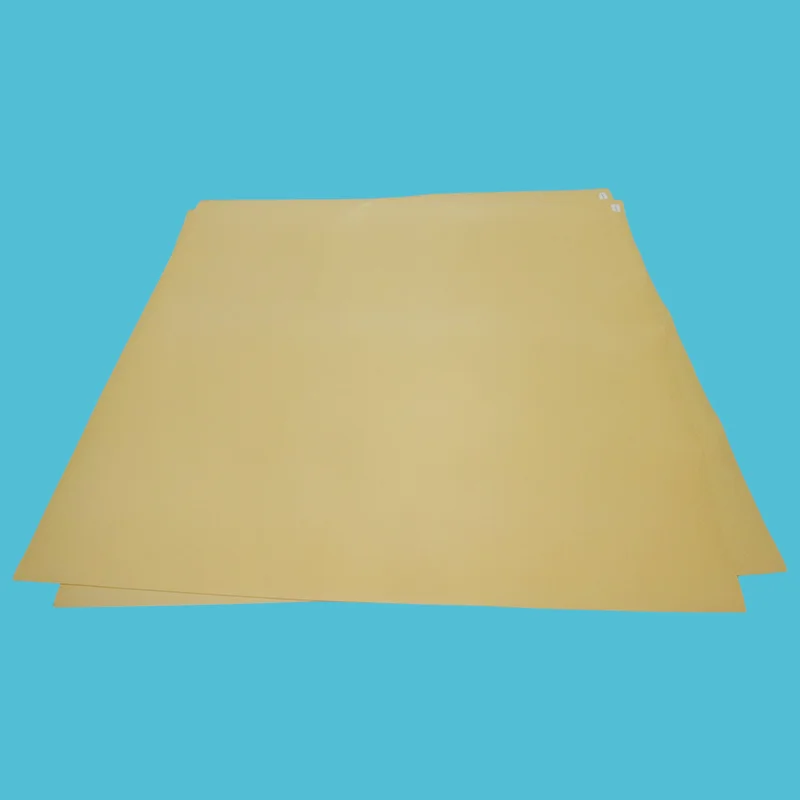
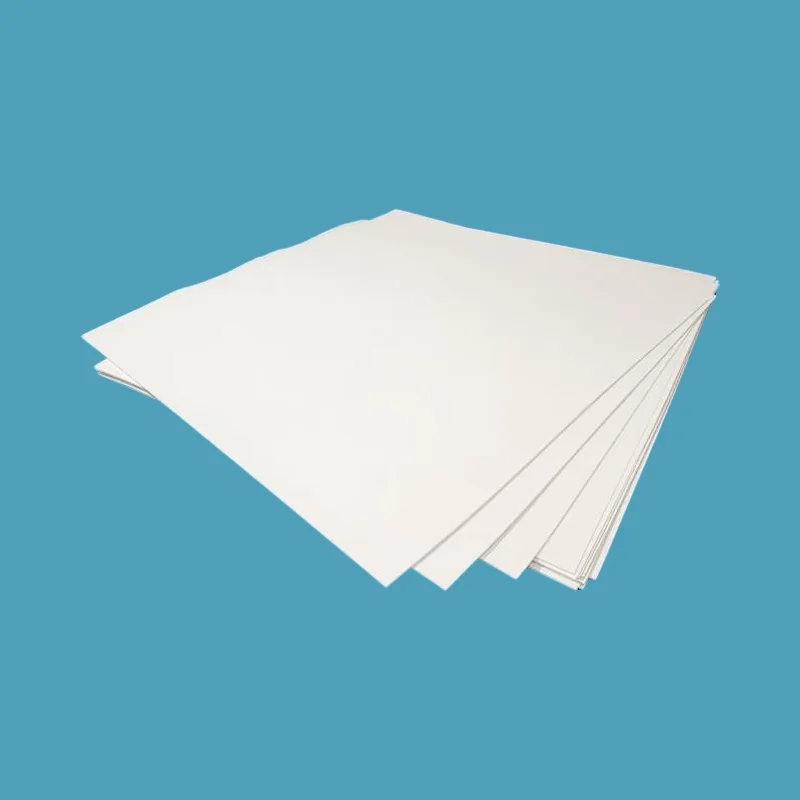
A glass-bead-filled PTFE sheet improves conventional PTFE performance by incorporating hollow glass microspheres into the PTFE matrix. This reinforced structure reduces cold flow, increases elastic recovery, and provides a softer, more adaptable sealing surface.

A glass-bead-filled PTFE sheet is an engineered PTFE material enhanced with hollow glass microspheres evenly distributed throughout the PTFE matrix. These lightweight glass particles reinforce the internal structure of PTFE, improving its mechanical stability while maintaining excellent chemical resistance.
Compared with virgin PTFE, this modified material provides better resistance to creep and cold flow, helping maintain bolt load and sealing pressure during long-term operation. Its enhanced recovery performance (55.8% compared with 21.8% for virgin PTFE) allows the sheet to recover after compression and maintain a reliable seal.
The improved structure also increases compressibility and surface adaptability, enabling the material to conform to scratches, pits, and uneven flange surfaces. This makes it especially suitable for glass-lined, ceramic, and plastic flanges where excessive tightening force may cause damage.
By combining PTFE’s chemical resistance with improved mechanical performance, the Glass-Bead-Filled PTFE Sheet provides a more stable low-torque sealing solution for demanding industrial applications.
|
Material |
Recovery Rate |
What This Means for You |
|
Virgin PTFE |
~21.8% |
Compresses permanently — bolt torque relaxes, gasket leaks over time |
|
Glass Microsphere PTFE |
~32-55.8% |
Recovers after compression — maintains bolt torque, longer seal life |
Higher recovery = longer sealing force = fewer leaks = less downtime.
|
Problem |
How Glass Microsphere PTFE Solves It |
|
Pure PTFE creeps and leaks under load |
Glass microspheres reinforce the structure — maintains bolt torque longer |
|
Rough, pitted flanges leak |
Soft, conformable material fills irregularities — seals without grinding or machining |
|
Glass-lined flanges crack under high torque |
Seals with low bolt pressure — protects fragile surfaces |
|
Gaskets lose sealing force over time |
Higher recovery rate (up to 55.8%) — maintains seal after compression |
|
Chemical attack — acids, solvents, caustics |
PTFE provides pH 0-14 resistance |
|
Feature |
Glass Microsphere PTFE |
Virgin PTFE |
Glass Fiber PTFE |
|
Recovery Rate |
~32-55.8% — excellent |
21.8% — poor |
Moderate |
|
Creep Resistance |
★★★★★ excellent |
★★☆☆☆ poor |
★★★★☆ |
|
Compressibility |
★★★★★ soft, conformable |
★★☆☆☆ rigid |
★★★☆☆ |
|
Flange Protection |
★★★★★ safe on fragile flanges |
★★★☆☆ |
★★☆☆☆ can scratch |
|
Pressure |
Up to 55 bar |
Up to 30 bar |
Higher — up to 100 bar |
|
Chemical Resistance |
pH 0-14 — except HF |
pH 0-14 |
pH 0-14 — except HF/alkali |
|
Best For |
Fragile flanges, low torque, thermal cycling |
Clean chemicals, smooth flanges, FDA |
Abrasive media, high pressure |
|
If Your Application Is... |
Choose... |
Why |
|
Glass-lined, ceramic, or plastic flanges |
Glass Microsphere PTFE |
Low torque, flange-friendly |
|
Rough, pitted, or warped flanges |
Glass Microsphere PTFE |
Conformable, fills irregularities |
|
Chemical processing — acids, solvents |
Glass Microsphere PTFE |
pH 0-14 universal resistance |
|
Food/pharmaceutical processing |
Glass Microsphere PTFE |
FDA-compliant grades available |
|
Thermal cycling |
Glass Microsphere PTFE |
Maintains seal under temperature changes |
|
Clean, smooth flanges, standard service |
Virgin PTFE |
Lower cost |
|
Abrasive media, high pressure |
Glass Fiber PTFE |
Higher mechanical strength |
|
Industry |
Application |
Why |
|
Chemical Processing |
Pipe flanges, reactor covers, heat exchangers |
pH 0-14 resistance, low torque |
|
Pharmaceutical |
Sterile equipment, bioreactors — FDA compliance |
Pure material, non-contaminating |
|
Food & Beverage |
Sanitary connections, filling equipment |
FDA-compliant, easy cleaning |
|
Glass-lined Equipment |
Glass-lined reactors, vessels |
Low torque protects fragile surfaces |
Challenge: Glass-lined reactor covers were cracking due to high torque required to seal virgin PTFE gaskets. Each glass repair cost $8,000 plus production downtime. Two events per year = $16,000.
Solution: Installed Glass Bead Filled PTFE Sheet. Low bolt pressure eliminated stress on glass lining. Material conformed perfectly to wavy glass surface. Recovery rate maintained seal over time.
Result: Zero glass damage. Perfect seal with lower torque. No replacements in 18 months. Saved $16,000 in glass repair costs.
Challenge: Virgin PTFE gaskets on heat exchanger flanges were replaced every 6 months due to cold flow and leakage. Bolt torque relaxed, gaskets deformed.
Solution: Replaced with Glass Bead Filled PTFE Sheet. High recovery (~55.8%) maintained seal over time. Creep resistance eliminated deformation.
Result: Zero leakage for 18 months. No bolt re-torquing required. Estimated cost savings: $7,500/year per flange.
Note: Actual case results vary by application conditions. Contact us for application-specific recommendations.


|
Parameter |
Value |
Test Method |
|
Temperature Range |
-180°C to +200°C |
ASTM |
|
Maximum Pressure |
Up to 55 bar (800 PSI) |
— |
|
Density |
1.55-1.70 g/cm³ |
ASTM D792 |
|
Compressibility |
≥16% |
ASTM F36 |
|
Recovery |
≥32% (up to 55.8% in some grades) |
ASTM F36 |
|
Tensile Strength |
≥10 MPa |
ASTM F152 |
|
Material |
Virgin PTFE + hollow glass microspheres |
— |
|
FDA Compliant |
Yes — available |
FDA 21 CFR 177.1550 |
|
Size (mm) |
Thickness Range (mm) |
|
1500 × 1500 |
1.0, 1.5, 2.0, 3.0 |
|
1500 × 4500 |
1.5, 2.0, 3.0 |
|
Cus |
|


A: A glass-bead-filled PTFE sheet is a high-performance gasket material made from virgin PTFE reinforced with hollow glass microspheres.
Unlike standard PTFE, which creeps (cold flows) under sustained load and loses bolt torque over time, glass microsphere PTFE offers superior creep resistance and recovery rate.
This means it maintains sealing force longer, requires less re-torquing, and lasts significantly longer in demanding applications.
For engineers and maintenance managers dealing with frequent gasket failures, this material is the proven upgrade that reduces downtime and maintenance costs.
A: Yes, and this is one of its primary applications. A glass-bead-filled PTFE sheet is specifically designed for low bolt torque sealing on glass-lined, ceramic, and plastic flanges.
The material is soft and highly conformable, it fills scratches, pits, and surface irregularities without requiring high compression force. This is critical because high torque on glass-lined flanges can crack the glass lining, costing $8,000+ per repair.
For chemical plants and pharmaceutical manufacturers with glass-lined reactors, this material is the industry-recommended gasket solution that protects fragile flanges while delivering reliable chemical sealing.
A: It offers broad chemical resistance across the full pH range (0-14), making it suitable for most acids, alkalis, solvents, and hydrocarbons.
However, it is NOT compatible with hydrofluoric acid (HF), the glass microspheres will dissolve in HF service, causing gasket failure. For HF applications, we recommend virgin PTFE or carbon-filled PTFE sheet instead.
Additionally, the maximum pressure rating is 55 bar (800 PSI): for higher pressure services, consider glass-fiber-filled PTFE.
Address
No.1028, Qiersan Street, Andong Town, Cixi City, Zhejiang Province, China
Tel