Send Inquiry
English
Products
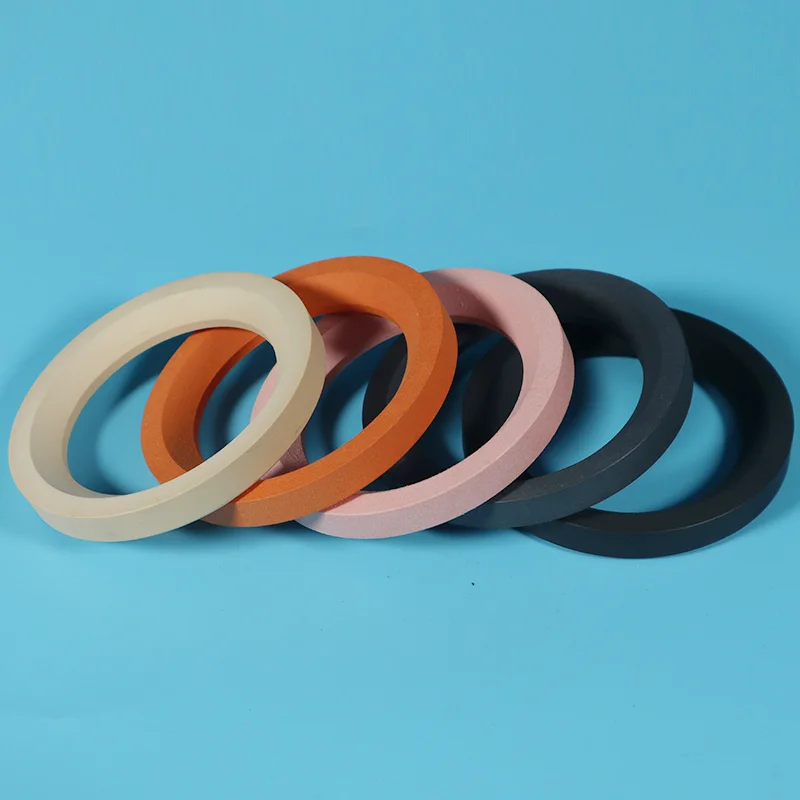
PTFE Envelope Rubber Gasket with Watermark Line
  • PTFE Envelope Rubber Gasket with Watermark LinePTFE Envelope Rubber Gasket with Watermark Line
  • PTFE Envelope Rubber Gasket with Watermark LinePTFE Envelope Rubber Gasket with Watermark Line
  • PTFE Envelope Rubber Gasket with Watermark LinePTFE Envelope Rubber Gasket with Watermark Line

PTFE Envelope Rubber Gasket with Watermark Line

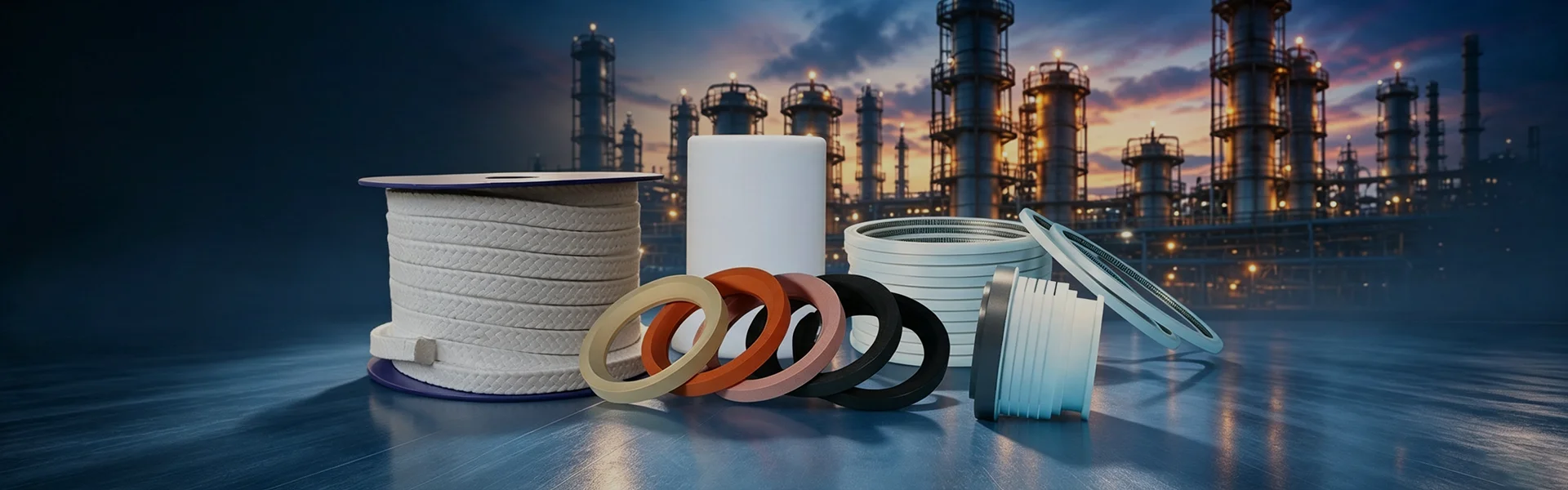
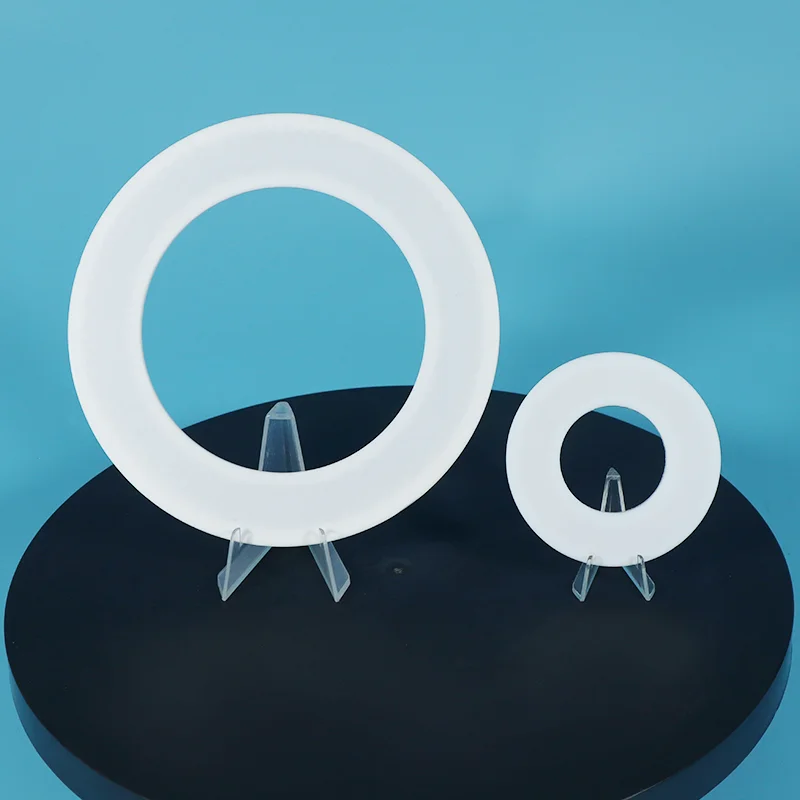
Taifno is a reliable factory with 20+ years of industry experience, our PTFE Envelope Rubber Gasket with Watermark Line combines the chemical resistance of PTFE with the flexibility and recovery of a rubber core. Available with EPDM, NBR, silicone, and FKM cores, suitable for chemical processing, piping systems, and applications requiring both corrosion resistance and flexible sealing performance.

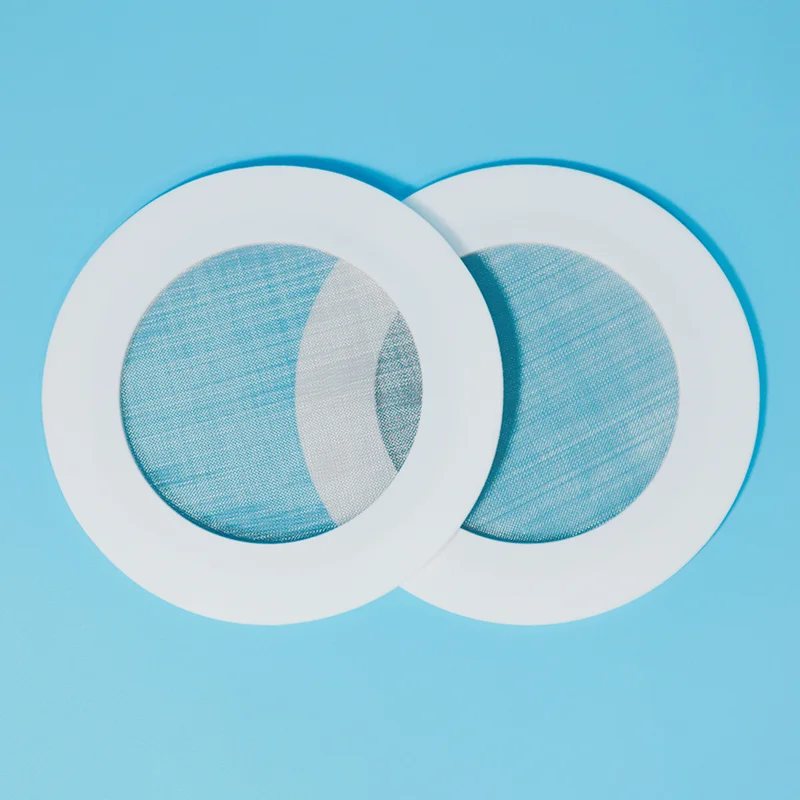
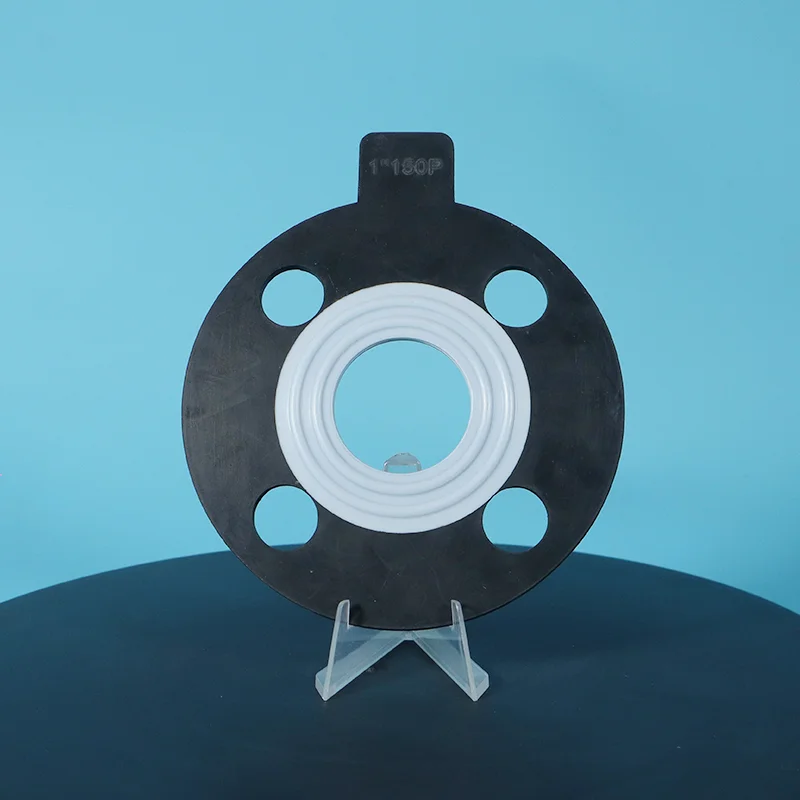
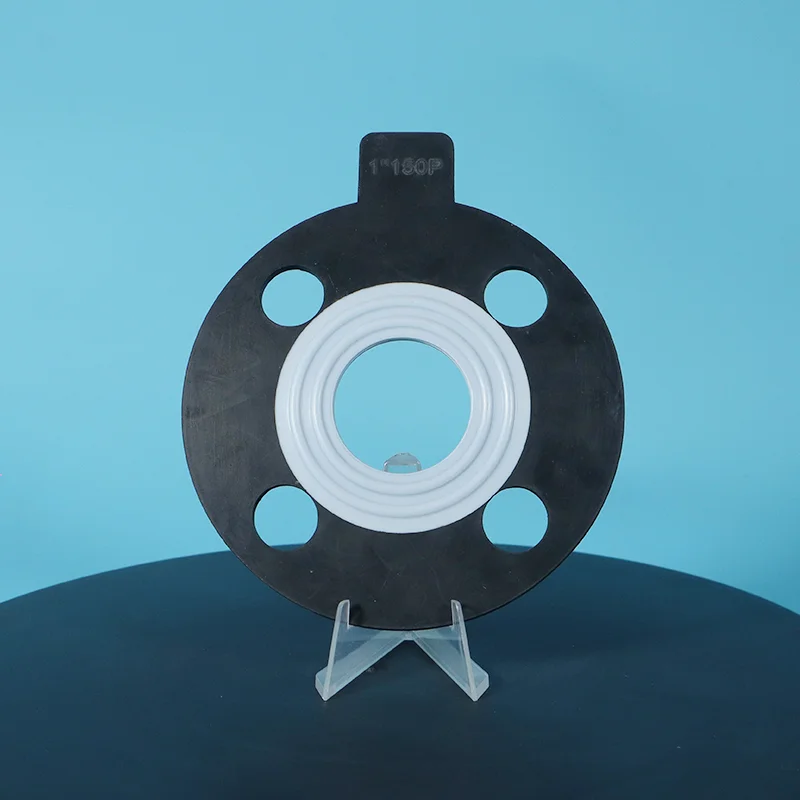
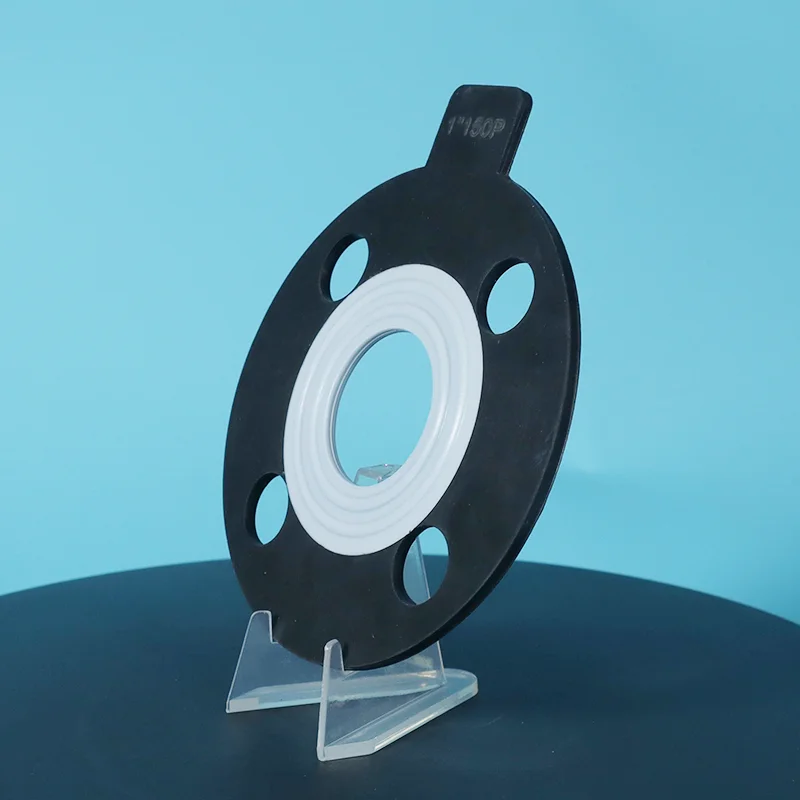
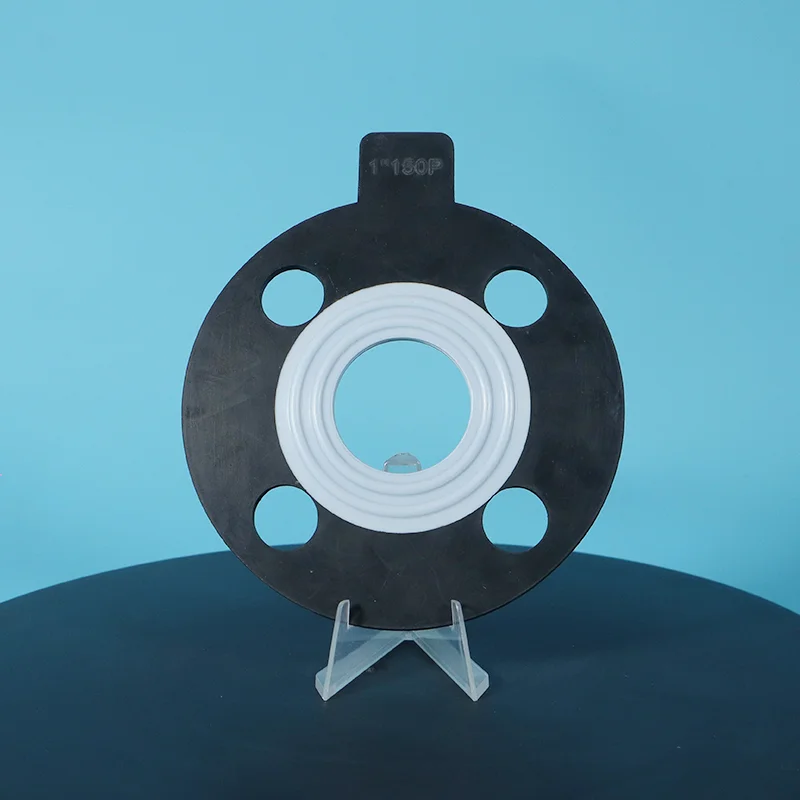
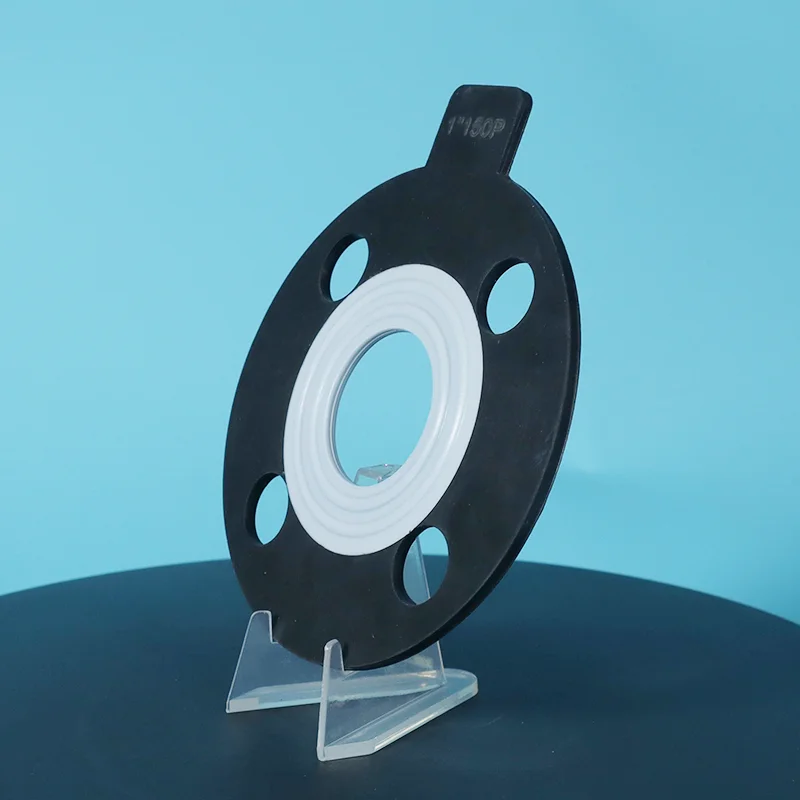
PTFE Envelope Rubber Gasket with Watermark Line is a  rubber core fully encapsulated in PTFE, with a water ripple (serrated) pattern on the sealing face. The PTFE coating provides universal chemical resistance (pH 0-14). The water ripple surface is the key, it provides a reliable seal at low torque, preventing flange damage on glass-lined and plastic flanges.

Send your flange size, media, and temperature to Taifno, we can offer customized solutions and factory direct prices.

PTFE Envelope Rubber Gasket With Watermark LinePTFE Envelope Rubber Gasket With Watermark Line

What Is a PTFE Envelope Rubber Gasket with Watermark Line?

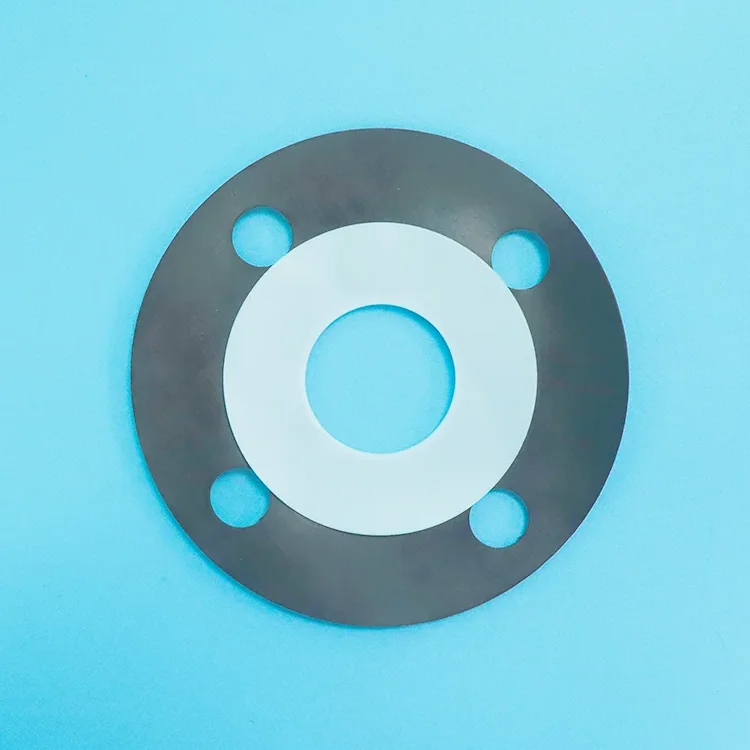
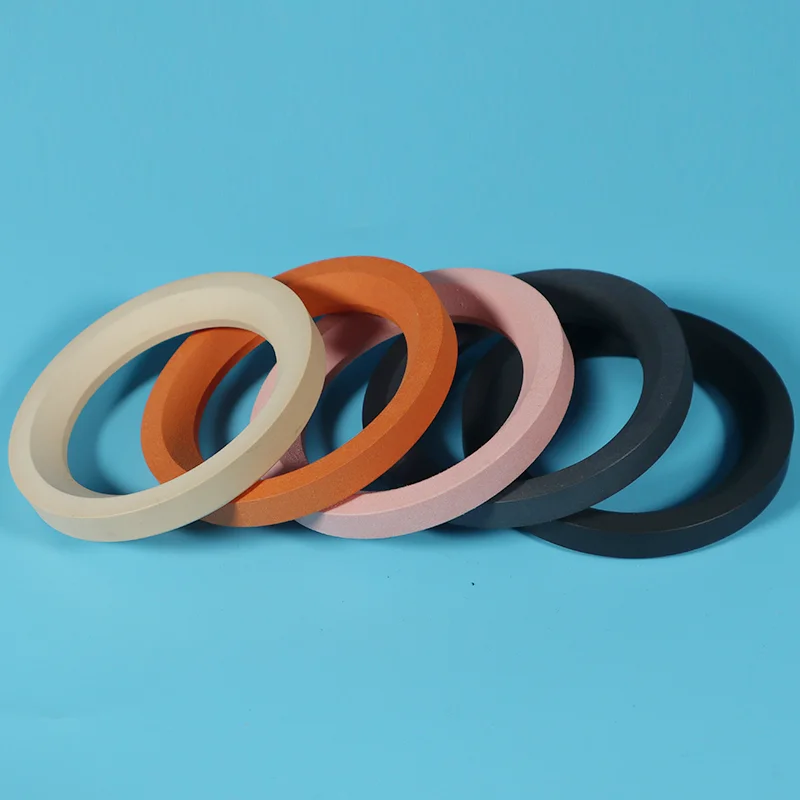
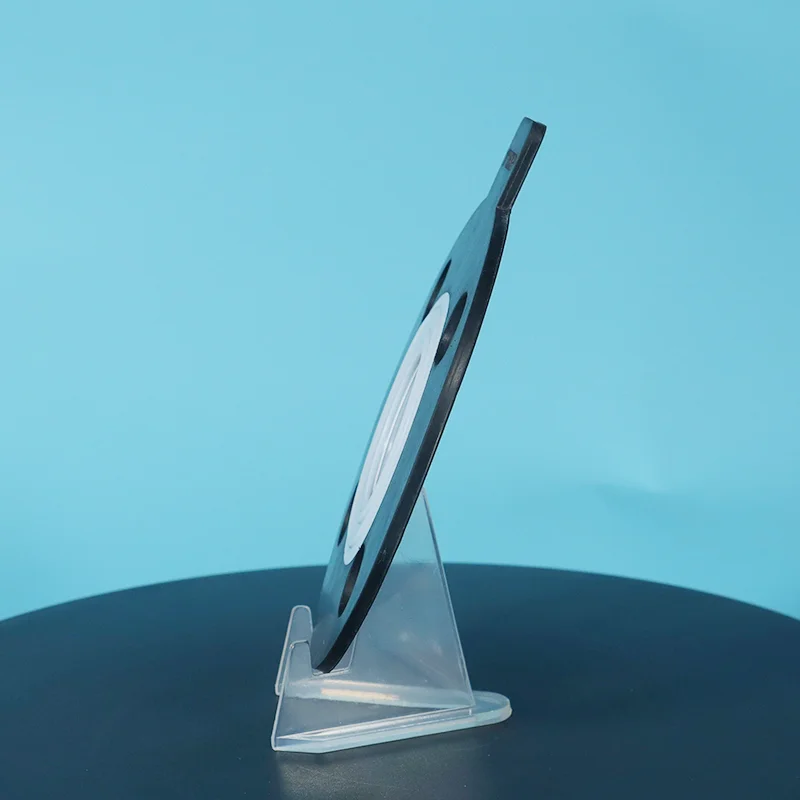
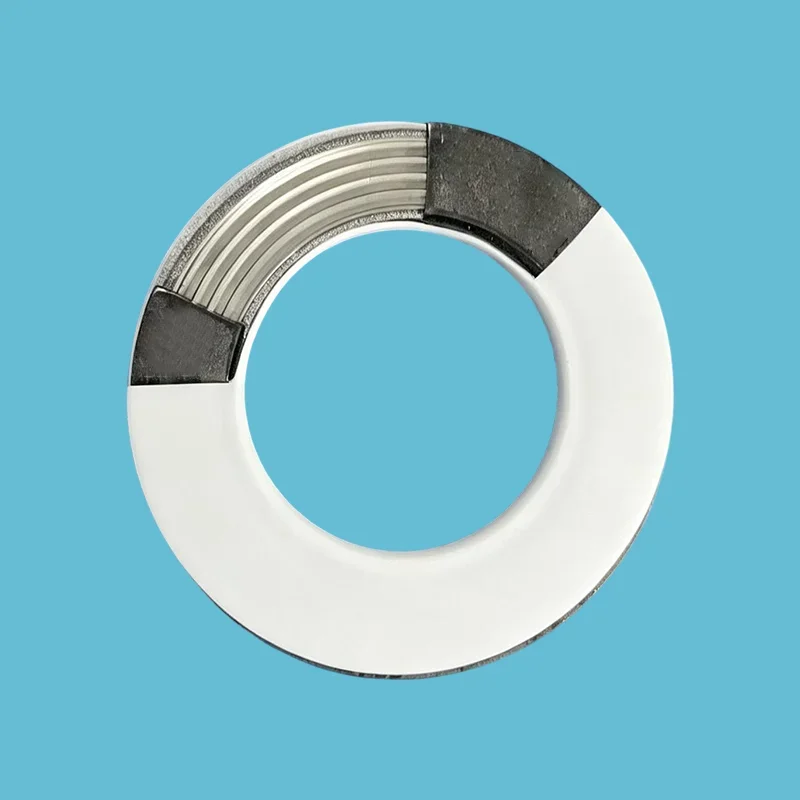
A PTFE rubber-coated gasket is a composite sealing gasket consisting of a rubber core fully encapsulated in a PTFE coating, with a water ripple (serrated) pattern on the sealing surface. This design combines the compressibility of rubber with the chemical resistance of PTFE and the sealing grip of a serrated surface pattern.

Structure:

Rubber Core: Provides compressibility, recovery, and conformability to uneven flanges

PTFE Coating: Provides universal chemical resistance (pH 0-14), non-stick surface, and prevents media contamination

Water Ripple Surface: Serrated pattern on the sealing face provides a reliable sealing grip under low bolt torque — prevents slipping and reduces bolt load requirements

Key characteristics:

Low torque sealing: The water ripple surface grips the flange face with less bolt load than smooth PTFE, protects fragile flanges

Flange-friendly: Soft rubber core and PTFE coating protect glass-lined, plastic, and FRP flanges

Chemical resistance: PTFE coating provides pH 0-14 resistance, protects the rubber core from chemical attack

Compressibility: Rubber core fills flange irregularities and compensates for bolt relaxation

Comparison & Selection Guide

PTFE Rubber-Coated vs Expanded PTFE vs Solid PTFE vs Envelope Gasket

Feature

PTFE Rubber-Coated

Expanded PTFE (ePTFE)

Solid PTFE

Envelope Gasket

Compressibility

★★★★★

excellent

★★★★★

excellent

★★☆☆☆

poor

★★★☆☆

moderate

Recovery

★★★★★

excellent

★★★★☆

good

★★☆☆☆

poor

★★★☆☆

moderate

Low Torque Sealing

★★★★★

water ripple grip

★★★★☆

conformable

★★☆☆☆

★★★☆☆

Chemical Resistance

★★★★☆

PTFE coating

★★★★★

pH 0-14

★★★★★

★★★★☆

Temperature Range

-180°C to +200°C

-196°C to +200°C

-180°C to +200°C

Up to +260°C

FDA Compliant

✅ Yes (EPDM/Silicone)

✅ Yes

✅ Yes

⚠️ Depends on filler

Best For

Low torque, glass-lined flanges, plastic flanges

Damaged flanges, low torque, chemical service

Clean chemicals, smooth flanges

General chemical service

Quick Selection Guide

If Your Application Is...

Choose...

Why

Glass-lined flanges, plastic flanges — need low torque + chemical resistance

PTFE Rubber-Coated

Water ripple surface provides low-torque seal, rubber core protects flanges

Damaged or warped flanges — need conformability + chemical resistance

Expanded PTFE

Conforms to irregularities, pure PTFE

Clean chemicals, smooth flanges, maximum chemical purity

Solid PTFE

Maximum chemical resistance, no rubber core

General chemical service + moderate compressibility

Envelope Gasket

Good balance of chemical resistance + compressibility

Available Rubber Core Options

Rubber Material

Temperature Limit

Best For

FDA Compliant

EPDM

-40°C to +120°C

Water, steam, mild chemicals

✅ Yes

NBR (Nitrile)

-30°C to +100°C

Oils, fuels, hydraulic fluids

❌ No

Silicone

-60°C to +200°C

High temperature, food contact

✅ Yes

FKM (Viton)

-20°C to +200°C

Aggressive chemicals, high temperature, oils

❌ No

Primary Applications

Industry

Application

Why This Gasket

Glass-lined Equipment

Glass-lined reactors, vessels

Low torque, gentle on fragile surfaces

Plastic & FRP Flanges

Plastic piping, FRP equipment

Low torque prevents flange damage

Chemical Processing

Uneven flanges, pump connections

Rubber core conforms to irregularities

Food & Beverage

Sanitary connections — FDA-compliant

FDA-compliant materials available

Water Treatment

Water lines, mild chemical service

EPDM core + PTFE coating

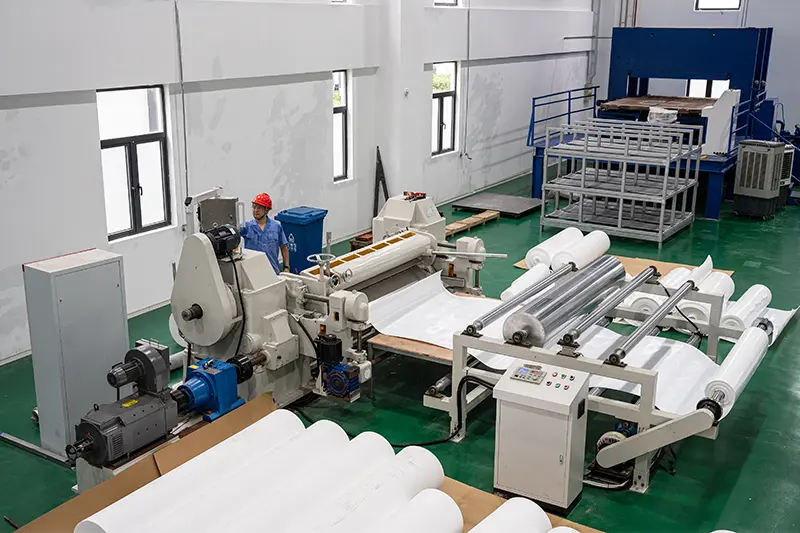
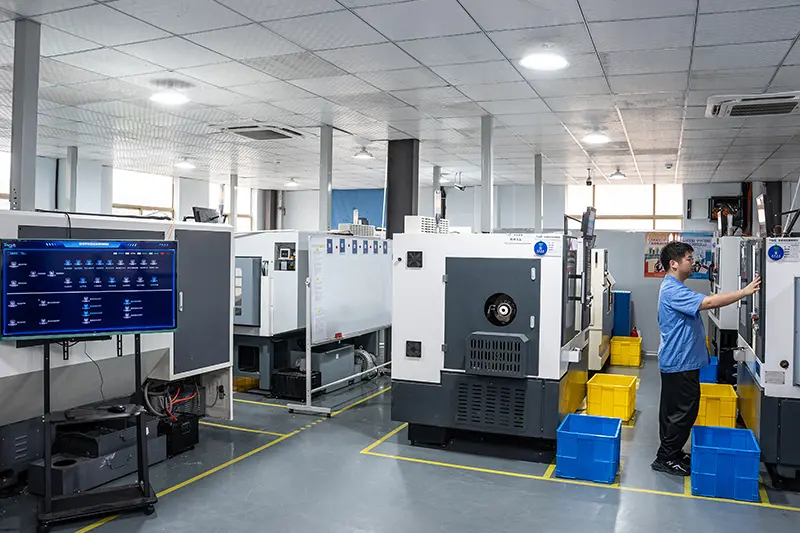
FactoryFactoryFactoryFactory

Technical Specifications

PTFE Rubber-Coated Gasket Properties

Parameter

Value

Temperature Range

-180°C to +200°C (depends on rubber core)

pH Range

0-14, PTFE coating provides universal resistance

Rubber Core Options

EPDM, NBR, Silicone, FKM

PTFE Coating Thickness

0.5-1.0 mm (typical)

Surface Pattern

Water ripple / serrated surface

FDA Compliant

Yes (EPDM, Silicone grades)

Size Range

Standard flange sizes and custom dimensions

Quality Assurance

100% Virgin PTFE Resin — consistent quality, batch after batch

Premium Rubber Core — high-quality elastomers with full traceability

Full Encapsulation — PTFE completely covers the rubber core — no exposed rubber

FDA-Compliant Grades Available — EPDM and Silicone grades meet FDA requirements

Full Traceability — material certificates available on request

Custom Sizes — available in standard flange sizes and custom dimensions

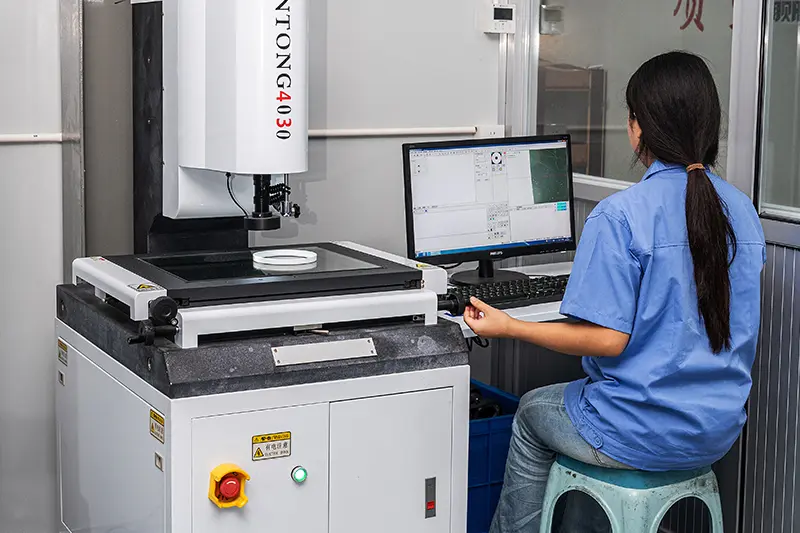
Lead Time — standard sizes 5-10 days; custom sizes 10-15 days

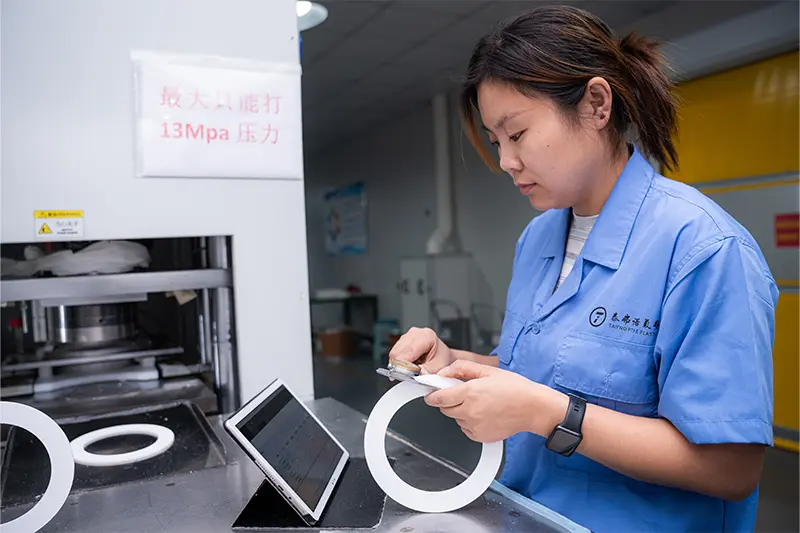
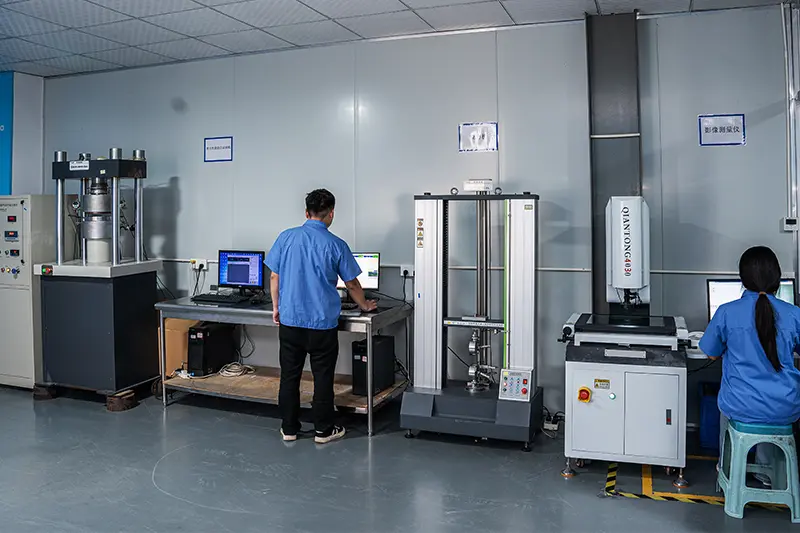
TestTestTestTest

Case Study

At a pesticide manufacturing plant in Zhejiang, a glass-lined reactor was subjected to demanding chemical processing conditions, with daily pressure cycling between -0.09MPa vacuum and 0.8MPa nitrogen pressure.

Due to repeated vacuum and positive-pressure fluctuations, the original gaskets suffered from insufficient recovery and sealing stress relaxation, resulting in frequent sealing failures and leakage issues that affected continuous production.

To meet the requirements for chemical resistance, compression recovery, and dynamic sealing performance, rubber-core PTFE encapsulated gaskets with a serrated sealing surface were installed as a replacement solution. The PTFE outer layer provides excellent resistance to corrosive chemicals, while the rubber core delivers superior elasticity and compression compensation, allowing the gasket to accommodate repeated vacuum and pressure changes.

After replacement, the reactor has operated reliably for over 1 year without leakage or sealing failures, significantly improving equipment stability and operational reliability.


FAQ

Q: What is a PTFE Envelope Rubber Gasket with Watermark Line, and when should I use it?

A: A PTFE rubber-coated gasket consists of a rubber core fully encapsulated in a PTFE coating, with a water ripple (serrated) surface pattern on the sealing face. The rubber core provides compressibility and recovery, conforming to uneven flanges and compensating for bolt relaxation.

The PTFE coating provides chemical resistance and prevents media contamination. The water ripple surface provides a reliable sealing grip under low bolt torque.

Use it when: Glass-lined flanges, plastic flanges, FRP flanges, low torque sealing required, uneven or damaged flange surfaces, applications requiring both chemical resistance and compressibility.

When NOT to use it: Extreme temperatures above +200°C (use expanded PTFE or metal jacketed), applications where the rubber core is not compatible with the media (verify chemical compatibility), or high-pressure service requiring extreme blowout resistance.

Q: PTFE rubber-coated vs expanded PTFE, which one should I choose for glass-lined flanges?

A: Both are excellent for glass-lined flanges, but they serve different priorities.

PTFE rubber-coated: rubber core provides maximum compressibility and recovery. Water ripple surface provides sealing grip at the lowest torque. PTFE coating provides chemical resistance.

Best when: You need maximum flange protection, the lowest possible torque, and the rubber core materials are compatible with your media.

Expanded PTFE (ePTFE): pure PTFE, no rubber core. Conforms to flange irregularities. Excellent chemical resistance and temperature range.

Best when: Your media is not compatible with any rubber core, you need FDA/USP compliance, or you need broader chemical compatibility.

Quick rule:

Lowest torque + rubber compatibility → PTFE rubber-coated.

Chemical compatibility + FDA compliance → ePTFE.

Q: What are the limitations — and what are the most common mistakes?

A: Temperature: -180°C to +200°C (depends on rubber core).

Chemical: pH 0-14, PTFE coating provides universal resistance, but the rubber core has chemical limitations.

Pressure: Lower than metal core gaskets, not for extreme high pressure.

Three common mistakes:

(1) Using the wrong rubber core for the media: PTFE coating protects the rubber core but if the PTFE is damaged, the rubber core must be compatible with the media.

(2) Over-tightening: the rubber core is soft; excessive compression can damage the PTFE coating; use low torque with controlled installation.

(3) Exceeding temperature limits: the rubber core temperature limit is lower than the PTFE coating; the overall gasket limit is set by the rubber core, not the PTFE.

Hot Tags: PTFE Envelope Rubber Gasket with Watermark Line, PTFE Rubber Gasket with Watermark Line, Watermark Line Rubber Gasket
Send Inquiry
Contact Info
X
We use cookies to offer you a better browsing experience, analyze site traffic and personalize content. By using this site, you agree to our use of cookies.Privacy Policy