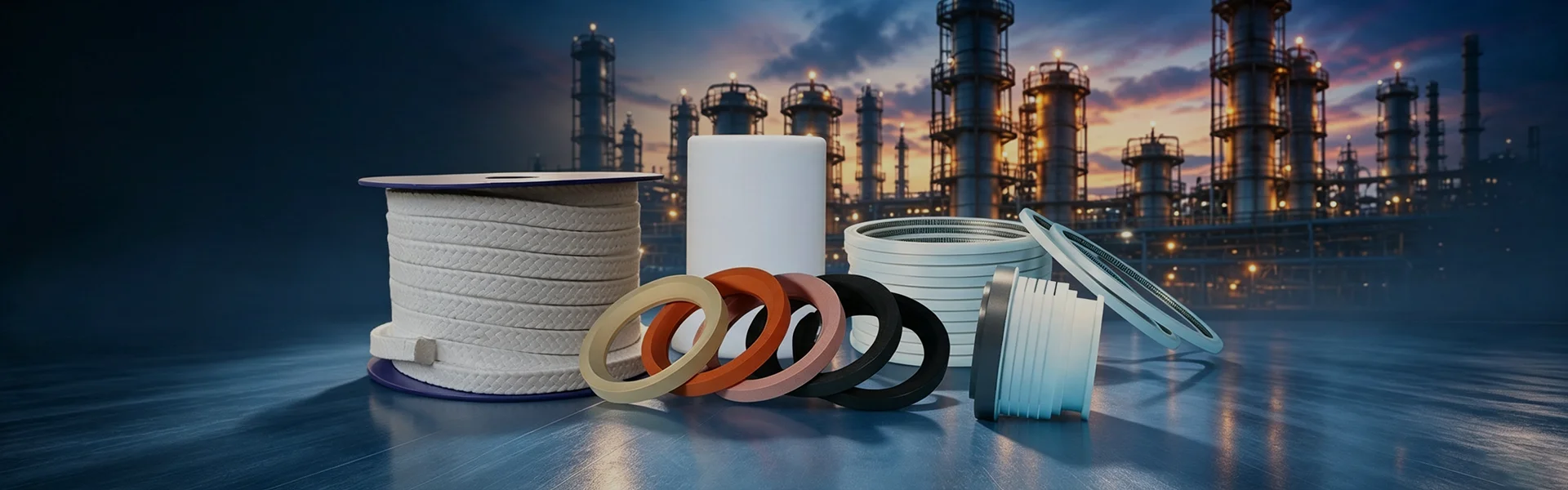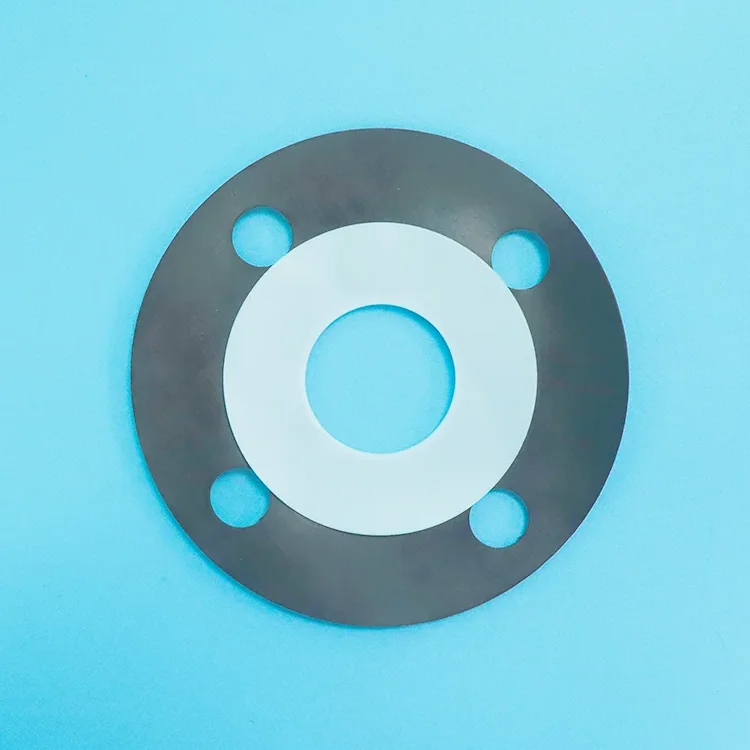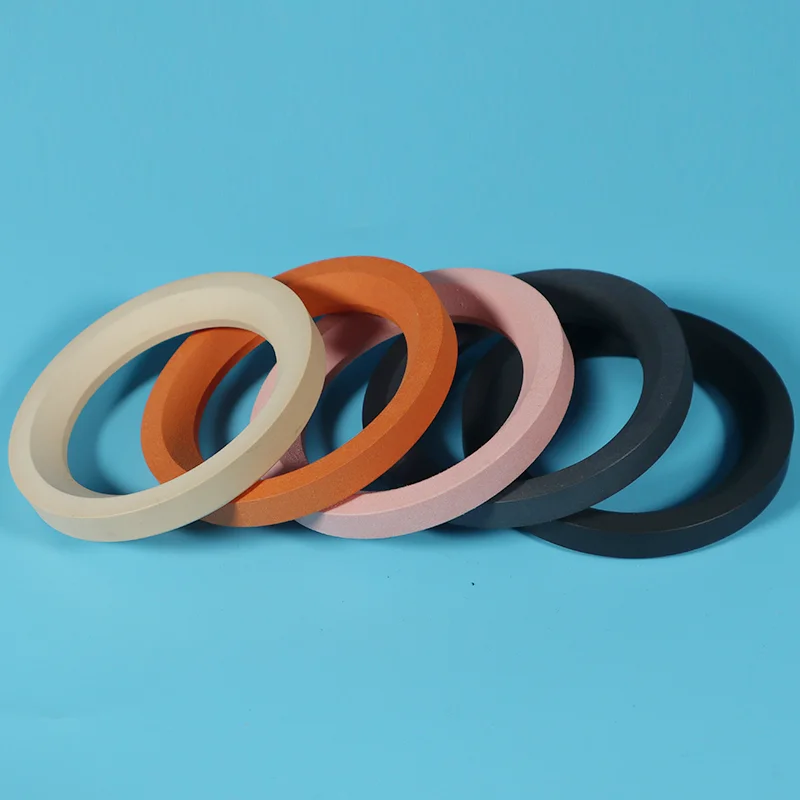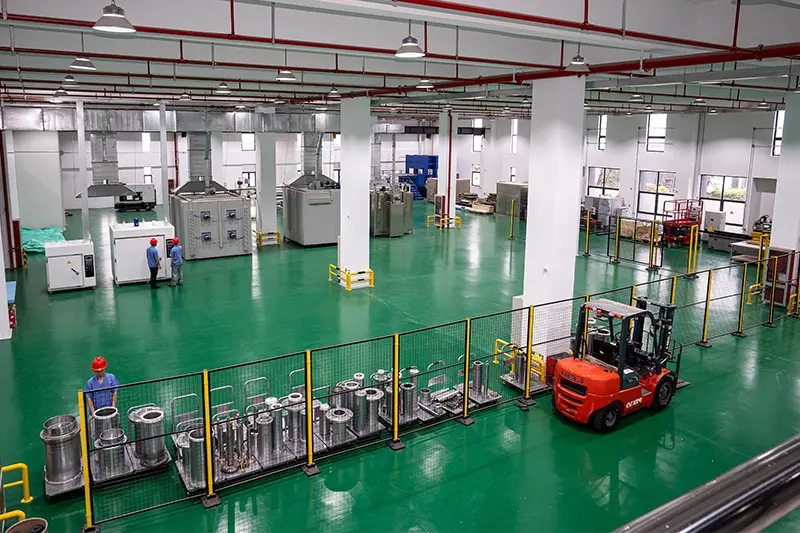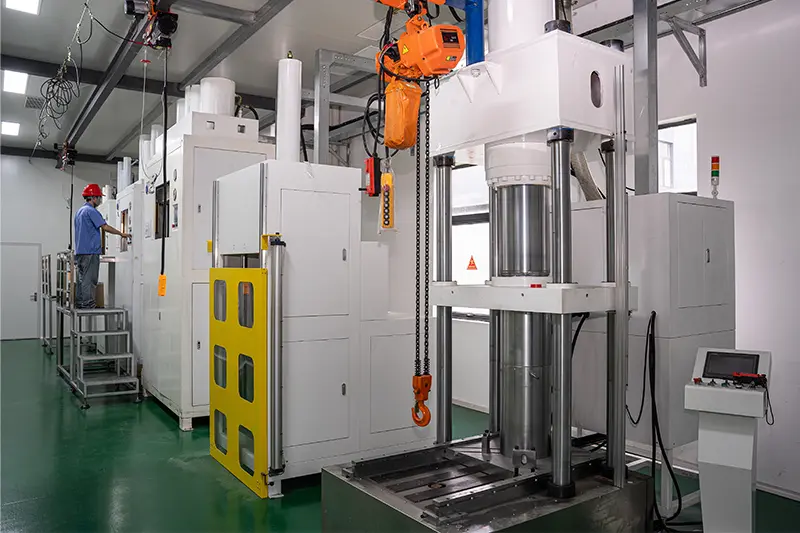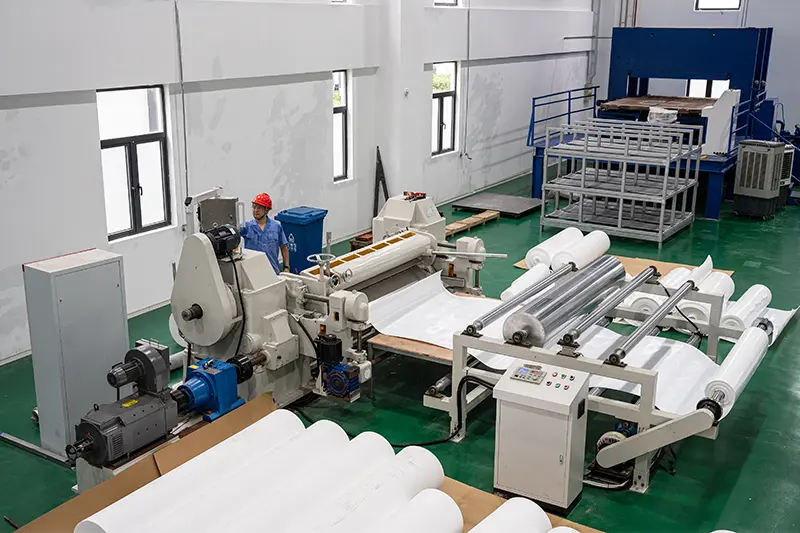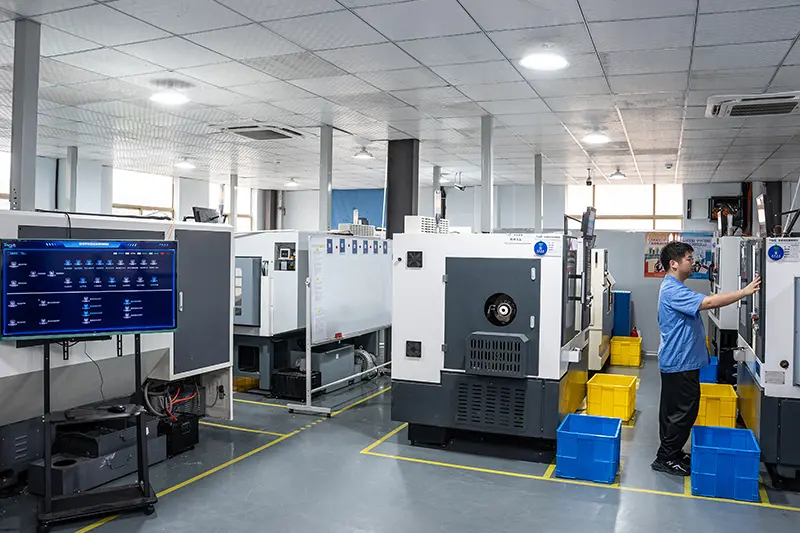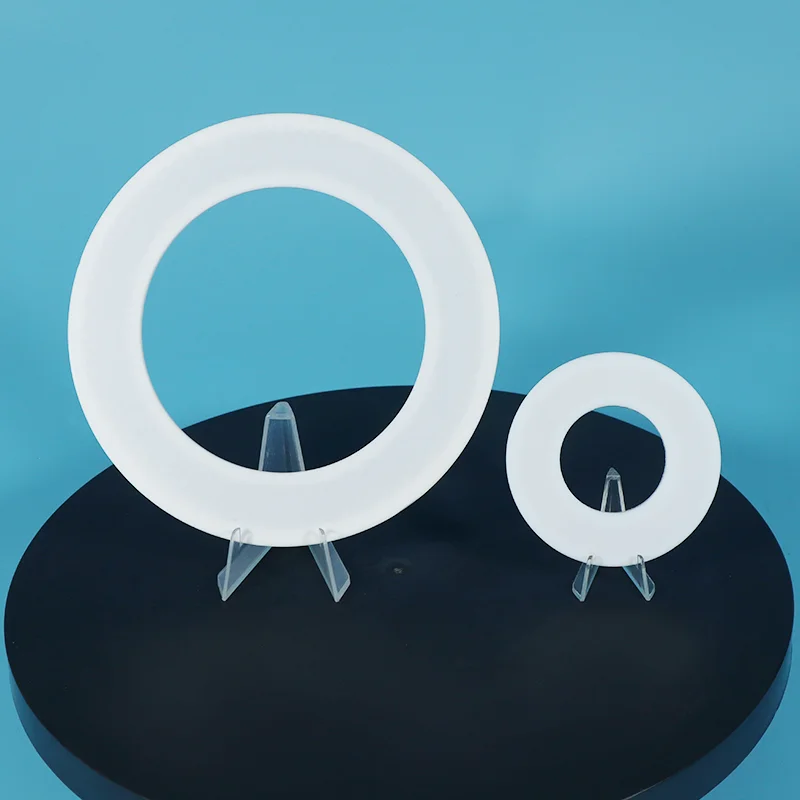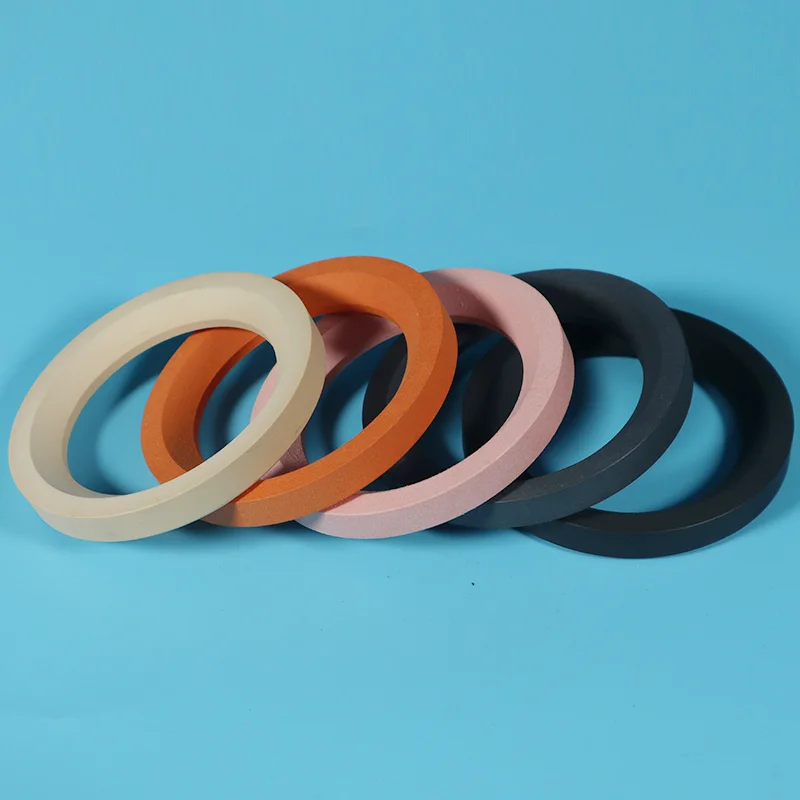
Taifno is a professional manufacturer of Type C PTFE envelope gaskets. We hold ISO 9001 and ISO 14001 certifications, and our products comply with authoritative international standards such as CE and FDA; we also offer customization based on specific industry requirements and operating conditions.
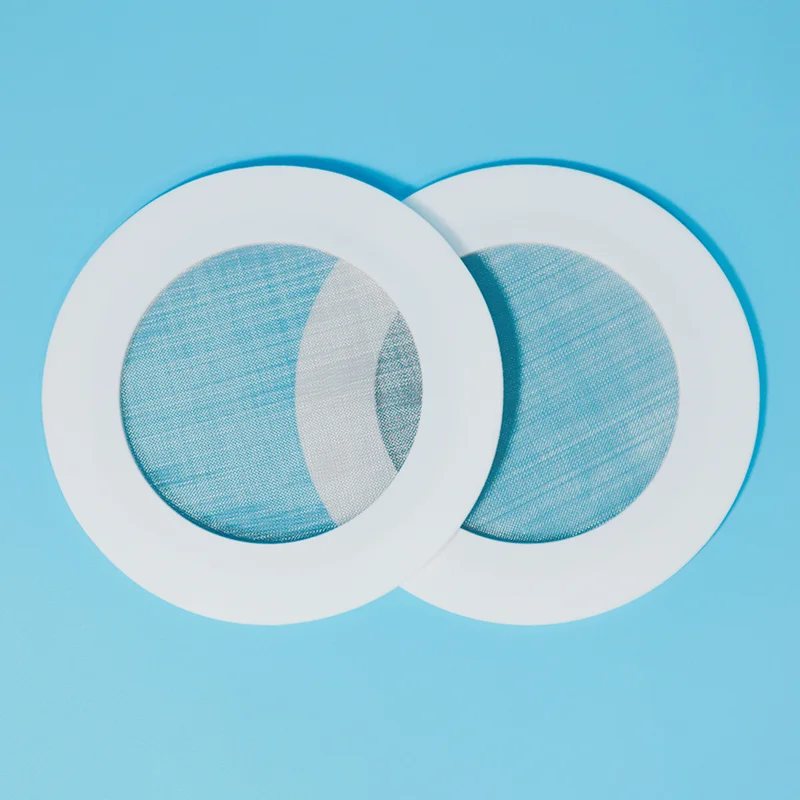
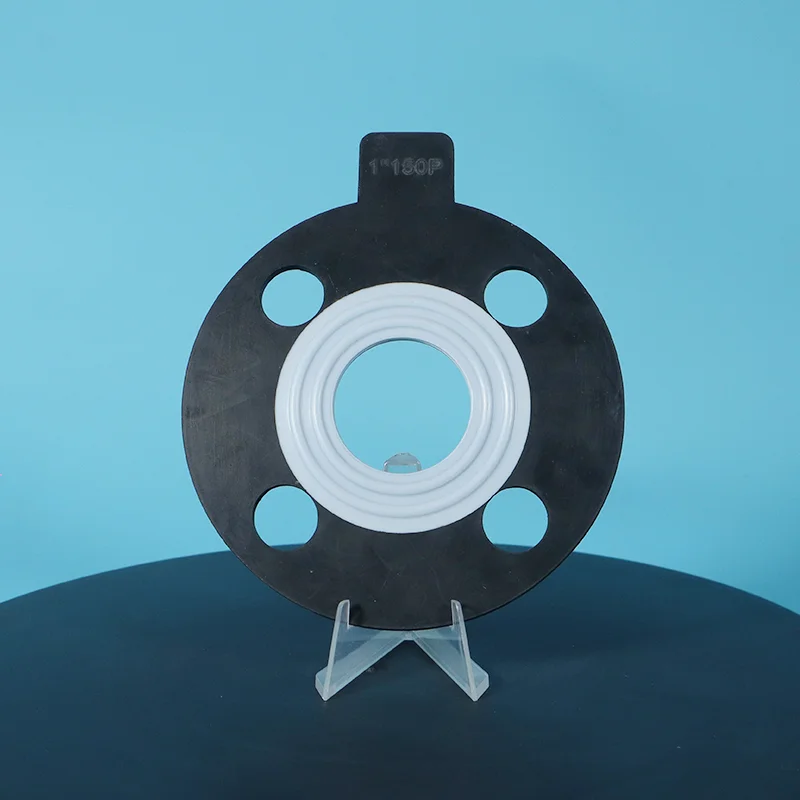
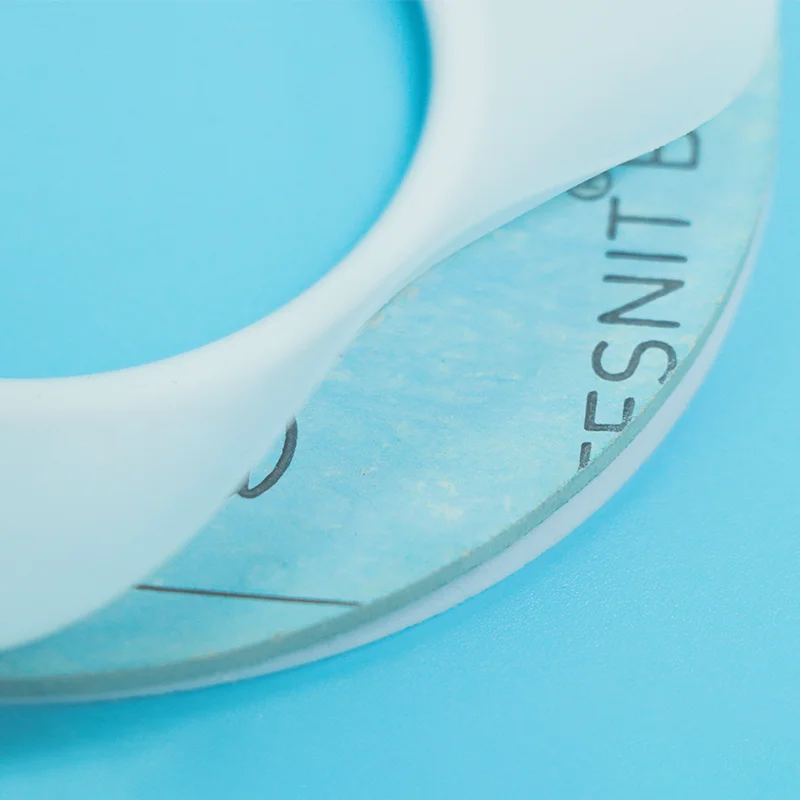
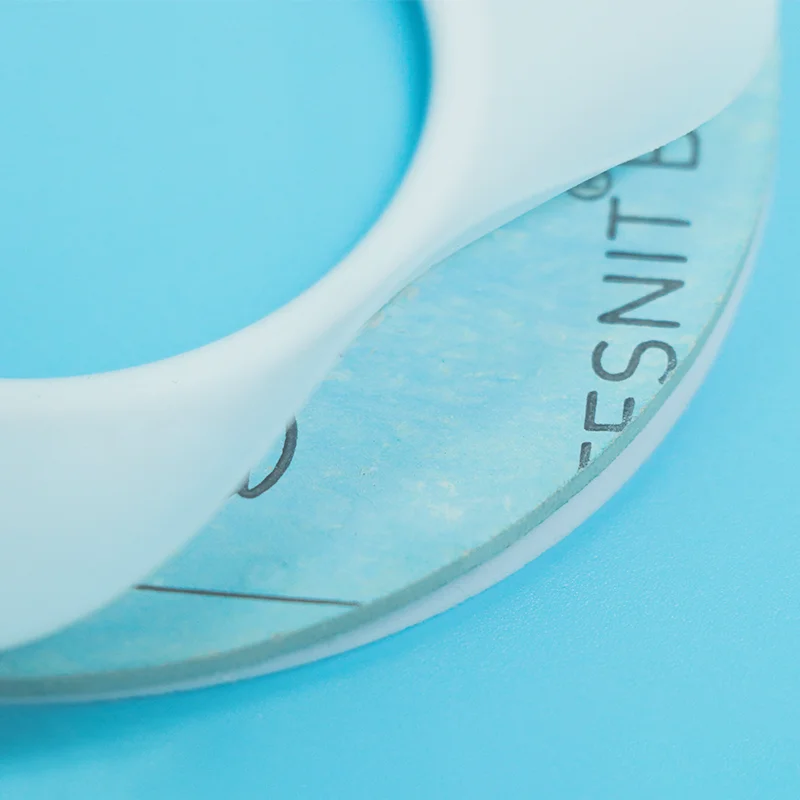
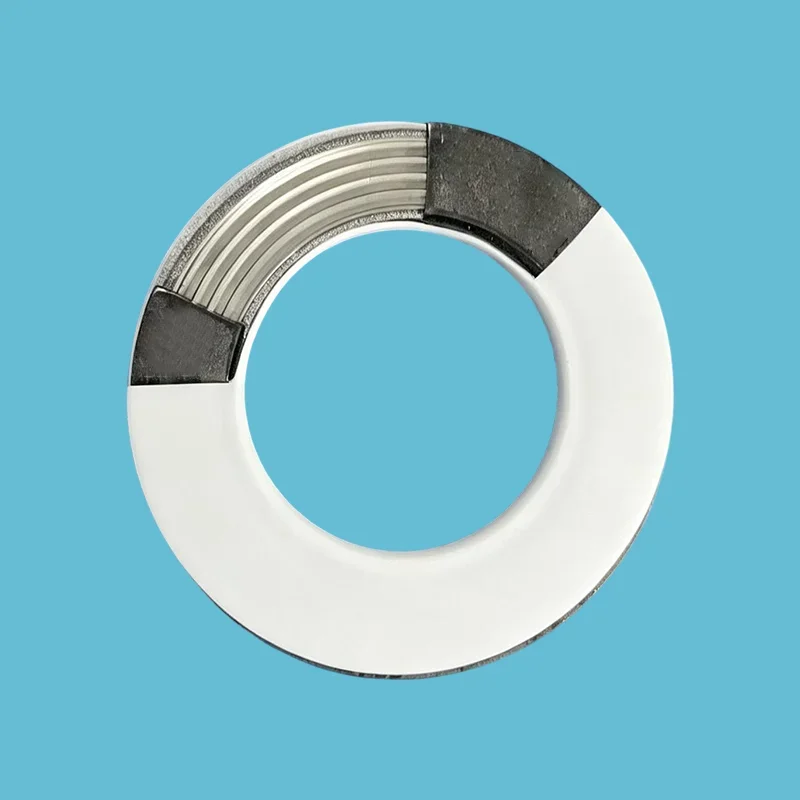
The Type C gasket consists of a PTFE envelope combined with a corrugated stainless steel core (available in 304 or 316 stainless steel). The reinforced metal core not only enhances structural strength but also provides resilience and improves resistance to pressure fluctuations and thermal cycling.

Type C PTFE Envelope Gasket is a reinforced sealing solution designed for high-pressure and demanding operating environments. It features a PTFE outer layer combined with a corrugated stainless steel reinforcement core, creating a composite structure that delivers both chemical resistance and mechanical strength.
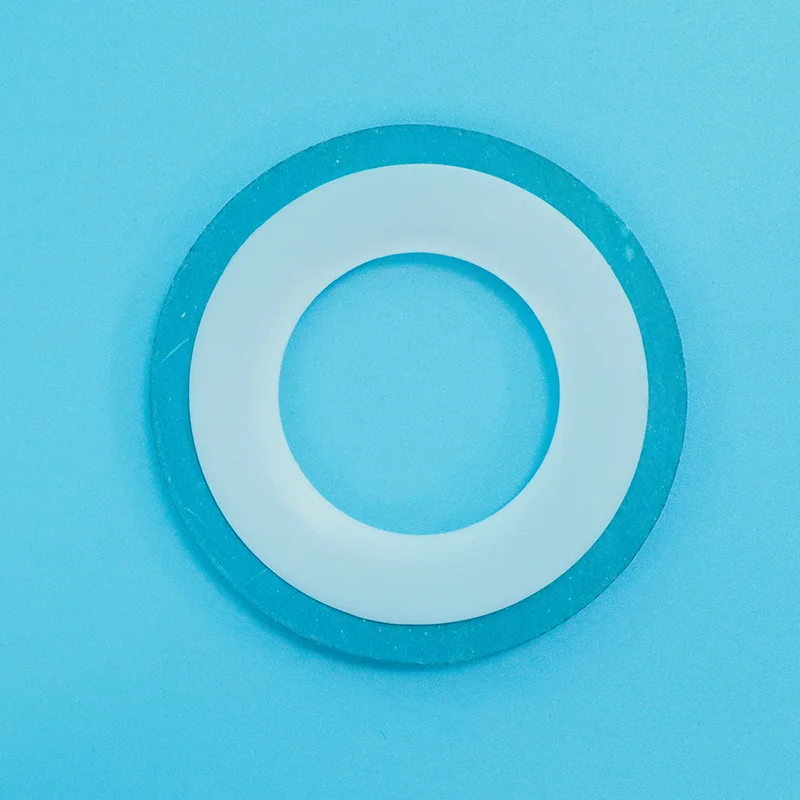
PTFE Outer Layer: The PTFE jacket completely surrounds the internal metal reinforcement, creating a corrosion-resistant sealing surface. It protects the metal insert from direct contact with aggressive media while maintaining PTFE’s excellent resistance to acids, alkalis, solvents, and other chemicals.
Corrugated Stainless Steel Reinforcement: The internal 304 or 316 stainless steel corrugated insert works as a flexible support element. Its spring-like design allows the gasket to recover after compression, maintain sealing pressure, and resist deformation under fluctuating loads.
Reinforced Sealing Design: The combination of PTFE and a corrugated metal core enables Type C construction to maintain sealing performance during pressure changes, thermal expansion, and repeated operating cycles. The metal reinforcement improves stability and reduces the risk of extrusion or blowout in demanding applications.
Enhanced recovery performance: The corrugated stainless steel insert provides continuous elastic recovery, helping the gasket maintain sealing force after repeated compression and temperature changes.
Improved pressure resistance: The reinforced metal core supports the PTFE layer and prevents excessive deformation, making it suitable for higher-pressure applications than standard soft-core envelope gaskets.
Suitable for large flange applications: The additional structural support makes Type C PTFE Envelope Gasket an ideal choice for large diameter flanges, especially DN350+ systems where conventional gasket designs may lack sufficient rigidity.
|
Feature |
Type C (Corrugated Metal) |
Type A (Slit) |
Type B (Machined) |
Metal Jacketed |
Solid PTFE |
|
Construction |
Corrugated metal + PTFE |
Slit + soft filler |
Machined + soft filler |
Metal core + PTFE cover |
One-piece PTFE |
|
Spring-Back |
★★★★★ excellent |
★★★☆☆ |
★★★☆☆ |
★★★★☆ |
★★☆☆☆ |
|
Blowout Resistance |
★★★★★ excellent |
★★☆☆☆ |
★★★☆☆ |
★★★★★ |
★★☆☆☆ |
|
Pressure Capability |
★★★★★ highest |
★★☆☆☆ |
★★★☆☆ |
★★★★★ |
★★★☆☆ |
|
Chemical Resistance |
★★★★★ pH 0-14 |
★★★★☆ |
★★★★★ |
★★★★☆ |
★★★★★ |
|
Cost |
$$$ |
$ |
$$ |
$$$ |
$$$$ |
|
Best For |
High pressure, thermal cycling, large diameter |
Low pressure, general chemicals |
Medium pressure, critical service |
Extreme pressure, high temperature |
Maximum chemical purity |
|
If Your Application Is... |
Choose... |
Why |
|
High pressure, large diameter (DN350+), thermal cycling |
Type C |
Corrugated metal core provides spring-back + structural strength |
|
Low pressure, general chemicals, cost-conscious |
Type A |
Most economical |
|
Medium-high pressure, critical service, better sealing integrity |
Type B |
Full envelope, no slit |
|
Extreme pressure, high temperature, blowout risk |
Metal Jacketed |
Solid metal core |
|
Maximum chemical purity, no permeation risk |
Solid PTFE |
No filler or metal core |
|
Industry |
Application |
Why Type C |
|
Chemical Processing |
High-pressure lines, large diameter flanges, thermal cycling |
Metal core provides spring-back + blowout resistance |
|
Oil & Gas |
High-pressure pipeline flanges, wellhead equipment |
Blowout resistance, high pressure capability |
|
Power Generation |
Steam systems, thermal cycling flanges |
Metal core maintains seal under temperature changes |
|
Pulp & Paper |
Large diameter digesters, recovery boilers |
Large diameter capability + chemical resistance |


|
Parameter |
Value |
|
Temperature Range |
Up to +200°C |
|
Pressure Limit |
Higher than Type A/B — depends on design and metal core |
|
pH Range |
0-14 — universal chemical resistance |
|
Metal Core Material |
304 SS, 316 SS (standard), Hastelloy, Inconel on request |
|
Core Type |
Corrugated metal insert |
|
Recommended Size |
DN350+ |
|
Material |
PTFE jacket + stainless steel corrugated core |
|
Core Material |
Best For |
|
304 Stainless Steel |
General chemical service, standard applications |
|
316 Stainless Steel |
Improved corrosion resistance — aggressive chemicals, salt water |
|
316L Stainless Steel |
Enhanced corrosion resistance — acidic environments |
|
Hastelloy® C-276 |
Extreme corrosion resistance — highly aggressive chemicals, acids |
|
Inconel® |
High-temperature strength — extreme heat (+200°C+) |
Ensures stable quality, excellent chemical resistance, and consistent sealing performance batch after batch.
Made from corrosion-resistant 304/316 stainless steel to provide high strength and reliable support under pressure and thermal cycling.
Completely seals the metal insert, preventing corrosion risk and ensuring long service life.
Provides spring-back recovery, maintains sealing force, and improves resistance to pressure fluctuations.
Material certificates and production records are available upon request.
Standard flange sizes and custom dimensions are available. Standard sizes: 5–10 days; custom sizes: 10–15 days.


A: A Type C PTFE envelope gasket features a corrugated stainless steel metal insert fully encapsulated in a PTFE jacket. The corrugated metal core provides spring-back recovery, blowout resistance, and structural integrity under high pressure and thermal cycling.
Use Type C when: High pressure service, large diameter flanges (DN350+), thermal cycling conditions, and applications where blowout resistance is critical.
When NOT to use Type C: Low-pressure general chemical service (Type A is more economical), small diameter flanges (Type A or B are more cost-effective), or applications requiring maximum chemical purity with no metal content (Solid PTFE).
A: Type C and metal jacketed gaskets both have metal cores, but they serve different applications.
Type C (corrugated metal core): fully encapsulated in PTFE, no exposed metal, ideal for chemical service where PTFE chemical resistance is required. Best for moderate-high pressure, thermal cycling, and large diameter flanges.
Metal jacketed gaskets: metal core partially or fully covered with PTFE or other materials, provide extreme pressure capability and high-temperature resistance. Best for extreme pressure, high temperature (+260°C+), and applications where PTFE would soften or creep.
Quick rule:
Chemical service, moderate-high pressure, thermal cycling → Type C.
Extreme pressure, extreme temperature → Metal jacketed.
A: Temperature: Up to +200°C (PTFE limit).
Pressure: Higher than Type A/B, depends on design and metal core thickness.
Size: Recommended for DN350 and above, the corrugated metal core provides structural strength for large diameters. Not recommended for thin-walled or fragile flanges, the metal core is rigid and can cause damage if over-tightened.
Common mistakes:
(1) Using Type C on thin-walled or glass-lined flanges without torque control: the rigid metal core can crack fragile surfaces; use low torque with controlled installation.
(2) Over-tightening: the metal core provides sealing force; excessive compression damages the PTFE jacket.
(3) Wrong size selection: Type C is recommended for DN350+; for smaller sizes, Type A or B may be more economical.
Address
No.1028, Qiersan Street, Andong Town, Cixi City, Zhejiang Province, China
Tel