In addition to standard PTFE gaskets, Taifno also offers PTFE envelope gaskets. With over 20 years of industry experience, we possess comprehensive capabilities in R&D, manufacturing, and sales; our products are compatible with a pH range of 0–14, suitable for a wide temperature range, and offer cost-performance value.
What Are PTFE Envelope Gaskets?
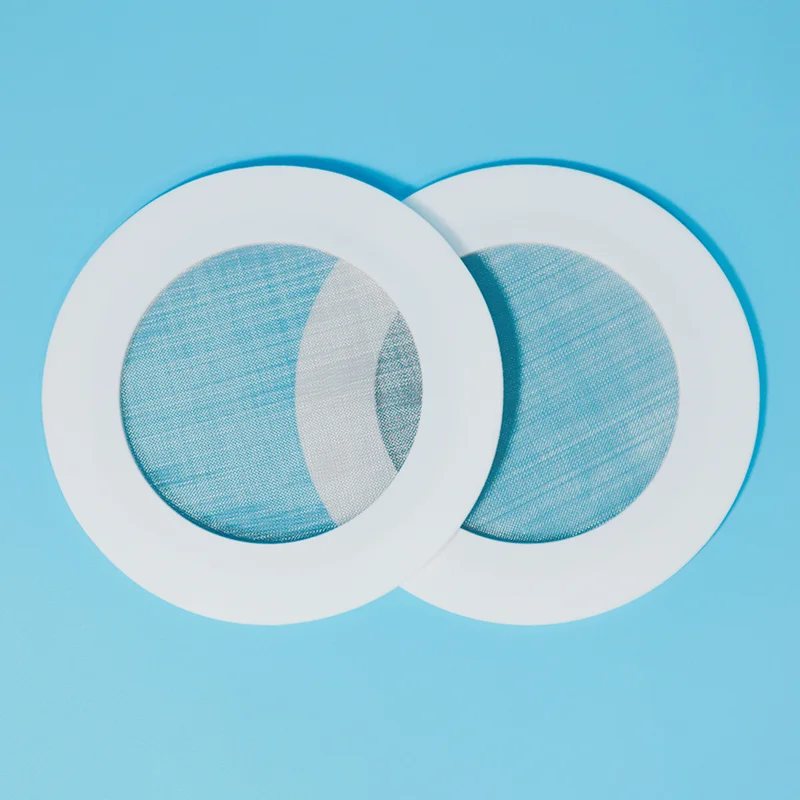
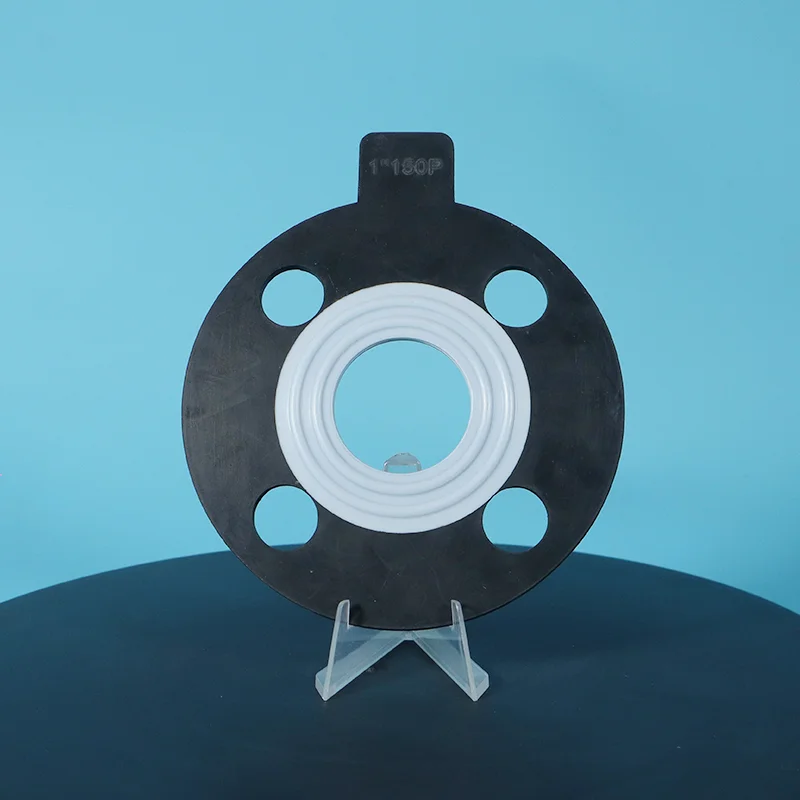
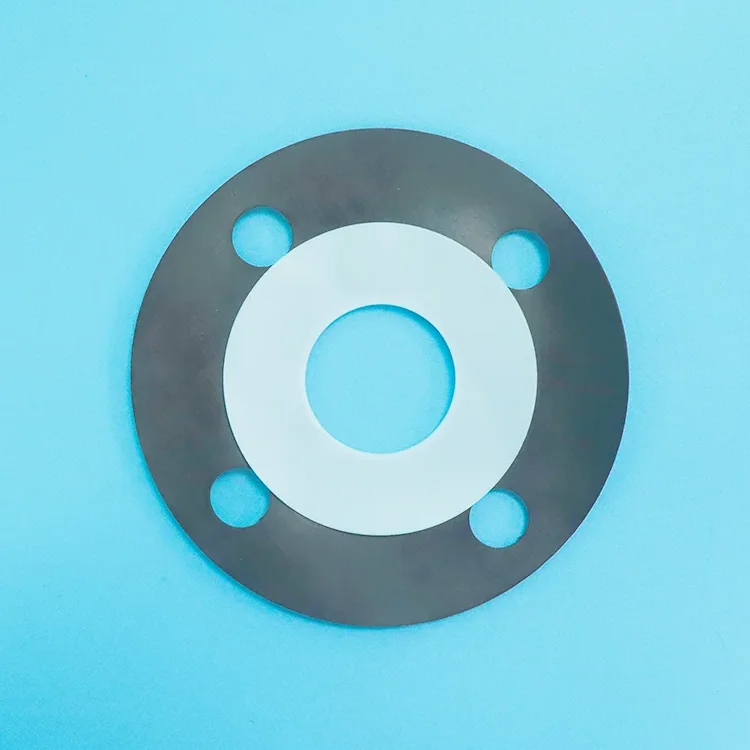
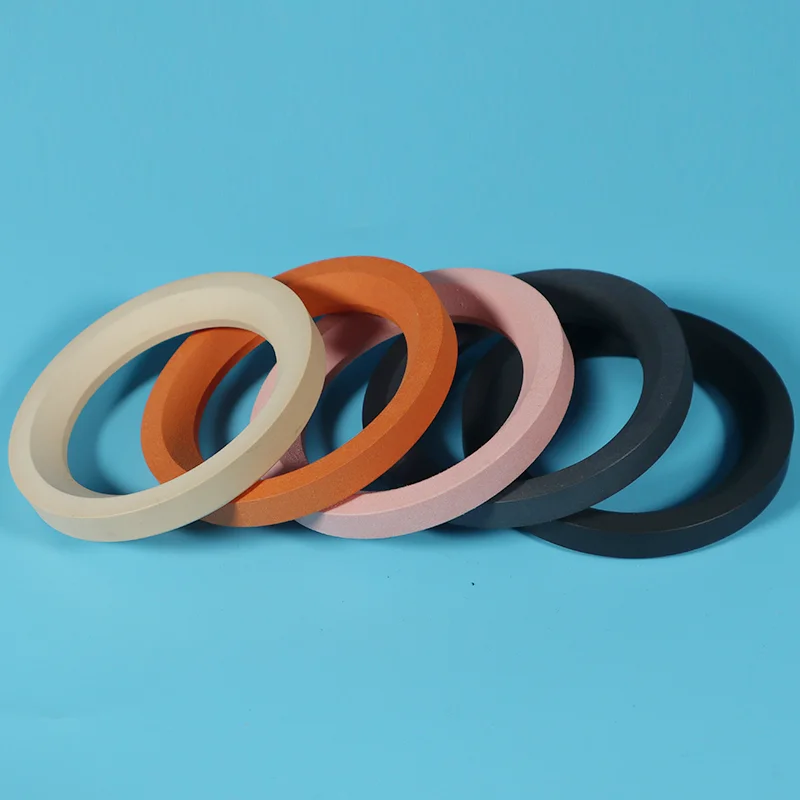
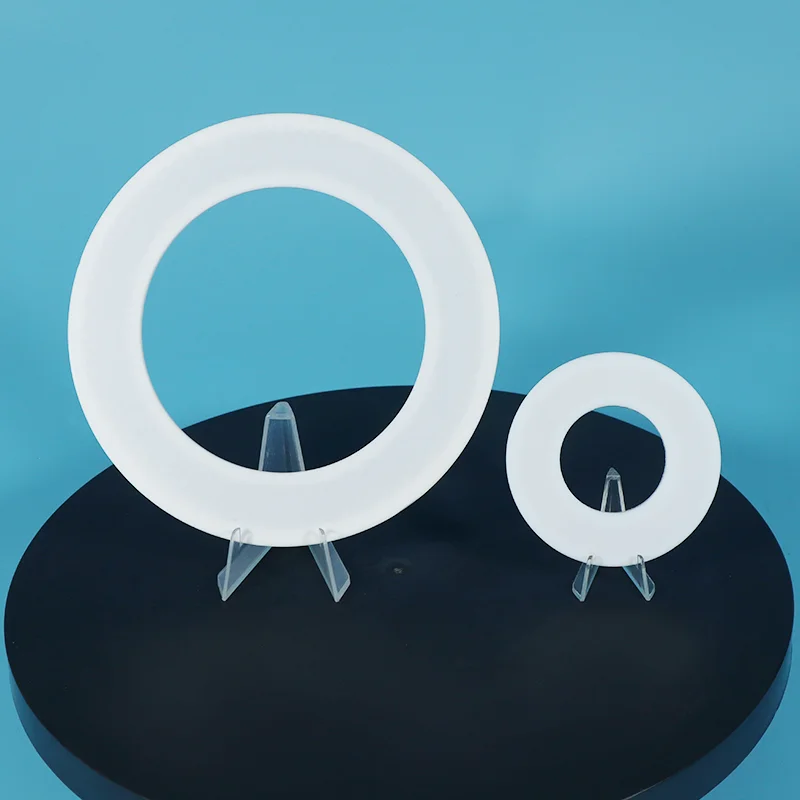
PTFE envelope gaskets are composite sealing gaskets consisting of a PTFE outer jacket encapsulating a compressible filler core. The PTFE jacket provides universal chemical resistance (pH 0-14). The filler core provides compressibility, resilience, and conformability to flange irregularities.
The problem they solve: Standard PTFE gaskets are rigid and expensive. Rubber gaskets degrade in chemicals. Glass-lined flanges have uneven surfaces that standard gaskets cannot seal. Envelope gaskets solve all three.
What Series Types Can Taifno Offer?
Type A — Slit Type
|
Parameter
|
Description
|
|
Construction
|
PTFE jacket slit from outer edge to inner bore; soft filler core inserted through slit
|
|
Pressure
|
Up to 4.0 MPa
|
|
Size Range
|
DN25-DN500
|
|
Key Feature
|
Most economical, 30-50% less than solid PTFE
|
|
Best For
|
Low pressure, general chemical service, cost-conscious applications
|
Type B — Machined Type
|
Parameter
|
Description
|
|
Construction
|
Machined square cross-section; fully encapsulated filler core with no slit
|
|
Pressure
|
Up to 5.0 MPa
|
|
Size Range
|
DN25-DN500
|
|
Key Feature
|
Full encapsulation — better sealing integrity; inner diameter can match flange bore to prevent flow turbulence
|
|
Best For
|
Medium-high pressure, critical chemical service, sealing integrity priority
|
Type C — Folding Type
|
Parameter
|
Description
|
|
Construction
|
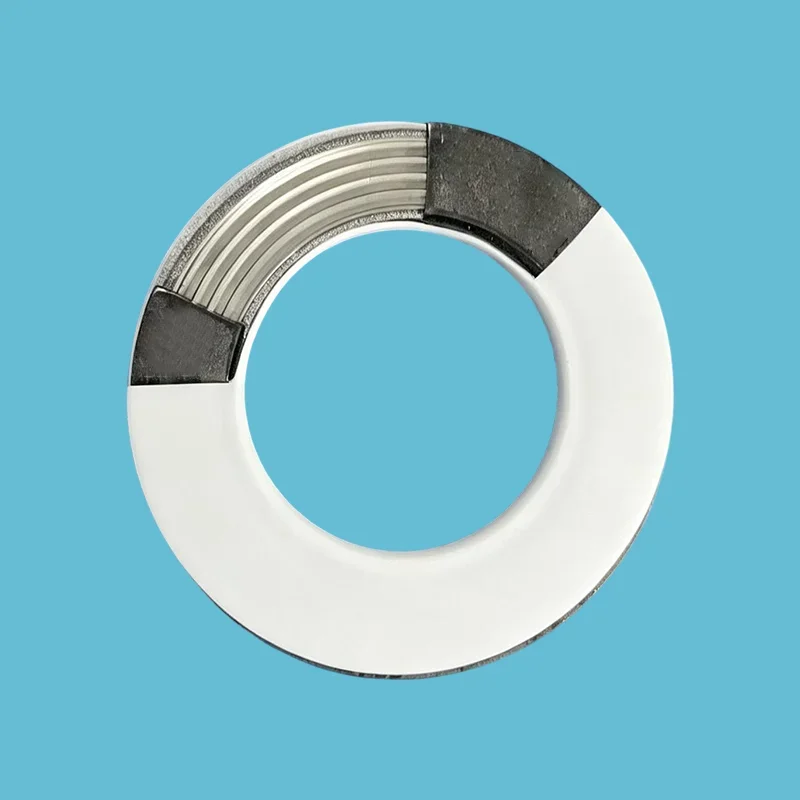
PTFE tape folded and heat-sealed; corrugated metal insert (304/316 SS) inside
|
|
Pressure
|
Highest (above Type A/B)
|
|
Size Range
|
DN350+ (recommended)
|
|
Key Feature
|
Corrugated metal core provides spring-back recovery and blowout resistance
|
|
Best For
|
High pressure, thermal cycling, large diameter flanges, blowout risk
|
Quick Selection Guide
|
Application Condition
|
Recommended Type
|
Reason
|
|
Low pressure, general chemicals, cost priority
|
Type A
|
Most economical — 30-50% less than solid PTFE
|
|
Medium-high pressure, sealing integrity priority
|
Type B
|
Full encapsulation, no slit, no exposed filler core
|
|
High pressure, thermal cycling, large diameter
|
Type C
|
Metal core provides spring-back recovery and blowout resistance
|
Applications Scope
Primary Applications
|
Industry
|
Application
|
Recommended Type
|
|
Chemical Processing
|
Pipe flanges, pump connections, reactor manways — acids, solvents, caustics
|
Type A / B / C (pressure dependent)
|
|
Glass-lined Equipment
|
Glass-lined reactors, vessels, pipe flanges
|
Type B / C
|
|
Pharmaceutical
|
Sterile equipment, bioreactors — FDA compliance
|
Type B
|
|
Food & Beverage
|
Sanitary connections, filling equipment — FDA compliance
|
Type A or B
|
|
Oil & Gas
|
Corrosive lines, wellhead equipment
|
Type C
|
|
Heat Exchangers
|
Large diameter flanges, thermal cycling
|
Type C
|
|
FRP/Plastic Flanges
|
FRP piping, plastic equipment flanges
|
Type A / B
|
Why Glass-Lined Flanges Need Envelope Gaskets?
Glass-lined flanges have wavy, uneven surfaces due to the glass coating process. Standard PTFE gaskets require high bolt torque to seal — which cracks the brittle glass layer.
Envelope gaskets solve this:
Low torque sealing — prevents glass cracking
Conformability — compensates for wavy, uneven surfaces
PTFE jacket — handles aggressive media
Compressible core — absorbs flange irregularities
Key Benefits
1. Universal Chemical Resistance
PTFE jacket resists almost all chemicals across pH 0-14, strong acids, alkalis, solvents, hydrocarbons, chlorine, and more. The filler core is fully protected and never contacts the media.
2. Low Torque Sealing
Envelope gaskets seal at significantly lower torque than solid PTFE gaskets — protecting fragile glass-lined and plastic flanges from damage.
3. Conformability to Uneven Flanges
The compressible core compensates for wavy surfaces, scratches, pitting, flange distortion, and warping.
4. Cost Advantage
Type A envelope gaskets cost 30-50% less than solid PTFE gaskets of the same size, delivering chemical resistance at a fraction of the cost.
5. FDA-Compliant Grades Available
PTFE jacket meets FDA 21 CFR 177.1550. Food-grade filler cores available for food and pharmaceutical applications.
FAQ
Q: What is a PTFE envelope gasket, and when should I use it?
A: A PTFE envelope gasket consists of a PTFE outer jacket encapsulating a compressible filler core. The PTFE jacket provides universal chemical resistance (pH 0-14, up to +200°C) while the filler core provides compressibility and resilience.
Use envelope gaskets when: You need chemical resistance on uneven or glass-lined flanges, you require low torque sealing to protect fragile surfaces, you need cost-effective chemical resistance (30-50% less than solid PTFE), or you need FDA-compliant materials for food/pharma applications.
When NOT to use: Extreme high pressure (use metal jacketed), high temperature steam above +200°C, or applications requiring absolute chemical purity with no filler core (use solid PTFE).
Q: Type A vs Type B vs Type C, which one should I choose?
A: Three types for three different applications:
Type A (Slit): Most economical (30-50% less than solid PTFE). Pressure up to 4.0 MPa. Best for low-pressure general chemical service.
Type B (Machined): No slit, fully encapsulated filler core. Pressure up to 5.0 MPa. Inner diameter can match flange bore to prevent flow turbulence. Best for medium-high pressure critical chemical service.
Type C (Folding): Corrugated metal core provides spring-back recovery and blowout resistance. Recommended for DN350+. Best for high pressure, thermal cycling, large diameter flanges, and blowout risk.
Quick rule:
Economy + low pressure → Type A.
Sealing integrity + medium-high pressure → Type B.
High performance + large diameter → Type C.
Q: What are the limits and common mistakes of PTFE envelope gaskets?
A: Temperature: Up to +200°C (PTFE limit — filler may limit lower depending on core material).
Pressure: Type A up to 4.0 MPa, Type B up to 5.0 MPa, Type C highest.
Chemical: pH 0-14 universal resistance, not compatible with molten alkali metals or elemental fluorine at high temperatures.
Three common mistakes:
(1) Over-tightening on glass-lined flanges: envelope gaskets seal at lower torque than solid PTFE; excessive compression damages the PTFE jacket and can crack glass linings. Use a torque wrench and follow flange manufacturer specifications.
(2) Using Type A in high-pressure service: above 4.0 MPa, the gasket may deform or fail; use Type B or C.
(3) Not retightening after temperature changes: PTFE has thermal expansion/contraction; for operating temperatures above 100°C, retighten bolts at room temperature. We include installation specifications with every order.