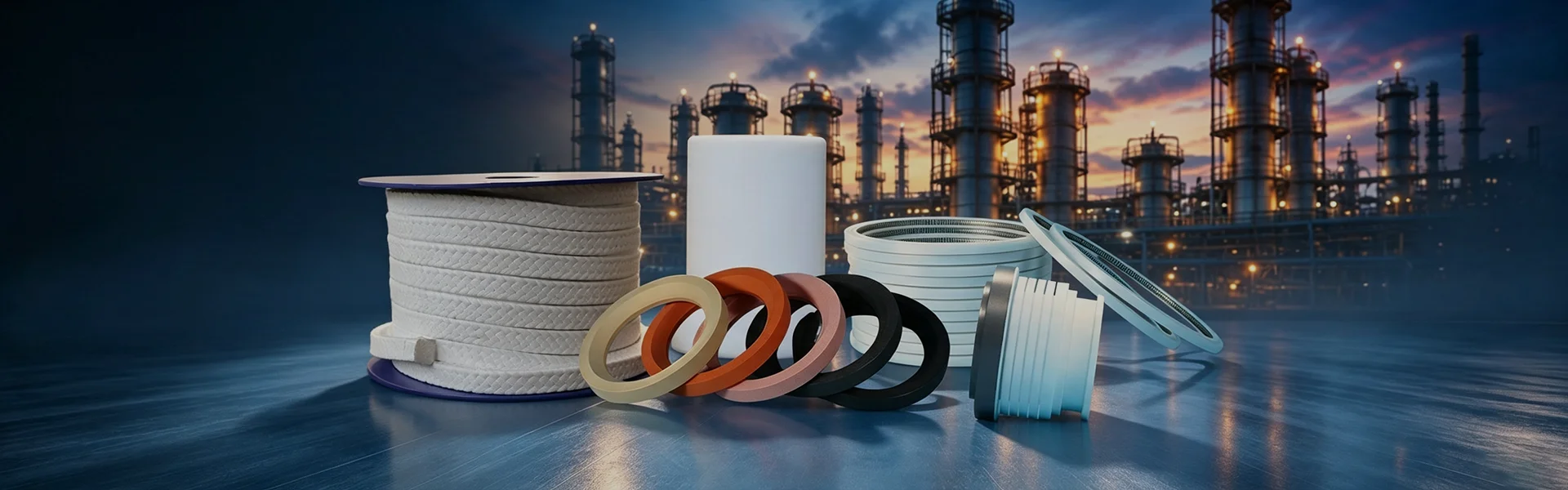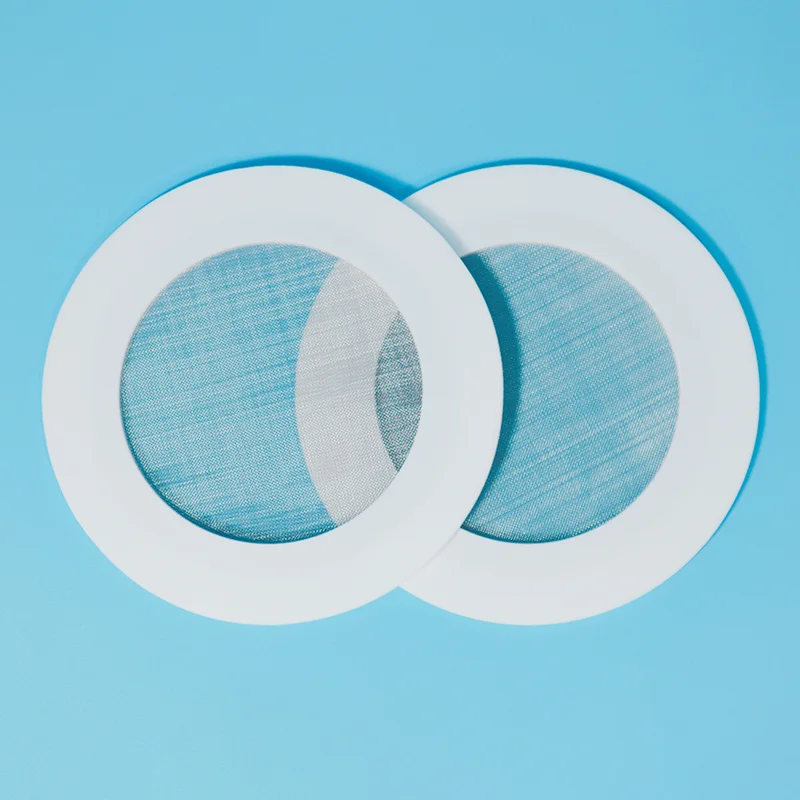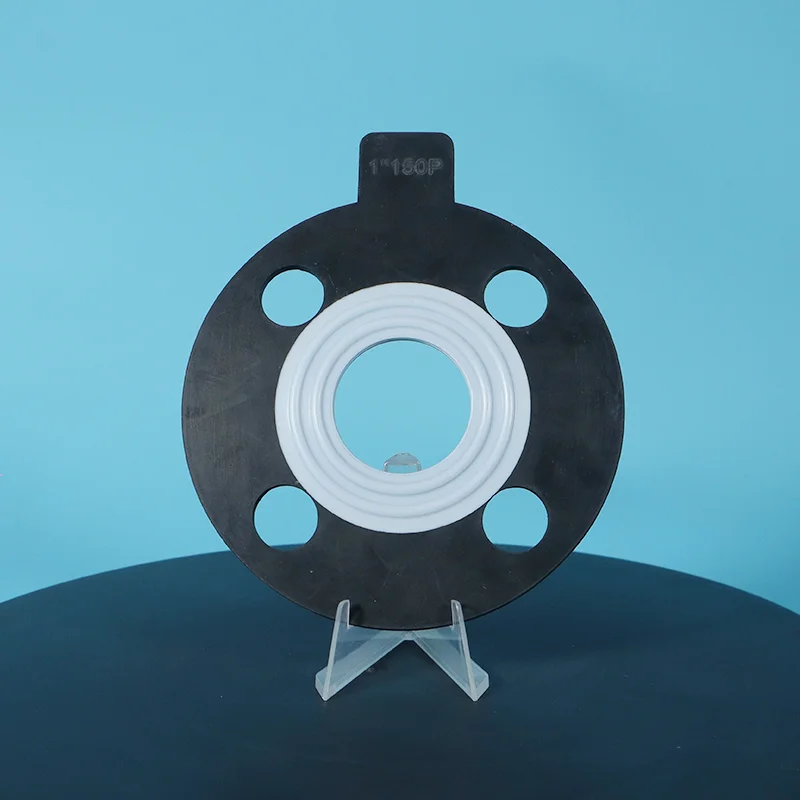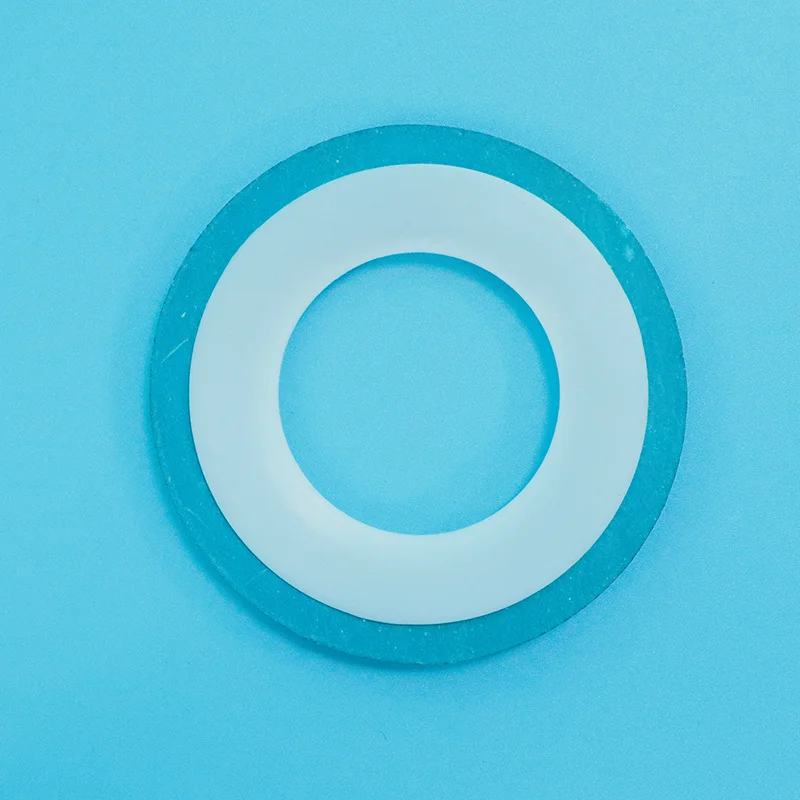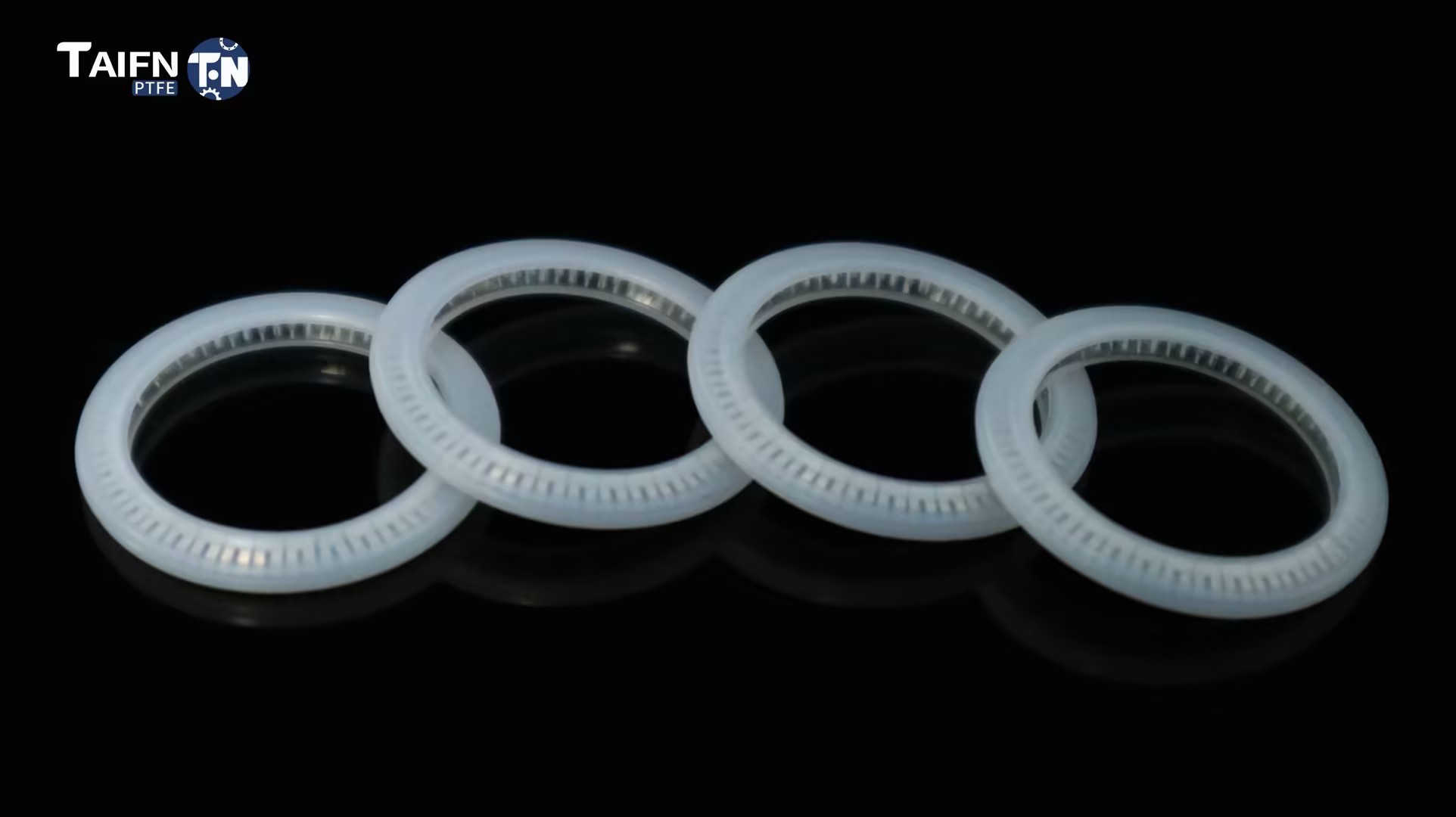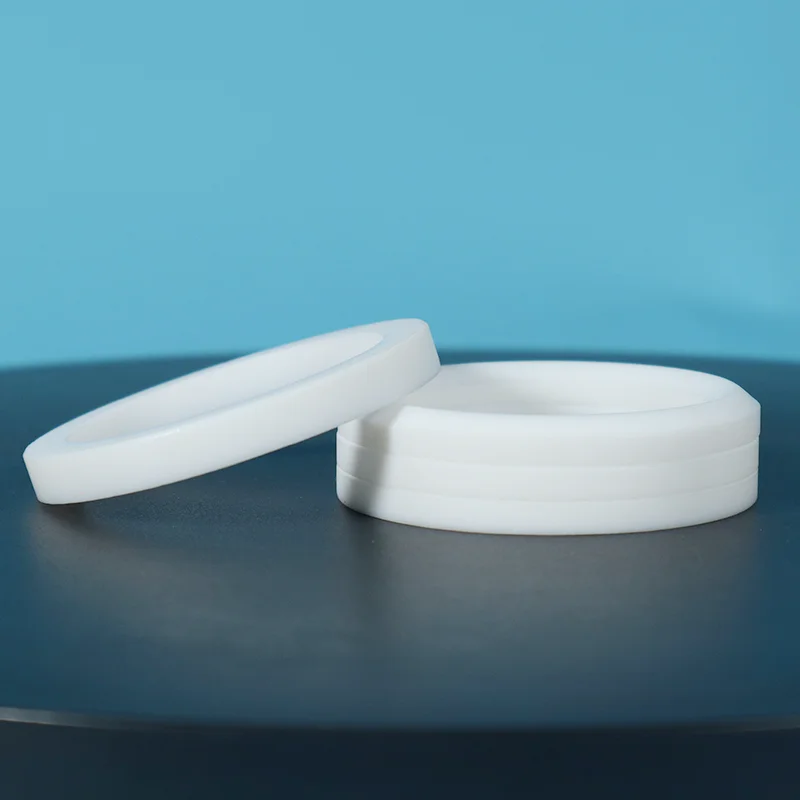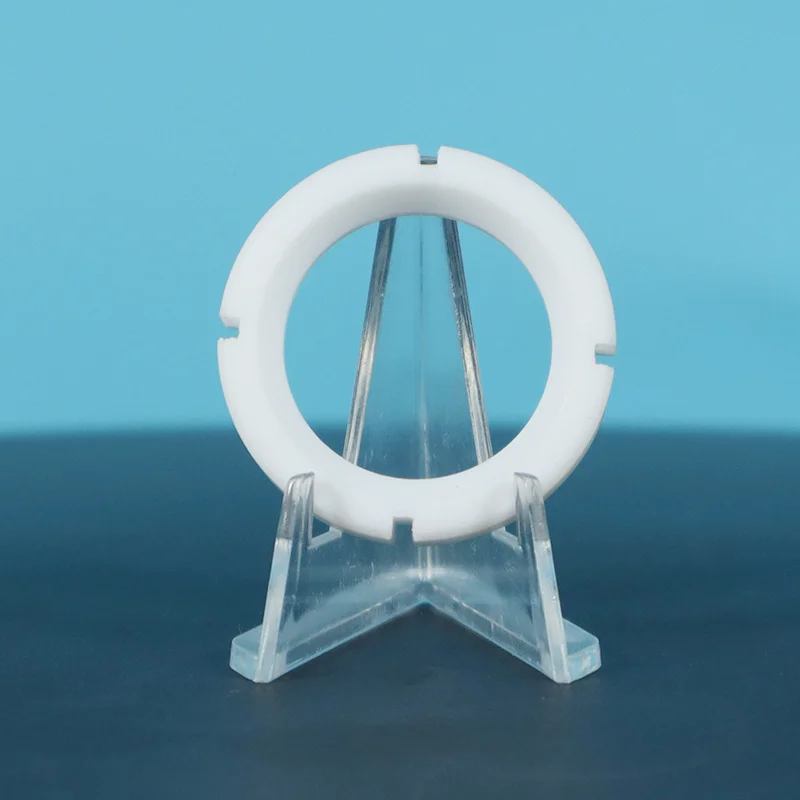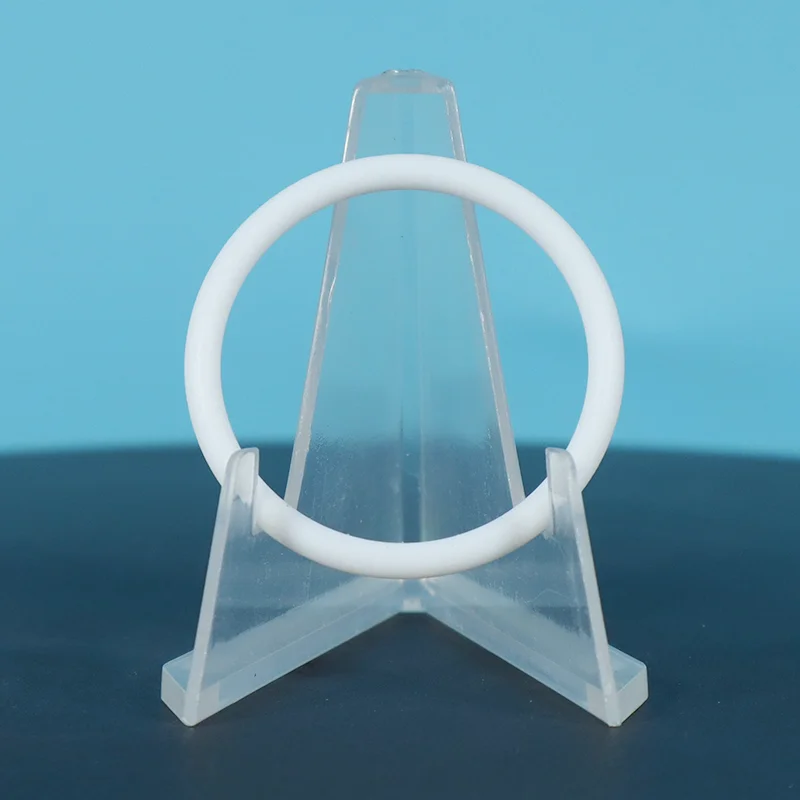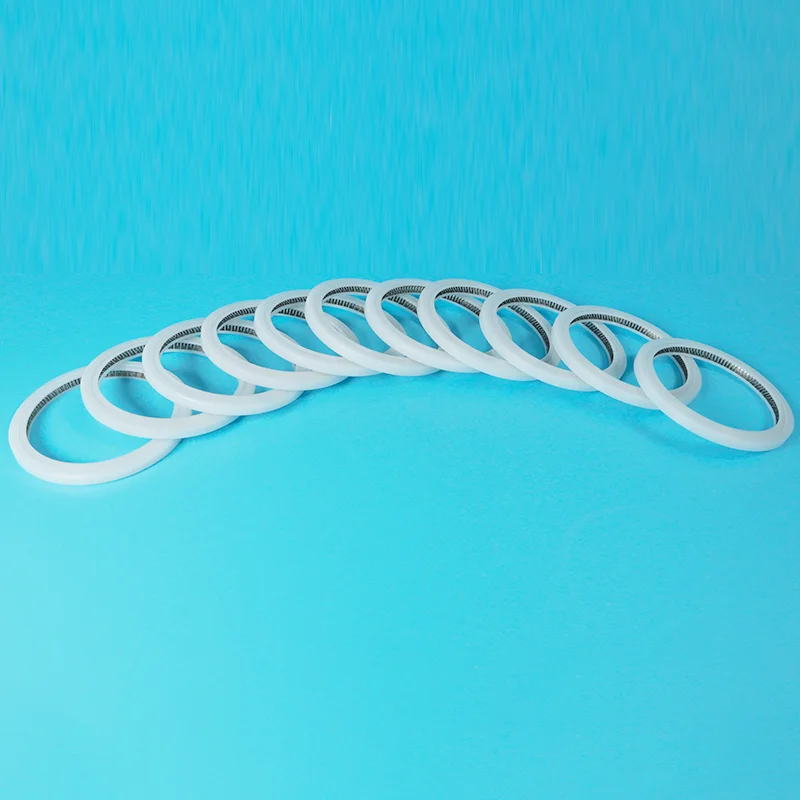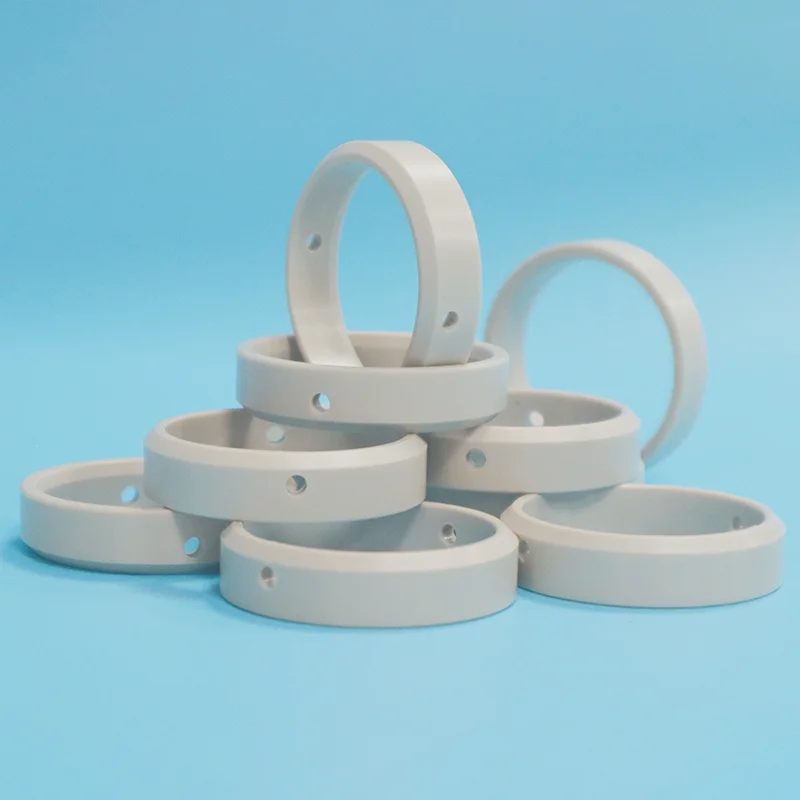
The U-Type Spring Energized Seal consists of a U-shaped PTFE jacket and an internal metal spring, making it suitable for a wide range of operating conditions, including static, reciprocating, and rotary applications. As a professional supplier of PTFE sealing solutions, Taifno holds ISO 9001 and ISO 14001 certifications, and our products comply with standards such as CE and FDA. We offer OEM customization services; please feel free to submit your application details, and we will provide a quote and follow up within 24 hours.
U-Type Spring Energized Seal for Piston Rods, Valve Stems and Dynamic Radial Sealing
The spring within the U-type spring energized seal provides sealing force under zero-pressure conditions; as system pressure enters the U-shaped cavity, it forces the sealing lips more tightly against the shaft, the higher the pressure, the tighter the seal. Furthermore, the PTFE material offers excellent universal chemical resistance and a wide operating temperature range of -180°C to +200°C; it supports pressures up to 40 MPa (dynamic) / 60 MPa (static) and linear speeds up to 15 m/s. Request a factory quote, confirm groove compatibility against AS568A or DIN 3771 dimensions, and get a free sample for evaluation before bulk ordering.
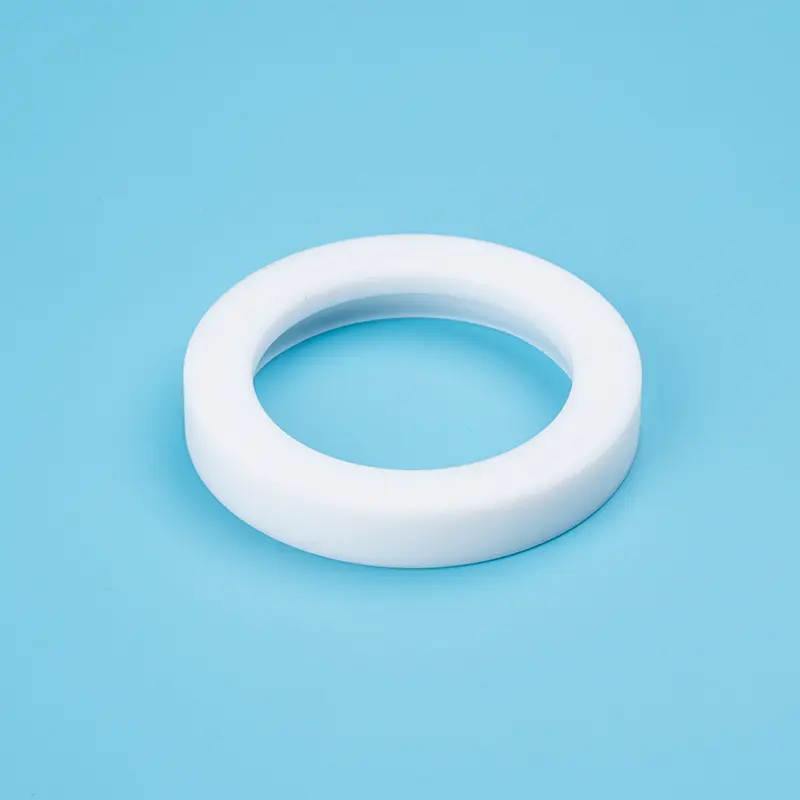
U-type spring energized seal is a PTFE U-shaped jacket with a metal spring inside. It is a unidirectional sealing element designed for rod (internal sealing) or piston (external sealing) applications.
How It Works
01
Zero Pressure
Spring provides initial sealing force, seals even when system is not pressurized.
02
Under Pressure
System pressure enters U-cavity and pushes sealing lips harder against mating surface, pressure = tighter seal.
03
Self-Energizing
Spring compensates for wear, hardware tolerances, and thermal cycling, maintains seal force over time.
U-Type vs V-Type: Which One Do You Need?
Feature
U-Type
V-Type
Sealing Direction
Radial — piston rods, valve stems
Axial — flanges, covers, end faces
Best For
Dynamic sealing (reciprocating/rotary)
Static sealing
Pressure Range
Up to 40-60 MPa
Up to 60 MPa
Speed
Up to 15 m/s (reciprocating)
Lower — static or low-speed rotary
Why Choose U-Type?
ProblemO-rings leak at zero pressure
How U-Type Solves It
Spring provides sealing force — no "starting leak".
ProblemRubber degrades in chemicals
How U-Type Solves It
PTFE jacket is chemically inert — pH 0-14, universal resistance.
ProblemElastomers fail above +150°C
How U-Type Solves It
Handles -180°C to +200°C.
ProblemHigh friction — stick-slip
How U-Type Solves It
PTFE has lowest friction — smooth motion, no stick-slip.
ProblemO-rings fail on moving shafts
How U-Type Solves It
Designed for reciprocating and rotary motion — dynamic sealing.
ProblemFrequent replacement
How U-Type Solves It
Spring compensates for wear — lasts years, not months.
Challenge: A chemical plant was replacing rubber O-rings on piston pumps handling solvents every 2-3 months due to swelling and hardening, causing production interruptions.
Solution: Installed U-type spring-energized seal with carbon-filled PTFE jacket and 316 stainless steel spring. Standard AS568A groove design maintained.
Result: Seals lasted over 9 months, 3x longer than rubber. Zero leakage. Maintenance intervals extended from weeks to seasons.
Bottom line: 3x longer life, zero leakage, weeks to seasons.
Case Study 2: Pharmaceutical Filler — FDA Compliance
Challenge: A pharmaceutical filling machine required a seal for a rotary valve handling sterile product. Rubber O-rings could not pass FDA extractables testing.
Solution: Supplied U-type spring seal with virgin PTFE jacket and 316 stainless steel spring. FDA-compliant material. Full documentation provided.
Result: Passed FDA extractables testing. Seal survived repeated CIP/SIP sterilization cycles. No replacements in 18 months.
Bottom line: FDA compliance, 18 months no replacement, CIP/SIP stable.
Note: Actual case results vary by application conditions. Contact us for application-specific recommendations.
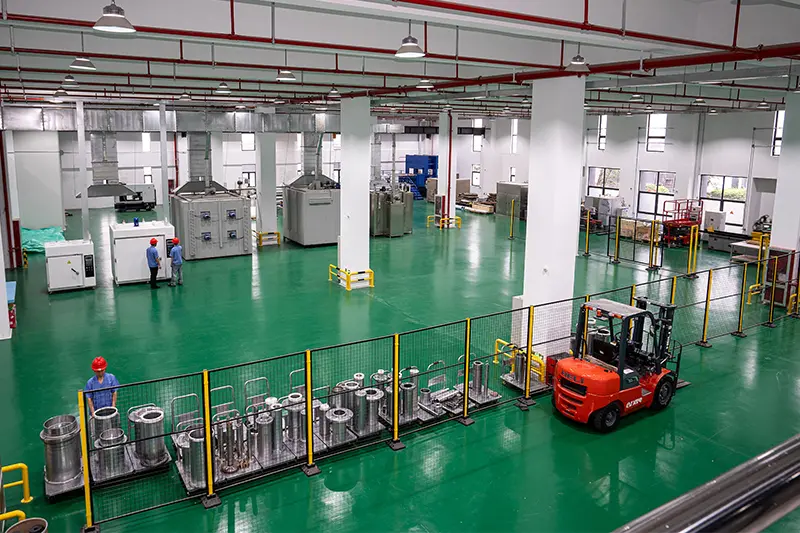
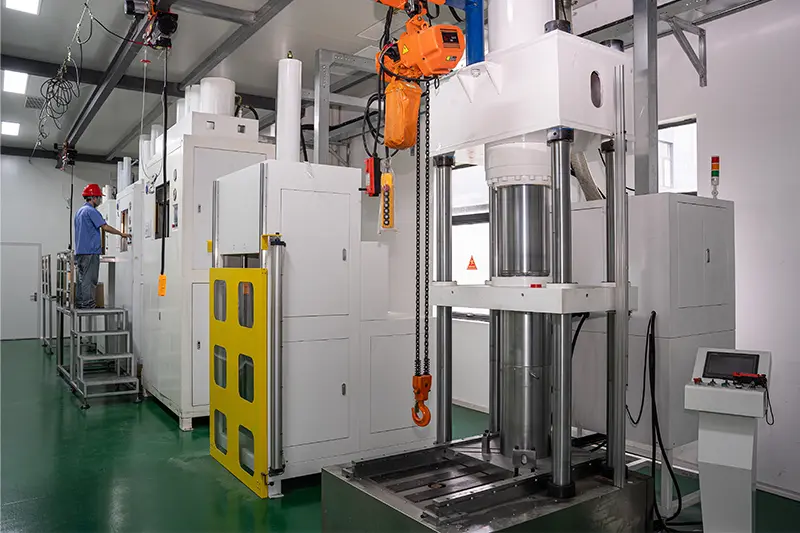
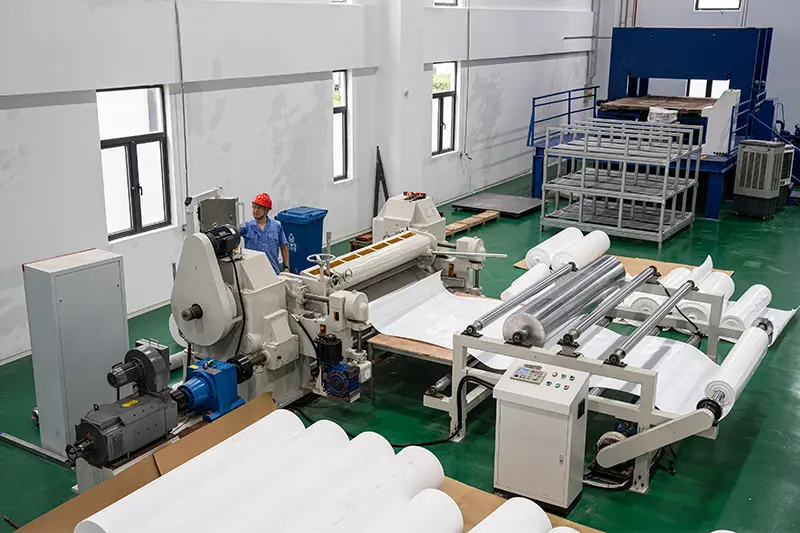
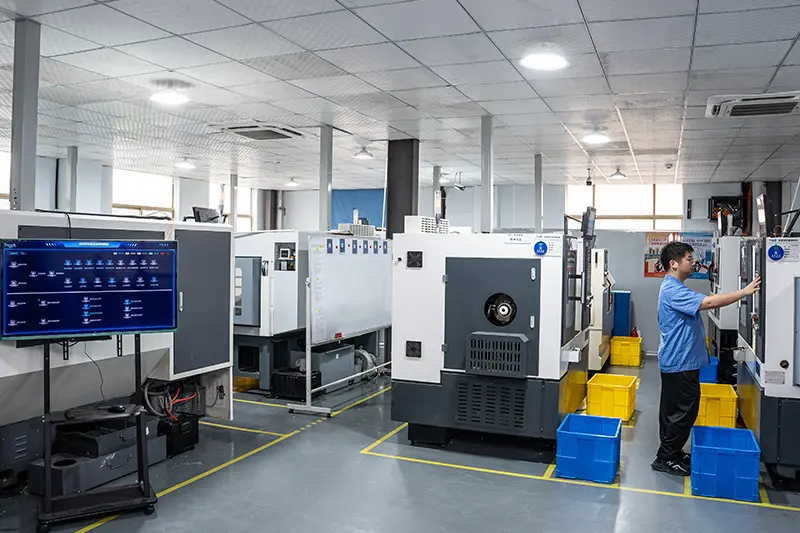
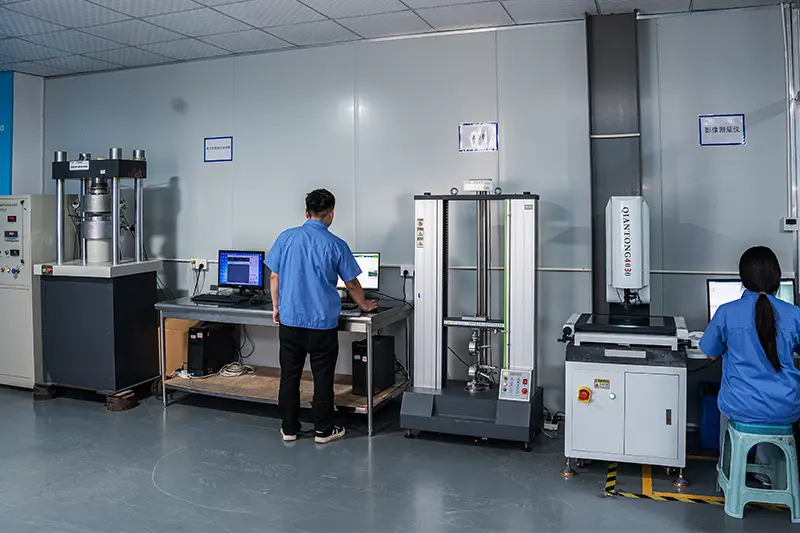
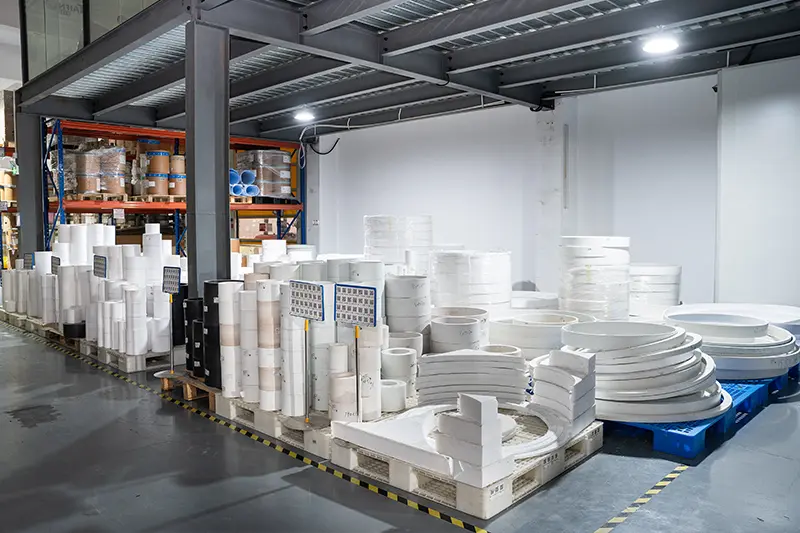
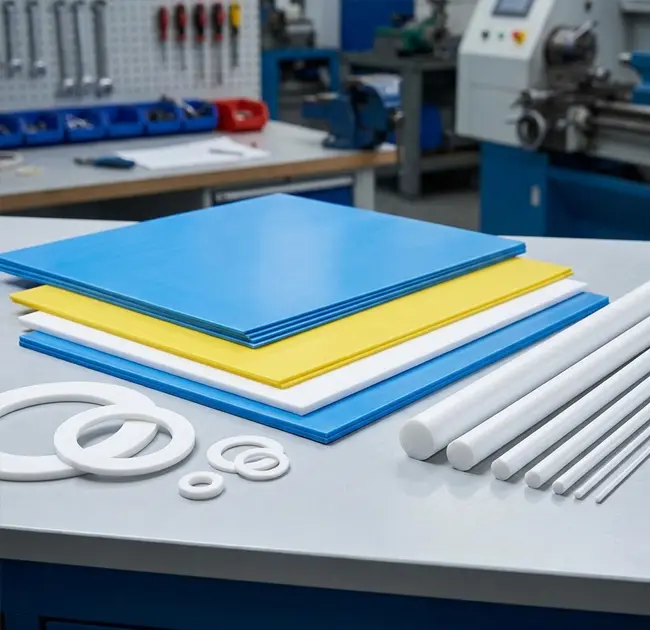
PTFE production area.Molding equipment.Material handling and batch control.Finished stock.
Technical Specifications
U-Type Spring-Energized Seal Properties
Temperature Range-180 °C to +200 °C (grade dependent)
Pressure — DynamicUp to 40 MPa (60 MPa with back-up rings)
Pressure — StaticUp to 60 MPa
Speed — ReciprocatingUp to 15 m/s
Speed — RotaryUp to 1-3 m/s
MaterialPTFE jacket + stainless steel spring (301/316)
Chemical ResistancepH 0-14 — virtually universal
Sealing TypeRadial sealing — rod or piston
Jacket Material Options
Grade
Best For
Key Benefit
Chemical Limit
Virgin PTFE
Clean chemicals, FDA applications, general service
Universal chemical resistance, lowest friction, FDA compliant
Soft — lower wear resistance
Carbon-Filled PTFE
High speed, heat dissipation, anti-static
Thermal conductivity, improved creep resistance
Not for strong oxidizers
Glass-Filled PTFE
Abrasive media, high wear, slurries
Increased mechanical strength, wear resistance
Not for HF or strong alkali
MoS₂-Filled PTFE
Sticky media, low torque, enhanced lubricity
Reduced friction, improved wear resistance
Not for oxidizing acids
Spring Material Options
Spring Material
Best For
301 SS / 316 SS
General chemical service, moderate temperatures
316L SS
Improved corrosion resistance — aggressive chemicals, salt water
Elgiloy®
Excellent corrosion resistance, high temperature — aerospace, critical
No regrind, no recycled material. Consistent quality, batch after batch.
Precision CNC Machined
No mold costs. Custom sizes from 5 mm to 3300 mm diameter.
Full Traceability
Every batch traceable from raw material to finished seal. Material certificates on request.
ISO 9001 Certified
Manufacturing processes certified under ISO quality management systems.
FDA-Compliant Grades
Virgin PTFE meets FDA 21 CFR 177.1550 and BfR requirements.
Spring Alloys Available
301/316 SS standard; Elgiloy, Hastelloy, Inconel for extreme conditions.
Standard Groove Compatibility
Fits AS568A, DIN 3771 standard O-ring grooves.
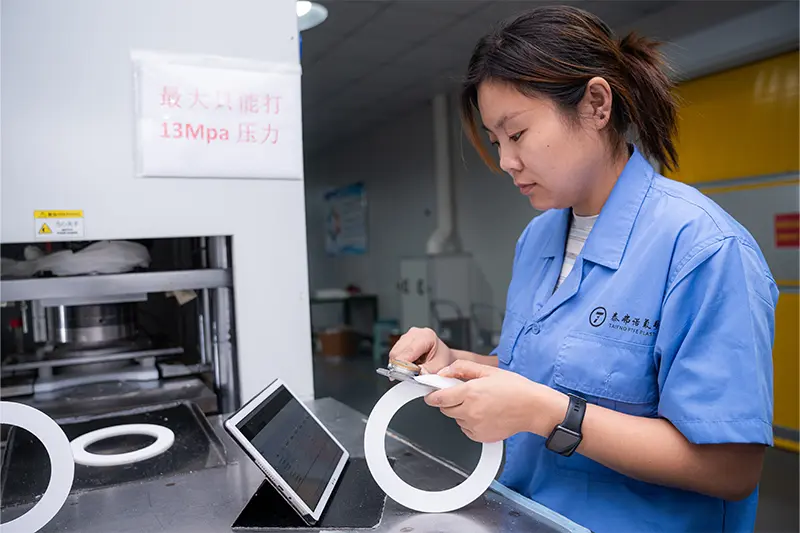
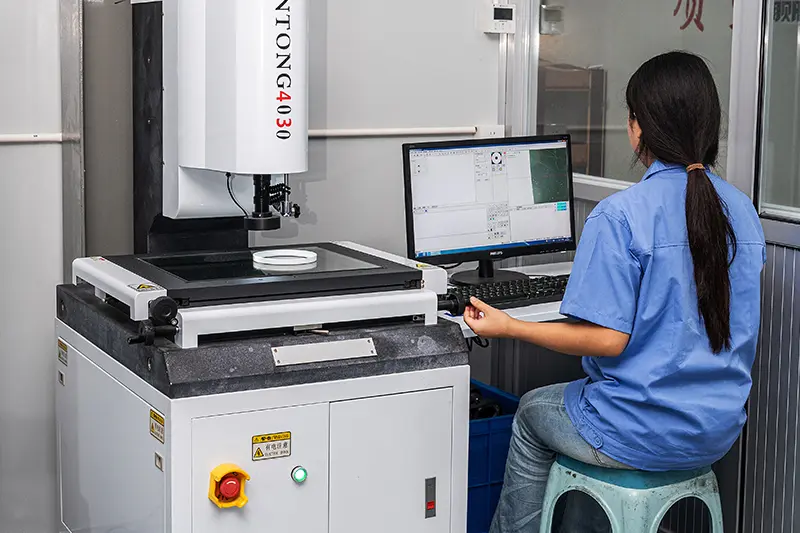
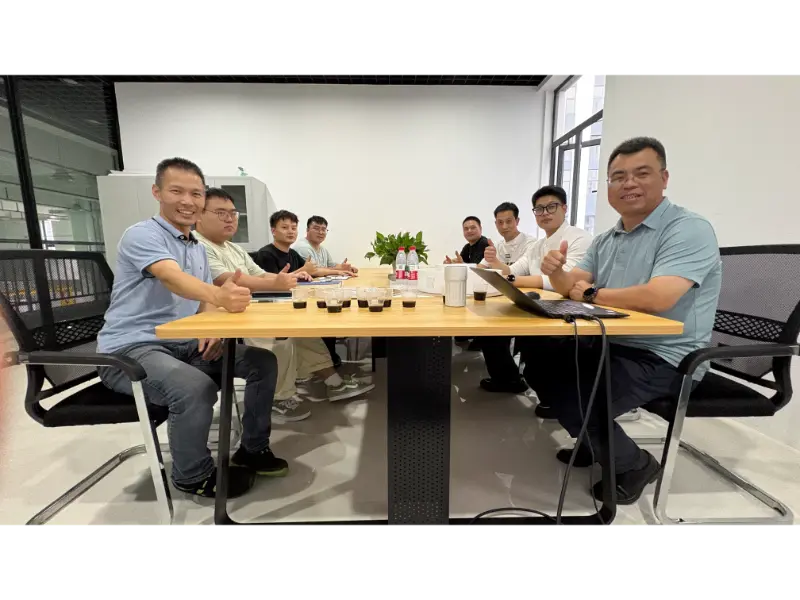
Material testing.Dimensional inspection.Batch traceability records.Final quality check.
FAQ
What is a U-type spring energized seal and when should I use it?
A PTFE U-shaped jacket with a metal spring inside. Seals from zero pressure to high pressure (up to 60 MPa) on moving shafts.
Use it when O-rings or rubber lip seals fail, on piston rods, valve stems, and dynamic applications handling aggressive chemicals, extreme temperatures, or high pressure.
U-type vs V-type: U-type is radial sealing, for piston rods and valve stems. V-type is axial sealing, for flanges and covers.
If you are sealing a moving rod: choose U-type. If sealing a flange or cover: choose V-type.
How much does a U-type spring seal cost?
Cost depends on diameter, jacket material, spring alloy, spring type, and quantity. Custom sizes quoted per drawing.
Spring alloy impacts cost: 301/316 SS (standard, lowest cost) → Elgiloy/Hastelloy (extreme corrosion/high temperature, higher cost).
Spring type impacts cost: Helical (higher load) vs cantilever (dynamic scraping) vs V-spring (low friction).
What are the limits and the most common installation mistakes?
Temperature: -180°C to +200°C (grade dependent). Pressure: up to 40 MPa (dynamic) / 60 MPa (static). Speed: up to 15 m/s (reciprocating), up to 1-3 m/s (rotary).
Chemical limits: PTFE jacket not for molten alkali metals or elemental fluorine. Glass-filled not for HF or strong alkali. Carbon-filled not for strong oxidizers.
Three common mistakes: (1) Damaging the lip during installation — inspect before installation. (2) Over-tightening or improper groove design — U-type seals fit standard AS568A O-ring grooves; wrong dimensions damage the seal. (3) Installing backward — U-type seals are directional; the U-opening must face the pressure side.
Not Sure If a U-Type Seal Fits Your Rod or Piston?
Send your rod or piston diameter, groove dimensions, sealing direction (rod or piston), media, temperature, pressure and motion type. Taifno's engineers will confirm whether U-type is the right choice, recommend the PTFE jacket grade and spring alloy and type — 301/316 SS, 316L, Elgiloy, Hastelloy or Inconel; helical, cantilever or V-spring — and advise on groove design and installation orientation, usually within one working day.
-180 °C to +200 °C, 40 MPa dynamic / 60 MPa static, 15 m/s reciprocating
We use cookies to offer you a better browsing experience, analyze site traffic and personalize content. By using this site, you agree to our use of cookies. Privacy Policy