Send Inquiry
English
Products
PTFE O-Ring
  • PTFE O-RingPTFE O-Ring
  • PTFE O-RingPTFE O-Ring
  • PTFE O-RingPTFE O-Ring

PTFE O-Ring

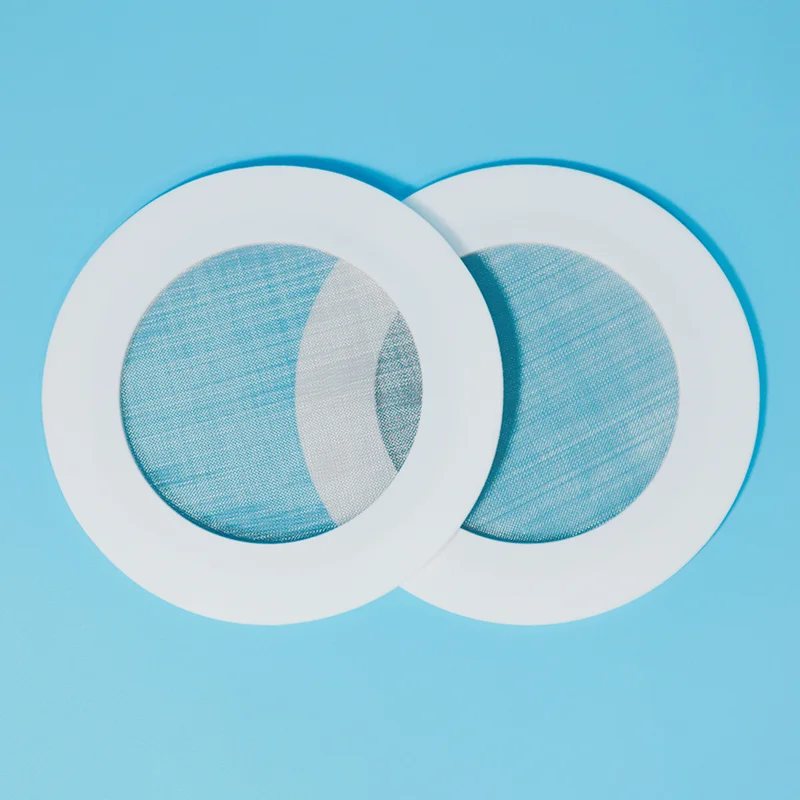
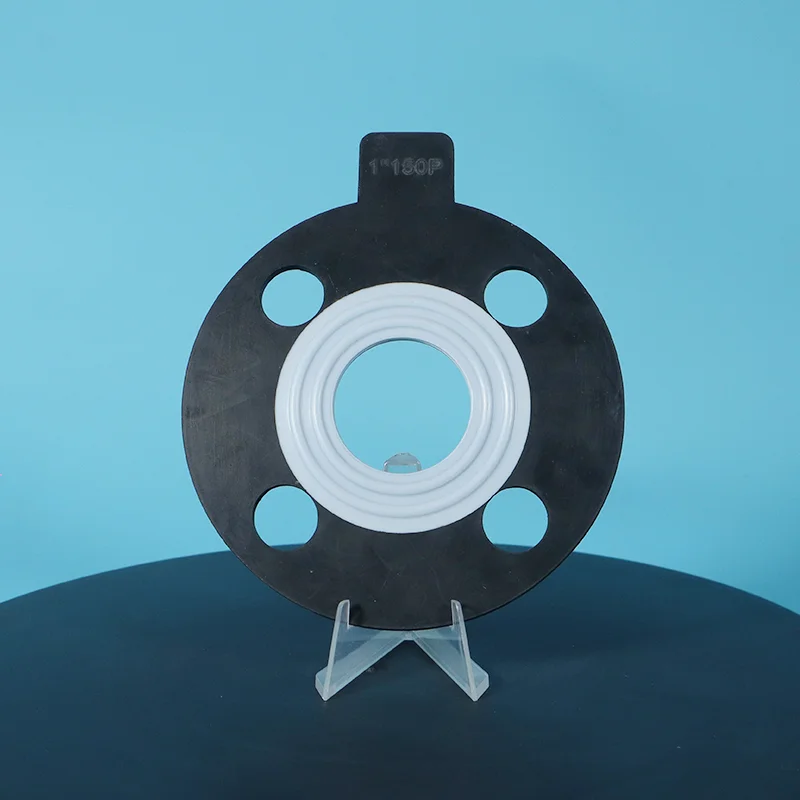
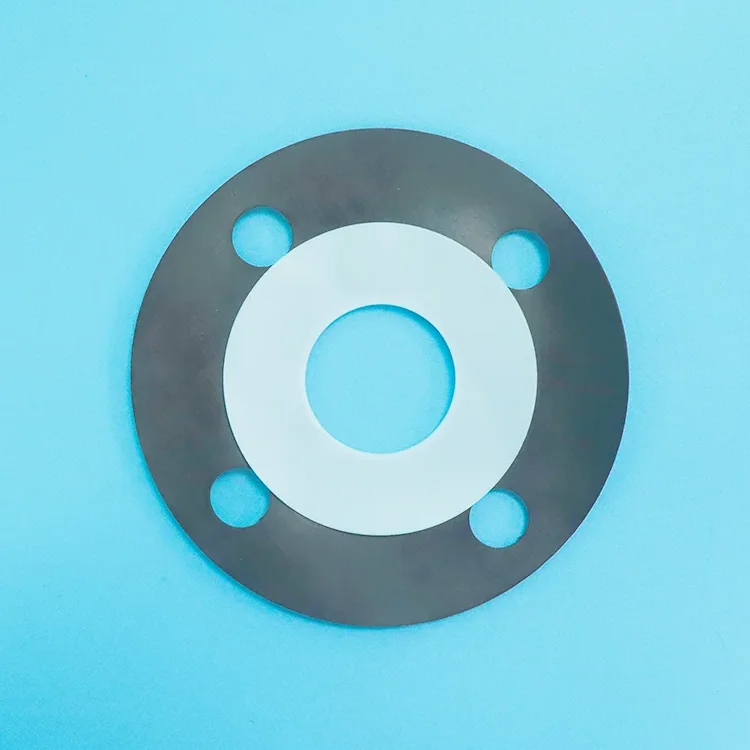
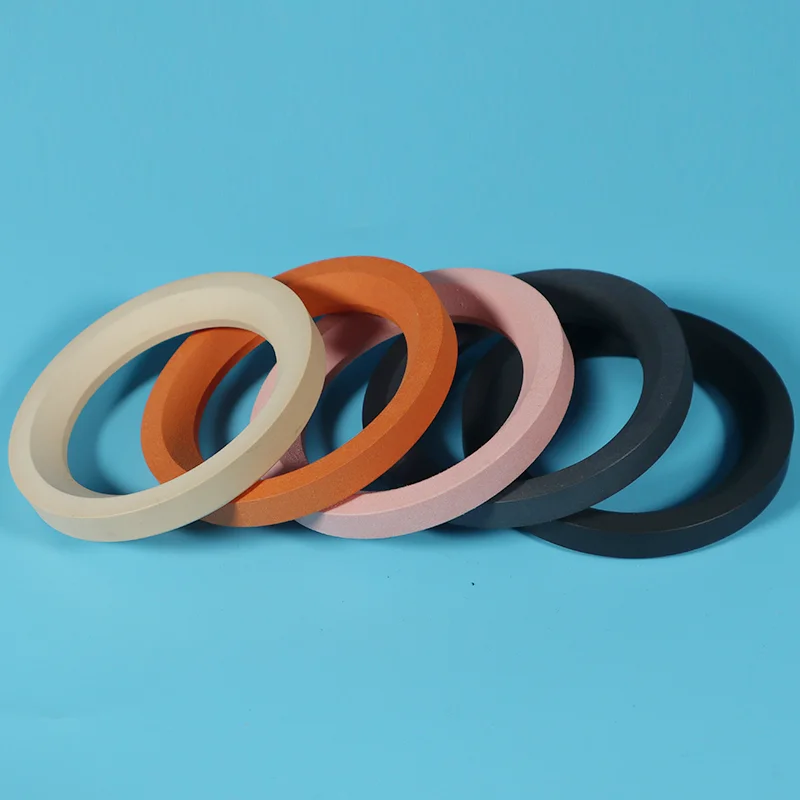
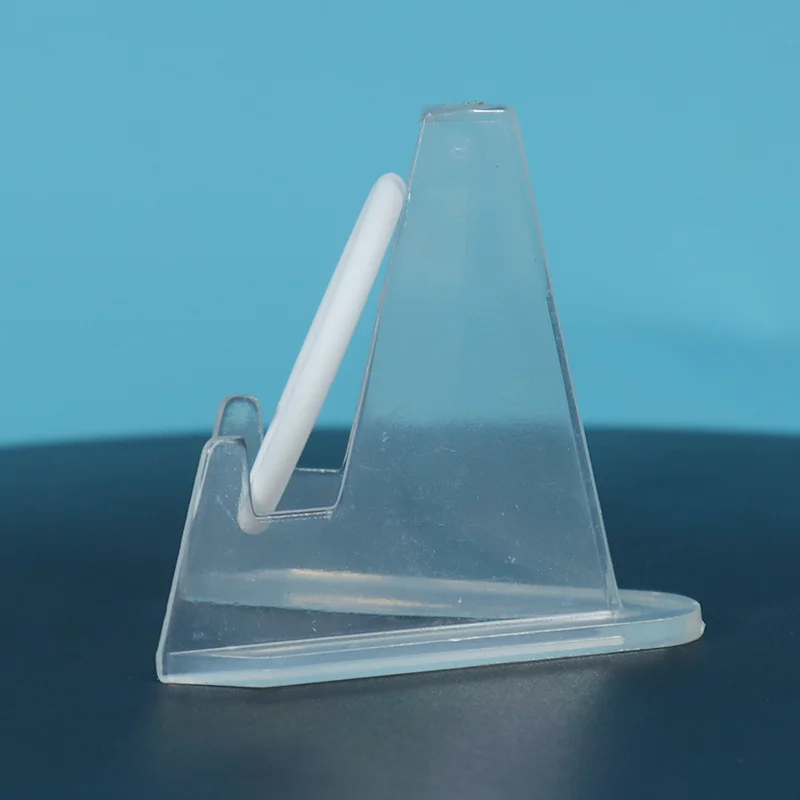
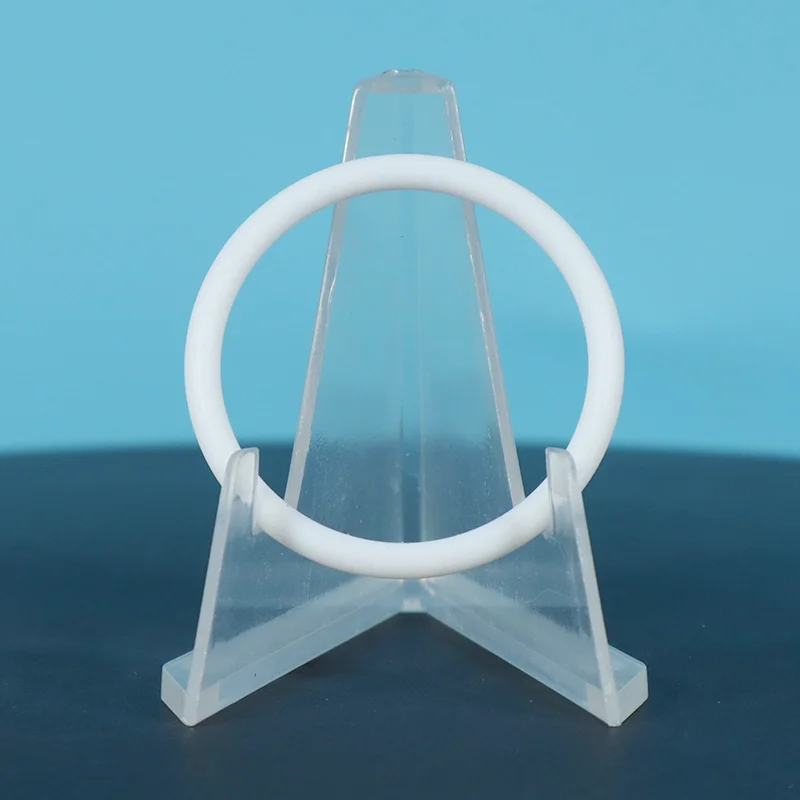
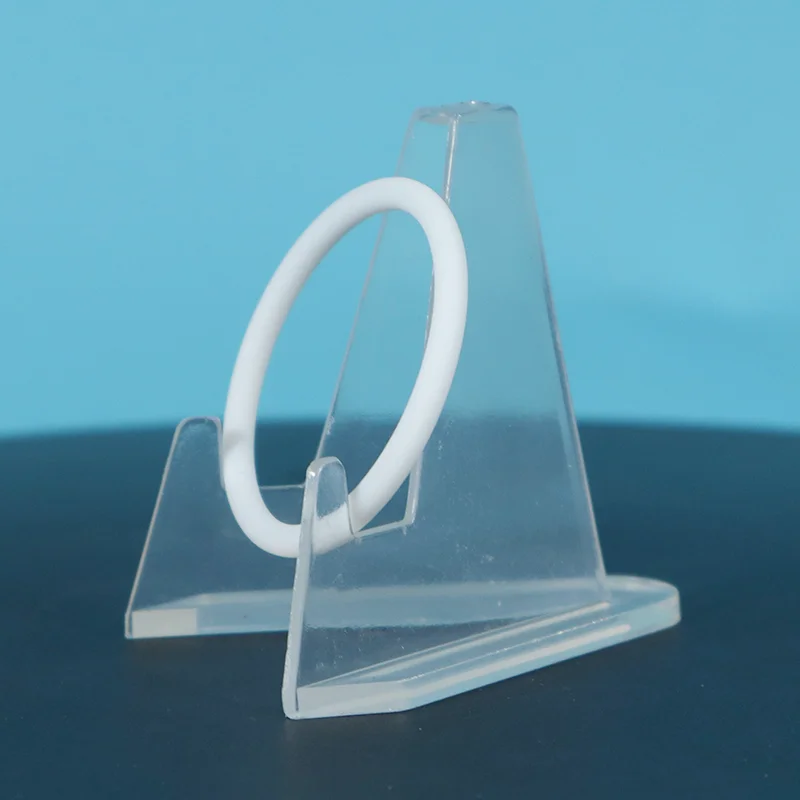
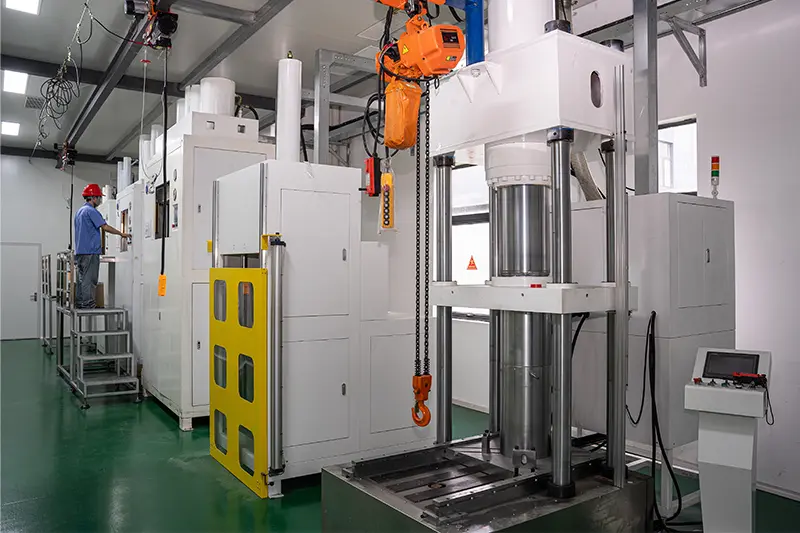
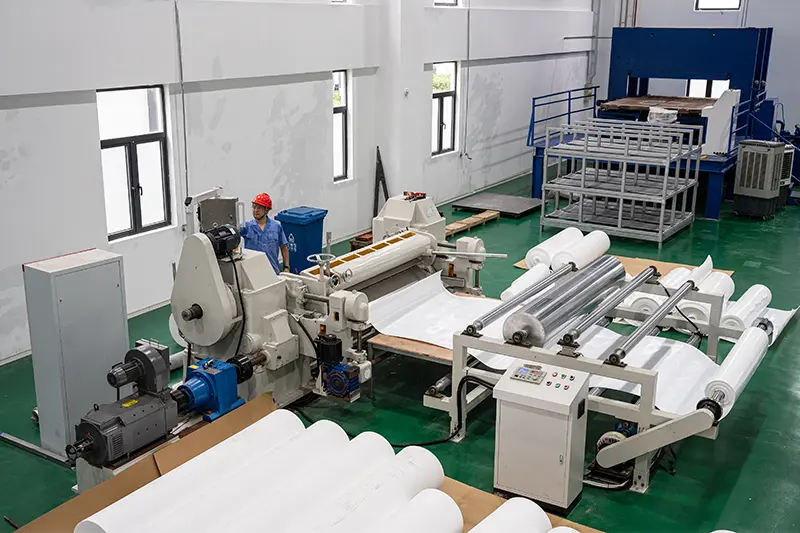
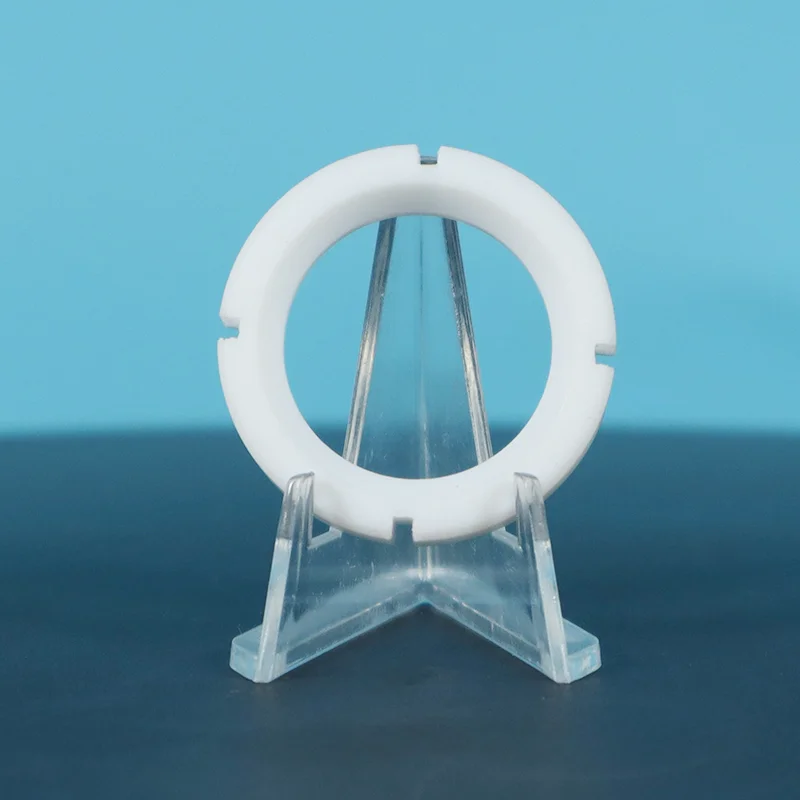
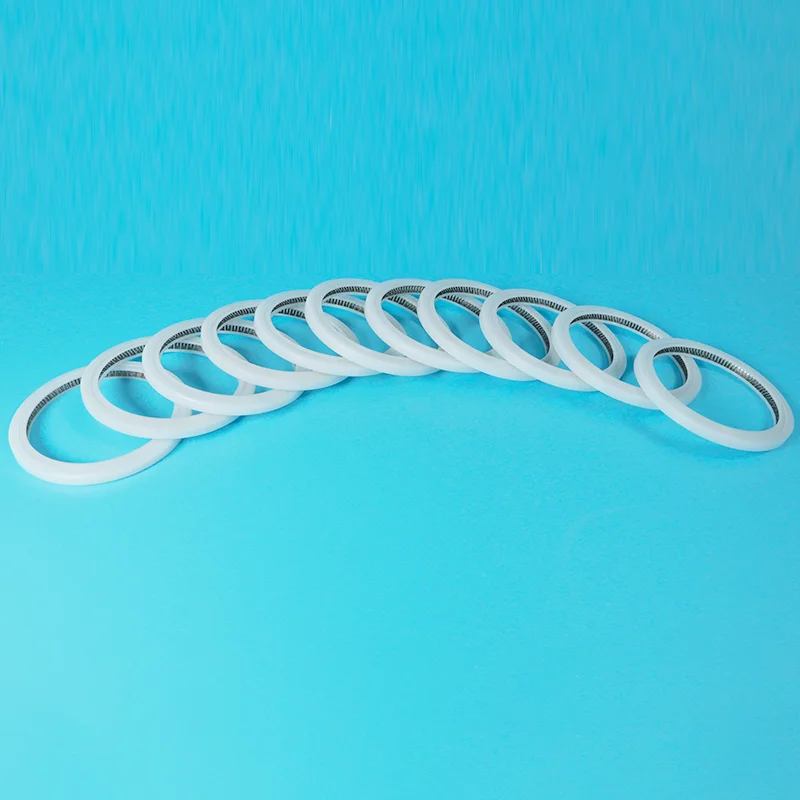
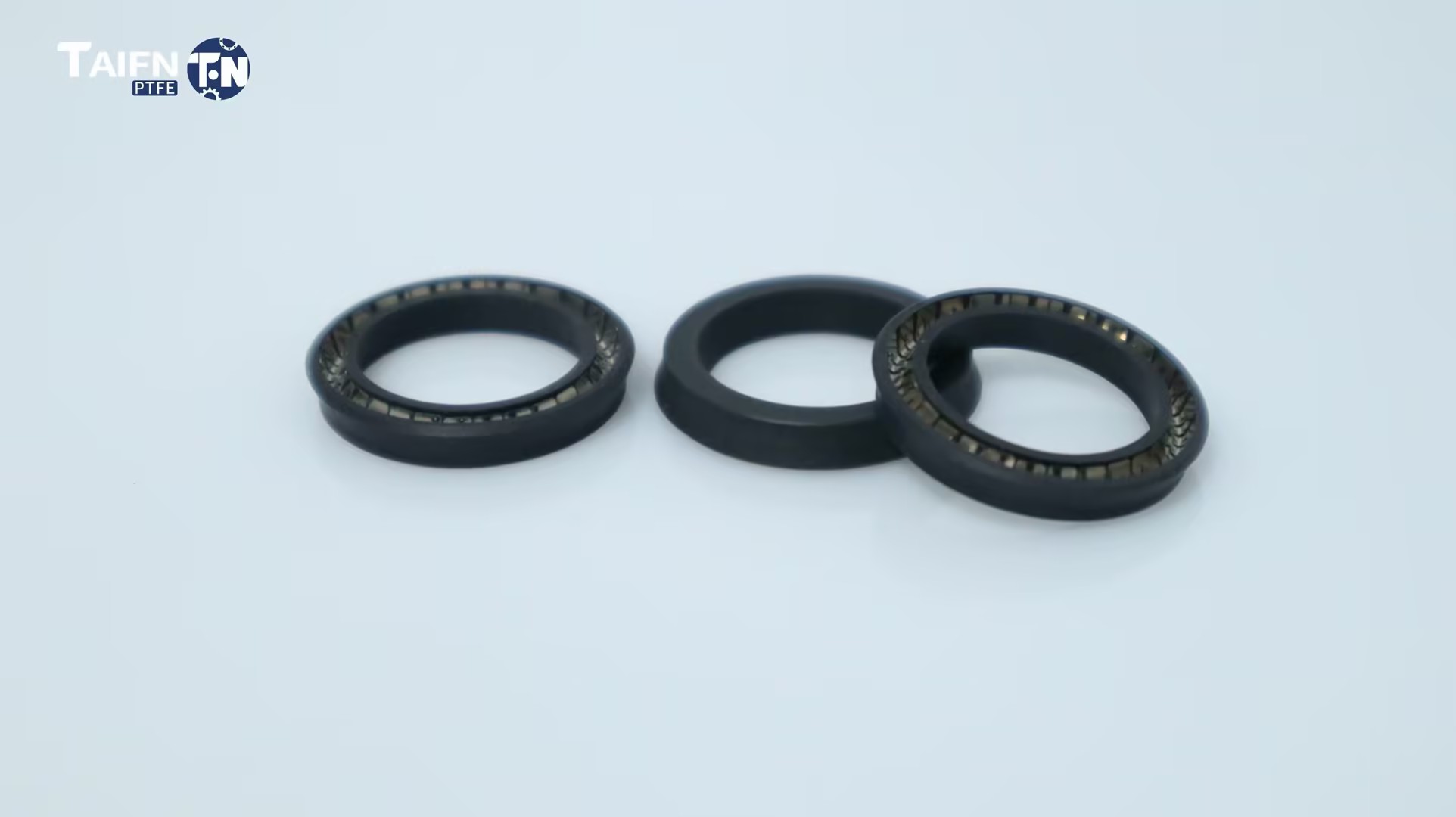
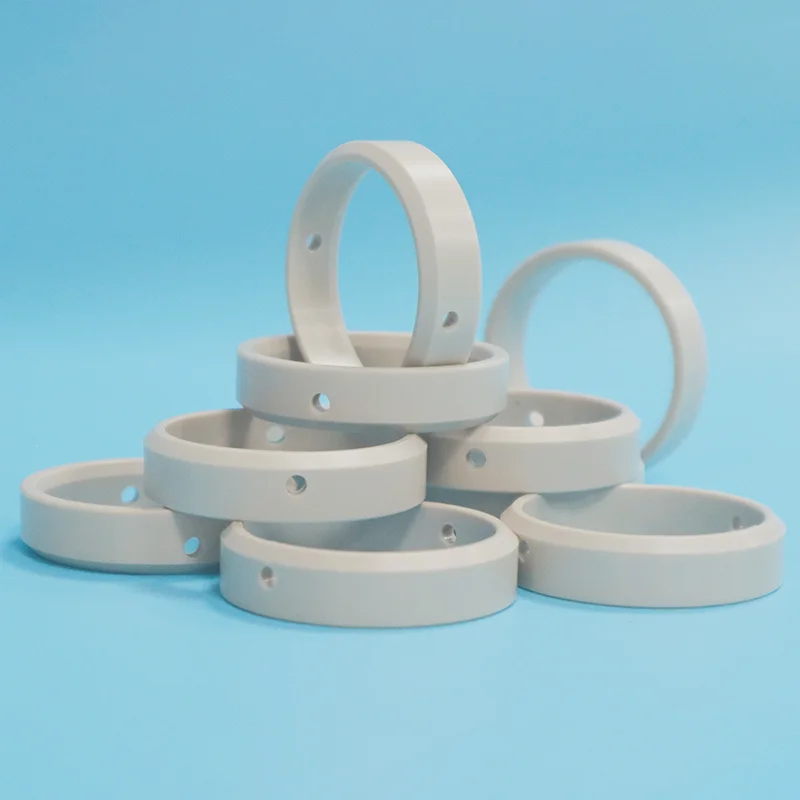
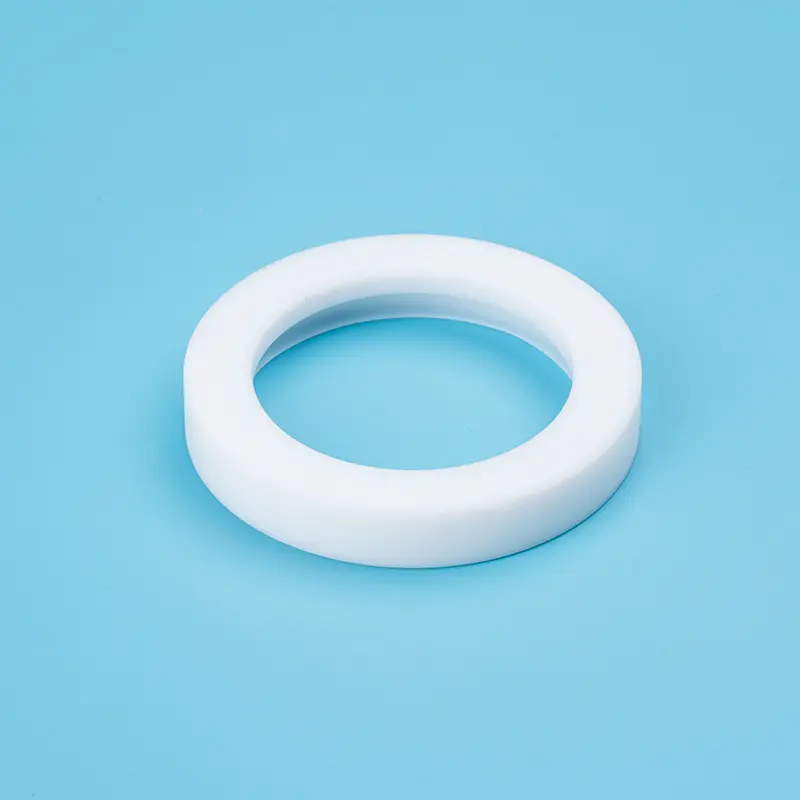
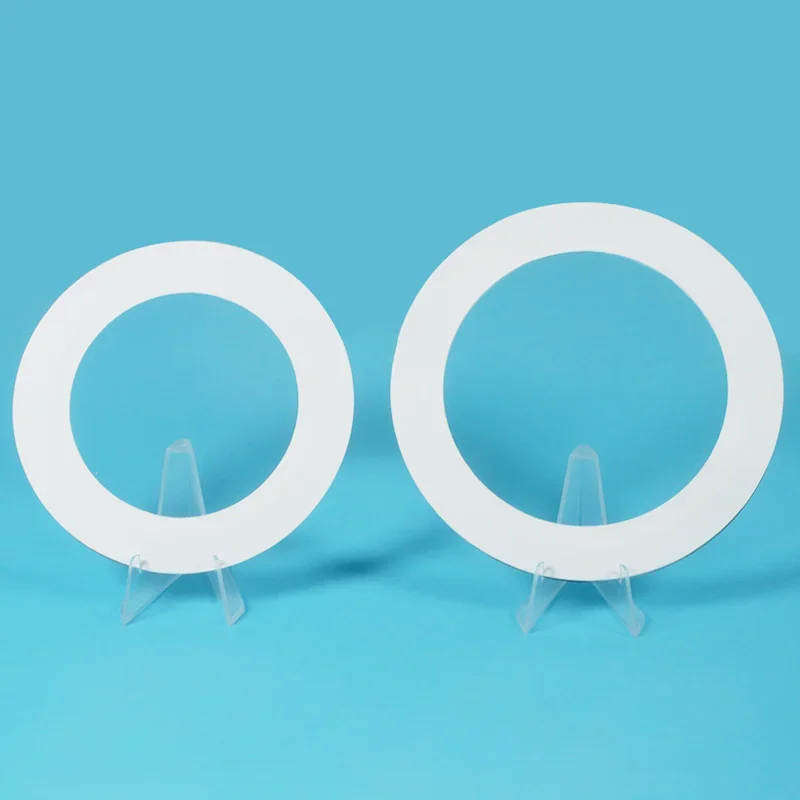
Taifno is a professional manufacturer and supplier of PTFE sealing solutions. Our PTFE O-rings feature universal chemical resistance, the ability to withstand extreme temperatures, and an ultra-low coefficient of friction. Suitable for the chemical, pharmaceutical, and food processing industries, they are FDA-compliant and provide reliable, long-lasting sealing performance.

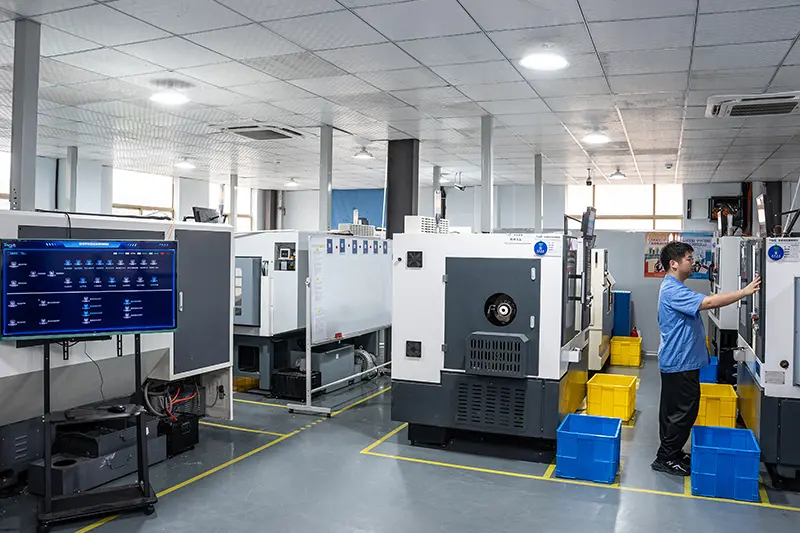
Taifno is a Chinese manufacturer of PTFE O-rings; we offer custom machining and supply a wide range of PTFE sealing products. These products feature a broad operating temperature range, suitable for continuous use between -180°C and +200°C, and offer exceptional durability, helping you save time and costs while minimizing downtime.

PTFE O-RingPTFE O-Ring

What Is a PTFE O-Ring?

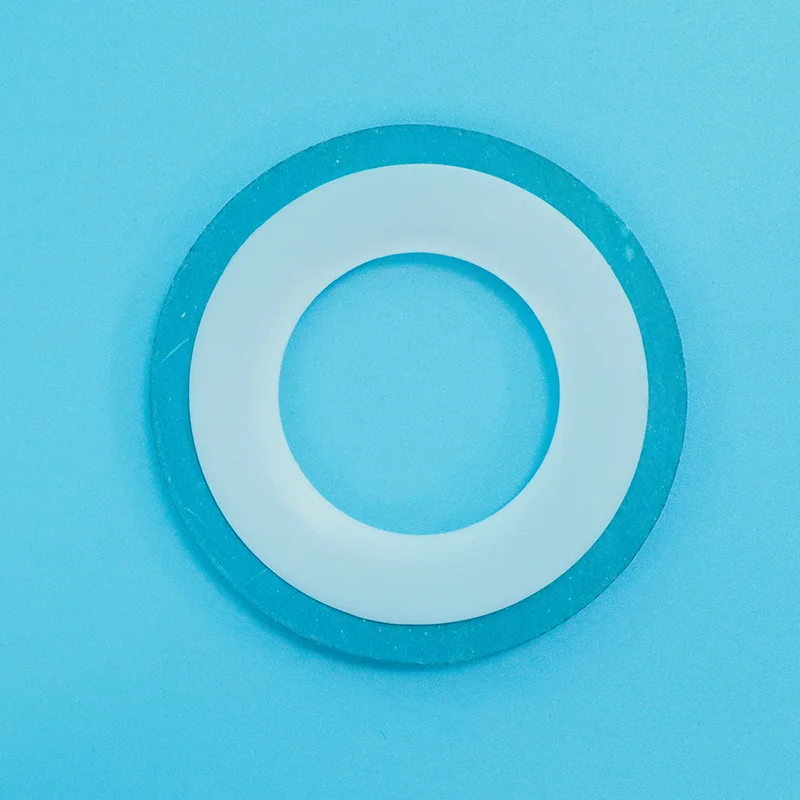
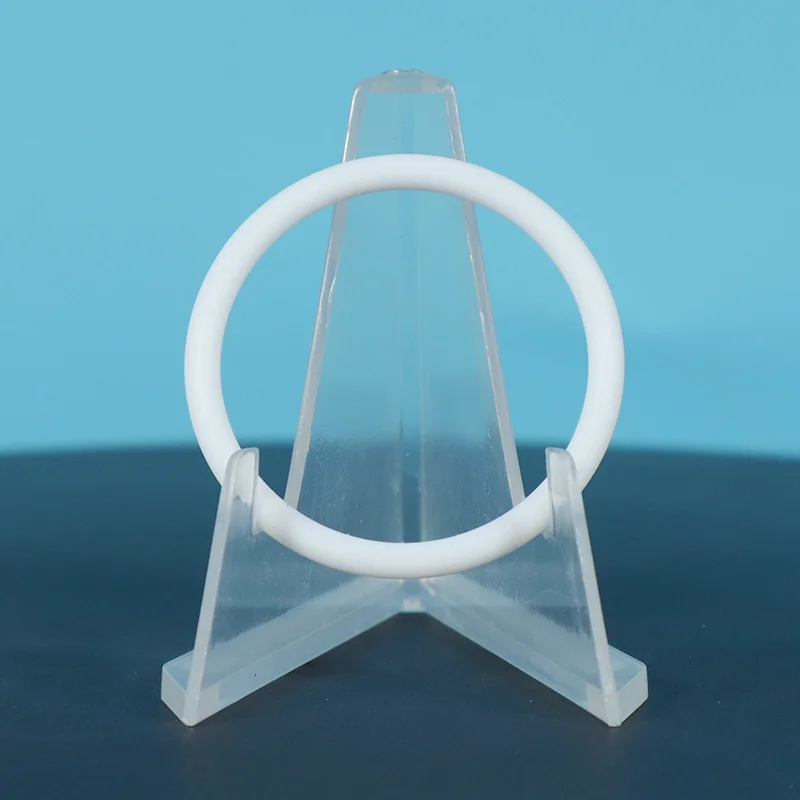
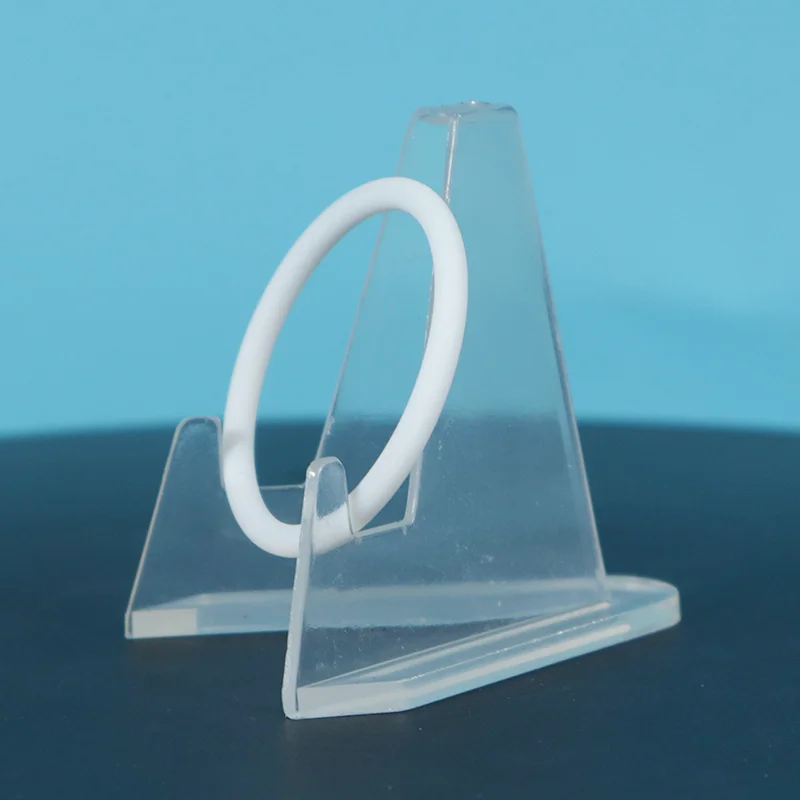
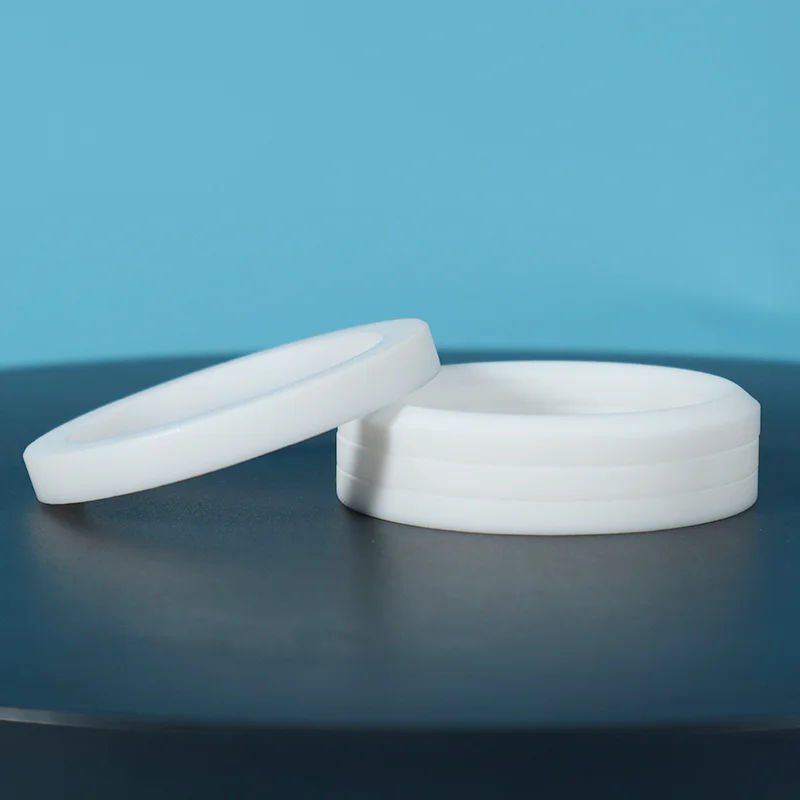
PTFE O-ring is a circular sealing ring precision-machined from PTFE resin, not molded like rubber. PTFE offers the lowest coefficient of friction of any solid material (0.05-0.20), universal chemical resistance (pH 0-14), and continuous service from -180°C to +200°C.

Unlike rubber O-rings which rely on elasticity, PTFE O-rings seal by compression. They have no elastic memory, once compressed, they stay compressed. This is why correct groove design is essential.

Why Choose PTFE O-Rings?

Rubber O-Ring Problem

How PTFE Solves It

Swelling in chemicals

Chemically inert — no swelling, no degradation

Hardening above +150°C

Handles +260°C continuously

Brittle below -40°C 

Stays flexible down to -200°C

Compression set — permanent deformation

No compression set — but has cold flow

Ozone and UV degradation

Unaffected by ozone, UV, and weather

Contamination risk

Pure, FDA/USP compliant — no extractables

Comparison & Selection Guide

PTFE vs Rubber vs FEP-Encapsulated

Property

PTFE O-Ring

Rubber O-Ring

FEP-Encapsulated

Temperature

-180°C to +200°C

-40°C to +150°C

-60°C to +260°C

Chemical Resistance

★★★★★

★★☆☆☆

★★★★★

Elastic Memory

None — seals by compression

Excellent 

Excellent 

Friction

Lowest

Moderate

Low

FDA Compliant

✅ Yes

Limited

✅ Yes

Cost

$$

$

$$$

Best For

Static sealing in aggressive chemicals, extreme temperatures

General-purpose sealing

Static sealing requiring chemical resistance + resilience

Quick Selection Guide

If Your Service Is...

Choose...

Clean chemicals, FDA applications, low pressure

Virgin PTFE

Abrasive media, slurries, high wear

Glass-filled PTFE

High speed, heat dissipation, anti-static

Carbon-filled or graphite-filled PTFE

Sticky media, low torque, lubricity

MoS₂-filled PTFE

Extreme pressure, heavy load, severe wear

Bronze-filled PTFE

Need both chemical resistance + elastic memory

FEP-encapsulated O-ring

Primary Applications

Industry

Application

Recommended Grade

Chemical Processing

Pumps, valves, reactors, flanges — acids, solvents, caustics

Virgin PTFE or glass-filled

Pharmaceutical

Sterile processing, bioreactors — FDA/USP required

Virgin PTFE (FDA/USP)

Food & Beverage

Filling equipment, sanitary connections — FDA required

Virgin PTFE (FDA-approved)

Petrochemical

Pipeline seals, valve seats — hydrocarbons, high pressures

Carbon-filled or glass-filled

Semiconductor

High-purity chemical distribution, cleanroom

High-purity Virgin PTFE

Cryogenic Service

LNG, liquid oxygen — extreme cold

Virgin PTFE

Real-World Applications

Case Study 1: Chemical Plant — 3x Longer Service Life

Challenge: A chemical plant handling hydrochloric acid at 100°C was replacing rubber O-rings every 2-3 months due to swelling and hardening, causing safety concerns and production interruptions.

Solution: Replaced rubber O-rings with virgin PTFE O-rings. Correct gland design implemented per PTFE specifications.

Result: PTFE O-rings lasted over 8 months, 3x longer than rubber. Zero leakage. No safety incidents. Maintenance intervals extended from months to seasons.

Case Study 2: Pharmaceutical Manufacturer — FDA Compliance Achieved

Challenge: A pharmaceutical manufacturer required O-rings for sterile processing equipment. Rubber O-rings could not pass FDA extractables testing for drug contact applications.

Solution: Supplied FDA-compliant virgin PTFE O-rings with full material traceability and FDA documentation.

Result: Passed extractables testing. FDA compliance achieved. O-rings withstand repeated steam sterilization cycles without degradation. Full documentation provided.

Case Study 3: Food Processing — No Contamination, No Leaks

Challenge: A food processing plant was experiencing contamination issues from rubber O-ring degradation in contact with fruit acids and CIP cleaning chemicals.

Solution: Replaced with FDA-compliant PTFE O-rings.

Result: Contamination eliminated. O-rings survive CIP chemical cleaning cycles. No leaching, no degradation. Production line uptime improved significantly.

Note: Actual case results vary by application conditions. Contact us for application-specific recommendations.

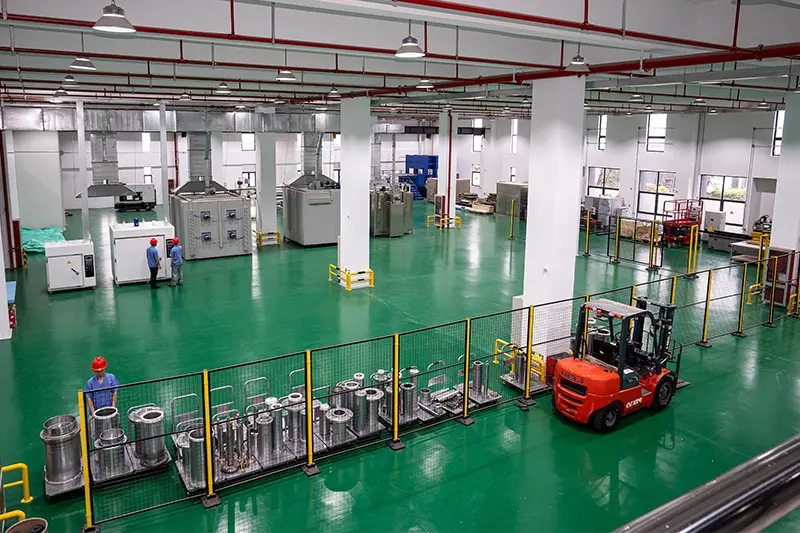
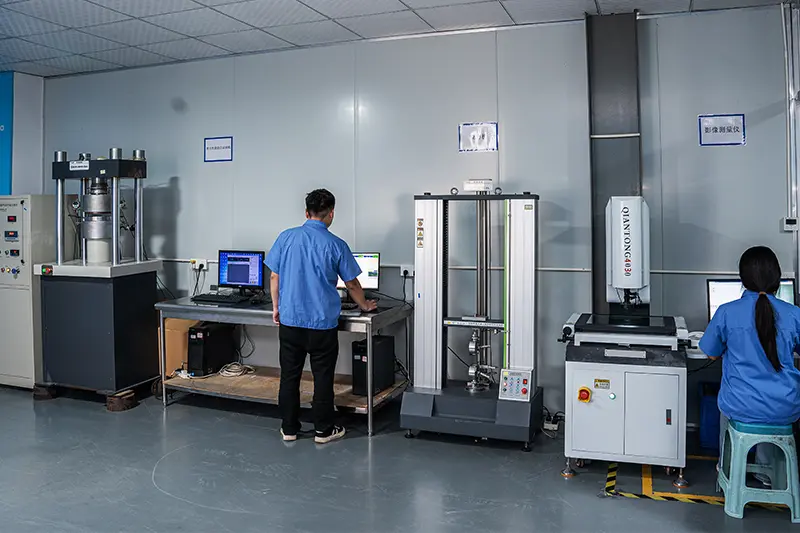
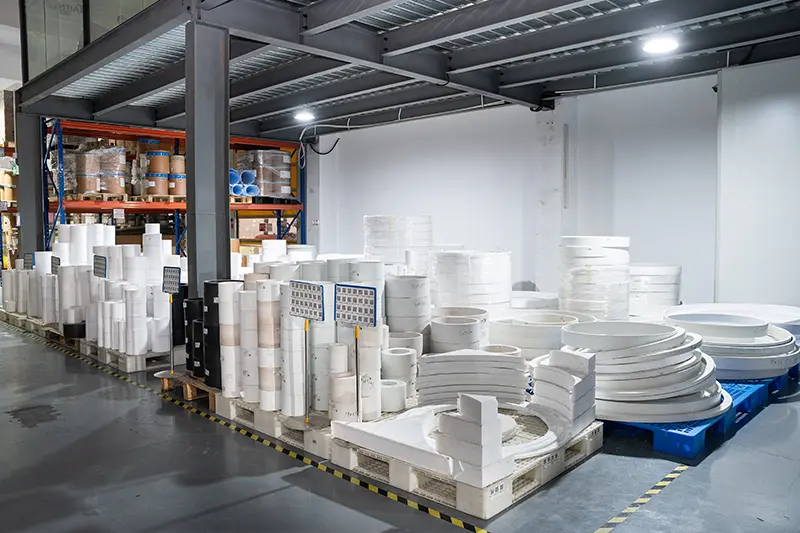
FactoryFactoryFactoryFactory

Technical Specifications

PTFE Material Properties

Property

Value

Test Method

Density

2.14-2.20 g/cm³

ASTM D792

Tensile Strength

28-35 MPa

ASTM D638

Elongation at Break

250-350%

ASTM D638

Hardness

Shore D 55-65 (~98 Shore A)

ASTM D2240

Coefficient of Friction

0.05-0.20

ASTM D1894

Water Absorption

<0.01%

ASTM D570

Continuous Service Temperature

-180°C to +200°C

ASTM D746

Dielectric Strength

15-50 kV/mm

ASTM D149

Dimensional Capabilities

Parameter

Capability

Standard Sizes

AS568A, JIS, BS, DIN — available off-the-shelf

Custom Sizes

Any diameter — machined to exact specifications

Cross-Section Diameter

0.5mm to 50mm+

Inside Diameter

1mm to 2000mm+

Tolerance — Standard

±0.05mm to ±0.10mm

Tolerance — Precision

±0.02mm (available on request)

Available Grades

Grade

Best For

Key Benefit

Chemical Limit

Virgin PTFE

Clean chemicals, FDA applications, general service

Universal chemical resistance, lowest cost

No elastic memory — static only

Glass-Filled PTFE

Abrasive media, slurries, high wear

Strength, wear resistance

Not for HF or strong alkali

Carbon-Filled PTFE

High speed, heat dissipation, anti-static

Thermal conductivity, creep resistance

Not for strong oxidizers

Graphite-Filled PTFE

High temperature, low friction

Lubricity, thermal conductivity

Not for strong oxidizers

MoS₂-Filled PTFE

Sticky media, low torque

Enhanced lubricity

Not for oxidizing acids

Bronze-Filled PTFE

Extreme pressure, heavy load

Highest mechanical strength, wear resistance

Not for acids or salt water

Quality Assurance

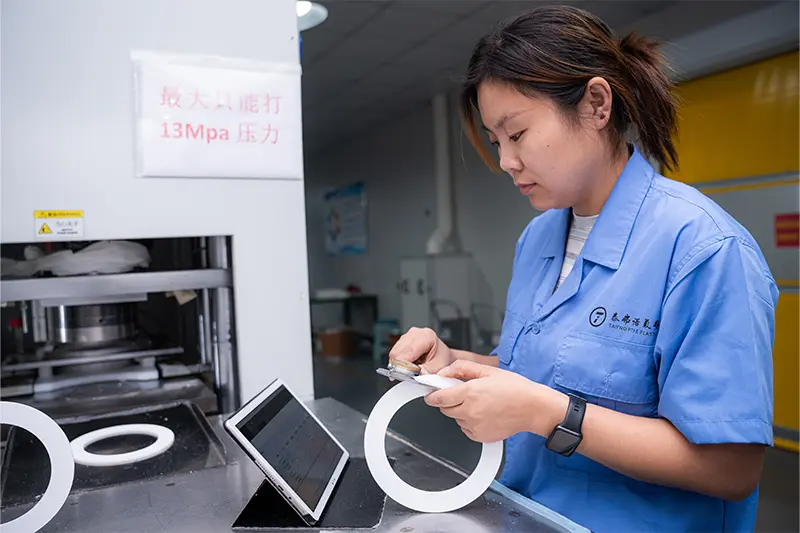
100% Virgin Resin Material — no regrind, no recycled material. Consistent quality, batch after batch.

Full Traceability — Every batch traceable from raw material to finished O-ring. Material certificates on request.

Precision Machining — O-rings precision-machined to tight tolerances, not molded.

ISO 9001 Certified — Manufacturing processes certified under ISO quality management systems.

FDA-Compliant Grades Available — Virgin PTFE meets FDA 21 CFR 177.1550 and BfR requirements.

USP Class VI Available — Biocompatible grades for pharmaceutical and medical applications.

Wide Size Range — Standard AS568A sizes in stock; custom sizes manufactured to your specifications.

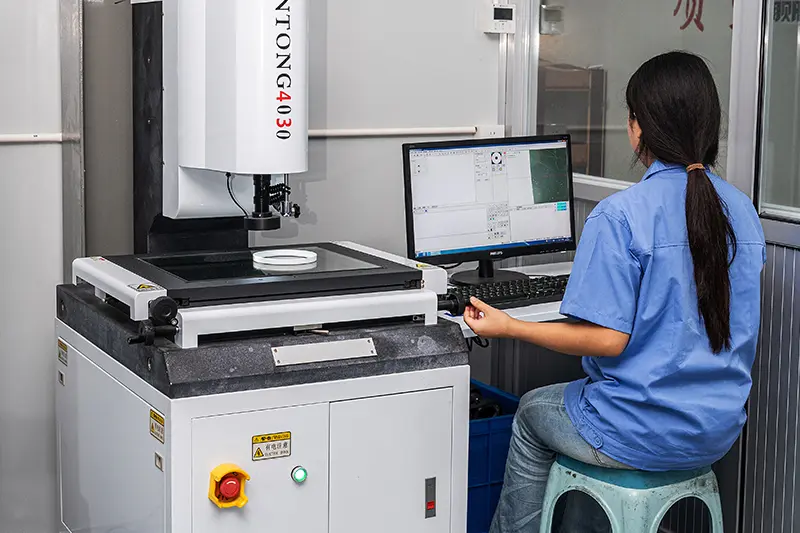
TestTestTestTest

FAQ

Q: What is PTFE O-Ring and when should I use it?

A: A round cross-section sealing ring precision-machined from PTFE. Use it when rubber O-rings fail, in aggressive chemicals, extreme temperatures, food/pharma applications requiring purity, or ozone/UV exposure.

Important: PTFE has no elastic memory, static sealing only. Not for moving shafts or dynamic applications.

If you are replacing rubber O-rings every few months, PTFE will save you time, money, and downtime.

Q: How much does a PTFE O-ring cost and how long does it take to get one?

A: Cost depends on size, material grade, quantity, and tolerance.

Standard AS568 sizes in stock start at X−X−Y (approximately 2-3x equivalent rubber O-ring). Custom sizes quoted per drawing.

But consider this: Rubber may cost less upfront, but if it fails every 3 months, a PTFE O-ring that lasts 2-3 years pays for itself in the first year.

Lead time:

Standard sizes: ship within 24-48 hours.

Custom sizes: 5-7 days. Shipping by air takes 5-10 days; by sea, 15-30 days.

Q: What are the limits and the most common mistakes?

A: Temperature: -180°C to +200°C.

Pressure: up to 400 bar (with back-up rings).

Chemical limits:

Virgin PTFE: not for molten alkali metals or fluorine.

Glass-filled: not for HF or strong alkali.

Carbon-filled: not for strong oxidizers.

Three common mistakes:

(1) Overtightening: PTFE compresses permanently, too much squeeze damages the O-ring.

(2) Wrong groove design: PTFE needs different dimensions than rubber. Use our specs.

(3) Installation damage: PTFE has poor tear resistance; avoid nicks and scratches. Heat to 200°F if stretching is required. 

Hot Tags: PTFE O-Ring Manufacturer, PTFE O-Ring Supplier, Custom PTFE O-Ring
Send Inquiry
Contact Info
X
We use cookies to offer you a better browsing experience, analyze site traffic and personalize content. By using this site, you agree to our use of cookies.Privacy Policy