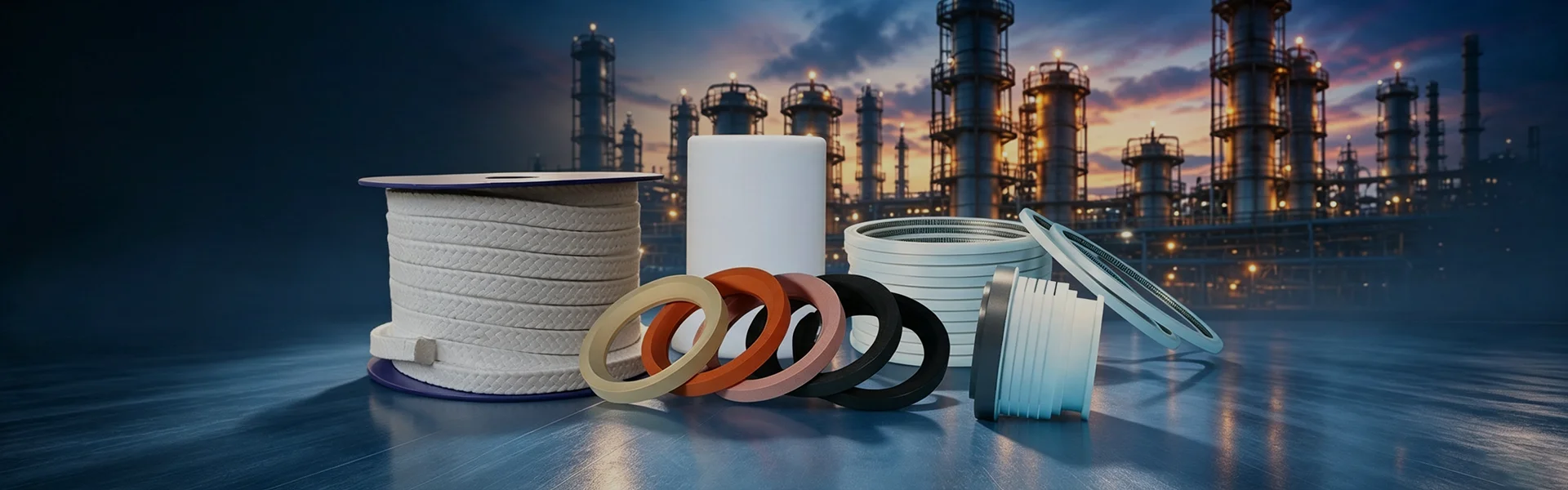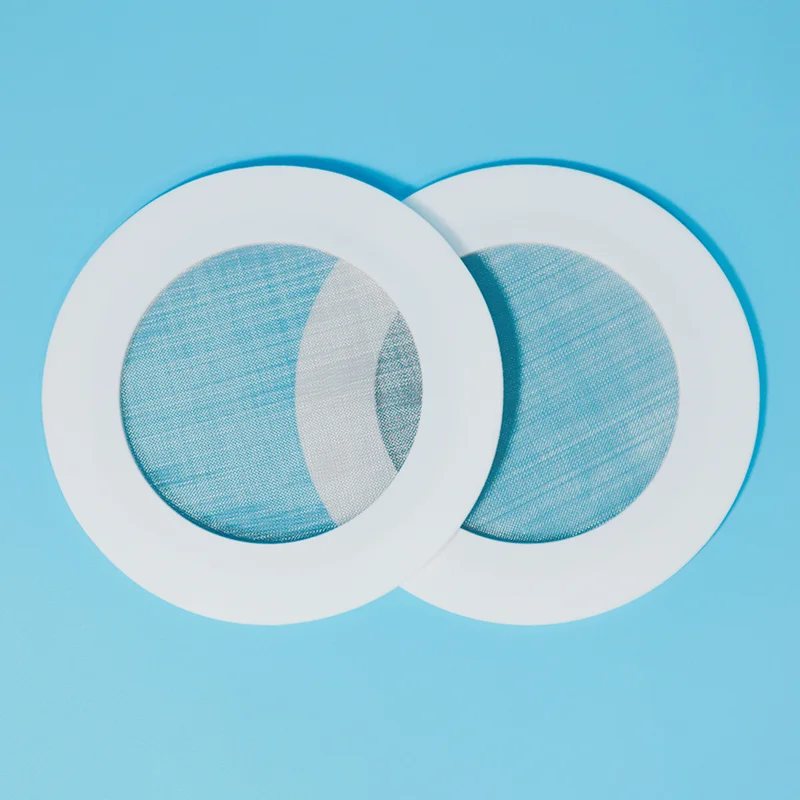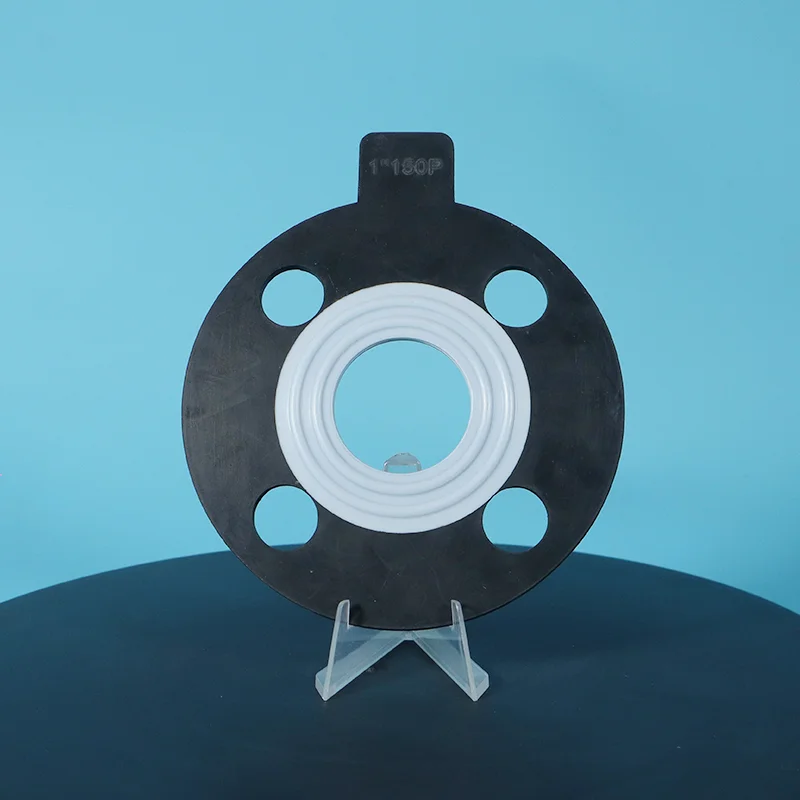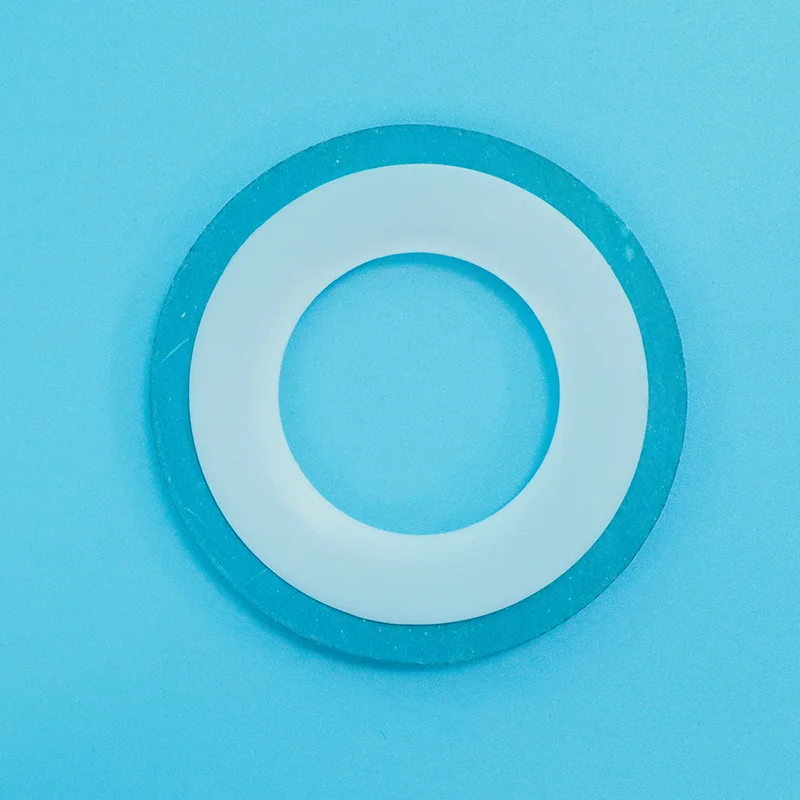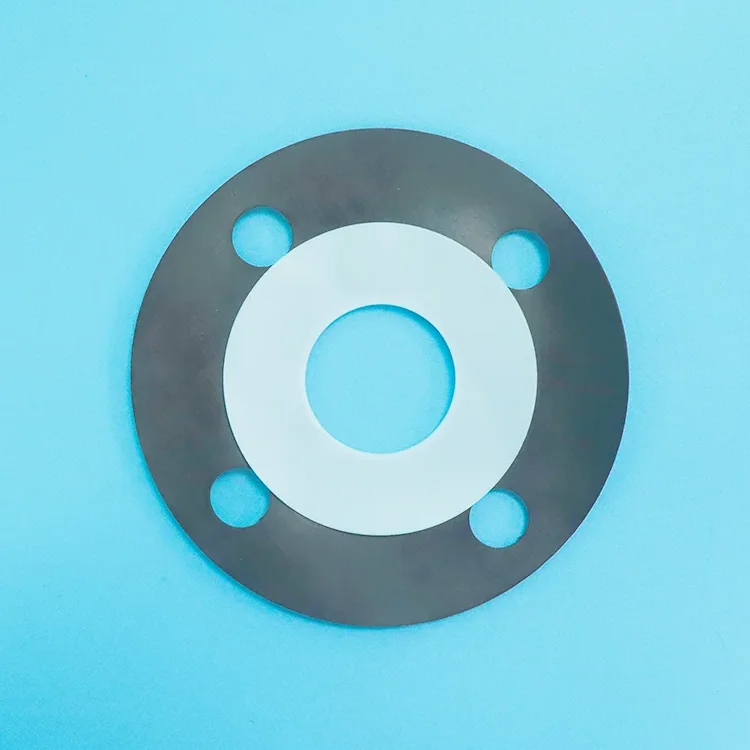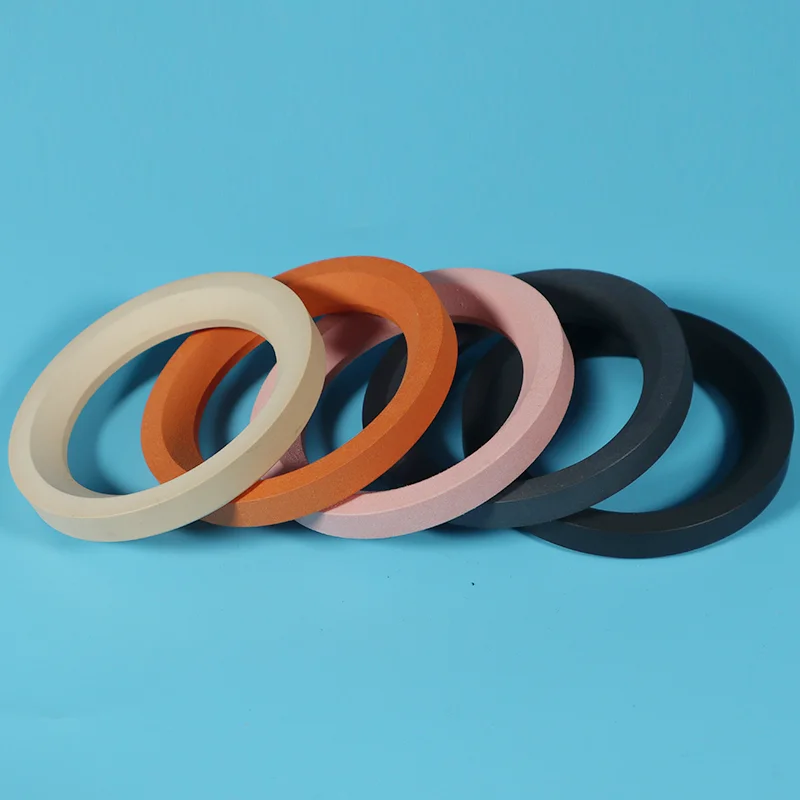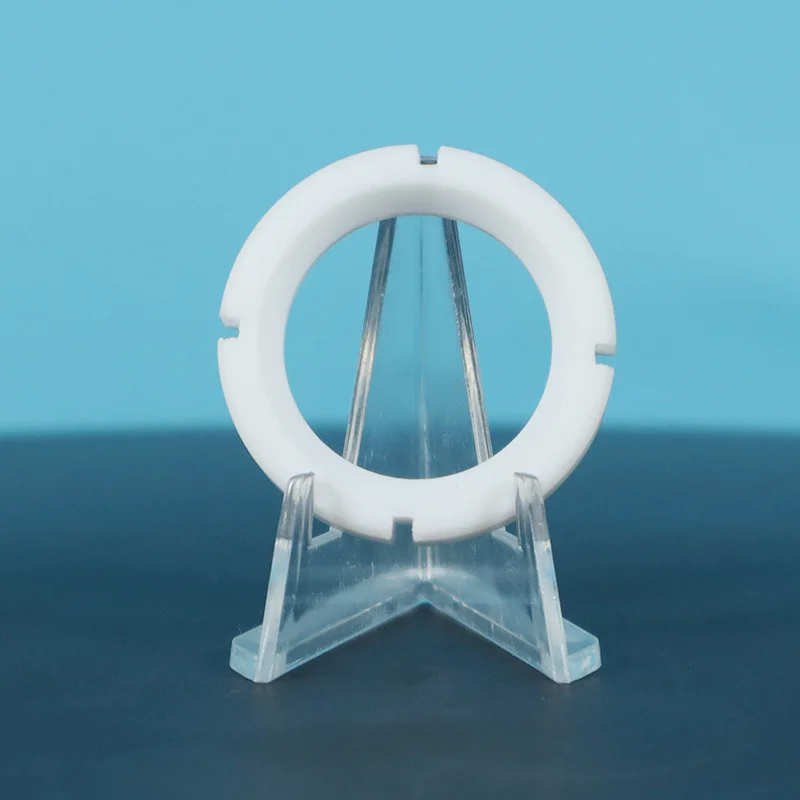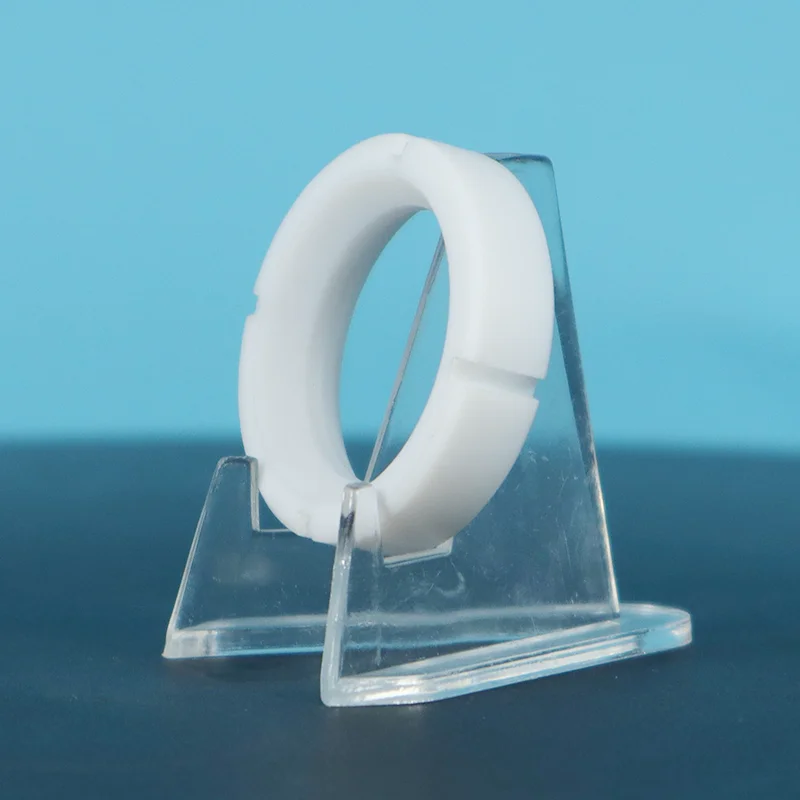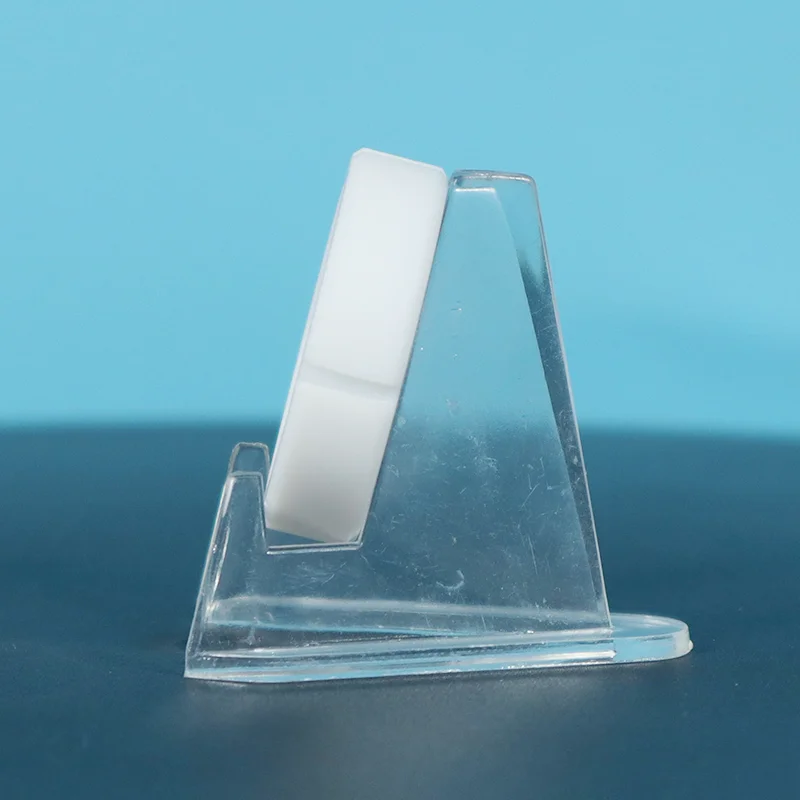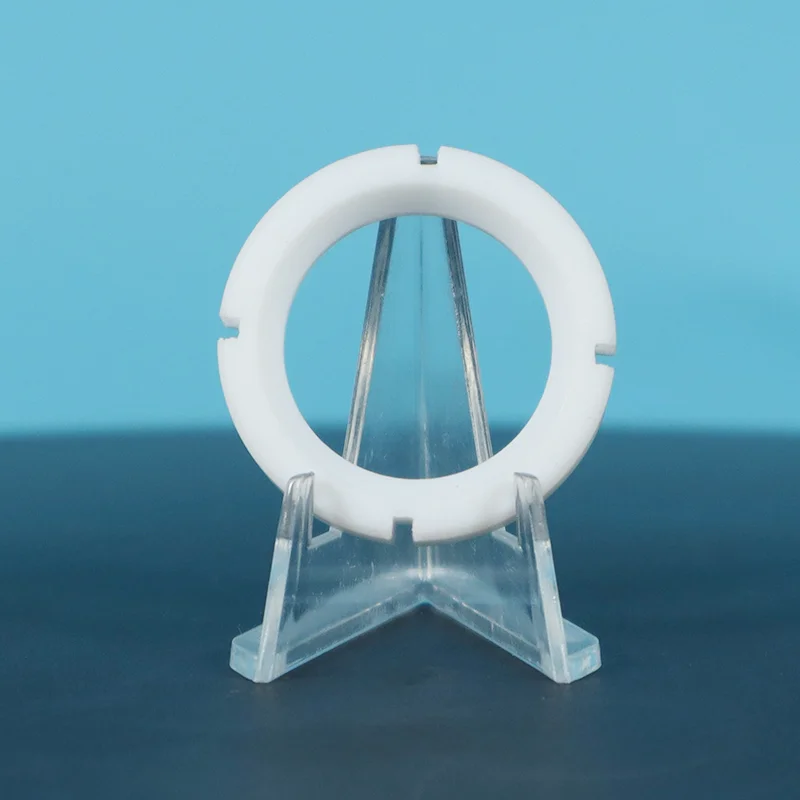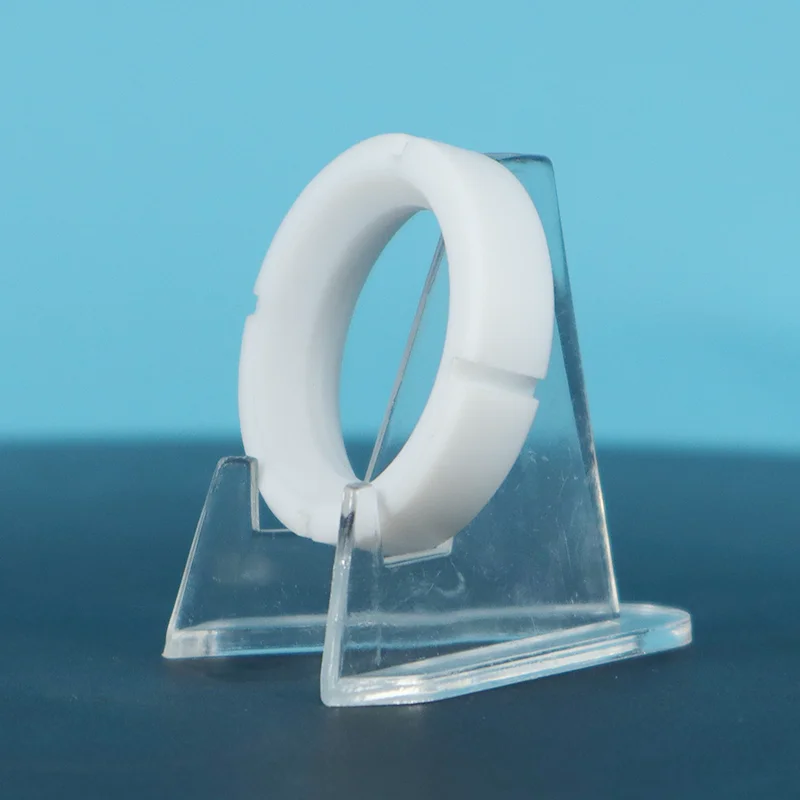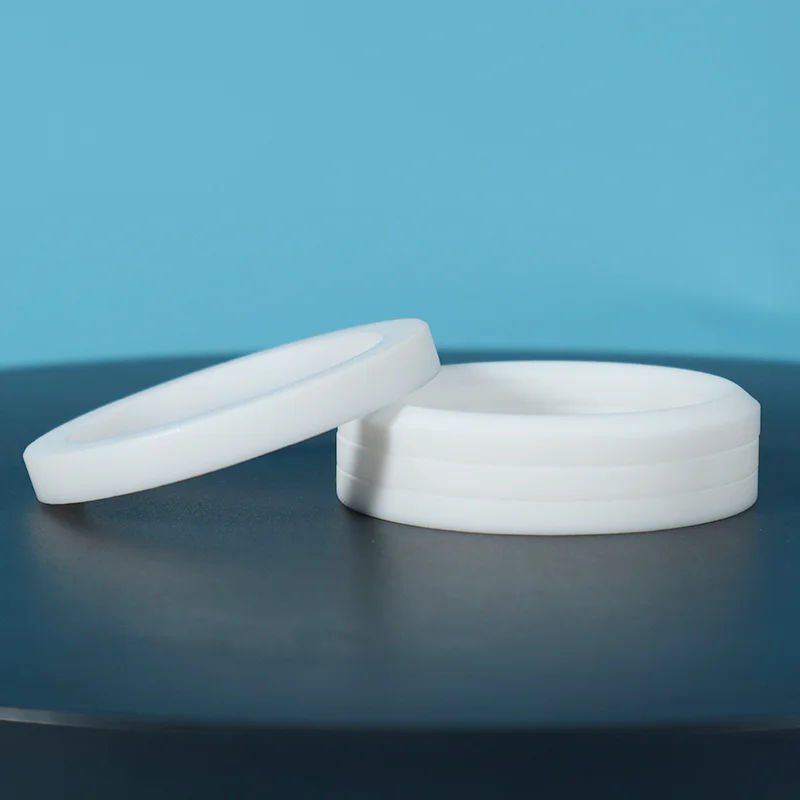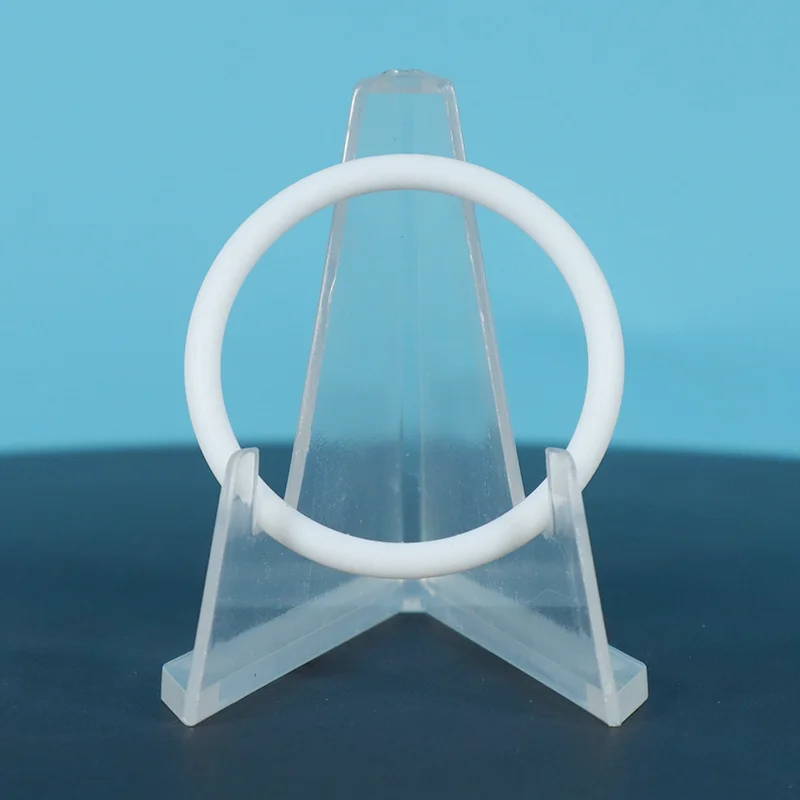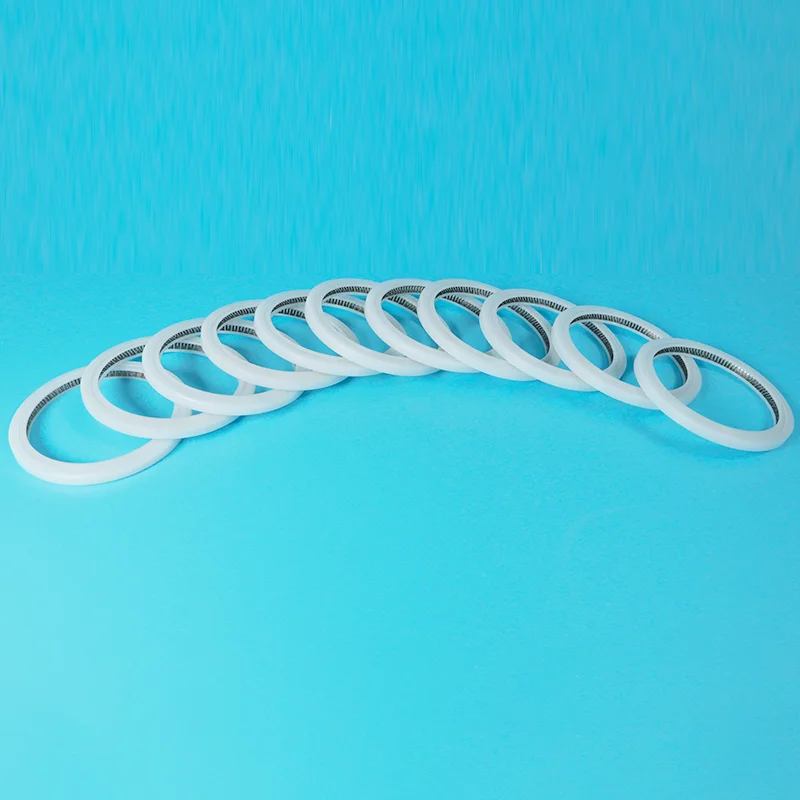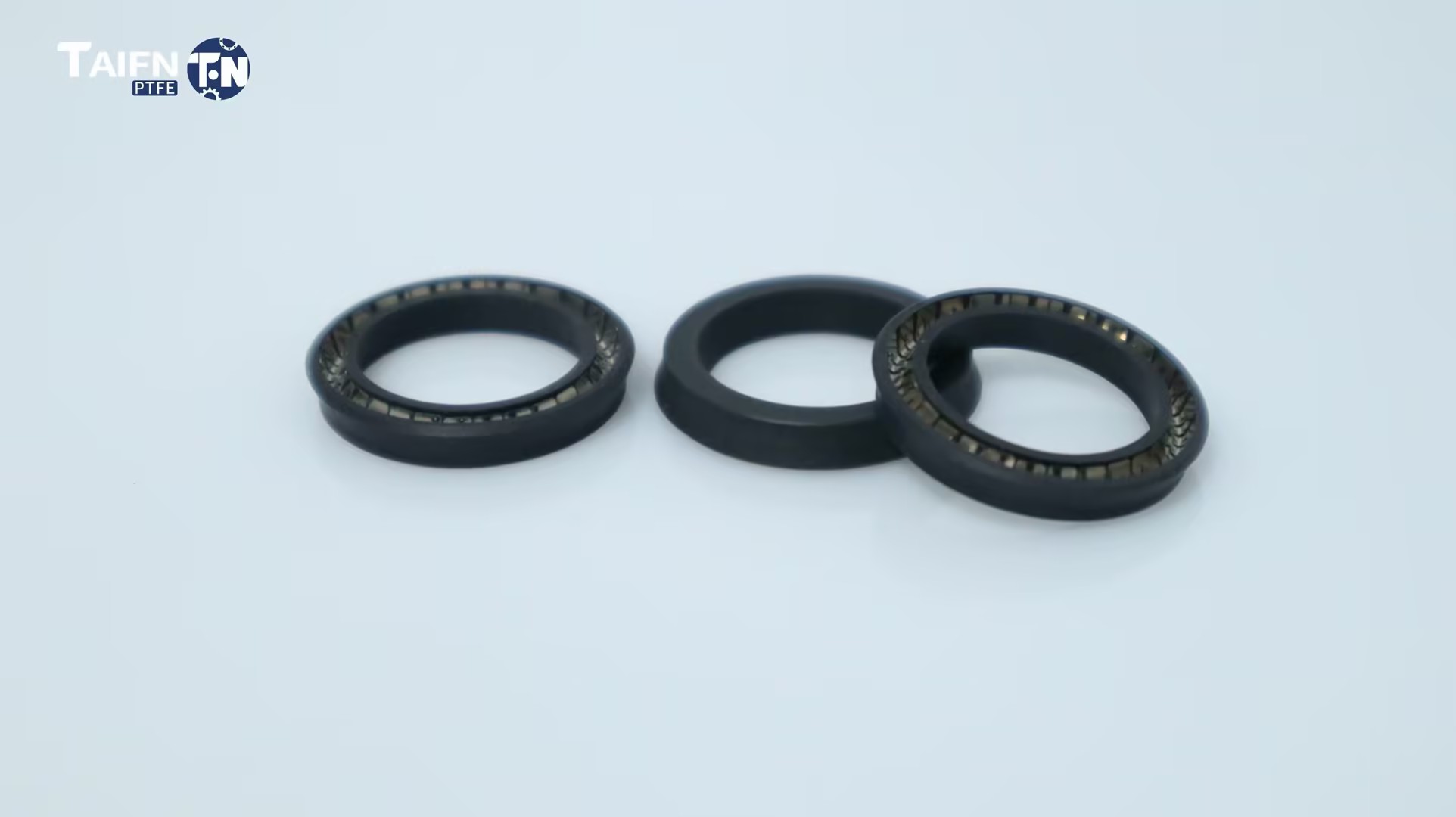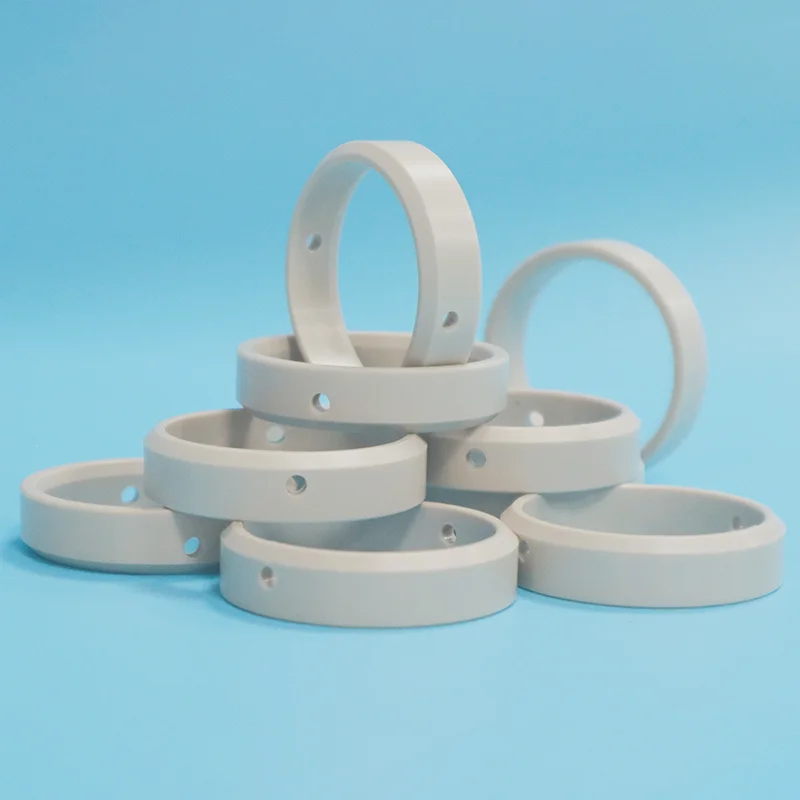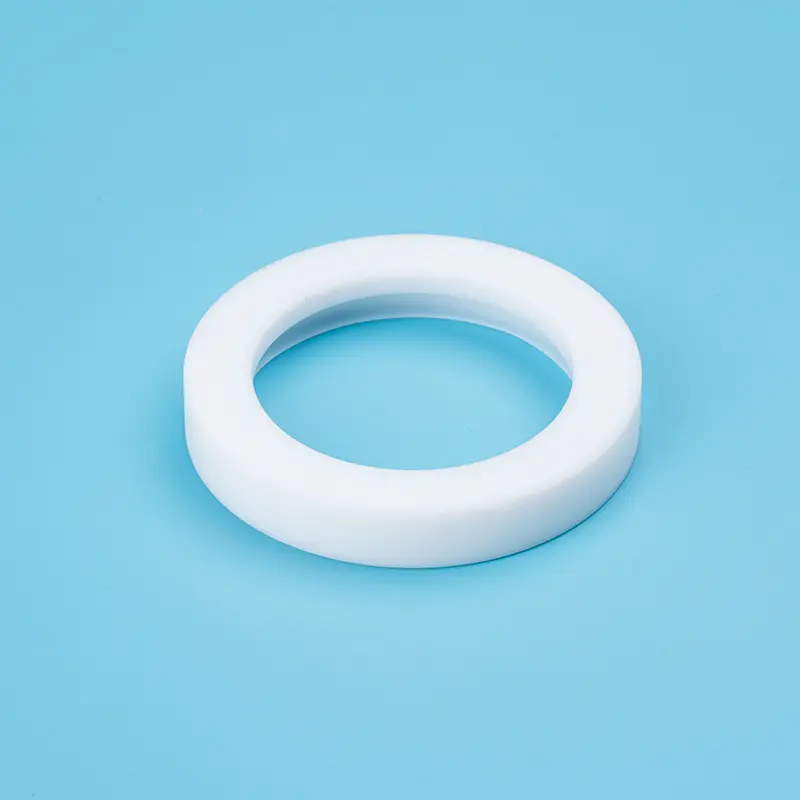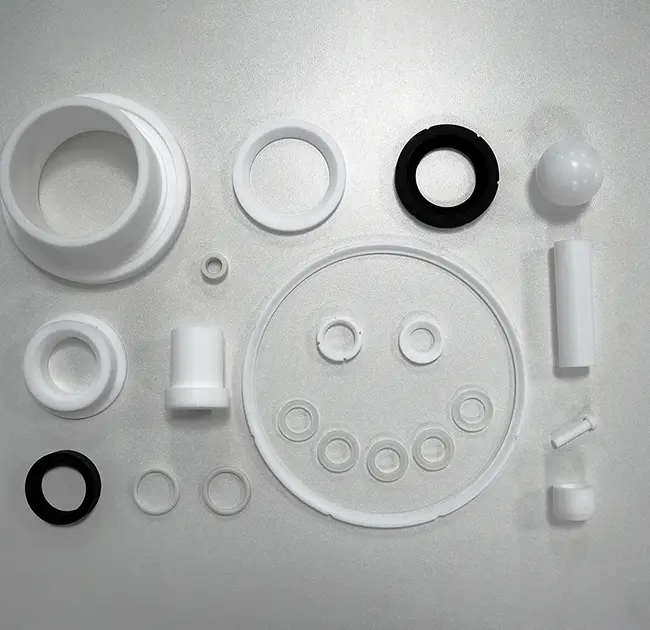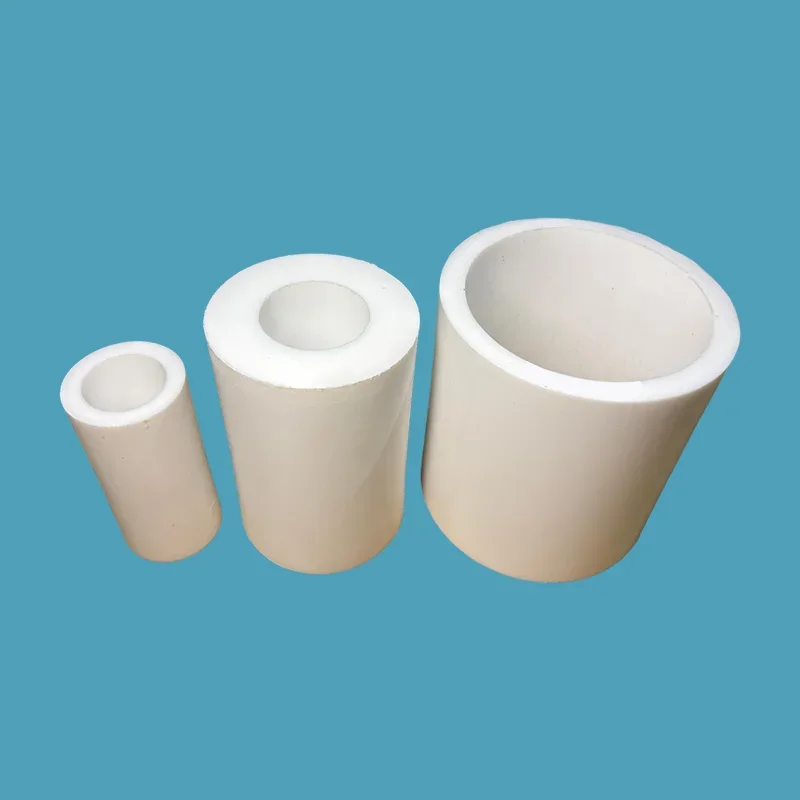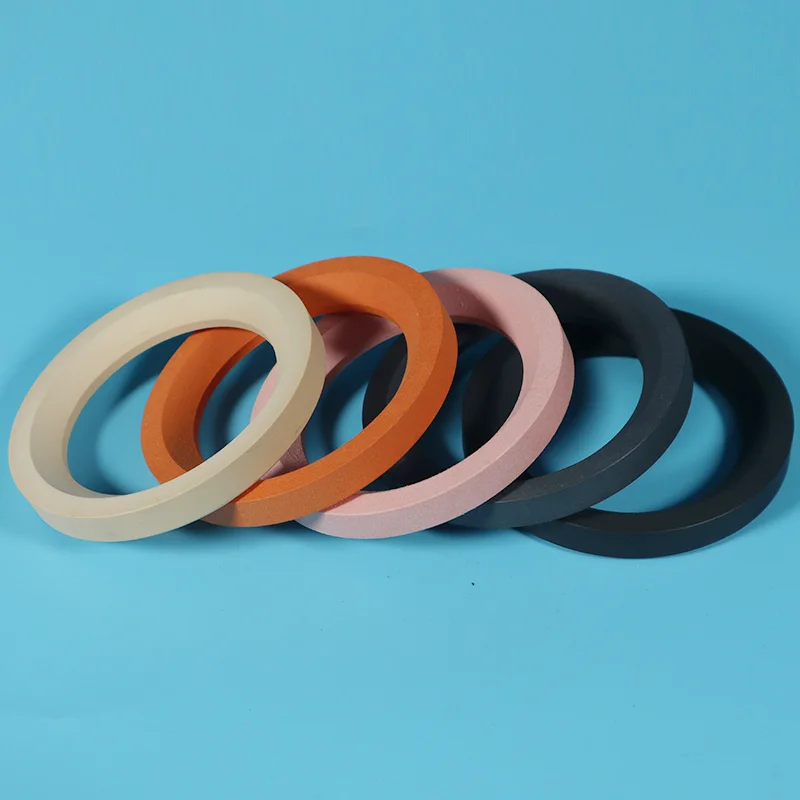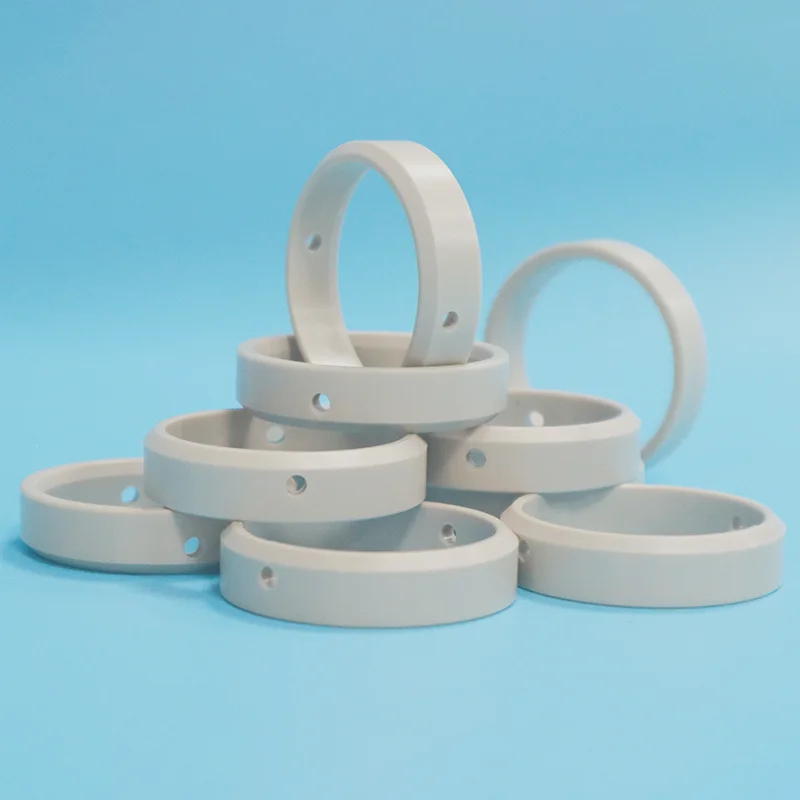
Virgin PTFE valve seats are suitable for a temperature range of -180°C to +200°C, withstand pressures up to 414 bar, and are compatible with a pH range of 0–14; in chemical service applications, their service life is three to five times that of rubber or EPDM components. Taifno offers customized solutions and free samples; please contact us for a quote and technical support.

If you are currently using rubber, EPDM, or metal valve seats, you may be experiencing one or more of these problems:
|
Problem |
Why It Happens |
How PTFE Fixes It |
|
Your valves leak after a few months |
Rubber swells, hardens, or degrades in chemicals |
PTFE is chemically inert — stays stable in almost all media |
|
Your valves are hard to turn |
Metal seats require high torque; rubber sticks to media |
PTFE has lowest friction — smooth operation with low torque |
|
Media contaminates your product |
Rubber or metal can leach into your process |
PTFE is pure, FDA/USP compliant — no contamination |
|
You replace seats every year |
Rubber has limited service life; metal wears |
PTFE lasts 3-5x longer — fewer change-outs, less downtime |
|
You cannot achieve zero leakage |
Metal seats are not bubble-tight (Class IV/V only) |
PTFE provides Class VI bubble-tight shut-off |
1. Universal Chemical Resistance: PTFE is chemically inert to virtually all acids, bases, solvents, and hydrocarbons. It solves sealing problems in chemical, petroleum, pharmaceutical, and food industries that other materials cannot handle. One seat material for almost every media.
2. Bubble-Tight Shut-Off: PTFE soft seats provide Class VI (bubble-tight) shut-off, the tightest leakage class achievable. Metal seats cannot achieve this. Rubber can, but rubber fails in aggressive media. PTFE gives you zero leakage without the chemical limitations.
3. Lowest Friction: PTFE has the lowest coefficient of friction among solid materials (0.05-0.20), ensuring smooth valve operation, low torque requirements, and reduced actuator wear. No sticking. No galling. No media buildup.
|
Material |
Best For |
Cost (Initial) |
Service Life in Chemical Service |
Total Cost (3-Year) |
|
Rubber/EPDM |
Water, air, low temperatures |
$ (1x) |
6-12 months |
$$$$ (3-6 replacements) |
|
Metal |
High temperature, high pressure, abrasives |
$$$$ (4-5x) |
5+ years |
$$$ (no replacements, but high initial cost) |
|
Virgin PTFE |
Clean chemicals, FDA applications, low pressure |
$$ (2x) |
2-3 years |
$$ (1 replacement) |
|
Filled PTFE |
Abrasives, high pressure, high temperature |
$$$ (3x) |
3-5+ years |
$ (zero replacements) |
|
Property |
Rubber/EPDM |
Metal |
Virgin PTFE |
Filled PTFE |
|
Temperature Range |
-40°C to +150°C |
Up to 650°C+ |
-180°C to +200°C |
-180°C to +200°C |
|
Chemical Resistance |
★★☆☆☆ |
★★★☆☆ |
★★★★★ |
★★★★★ |
|
Sealing Class |
Class VI |
Class IV-V |
Class VI |
Class VI |
|
Friction |
★★☆☆☆ |
★☆☆☆☆ |
★★★★★ |
★★★★☆ |
|
Creep Resistance |
★★★★☆ |
★★★★★ |
★★☆☆☆ |
★★★★☆ |
|
Wear Resistance |
★★★☆☆ |
★★★★★ |
★★☆☆☆ |
★★★★★ |
|
FDA Compliant |
Limited |
❌ |
✅ Yes |
✅ (Virgin only) |
|
Cost (Initial) |
$ |
$$$$ |
$$ |
$$$ |
|
Best For |
Water, air, low temperature |
Extreme conditions |
Clean chemicals |
Abrasives, high pressure |
|
If Your Service Is... |
Choose... |
|
Clean chemicals, FDA applications, low pressure |
Virgin PTFE |
|
Abrasive media, slurries, high pressure |
Glass-filled PTFE |
|
High speed, heat dissipation, dry running |
Carbon-filled PTFE |
|
Permeation-sensitive, thermal cycling, critical chemicals |
TFM™ modified PTFE |
|
High temperature (above +300°C), extreme pressure |
Metal or PEEK |
|
Water, air, low temperature, low cost priority |
Rubber/EPDM |
|
Not sure? Send us your media, temperature, pressure |
We recommend |
|
Industry |
Application |
Recommended Grade |
|
Chemical Processing |
Ball valves, control valves handling acids, solvents, caustics |
Virgin PTFE or TFM™ modified |
|
Oil & Gas |
High-pressure ball valves, wellhead equipment, pipelines |
Glass-filled or carbon-filled PTFE |
|
Pharmaceutical |
Sterile processing, API manufacturing |
Virgin PTFE (FDA/USP) |
|
Food & Beverage |
Sanitary valves, filling equipment |
Virgin PTFE (FDA-approved) |
|
Pulp & Paper |
Abrasive slurry valves, digester valves |
Glass-filled PTFE |
|
Power Generation |
Steam systems, cooling water valves |
RPTFE or PEEK |
|
Cryogenic Service |
LNG, liquid oxygen, cryogenic fluids |
PCTFE or modified PTFE |
Floating and trunnion-mounted ball valves
Butterfly valves
Gate valves and globe valves
Plug valves
Control valves
Check valves


Challenge: A ball valve manufacturer's customer was using PTFE valve seats that did not provide sufficient resistance to deformation, wear, and permeation. The PTFE also had a tendency to swell and contract, making for an imperfect seal.
Solution: Changed the valve seat material to TFM™ modified PTFE, with much greater deformation resistance and a lower permeation rate. The material also delivered a smoother surface finish, reducing friction and improving the ball-to-seat seal.
Result: The new seat offered better permeation resistance, improved dimensional stability, and enhanced structural integrity. The manufacturer now produces valve seats in sizes from ¾ to 54 inches, with applications in chemical processing, ethanol, oil & gas, railroad, paper, and food industries.
Bottom line: One material change solved three problems, permeation, deformation, and friction. No further replacements needed.
Challenge: A beverage concentrate manufacturer faced seal failure on butterfly valves due to aggressive flavoring chemicals at temperatures below 50°C and pressure below 5 bar. The OEM FPM seal was swelling, wrinkling, and peeling off under chemical attack.
Solution: Replaced FPM with PTFE-based seat.
Result: New PTFE-based seat lasted 3 months, compared to original FPM seat which lasted 1.5 months. Doubled service life. Reduced maintenance downtime by 50%.
Bottom line: Simple material upgrade. 2x longer life. Half the downtime.
Challenge: A mining operation was replacing valve seats every 4-6 weeks on slurry valves handling abrasive ore particles. Virgin PTFE seats were wearing out rapidly, causing frequent production interruptions.
Solution: Upgraded to glass-filled PTFE seats with enhanced wear resistance and strength.
Result: Seats lasted 8 months, 8x longer than virgin PTFE. Production uptime significantly improved. Maintenance intervals extended from weeks to months.
Bottom line: One change. 8x longer life. 80% reduction in downtime.
Note: Actual case results vary by application conditions. Contact us for application-specific recommendations.
|
Parameter |
Virgin PTFE |
Glass-Filled |
Carbon-Filled |
TFM™ Modified |
|
Temperature Range |
-180°C to +200°C |
-196°C to +260°C |
-200°C to +230°C |
-200°C to +260°C |
|
Pressure Range |
Up to 70 bar |
Class 800+ |
Class 800+ |
Class 800+ |
|
Creep Resistance |
★★☆☆☆ |
★★★★☆ |
★★★☆☆ |
★★★★★ |
|
Wear Resistance |
★★☆☆☆ |
★★★★★ |
★★★★☆ |
★★★☆☆ |
|
Chemical Resistance |
pH 0-14 |
Excellent (not HF/alkali) |
Excellent (not oxidizers) |
pH 0-14 |
|
Permeation Resistance |
★★☆☆☆ |
★★★☆☆ |
★★★☆☆ |
★★★★★ |
|
FDA Compliant |
✅ Yes |
❌ No |
❌ No |
✅ Yes |
|
Color |
White |
Gray-white |
Black |
White |
|
Grade |
Best For |
Key Benefit |
Chemical Limit |
Cost |
|
Virgin PTFE |
Clean chemicals, FDA, low pressure |
Universal chemical resistance, lowest friction |
Cold flow under load |
$ |
|
Glass-Filled PTFE |
Abrasives, slurries, high load |
Best wear resistance, strength |
Not for HF or strong alkali |
$$ |
|
Carbon-Filled PTFE |
High speed, heat dissipation |
Thermal conductivity, low friction |
Not for strong oxidizers |
$$ |
|
TFM™ Modified PTFE |
Permeation-sensitive, critical services |
Lowest permeation, best stress recovery |
Higher cost |
$$$ |
|
PCTFE |
Cryogenic service, high pressure |
Excellent low-temperature performance |
Limited to +150°C |
$$$ |
|
PEEK |
Extreme temperature, high load |
Highest strength, wear resistance |
Very high cost |
$$$$ |
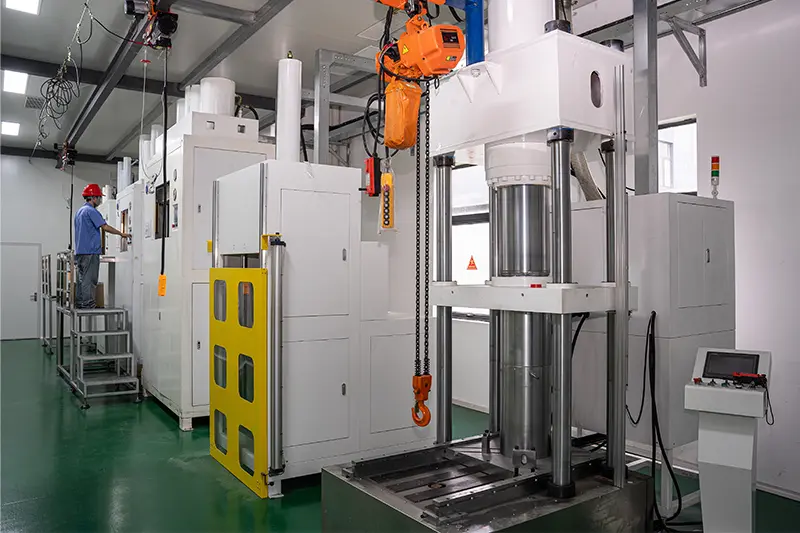
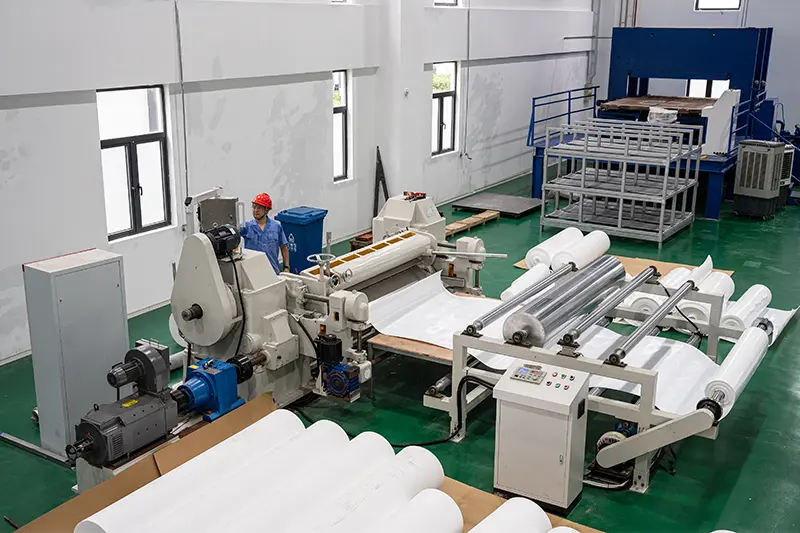
100% Virgin Resin Material — no regrind, no recycled material. Consistent quality, batch after batch.
Full Traceability — Every batch traceable from raw material to finished product. Material certificates available on request.
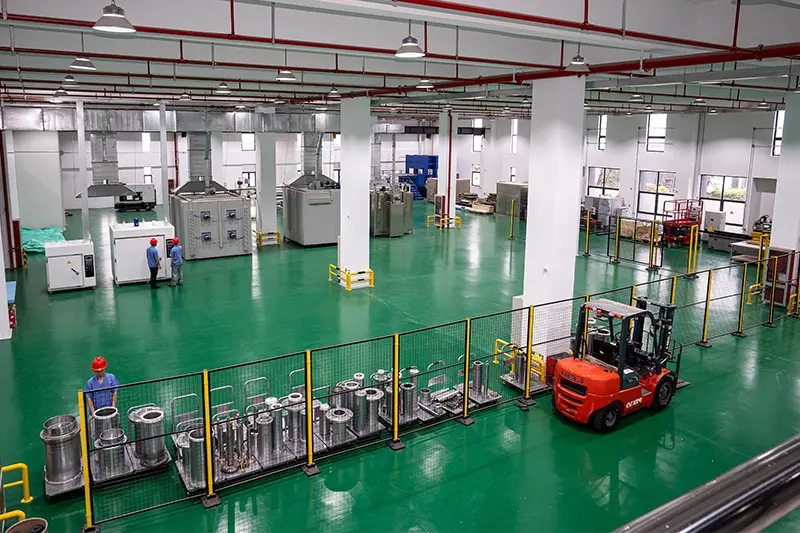
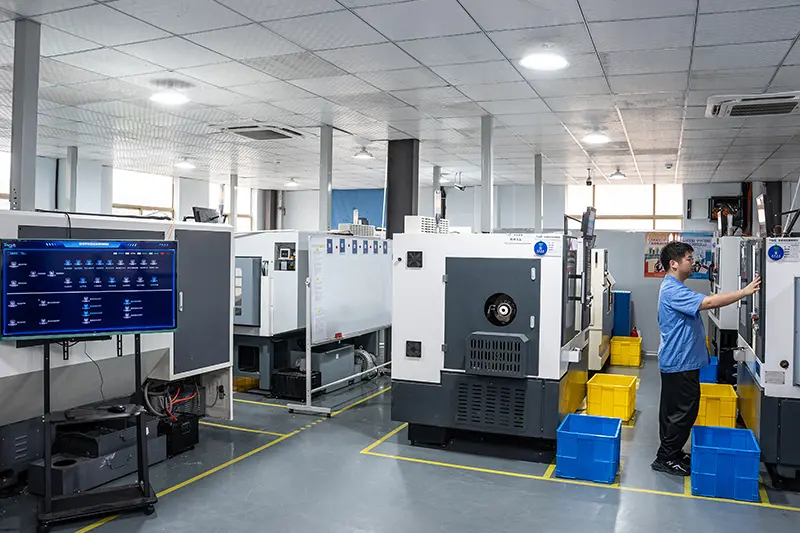
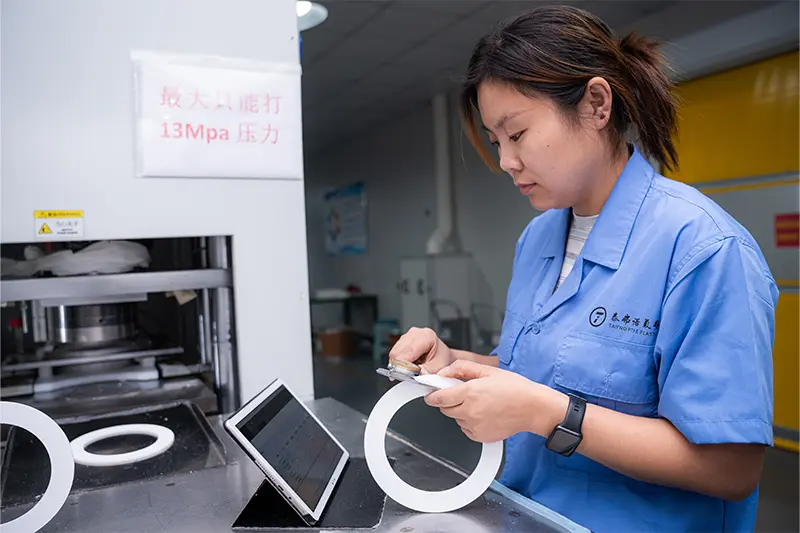
Precision Machining — Seats precision-machined to tight tolerances (±0.1mm accuracy) using CNC lathes.
ISO 9001 Certified — Manufacturing processes certified under ISO quality management systems.
FDA-Compliant Grades Available — Virgin PTFE grades meet FDA 21 CFR 177.1550 requirements.
Custom Design Support — Engineering support to optimize seat geometry for your specific valve design.


A: The sealing component where the ball, disc, or plug meets the valve body. PTFE provides universal chemical resistance, low friction, and Class VI bubble-tight shut-off.
Replace when you see: leakage through the closed valve, higher than normal operating torque, visible wear or scoring, or after extended service in demanding conditions.
If you are unsure, send us a photo and your valve specs, we will help you diagnose.
A: Three questions to ask yourself:
Is your media clean or abrasive? Clean → Virgin PTFE. Abrasive → Glass-filled.
Is temperature high or do you need heat dissipation? → Carbon-filled.
Is permeation a concern or do you need the longest life? → TFM™ modified.
Quick rule: Virgin PTFE for purity and FDA compliance. Filled PTFE for strength, wear resistance, and long life.
Send us your media, temperature, pressure, we recommend the right grade in one reply.
A: Temperature: -180°C to +200°C.
Pressure: up to 414 bar, varies by grade and design.
Chemical limits:
Glass-filled: Not for HF or strong alkali
Carbon-filled: Not for strong oxidizers
Virgin PTFE & TFM™: Not for molten alkali metals or fluorine gas
Most common mistake: Over-compression. PTFE requires precise seating force. Too much compression damages the seat; too little causes leakage.
Address
No.1028, Qiersan Street, Andong Town, Cixi City, Zhejiang Province, China
Tel