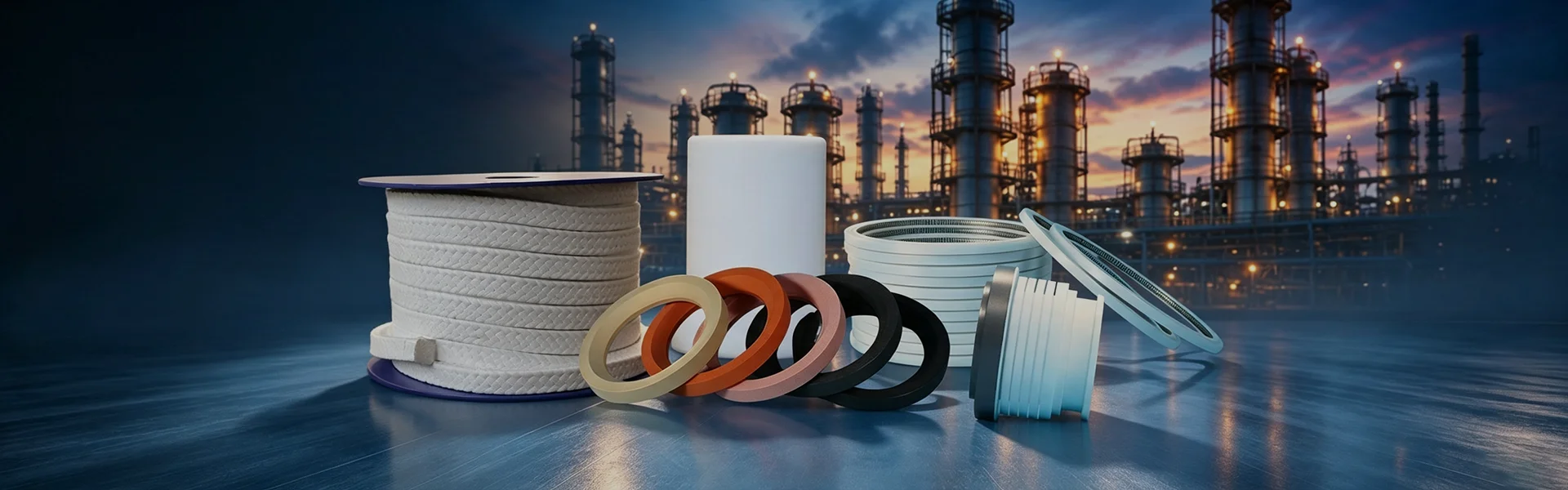
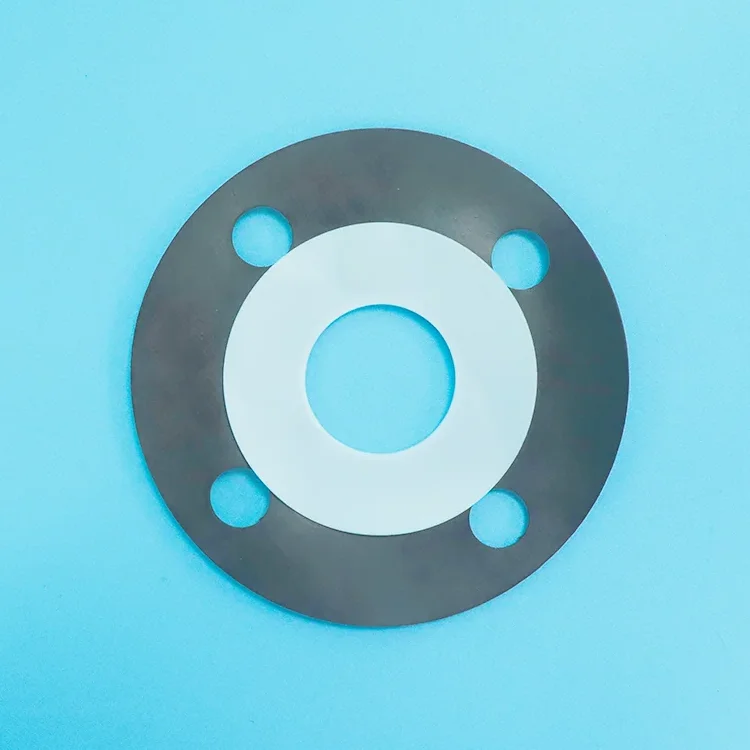
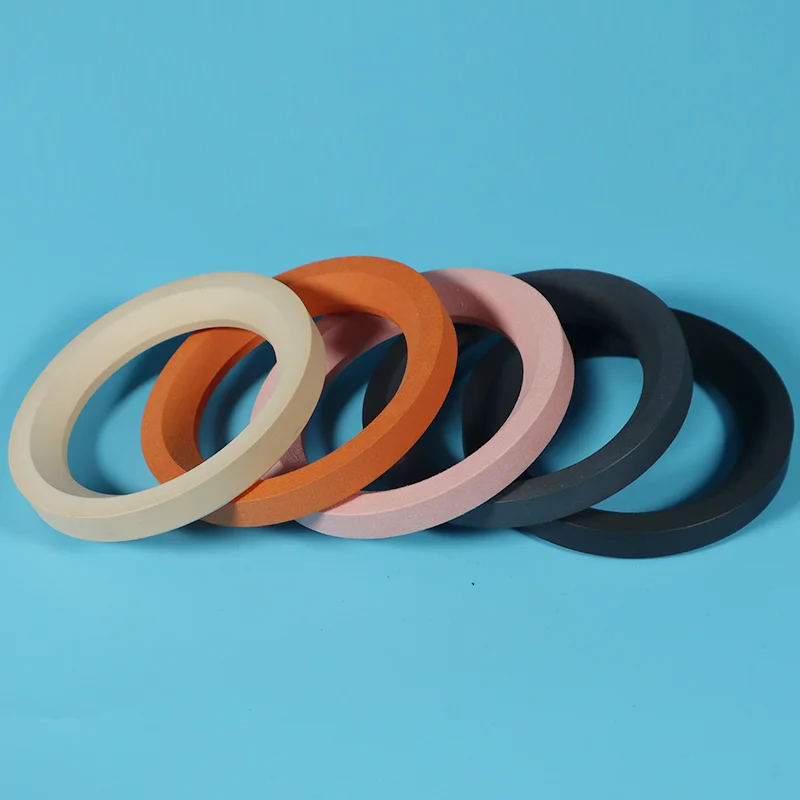
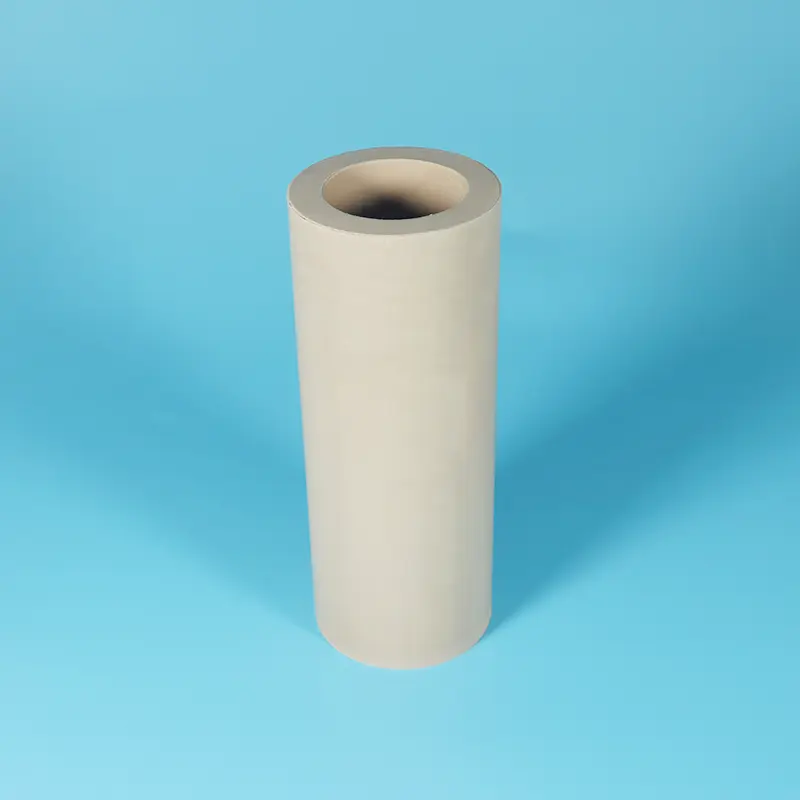
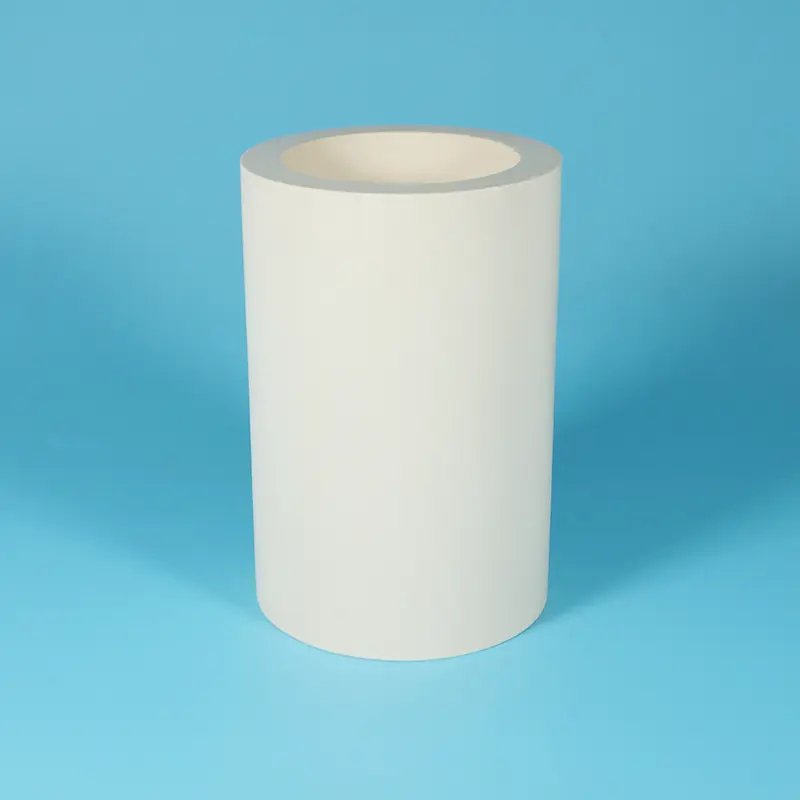
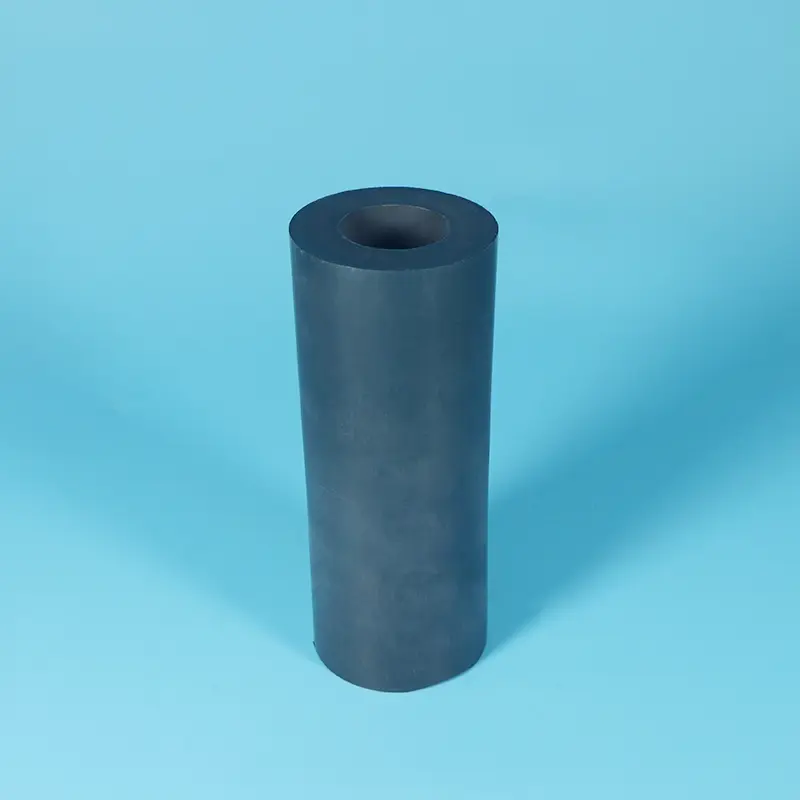
As a professional manufacturer and supplier of PTFE products, Taifno offers modified PTFE tubes and rods; by incorporating reinforcing fillers, these products significantly enhance mechanical strength, wear resistance, and thermal properties compared to standard PTFE.
What Is Modified PTFE Tube and Rod?
Modified PTFE tube and rod are engineered by adding reinforcing fillers, such as carbon fiber, glass fiber, graphite, MoS₂, bronze, or PPL, to PTFE resin during compounding. These fillers significantly enhance mechanical properties while retaining PTFE's universal chemical resistance and low friction characteristics.
The upgrade based on virgin PTFE:
|
Property
|
Virgin PTFE
|
Modified PTFE
|
Customer Value
|
|
Creep Resistance
|
★★☆☆☆ Poor
|
★★★★☆
Significantly improved
|
Maintains dimensional stability under pressure, fewer leaks
|
|
Wear Resistance
|
★★☆☆☆
Poor
|
★★★★★
Enhanced
|
3-5x longer service life in abrasive conditions
|
|
Mechanical Strength
|
★★★☆☆
Moderate
|
★★★★☆
Increased
|
Suitable for higher loads and pressures
|
|
Temperature Range
|
-180°C to +200°C
|
-180°C to +260°C
|
High-temperature capability
|
Why Modify PTFE?
Pure PTFE is soft and prone to cold flow (creep) under sustained load, leading to deformation and leakage
Fillers provide structural reinforcement, reducing creep and improving dimensional stability
Different fillers target different performance requirements, wear resistance, thermal conductivity, or lubricity
Operating temperature can be extended from +200°C up to +330°C with certain fillers (such as PPL-filled grades)
Forms Available
Modified PTFE Tube (Hollow): Available in various diameters and wall thicknesses, extruded or molded
Modified PTFE Rod (Solid): Available in extruded rods (up to 1000mm+ length) and molded rods (up to 600mm+ diameter)
Filled PTFE compounds: Glass-filled, carbon-filled, graphite-filled, MoS₂-filled, bronze-filled, PPL-filled
Filler Grade Options
Modified PTFE compounds are available with a wide range of fillers, each engineered for specific performance requirements:
|
Filler Grade
|
Content
|
Key Benefit
|
Best For
|
Chemical Limit
|
Color
|
|
Carbon-Filled
|
15-35%
|
Thermal conductivity, low friction, anti-static
|
High speed, heat dissipation, dry running
|
Not for strong oxidizers
|
Black
|
|
Glass-Filled
|
15-25%
|
3-5x wear resistance, increased strength, reduced creep
|
Abrasive media, high load, valve seats
|
Not for HF or strong alkali
|
Off-white/Gray
|
|
Graphite-Filled
|
15-25%
|
Reduced friction, thermal conductivity
|
Bearings, dynamic seals, sliding applications
|
Not for strong oxidizers
|
Black
|
|
MoS₂-Filled
|
Up to 5%
|
Enhanced lubricity, low friction
|
Sticky media, low torque operation
|
Not for oxidizing acids
|
Dark gray
|
|
Bronze-Filled
|
40-60%
|
Highest strength and wear resistance
|
Extreme pressure, heavy load, severe wear
|
Not for acids or salt water
|
Gray-brown
|
|
PPL-Filled (Polyphenylene)
|
—
|
High temperature resistance (up to +330°C)
|
High-temperature applications above +260°C
|
—
|
Dark brown/Black
|
PPL (Polyphenylene) Modified PTFE: PPL is an aromatic polyester-based heat-resistant polymer with a decomposition temperature of 530°C and long-term service up to 300-315°C. PPL-filled PTFE compounds can operate at temperatures where standard PTFE softens and deforms.
Key Properties
Performance Comparison — Pure vs Modified PTFE
|
Property
|
Pure PTFE
|
Glass-Filled
|
Carbon-Filled
|
Bronze-Filled
|
PPL-Filled
|
|
Temperature Range
|
-180°C to +200°C
|
-180°C to +220°C
|
-180°C to +220°C
|
-180°C to +230°C
|
-190°C to +260°C
|
|
Creep Resistance
|
★★☆☆☆
|
★★★★☆
|
★★★★☆
|
★★★★★
|
★★★★☆
|
|
Wear Resistance
|
★★☆☆☆
|
★★★★★
|
★★★★☆
|
★★★★★
|
★★★★☆
|
|
Thermal Conductivity
|
★★☆☆☆
|
★★★☆☆
|
★★★★★
|
★★★★☆
|
★★★☆☆
|
|
Friction
|
★★★★★
|
★★★★☆
|
★★★★☆
|
★★★☆☆
|
★★★★☆
|
|
Chemical Resistance
|
pH 0-14
|
pH 0-14 (not for HF/alkali)
|
pH 0-14 (not for oxidizers)
|
pH 0-14 (not for acids/salt)
|
pH 0-14
|
General Material Data
|
Property
|
Typical Value
|
Source
|
|
Temperature Range (Carbon/Glass/Bronze)
|
-180°C to +200°C (long-term)
|
|
|
Temperature Range (PPL-Filled)
|
-190°C to +260°C
|
|
|
Pressure Rating
|
Up to 8.0 MPa
|
|
|
Density
|
2.2-3.5 g/cm³ (varies by filler)
|
—
|
|
Tensile Strength
|
18-40 MPa (higher than virgin PTFE)
|
|
|
Elongation
|
Reduced compared to virgin PTFE
|
—
|
Manufacturing Processes
|
Process
|
Best For
|
Diameter Range
|
Key Features
|
|
Extruded Rod/Tube
|
Uniform sections, long lengths
|
Rod: up to 100mm; Tube: various
|
Consistent diameter, up to 1000mm+ length
|
|
Molded Rod/Tube
|
Large diameters, custom sizes
|
Rod: up to 600mm+; Tube: up to 600mm+
|
Custom diameters, thick walls
|
|
Compression Molding
|
Complex shapes, filled compounds
|
Various
|
Uniform filler dispersion, high density
|
Manufacturing Notes
Modified PTFE compounds are produced by blending fillers with PTFE resin, then molding or extruding
Extruded rods are available in lengths up to 1000mm+
Molded rods and tubes can be produced in diameters up to 600mm+ depending on filler type
Modified PTFE products show significantly improved mechanical properties over pure PTFE
Product Applications
Primary Industries
|
Industry
|
Application
|
Recommended Grade
|
|
Chemical Processing
|
Valve seats, pump components, pipe linings, abrasive and corrosive media
|
Glass-filled or Carbon-filled
|
|
Mechanical Engineering
|
Bearings, bushings, wear strips, sliding components
|
Bronze-filled or Graphite-filled
|
|
High-Temperature Service
|
Seals, valve components, applications above +260°C
|
PPL-filled
|
|
Electrical & Electronics
|
Insulation parts, connectors, high-frequency components
|
Carbon-filled (anti-static)
|
|
Oil and Gas
|
Valve seats, seals, piston rings, high pressure, H₂S
|
Glass-filled or Carbon-filled
|
|
Semiconductor
|
High-purity chemical distribution
|
Carbon-filled (conductive)
|
|
High-Speed Machinery
|
Bushings, bearings, heat dissipation required
|
Carbon-filled or Graphite-filled
|
Typical Applications of Modified PTFE Tube
Corrosive fluid transfer lines requiring higher mechanical strength
Chemical injection lines in oil and gas
Convoluted tubing for flexible connection
Heavy-duty pipe linings for abrasive media
High-temperature fluid handling systems (PPL-filled)
Typical Applications of Modified PTFE Rod
Valve seats (ball valve, butterfly valve, plug valve): glass-filled for wear resistance
Piston rings and back-up rings: carbon-filled for low friction
Bearings and bushings: bronze-filled for extreme pressure; graphite-filled for low friction
Custom machined parts: any shape requiring enhanced mechanical properties
Compressor rings and guide rings: carbon-filled for heat dissipation
High-temperature seals and components: PPL-filled
Comparison Between Pure vs Modified PTFE Tube and Rod
|
Feature
|
Pure PTFE
|
Modified PTFE
|
Why Upgrade
|
|
Mechanical Strength
|
Lower
|
Higher
|
Handles higher pressures and loads
|
|
Creep Resistance
|
Poor, cold flow under load
|
Significantly improved
|
Maintains dimensional stability over time
|
|
Wear Resistance
|
Low
|
Enhanced, 3-5x longer life
|
Longer service life in abrasive conditions
|
|
Temperature Capability
|
Up to +200°C
|
Up to +260°C (PPL-filled)
|
Extended high-temperature service
|
|
Thermal Conductivity
|
Low
|
Improved (Carbon/Graphite)
|
Better heat dissipation
|
|
Chemical Resistance
|
pH 0-14
|
pH 0-14 (filler dependent)
|
Some chemical limitations based on filler
|
|
Friction
|
Lowest
|
Slightly higher (varies by filler)
|
Still self-lubricating
|
|
Cost
|
$
|
$$-$$$
|
Higher performance justifies higher cost
|
Quick Selection Guide
|
If Your Application Is...
|
Choose...
|
Why
|
|
High temperature (+260°C to +330°C)
|
PPL-Filled
|
Extended temperature capability
|
|
Abrasive media, high wear
|
Glass-Filled
|
3-5x longer life in abrasives
|
|
High speed, heat dissipation
|
Carbon-Filled
|
Thermal conductivity + low friction
|
|
Extreme pressure, heavy load
|
Bronze-Filled
|
Highest strength and wear resistance
|
|
Sticky media, low torque
|
MoS₂-Filled
|
Enhanced lubricity
|
|
General demanding service
|
Glass or Carbon-Filled
|
Broad performance improvement
|
|
High purity, FDA applications
|
Pure PTFE
|
No fillers to limit chemical resistance
|
Technical Specifications
Modified PTFE Tube Properties
|
Parameter
|
Value
|
Source
|
|
Temperature Range (Carbon/Glass/Bronze)
|
-180°C to +200°C (long-term)
|
|
|
Temperature Range (PPL-Filled)
|
-190°C to +260°C
|
|
|
Pressure Rating
|
Up to 8.0 MPa
|
|
|
Available Diameters
|
1mm to 600mm+
|
—
|
|
Standard Lengths
|
1000mm (extruded), 100-600mm (molded)
|
—
|
|
Wall Thickness
|
0.1mm to 50mm (depending on diameter)
|
—
|
|
Material
|
PTFE + filler (Glass/Carbon/Graphite/Bronze/MoS₂/PPL)
|
—
|
|
Color
|
Varies by filler (black, gray, off-white, gray-brown)
|
—
|
Modified PTFE Rod Properties
|
Parameter
|
Value
|
Source
|
|
Temperature Range (Carbon/Glass/Bronze)
|
-180°C to +200°C (long-term)
|
|
|
Temperature Range (PPL-Filled)
|
-190°C to +260°C
|
|
|
Available Diameters
|
1mm to 600mm+
|
—
|
|
Standard Lengths
|
1000mm+ (extruded), 100-600mm (molded)
|
—
|
|
Diameter Tolerance
|
±0.05mm (precision); ±0.3mm to ±1.0mm (standard)
|
—
|
|
Material
|
PTFE + filler (Glass/Carbon/Graphite/Bronze/MoS₂/PPL)
|
—
|
|
Color
|
Varies by filler
|
—
|
Quality Assurance
100% Virgin PTFE Resin: no regrind, no recycled material. Consistent quality, batch after batch
Premium Fillers: High-quality glass, carbon, graphite, bronze, MoS₂, and PPL fillers from certified suppliers
Uniform Filler Dispersion: Advanced compounding ensures consistent properties throughout
Precision Manufacturing: Advanced extrusion and molding processes for consistent dimensions
Full Traceability: Every batch traceable from raw material to finished product. Material certificates available on request
Custom Sizes: Custom diameters, lengths, and filler blends available on request
Lead Time: Standard sizes in stock (24-48 hours); custom sizes 5-15 days depending on complexity and quantity
FAQ
Q: Modified PTFE vs. pure PTFE, when should I upgrade?
A: Upgrade to modified PTFE when pure PTFE fails in your service under high pressure, abrasive media, or thermal cycling or when creep deformation causes leakage.
Pure PTFE works well for clean chemicals, smooth flanges, low pressure (<30 bar), and FDA applications.
Modified PTFE provides 3-5x longer service life in demanding services, a higher upfront cost, and a lower total cost.
Quick rule:
Need chemical resistance only → Pure PTFE.
Need chemical resistance + mechanical strength → Modified PTFE.
Q: Carbon-filled vs. glass-filled vs. bronze-filled PTFE, which one fits my application?
A: Carbon-filled: Best for high speed, heat dissipation, anti-static applications, thermal conductivity, and low friction.
Glass-filled: Best for abrasive media, high load, and valve seats, wear resistance and strength.
Bronze-filled: Best for extreme pressure, heavy loads, and severe wear; highest strength and wear resistance.
PPL-filled: Best for high-temperature applications above +260°C, extends service to +330°C.
Quick rule:
Heat/speed → Carbon.
Abrasives → Glass.
Extreme load → Bronze.
High temperature → PPL.
Q: What are the limits of modified PTFE tube and rod, and what are the most common mistakes?
A: Temperature: Carbon/Glass/Bronze grades are -180°C to +200°C. PPL grades are -190°C to +330°C.
Pressure: Up to 8.0 MPa.
Chemical: pH 0-14, but fillers have specific limits:
Glass-filled: not for HF or strong alkali.
Carbon-filled: not for strong oxidizers.
Bronze-filled: not for acids or salt water.
Three common mistakes:
(1) Using the wrong filler for your media: verify chemical compatibility before selection.
(2) Exceeding temperature limits: fillers do not extend the PTFE matrix beyond its limits; PPL extends overall compound performance.
(3) Expecting the same flexibility as pure PTFE: modified PTFE is stiffer and less flexible. Design accordingly.