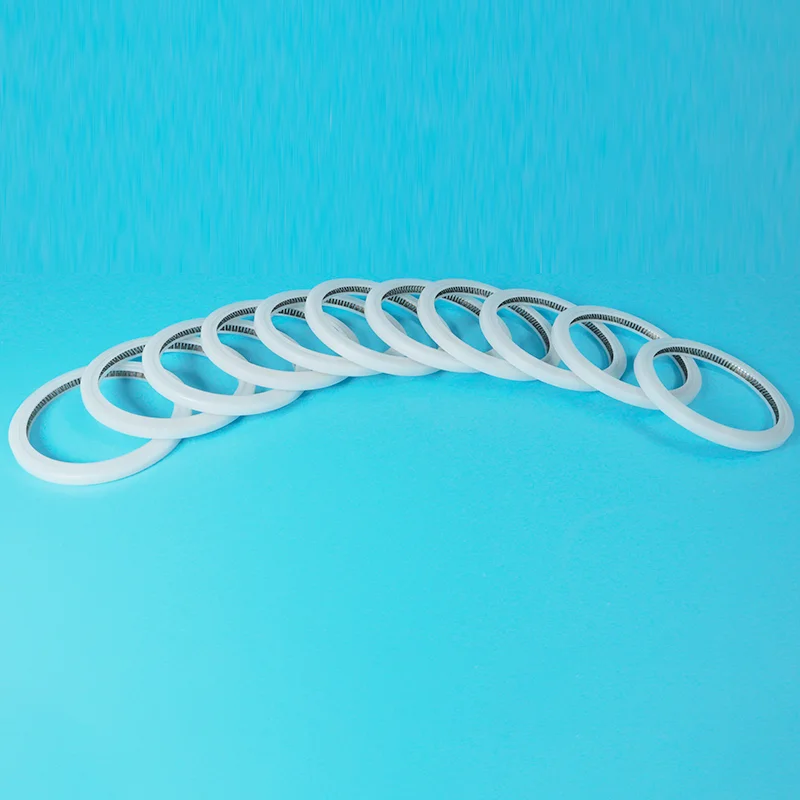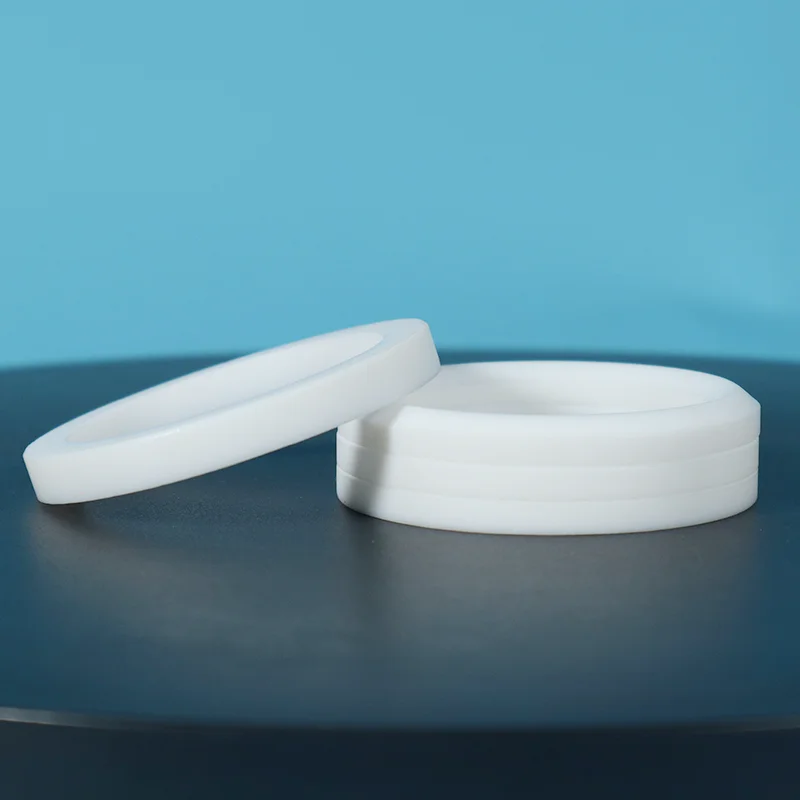
A V-Type Spring Energized Seal is designed to maintain reliable sealing performance when conventional elastomer seals struggle with pressure, temperature, chemical exposure, low-speed operation, or long periods of inactivity. Its V-shaped sealing profile works together with an internal spring energizer to maintain contact against the mating surface. This design can provide stable sealing performance across a broad range of industrial operating conditions.
This article explains how V-Type Spring Energized Seals work, why spring energization matters, how material and spring selection affect service life, where these seals are commonly used, and how to avoid common installation and operating problems. It also provides a practical comparison table and troubleshooting checklist for engineers, maintenance teams, equipment manufacturers, and industrial buyers.
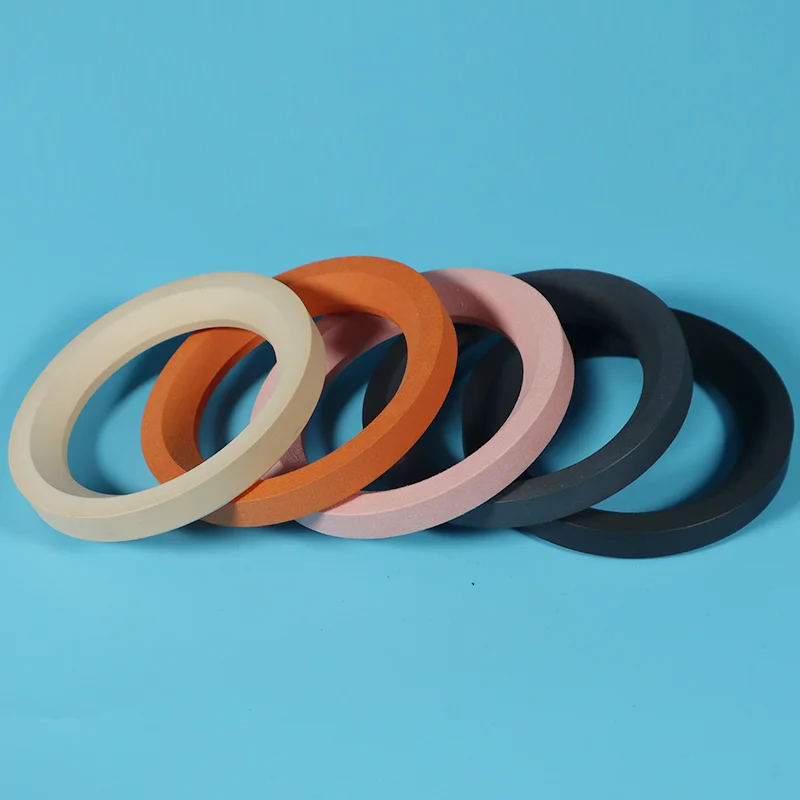
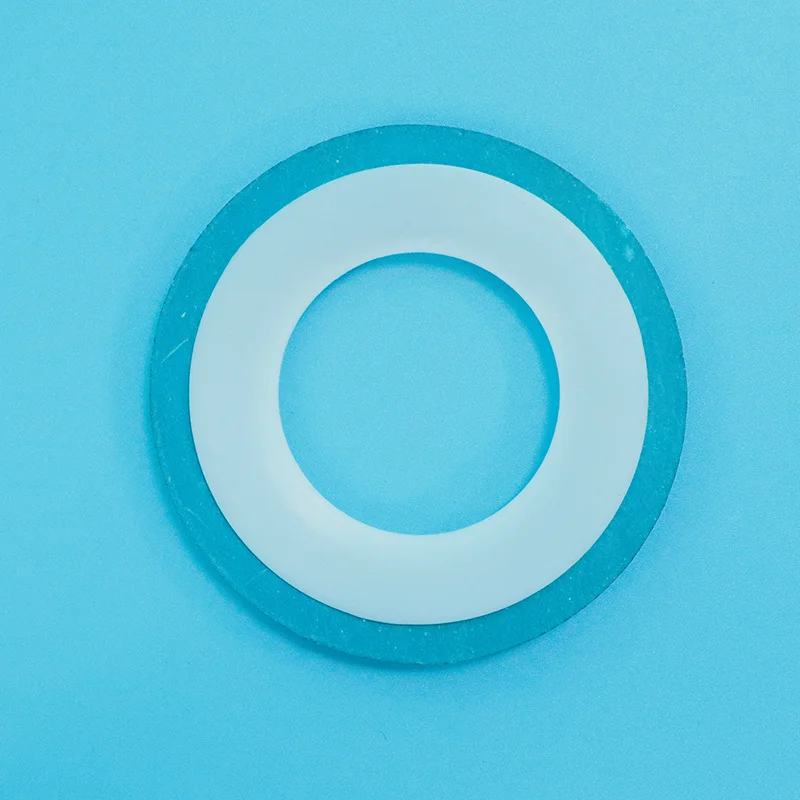
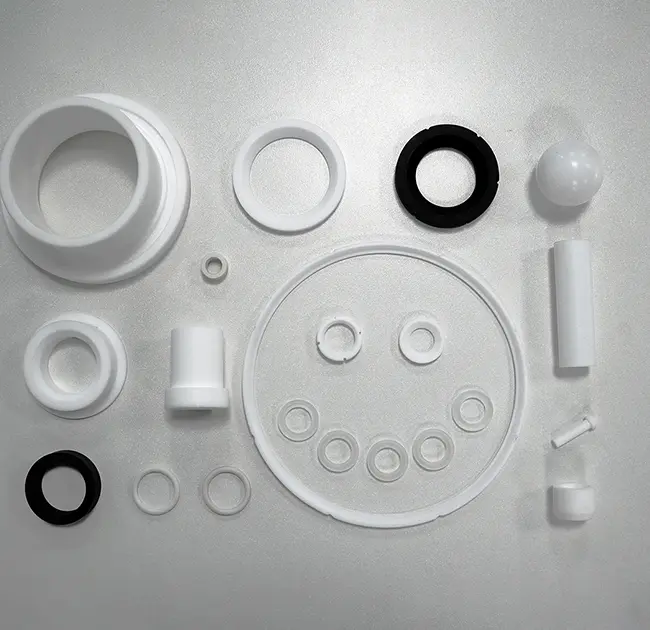
A V-Type Spring Energized Seal is a precision sealing component that combines a V-shaped sealing profile with a spring element. The seal is typically manufactured from a high-performance polymer such as PTFE or a modified PTFE compound, while the spring provides continuous radial or axial loading against the sealing surface.
Unlike a conventional elastomer seal that relies largely on its own elasticity to maintain sealing contact, a spring energized seal uses an independent energizing mechanism. This makes the design particularly useful when the sealing material has limited elasticity or when the equipment operates under demanding thermal, chemical, or mechanical conditions.
The V-shaped profile can also be engineered to control contact pressure and accommodate specific installation geometries. Depending on the application, the seal may be designed for static sealing, reciprocating movement, rotary movement, or specialized pressure conditions.
The spring is one of the most important functional elements of the sealing system. When the seal is installed, the spring generates an initial contact force between the sealing lip and the mating surface. This force helps close small gaps and maintain contact before system pressure is fully established.
When internal system pressure increases, pressure can act on the seal profile and improve the contact force in the sealing area. This combination of spring force and system pressure allows the seal to maintain a stable sealing interface across changing operating conditions.
Spring configuration should be selected according to the application. Different spring designs can provide different load characteristics, friction behavior, and resistance to chemical or thermal environments.
The geometry of a V-Type Spring Energized Seal directly influences how the sealing force is distributed. A well-designed profile can create controlled contact along the sealing surface without generating unnecessary friction.
This balance is especially important in dynamic applications. Excessive contact pressure can increase friction and heat generation, while insufficient contact pressure may result in leakage. The V-shaped structure provides a useful foundation for tailoring the sealing profile to the equipment's operating requirements.
| Design Feature | Functional Role | Potential Benefit |
|---|---|---|
| V-shaped profile | Controls sealing contact | Balanced sealing force |
| Spring energizer | Maintains contact pressure | Improved low-pressure sealing |
| Polymer jacket | Separates the medium from the hardware | Chemical and temperature resistance |
Spring energized seals are often selected when a conventional elastomer seal cannot provide the required combination of chemical resistance, temperature capability, low friction, and dimensional stability.
PTFE-based materials can provide excellent resistance to many aggressive chemicals and process fluids.
Specialized polymer compounds can support applications involving elevated or rapidly changing temperatures.
Properly selected PTFE compounds can reduce friction and wear in dynamic sealing systems.
The spring compensates for certain changes in sealing contact as the seal operates over time.
These advantages do not mean every spring energized seal is suitable for every environment. Correct material selection, groove design, surface finish, pressure rating, temperature range, and installation are equally important.
Material selection should begin with the actual operating conditions rather than the seal shape alone. The polymer jacket must withstand the process medium, temperature, pressure, friction, and expected movement.
| Material | Typical Strength | Common Considerations |
|---|---|---|
| Virgin PTFE | Excellent chemical resistance and low friction | May require reinforcement for demanding wear conditions |
| Carbon-Filled PTFE | Improved wear and dimensional stability | Compound compatibility should be checked carefully |
| Glass-Filled PTFE | Improved compression and wear characteristics | May increase mating-surface wear in some dynamic systems |
| PEEK-Based Compounds | High mechanical and temperature performance | Higher material cost and application-specific processing |
The spring material also matters. Stainless steel, corrosion-resistant alloys, and other specialized spring materials may be considered depending on the chemical environment, temperature, and required fatigue resistance.
Selecting a seal by nominal size alone is one of the most common causes of poor sealing performance. Engineers should evaluate the complete operating environment.
The combination of polymer performance and spring energization allows V-Type Spring Energized Seals to serve a wide range of industrial applications.
In highly demanding applications, the seal should be validated under representative operating conditions rather than selected solely from a catalog description.
A conventional elastomer O-ring can be an economical and highly effective solution for many applications. However, spring energized designs become attractive when operating conditions exceed the practical capabilities of standard elastomer seals.
| Factor | Conventional Elastomer Seal | V-Type Spring Energized Seal |
|---|---|---|
| Elasticity | Relies strongly on elastomer properties | Spring provides additional energization |
| Chemical resistance | Depends strongly on elastomer type | Can be excellent with suitable PTFE compounds |
| Friction | Varies with material and lubrication | Can be low with appropriate polymer compounds |
| Temperature capability | Material dependent | High-temperature polymer options are available |
| Design flexibility | Standard profiles are widely available | Profiles, materials, and springs can be application-specific |
Even a high-quality V-Type Spring Energized Seal can fail prematurely if the installation process damages the sealing lip or places the seal under unsuitable mechanical stress.
For dynamic equipment, shaft or bore surface condition is particularly important. Scratches, excessive roughness, sharp machining marks, or contamination can create leakage paths and accelerate seal wear.
| Problem | Possible Cause | Recommended Check |
|---|---|---|
| Leakage | Wrong dimensions, damaged lip, insufficient energization | Check groove, seal profile, spring, and assembly |
| High friction | Excessive contact force, poor lubrication, unsuitable material | Review spring load, material, speed, and surface finish |
| Rapid wear | Rough mating surface or abrasive media | Inspect surface condition and material compatibility |
| Extrusion damage | Excessive clearance or pressure | Review pressure, gap, backup design, and seal material |
| Seal deformation | Incorrect installation or temperature exposure | Inspect assembly procedure and thermal conditions |
Choosing a supplier is about more than comparing unit prices. A dependable sealing partner should be able to understand the application, recommend appropriate materials, maintain dimensional consistency, and provide technical support when problems occur.
Ningbo Taifno PTFE Plastic Products Co., Ltd. focuses on PTFE-based sealing and plastic products and can provide application-oriented solutions for customers requiring customized sealing components. For industrial buyers, working directly with a manufacturer can simplify communication about materials, dimensions, profiles, and production requirements.
What is the primary function of a V-Type Spring Energized Seal?
Its primary function is to maintain a controlled sealing interface between two mating surfaces. The polymer jacket provides the sealing barrier while the spring supplies continuous energizing force.
Are V-Type Spring Energized Seals suitable for dynamic applications?
Yes. Depending on the profile, material, spring configuration, speed, pressure, and surface condition, they can be designed for reciprocating or rotary applications.
Why is PTFE commonly used for spring energized seals?
PTFE offers low friction and strong resistance to many chemicals. Different PTFE compounds can also be engineered to improve wear resistance, stiffness, and dimensional stability.
Can a V-Type Spring Energized Seal be customized?
Yes. Customization can include dimensions, sealing profile, polymer compound, spring material, spring configuration, and other application-specific requirements.
What information should I provide when requesting a seal quotation?
Provide seal dimensions, groove dimensions if available, operating pressure, temperature, movement type and speed, sealing medium, shaft or bore material, surface finish, and expected service conditions. Drawings or existing seal samples can also make the selection process more accurate.
What is the most common reason for premature seal failure?
Premature failure can result from incorrect sizing, incompatible materials, excessive clearance, poor surface finish, improper installation, unsuitable spring loading, or operating conditions beyond the design range.
A V-Type Spring Energized Seal can be a highly effective solution when an application requires controlled sealing force, low friction, chemical resistance, temperature resistance, and reliable performance under changing operating conditions. Its V-shaped sealing profile and spring energizer work together to maintain contact while accommodating the limitations of less elastic sealing materials.
However, the seal itself is only one part of the complete sealing system. Correct material selection, spring configuration, groove geometry, pressure, temperature, surface finish, clearance, installation, and operating speed all influence final performance.
For equipment manufacturers, maintenance teams, distributors, and industrial buyers, selecting the right V-Type Spring Energized Seal should therefore begin with the application requirements rather than simply choosing a standard size. A technically experienced manufacturer can help turn those operating parameters into a practical sealing solution.
Ningbo Taifno PTFE Plastic Products Co., Ltd. can support customers looking for PTFE sealing solutions, customized dimensions, and application-specific requirements. Share your drawing, dimensions, operating pressure, temperature, medium, and movement conditions with our team to discuss a suitable solution.
Contact us today to discuss your V-Type Spring Energized Seal requirements.