News

How Does Filled Modified PTFE Valve Seat Improve Industrial Valve Performance?

2026-08-31 0 Leave me a message

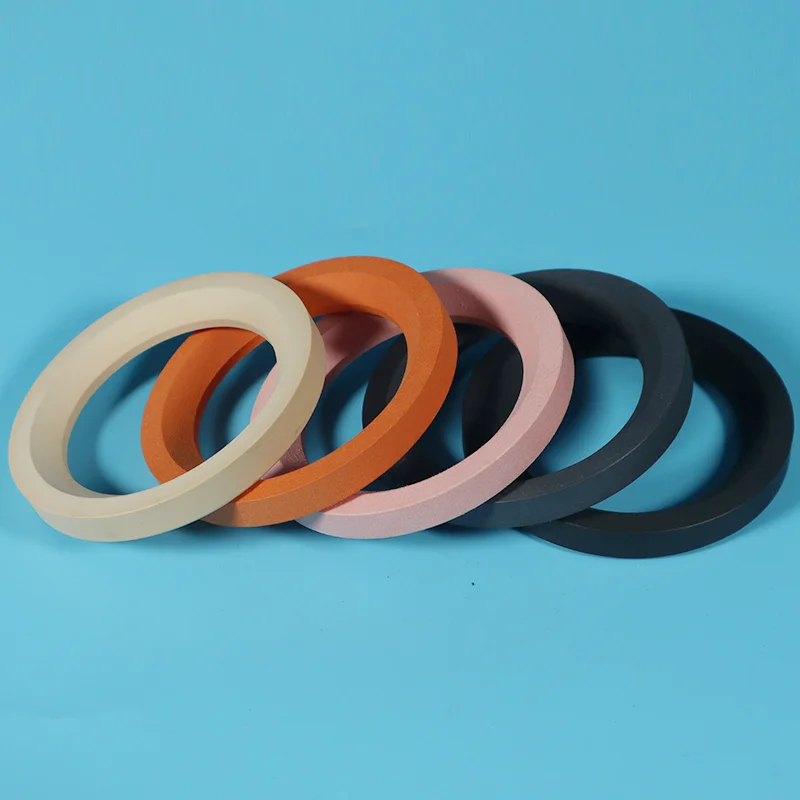
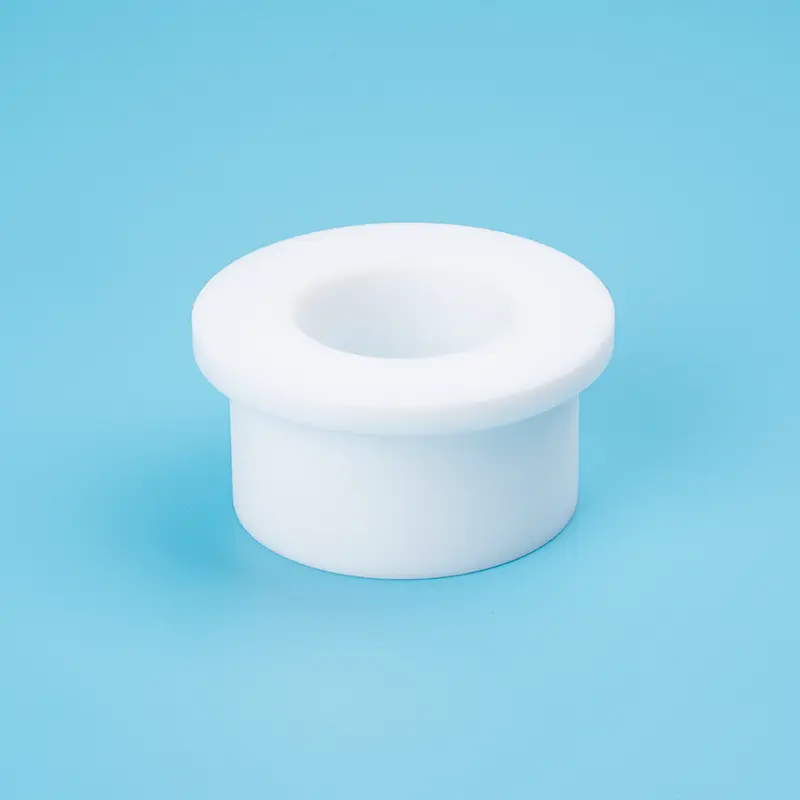
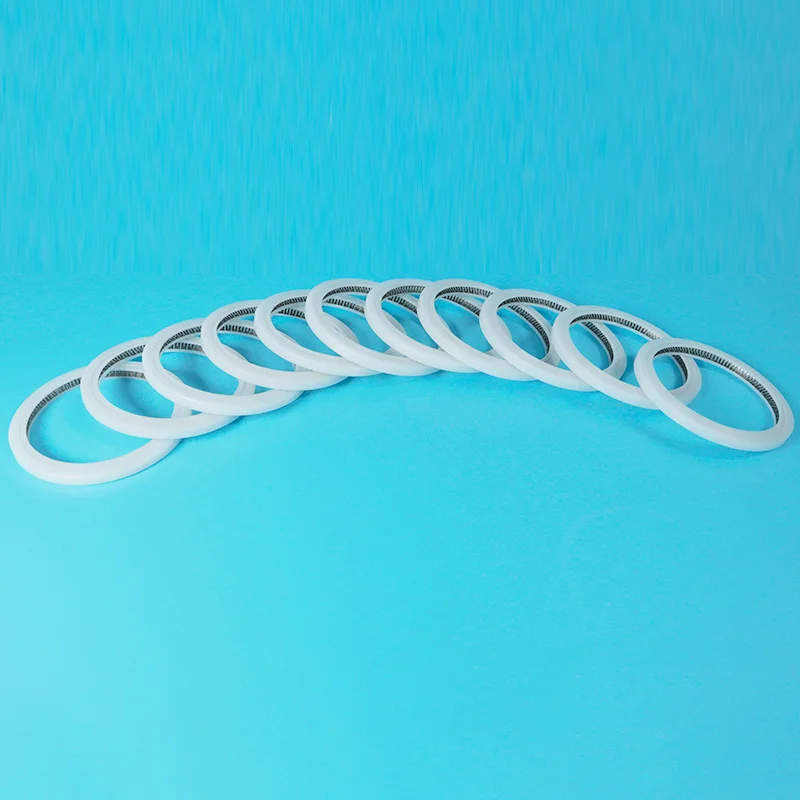
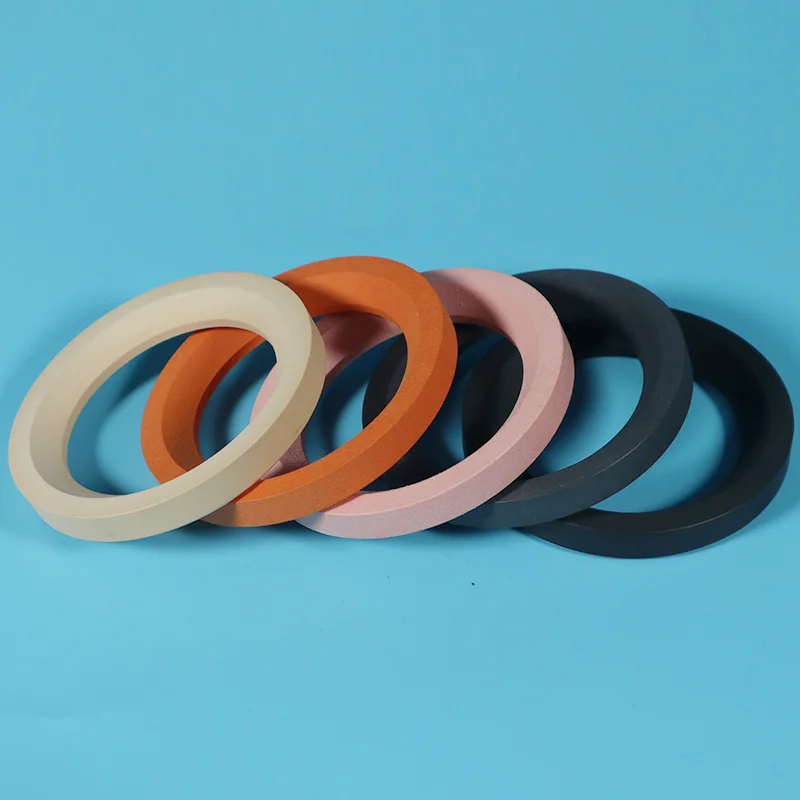
Filled Modified PTFE Valve Seat is an advanced sealing solution designed to overcome the limitations of traditional PTFE valve seats in demanding industrial applications. By incorporating carefully selected fillers and modification technologies, this material provides improved wear resistance, dimensional stability, load-bearing capacity, and chemical compatibility. This article explains how filled modified PTFE valve seats solve common valve sealing challenges, why they are important for modern industries, and how manufacturers can select the right solution for different operating environments.

Filled Modified PTFE Valve Seat


Table of Contents


Introduction: Why Valve Seat Material Matters

In modern industrial systems, valves are essential components responsible for controlling, regulating, and isolating fluid flow. Whether used in chemical processing plants, oil and gas systems, pharmaceutical equipment, or precision manufacturing lines, valves must maintain reliable sealing performance under complex working conditions.

Among all valve components, the valve seat plays a critical role because it directly affects leakage prevention, operating torque, durability, and overall equipment efficiency. A poor-quality valve seat can lead to fluid leakage, frequent maintenance, production interruptions, and increased operating costs.

Polytetrafluoroethylene (PTFE) has long been recognized as an excellent sealing material because of its outstanding chemical resistance, low friction coefficient, and wide temperature tolerance. However, pure PTFE also has certain limitations, including creep deformation, insufficient mechanical strength, and reduced wear resistance under high-pressure or high-frequency operation.

To address these challenges, filled modified PTFE valve seat technology was developed. By adding specific reinforcing materials into PTFE compounds, manufacturers can significantly improve mechanical properties while maintaining the excellent chemical stability of PTFE.

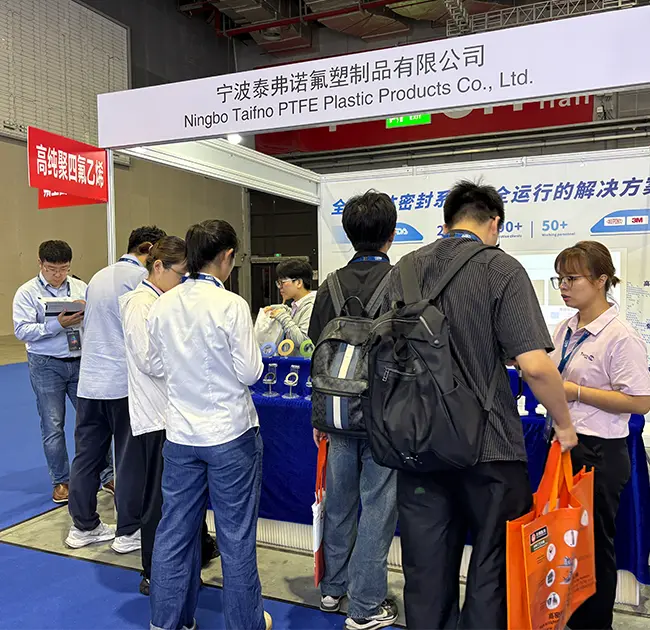
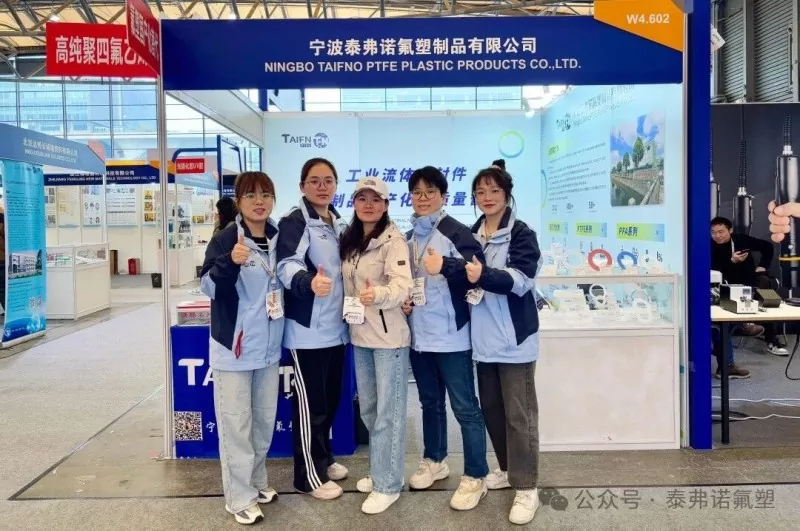
Ningbo Taifno PTFE Plastic Products Co., Ltd. focuses on developing high-performance PTFE products and customized solutions to help customers achieve longer-lasting and more reliable sealing performance in various industrial environments.


Common Problems with Traditional PTFE Valve Seats

Although traditional PTFE valve seats provide excellent chemical compatibility, many industries require higher performance because operating conditions are becoming increasingly demanding. Several common problems may appear during long-term operation.

Common Challenge Impact on Industrial Operation How Filled Modified PTFE Helps
Cold flow and creep deformation Loss of sealing accuracy after long-term pressure exposure Improved dimensional stability and compression resistance
High wear rate Shortened service life and frequent replacement Enhanced wear resistance through reinforcement materials
Low mechanical strength Limited performance in high-pressure applications Higher load-bearing capability
Thermal expansion Possible sealing failure under temperature changes Better thermal stability
High operating frequency Accelerated material fatigue Improved durability and reliability

For industries that require continuous production, even small sealing problems can create significant economic losses. Therefore, choosing a more advanced valve seat material is becoming increasingly important.


What Makes Filled Modified PTFE Valve Seat Different?

Filled Modified PTFE Valve Seat is produced by combining PTFE resin with carefully selected filler materials. These fillers modify the physical characteristics of PTFE while preserving its most valuable advantages, such as chemical resistance and low friction performance.

The modification process allows engineers to design valve seats according to different application requirements. Depending on the working environment, fillers may improve specific characteristics such as hardness, thermal conductivity, wear resistance, or dimensional stability.

Common modification materials include:

  • Glass fiber: Improves mechanical strength, dimensional stability, and wear resistance.
  • Carbon fiber: Enhances load capacity and reduces deformation under pressure.
  • Graphite: Provides better lubrication performance and wear resistance.
  • Bronze powder: Improves compression resistance and thermal conductivity.
  • Special composite fillers: Designed for customized industrial requirements.

Compared with standard PTFE materials, filled modified PTFE offers a more balanced performance profile, making it suitable for applications where conventional sealing materials cannot provide sufficient reliability.


Key Advantages of Filled Modified PTFE Valve Seat

The growing adoption of filled modified PTFE valve seats is mainly driven by their ability to solve practical industrial challenges. The following advantages make them a preferred choice for many valve manufacturers and end users.

1. Excellent Chemical Resistance

PTFE is naturally resistant to many corrosive chemicals, acids, solvents, and aggressive media. The addition of fillers maintains this chemical stability while improving mechanical performance. This makes filled modified PTFE valve seats suitable for harsh chemical environments where other materials may degrade quickly.

2. Improved Wear Resistance

Valve seats experience repeated friction during opening and closing operations. In automated systems with frequent cycling, wear resistance directly influences maintenance intervals.

Filled modified PTFE reduces material loss caused by friction, helping valves maintain stable sealing performance over a longer period.

3. Better Pressure Resistance

Pure PTFE may deform under continuous high pressure because of its relatively soft structure. Modified formulations increase stiffness and resistance to compression, allowing valve seats to perform more effectively in demanding pressure conditions.

4. Stable Performance Under Temperature Changes

Industrial valves often operate under fluctuating temperatures. Repeated heating and cooling cycles can cause expansion, contraction, and dimensional changes in sealing components. Filled modified PTFE valve seats provide improved dimensional stability, helping maintain accurate sealing performance even when temperatures vary.

This advantage is particularly valuable in industries where temperature control directly affects production quality, such as chemical processing, energy systems, and precision manufacturing.

5. Reduced Maintenance Costs

A longer service life means fewer shutdowns, fewer replacement operations, and lower maintenance expenses. By improving wear resistance and mechanical durability, filled modified PTFE valve seats help companies optimize operating efficiency and reduce total ownership costs.


Industrial Applications and Usage Effects

Filled modified PTFE valve seats are widely used in industries that require reliable sealing, corrosion resistance, and long-term stability. Their versatile performance allows them to meet different application requirements.

Industry Application Environment Main Benefits
Chemical Industry Corrosive chemicals, acids, solvents, and aggressive fluids Excellent corrosion resistance and stable sealing
Oil and Gas High pressure pipelines and processing equipment Improved pressure resistance and durability
Pharmaceutical Industry Clean production systems and precise fluid control Reliable sealing with low contamination risk
Food Processing Hygienic fluid handling systems Chemical stability and easy maintenance
Semiconductor Manufacturing Precision equipment requiring chemical resistance Stable performance in demanding environments
Automation Equipment High-frequency valve operation Longer operating life and reduced downtime

For example, in chemical processing systems where valves frequently contact aggressive media, ordinary sealing materials may experience swelling, degradation, or premature failure. Filled modified PTFE valve seats provide a dependable solution by combining PTFE's chemical resistance with enhanced mechanical properties.


How to Select the Right Filled Modified PTFE Valve Seat

Choosing the correct valve seat material requires careful consideration of operating conditions. A suitable solution should match the pressure, temperature, chemical medium, and mechanical requirements of the application.

  • Operating temperature: Confirm whether the material can maintain stability within the required temperature range.
  • Pressure conditions: Select a formulation with sufficient compression strength for high-pressure applications.
  • Chemical compatibility: Evaluate whether the valve seat can resist the specific media being controlled.
  • Operating frequency: Consider wear resistance requirements for valves with frequent cycling.
  • Valve design: Ensure the seat dimensions and tolerance meet the equipment specifications.
  • Customization requirements: Work with experienced manufacturers for special application needs.

A professional supplier can provide material recommendations based on actual operating conditions instead of offering a one-size-fits-all solution.


Filled Modified PTFE Valve Seat vs Traditional PTFE Valve Seat

Performance Feature Traditional PTFE Valve Seat Filled Modified PTFE Valve Seat
Chemical Resistance Excellent Excellent
Wear Resistance Moderate Higher due to reinforcement materials
Mechanical Strength Limited Improved structural strength
Compression Resistance Average Better performance under pressure
Dimensional Stability May experience creep More stable during long-term operation
Service Life Suitable for general applications Designed for demanding industrial environments

The choice between traditional PTFE and filled modified PTFE depends on the application requirements. For basic sealing conditions, standard PTFE may be sufficient. However, for industries demanding longer life, higher reliability, and improved mechanical performance, filled modified PTFE is often the better option.


Manufacturing Quality and Reliability Considerations

The performance of a filled modified PTFE valve seat depends not only on the material formula but also on manufacturing technology, processing accuracy, and quality control.

Reliable manufacturers focus on several important aspects:

  • Material formulation: Selecting suitable fillers according to application requirements.
  • Precision molding: Maintaining accurate dimensions for proper valve assembly.
  • Processing technology: Ensuring uniform filler distribution and consistent performance.
  • Quality inspection: Testing physical properties before delivery.
  • Customization capability: Supporting different valve structures and industrial requirements.

Ningbo Taifno PTFE Plastic Products Co., Ltd. provides professional PTFE material solutions with a focus on product reliability, customized manufacturing, and stable performance. The company works with customers to develop PTFE products suitable for different industrial applications.


Frequently Asked Questions

Q1: What is a Filled Modified PTFE Valve Seat?

A Filled Modified PTFE Valve Seat is a sealing component made from PTFE combined with reinforcing fillers. The modification improves properties such as wear resistance, mechanical strength, and dimensional stability while maintaining PTFE's excellent chemical resistance.

Q2: Why choose filled modified PTFE instead of standard PTFE?

Standard PTFE offers excellent chemical resistance but may have limitations in high-pressure, high-frequency, or heavy-load applications. Filled modified PTFE provides improved durability and better resistance to deformation.

Q3: What fillers are commonly used in modified PTFE valve seats?

Common fillers include glass fiber, carbon fiber, graphite, bronze powder, and other composite materials. Different fillers provide different performance improvements depending on application requirements.

Q4: Can filled modified PTFE valve seats be customized?

Yes. Manufacturers can adjust material formulations, dimensions, and processing methods according to valve designs, operating environments, and customer specifications.

Q5: Which industries use filled modified PTFE valve seats?

They are widely used in chemical processing, petroleum, natural gas, pharmaceutical equipment, food processing, semiconductor manufacturing, automation systems, and other industries requiring reliable sealing performance.

Q6: How can I choose the right PTFE valve seat supplier?

Customers should evaluate a supplier's material expertise, manufacturing capability, customization service, quality control system, and experience with similar industrial applications.


Contact Us for Customized PTFE Valve Seat Solutions

Selecting the right Filled Modified PTFE Valve Seat can significantly improve valve reliability, reduce maintenance requirements, and enhance equipment efficiency. A professional material partner can help you choose the most suitable PTFE formulation according to pressure, temperature, chemical media, and application conditions.

Ningbo Taifno PTFE Plastic Products Co., Ltd. specializes in high-quality PTFE products and customized sealing solutions for global industrial customers. With professional manufacturing experience and advanced material technology, the company is committed to providing durable and reliable PTFE solutions.

If you need customized Filled Modified PTFE Valve Seat products or professional technical support, please contact us today. Our team is ready to provide suitable solutions to meet your industrial sealing requirements.

Related News
Leave me a message
X
We use cookies to offer you a better browsing experience, analyze site traffic and personalize content. By using this site, you agree to our use of cookies. Privacy Policy
RejectAccept