
News

How Does a PTFE Packing Set Improve Sealing Performance in Demanding Applications?

2026-08-24 0 Leave me a message

A PTFE packing set is a precision sealing solution designed to control leakage around shafts, rods, plungers, valves, and other moving or static components. PTFE is widely valued for its low friction, excellent chemical resistance, non-stick characteristics, and broad service capability. However, the quality of the packing material alone does not determine sealing performance. Correct geometry, filler selection, compression, installation, shaft or stem condition, operating temperature, pressure, and maintenance practices all play important roles.

This guide explains the fundamentals of PTFE packing sets and provides practical information for engineers, maintenance teams, equipment manufacturers, distributors, and purchasing professionals who need reliable sealing performance. It also highlights common selection mistakes and shows how a properly engineered packing solution can help reduce leakage, wear, downtime, and maintenance costs.

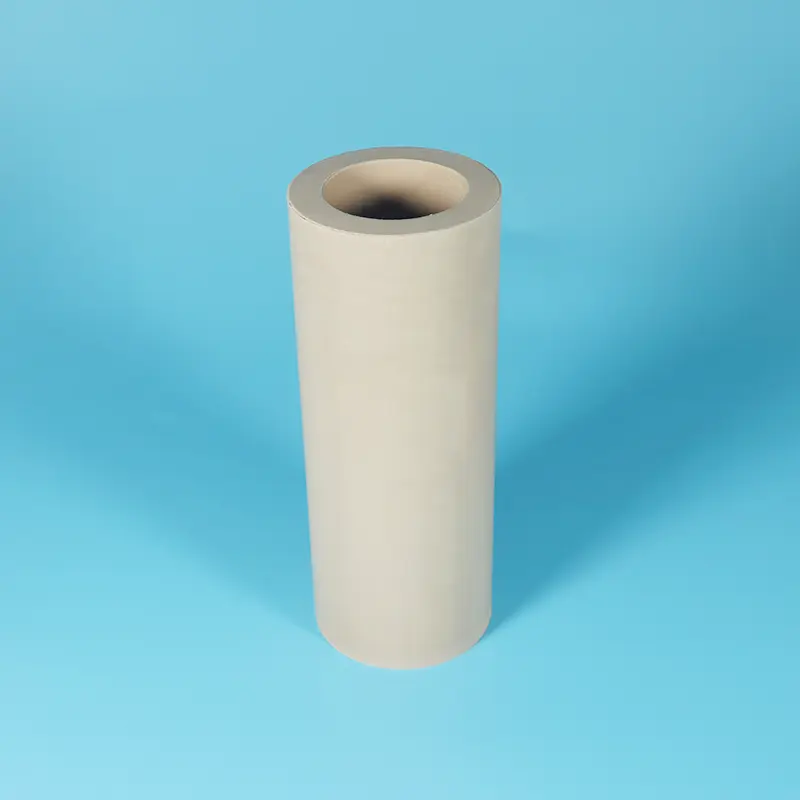
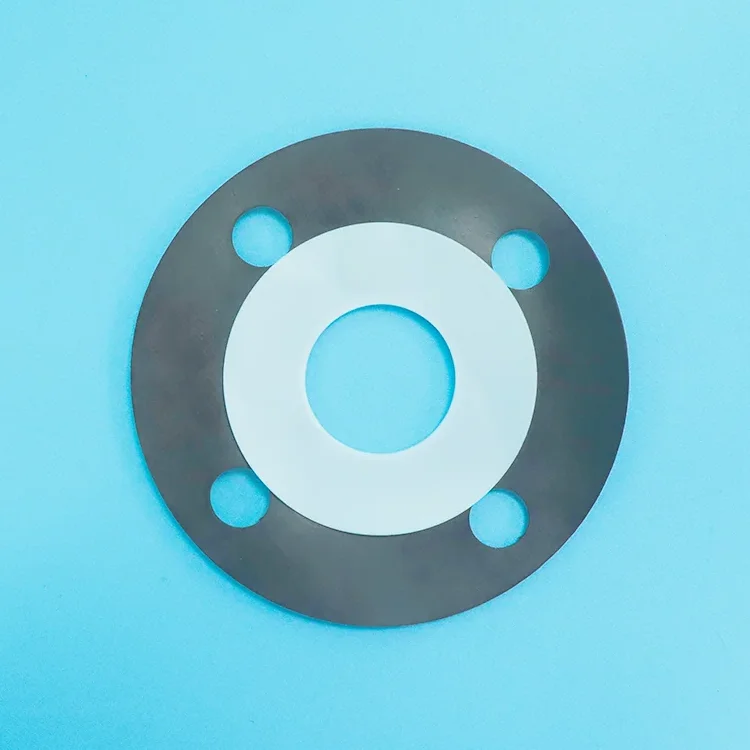
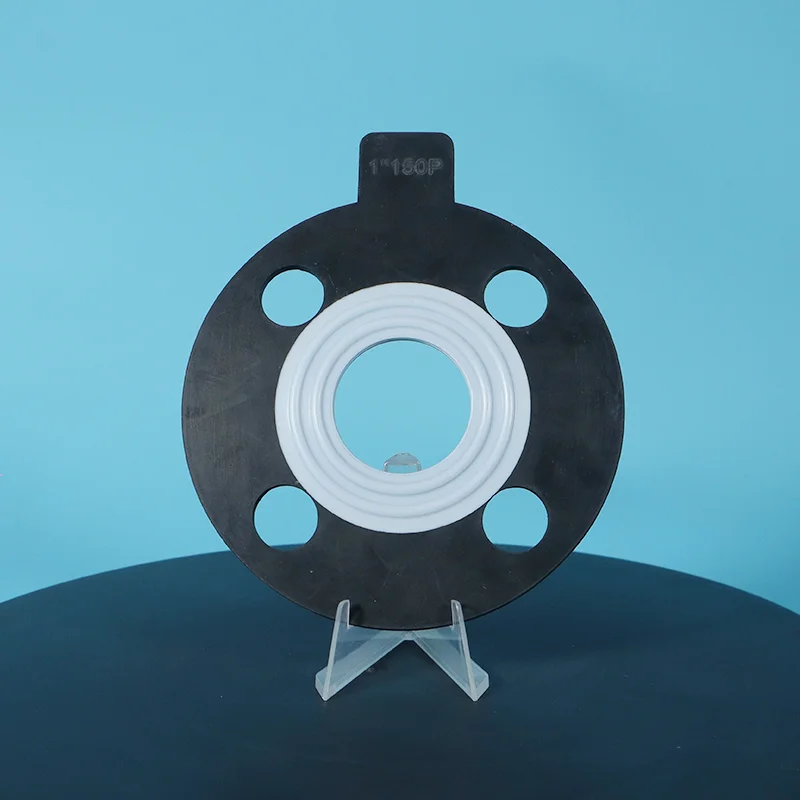
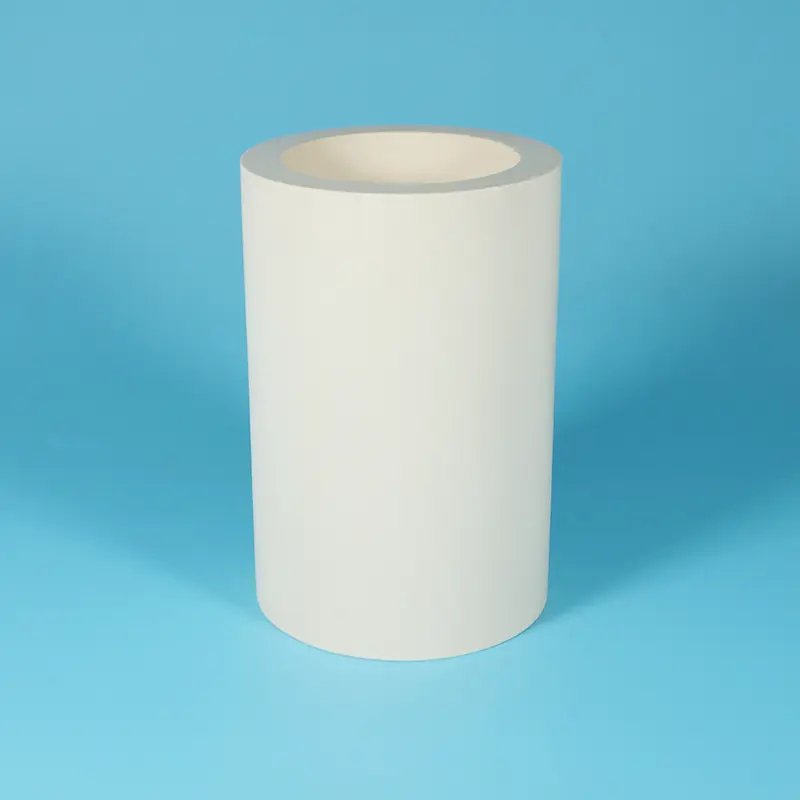
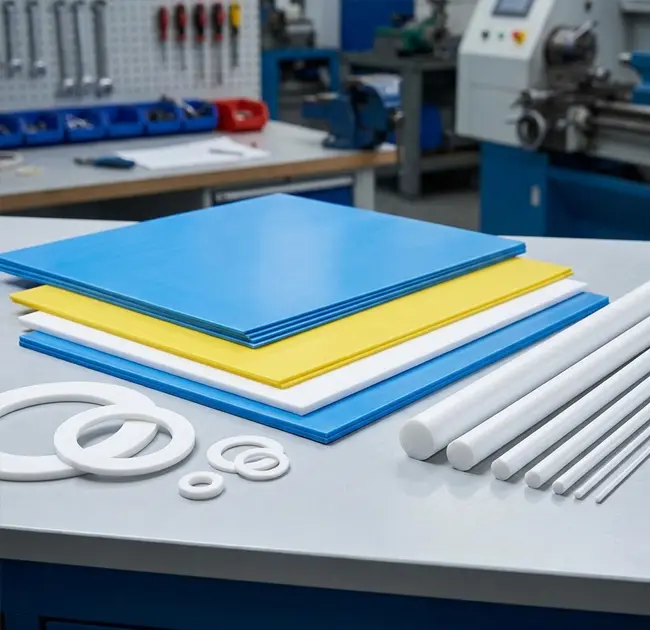
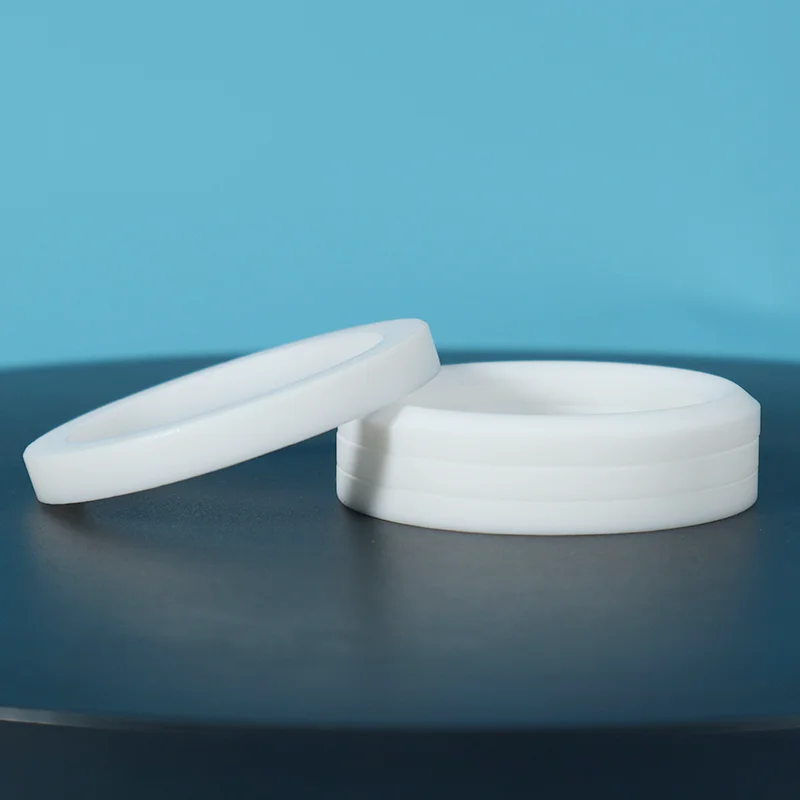
 PTFE packing set

Table of Contents

  1. PTFE Packing Set Fundamentals
  2. Key Advantages of PTFE Packing
  3. How a PTFE Packing Set Is Constructed
  4. Important Material Selection Factors
  5. Common Industrial Applications
  6. PTFE Packing Compared with Conventional Packing
  7. Installation Practices That Matter
  8. Common Problems and Their Causes
  9. Maintenance and Service Considerations
  10. How to Specify a PTFE Packing Set
  11. Frequently Asked Questions
  12. Contact a PTFE Packing Manufacturer

1. PTFE Packing Set Fundamentals

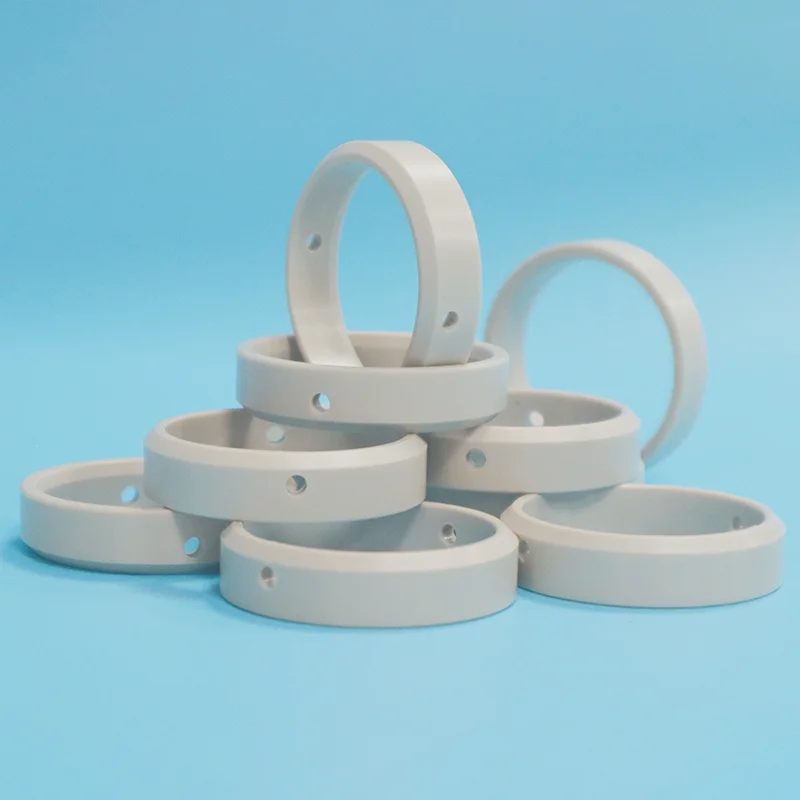
PTFE, or polytetrafluoroethylene, is a fluoropolymer known for its extremely low coefficient of friction and strong resistance to many aggressive chemicals. A PTFE packing set generally consists of several pre-cut rings or packing elements designed to fit around a shaft, stem, rod, or similar component inside a stuffing box or sealing chamber.

During installation, the packing rings are compressed to create controlled contact against the sealing surfaces. The objective is not simply to create maximum compression. Instead, the packing must achieve a balanced seal while allowing the moving component to operate without excessive friction, heat generation, or premature wear.

This balance is especially important in pumps, valves, mixers, agitators, hydraulic equipment, chemical processing systems, and other industrial machinery where leakage can affect safety, product quality, equipment reliability, or operating costs.

2. Key Advantages of PTFE Packing

PTFE packing is selected for more than one reason. Its combination of chemical resistance, low friction, and dimensional versatility makes it useful across many demanding industrial environments.

Low Friction

PTFE helps reduce friction between packing and moving shafts or rods, supporting smoother operation and reducing unnecessary mechanical resistance.

Chemical Resistance

PTFE offers strong resistance to many acids, bases, solvents, and corrosive media, making it valuable in chemical processing environments.

Broad Compatibility

Different PTFE formulations and fillers allow packing designs to be adapted to different temperatures, pressures, media, and mechanical conditions.

Reduced Maintenance

When correctly selected and installed, PTFE packing can help reduce leakage and extend maintenance intervals in suitable applications.

3. How a PTFE Packing Set Is Constructed

A packing set is more than a simple collection of sealing rings. Its dimensions and construction should correspond closely to the equipment's sealing chamber and operating conditions.

  • Pre-cut rings: Rings are manufactured to fit a specified shaft or stem diameter and packing chamber.
  • Cross-sectional geometry: The packing size must match the available stuffing-box dimensions to provide effective compression.
  • Material formulation: Virgin PTFE, filled PTFE, lubricated PTFE, and other engineered formulations can provide different performance characteristics.
  • Cut configuration: Ring cuts must be properly formed so that the installed set minimizes potential leakage paths.
  • Dimensional consistency: Consistent ring dimensions are important for predictable installation and compression.

For equipment manufacturers and replacement-parts distributors, supplying the correct packing dimensions is particularly important. A high-quality material cannot compensate for incorrect ring dimensions or poor fit.

4. Important Material Selection Factors

Selecting a PTFE packing set should begin with the actual operating environment rather than the material name alone. Buyers should provide sufficient technical information so the packing can be matched to the application.

Factor Why It Matters Information to Provide
Medium Chemical compatibility directly affects service life. Fluid or gas type and concentration
Temperature Heat can influence material properties and sealing stability. Normal and peak temperatures
Pressure Higher pressure requires suitable packing construction and compression. Operating and maximum pressure
Movement Rotating and reciprocating equipment place different demands on packing. Speed, stroke, or shaft movement
Equipment The sealing chamber determines the required packing dimensions. Machine model and stuffing-box dimensions

Filled PTFE can be particularly useful when a basic PTFE formulation does not provide the required mechanical characteristics. Fillers may improve dimensional stability, wear resistance, thermal performance, or load-bearing behavior. The correct formulation depends on the application rather than a universal ranking of materials.

5. Common Industrial Applications

PTFE packing sets are used in a wide variety of industrial sealing applications. Typical examples include:

  • Industrial pumps
  • Process valves
  • Mixers and agitators
  • Rotating shafts
  • Reciprocating rods
  • Chemical processing equipment
  • Water and wastewater equipment
  • Food and process machinery where suitable grades are specified
  • Pharmaceutical processing equipment where applicable requirements are met
  • General industrial machinery

The application determines whether standard PTFE packing is sufficient or whether an engineered formulation is more appropriate. For critical equipment, it is advisable to evaluate the complete combination of pressure, temperature, speed, media, shaft condition, and installation method.

6. PTFE Packing Compared with Conventional Packing

Traditional packing materials can still be appropriate for certain equipment, but PTFE provides distinct advantages in applications where low friction and chemical resistance are priorities.

Characteristic PTFE Packing Conventional Fiber Packing
Friction Generally very low Varies by material
Chemical resistance Excellent for many media Depends strongly on fiber and treatment
Wear behavior Can be excellent with suitable formulation Varies considerably
Application range Broad, depending on grade Material-specific

7. Installation Practices That Matter

Even a well-designed PTFE packing set can perform poorly if installation is rushed or incorrect. Before installation, the sealing chamber should be inspected for damage, contamination, excessive wear, or irregular surfaces.

  1. Clean the stuffing box and remove old packing material completely.
  2. Inspect the shaft, stem, sleeve, and chamber for scoring or abnormal wear.
  3. Verify the packing cross-section and ring dimensions.
  4. Install rings individually and seat each ring carefully.
  5. Stagger ring joints rather than aligning all cuts in the same position.
  6. Apply gland pressure gradually and evenly.
  7. Check equipment movement after installation.
  8. Monitor leakage, temperature, and operating behavior during commissioning.

Over-compression is a common mistake. Excessive gland pressure may reduce leakage temporarily but can also increase friction, heat, shaft wear, and packing damage. The appropriate compression should follow the packing manufacturer's recommendations and the equipment manufacturer's requirements.

8. Common Problems and Their Causes

Persistent Leakage

Possible causes include incorrect packing size, damaged sealing surfaces, insufficient or uneven compression, improper ring installation, or unsuitable material selection.

Excessive Heat

Heat may result from excessive gland pressure, high shaft speed, insufficient lubrication where applicable, or friction caused by unsuitable installation conditions.

Short Service Life

Premature failure may indicate an unsuitable PTFE formulation, abrasive media, poor shaft condition, excessive pressure, temperature extremes, or incorrect compression.

9. Maintenance and Service Considerations

Routine inspection can prevent a small sealing problem from becoming an expensive equipment failure. Maintenance personnel should monitor leakage trends rather than waiting for complete sealing failure.

  • Record abnormal leakage and changes in operating temperature.
  • Inspect packing compression during scheduled maintenance.
  • Check shafts and sleeves for grooves or scoring.
  • Confirm that gland hardware remains properly aligned.
  • Replace worn packing rather than repeatedly tightening an exhausted packing set.
  • Investigate recurring failures instead of treating each replacement as an isolated event.

A recurring packing failure often points to an underlying equipment or process issue. For example, shaft runout, excessive vibration, surface damage, misalignment, or unsuitable operating conditions may continue to damage replacement packing.

10. How to Specify a PTFE Packing Set

When requesting a quotation or technical recommendation, providing complete application information can significantly reduce the risk of receiving an unsuitable product.

  • Equipment name and model
  • Shaft, rod, or stem diameter
  • Stuffing-box dimensions
  • Required packing cross-section
  • Number of rings required
  • Medium being sealed
  • Operating and peak pressure
  • Operating and peak temperature
  • Rotational or reciprocating speed
  • Operating environment and contamination conditions
  • Special requirements for food, pharmaceutical, chemical, or other regulated applications
  • Quantity and packaging requirements

For OEM projects, customized dimensions and packaging can simplify assembly and inventory management. For distributors and maintenance teams, consistent dimensional specifications can make replacement planning faster and reduce the risk of incorrect parts reaching the equipment.


11. Frequently Asked Questions

What is a PTFE packing set used for?

A PTFE packing set is used to reduce or control leakage around moving or static components such as pump shafts, valve stems, rods, and rotating equipment. It is particularly useful when low friction and chemical resistance are important.

Is PTFE packing suitable for chemical applications?

PTFE is resistant to many aggressive chemicals, but compatibility should always be evaluated against the actual chemical, concentration, temperature, pressure, and operating conditions. A specific PTFE formulation may be preferable for demanding applications.

Can PTFE packing be used on rotating shafts?

Yes, suitable PTFE packing products can be used for rotating equipment. Shaft speed, pressure, temperature, shaft surface condition, and packing construction must be considered when selecting the product.

Why does PTFE packing sometimes leak after installation?

Leakage can result from incorrect dimensions, insufficient seating, incorrect compression, damaged sealing surfaces, ring joints installed improperly, equipment movement, or an unsuitable packing grade. Troubleshooting should consider the entire sealing system rather than the packing alone.

Does more gland pressure always improve sealing?

No. Excessive compression can increase friction, heat, and wear. Effective sealing depends on controlled compression and the correct relationship between packing, equipment, operating conditions, and installation.

What information should be provided when ordering a packing set?

At minimum, provide equipment type, shaft or stem diameter, packing cross-section, sealing medium, pressure, temperature, movement or speed, and required quantity. Drawings or photographs of the existing packing chamber can also help confirm dimensions.

Can PTFE packing be customized?

Many manufacturers can supply customized dimensions, ring configurations, material formulations, packaging, and labeling for OEM or replacement applications. Customization should be based on actual equipment and operating requirements.

12. Contact a PTFE Packing Manufacturer

Choosing the right PTFE packing set is ultimately about matching material, dimensions, equipment design, and operating conditions. A reliable manufacturer can help you confirm the appropriate construction before production and reduce the risk of repeated leakage, premature wear, and unnecessary maintenance.

Ningbo Taifno Ptfe Plastic Products Co., Ltd. specializes in PTFE-based sealing and plastic products and can support customers looking for dependable PTFE packing solutions for industrial applications.

Need the right PTFE packing set for your equipment? Contact us to discuss your dimensions, application conditions, material requirements, and customized packing needs.

Practical takeaway: A PTFE packing set performs best when the material, packing dimensions, sealing surfaces, compression, and operating conditions are properly matched. Instead of selecting packing by price or material name alone, evaluate the complete sealing application and work with a manufacturer capable of providing consistent specifications and application support.

Related News
Leave me a message
X
We use cookies to offer you a better browsing experience, analyze site traffic and personalize content. By using this site, you agree to our use of cookies. Privacy Policy
RejectAccept