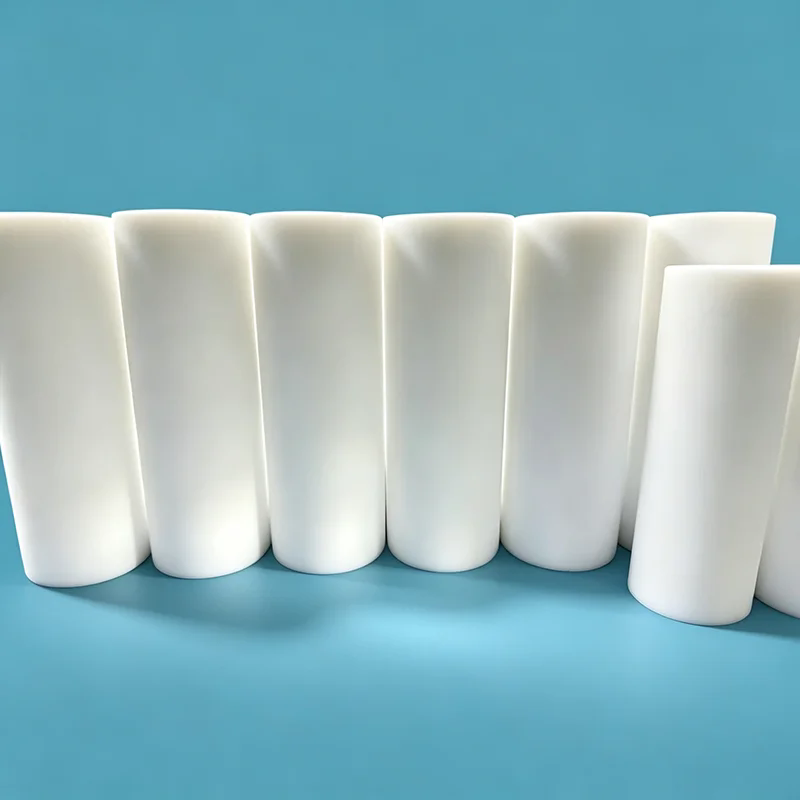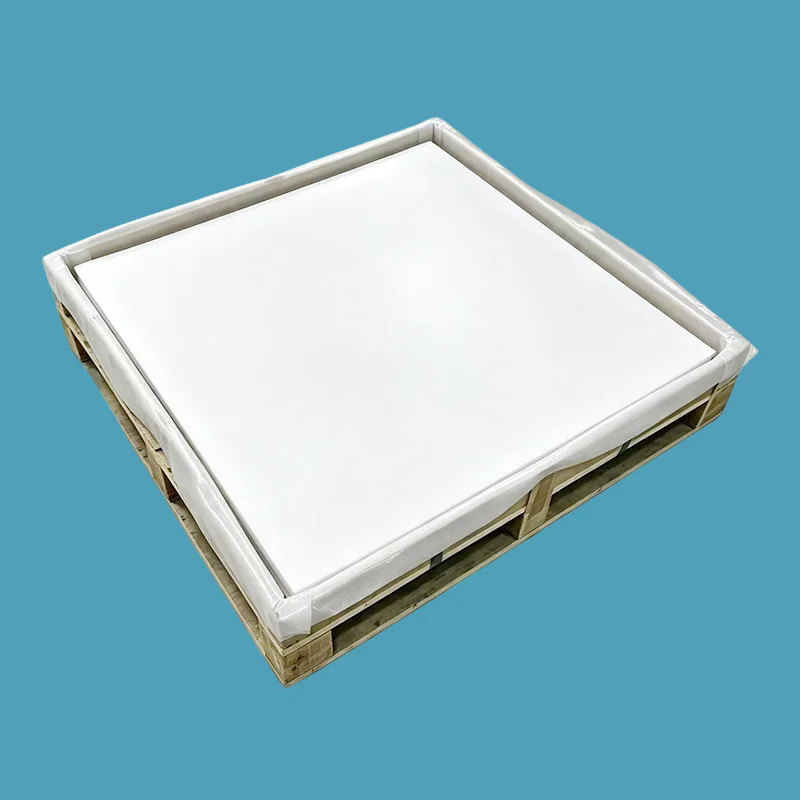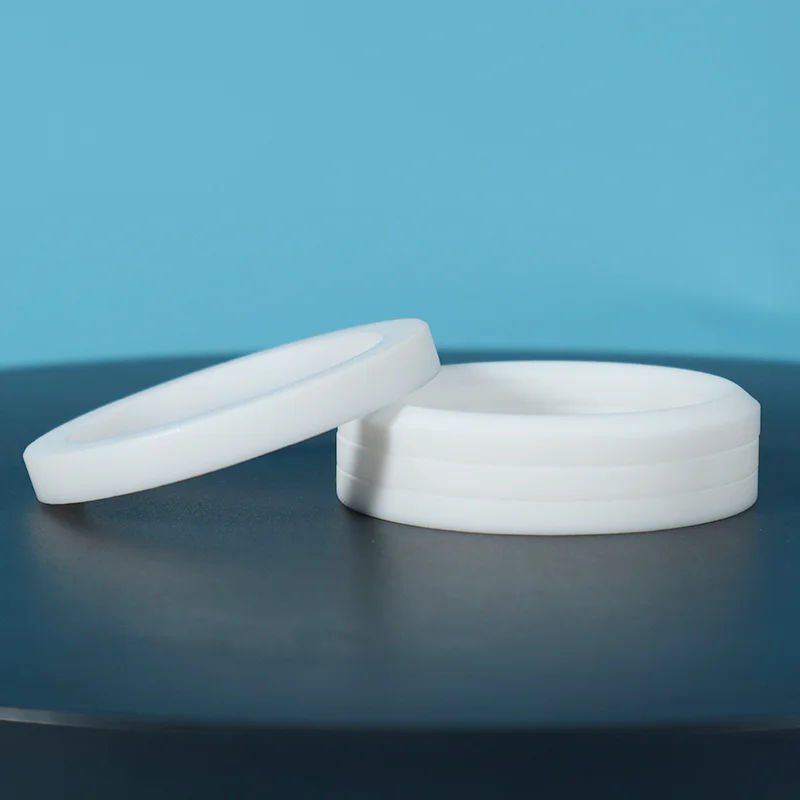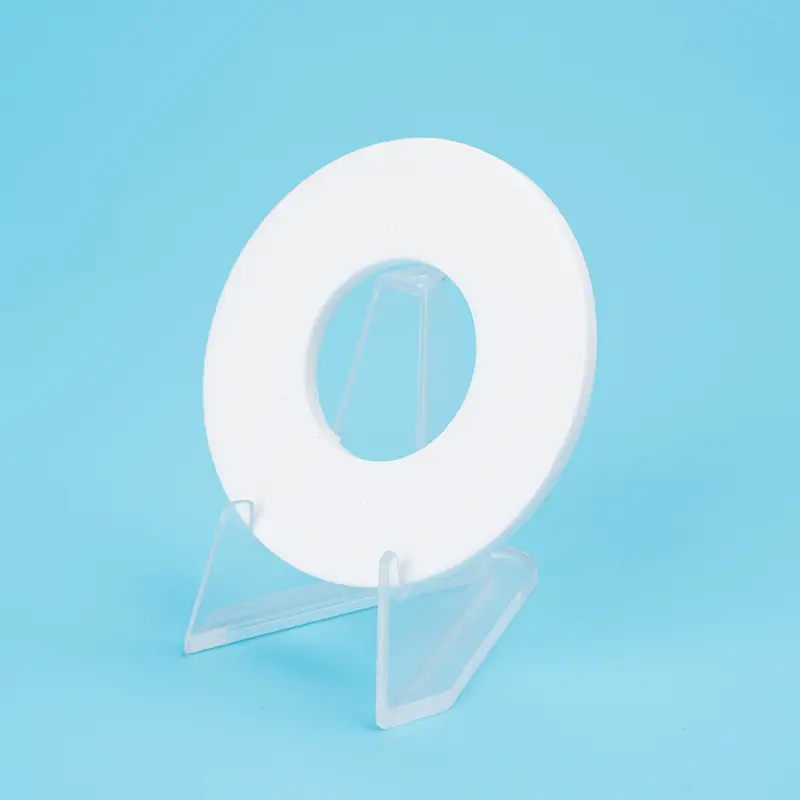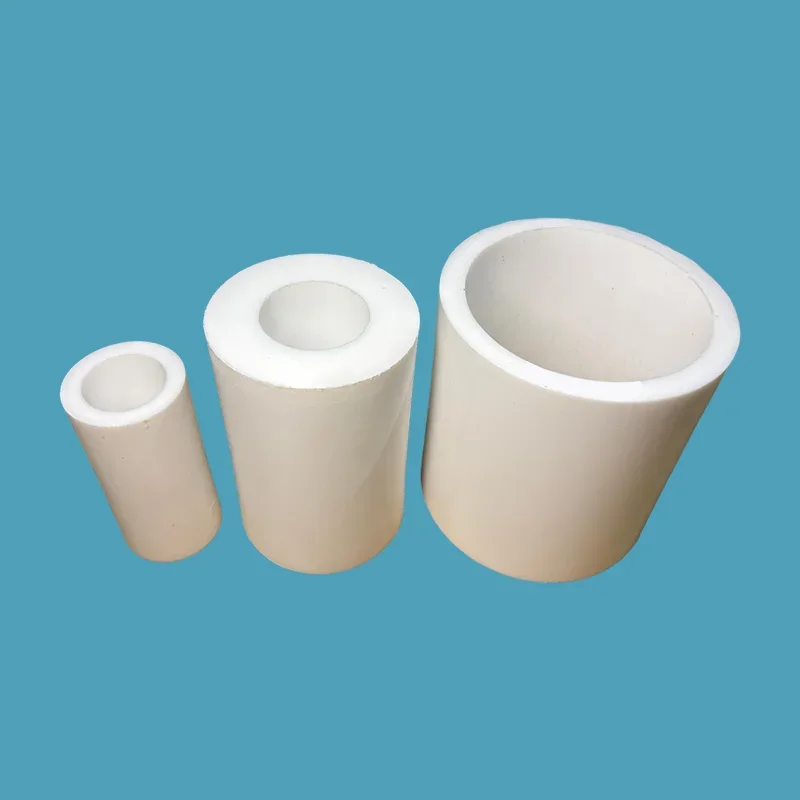
Inside the labyrinthine network of pipes, vessels, and valves of a chemical processing plant, a silent battle rages. Corrosive acids, aggressive solvents, and superheated steam flow through systems that must contain them under immense pressure and temperature. One weak point—a seal that degrades, a gasket that swells, a lining that cracks—can trigger a cascade of catastrophic consequences: product contamination, equipment failure, environmental release, and, in the worst cases, injury to personnel. This is the harsh reality of chemical processing, where the margin for error is virtually zero. For decades, engineers have turned to one material that consistently rises to meet these extreme demands: PTFE Semi-Finished Products. These versatile material forms—sheets, rods, tubes, and molded billets—are the foundational stock from which critical sealing and structural components are fabricated.
But what is it about PTFE Semi-Finished Products that makes them so indispensable to the chemical industry? The answer lies in a unique combination of material properties that are rarely found together in a single engineering plastic. PTFE (polytetrafluoroethylene) is chemically inert, capable of resisting virtually all chemicals except molten alkali metals and certain fluorinating agents. It maintains its properties across an extraordinary temperature range, from -200°C to +260°C. It boasts the lowest coefficient of friction of any solid material, and its non-stick surface prevents the build-up of sticky process materials. This article will explore these properties in depth, examining the technical characteristics, manufacturing processes, and practical applications that make PTFE Semi-Finished Products the material of choice for the chemical processing industry. We will provide detailed technical specifications, offer guidance on material selection, and discuss the critical considerations that engineers must evaluate when specifying PTFE components for their demanding applications.
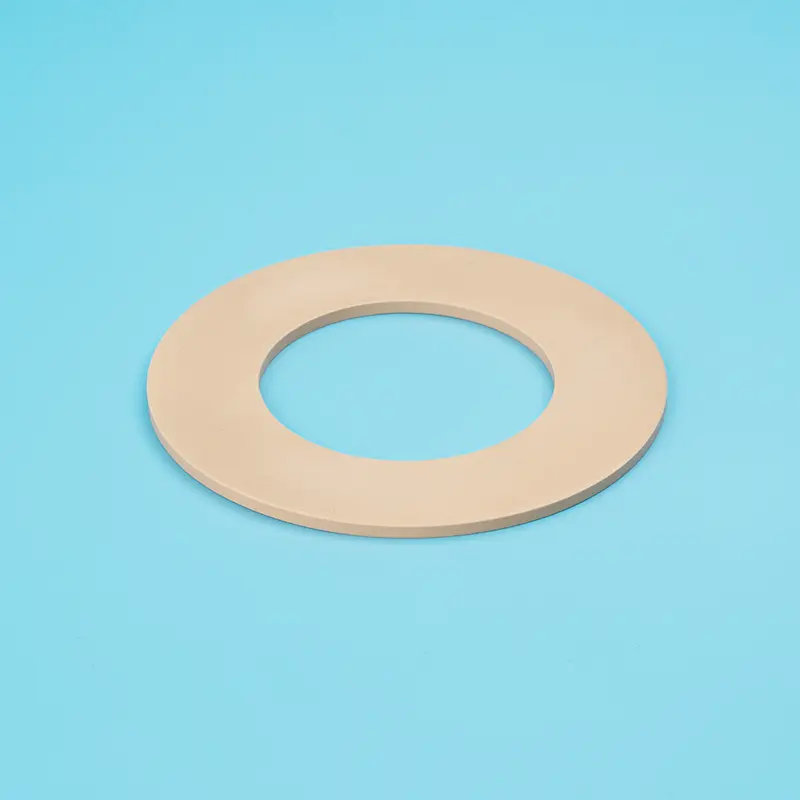
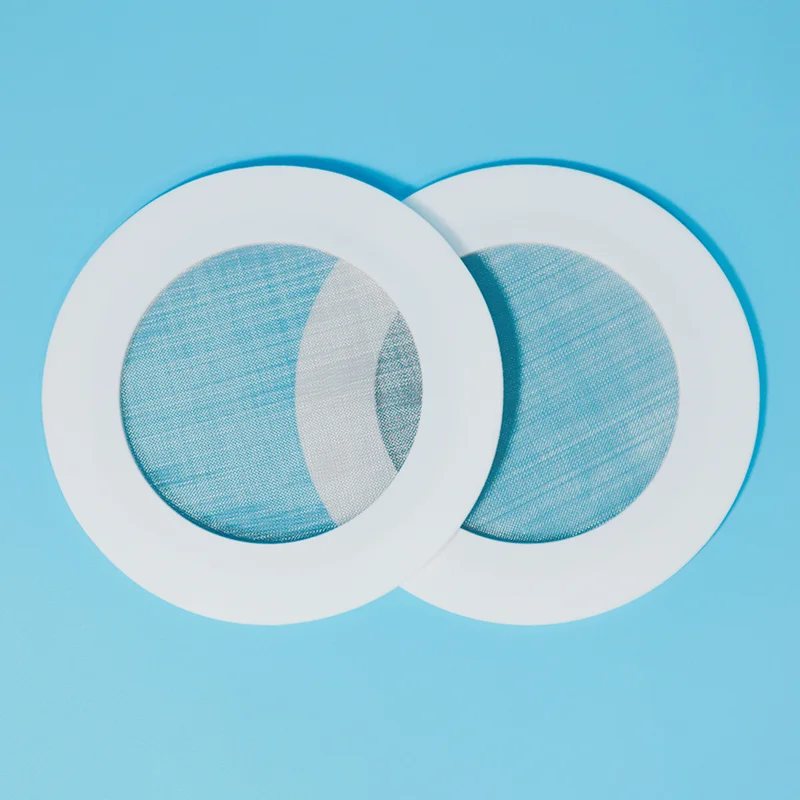
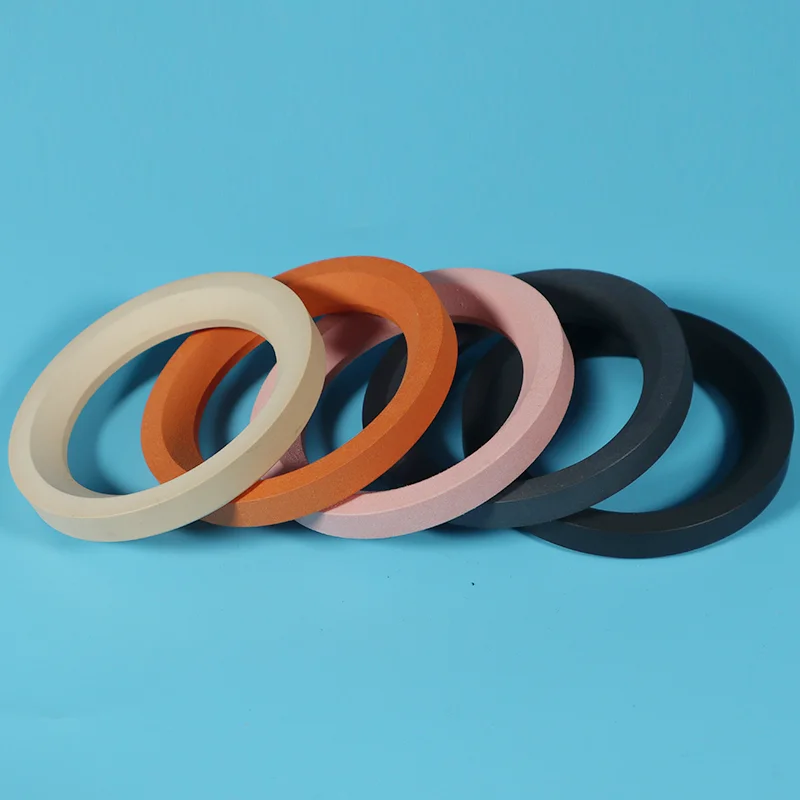
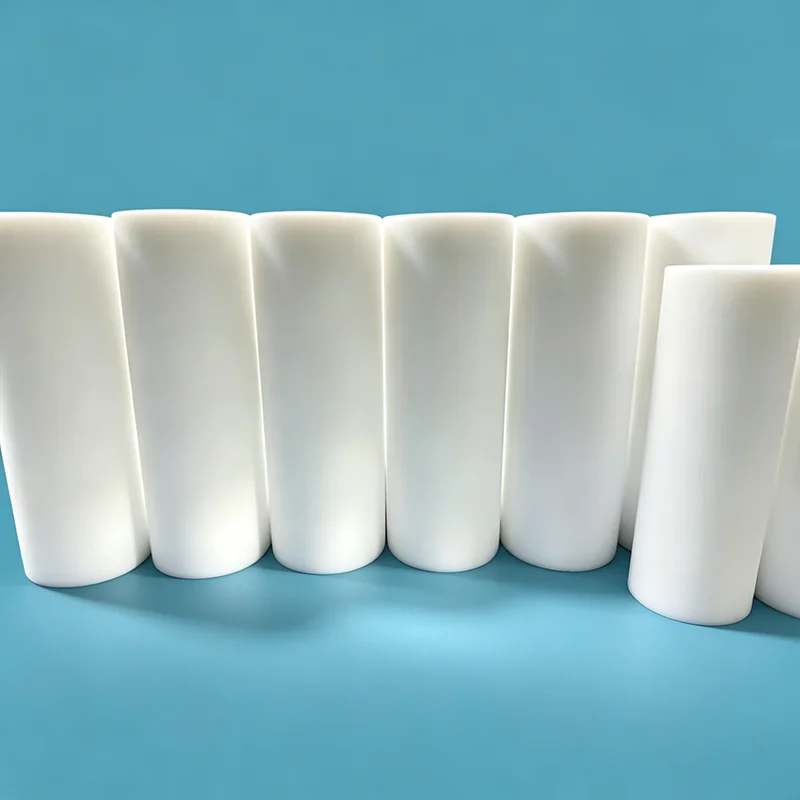
PTFE Semi-Finished Products are intermediate material forms that serve as the starting point for the manufacture of finished components. They are not end-use parts themselves; rather, they are the raw stock from which seals, gaskets, linings, bearings, and other critical components are machined, molded, or fabricated. The most common forms of PTFE semi-finished products include sheets (for gaskets and linings), rods (for machined seals and custom parts), tubes (for pipe linings and small parts), and molded billets (for large components). These forms allow fabricators and end-users to create precisely engineered components that meet the exacting requirements of their specific applications.
The chemical processing industry represents one of the largest and most demanding markets for PTFE Semi-Finished Products. The reason for this is straightforward: no other commercially available material offers the same combination of chemical resistance, thermal stability, and non-stick properties. In a chemical plant, materials are routinely exposed to aggressive acids (hydrochloric, sulfuric, nitric), caustic alkalis, organic solvents, and oxidizing agents. Many of these chemicals would rapidly degrade ordinary plastics, attack metals, or cause elastomers to swell and lose their sealing ability. PTFE, by contrast, stands virtually unaffected. The material is so inert that it is used as a lining for vessels containing some of the most aggressive chemicals known to the industry, including fuming nitric acid, bromine, and chlorine.
However, the value of PTFE Semi-Finished Products extends beyond their chemical resistance. They also provide a critical function in enabling the manufacture of complex, custom-engineered components. By starting with a semi-finished form, engineers can machine parts to exact dimensions, incorporate features such as grooves, slots, and flanges, and achieve the tight tolerances required for high-pressure sealing applications. This flexibility is invaluable in an industry where equipment designs are constantly evolving. Our factory at Ningbo Taifno PTFE Plastic Products Co., Ltd. specializes in the production of high-quality PTFE Semi-Finished Products, offering a range of grades and formulations to meet the specific demands of the chemical processing sector. Our understanding of the application requirements, combined with our technical expertise in material formulation and manufacturing, ensures that our products deliver the performance and reliability that our customers demand.
The performance of PTFE Semi-Finished Products in chemical processing is governed by a set of critical technical parameters. These specifications determine the material's suitability for a given application and differentiate between standard and high-performance grades. Engineers must understand these parameters to make informed material selections and to specify products that will meet the demanding requirements of their processes. The following table provides a comprehensive overview of the key technical specifications for standard and high-performance PTFE Semi-Finished Products.
| Parameter | Standard PTFE | Modified PTFE (High Performance) | Impact on Chemical Processing |
| Density (g/cm³) | 2.14-2.18 | 2.16-2.20 | Higher density indicates better crystallinity and improved mechanical properties. |
| Tensile Strength (MPa) | 20-30 | 25-35 | Higher tensile strength provides better resistance to deformation under load. |
| Elongation at Break (%) | 250-350 | 300-400 | Higher elongation indicates better ductility and resistance to cracking. |
| Shore Hardness (D scale) | 55-60 | 58-65 | Higher hardness provides better wear resistance and dimensional stability. |
| Continuous Service Temperature (°C) | -200 to +260 | -200 to +260 | Wide temperature range allows use in cryogenic and high-temperature processes. |
| Thermal Conductivity (W/m·K) | 0.25 | 0.30 | Higher conductivity improves heat dissipation in high-temperature applications. |
| Dielectric Strength (kV/mm) | 20-30 | 22-32 | Excellent electrical insulation for equipment with electrical components. |
| Water Absorption (24h, %) | < 0.01 | < 0.01 | Negligible absorption ensures dimensional stability in wet environments. |
It is important to note that the properties of PTFE Semi-Finished Products can be tailored to specific applications through the addition of fillers. For example, glass fiber fillers increase creep resistance and wear resistance, making them suitable for dynamic sealing applications. Carbon fiber fillers improve thermal conductivity and reduce wear, making them ideal for high-speed applications. Bronze fillers improve compressive strength and thermal conductivity. The selection of the appropriate filler is a critical aspect of the engineering process, and we work closely with our customers to determine the optimal formulation for their specific needs.
The story of PTFE's chemical inertness is a story of remarkable molecular engineering. At the heart of this performance is the carbon-fluorine (C-F) bond, which is one of the strongest covalent bonds known in chemistry. The strength of this bond, combined with the dense shielding effect provided by the surrounding fluorine atoms, makes the PTFE molecule exceptionally resistant to chemical attack. The fluorine atoms form a protective sheath around the carbon backbone, preventing reactive chemical species from approaching the carbon bond. The result is a material that is virtually immune to attack by acids, alkalis, and most organic solvents. This property is the foundation for PTFE's dominance in chemical processing applications.
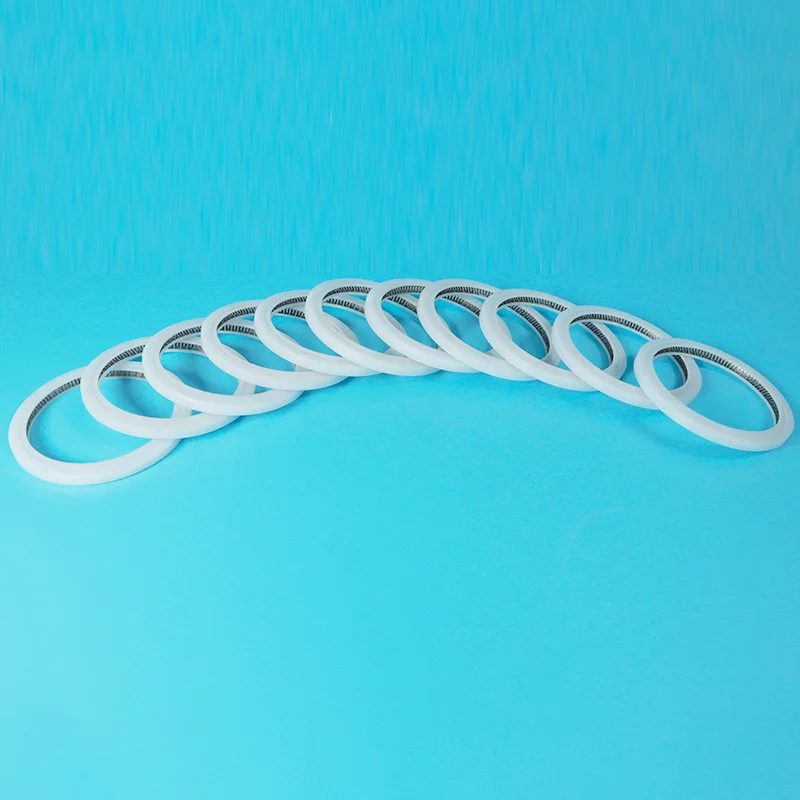
Consider a typical scenario in a chemical plant that manufactures specialty organic chemicals. The process involves a reaction vessel where a sulfonation reaction is carried out at high temperature using concentrated sulfuric acid and oleum (a solution of sulfur trioxide in sulfuric acid). These chemicals are among the most aggressive known, capable of rapidly degrading most metals and organic polymers. For the seals in the reactor's agitator shaft, only a material with exceptional chemical resistance is acceptable. The engineering team specifies a PTFE Semi-Finished Products seal, machined from a high-quality PTFE rod. The seal provides a reliable barrier against the aggressive chemicals, ensuring containment throughout the multi-hour reaction cycle. Our factory manufactures PTFE Semi-Finished Products that are specifically tested for use in such demanding applications, with each batch subjected to rigorous chemical resistance testing.
The real-world cost of chemical incompatibility is enormous. A single seal failure can cause an entire batch of product to be contaminated, leading to losses of hundreds of thousands of dollars. Additionally, the cost of a plant shutdown for seal replacement can be equally significant. For this reason, the chemical industry relies heavily on the proven performance of PTFE. The material's ability to maintain its integrity in the face of aggressive chemical attack is the primary reason PTFE Semi-Finished Products are the industry standard for sealing applications. It is also the primary reason why, despite the development of newer materials, PTFE remains the first-choice material for many chemical processing applications.
The following table provides a summary of PTFE's resistance to common industrial chemicals.
| Chemical | Concentration (%) | Temperature (°C) | Resistance Rating |
| Sulfuric Acid | 98 | 200 | Excellent |
| Hydrochloric Acid | 37 | 100 | Excellent |
| Nitric Acid | 70 | 100 | Good |
| Sodium Hydroxide (Caustic) | 50 | 100 | Excellent |
| Acetone | 100 | 60 | Excellent |
| Hydrogen Peroxide | 30 | 100 | Good |
Chemical processing is not only chemically aggressive but also thermally extreme. Processes often involve cryogenic temperatures (down to -150°C for LNG and other applications) or high-temperature reactions (up to 250°C or more). Engineering materials must be able to withstand these temperatures without suffering significant degradation in their mechanical properties or dimensional stability. PTFE is unique among polymers in its ability to maintain useful properties across a temperature range of nearly 500°C, from -200°C to +260°C. This extraordinarily wide service temperature range is a key reason why PTFE Semi-Finished Products are so valued by the chemical industry.
To understand the basis of PTFE's thermal stability, one must again consider the strength of the carbon-fluorine bond. The C-F bond requires a great deal of energy to break, making PTFE resistant to thermal decomposition. The material's melting point is approximately 327°C, and it does not begin to degrade significantly until temperatures exceed 400°C. Even at these temperatures, the degradation is a slow process of depolymerization rather than a catastrophic failure. This stability allows PTFE Semi-Finished Products to be used in applications that would rapidly degrade other polymer materials. In a high-temperature chemical reactor, a PTFE gasket can maintain its sealing integrity for extended periods, providing reliable containment of corrosive and high-temperature process fluids.
The thermal performance of PTFE Semi-Finished Products is not just about withstanding high temperatures; it is also about maintaining mechanical integrity under continuous thermal stress. At elevated temperatures, polymers can lose strength and begin to deform under load through a process known as creep. PTFE, while not the strongest polymer at high temperatures, has a relatively high thermal stability compared to other engineering polymers. Modified PTFE materials, which have an improved molecular structure, offer enhanced creep resistance and tensile strength at elevated temperatures, making them suitable for the most demanding high-temperature applications. Our factory's modified PTFE Semi-Finished Products are formulated with these specific applications in mind, providing enhanced resistance to thermal deformation and extending service life in high-temperature chemical environments.
It is also important to consider the effects of thermal cycling. In many chemical processes, the temperature of the equipment is not constant; it may be cycled between ambient and process temperatures multiple times per day. This thermal cycling can cause expansion and contraction of the equipment, which can lead to stress on seals and gaskets. PTFE, with its relatively low coefficient of thermal expansion (approximately 10-15 x 10⁻⁵ /°C), exhibits less expansion than many other polymers, reducing the stress on the seal and improving its long-term reliability. The following table summarizes the thermal properties of PTFE compared to other common engineering plastics.
| Material | Continuous Service Temperature (°C) | Melting Point (°C) | Thermal Conductivity (W/m·K) | CTE (10⁻⁵ /°C) |
| PTFE | -200 to +260 | 327 | 0.25 | 10-15 |
| PEEK | -50 to +250 | 343 | 0.25 | 5-7 |
| PVDF | -40 to +150 | 177 | 0.19 | 12-14 |
| PFA | -200 to +260 | 305 | 0.19 | 10-14 |
| FEP | -200 to +200 | 260 | 0.19 | 10-14 |
Beyond chemical resistance and thermal stability, PTFE possesses two other properties that are of immense value in chemical processing: an exceptionally low coefficient of friction and an unmatched anti-stick (non-stick) surface. These properties are not just beneficial; in many applications, they are essential. The low friction coefficient (typically 0.05-0.10) means that PTFE components can move against each other with minimal resistance, reducing wear and extending service life. The non-stick surface prevents materials from adhering to the surface, ensuring free movement of parts, reducing the risk of blockages, and simplifying cleaning.
The low friction of PTFE Semi-Finished Products is a direct result of the material's molecular structure. The fluorine atoms on the surface of the PTFE molecule have a very low surface energy, which means that they do not readily form bonds with other materials. This results in an extremely low coefficient of friction, making PTFE the most slippery known solid material. This property is exploited in chemical equipment in a variety of ways. For example, in a ball valve, the PTFE ball is designed to rotate smoothly against the PTFE seats, providing a reliable seal and easy operation, even after years of service. In a pump, PTFE bearings reduce friction, minimizing wear and energy consumption. Our factory manufactures PTFE Semi-Finished Products that are designed to minimize friction and maximize wear resistance, extending the operational life of chemical equipment.
The anti-stick property of PTFE is equally important. Many chemical processes involve materials that are sticky, viscous, or prone to polymerization. These materials can build up on equipment surfaces, causing blockages, contamination, and performance degradation. PTFE's non-stick surface prevents this build-up, ensuring a clean, free-flowing system. This is particularly important in processes involving adhesives, coatings, and certain polymers. The use of PTFE Semi-Finished Products in the form of sheet linings, gaskets, and components helps to ensure that process fluids do not adhere to equipment surfaces, maintaining system cleanliness and efficiency. The anti-stick property also simplifies cleaning, as any residue that does form can be easily removed.
The economic benefits of these properties are substantial. Reduced friction translates to lower energy consumption, reduced wear, and longer component life. The anti-stick surface reduces downtime for cleaning and maintenance, improves product quality, and reduces the risk of process contamination. These benefits are particularly valuable in continuous manufacturing processes where any downtime is extremely costly. The following table summarizes the key benefits of PTFE's low friction and anti-stick properties in chemical processing equipment.
| Application | Benefit | Economic Impact |
| Ball Valve Seats | Low friction ensures smooth operation; anti-stick prevents binding. | Reduced maintenance, longer valve life. |
| Pump Bearings | Low friction reduces wear and energy consumption. | Extended pump life, lower operating costs. |
| Pipe Linings | Anti-stick prevents build-up of sticky process materials. | Reduced cleaning downtime, improved flow. |
| Gaskets and Seals | Anti-stick ensures easy removal for maintenance. | Faster maintenance, reduced downtime. |
| Mixing Equipment | Anti-stick prevents material adhesion to blades. | Improved mixing efficiency, reduced cleaning. |
PTFE is often the first material that comes to mind when engineers think of fluoropolymers for chemical processing, but it is not the only option. Other fluoropolymers, such as PFA (perfluoroalkoxy alkane), FEP (fluorinated ethylene propylene), PVDF (polyvinylidene fluoride), and ETFE (ethylene tetrafluoroethylene), also offer strong chemical resistance and high-temperature performance. Each has its own strengths and weaknesses, and the selection of the appropriate material depends on the specific requirements of the application. Understanding the differences between these materials is critical to making the correct engineering decision. In this section, we will compare PTFE with its fluoropolymer cousins, highlighting the key characteristics that differentiate them and the scenarios where each may be the superior choice.
The fundamental difference between PTFE and other fluoropolymers lies in their molecular structure and processing methods. PTFE is a linear polymer of tetrafluoroethylene, which cannot be processed by traditional melt-processing techniques such as injection molding or extrusion due to its extremely high melt viscosity. Instead, PTFE Semi-Finished Products are created by compression molding, followed by sintering (heating to a temperature near its melting point to fuse the particles). PFA, FEP, ETFE, and PVDF, by contrast, are melt-processible fluoropolymers. They can be extruded, injection molded, and blow molded using standard plastics processing equipment. This processing difference has several implications: PFA and FEP offer a smoother surface finish and can be produced in thinner cross-sections than PTFE, making them ideal for applications requiring very thin linings or precise dimensional control. However, this melt-processibility often comes with a trade-off in mechanical properties or temperature resistance.
PTFE has the highest continuous service temperature of the fluoropolymers, at 260°C. PFA matches PTFE at 260°C, while FEP tops out at 200°C, and ETFE at 150°C. PVDF has the lowest service temperature, at 150°C. PTFE is also the most chemically inert of the fluoropolymers, providing resistance to a slightly wider range of chemicals than FEP and PFA, which are also excellent. The cost of PTFE Semi-Finished Products is typically lower than PFA, but higher than FEP, ETFE, and PVDF. In terms of mechanical strength, PTFE has good tensile strength but is relatively soft and susceptible to creep. PFA has similar mechanical properties to PTFE, while FEP has slightly higher tensile strength. ETFE and PVDF are significantly stronger and stiffer, but they sacrifice some chemical resistance and temperature capability.
The selection decision often comes down to a careful balancing of these factors. If an application requires the highest possible chemical resistance and temperature capability, PTFE or PFA are the go-to materials. If the application involves a particularly aggressive chemical that PTFE is not compatible with (which is very rare), another fluoropolymer may be considered. If the application requires a thin lining with a smooth surface, PFA or FEP may be preferred due to their melt-processibility. If the application requires high mechanical strength and stiffness, ETFE or PVDF may be selected, provided that the chemical environment and temperature are within their capabilities. Our factory at Taifno offers a comprehensive range of PTFE Semi-Finished Products, and our technical team can assist customers in making the right material selection based on their specific application requirements.
| Property | PTFE | PFA | FEP | ETFE | PVDF |
| Max Continuous Service Temp (°C) | 260 | 260 | 200 | 150 | 150 |
| Chemical Resistance | Excellent | Excellent | Excellent | Very Good | Good |
| Melt Processible | No | Yes | Yes | Yes | Yes |
| Surface Smoothness | Good | Excellent | Excellent | Good | Good |
| Mechanical Strength | Good | Good | Good | High | High |
| Relative Cost | Medium | High | Medium-Low | Medium | Medium |
| Typical Applications | Seals, gaskets, linings | Thin linings, tubing | Wire insulation, thin linings | Valves, pumps, piping | Pumps, valves, piping |
Selecting the correct PTFE Semi-Finished Products for a chemical processing application requires a systematic approach that considers the specific conditions of the application, the performance requirements, and the available material options. The decision-making process should follow a structured framework that evaluates the key parameters of the application and matches them to the appropriate product characteristics. The following framework provides a step-by-step guide to selecting the right PTFE semi-finished product for chemical processing applications.
The first step is to identify the chemicals that the PTFE Semi-Finished Products will come into contact with. This includes the process fluids, cleaning agents, and any other chemicals that may be present. The chemical compatibility of PTFE with the specific chemicals at the operating temperature must be verified. While PTFE is compatible with the vast majority of industrial chemicals, there are a few notable exceptions, such as molten alkali metals and certain highly reactive fluorinating agents. The compatibility of modified PTFE grades with specific chemicals may also differ slightly from standard PTFE, so it is important to confirm compatibility with the specific material grade being considered. Our factory provides detailed chemical compatibility data for all of our PTFE Semi-Finished Products, which can be used to verify the suitability of a material for a specific application.
The second step is to define the operating temperature range. This includes the maximum continuous temperature, the maximum intermittent temperature, and the minimum temperature that the material will be exposed to. The material selection must ensure that the PTFE Semi-Finished Products will maintain their mechanical properties and dimensional stability throughout this range. For high-temperature applications (approaching 260°C), a modified PTFE with enhanced creep resistance may be required. For cryogenic applications (below -100°C), the material's impact resistance and ductility must be considered. The third step is to consider the mechanical loads that the PTFE component will be subjected to. This includes the pressure, the stress from thermal expansion, and any dynamic loads. The material's tensile strength, creep resistance, and hardness must be sufficient to withstand these loads.
The fourth step is to assess the required dimensional tolerances and surface finish. PTFE components are often machined to tight tolerances to ensure a proper seal and to meet the requirements of the equipment design. The machinability of the PTFE Semi-Finished Products must be considered, as well as the expected dimensional stability of the material. The final step is to consider any additional application-specific requirements, such as FDA compliance, the need for electrical insulation, or the presence of abrasive particles. The selection framework is summarized in the table below.
| Selection Step | Key Considerations | Recommended Actions |
| Chemical Compatibility | Identify all chemicals and operating temperatures | Review chemical compatibility chart; test if uncertain |
| Operating Temperature | Define max, min, and continuous temperatures | Select standard or modified PTFE based on temperature range |
| Mechanical Load | Pressure, thermal stress, dynamic loads | Consider filled grades for high-load applications |
| Dimensional Tolerances | Machining requirements and part geometry | Specify appropriate semi-finished product form |
| Additional Requirements | FDA, electrical, abrasion | Select special grades (e.g., FDA-compliant, antistatic) |
Our engineering team at Taifno is available to assist with the selection process, providing expert guidance on material selection, product specifications, and application support. We offer a range of standard PTFE Semi-Finished Products, including sheets, rods, tubes, and molded billets, in various grades and sizes. We also offer custom formulations and custom-machined components to meet the unique requirements of our customers. By working closely with our customers, we help them select the right material, optimize the product design, and ensure that the final PTFE Semi-Finished Products meet their performance and reliability expectations.
Question 1: What is the maximum continuous service temperature for PTFE in chemical processing applications?
Answer: The maximum continuous service temperature for PTFE is 260°C (500°F). At this temperature, PTFE maintains its chemical resistance and mechanical integrity. However, the mechanical strength of PTFE does decrease with increasing temperature, so for applications near the upper end of this range, it is important to consider the load on the material and to select a modified PTFE grade if necessary. For applications involving intermittent exposure to temperatures above 260°C, we recommend consulting with our engineering team to assess the specific requirements and ensure that PTFE is the appropriate material choice.
Question 2: Does PTFE react with molten alkali metals such as sodium or potassium?
Answer: Yes, molten alkali metals (sodium, potassium, lithium) will attack and degrade PTFE. The reaction is highly exothermic and can be violent. PTFE should not be used in contact with molten alkali metals. This is one of the few chemical compatibility limitations of PTFE. If your application involves molten alkali metals, alternative materials such as certain ceramics or metals may be required. Our factory's technical team can provide guidance on material selection for such specialized applications.
Question 3: Can PTFE semi-finished products be used in food and pharmaceutical-grade chemical processing?
Answer: Yes, PTFE is approved for use in food and pharmaceutical applications. There are FDA-compliant grades of PTFE that meet the requirements of 21 CFR 177.1550 for food-contact applications. For pharmaceutical applications, PTFE grades that meet USP Class VI requirements are available. Our factory at Ningbo Taifno PTFE Plastic Products Co., Ltd. offers FDA-compliant PTFE Semi-Finished Products and can provide the necessary documentation and traceability for these applications. Please contact our technical team to discuss your specific regulatory requirements.
Question 4: When should I choose filled PTFE over pure PTFE for chemical processing applications?
Answer: Filled PTFE should be considered when the application requires enhanced mechanical properties that pure PTFE does not provide. For example, if the application involves high-pressure sealing where creep resistance is a concern, a glass fiber-filled PTFE may be selected. If the application is a dynamic seal in a high-temperature environment, a carbon-filled PTFE may be chosen to improve wear resistance. For applications involving high compressive strength, a bronze-filled PTFE may be used. The selection of the appropriate filler depends on the specific requirements of the application. Our technical team can help you select the optimal material grade for your application.
Question 5: What is the typical shelf life of PTFE semi-finished products?
Answer: PTFE has an extremely long shelf life, essentially indefinite, when stored under proper conditions. PTFE is not subject to degradation from aging, oxidation, or hydrolysis. However, the material can absorb moisture if stored in a humid environment, which can affect its processing properties and dimensional stability. For this reason, we recommend storing PTFE Semi-Finished Products in a cool, dry, and clean environment, away from direct sunlight and contaminants. When stored properly, PTFE Semi-Finished Products maintain their properties for decades.
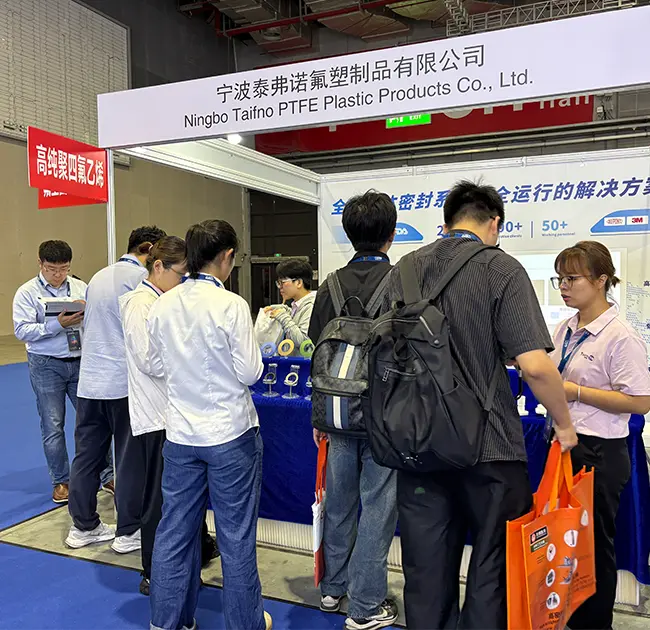
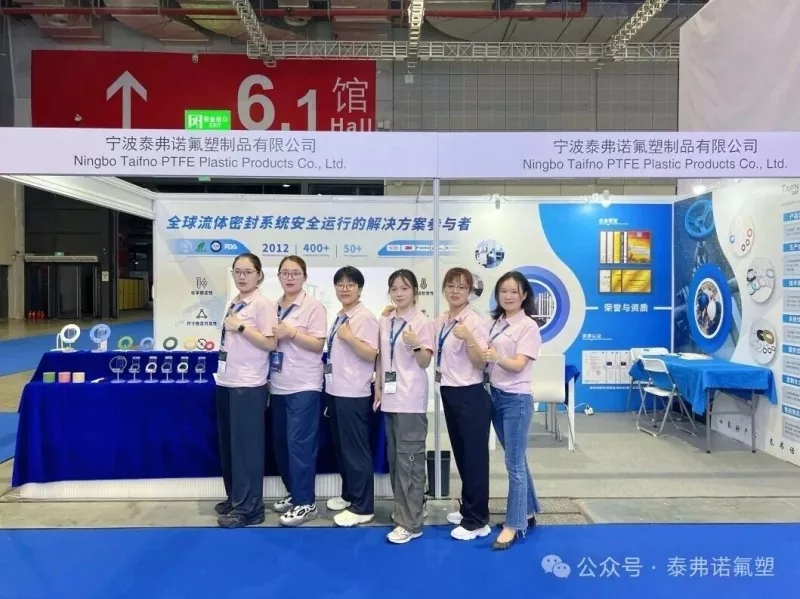
Ningbo Taifno PTFE Plastic Products Co., Ltd. is a professional manufacturer specializing in modified PTFE materials, high-performance fluoroplastic sealing products, and precision-machined PTFE components. With over 20 years of experience in the fluoroplastic sealing industry, Taifno is dedicated to providing reliable sealing solutions for global industrial equipment manufacturers, distributors, and engineering companies. Located in Ningbo, Zhejiang Province, China, Taifno benefits from the strong manufacturing ecosystem of the Yangtze River Delta region and the local sealing industry cluster. We integrate material research and development, precision manufacturing, quality control, and international trade services to deliver high-performance PTFE solutions for demanding industrial applications.
Under the leadership of Ms. Xie Yonghui, who has more than 20 years of experience in the fluoroplastic sealing industry, our core team members bring over 15 years of expertise in PTFE material research, precision processing, and production management. We continuously develop modified PTFE materials to meet the evolving demands of high-temperature, extreme-pressure, and corrosive chemical media environments. From standard PTFE products to customized engineering components, Taifno offers comprehensive solutions including material selection, product design, precision machining, and application support. Our commitment to quality and innovation has made us a trusted partner for customers across the globe.
PTFE Semi-Finished Products have earned their place as a material of choice in the chemical processing industry through a remarkable combination of properties. Their exceptional chemical inertness allows them to withstand attack by the most aggressive chemicals known. Their wide temperature range ensures reliable performance from cryogenic cold to high-temperature reactions. Their low friction and anti-stick properties reduce wear, prevent fouling, and facilitate cleaning. And, when compared with other fluoropolymers, PTFE offers a unique balance of performance and cost that is difficult to match. Each of these properties is a result of the unique molecular structure of PTFE, with its strong carbon-fluorine bonds and low surface energy. But it is the combination of these properties that makes PTFE Semi-Finished Products indispensable.
The selection of the right PTFE Semi-Finished Products for a specific application is a critical engineering decision that requires careful consideration of the chemical environment, temperature, mechanical loads, and dimensional requirements. By following a systematic selection process and working with an experienced supplier, engineers can ensure that their PTFE components provide reliable, long-lasting service, contributing to the safety, efficiency, and productivity of their chemical processing operations. At Ningbo Taifno PTFE Plastic Products Co., Ltd., we are dedicated to providing high-quality PTFE Semi-Finished Products and expert technical support to help our customers make the right selection. Whether you need standard sheets and rods or custom-engineered components, our team is ready to assist you. Contact Ningbo Taifno PTFE Plastic Products Co., Ltd. today to discuss your PTFE Semi-Finished Products requirements and discover how our solutions can enhance the reliability and performance of your chemical processing operations.
-