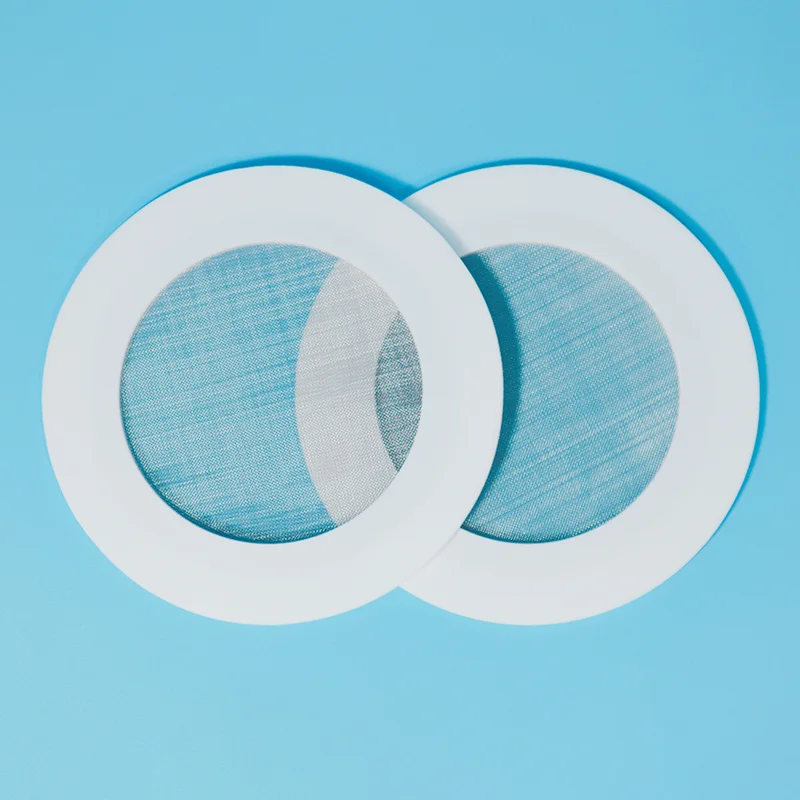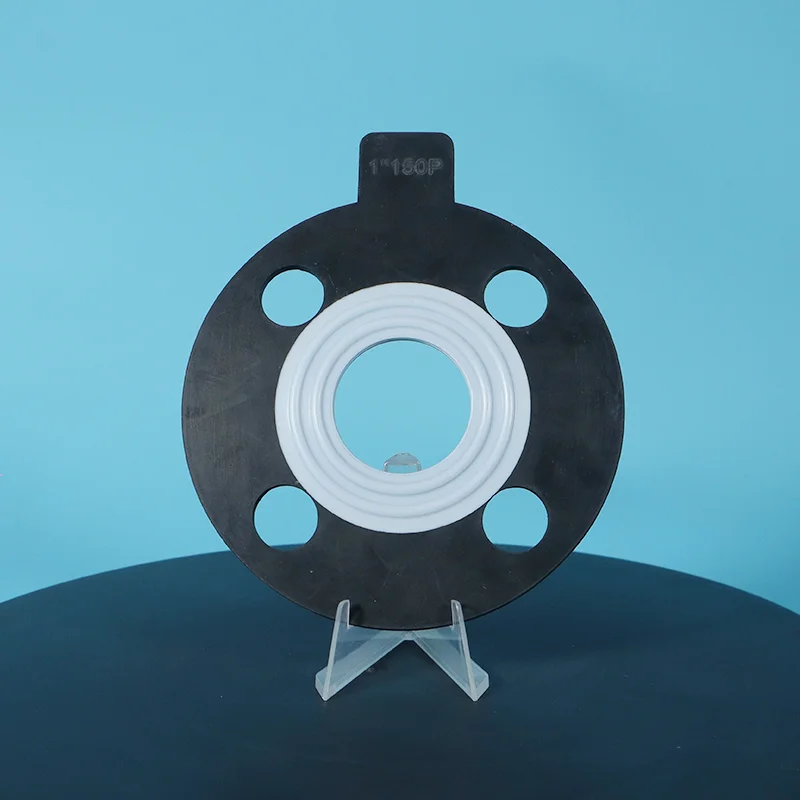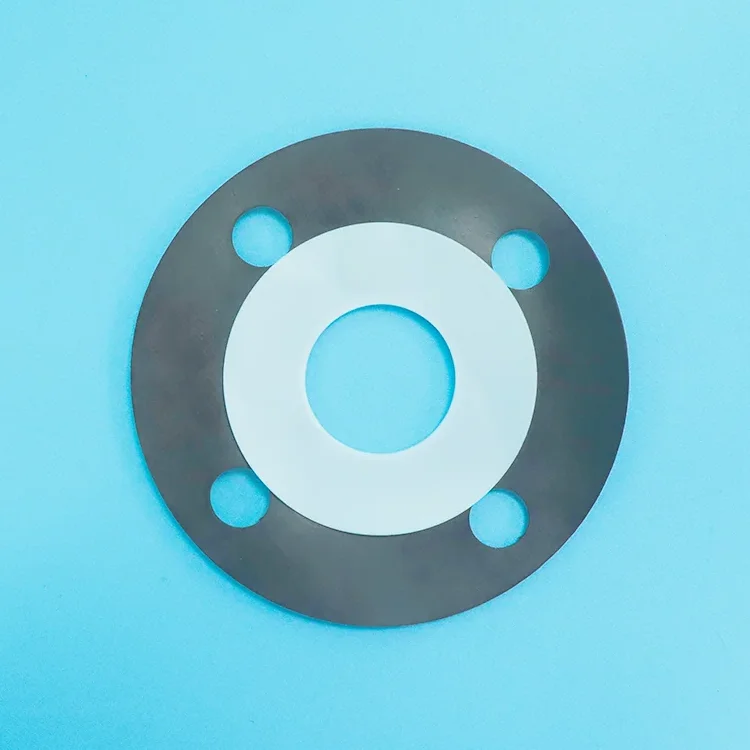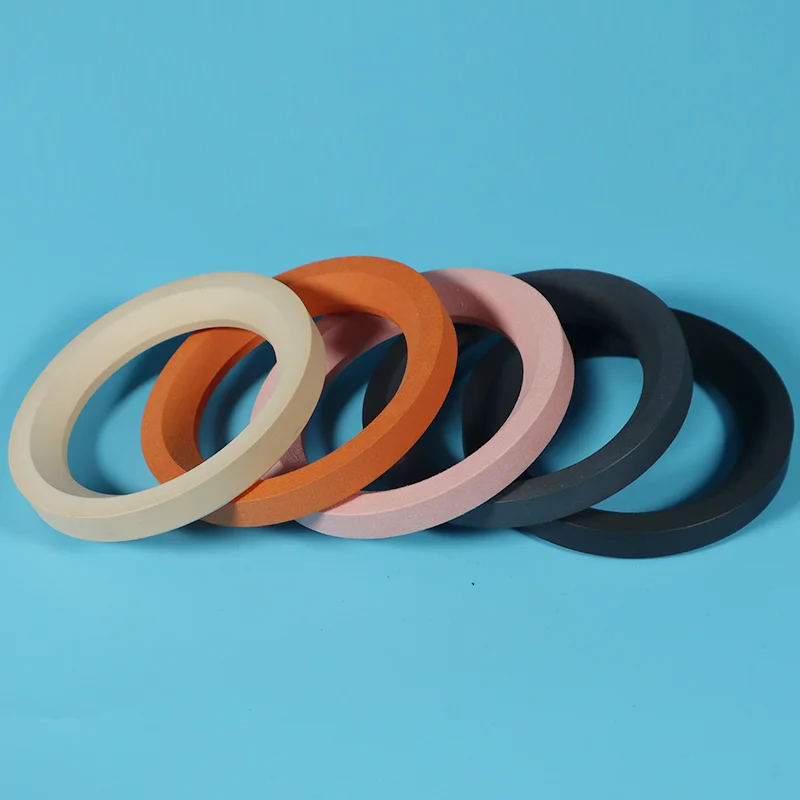
Products
PTFE Skived and Molded Sheet
  • PTFE Skived and Molded SheetPTFE Skived and Molded Sheet

PTFE Skived and Molded Sheet

PTFE skived and molded sheets are designed to meet diverse industrial requirements. Taifno offers customization options and free samples; please contact us to discuss your specific needs. Both types of sheets feature exceptional chemical resistance, low-friction properties, and a wide operating temperature range of -180°C to +200°C.

    PTFE Skived and Molded Sheet: A Practical Buyer's Guide

    PTFE skived and molded sheet products are used across chemical, mechanical and electrical industries. If you are looking for a professional manufacturer and supplier of these products, choose Taifno and we can offer one-station services. This guide walks through the manufacturing difference, the right form for each application, and the data you need to send for a factory-direct quote.

    • Skived 0.3–10 mm (up to 30 mm)
    • Molded 4–200 mm
    • Width up to 2700 mm
    • Virgin + filled grades
    • 24–48 h stock lead time
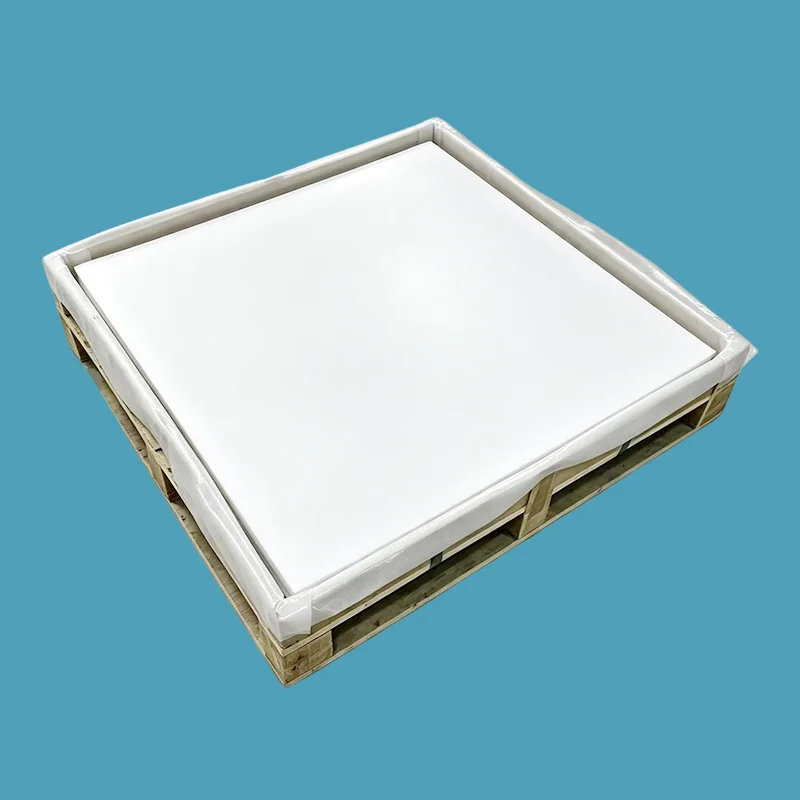
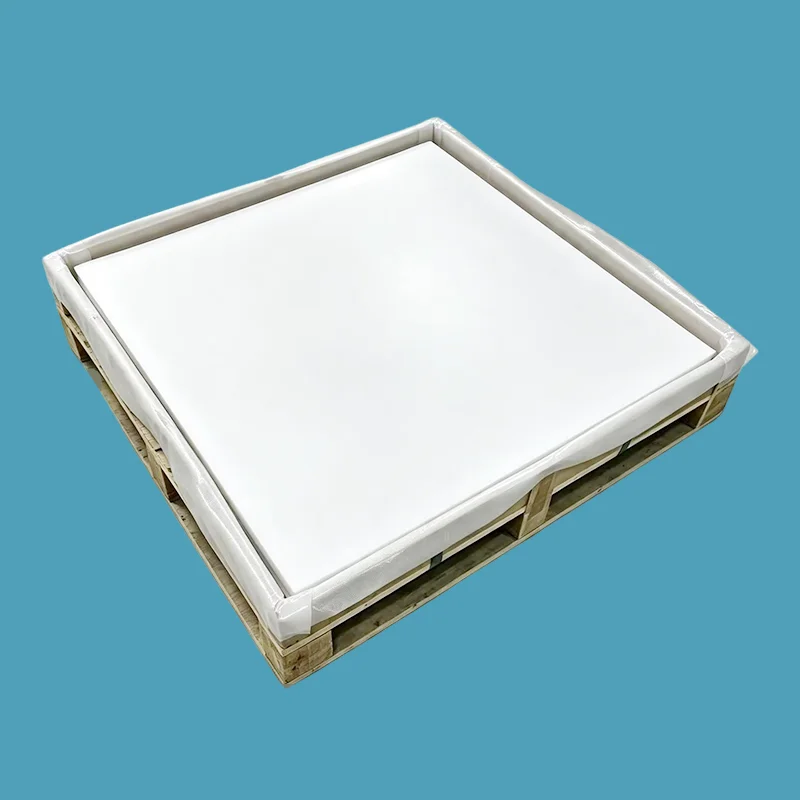
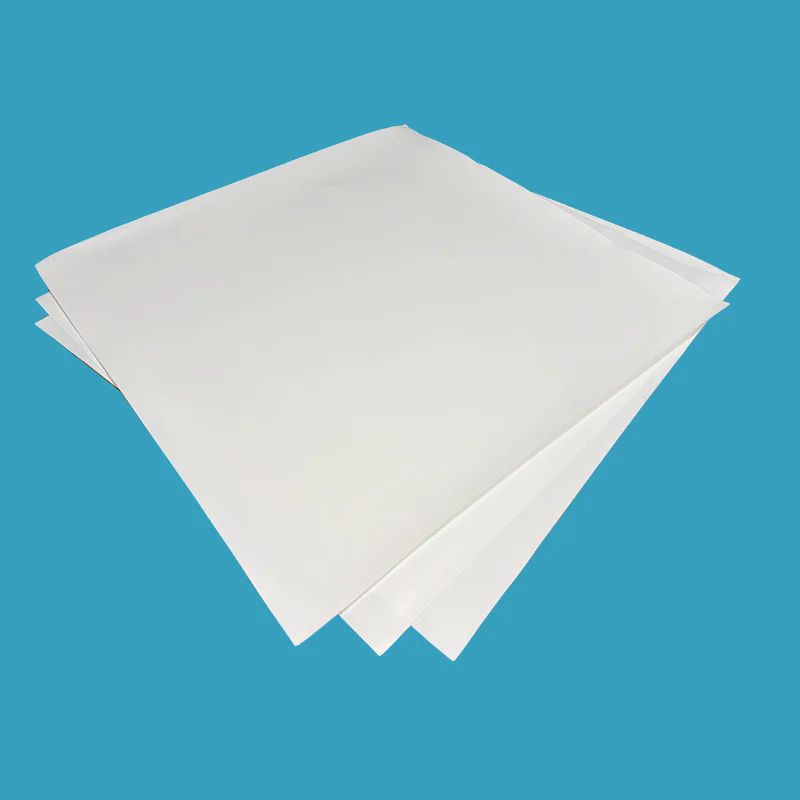
    PTFE skived and molded sheet from Taifno
    PTFE skived sheet and compression-molded PTFE sheet in virgin and filled grades.
    1

    Skived vs Molded: The Core Difference

    Manufacturing process

    The fundamental difference between skived and molded PTFE sheets lies in the manufacturing process. Skived sheet is rotary cut from a sintered PTFE billet, producing thin, precise, large-width sheet. Molded sheet is compression molded directly into a flat mold, producing thick, dense stock for machining.

    PTFE Skived Sheet

    Manufactured by compacting PTFE resin into a cylindrical billet, sintering, then rotary cutting (skiving) the billet into thin sheets. Produces thin sheets with excellent surface finish and tight thickness tolerance, available in large widths up to 2700 mm.

    PTFE Molded Sheet

    Manufactured by compression molding PTFE resin into a flat mold under pressure, then sintering. Produces thick, dense sheets with high mechanical integrity. Filled grades (glass, carbon, graphite, MoS₂, bronze) are primarily available in molded sheet form.

    Quick rule: Need thin, precise, large width? Choose skived. Need thick, strong, machinable? Choose molded. Both handle -180 °C to +200 °C and pH 0–14 chemical resistance.
    2

    Skived Sheet Key Characteristics

    Data and advantages

    Property Value
    Thickness Range 0.3–10 mm standard (0.1 mm minimum; up to 30 mm available)
    Width Range Up to 2700 mm (for thin gauges)
    Thickness Tolerance ±0.02 mm — ±0.30 mm (tight tolerance)
    Surface Finish Excellent — smooth, uniform
    Tensile Strength ≥20 MPa
    Best For Gaskets, liners, tapes, electrical insulation

    Key advantages

    Precision thickness: ideal for applications requiring tight thickness tolerances

    Large width: up to 2700 mm wide, suitable for large flange gaskets

    Smooth surface: excellent surface finish, ready for use

    Flexible: can be supplied in rolls for thin gauges

    3

    Molded Sheet Key Characteristics

    Data and advantages

    Property Value
    Thickness Range 2–200 mm overall (4–200 mm typical production range)
    Width × Length Up to 2000 × 2000 mm
    Thickness Tolerance ±0.30 mm — ±1.0 mm (less precise)
    Surface Finish Good — may have slight surface irregularities
    Tensile Strength 30–40 MPa
    Best For Bearing pads, valve seats, seals, structural components

    Key advantages

    Thick stock: ideal for machining into custom parts

    Dense structure: excellent mechanical strength

    Structural integrity: suitable for load-bearing applications

    Filled grades available: glass, carbon, graphite, MoS₂, bronze for enhanced properties

    4

    Comparison and Selection Guide

    Feature tables

    Skived Sheet vs Molded Sheet

    Feature Skived Sheet Molded Sheet
    Thickness Range 0.3–10 mm standard (0.1 mm min; up to 30 mm) 2–200 mm overall (4–200 mm typical)
    Width Range Up to 2700 mm Up to 2000 × 2000 mm
    Thickness Tolerance Very tight (±0.02–0.30 mm) Looser (±0.30–1.0 mm)
    Surface Finish Excellent — smooth Good — may need machining
    Mechanical Strength Moderate — suitable for thin applications Higher — dense, strong structure
    Flexibility Can be rolled for thin gauges Rigid — sheet form only
    Filled Grades Limited Glass, carbon, graphite, MoS₂, bronze
    Best For Gaskets, liners, tapes, electrical insulation Structural parts, bearing pads, valve seats, thick seals

    Quick Selection Guide

    Application Scenario Recommended Product Reason
    Thin gaskets (0.5–3 mm) Skived Sheet Tight tolerance, smooth surface, uniform thickness
    Large flange gaskets Skived Sheet Wide width available — fewer seams
    Electrical insulation tape Skived Sheet Thin gauges, rolls, excellent dielectric properties
    Chemical tank liners Skived Sheet Thin, conformable, wide sheets
    Bearing pads, bridge sliding parts Molded Sheet Thick, strong, dense structure
    Custom machined parts Molded Sheet Thick stock for CNC turning/milling
    Valve seats, piston rings Molded Sheet Material integrity, strength
    Filled PTFE grades (glass, carbon, bronze) Molded Sheet Filler dispersion better in molded grades

    Primary Applications

    Industry Application Preferred Type
    Chemical Processing Pipe flange gaskets, pump seals, tank liners Skived (thin), Molded (thick)
    Mechanical Engineering Bearing pads, slide runners, wear strips Molded
    Electrical & Electronics Insulation tape, capacitor films, wire covering Skived
    Bridge & Construction Structural sliding bearings, expansion joints Molded
    Food & Pharmaceutical FDA-compliant gaskets, sanitary seals Skived (FDA grade)
    Semiconductor Ultra-pure chemical distribution liners Skived

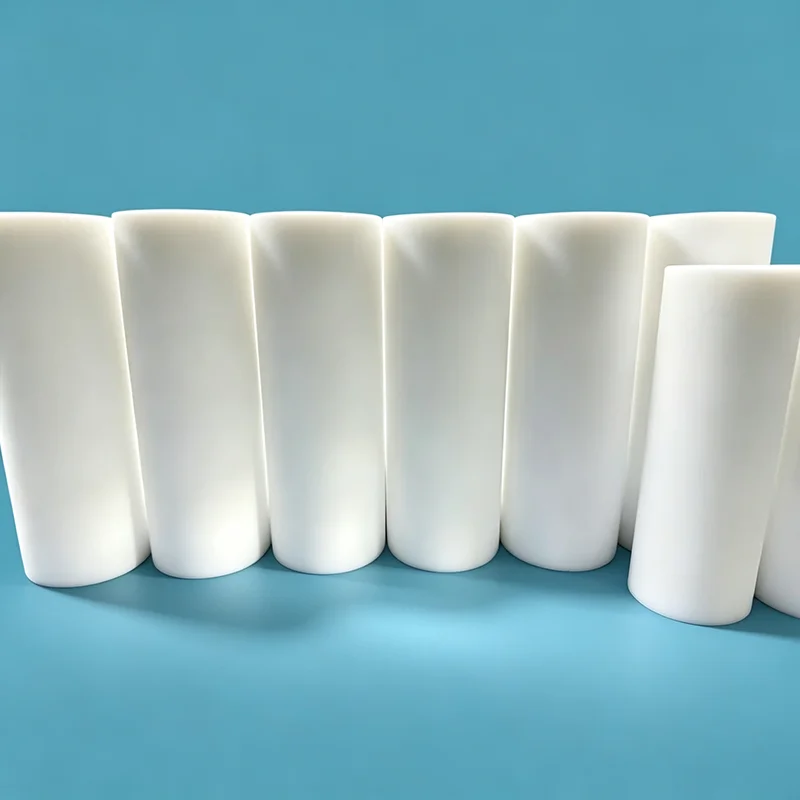
    Beyond sheet stock, Taifno supplies complementary semi-finished forms that are often specified in the same project. Review the PTFE tube and rod range for hollow and solid machining stock, the finished PTFE gaskets range for ready-to-install sealing components, and the full PTFE semi-finished products catalogue for a complete overview of available forms and grades.

    5

    Technical Specifications

    Properties and sizes

    PTFE Sheet Properties

    Parameter Value
    Continuous Service Temperature -180 °C to +200 °C
    Melting Point 327 °C
    Density 2.10 — 2.30 g/cm³
    Tensile Strength 20 — 40 MPa (depends on grade)
    Elongation at Break ≥250%
    Coefficient of Friction 0.04 — 0.20
    Dielectric Strength ≥10 KV/mm
    Water Absorption <0.01%
    pH Range 0–14 universal chemical resistance
    Color White (virgin), custom colors for filled grades
    FDA Compliant Yes (virgin grade)

    Available Sizes of Skived Sheet

    Thickness (mm) Width (mm) Notes
    0.1 — 0.4 Up to 1500 mm —
    0.5 — 8.0 Up to 2700 mm —
    8.0 — 10.0 Up to 2700 mm —
    0.3 — 10.0 standard 1000 — 2000 mm Standard range; 0.1 mm on request

    Available Sizes of Molded Sheet

    Thickness (mm) Size (mm) Notes
    2 — 100 1000×1000, 1200×1200, 1500×1500, 2000×2000 Thin gauge, 2 mm minimum
    4 — 200 1000×1200  Typical production range
    Custom sizes Available on request —
    6

    Quality Assurance and Factory Capability

    Traceability and lead time

    100% Virgin PTFE Resin — no regrind, no recycled material

    Full Traceability — material certificates available on request

    Precision Manufacturing — tight thickness tolerances for skived sheets

    FDA-Compliant Grades Available — virgin PTFE meets FDA requirements

    Filled Grades Available — glass, carbon, graphite, MoS₂, bronze

    Large Size Capabilities — up to 2700 mm wide skived sheets, up to 2000×2000 mm molded sheets

    Lead Time — standard sizes in stock (24–48 hours); custom sizes 5–15 days

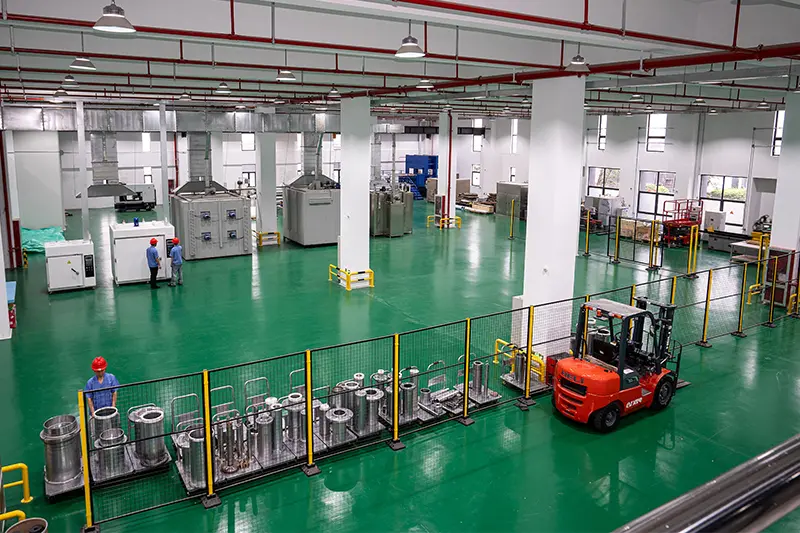
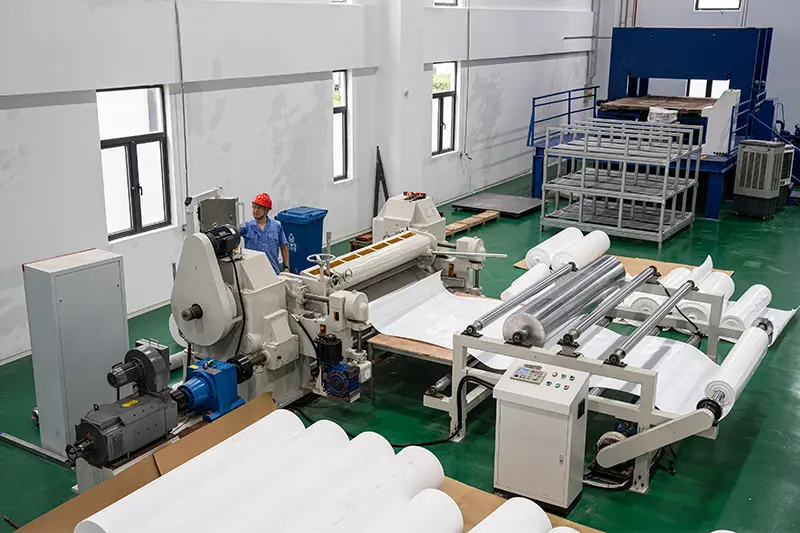
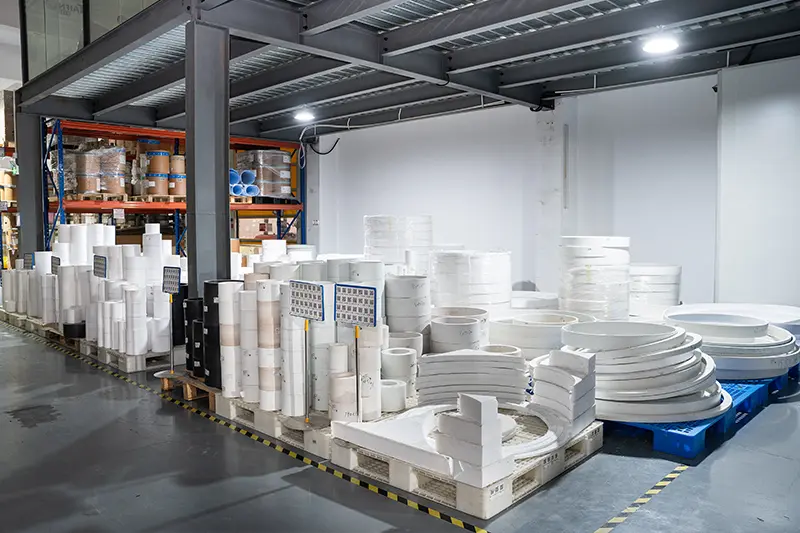
    Taifno PTFE factory production area 1
    PTFE production area.
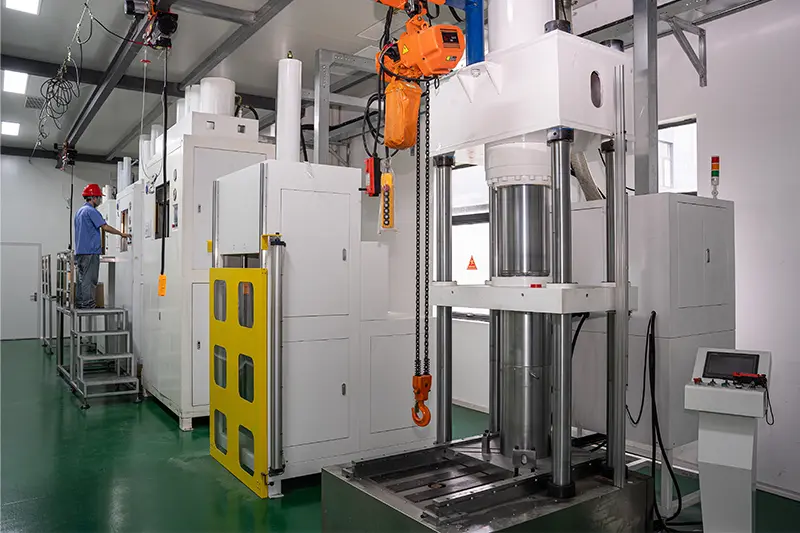
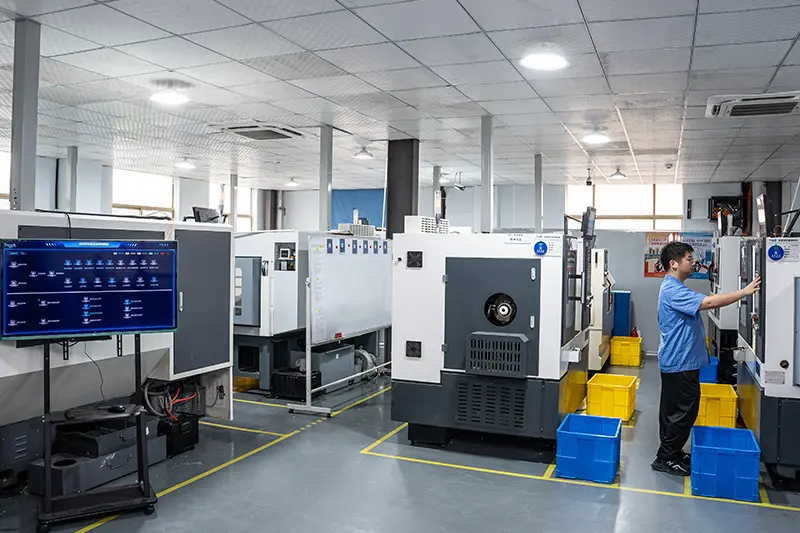
    Taifno PTFE factory production area 2
    Extrusion and molding equipment.
    Taifno PTFE factory production area 3
    Material handling and batch control.
    Taifno PTFE factory production area 4
    Finished PTFE sheet stock.
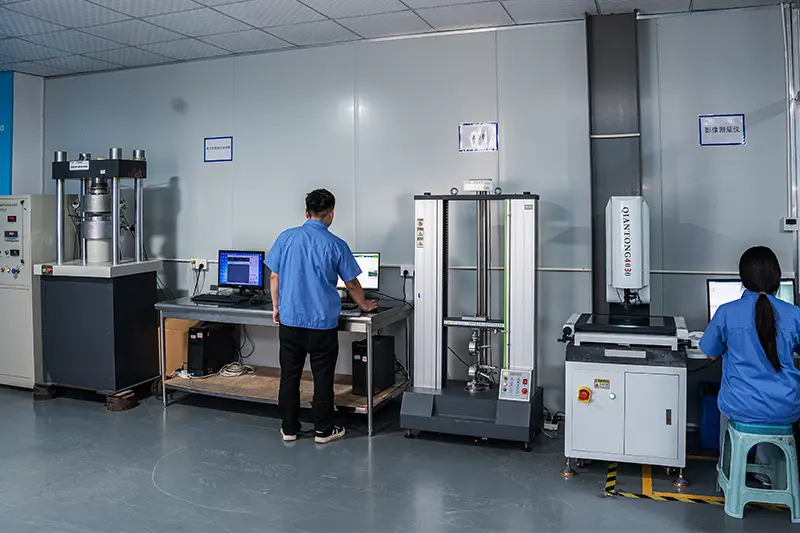
    PTFE material testing 1
    Material testing.
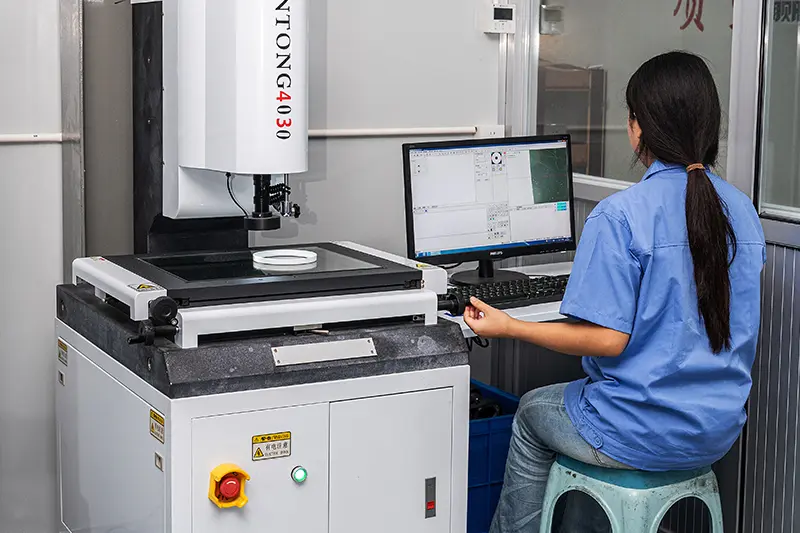
    PTFE material testing 2
    Dimensional inspection.
    PTFE material testing 3
    Batch traceability records.
    PTFE material testing 4
    Final quality check.
    7

    Case Study

    Petrochemical heat exchanger

    A petrochemical company in Fujian, China, faced recurring sealing issues in a heat exchanger flange system operating under harsh conditions of 2.5 MPa pressure and 180 °C temperature. The original rubber gaskets experienced accelerated aging, swelling and performance degradation due to continuous exposure to chemical media and elevated temperatures, resulting in frequent gasket replacement, increased maintenance costs and potential production interruptions.

    To improve sealing reliability, the company replaced the traditional rubber gaskets with precision-cut gaskets manufactured from molded PTFE sheets. PTFE offers excellent chemical resistance, outstanding temperature stability, low friction properties and long-term sealing performance, making it suitable for demanding petrochemical applications. The molded PTFE sheet provided consistent material density, good dimensional stability and reliable resistance against corrosive process media.

    After implementation, the PTFE molded sheet cut gaskets maintained stable sealing performance under continuous operation at 2.5 MPa and 180 °C. Compared with the previous rubber gasket solution, the service life was extended from approximately 3 months to more than 2 years, significantly reducing maintenance frequency and improving equipment operating reliability.

    Application results: Equipment: petrochemical heat exchanger flange system · Conditions: 2.5 MPa / 180 °C · Original: rubber gasket · Replacement: molded PTFE sheet cut gasket · Service life: extended from 3 months to over 2 years · Benefits: improved chemical resistance, reduced maintenance downtime, lower replacement costs and enhanced sealing reliability.

    This case demonstrates the advantages of PTFE molded sheets in high-temperature, chemically aggressive sealing applications, providing a durable and reliable alternative to conventional rubber gasket materials in the petrochemical industry.

    8

    FAQ

    Selection questions

    • For PTFE skived and molded sheet, what is the difference, and when should I use each? Skived sheet is rotary cut from a molded PTFE billet. It produces thin sheets (0.3–10 mm) with tight thickness tolerance (±0.02 mm), smooth surface and large width (up to 2700 mm). Use skived when you need thin gaskets, liners, electrical insulation tape or large flange gaskets requiring precise thickness. Molded sheet is compression molded directly. It produces thick sheets (4–200 mm) with high structural integrity and mechanical strength. Use molded when you need bearing pads, valve seats, custom machined parts or structural sealing applications. Quick rule: need thin, precise, large width? Skived. Need thick, strong, machinable? Molded. Both handle -180 °C to +200 °C and pH 0–14 chemical resistance.
    • What thickness and size ranges are available for skived and molded sheets? Skived sheet: thickness 0.3–10 mm standard, with 0.1 mm minimum and up to 30 mm on request. Width up to 2700 mm. Thickness tolerance as tight as ±0.02 mm for thin gauges. Excellent for large gasket applications where wide sheets reduce seams. Molded sheet: thickness 2–200 mm overall (4–200 mm typical production range). Size up to 2000×2000 mm. Thickness tolerance less precise (±0.3–1.0 mm) but material integrity is superior. Filled grades (glass, carbon, graphite, MoS₂, bronze) are primarily available in molded sheet form for enhanced mechanical properties. We supply both types in standard and custom sizes. Need a specific size? Send your specification for a quote.
    • What are the limitations and the most common mistakes? Temperature: -180 °C to +200 °C continuous service. Chemical: pH 0–14 universal resistance, NOT compatible with molten alkali metals or elemental fluorine. Limitations: PTFE is soft, deforms under sustained load (cold flow / creep). Skived sheet is softer than molded sheet due to the manufacturing process. Molded sheet has better mechanical strength. Two common mistakes: (1) Using skived sheet for structural or thick applications, it lacks the thickness and mechanical strength. Use molded sheet for structural parts. (2) Using molded sheet for thin gaskets requiring tight tolerance, thickness tolerance is looser. Use skived sheet for precision thin applications.
    9

    What to Send With Your Enquiry

    RFQ checklist

    • Form required: skived sheet, molded sheet, or both
    • Thickness, width and length, or sheet size
    • Virgin PTFE or filled grade, with filler type if known
    • Application: gasket, liner, insulation, machining stock or structural part
    • Operating temperature, pressure and chemical medium
    • Quantity, delivery schedule and any certificate or inspection requirement

    Request a factory-direct PTFE sheet quotation

    Send your thickness, sheet size, grade and application. Taifno will confirm the manufacturing route, tolerance, lead time and sample availability.

    Send Your Inquiry
    Send Inquiry
    Contact Info
    X
    We use cookies to offer you a better browsing experience, analyze site traffic and personalize content. By using this site, you agree to our use of cookies. Privacy Policy
    RejectAccept