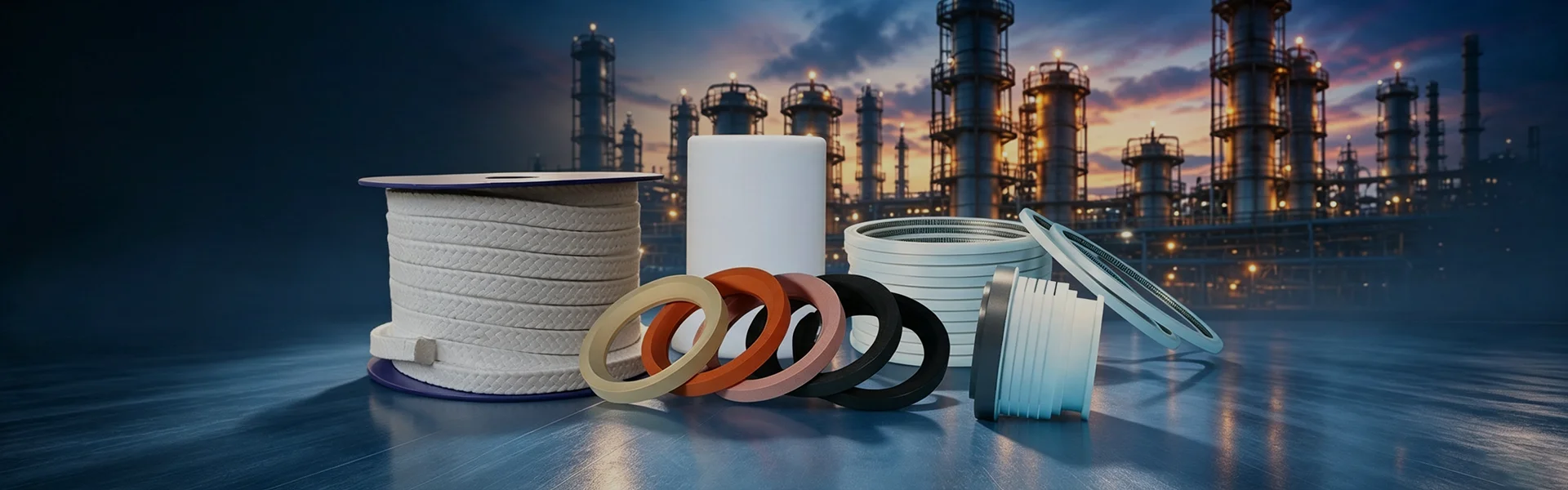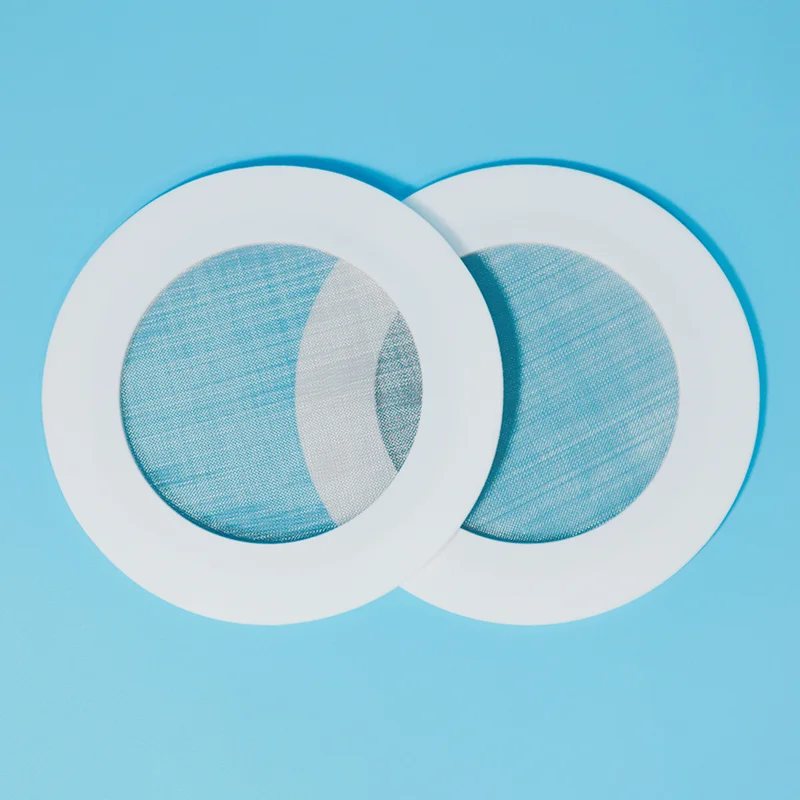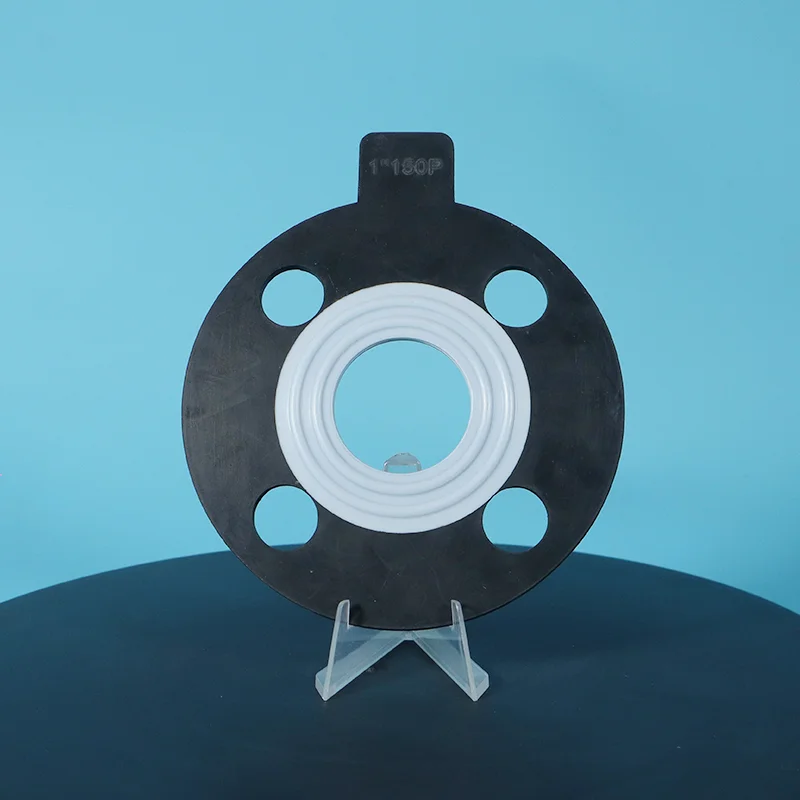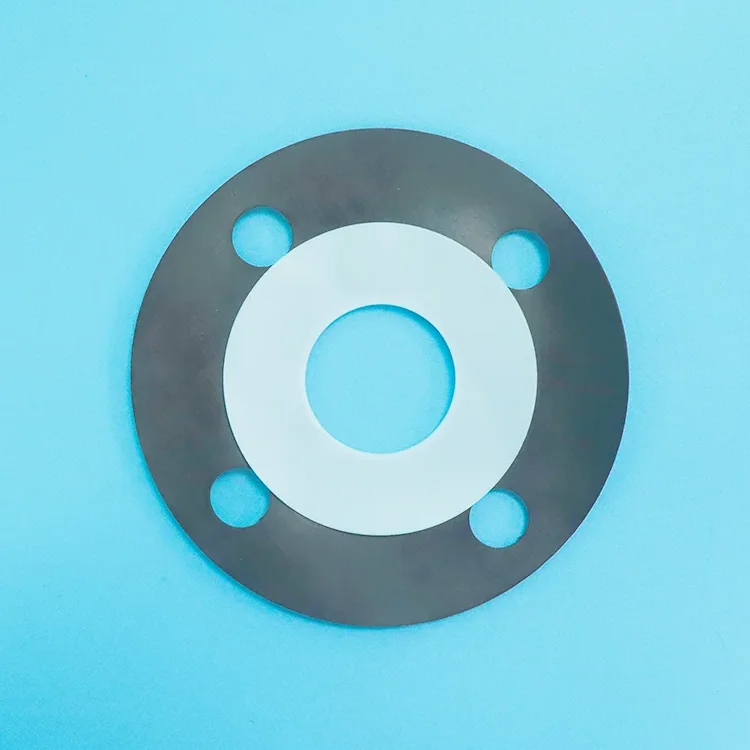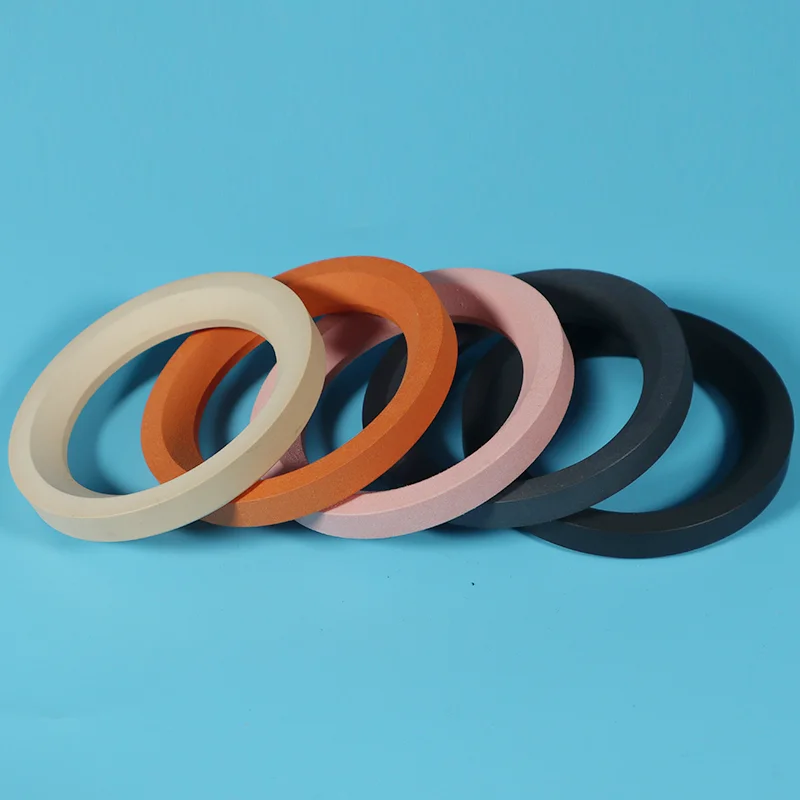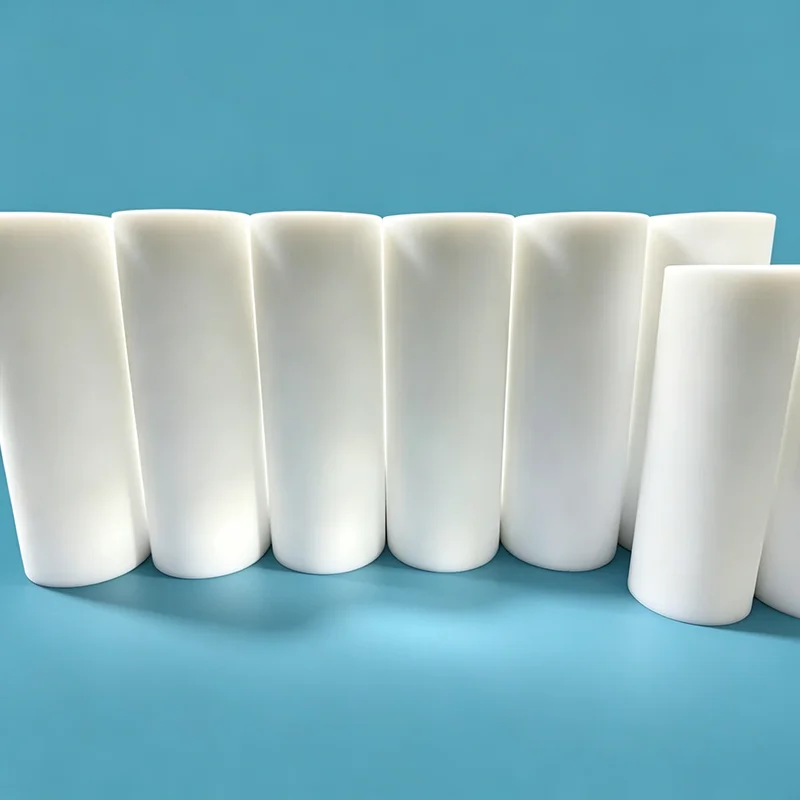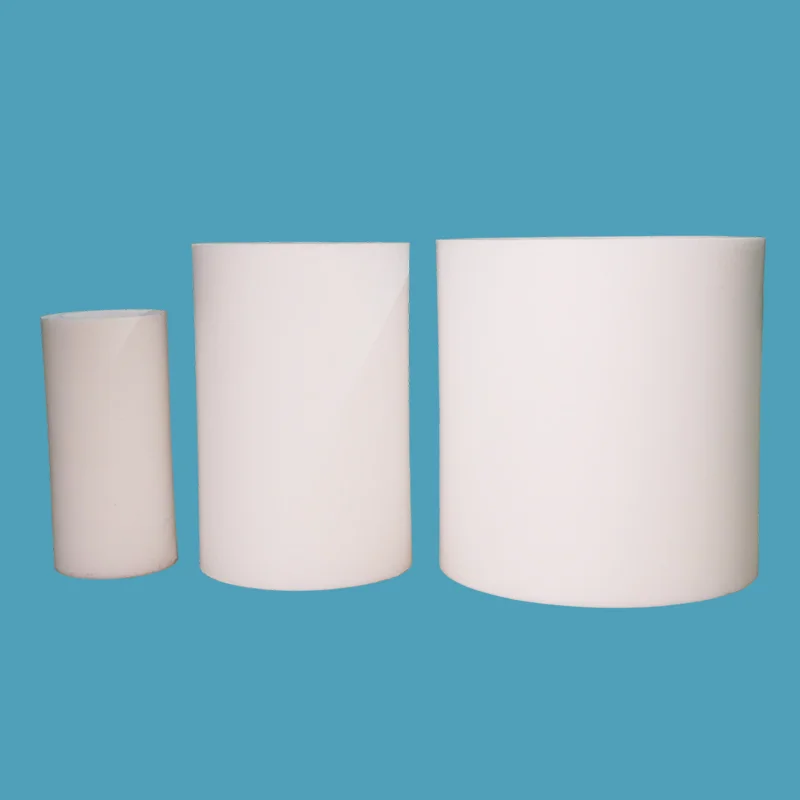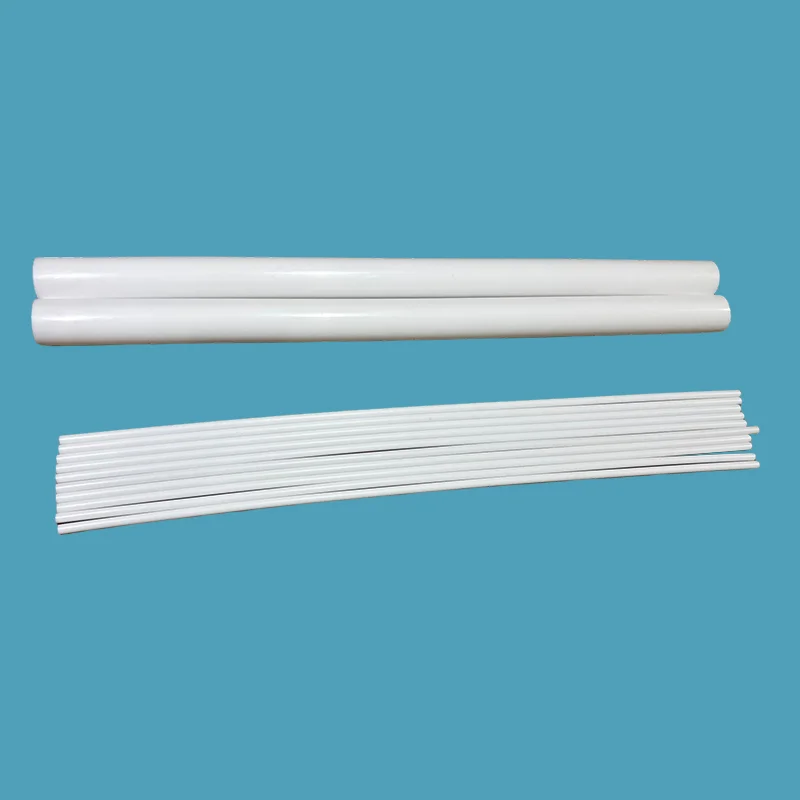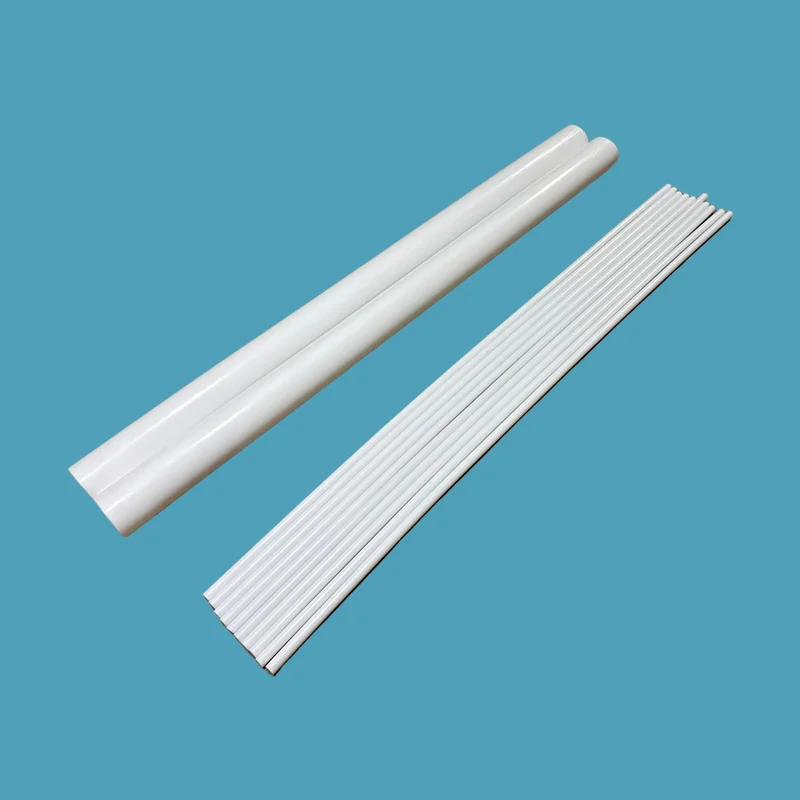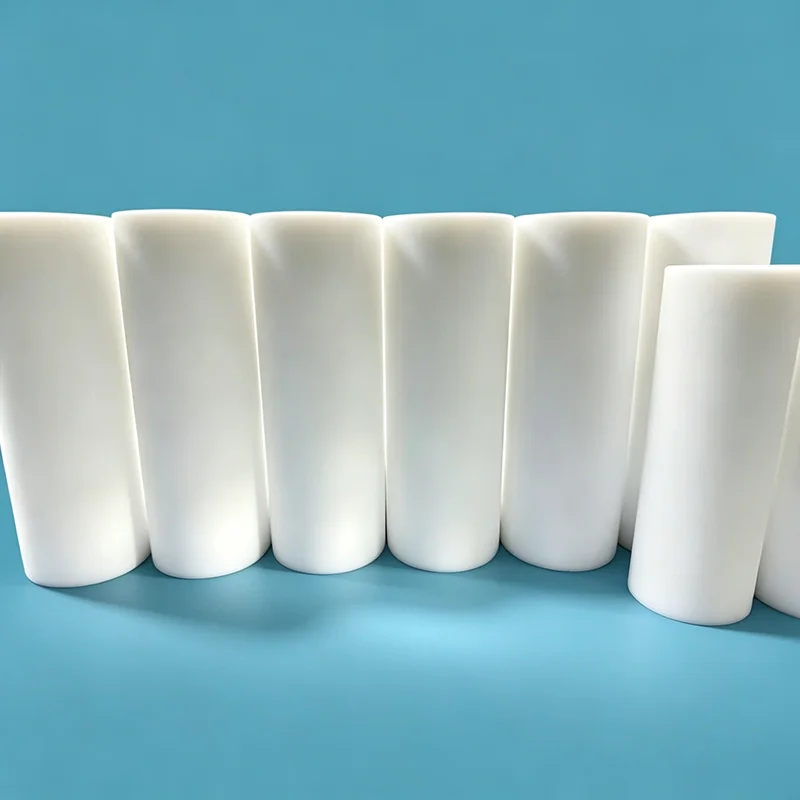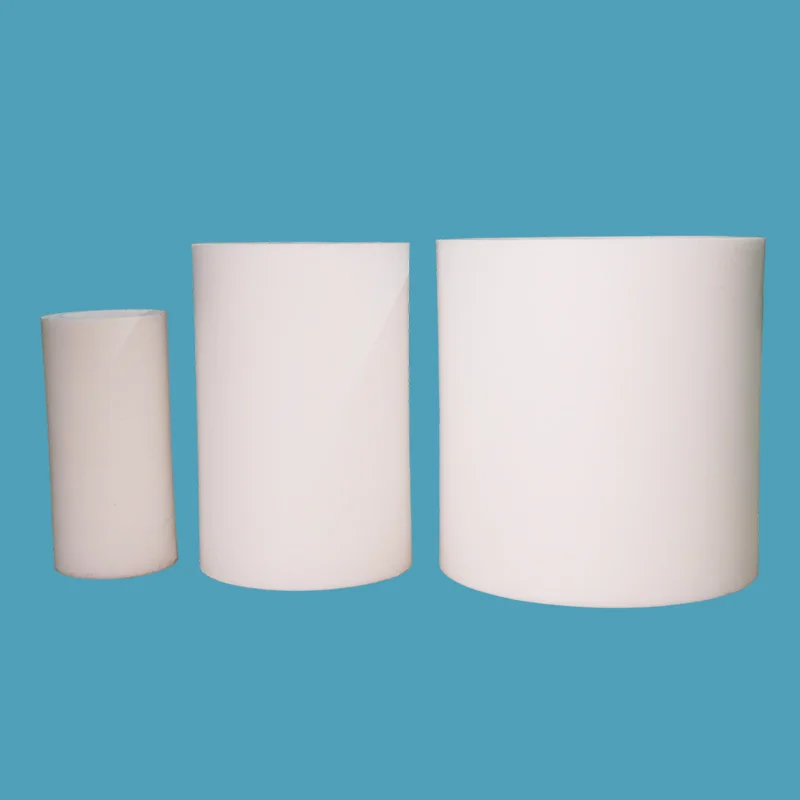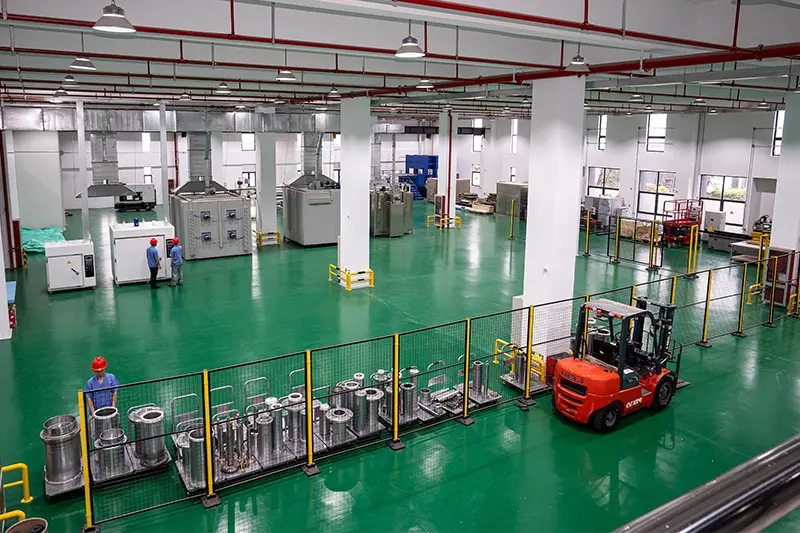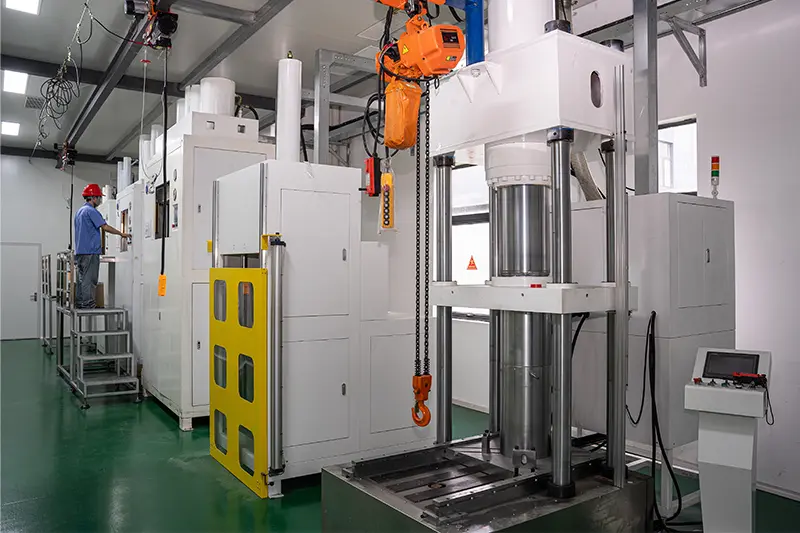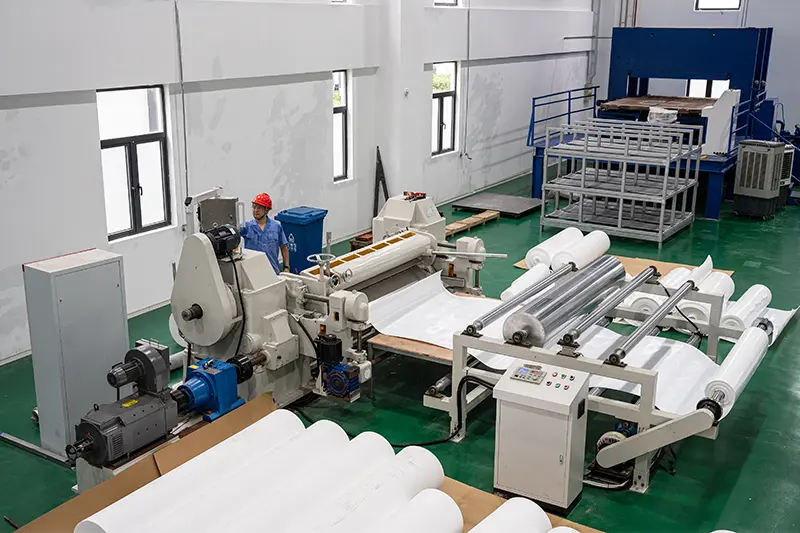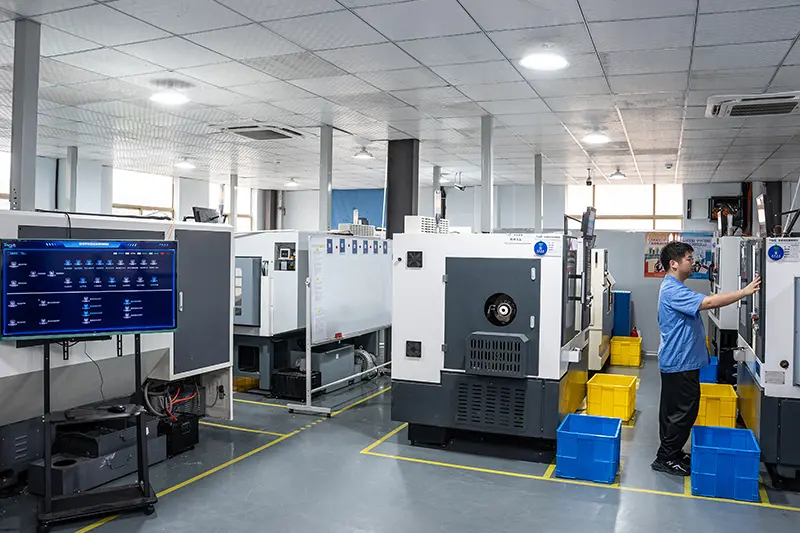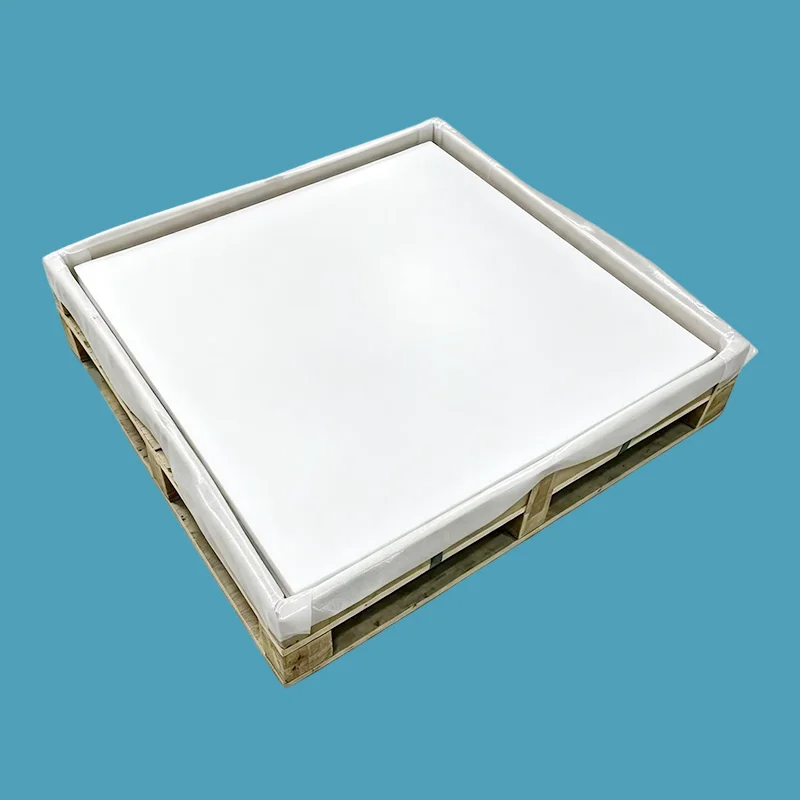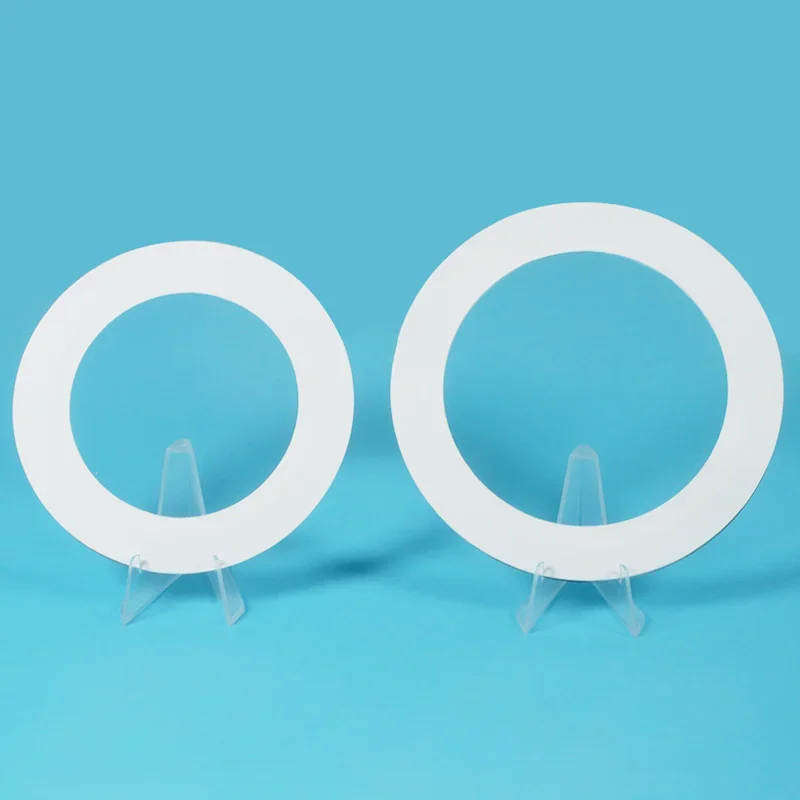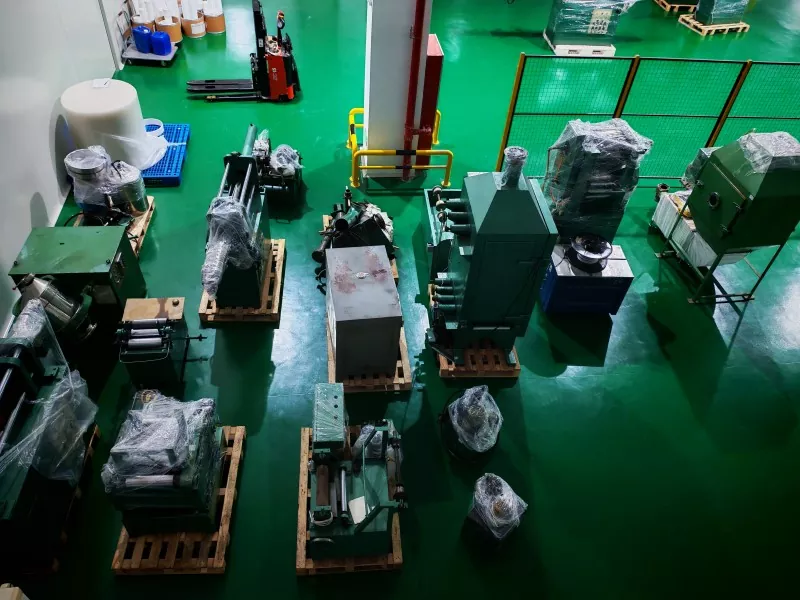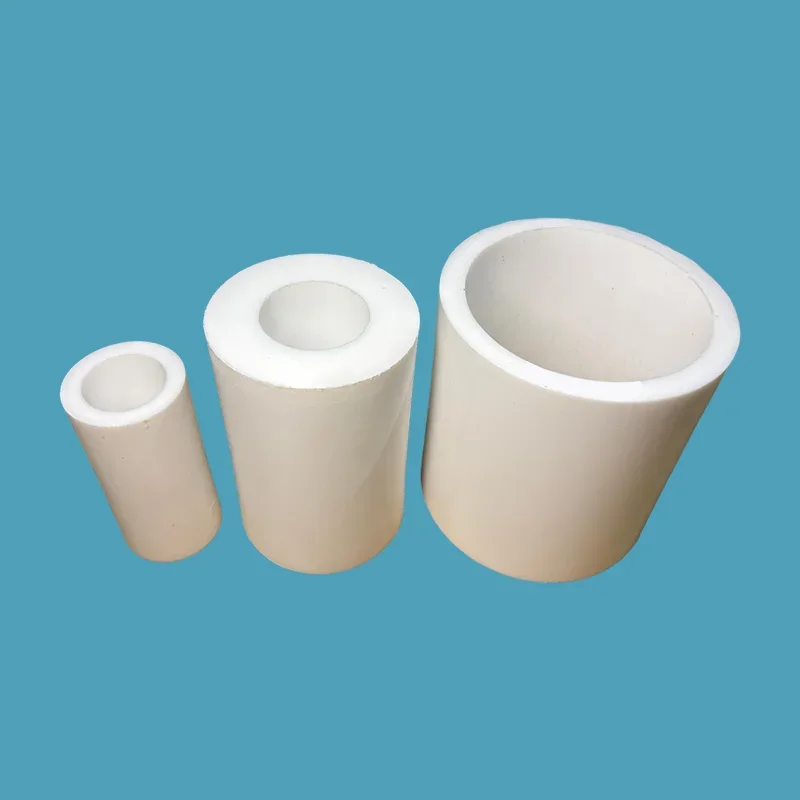
Taifno is a professional manufacturer and supplier of PTFE tube and rod, widely used in applications such as chemical processing, electronics, and fluid transfer.
Our PTFE tubing (hollow) is suitable for fluid transfer, wire insulation, heat exchanger piping, medical catheters, and any application requiring a central channel.
Our PTFE rods (solid) are suitable for valve seats, piston rings, bearings, bushings, and custom machined parts, and can be fabricated into various precision components.
We offer a wide range of grades, specifications, and custom lengths; please submit your requirements regarding dimensions, form, and application, and we will provide a quote within 24 hours.

PTFE tube and rod are semi-finished products manufactured from PTFE resin through molding, extrusion, or paste extrusion processes. PTFE is a synthetic fluoropolymer that offers a unique combination of properties — unmatched chemical resistance, wide operating temperature range, and the lowest coefficient of friction of any solid material.
Forms Available:
PTFE Tube (Hollow): Available in standard tubing, syringe tubing, convoluted tubing, and thick-walled pipe forms
PTFE Rod (Solid): Available in extruded rods (1-4mm, coiled) and molded rods (6-400mm)
|
Type |
Process |
Diameter Range |
Best For |
|
Extruded Tube / Rod |
Ram extrusion or paste extrusion |
Tube: 4-50mm ; Rod: 1-4mm (coiled) |
Uniform wall thickness, precise dimensions, long lengths |
|
Molded Tube / Rod |
Compression molding |
Tube: 50mm+ ; Rod: 6-400mm |
Large diameters, custom sizes, thick walls |
|
Filled PTFE |
Compression or extrusion with fillers |
Various |
Enhanced mechanical properties — wear resistance, thermal conductivity |
|
Property |
Value |
|
Continuous Service Temperature |
-180°C to +200°C (up to +330°C for filled grades) |
|
Melting Point |
327°C |
|
Density |
2.10-2.30 g/cm³ |
|
Tensile Strength |
14-35 MPa (2,000-5,000 psi) |
|
Coefficient of Friction |
0.04-0.20 (lowest of any solid) |
|
Water Absorption |
<0.01% |
|
Oxygen Index |
>95% (non-flammable) |
|
Dielectric Strength |
>10¹⁸ Ohm·cm (volume resistivity) |
|
Characteristic |
Benefit |
|
Universal Chemical Resistance |
Resists all strong acids, alkalis, solvents, and oxidizers — pH 0-14 |
|
Wide Temperature Range |
Stable from -180°C to +200°C — cryogenic to high-temperature service |
|
Lowest Coefficient of Friction |
0.04 — self-lubricating, reduces wear on mating surfaces |
|
Non-Stick Surface |
Lowest surface tension of any solid — media does not adhere |
|
Excellent Dielectric Properties |
High dielectric strength, low loss — ideal for electrical applications |
|
Non-Aging |
Unaffected by oxygen, ozone, and UV — weather-resistant |
|
Feature |
PTFE |
PEEK |
Nylon |
PVC |
|
Chemical Resistance |
★★★★★ pH 0-14 |
★★★★☆ |
★★☆☆☆ |
★★☆☆☆ |
|
Temperature Range |
-180°C to +200°C |
-50°C to +250°C |
-40°C to +120°C |
-20°C to +80°C |
|
Coefficient of Friction |
0.04 — lowest |
0.15-0.30 |
0.20-0.40 |
0.30-0.50 |
|
Mechanical Strength |
★★☆☆☆ soft |
★★★★★ excellent |
★★★★☆ |
★★★☆☆ |
|
Cost |
$$ |
$$$$$ |
$ |
$ |
|
Best For |
Chemical resistance, low friction, non-stick |
Extreme temperature, high load |
General mechanical parts |
Low-cost fluid transfer, electrical insulation |
|
Feature |
PTFE Tube |
PTFE Rod |
|
Best For |
Fluid transfer, insulation sleeves, lining, tubing systems |
Machined parts, seals, valve seats, bushings, bearings, custom components |
|
Applications |
Chemical transfer, wire insulation, heat exchangers, medical tubing |
Mechanical parts, piston rings, back-up rings, valve components, O-rings |
|
Processing |
Used as-is (cut to length, flaring, bending) |
Requires secondary machining (CNC turning, milling) |
|
Customization |
Custom I.D., O.D., wall thickness, length |
Any diameter, shape, length — machined to drawing |
|
Feature |
Virgin PTFE |
Filled PTFE |
|
Chemical Resistance |
★★★★★ pH 0-14, universal |
★★★★☆ depends on filler |
|
Creep Resistance |
★★☆☆☆ soft, deforms under load |
★★★★☆ significantly improved |
|
Wear Resistance |
★★☆☆☆ |
★★★★★ with glass, bronze, or carbon fillers |
|
Thermal Conductivity |
★★☆☆☆ |
★★★★☆ with graphite or carbon fillers |
|
Best For |
High-purity, FDA applications |
High pressure, high load, abrasive service |
|
Filler |
Key Benefit |
Best For |
|
Glass Fiber |
Increases compressive strength, rigidity, wear resistance — reduces creep |
Abrasive media, high load, high pressure |
|
Carbon / Graphite |
Reduces coefficient of friction, improves thermal conductivity |
High speed, heat dissipation, dry running |
|
Molybdenum Disulfide (MoS₂) |
Increases hardness, stiffness, wear resistance |
High-load applications requiring low friction |
|
Bronze |
Increases hardness, wear resistance, dimensional stability |
Extreme pressure, heavy load, severe wear |
|
PPL (Polyphenylene) |
Improves high-temperature resistance — up to +330°C |
High-temperature applications above +200°C |
|
Industry |
Application |
Recommended Form |
|
Chemical Processing |
Corrosive fluid transfer, pipe linings, seals — acids, solvents, caustics |
Tube, rod (machined parts) |
|
Electrical & Electronics |
Wire insulation, cable protection, high-frequency insulation parts |
Tube (insulation sleeves), rod (connectors) |
|
Pharmaceutical |
Biocompatible tubing, sterile processing equipment |
Tube, rod (machined seals) |
|
Food & Beverage |
Hygienic fluid handling, food processing equipment |
Tube, rod (machined components) |
|
Oil & Gas |
Valve seats, seals, piston rings, ball valve seats |
Rod (machined components) |
|
Aerospace |
High-reliability fluid systems, insulation components |
Tube, rod |
|
Semiconductor |
High-purity chemical distribution, ultrapure water lines |
Tube, rod |
Corrosive fluid transfer lines
Wire insulation sleeves for electrical applications
High-frequency electrical insulation parts
Heat exchanger tubing
Medical and laboratory fluid handling
Chemical injection lines in oil and gas
Valve seats and seals
Piston rings and back-up rings
Bearing pads and thrust washers
Custom-machined mechanical parts
Electrical insulation components
Static seals and gaskets


|
Parameter |
Value |
|
Temperature Range |
-180°C to +260°C (up to +330°C for filled grades) |
|
Pressure Rating |
Positive: up to 1.6 MPa; Vacuum: up to 77 KPa |
|
Available Diameters |
0.5mm to 500mm+ |
|
Standard Lengths |
1000mm, 2000mm, or custom lengths |
|
Wall Thickness |
0.1mm to 50mm (depending on diameter) |
|
Material |
Virgin PTFE or filled compounds |
|
Color |
White (virgin), off-white, black (filled), custom colors available |
|
Parameter |
Value |
|
Temperature Range |
-180°C to +200°C (up to +330°C for filled grades) |
|
Available Diameters |
1mm to 400mm |
|
Standard Lengths |
1000mm, 2000mm (extruded), 100-600mm (molded) |
|
Diameter Tolerance |
±0.05mm (precision); ±0.3mm to ±1.0mm (standard) |
|
Material |
Virgin PTFE or filled compounds |
|
Color |
White (virgin), off-white, black (filled), custom colors available |
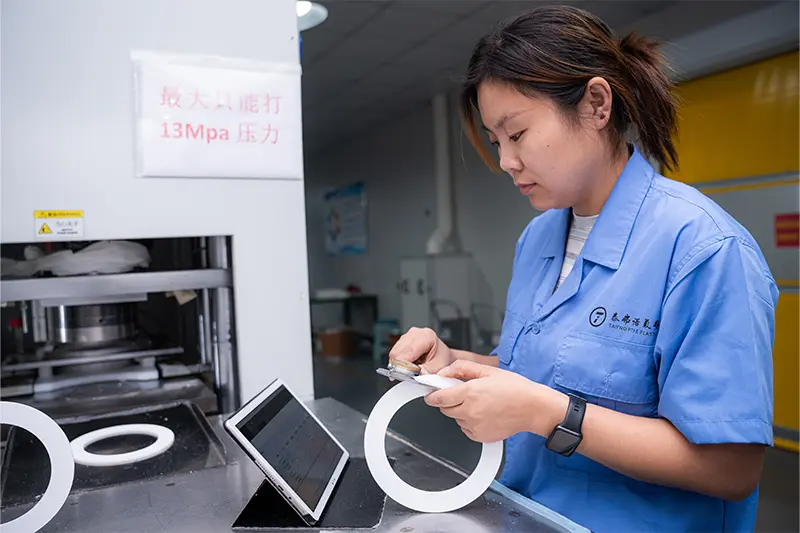
100% Virgin PTFE Resin: no regrind, no recycled material. Consistent quality, batch after batch.
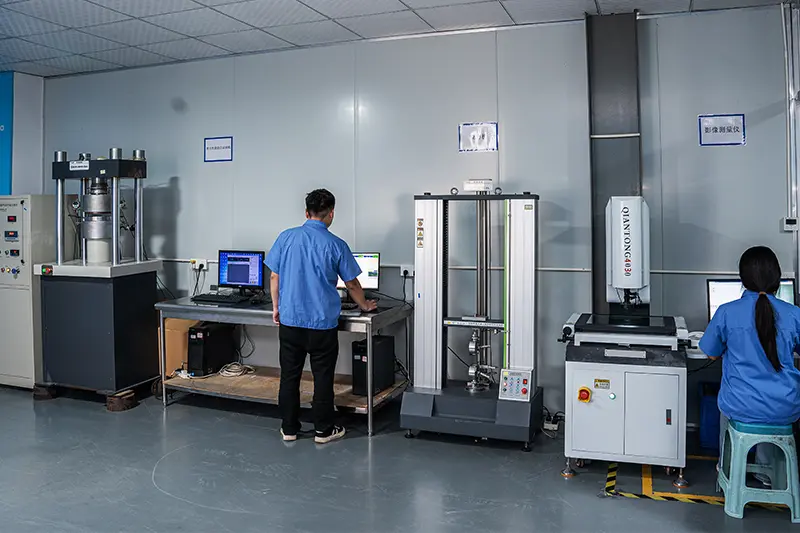
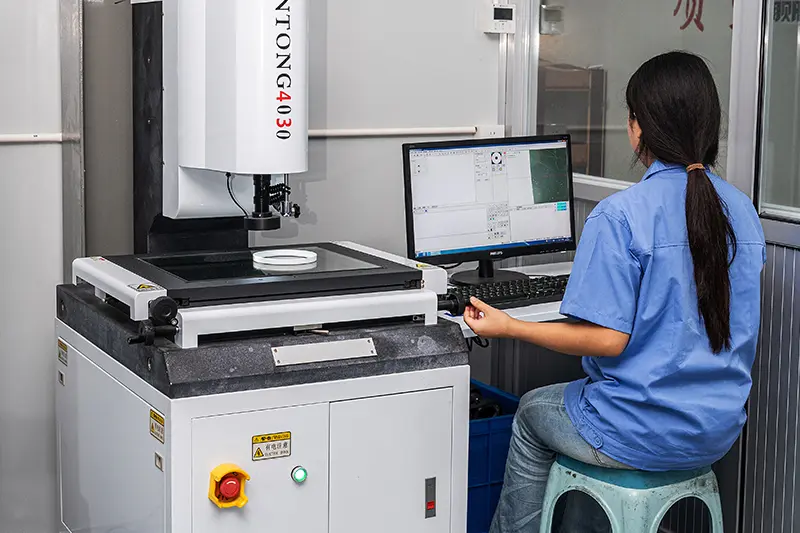
Precision Manufacturing: Advanced extrusion and molding processes for consistent dimensions and surface finish.
Full Traceability: Every batch traceable from raw material to finished product. Material certificates available on request.
Filled PTFE Capabilities: Over 50 blends of PTFE compounds in stock — glass, carbon, graphite, MoS₂, bronze, and more.
Custom Sizes: Custom diameters, lengths, and colors available on request.
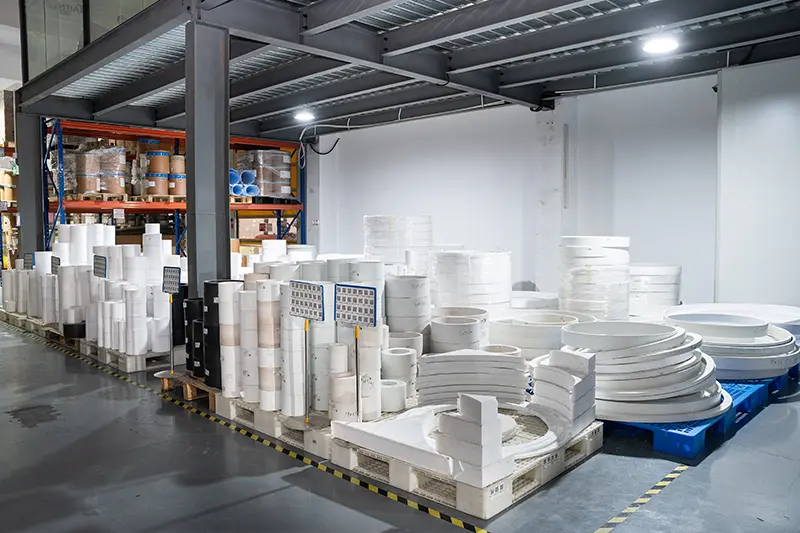
Lead Time: standard sizes in stock (24-48 hours); custom sizes 5-15 days depending on complexity and quantity.


A chlor-alkali production plant in Shandong, China, previously used titanium alloy pipes for transporting 90°C wet chlorine gas. However, severe corrosion issues caused the original pipeline system to require replacement approximately every 8 months, resulting in increased maintenance costs and production risks.
To solve this challenge, the plant replaced the titanium alloy pipeline with a PTFE-lined carbon steel pipe system. The PTFE lining provided a highly corrosion-resistant barrier against wet chlorine gas while maintaining the mechanical strength and cost advantages of carbon steel.
After installation, the PTFE-lined piping system has achieved over 5 years of continuous operation without leakage, significantly improving pipeline reliability, reducing downtime, and lowering long-term operating costs.
This successful application demonstrates the advantages of PTFE lining solutions in aggressive chemical environments where traditional metal materials face corrosion limitations.
A: PTFE tube is hollow, designed for fluid transfer, wire insulation, and applications requiring a passage through the center.
PTFE rod is solid, designed as a raw material for machining custom parts (seals, valve seats, bearings, bushings).
Quick rule:
Need to convey fluids or run wires through it → Tube.
Need solid material to machine into a custom part → Rod.
Both share the same chemical and thermal properties, the difference is form and function.
When to choose tube: Chemical transfer lines, wire insulation sleeves, heat exchanger tubing, medical fluid handling.
When to choose rod: Valve seats, piston rings, bearing pads, custom machined components.
Need both? We supply both, just send your requirements.
A: PTFE offers the broadest chemical resistance (pH 0-14), widest temperature range (-180°C to +200°C), and lowest friction (0.04). It is soft and creeps under load.
PEEK offers excellent mechanical strength and temperature resistance (-50°C to +250°C) but is much more expensive and has limited chemical compatibility.
Nylon offers good mechanical strength at low cost but has poor chemical resistance and moisture absorption.
Quick rule:
Need chemical resistance + low friction + wide temperature → PTFE.
Need high mechanical strength + high temperature → PEEK (cost is higher).
Need low cost + general mechanical parts → Nylon (chemical resistance is limited).
Send your application and we recommend the right material.
A: Temperature: -180°C to +200°C continuous service (filled grades up to +330°C).
Chemical: pH 0-14 universal resistance, NOT compatible with molten alkali metals or elemental fluorine at high temperatures.
Mechanical: PTFE is soft, deforms under sustained load (cold flow / creep).
Pressure: Tube positive pressure up to 1.6 MPa; vacuum up to 77 KPa.
Three common mistakes:
(1) Using virgin PTFE in high-pressure service: deforms under sustained load; use filled PTFE for improved creep resistance.
(2) Exceeding temperature limits: above +200°C, PTFE degrades and releases trace gases; for +300°C+ service, use filled grades with PPL additives.
(3) Incorrect tube wall thickness selection: for high-pressure fluid transfer, use thick-walled tube; for low-pressure or flexible applications, use standard wall.
We provide technical guidance with every order.
Address
No.1028, Qiersan Street, Andong Town, Cixi City, Zhejiang Province, China
Tel