News

How Do Silica-Filled PTFE Sheets Support Industrial Sealing Applications?

2026-11-02 0 Leave me a message

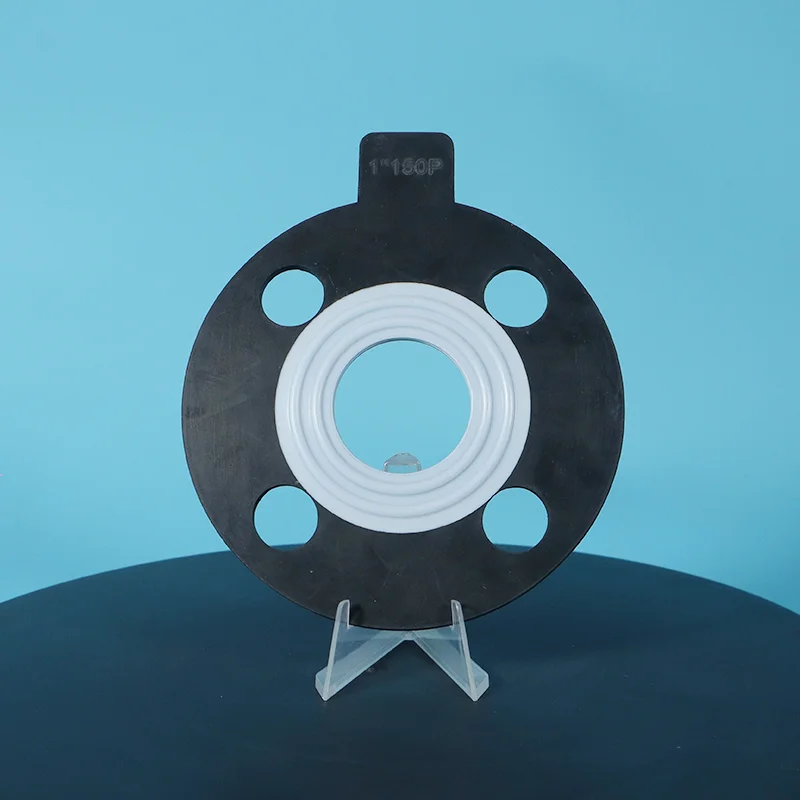
Industrial sealing is a demanding application. A gasket or seal must maintain a leak-tight joint under pressure, temperature, and chemical exposure, often for years without maintenance. Pure PTFE is an attractive material for sealing because it is chemically inert, has a low friction coefficient, and withstands a wide temperature range. But pure PTFE has a significant weakness: it creeps under load. When compressed between flanges, pure PTFE gradually deforms and loses its sealing stress, leading to leaks. This is where silica-filled PTFE sheets come in. By adding a controlled percentage of silica filler to the PTFE matrix, the material gains creep resistance and compression strength while retaining most of its chemical inertness. For procurement managers and sealing engineers, understanding how silica-filled PTFE sheets support industrial sealing applications is essential for selecting the right material for demanding services.


This guide is written for buyers who need to evaluate Modified PTFE Sheets for industrial sealing. We will explain what silica-filled PTFE is, how the filler improves sealing performance, the key properties that matter for gaskets and seals, the applications where silica-filled PTFE is the right choice, the limitations to be aware of, and the criteria for evaluating a supplier. We will also provide detailed product parameters from our factory at Ningbo Taifno PTFE Plastic Products Co., Ltd. Whether you are sealing a chemical reactor, a steam line, a food processing vessel, or a compressor, this guide will help you select the right PTFE sheet for your application.

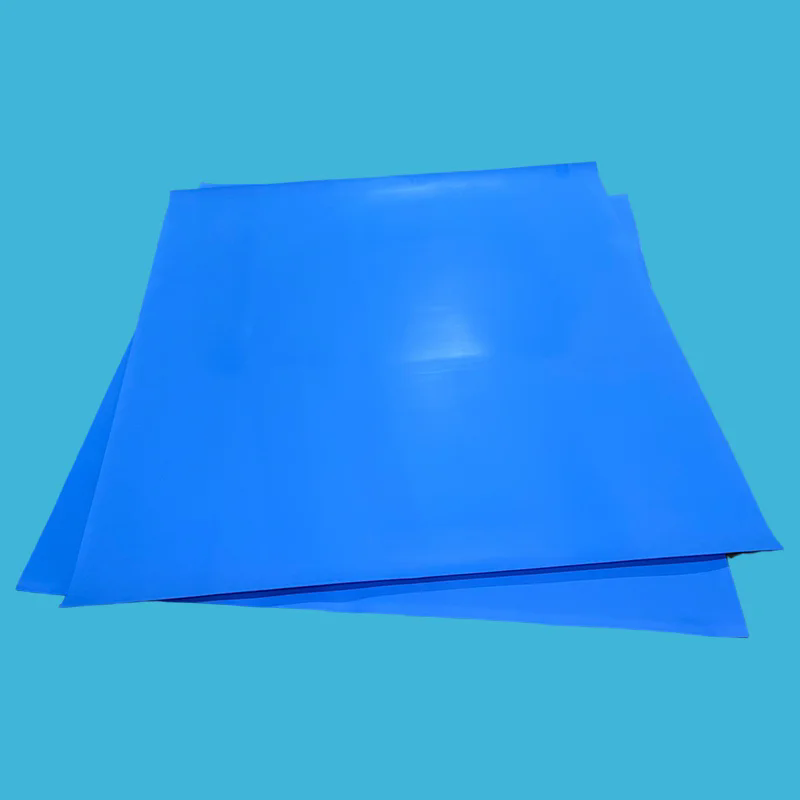
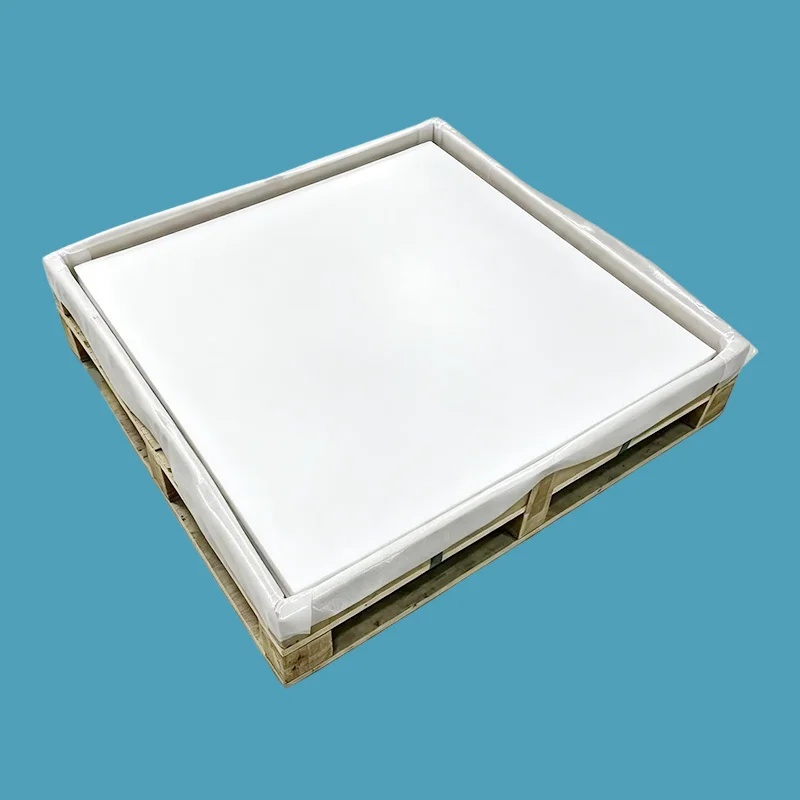
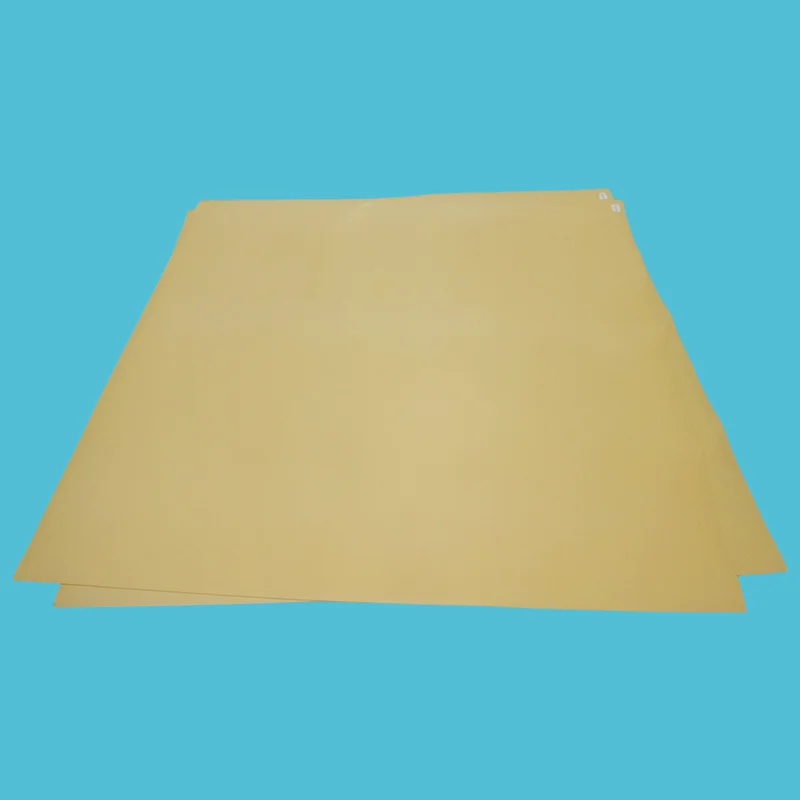
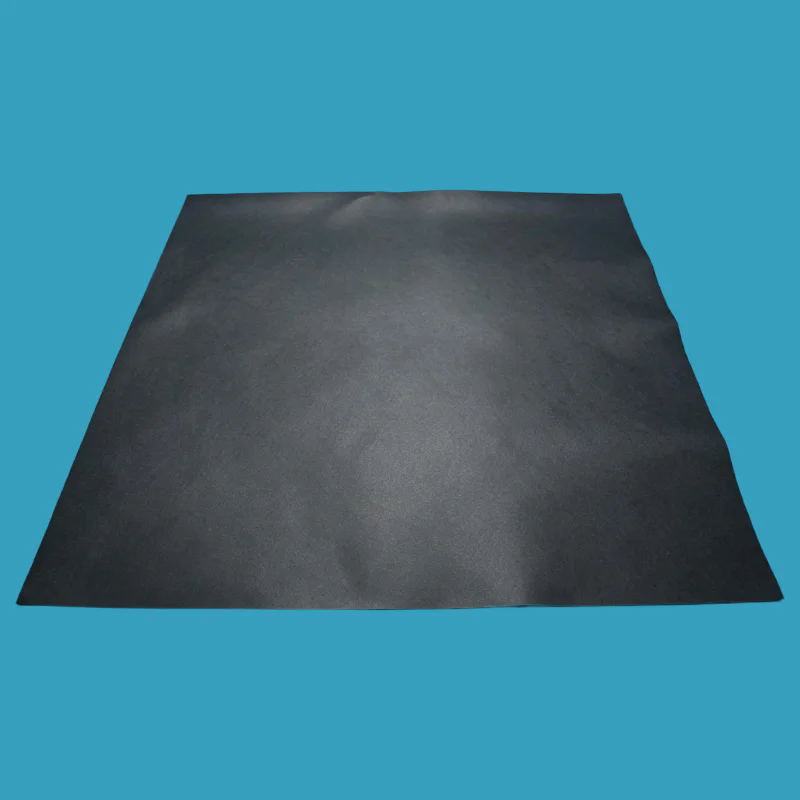
Glass-Bead-Filled PTFE Sheet


Table of Contents


1. What Is a Silica-Filled PTFE Sheet and How Is It Made?

A silica-filled PTFE sheet is a modified PTFE product in which a controlled percentage of silica powder is blended into the PTFE resin before the sheet is formed. The silica content is typically 15% to 25% by weight, depending on the grade and the intended application. The blended compound is processed using compression molding or isostatic molding, followed by sintering at a temperature above the PTFE melting point. The result is a dense, homogeneous sheet with improved mechanical properties compared to pure PTFE. The silica particles act as a reinforcing phase, restricting the movement of the PTFE chains under load and reducing creep. The table below summarizes the composition and manufacturing process.

Component Content Function
PTFE Resin 75% - 85% Provides chemical inertness and low friction
Silica Filler 15% - 25% Improves creep resistance and compression strength
Processing Compression molding, sintering Creates a dense, homogeneous sheet
Sheet Thickness 0.5mm - 10mm Selected for the sealing application

At Ningbo Taifno PTFE Plastic Products Co., Ltd., our factory manufactures Modified PTFE Sheets with a range of silica contents to suit different sealing requirements. We control the blending and sintering processes to ensure that the silica is evenly distributed and the sheet has consistent properties. Our goal is to provide our customers with PTFE sheets that deliver reliable sealing performance in demanding industrial applications.


2. Why Does Creep Resistance Matter for Industrial Sealing?

Creep resistance is the most important reason to choose a silica-filled PTFE sheet over a pure PTFE sheet for industrial sealing. Creep, also known as compression set or cold flow, is the tendency of a material to deform permanently under sustained load. In a bolted flange joint, the gasket is compressed between the flanges and held under load. If the gasket creeps, it loses thickness and the sealing stress decreases. Eventually, the joint may leak. Pure PTFE is highly susceptible to creep, especially at elevated temperatures. The silica filler restricts the movement of the PTFE chains, reducing creep and maintaining the sealing stress over time. The table below compares the creep behavior of pure PTFE and silica-filled PTFE.

Property Pure PTFE Silica-Filled PTFE
Compression Set (100°C, 24h) High Reduced by 40-60%
Creep Rate at 100°C High Low
Sealing Stress Retention Low High
Maximum Service Temperature 260°C 260°C (filler dependent)

At our factory, we test the creep resistance of every batch of silica-filled PTFE sheets. We measure the compression set under standard conditions and verify that it meets our specifications. Our goal is to provide our customers with PTFE sheets that maintain their sealing stress over the life of the joint.


3. How Does Silica Filler Affect Compression Strength and Recovery?

The silica filler also improves the compression strength and recovery of the PTFE sheet. Compression strength is the ability of the material to withstand the compressive load applied by the flange bolts without deforming excessively. Recovery is the ability of the material to spring back when the load is reduced. Both properties are important for maintaining a tight seal under fluctuating pressure and temperature. Pure PTFE has relatively low compression strength and poor recovery. The silica filler increases the compressive modulus and improves the recovery, allowing the gasket to maintain contact with the flange surfaces even when the load changes. The table below compares the compression properties of pure PTFE and silica-filled PTFE.

Property Pure PTFE Silica-Filled PTFE
Compressive Modulus (MPa) 500 - 700 800 - 1200
Compression Strength (MPa) 10 - 15 20 - 30
Recovery (%) 30 - 40 50 - 65
Effect on Sealing Prone to leakage under load Maintains seal under load

At our factory, we select silica fillers with the right particle size and surface treatment to optimize the compression strength and recovery of our Modified PTFE Sheets. We verify these properties through compression testing and recovery testing. Our goal is to provide our customers with PTFE sheets that perform reliably in bolted flange joints.


4. What Chemical Compatibility Does Silica-Filled PTFE Offer?

Silica-filled PTFE retains most of the chemical inertness of pure PTFE. It is resistant to a wide range of chemicals, including acids, bases, solvents, and oxidizing agents. This makes it suitable for sealing in chemical processing, petrochemical, and pharmaceutical applications. However, the silica filler is not completely inert to all chemicals. It can be attacked by strong alkalis, such as sodium hydroxide and potassium hydroxide, especially at elevated temperatures. It can also be attacked by hydrofluoric acid and some fluorine compounds. For these services, a different filler, such as carbon or graphite, may be more appropriate. The table below summarizes the chemical compatibility of silica-filled PTFE.

Chemical Compatibility Notes
Acids (most) Excellent Except hydrofluoric acid
Bases (strong) Poor Attacked by NaOH, KOH
Solvents Excellent Resistant to most organic solvents
Oxidizing Agents Good Depends on concentration and temperature
Hydrofluoric Acid Poor Attacks silica filler

At our factory, we provide chemical compatibility data for our Modified PTFE Sheets. We can advise on the suitability of silica-filled PTFE for specific chemicals and operating conditions. Our goal is to help our customers select the right material for their sealing application.


5. What Are the Limitations of Silica-Filled PTFE?

While silica-filled PTFE offers significant advantages for industrial sealing, it also has limitations that buyers should understand. The first limitation is the reduced chemical compatibility with strong alkalis and hydrofluoric acid, as discussed in the previous section. The second limitation is the slightly higher friction coefficient compared to pure PTFE. This is usually not a problem for static sealing applications, but it can be a consideration for dynamic seals. The third limitation is the reduced electrical insulation properties. Silica is not as good an insulator as PTFE, so silica-filled PTFE may not be suitable for electrical applications. The fourth limitation is the higher cost compared to pure PTFE. The table below summarizes these limitations.

Limitation Effect Mitigation
Chemical Compatibility Attacked by strong alkalis, HF Use carbon or graphite filler for these services
Friction Coefficient Slightly higher than pure PTFE Acceptable for static sealing
Electrical Insulation Lower than pure PTFE Not suitable for electrical applications
Cost Higher than pure PTFE Evaluate total cost of ownership

At our factory, we help our customers evaluate these limitations and select the right material for their application. We offer a range of PTFE compounds with different fillers, including carbon, graphite, and glass, to suit different chemical and mechanical requirements. Our goal is to provide our customers with the material that delivers the best performance for their specific sealing application.


6. How Do You Evaluate a Modified PTFE Sheet Supplier?

Evaluating a supplier of Modified PTFE Sheets for industrial sealing requires a focus on material quality, filler consistency, testing capability, and technical support. The supplier must use high-quality PTFE resin and silica filler. They must control the blending and sintering processes to ensure consistent filler distribution and sheet properties. They must test the creep resistance, compression strength, and chemical compatibility of every batch. And they must provide technical support to help you select the right material. The table below summarizes the evaluation criteria.

Evaluation Criterion What to Look For Why It Matters
Material Quality Certified PTFE resin, high-purity silica Ensures consistent performance
Filler Consistency Uniform distribution, controlled content Ensures predictable creep resistance
Testing Capability Creep testing, compression testing Verifies product properties
Technical Support Material selection, application engineering Helps select the right material
Project Experience Chemical, petrochemical, pharmaceutical references Demonstrates capability and reliability

At Taifno, our factory has been producing Modified PTFE Sheets for over a decade. We use certified PTFE resin and high-purity silica filler. We test the creep resistance, compression strength, and chemical compatibility of every batch. Our technical team is available to assist with material selection and application engineering. We invite you to evaluate us against these criteria and to consider us as your partner for Modified PTFE Sheets.


7. What Are the Key Product Parameters from Our Factory?

The following table provides the key product parameters for our Modified PTFE Sheets. These sheets are designed for industrial sealing applications, including gaskets, seals, and flange insulation. Our factory can also produce custom sheets to meet specific requirements.

Parameter Specification Range Notes
Filler Content 15% - 25% silica Custom content available
Sheet Thickness 0.5mm - 10mm Custom thickness available
Sheet Size Up to 1500 x 1500mm Custom sizes available
Density 2.1 - 2.2 g/cm³ Depends on filler content
Tensile Strength 15 - 25 MPa Depends on filler content
Compression Strength 20 - 30 MPa Improved over pure PTFE
Operating Temperature -200°C to +260°C Continuous service
Chemical Compatibility Most acids, solvents, oxidizing agents Not for strong alkalis or HF
MOQ 100 kg Negotiable for large orders
Lead Time 2 - 4 weeks Depends on quantity and customization

At our factory, we manufacture our Modified PTFE Sheets to meet these specifications and more. We can customize the filler content, thickness, and sheet size to suit your specific requirements. Our quality control system includes inspection of raw materials, in-process inspection, and final inspection before shipment. Our goal is to provide our customers with high-quality Modified PTFE Sheets that meet their sealing performance requirements.


8. Frequently Asked Questions (FAQ)

Question 1: What is the difference between pure PTFE and silica-filled PTFE sheets?

Answer: Pure PTFE sheets are made from 100% PTFE resin. They offer excellent chemical inertness and low friction, but they are prone to creep under load. Silica-filled PTFE sheets contain 15% to 25% silica filler, which improves creep resistance, compression strength, and recovery while retaining most of the chemical inertness of pure PTFE. For industrial sealing applications where the gasket must maintain its sealing stress over time, silica-filled PTFE is the better choice.

Question 2: What chemicals should I avoid when using silica-filled PTFE sheets?

Answer: Silica-filled PTFE sheets should not be used with strong alkalis, such as sodium hydroxide and potassium hydroxide, or with hydrofluoric acid. The silica filler can be attacked by these chemicals, leading to degradation of the gasket. For these services, a carbon-filled or graphite-filled PTFE sheet is more appropriate.

Question 3: Can silica-filled PTFE sheets be used for food and pharmaceutical applications?

Answer: Yes, silica-filled PTFE sheets can be used for food and pharmaceutical applications if they are manufactured with food-grade or pharmaceutical-grade materials. The PTFE resin and silica filler must meet the relevant regulatory requirements, such as FDA 21 CFR 177.1550 or USP Class VI. Our factory can supply silica-filled PTFE sheets that meet these requirements.

Question 4: What is the maximum temperature for silica-filled PTFE sheets?

Answer: Silica-filled PTFE sheets can operate continuously at temperatures up to 260°C, the same as pure PTFE. The silica filler does not significantly change the temperature rating. However, the mechanical properties of the material may degrade at the upper end of the temperature range, so the application should be evaluated carefully.

Question 5: How do I select the right thickness for a silica-filled PTFE gasket?

Answer: The thickness of the gasket depends on the flange surface finish, the bolt load, and the amount of misalignment or irregularity that the gasket must accommodate. A thinner gasket (1mm to 2mm) is suitable for smooth, well-aligned flanges. A thicker gasket (3mm to 5mm) is more forgiving of surface irregularities and misalignment. Our technical team can help you select the right thickness for your specific flange and operating conditions.


9. Conclusion

Silica-filled PTFE sheets support industrial sealing applications by providing the chemical inertness and low friction of PTFE along with improved creep resistance, compression strength, and recovery. These properties are essential for maintaining a leak-tight seal in bolted flange joints under pressure, temperature, and chemical exposure. While silica-filled PTFE has limitations—particularly with strong alkalis and hydrofluoric acid—it is the right choice for a wide range of acids, solvents, and oxidizing agents. At Ningbo Taifno PTFE Plastic Products Co., Ltd., our factory manufactures Modified PTFE Sheets with consistent filler distribution and verified performance. We provide the technical data and support that buyers need to select the right material for their application.

Whether you are sealing a chemical reactor, a steam line, a food processing vessel, or a compressor, we invite you to contact us to discuss your requirements. We can provide samples, technical data, and customized solutions. Our commitment to quality and customer satisfaction has made us a trusted partner for industrial sealing applications around the world.

Contact Ningbo Taifno PTFE Plastic Products Co., Ltd. today to discuss your Modified PTFE Sheet requirements and discover how our silica-filled sheets can improve the reliability of your industrial sealing applications.

Related News
Leave me a message
×
X
We use cookies to offer you a better browsing experience, analyze site traffic and personalize content. By using this site, you agree to our use of cookies. Privacy Policy
RejectAccept