Send Inquiry
English
Products
Aramid Fiber Reinforced PTFE Packing
  • Aramid Fiber Reinforced PTFE PackingAramid Fiber Reinforced PTFE Packing
  • Aramid Fiber Reinforced PTFE PackingAramid Fiber Reinforced PTFE Packing

Aramid Fiber Reinforced PTFE Packing

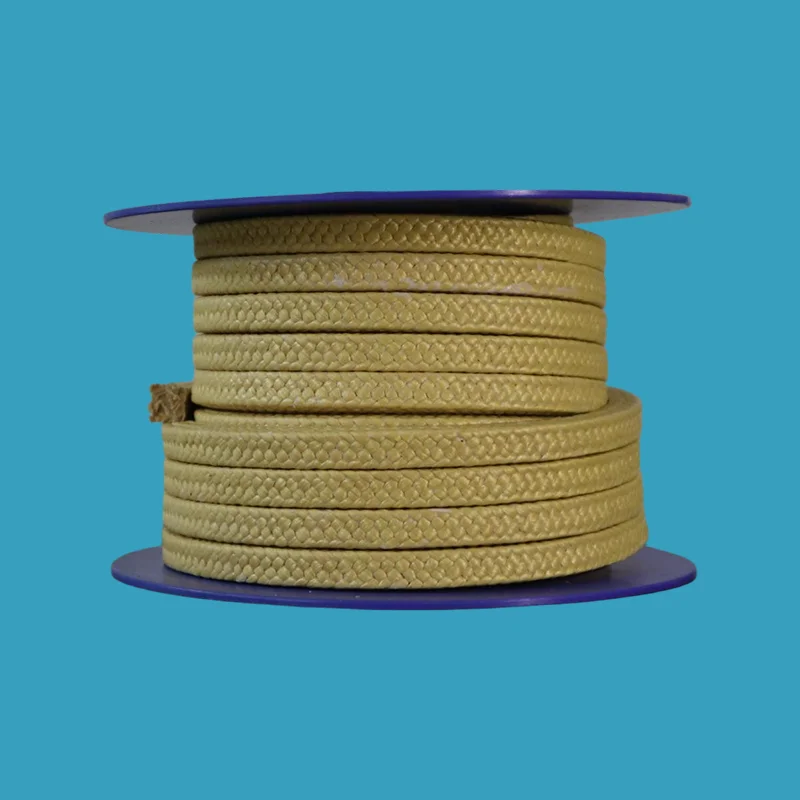
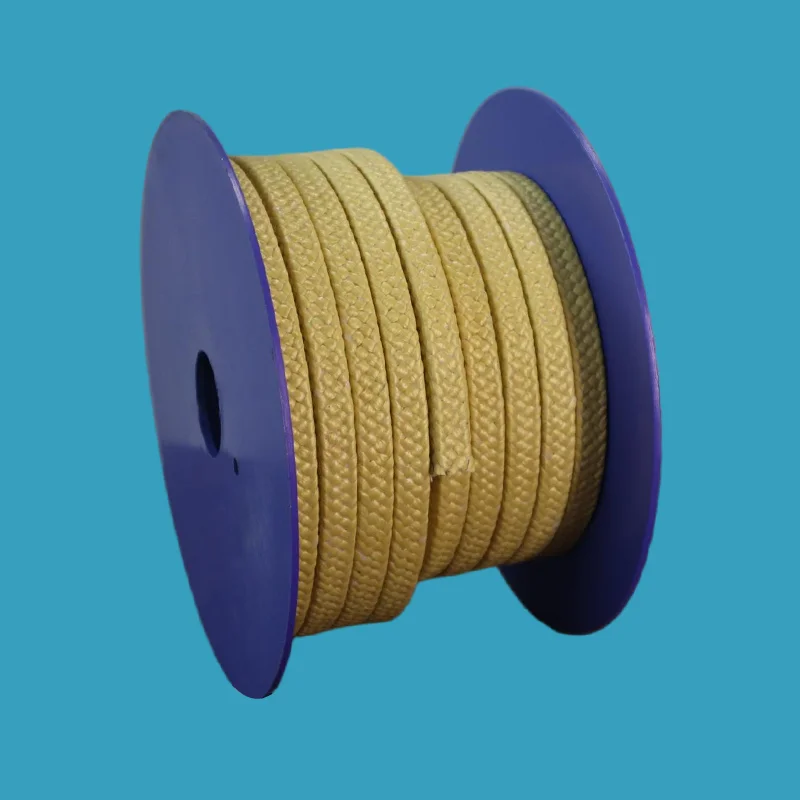
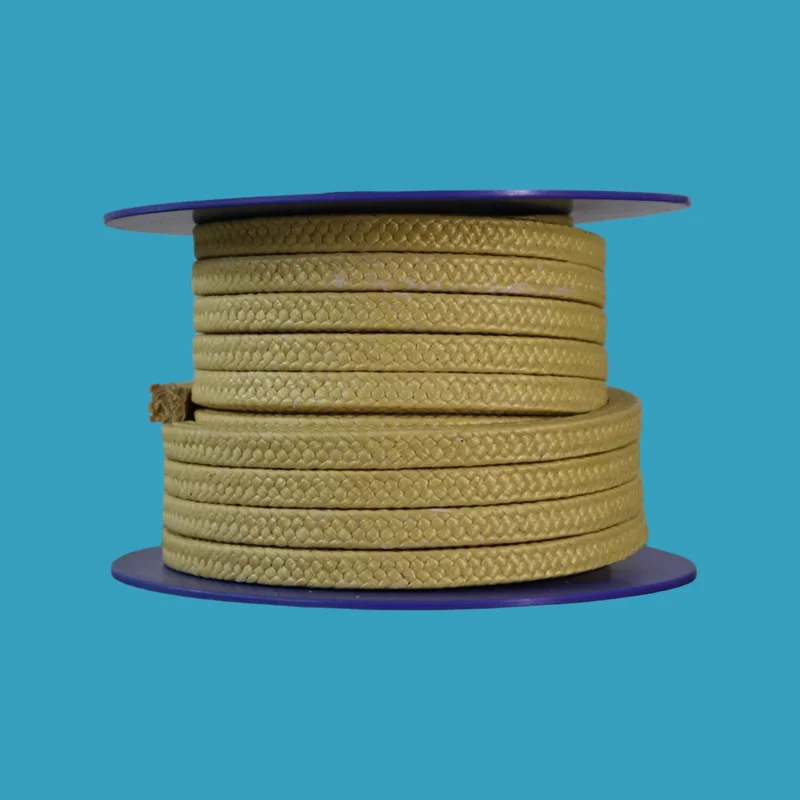
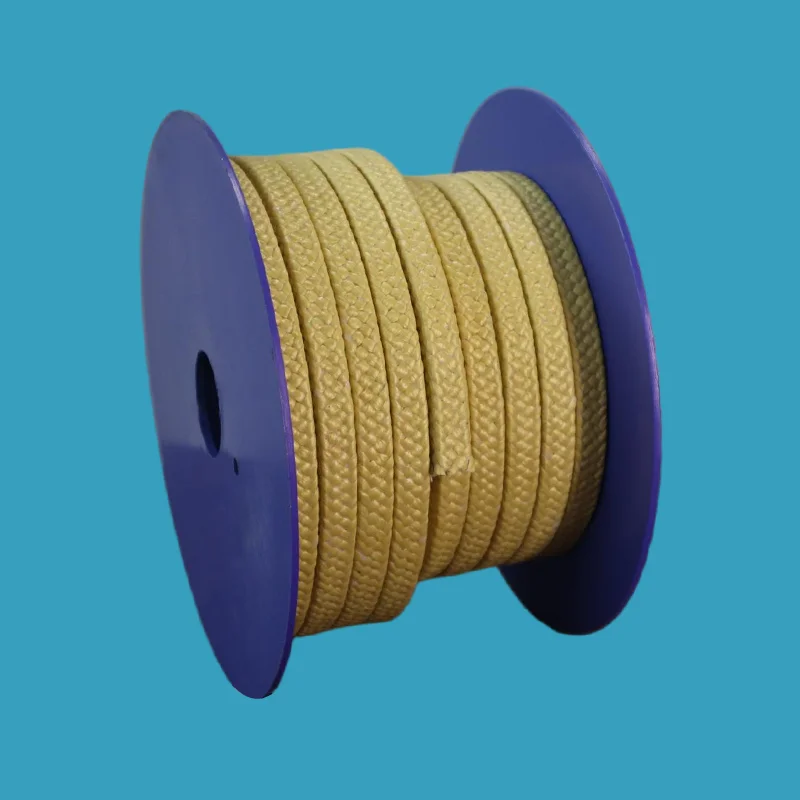
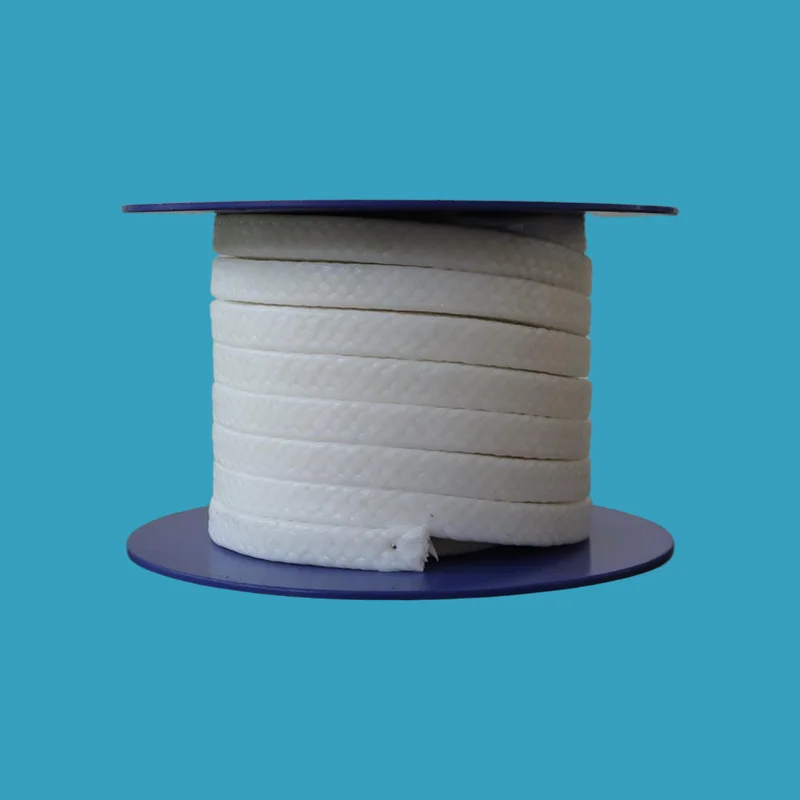
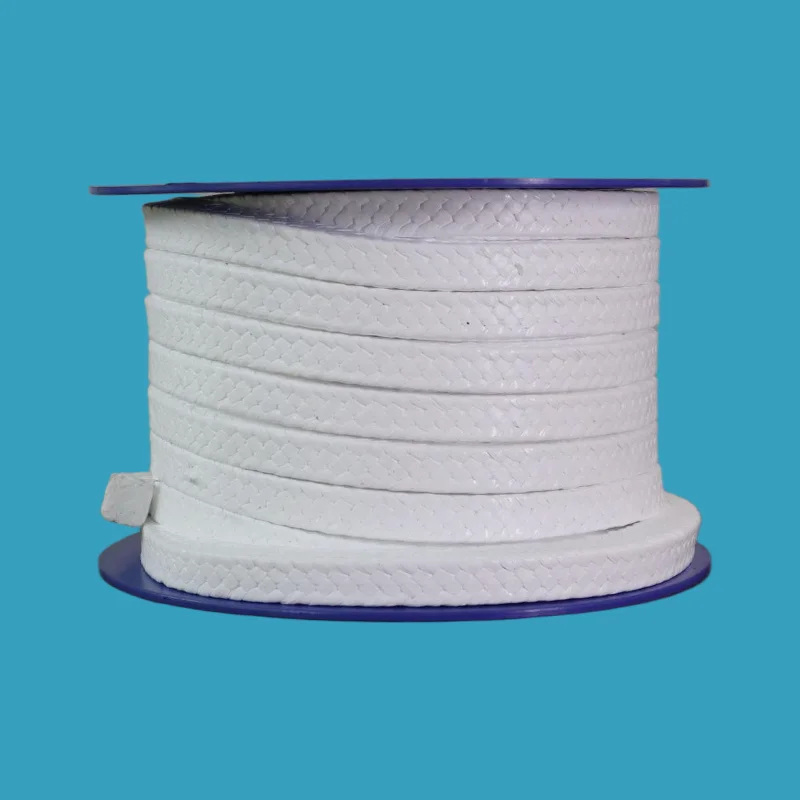
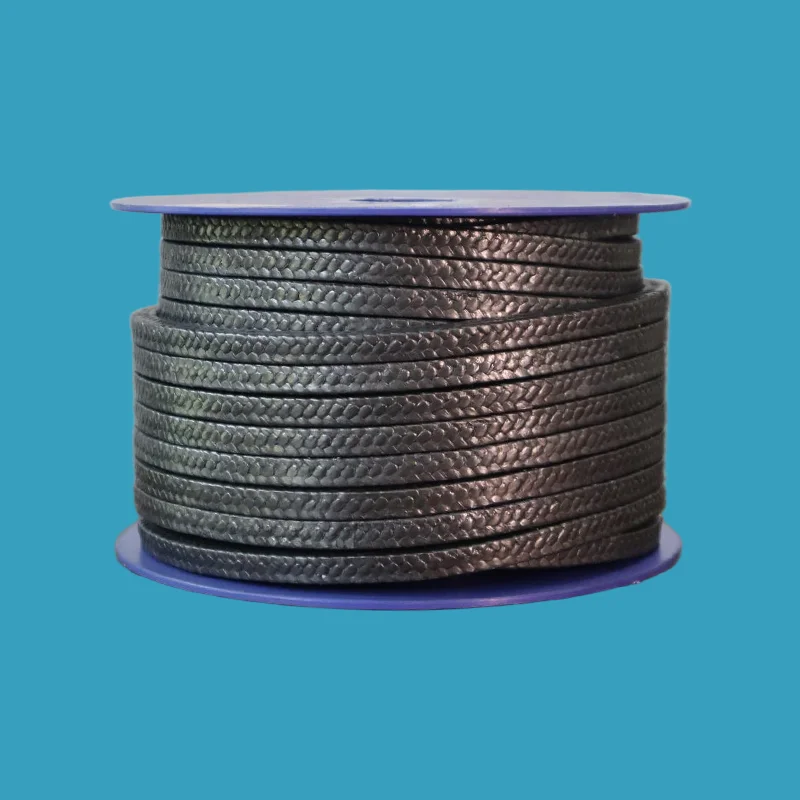
Manufactured by Taifno, this Aramid Fiber Reinforced PTFE Packing is braided from high-strength aramid fibers, PTFE, and lubricants. It offers excellent wear resistance and toughness, making it ideal for handling fluids containing solid particles. We provide OEM customization services and welcome your inquiries.

In operating conditions where pure PTFE packing is prone to wear and damage, Aramid Fiber Reinforced PTFE Packing remains intact; it withstands pressures up to 200 bar, supports linear speeds of up to 20 m/s, and is suitable for a pH range of 2–12.

If your project involves handling fluids containing slurries, grit, or crystals, Taifno, as a professional manufacturer, strongly recommends the aramid/PTFE composite packing.

Aramid Fiber Reinforced PTFE PackingAramid Fiber Reinforced PTFE Packing

What Is Aramid Fiber Reinforced PTFE Packing?

Aramid/PTFE packing is braided from high-strength aramid fibers combined with PTFE and lubricants. The aramid provides exceptional toughness, abrasion resistance, and impact strength, earning it the nickname "synthetic steel wire" (strength is three times that of steel wire at one-fifth the weight). The PTFE and lubricants reduce friction, dissipate heat, and provide chemical resistance.

How it works:

Aramid fibers: Provide structural strength, abrasion resistance, and extrusion resistance — withstands abrasive particles that cut through soft PTFE

PTFE/lubricants: Reduce friction, prevent shaft scoring, and dissipate frictional heat

Braided construction: Interlocking braid provides flexibility and uniform shaft contact for reliable sealing

Why Choose Aramid/PTFE Packing?

Problem

How Aramid/PTFE Solves It

PTFE packing wears out fast

Aramid fibers are highly abrasion-resistant — survives where PTFE is shredded

Abrasive media destroys soft packings

Tough construction handles slurries, sand, crystals, and dirty fluids

High pressure causes extrusion

Aramid provides anti-extrusion strength — holds shape under pressure

Friction heat damages shafts

PTFE lubricants reduce friction and dissipate heat

Frequent replacement costs downtime

Lasts 5-10x longer than PTFE packing in abrasive services

The pH Difference: Why It Matters

Material

pH Range

Best For

PTFE Packing

pH 0-14 (universal)

Clean chemicals, acids, alkalis, food/pharma — where chemical resistance is the priority

Aramid/PTFE Packing

pH 2-12

Abrasive media, slurries, dirty fluids — where wear resistance is the priority

When to choose aramid/PTFE: Your media is abrasive AND within pH 2-12. If your media is pH 0-1 or pH 13-14 AND abrasive, you may need a different solution (contact us).

Comparison & Selection Guide

Aramid/PTFE vs PTFE vs Carbon/Graphite

Feature

Aramid/PTFE

PTFE Packing

Carbon/Graphite

Abrasion Resistance

★★★★★

toughest

★☆☆☆☆

wears fast

★★★☆☆

Chemical Resistance

★★★★☆

pH 2-12

★★★★★

pH 0-14

★★★★☆

Temperature

-180°C to +200°C

-180°C to +200°C

Up to +650°C

Pressure (Reciprocating)

Up to 200 bar

Up to 200 bar

Up to 250 bar

Speed (Rotary)

Up to 20 m/s

Up to 20 m/s

Up to 20 m/s

Cost (Initial)

$$

$

$$$

Service Life (Abrasive Service)

Long — 5-10x PTFE

Short — weeks

Moderate

Best For

Abrasives, slurries, dirty fluids

Clean chemicals, food/pharma

High temperature, steam

Quick Selection Guide

If Your Service Is...

Choose...

Slurries, sand, crystal-bearing fluids

Aramid/PTFE — abrasion-resistant

Clean chemicals, food, pharma (pH 0-14)

PTFE packing

High temperature above +200°C

Carbon/Graphite packing

High pressure + abrasives

Aramid/PTFE with anti-extrusion design

Not sure? Send us your media, temperature, pressure

We recommend

Primary Applications

Industry

Application

Chemical Processing

Slurry pumps, agitators, reactors — abrasive media, pH 2-12

Pulp & Paper

Stock pumps, digesters, black/white liquor handling

Mining & Mineral Processing

Slurry pumps, tailings handling — sand, ore particles

Power Generation

Ash handling, coal slurry pumps

Wastewater Treatment

Sewage pumps, grit handling

Food & Sugar

Sugar syrups, food slurries — abrasive yet non-toxic

Oil & Gas

Mud pumps, drilling fluids — high pressure, abrasive

Typical Equipment

Rotary pumps (centrifugal)

Reciprocating pumps (piston, plunger)

Mixers and agitators

Reactor seals

Valve stems (static applications)

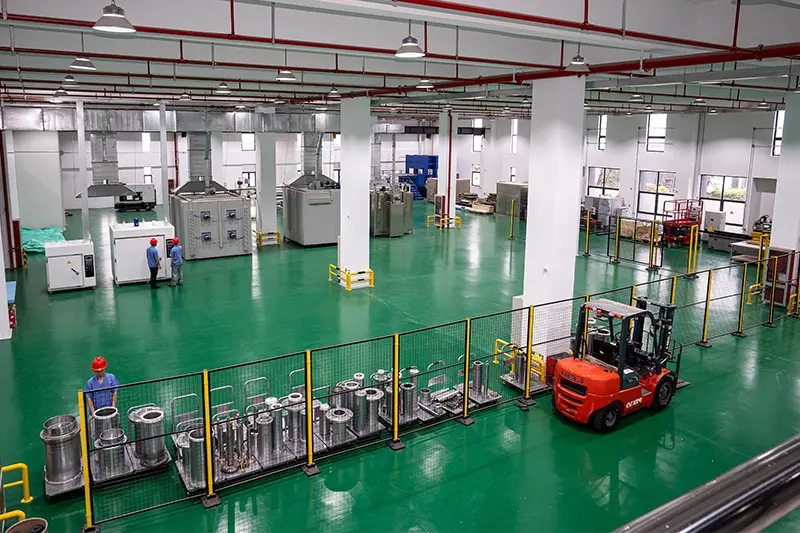
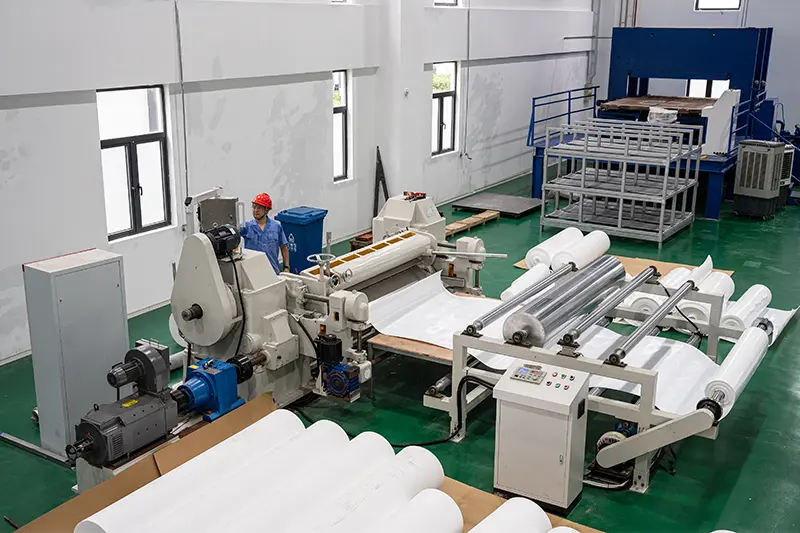
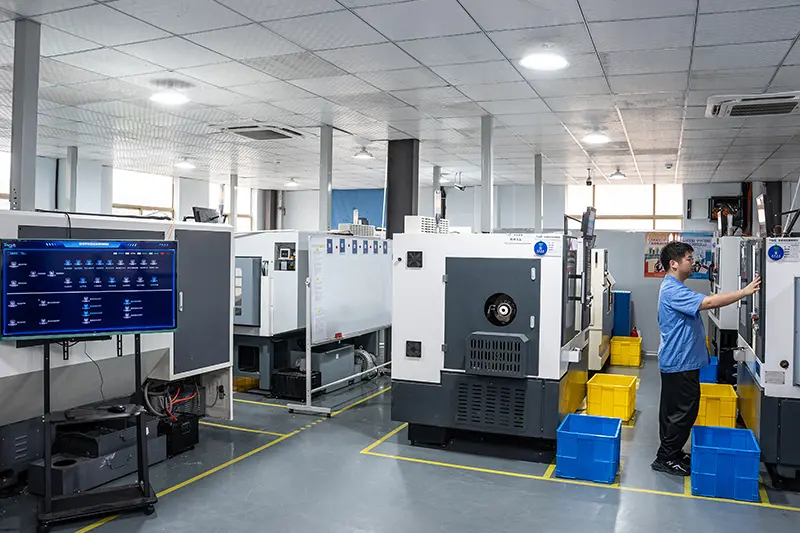
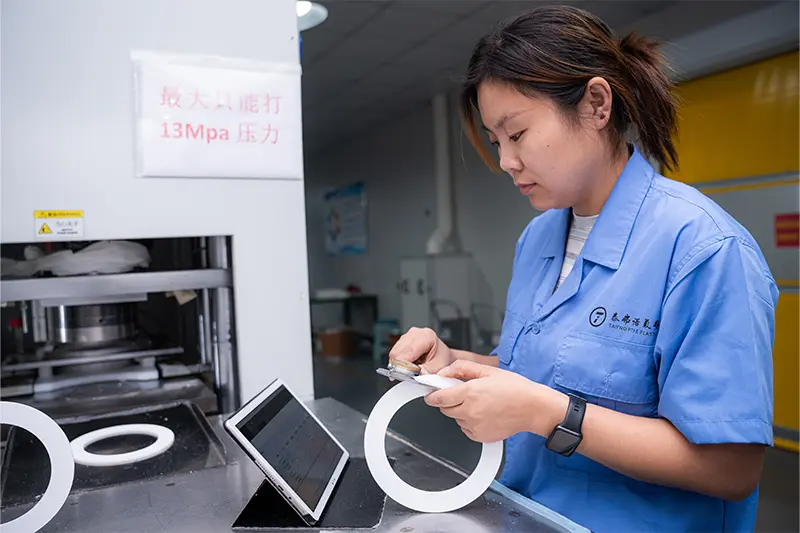
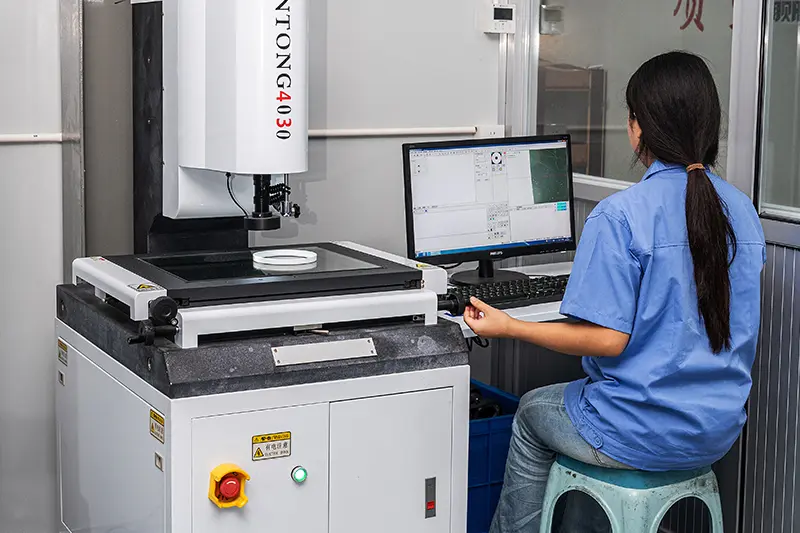
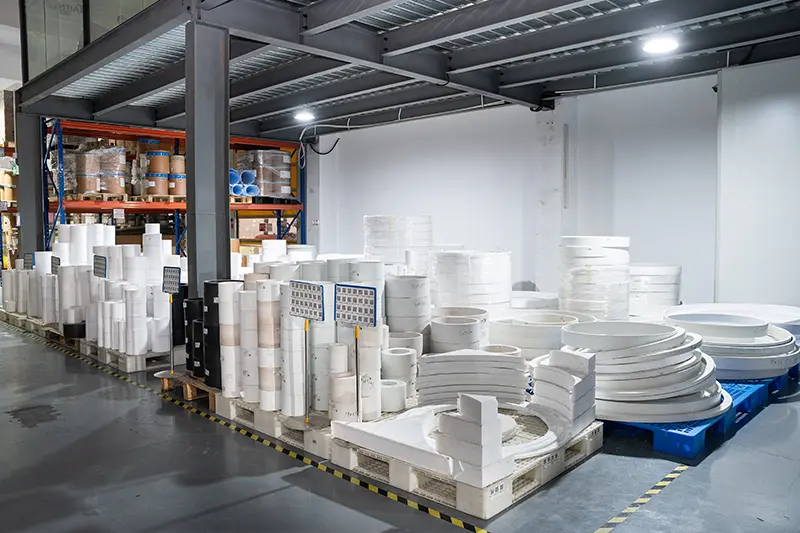
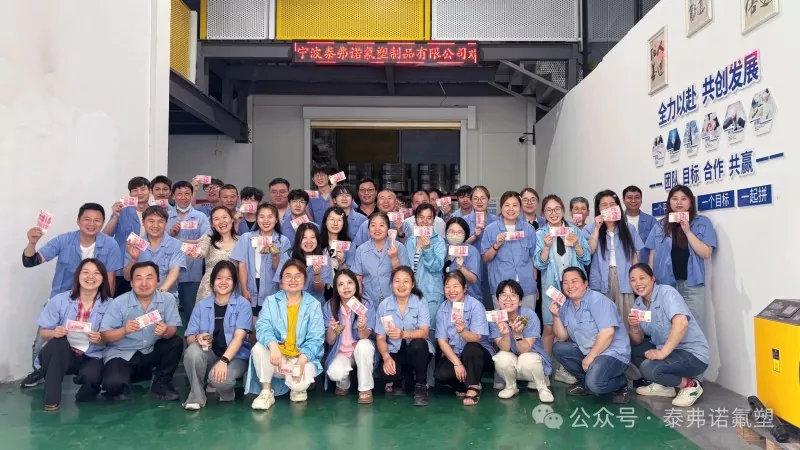
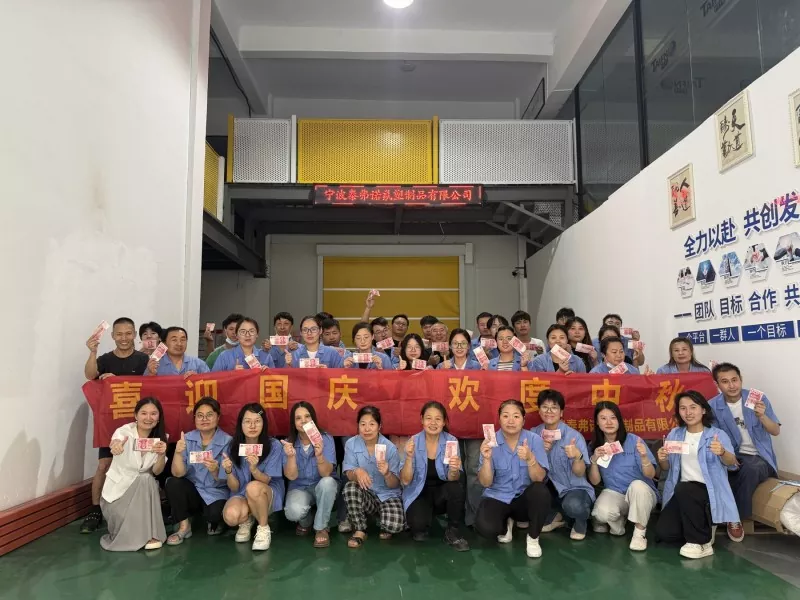
FactoryFactoryFactoryFactory

Real-World Applications

Case Study 1: Mining Slurry Pump — 10x Longer Life

Client: Open-pit mining operation handling ore slurry

Challenge: PTFE packing on centrifugal pumps was replaced every 3-4 weeks. Abrasive particles cut through soft PTFE fibers, causing leakage and production interruptions. Each replacement meant 2 hours of downtime and lost output.

Solution: Installed aramid/PTFE packing with interlock braid construction. Aramid corners provided abrasion resistance while PTFE maintained low friction.

Result: Packing lasted over 8 months — 10x longer. Maintenance intervals extended from weeks to seasons. Eliminated 10+ replacement events per pump per year.

Case Study 2: Chemical Plant — pH 2-12 Compatibility Verified

Challenge: A chemical plant handling abrasive slurries with pH 10 was using aramid-only packing. While abrasion resistance was good, the packing was scoring the shaft.

Solution: Switched to Aramid Fiber Reinforced PTFE Packing. PTFE reduced friction and eliminated shaft scoring. pH 10 compatibility confirmed.

Result: No shaft scoring. Packing life extended from 3 months to over 12 months. pH 2-12 compatibility verified for the application.

Note: Actual case results vary by application conditions. Contact us for application-specific recommendations.

Technical Specifications

Aramid/PTFE Packing Properties

Parameter

Value

Temperature Range

-180°C to +200°C

Pressure — Rotary

Up to 30 bar (435 psi)

Pressure — Reciprocating

Up to 200 bar

Pressure — Static

Up to 250 bar

Speed — Rotary

Up to 20 m/s

Speed — Reciprocating

Up to 2 m/s

pH Range

2-12 (not 0-14 — aramid fibers have pH limits)

Density

1.45-1.50 g/cm³

Material

Aramid fiber + PTFE + lubricants

Color

Yellow or yellow-brown

Available Grades

Grade Type

Construction

Best For

PTFE Yarn with Aramid Corners

PTFE surfaces reduce friction, aramid corners provide abrasion resistance

General abrasive service, moderate pressure, pumps

Aramid Core with PTFE Outer Layers

Aramid core for strength, PTFE outer layers for low friction

High pressure, high abrasion

PTFE-Impregnated Aramid

Aramid yarn treated with PTFE dispersion and lubricants

Balanced performance — abrasion resistance + chemical resistance

Aramid/PTFE with Graphite

Aramid/PTFE with graphite lubricant

Heat dissipation, reduced friction

Quality Assurance

High-Quality Aramid Fibers — Premium aramid yarn from leading manufacturers

PTFE Impregnation — Thorough treatment with PTFE dispersion for consistent lubrication

Precision Braiding — Interlock braided construction for uniform density and flexibility

Full Traceability — Every batch traceable from raw material to finished packing

Tested Performance — Temperature, pressure, and speed ratings verified to industry standards

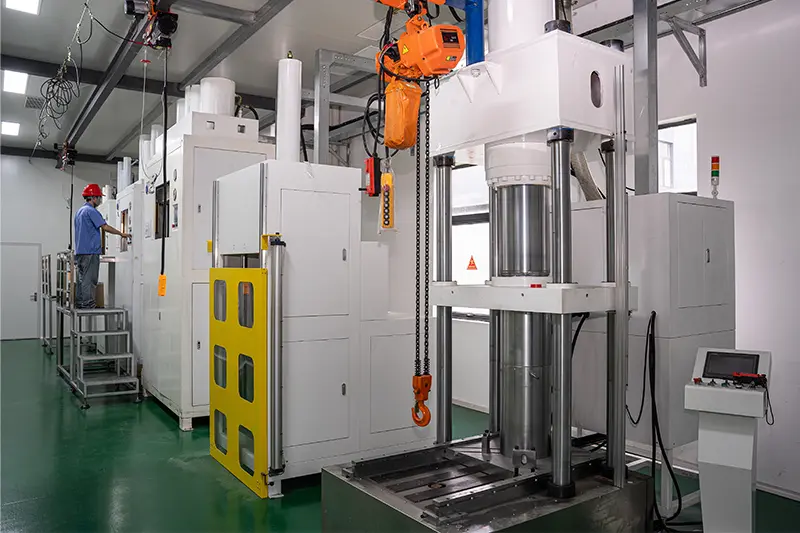
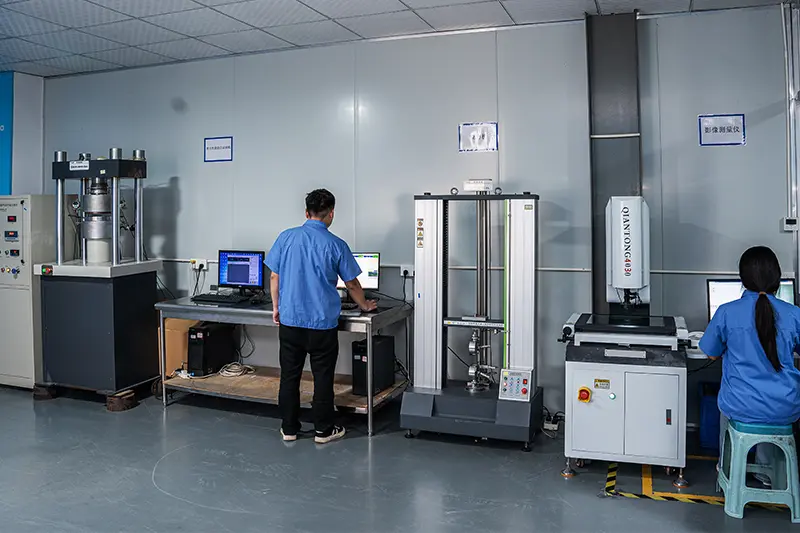
TestTestTestTest

FAQ

Q: When should I use Aramid/PTFE packing?

A: When to use it: Abrasive media, dirty fluids, high pressure, mining, pulp and paper, wastewater.

When NOT to use it: Clean chemicals (PTFE is better), food/pharma (PTFE is FDA-compliant), temperatures above +200°C (use carbon/graphite), pH below 2 or above 12 (pH limits).

Key pH difference: PTFE packing is pH 0-14 universal. Aramid/PTFE is pH 2-12.

Q: Aramid/PTFE vs. PTFE packing, which one saves you money?

A: PTFE packing costs less upfront and works on clean fluids. But if your media is abrasive, you replace it every few weeks, each replacement means downtime, labor, and lost production.

Aramid/PTFE packing: Costs 2-3x more upfront but lasts 5-10x longer in abrasive service. One replacement instead of ten. Over a year, aramid/PTFE saves you money on parts, labor, and downtime.

Quick rule:

Clean fluid = PTFE.

Dirty fluid with solids = Aramid/PTFE.

Q: What are the limits and the most common mistakes?

A: Temperature: -180°C to +200°C.

Pressure: up to 30 bar (rotary), up to 200 bar (reciprocating).

Speed: up to 20 m/s (rotary).

Chemical: pH 2-12 — avoid strong oxidizers.

Two common mistakes:

(1) Shaft too soft: aramid is tough; ensure shaft hardness ≥45 HRC or use a shaft sleeve.

(2) Over-tightening: excessive compression damages the packing and increases friction heat. Use a torque wrench. Follow our installation guide. 

Hot Tags: Aramid Fiber Reinforced PTFE Packing, Aramid PTFE Packing Manufacturer, PTFE Packing with Aramid Fiber
Send Inquiry
Contact Info
X
We use cookies to offer you a better browsing experience, analyze site traffic and personalize content. By using this site, you agree to our use of cookies.Privacy Policy