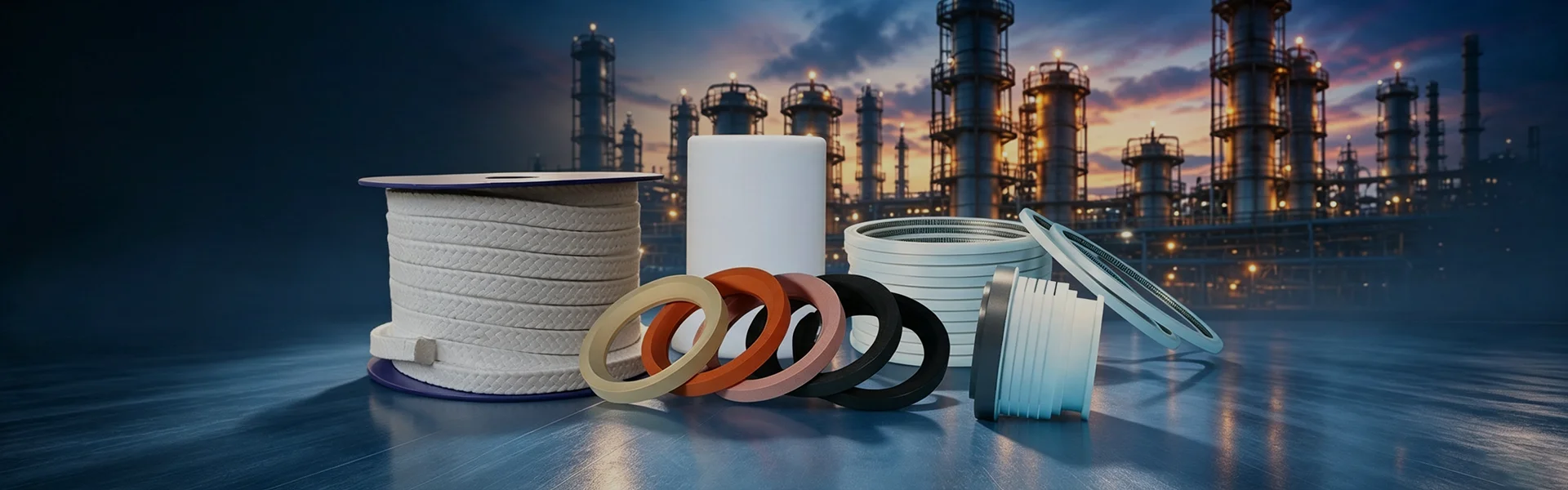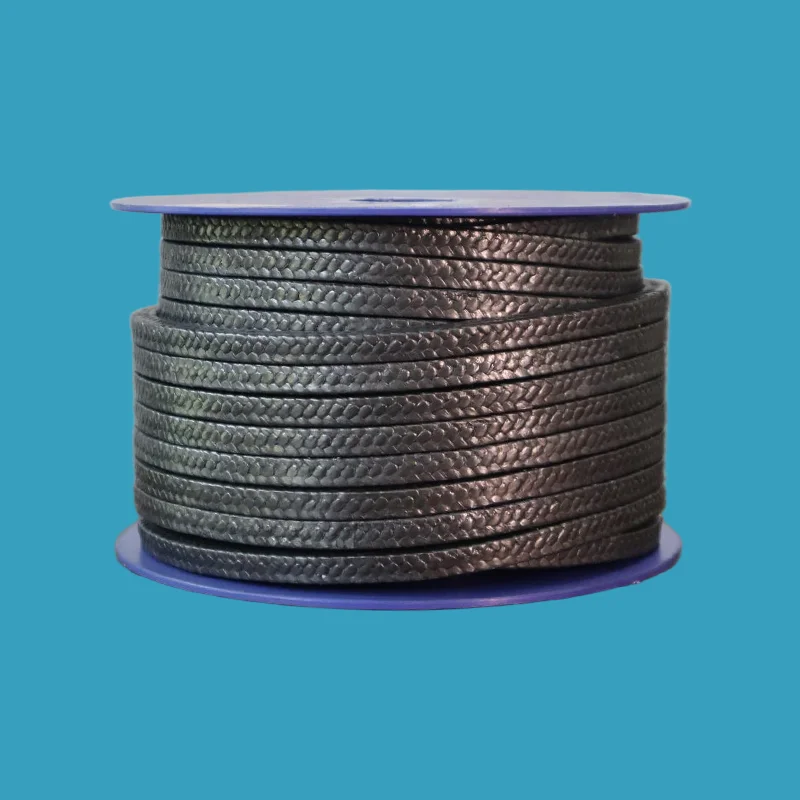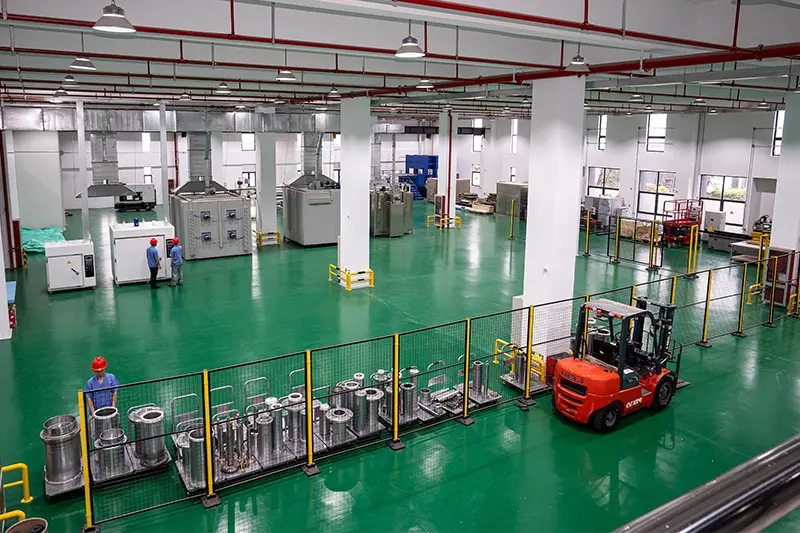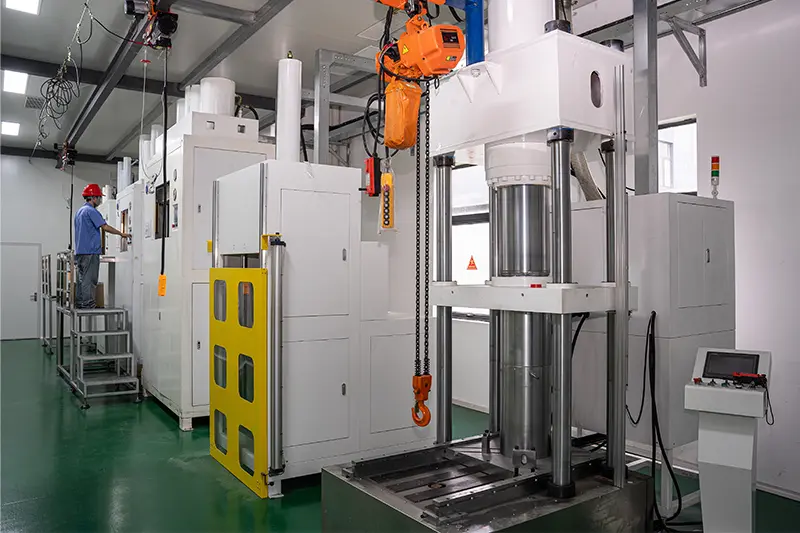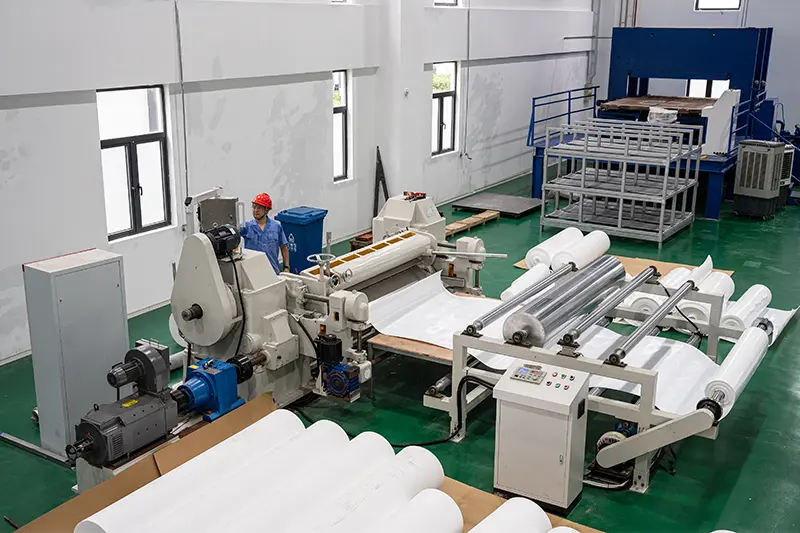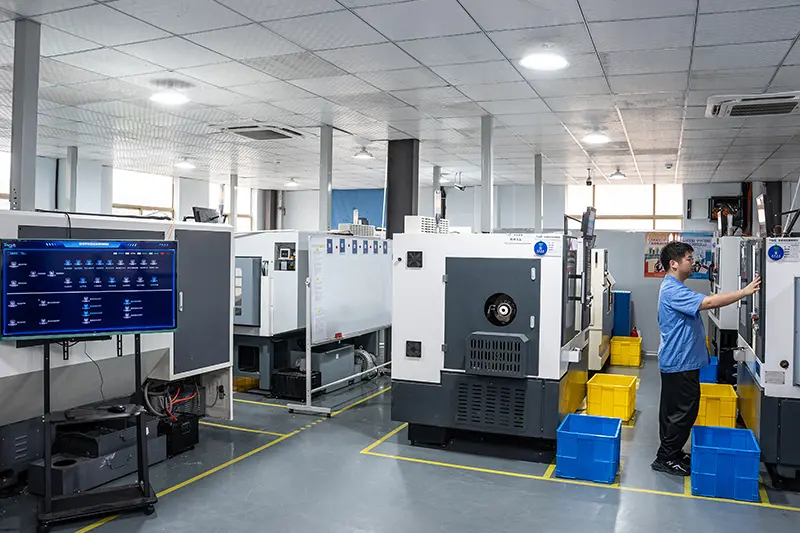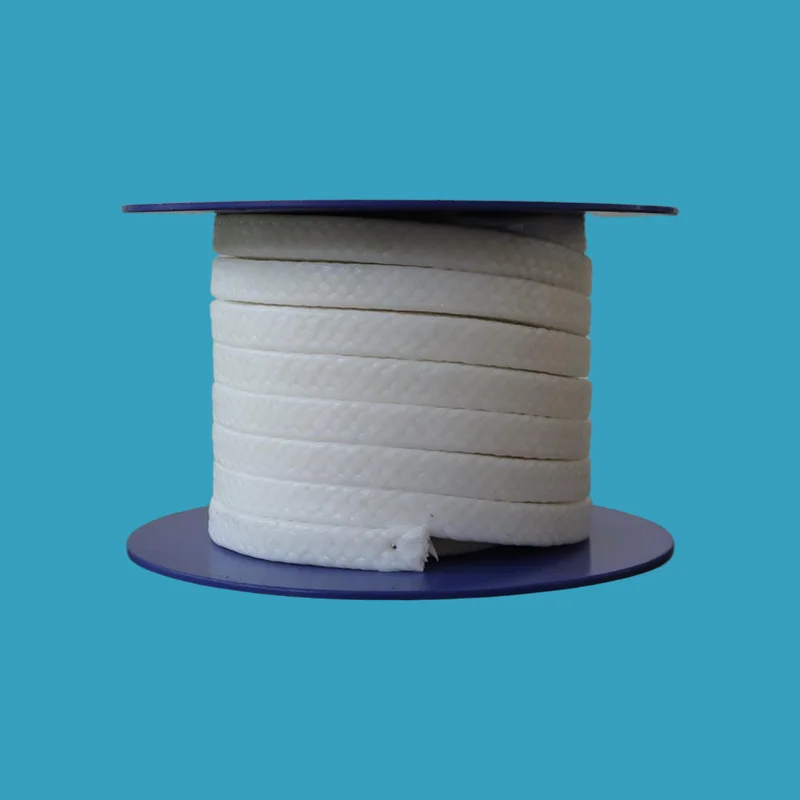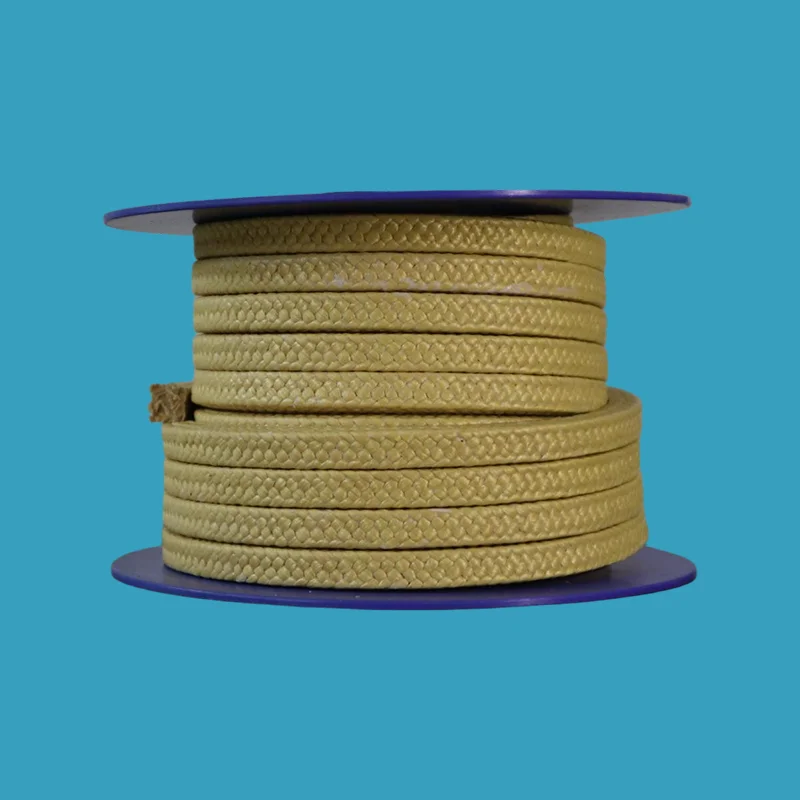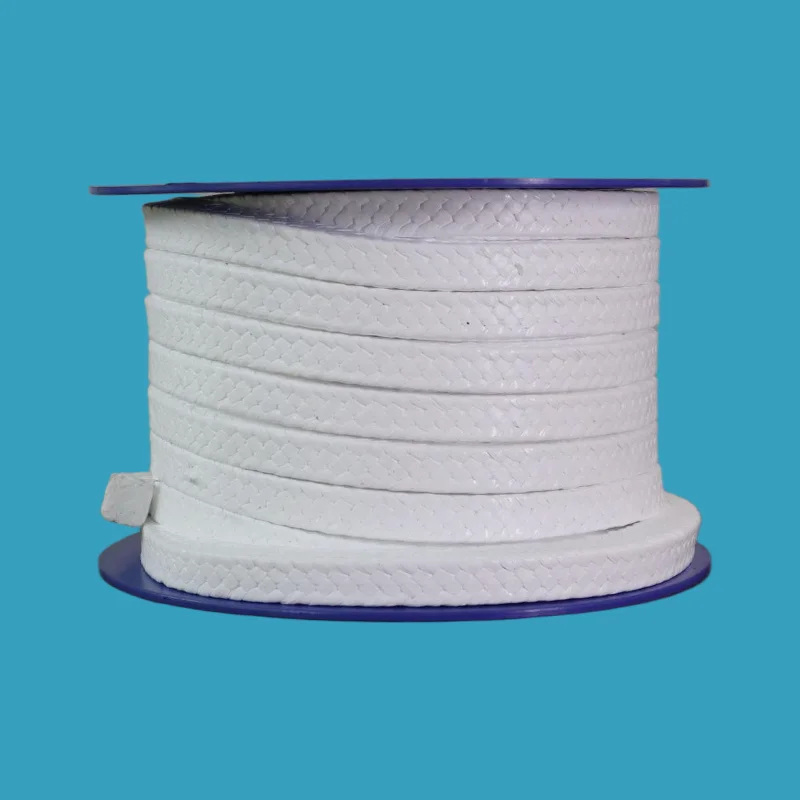
Taifno is a professional and reliable manufacturer of carbon fiber braided packing. This high-performance product is designed for demanding operating conditions, with a temperature range of -240°C to +350°C and pressure capabilities up to 200 bar; it is resistant to a wide range of chemical media across the pH 0–14 range (with the exception of strong oxidizing agents).
Carbon Fiber Braided Packing is braided from high-strength carbon yarns (polyacrylonitrile-based, carbon content over 90%) and impregnated with PTFE dispersion and graphite lubricants.
The carbon fibers provide exceptional tensile strength, thermal conductivity, and dimensional stability. The PTFE/graphite impregnation reduces friction, prevents shaft scoring, and adds chemical resistance.
How it works:
Carbon fibers: Provide strength, thermal conductivity (dissipates frictional heat), and chemical stability at high temperatures
PTFE/graphite impregnation: Reduces friction, prevents shaft scoring, and enhances chemical resistance
Interlock braid: Provides flexibility, uniform shaft contact, and reliable sealing under pressure
|
Problem |
How Carbon Fiber Solves It |
|
PTFE packing softens above +260°C |
Handles up to +350°C — where PTFE fails |
|
Graphite packing oxidizes in chemicals |
Carbon withstands chemicals pH 0-14 |
|
Heat builds up and damages shafts |
Carbon fiber conducts heat away — runs cooler, extends packing and shaft life |
|
High pressure causes extrusion |
Strong carbon fibers provide extrusion resistance |
|
Frequent replacement costs downtime |
Lasts longer in demanding services |
|
Feature |
Carbon Fiber |
PTFE |
Graphite |
Aramid/PTFE |
|
Temperature |
-240°C to +350°C |
-180°C to +200°C |
Up to +650°C |
-100°C to +280°C |
|
Chemical Resistance |
★★★★★ pH 0-14 |
★★★★★ pH 0-14 |
★★★★☆ |
★★★★☆ pH 2-12 |
|
Abrasion Resistance |
★★★★☆ |
★☆☆☆☆ |
★★★☆☆ |
★★★★★ |
|
Thermal Conductivity |
★★★★★ excellent |
★★☆☆☆ |
★★★★☆ |
★★★☆☆ |
|
Friction |
★★★★☆ low |
★★★★★ lowest |
★★★★☆ |
★★★★☆ |
|
Speed (Rotary) |
Up to 25 m/s |
Up to 20 m/s |
Up to 20 m/s |
Up to 20 m/s |
|
Cost (Initial) |
$$ |
$ |
$$$ |
$$ |
|
Best For |
Heat + chemicals + speed — the middle ground |
Clean chemicals, food/pharma |
Extreme heat, steam |
Abrasives, slurries |
|
If Your Service Is... |
Choose... |
Why |
|
High temperature (+260°C to +350°C) + chemicals |
Carbon Fiber |
PTFE fails, graphite is overkill |
|
High speed centrifugal pumps |
Carbon Fiber |
Thermal conductivity, up to 25 m/s |
|
Hot oil, heat transfer fluids |
Carbon Fiber |
Chemically stable at high temperature |
|
Abrasive media, slurries |
Aramid/PTFE |
Toughest abrasion resistance |
|
Clean chemicals, food, pharma |
PTFE |
Lowest cost, FDA compliant |
|
Extreme heat above +350°C, steam |
Graphite |
Handles up to +650°C |
|
Industry |
Application |
|
Chemical Processing |
Pumps, agitators, valves — hot acids, solvents, aggressive chemicals |
|
Oil & Gas |
Refinery pumps, pipeline valves — hot oils, hydrocarbons |
|
Power Generation |
Boiler feed pumps, steam systems — high temperature, high pressure |
|
Pulp & Paper |
Digesters, stock pumps — hot caustics, slurries |
|
Steel & Metal Processing |
Hydraulic systems, rolling mills — heat dissipation |
|
Marine |
Shipboard pumps, stern tube seals — seawater, oils |
Client: Large refining company handling hot oil at 280°C
Challenge: PTFE packing was being replaced every 4-6 months. Operating temperature was 280°C — above PTFE's continuous service limit. Packing was softening and extruding, causing leaks and frequent shutdowns.
Solution: Installed carbon fiber packing with PTFE/graphite impregnation. High thermal conductivity dissipated frictional heat. Carbon fibers retained strength at 280°C.
Result: Packing lasted over 18 months — 3x longer. Zero leakage. Maintenance intervals extended from months to years.
Annual cost savings: $12,000 per pump.
Client: Chemical plant pumping multiple chemicals across full pH range
Challenge: One day acid, the next caustic. PTFE packing worked chemically but couldn't handle the heat generated at high speeds. Graphite packing oxidized in acids.
Solution: Carbon fiber packing with pH 0-14 chemical resistance and high thermal conductivity. Handled both chemicals and heat.
Result: Packing performed reliably across all chemical services. Heat dissipation eliminated shaft scoring. No replacements in 12 months.
Note: Actual case results vary by application conditions. Contact us for application-specific recommendations.


|
Parameter |
Value |
|
Temperature Range |
-240°C to +350°C |
|
Pressure — Rotary |
Up to 25-30 bar |
|
Pressure — Reciprocating |
Up to 100-200 bar |
|
Pressure — Static |
Up to 200 bar |
|
Speed — Rotary |
Up to 25 m/s |
|
Speed — Reciprocating |
Up to 2 m/s |
|
pH Range |
0-14 (except strong oxidizers at high temperature) |
|
Material |
Carbon fiber + PTFE/graphite impregnation |
|
Color |
Black |
|
Grade Type |
Construction |
Best For |
|
Carbon Fiber + PTFE Impregnation |
Carbon yarn with PTFE dispersion |
General chemical service, pH 0-14, low friction |
|
Carbon Fiber + Graphite/PTFE |
Carbon yarn with graphite and PTFE |
Heat dissipation, high temperature, reduced friction |
|
High-Density Carbon Fiber |
Dense braid, high carbon content |
Extreme pressure, high abrasion, pulp and paper |
|
Carbon Fiber with Blocking Agents |
Advanced formulation for extreme applications |
Aggressive chemicals, high temperature, nuclear |
High-Quality Carbon Fiber — Premium carbon yarn from leading manufacturers
PTFE/Graphite Impregnation — Thorough treatment for consistent lubrication and chemical resistance
Precision Braiding — Interlock braided construction for uniform density and flexibility
Full Traceability — Every batch traceable from raw material to finished packing
Tested Performance — Temperature, pressure, and speed ratings verified to industry standards


A: Use it when you need a packing that handles heat, pressure, and chemicals together, the middle ground where PTFE fails (above +260°C) and graphite is overkill (below +350°C).
When to use it: +260°C to +350°C, high speed (up to 25 m/s), high pressure, hot oils, pH 0-14 chemicals.
When NOT to use it: Strong oxidizers at high temperature (nitric acid, chlorine), carbon oxidizes.
Clean chemicals below +200°C, PTFE is cheaper.
Extreme heat above +350°C, graphite is better.
Food/pharma, PTFE is FDA-compliant, carbon is not.
A: PTFE costs least upfront but fails above +200°C. Graphite costs most and handles +650°C, but if your service is below +350°C, you are overpaying for capability you do not need.
Carbon fiber is the sweet spot: Higher upfront than PTFE, lower than graphite, but covers the tough middle range where PTFE fails and graphite is unnecessary.
Quick rule:
Below +200°C, clean media → PTFE.
+260°C to +350°C, chemicals, high speed → Carbon fiber.
Above +350°C, steam → Graphite.
A: Temperature: -240°C to +350°C.
Pressure: up to 30 bar (rotary), up to 200 bar (reciprocating/static).
Speed: up to 25 m/s (rotary).
Chemical: pH 0-14, except strong oxidizers at high temperature (nitric acid, chlorine) which attack carbon.
Three common mistakes:
(1) Using carbon fiber in strong oxidizers: carbon oxidizes. Use PTFE or graphite instead.
(2) Over-tightening: excessive compression damages the packing and increases friction heat. Use a torque wrench.
(3) Shaft too soft: carbon fiber is tough; ensure shaft hardness ≥45 HRC or use a shaft sleeve.
Address
No.1028, Qiersan Street, Andong Town, Cixi City, Zhejiang Province, China
Tel