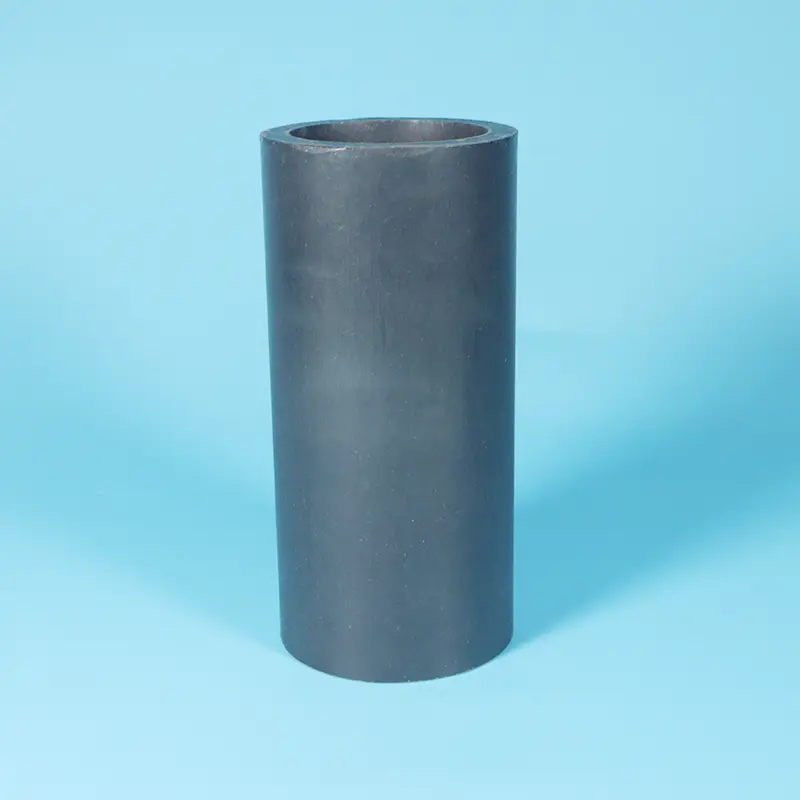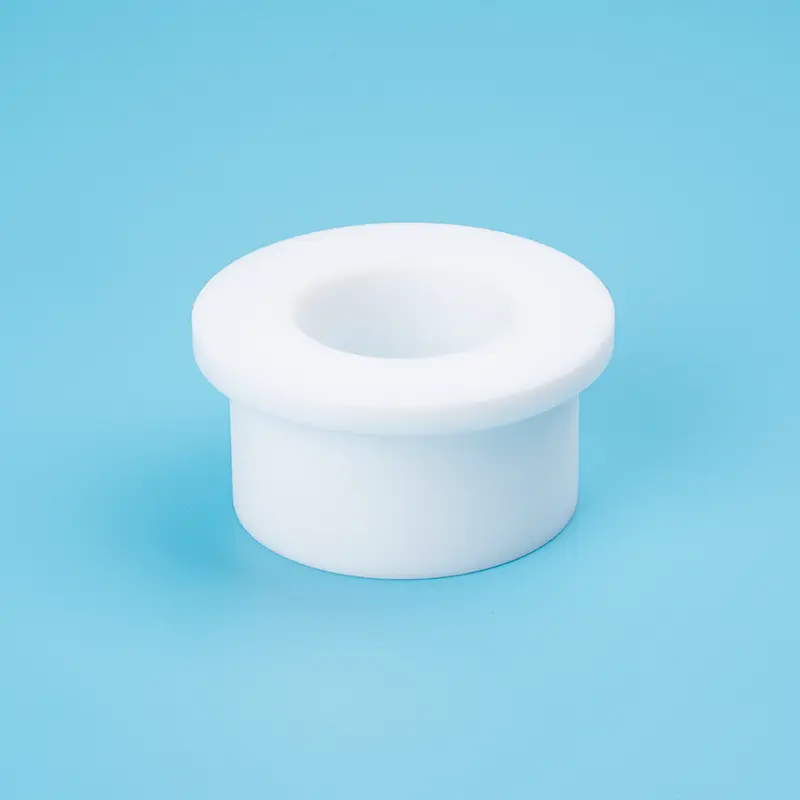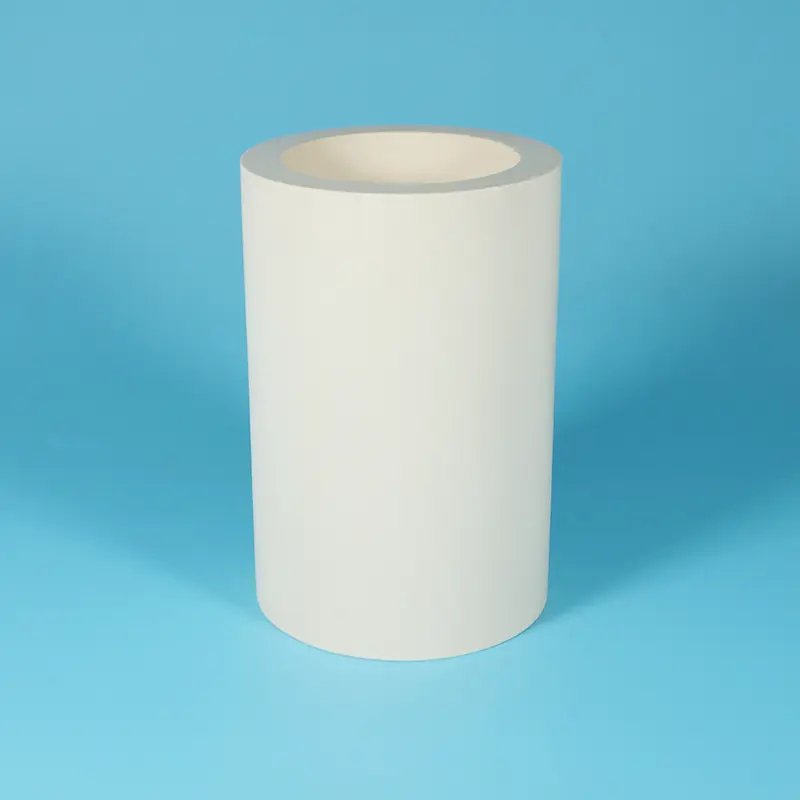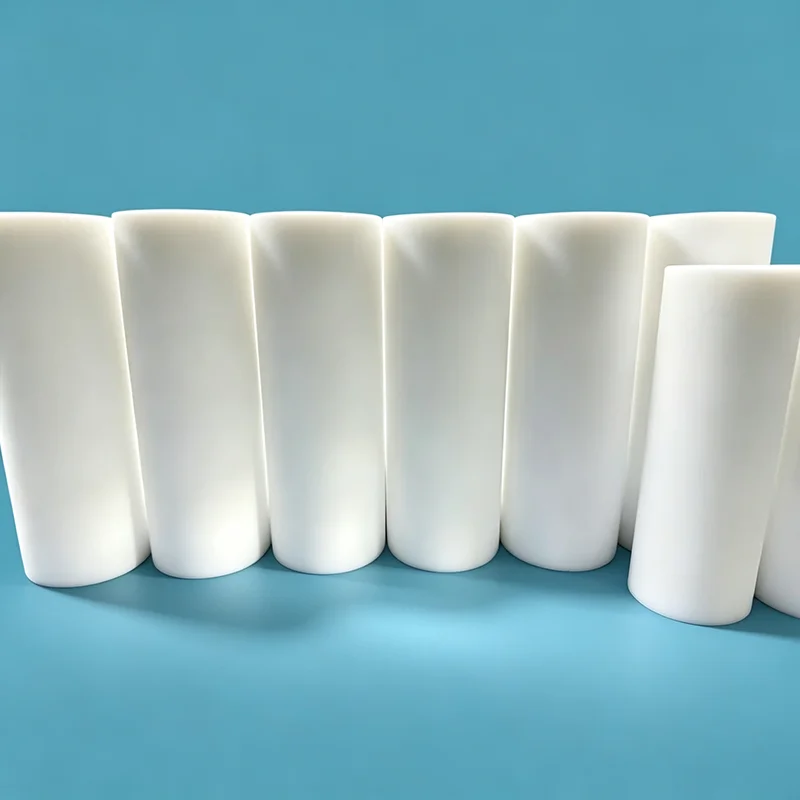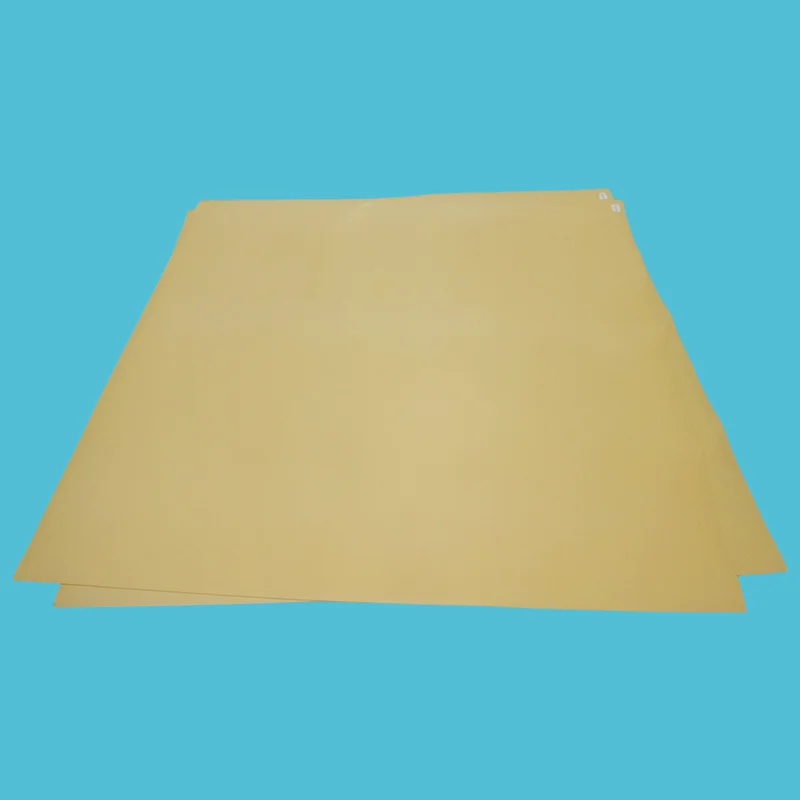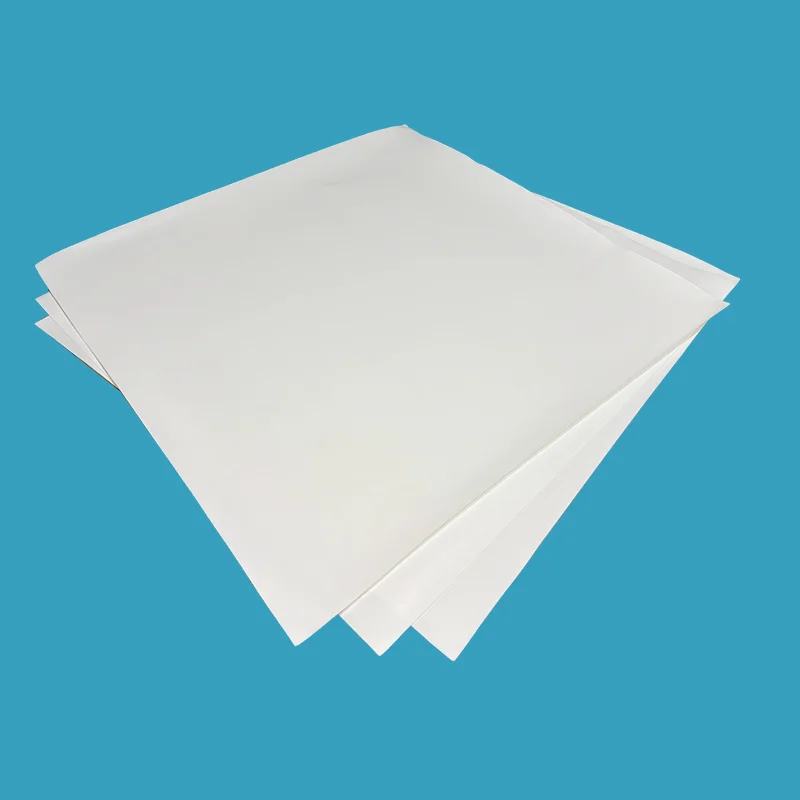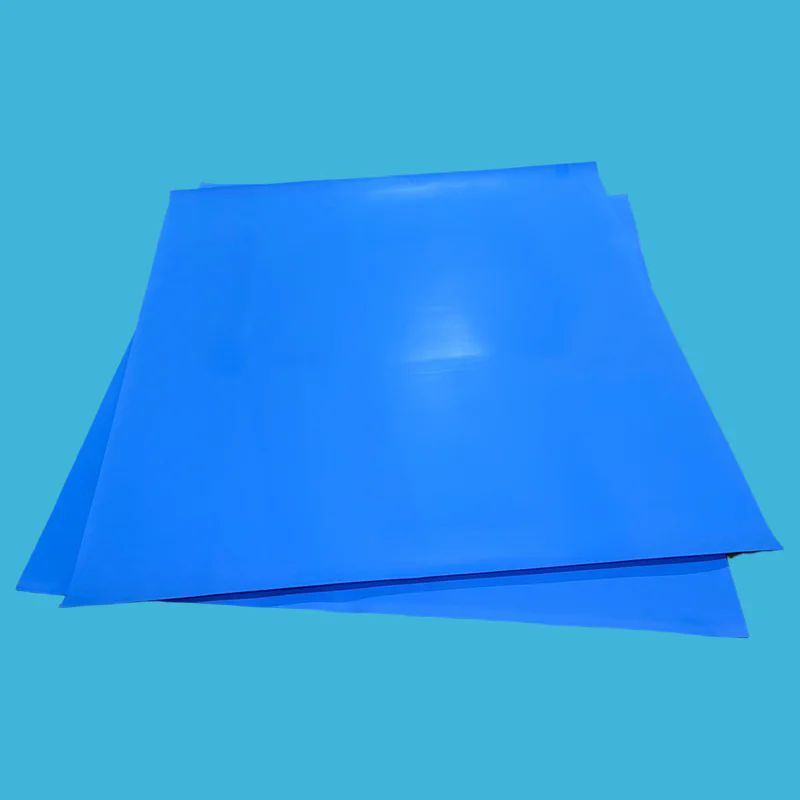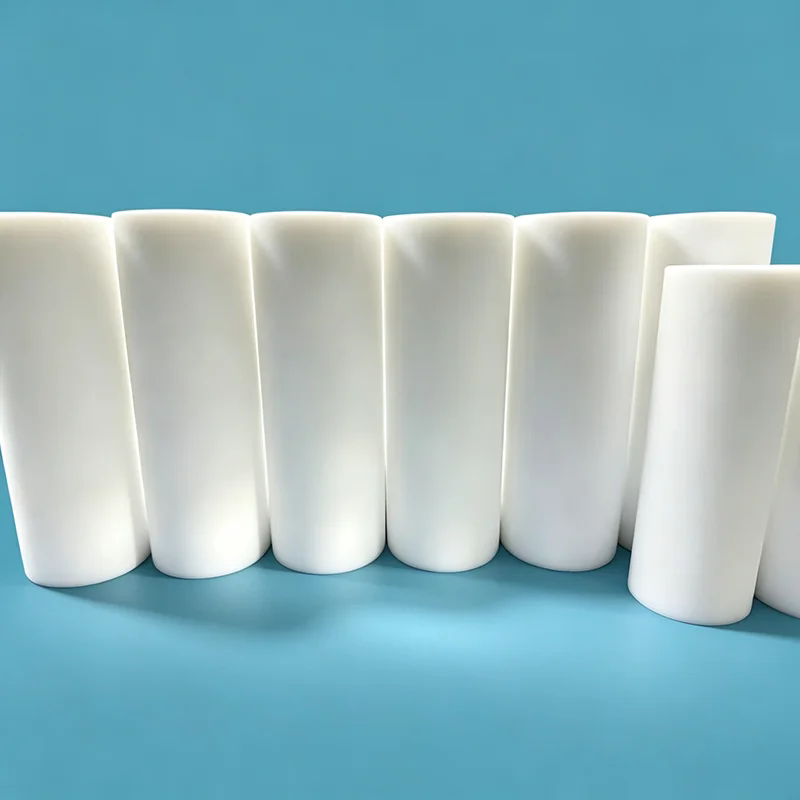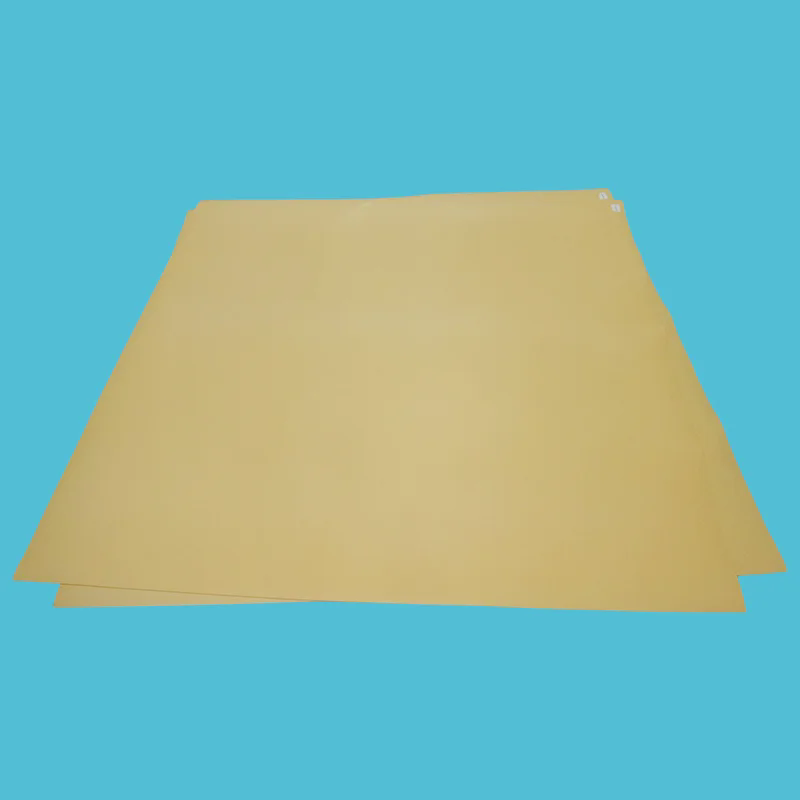
PTFE is widely used in industrial equipment because of its low friction coefficient, chemical resistance and ability to operate across a broad temperature range. However, pure PTFE has a relatively soft structure and can deform under sustained mechanical pressure. In bearings, valve seats, bushings, piston rings and sliding components, this behaviour may lead to dimensional changes, surface damage and premature replacement. Modified PTFE Tube and Rod grades address these limitations by incorporating reinforcing fillers such as glass fibre, carbon, graphite, molybdenum disulfide and bronze into the PTFE matrix. Each filler changes the material's mechanical and tribological behaviour in a different way, so the actual wear resistance depends on both the compound formulation and the operating environment.
There is no single modified PTFE grade that provides the best wear performance in every industrial application. A material that performs well under heavy compressive loads may not be the best choice for high-speed dry sliding or contact with chemically aggressive media. Filler content, particle distribution, counterface hardness, surface finish, contact pressure and frictional temperature all influence service life. Ningbo Taifno PTFE Plastic Products Co., Ltd. supplies filled PTFE materials in tube and rod forms for machining into industrial components. Understanding the differences between available formulations allows engineers and purchasing teams to select materials according to actual operating requirements rather than relying on a general wear-resistance ranking.
1. What Material Characteristics Control the Wear Resistance of Modified PTFE?
2. How Do Glass, Carbon, Graphite, Bronze and Other Fillers Compare?
3. How Do Operating Conditions and Manufacturing Quality Affect Service Life?
4. How Can Engineers Select the Right PTFE Tube or Rod Grade?
Wear resistance is the ability of a material to withstand progressive surface damage and material loss when it contacts another surface. For PTFE components, this property is closely related to the polymer matrix, filler characteristics, internal structure and mechanical conditions at the contact interface. These factors should be evaluated together because a compound may resist one type of wear while remaining vulnerable to another.
PTFE has a naturally low coefficient of friction. Its molecular structure allows contacting surfaces to slide with relatively little resistance, making it useful in applications where conventional liquid lubrication is difficult to maintain. During sliding, PTFE can also form a thin transfer film on the opposing surface. When this film is stable, it can reduce direct contact between the two components and help control friction.
However, low friction does not automatically mean high wear resistance. Pure PTFE has limited stiffness and can undergo cold flow under sustained pressure. When a component remains under load for a long period, its shape may gradually change. This is particularly important in valve seats, sealing rings and bearing components, where dimensional accuracy affects sealing pressure, clearance and mechanical movement.
Repeated sliding can create another problem. The polymer surface may experience deformation, fatigue and material removal. If the contact pressure is high or heat cannot dissipate effectively, the wear rate may increase. A component that initially operates smoothly may eventually develop excessive clearance, vibration or leakage.
Fillers modify the way stress is distributed through the PTFE matrix. Reinforcing particles or fibres can restrict polymer deformation, increase stiffness and improve resistance to mechanical loading. Other fillers influence friction and heat transfer, which may help reduce wear under specific sliding conditions.
Glass fibre is primarily associated with reinforcement and improved resistance to deformation. Carbon and graphite can contribute to thermal conductivity and modify sliding behaviour. Bronze increases stiffness and load-bearing capability in suitable formulations. Molybdenum disulfide is used as a solid lubricant to influence friction. PPL-modified compounds are intended for specialised temperature requirements.
These mechanisms are not interchangeable. A high-load bearing and a high-speed guide ring may require different compounds even when both components are manufactured from PTFE. Engineers should first identify the dominant failure mechanism before selecting the filler.
Filler concentration affects the balance between the polymer matrix and the reinforcing material. Increasing the amount of a suitable filler may improve stiffness, compressive performance or thermal conductivity. Nevertheless, higher filler content does not guarantee a lower wear rate. If the formulation contains too much filler for the intended application, the material may become more brittle, harder to machine or less suitable for a particular mating surface.
Particle distribution is equally important. Uneven dispersion can create local variations in mechanical properties. A section with concentrated filler may behave differently from an area containing less reinforcement. Such inconsistencies can affect machining quality and create unpredictable wear patterns during operation.
For precision components, engineers should consider the following material characteristics:
The relationship between these properties determines whether a compound is appropriate for a particular component. For example, a valve seat may need to maintain its shape under repeated closing pressure, while a guide ring may experience continuous sliding and frictional heating. Both applications involve wear, but their performance requirements are different.
Our material evaluation should therefore begin with the application rather than a preferred filler name. The intended component, mating material, operating pressure, movement speed and surrounding medium all influence the final choice. Ningbo Taifno PTFE Plastic Products Co., Ltd. provides different filled formulations to address these varying requirements, allowing customers to compare materials according to their actual service conditions.
Different filler grades should be compared according to the mechanism they are designed to improve. A material described as highly wear-resistant may perform well in one test but produce less favourable results in another. Abrasive wear, adhesive wear, deformation and frictional overheating place different demands on the polymer. The following comparison explains how common fillers influence the behaviour of industrial PTFE stock shapes.
Glass-filled PTFE is commonly selected when stiffness, dimensional stability and resistance to mechanical wear are important. Glass fibre reinforces the polymer matrix and helps restrict deformation under pressure. This can make the material suitable for valve seats, wear rings, support components and other parts exposed to repeated mechanical contact.
Taifno lists glass-filled formulations with approximately 15 to 25 percent glass fibre. The product information identifies improved wear resistance, increased strength and reduced creep as key characteristics. A glass-filled compound may be particularly useful where an unfilled PTFE component loses its shape or wears too quickly under mechanical loading.
There is, however, an important limitation. Glass fibre is relatively hard and can be abrasive to the opposing surface. In a sliding assembly with a softer shaft or mating component, the selected compound may protect itself while increasing wear on the counterface. Glass-filled material also requires chemical compatibility checks, particularly in environments containing hydrofluoric acid or strong alkalis.
For this reason, glass-filled material should be considered as part of a complete wear pair. The hardness, finish and material of the mating surface are just as important as the compound's own resistance to wear.
Carbon-filled PTFE is often considered for dynamic applications where frictional heat and thermal conductivity are important. Sliding contact generates heat, and excessive heat accumulation can accelerate polymer deformation. Carbon filler can improve heat transfer through the compound, helping the component manage thermal stress under suitable operating conditions.
Taifno lists carbon-filled grades with approximately 15 to 35 percent carbon filler. These formulations are associated with improved thermal conductivity, low-friction performance and selected anti-static applications. They may be evaluated for piston rings, compressor rings, guide rings, bushings and other moving components.
Graphite-filled PTFE has a different emphasis. Graphite can modify the friction behaviour of the compound and support sliding applications where reduced resistance is required. Taifno lists graphite-filled formulations with approximately 15 to 25 percent graphite. Typical application directions include bearings, dynamic seals and sliding components.
Carbon and graphite should not be treated as identical materials. Their properties depend on the grade, filler structure and compound formulation. Both require compatibility checks in strong oxidising environments. Their suitability also depends on the counterface, sliding speed and thermal conditions.
Bronze-filled PTFE is designed for applications where high stiffness and load-bearing performance are major considerations. The metallic filler increases the rigidity of the compound and can improve its ability to withstand compressive stress. This makes bronze-filled grades candidates for heavy-duty bearings, bushings, piston rings and other components exposed to substantial mechanical loads.
Taifno lists bronze-filled formulations with approximately 40 to 60 percent bronze content. The product information identifies high strength and wear resistance as key characteristics. These properties can be useful where a component experiences high contact pressure and where deformation of the polymer matrix would otherwise affect operating clearance.
Bronze-filled material is not suitable for every chemical environment. The metallic filler can be attacked by certain acids and salt-water conditions. Its higher density and different machining behaviour should also be considered during component design. In a corrosive process line, a lower-density carbon or glass-filled grade may be more appropriate if it provides sufficient mechanical performance.
Molybdenum disulfide, commonly written as MoS2, is a solid lubricant used in selected filled PTFE formulations. It can modify friction behaviour and improve lubricity under suitable operating conditions. Taifno lists MoS2 content of up to approximately 5 percent. This type of compound may be considered for low-torque mechanisms, sliding components and applications where sticking or excessive friction is a concern.
MoS2-filled material is not a universal solution for every chemical environment. Strong oxidising acids may affect its suitability, so the process medium must be reviewed before selection. The filler percentage alone cannot predict the final friction coefficient or wear rate.
PPL-modified PTFE is intended for specialised applications where elevated temperature capability is important. Taifno's product information describes PPL-filled compounds for high-temperature service and lists a reference temperature range of approximately minus 190 degrees Celsius to plus 260 degrees Celsius for its comparison data. Other product descriptions discuss specialised formulations for higher-temperature applications. These figures should be confirmed against the exact compound datasheet and should not be treated as interchangeable continuous operating limits.
| Filler grade | Typical filler content | Main performance contribution | Application direction | Important limitation |
| Glass-filled PTFE | 15 to 25 percent | Stiffness, wear resistance and reduced creep | Valve seats, wear rings and abrasive contact | Check compatibility with hydrofluoric acid and strong alkalis |
| Carbon-filled PTFE | 15 to 35 percent | Thermal conductivity and selected dynamic performance | Compressor rings, bushings and moving components | Check compatibility with strong oxidisers |
| Graphite-filled PTFE | 15 to 25 percent | Friction modification and heat transfer | Bearings, dynamic seals and sliding parts | Check compatibility with strong oxidisers |
| Bronze-filled PTFE | 40 to 60 percent | High stiffness and load-bearing capability | Heavy-duty bearings and high-pressure wear parts | Not suitable for certain acids and salt-water environments |
| MoS2-filled PTFE | Up to 5 percent | Lubricity and friction modification | Low-torque and selected sliding applications | Check compatibility with oxidising acids |
| PPL-modified PTFE | Formulation dependent | Specialised high-temperature performance | High-temperature seals and industrial components | Confirm exact grade temperature limits |
The comparison shows why a single ranking is not sufficient. Glass-filled compounds may be attractive for abrasive contact, carbon-filled grades for heat management, graphite-filled grades for sliding behaviour and bronze-filled formulations for heavy mechanical loads. MoS2 and PPL address more specific requirements. Each compound must still be assessed against the actual load, speed, temperature and chemical exposure.
For industrial buyers, Modified PTFE Tube and Rod products should be specified according to the component's working conditions. A compound with excellent compressive performance may not be suitable for a high-speed bearing, while a low-friction grade may not provide the required stiffness in a heavily loaded valve component. Our technical selection should balance these competing requirements rather than focus on one advertised property.
The service life of a PTFE component is not determined by material composition alone. Even a suitable filler grade can wear prematurely if it operates under excessive pressure, high sliding speed, poor alignment or unsuitable temperature conditions. Wear is a system-level result involving the polymer, the counterface, the contact geometry and the surrounding environment. Understanding these variables is essential when comparing laboratory data with actual equipment performance.
Contact pressure determines the force acting over the contact area between two surfaces. When pressure increases, the polymer may experience greater deformation and local stress. Under sustained loading, creep can gradually change the dimensions of a component. In a bearing, this may increase clearance. In a valve seat, it may change the contact pressure and affect sealing performance.
Sliding speed influences how quickly frictional heat is generated. A material that performs well at low speed may experience greater temperature rise when the speed increases. If heat cannot transfer into the surrounding equipment, the polymer surface may soften and deform. Carbon or graphite fillers can improve thermal behaviour in selected formulations, but they cannot compensate for excessive pressure, poor alignment or an unsuitable component design.
Engineers often use the pressure-velocity relationship, or PV value, as an initial screening tool for sliding applications. However, PV is not a universal wear-life formula. The permissible operating range depends on the compound, counterface material, lubrication, surface finish and test conditions. A supplier's PV data should only be applied when the test configuration is relevant to the intended component.
The mating surface has a direct influence on the wear behaviour of PTFE. A rough shaft or sliding plate can create concentrated contact points that remove material from the polymer. Surface defects may also disrupt transfer-film formation. If the opposing surface is too soft, hard fillers such as glass fibre may increase its wear rate.
Surface finish should therefore be specified as part of the complete material pair. The correct roughness depends on the component function and the compound being used. A bearing, sealing ring and guide strip may require different surface conditions even when they use the same base polymer.
Before finalising a grade, engineers should review:
Temperature influences the stiffness, creep behaviour and dimensional stability of the PTFE matrix. Frictional heating can create local hot spots that are not represented by the surrounding fluid temperature. This is particularly important in high-speed bearings, compressor rings and other continuously moving components.
Taifno's published product information provides general reference ranges for different filled grades. Carbon, glass and bronze formulations are listed with a general long-term range around minus 180 degrees Celsius to plus 200 degrees Celsius in the technical comparison, while the PPL-filled comparison lists approximately minus 190 degrees Celsius to plus 260 degrees Celsius. Actual operating limits must be confirmed for the selected compound, especially where mechanical loading is involved.
Chemical compatibility also needs to be evaluated at the filler level. PTFE itself has broad chemical resistance, but adding a filler introduces another material into the compound. Glass fibre, carbon, graphite and bronze each have specific limitations. The process medium, concentration, temperature and exposure duration should all be considered before approval.
Consistent material quality begins with raw material selection and compound preparation. Filler quality, particle size and dispersion can influence the final mechanical properties. Uneven distribution may create local differences in stiffness and wear behaviour. Moulding and extrusion conditions also influence the internal structure and dimensional consistency of the stock shape.
For tubes, wall thickness and concentricity are important because they affect machining allowance and the uniformity of the finished component. For rods, diameter tolerance, straightness and internal consistency influence machining accuracy. A rod used for a precision bearing may require tighter dimensional control than a stock shape intended for rough machining.
Taifno's published product specifications include the following general dimensions and property references:
| Parameter | Published reference | Specification note |
| Tube diameter | Approximately 1 mm to 600 mm or larger | Availability depends on grade and manufacturing process |
| Tube wall thickness | Approximately 0.1 mm to 50 mm | Depends on diameter and product configuration |
| Rod diameter | Approximately 1 mm to 600 mm or larger | Confirm available sizes for the selected compound |
| Extruded stock length | Approximately 1000 mm or more | Confirm required length and production availability |
| Moulded stock dimensions | Custom dimensions available | Subject to diameter, wall thickness and process capability |
| Rod diameter tolerance | Precision option approximately ±0.05 mm; standard option approximately ±0.3 mm to ±1.0 mm | Confirm tolerance by size and manufacturing method |
| Density | Approximately 2.2 to 3.5 g/cm³ | Varies with filler type and concentration |
| Tensile strength | Approximately 18 to 40 MPa | General product-family reference; confirm exact grade data |
| Pressure reference | Up to 8.0 MPa | Not a universal rating for every finished component |
These values provide a starting point for technical enquiries, not a guarantee that every size is available with every filler. A large-diameter moulded rod and a small extruded tube may require different production routes. Our factory should confirm the actual size range, tolerance and lead time against the requested material and dimensions before an order is placed.
Quality control should cover both stock material and finished dimensions. Depending on the order requirements, checks may include visual inspection, dimensional measurement, density verification, material identification and review of mechanical property data. For critical wear applications, a representative wear test can provide more meaningful information than a general statement about improved service life.
Ningbo Taifno PTFE Plastic Products Co., Ltd. provides tube and rod materials in different filled formulations and manufacturing configurations. Customers should provide their finished component drawings and service conditions so that the appropriate material and stock dimensions can be reviewed. A clearly defined specification helps maintain consistency between the material supplied and the component eventually installed in the equipment.
Material selection should begin with the component's actual duty rather than a catalogue comparison. Engineers need to understand what causes wear in the existing part or what conditions the new component will face. If the main problem is deformation, stiffness and creep resistance may be more important than the lowest possible friction coefficient. If the component overheats during operation, thermal conductivity and sliding speed may become the deciding factors.
The following examples provide a practical starting point for screening material options:
A complete technical enquiry reduces the risk of selecting an unsuitable material or ordering stock with incorrect dimensions. The supplier should understand both the required product form and the conditions under which the finished part will operate.
Prepare the following information:
Published material properties are useful for initial comparison, but they cannot predict every service condition. A wear test using one load, speed and counterface may not represent another installation. The test method, specimen dimensions and operating environment should be recorded so that results can be interpreted correctly.
For a critical component, buyers may consider a trial using a representative part or test specimen. The evaluation should reproduce the most important operating variables, including contact pressure, sliding speed, temperature and counterface finish. If the component operates in a chemical environment, compatibility should be assessed alongside mechanical wear.
It is also important to distinguish between stock material specifications and finished component performance. A tube or rod may meet its dimensional requirements, but the machined part can still fail if its wall thickness, clearance, support or contact geometry is unsuitable. Engineering review should therefore cover the complete component rather than the raw material alone.
Our selection process should connect the filler grade with the required stock form, machining method and final component function. For example, a large-diameter rod used to machine a heavy-duty bearing may require different dimensional and mechanical considerations from a thin-wall tube used in a chemical transfer assembly. Ningbo Taifno PTFE Plastic Products Co., Ltd. offers different filled formulations and stock shapes for industrial machining requirements.
For buyers who are not certain which compound to specify, describing the current failure mode is often more useful than requesting the highest-wear-resistance grade. Information such as excessive deformation, rapid material loss, surface scoring, frictional overheating or chemical attack can help narrow the selection. Our technical team can review the drawing and operating information to identify suitable candidate materials for further evaluation.
The wear resistance of modified PTFE depends on the interaction between the polymer matrix, filler type, filler concentration, material consistency and actual operating conditions. Glass fibre can improve stiffness and resistance to deformation, carbon and graphite can support selected dynamic applications, bronze can increase load-bearing capability, MoS2 can modify lubricity, and PPL formulations address specialised temperature requirements. No filler is universally best. The correct grade must match the contact pressure, sliding speed, counterface, temperature, chemical environment and component geometry. Contact Ningbo Taifno PTFE Plastic Products Co., Ltd. with your drawings, dimensions and operating conditions to discuss suitable material options and request a quotation for your application.
1. Which modified PTFE grade is most suitable for abrasive wear conditions?
Glass-filled PTFE is often considered for abrasive wear because glass fibre reinforces the polymer matrix and improves stiffness and resistance to deformation. However, its suitability depends on the abrasive particles, contact pressure, counterface hardness and process medium. Glass fibre can also increase wear on softer mating surfaces, and its chemical compatibility must be checked in environments containing hydrofluoric acid or strong alkalis. For critical equipment, compare the candidate compound under representative operating conditions before final selection.
2. Does increasing the filler content always extend the service life of a PTFE component?
No. Higher filler content may improve stiffness, compressive performance or thermal conductivity, depending on the filler type, but it does not guarantee a lower wear rate. Excessive or unevenly dispersed filler can affect toughness, surface quality, machining behaviour and contact performance. The optimum formulation depends on the balance between wear resistance, friction, load capacity, chemical compatibility and dimensional stability. Buyers should compare the exact compound specifications and relevant test results instead of selecting a grade only by its filler percentage.
3. What operating information is needed to choose a wear-resistant PTFE tube or rod?
Provide the component drawing, required tube or rod dimensions, operating temperature, contact pressure, mechanical load, sliding speed, counterface material, surface finish, lubrication condition and process medium. It is also useful to explain the previous component's failure mode, such as deformation, scoring, rapid material loss or frictional overheating. These details allow the supplier to compare filler options against the real application and determine whether a representative wear test or additional material verification is necessary.