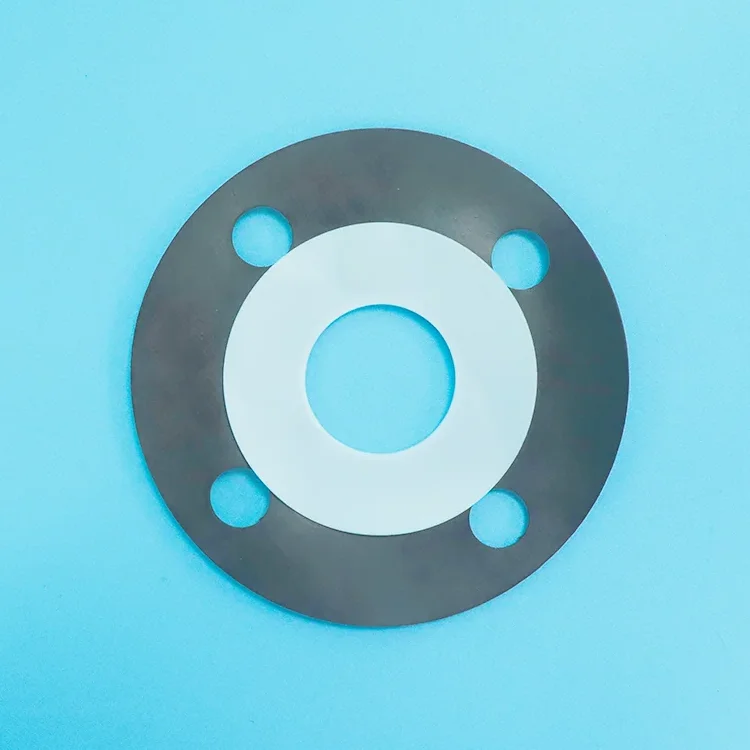
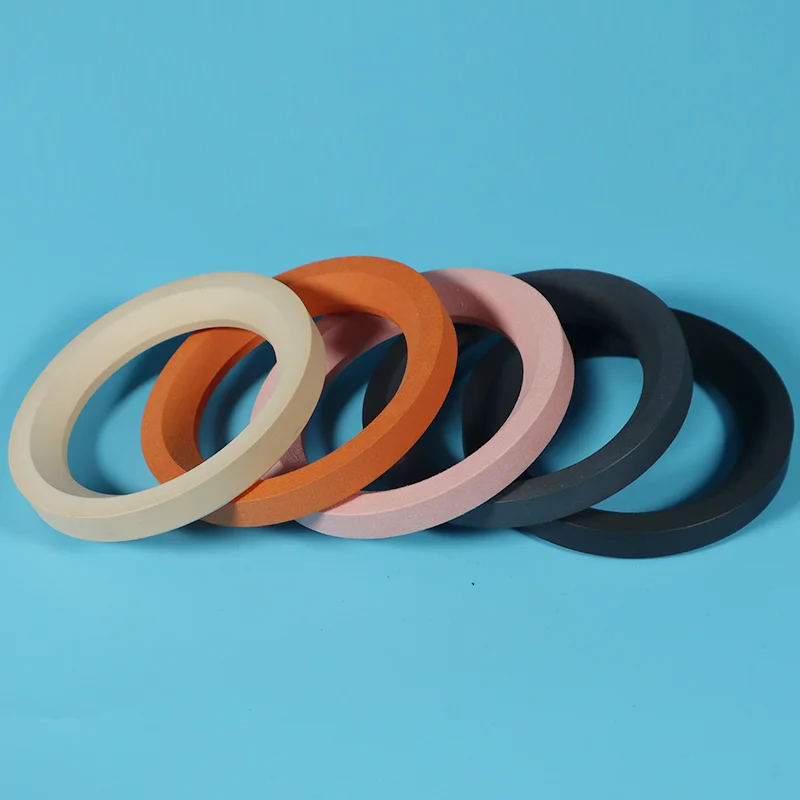
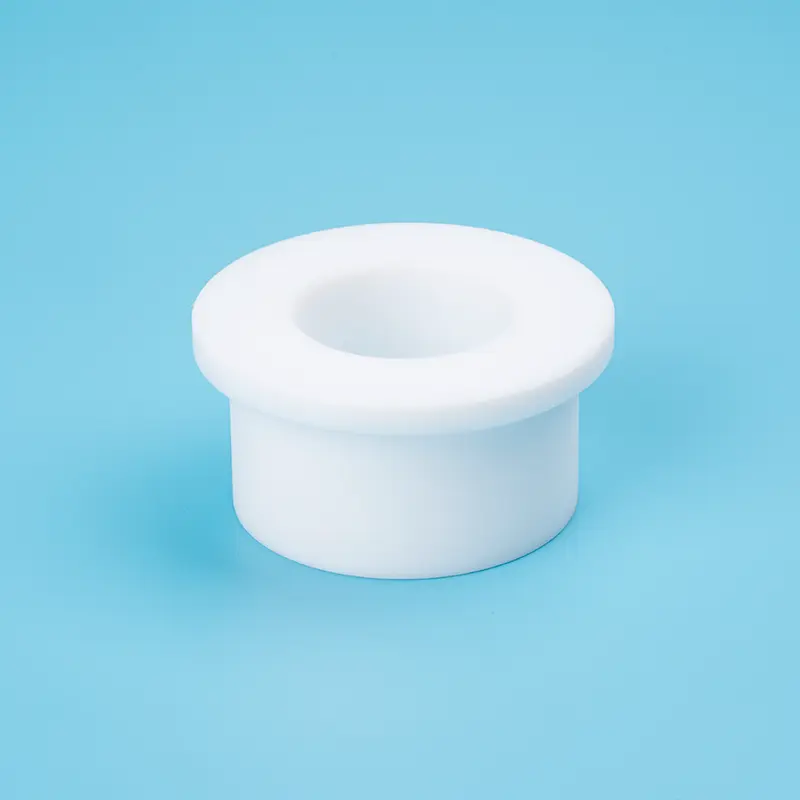
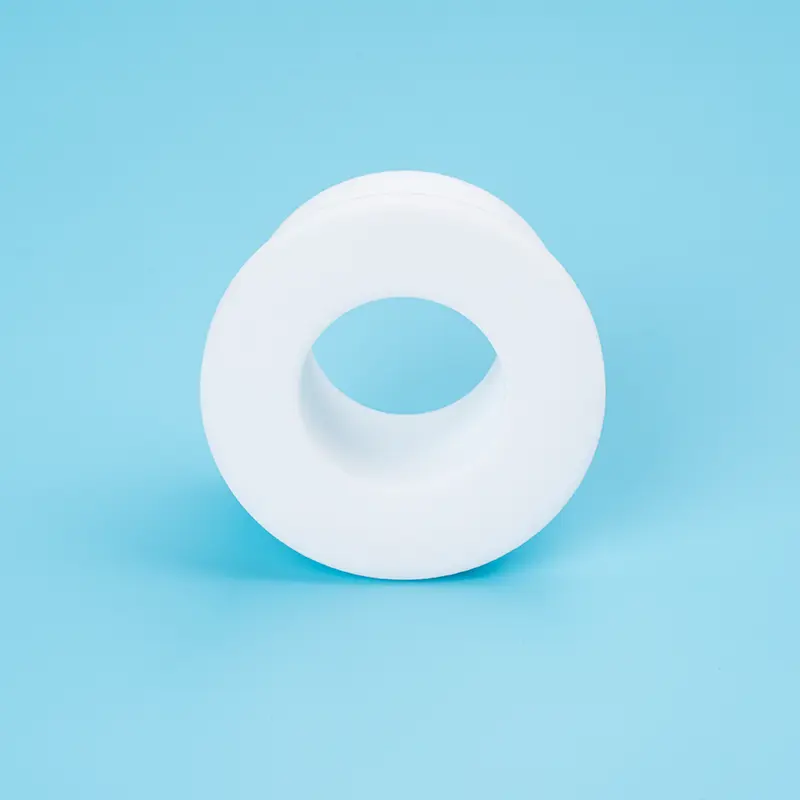
Products
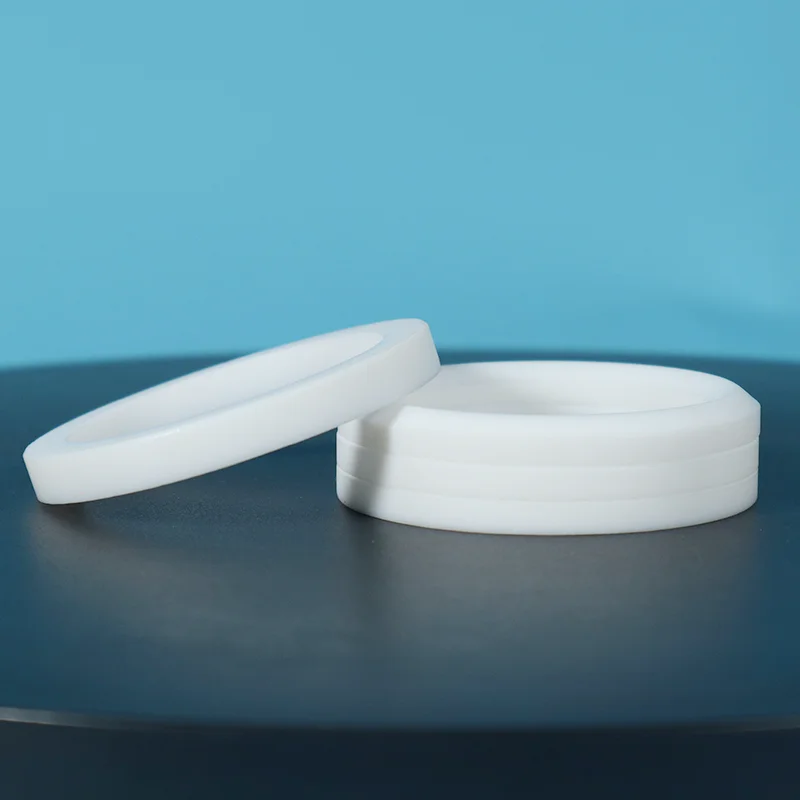
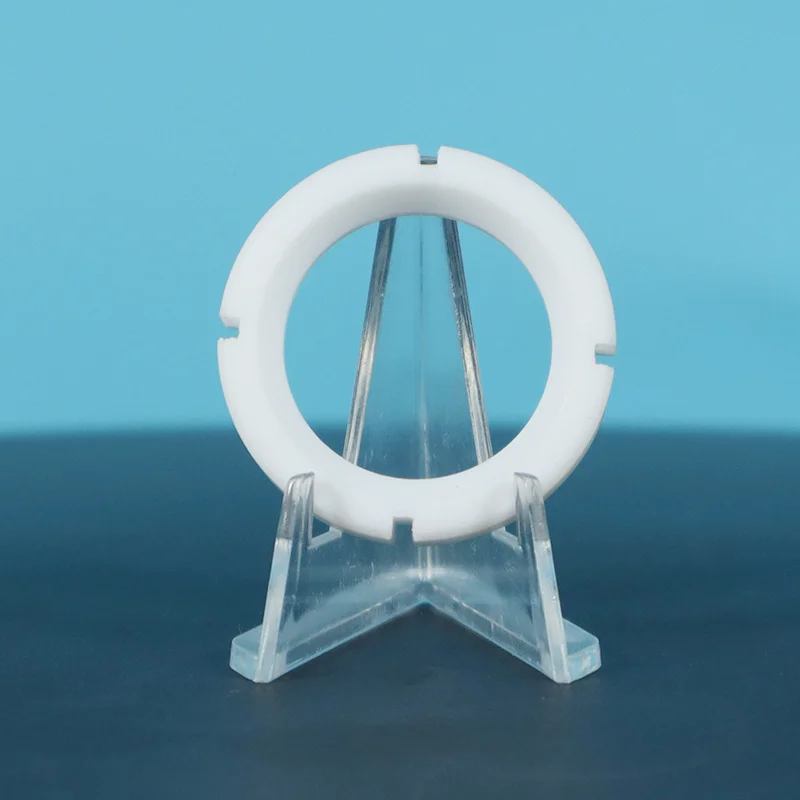
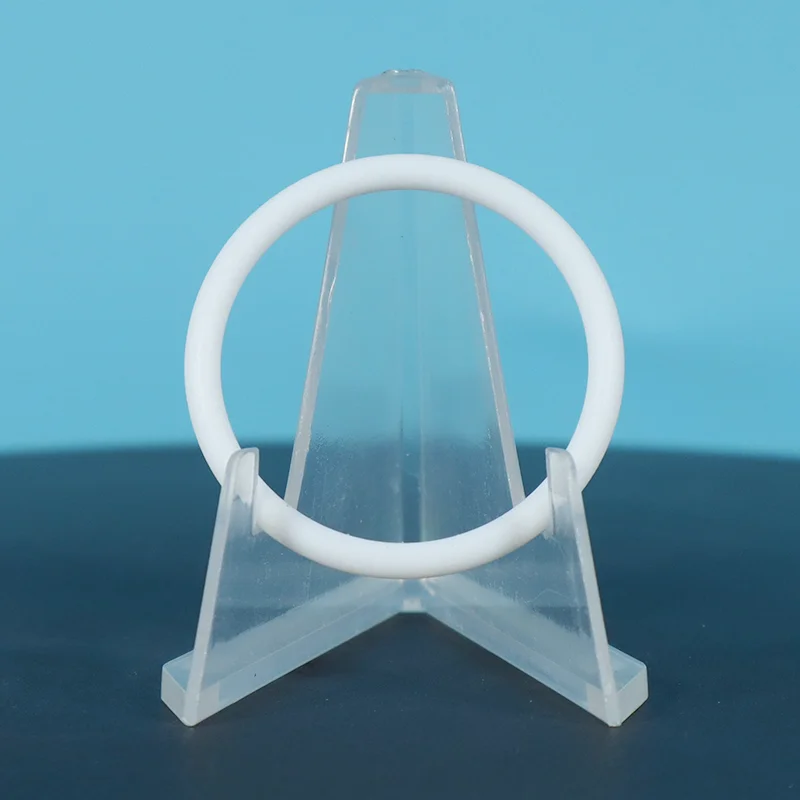
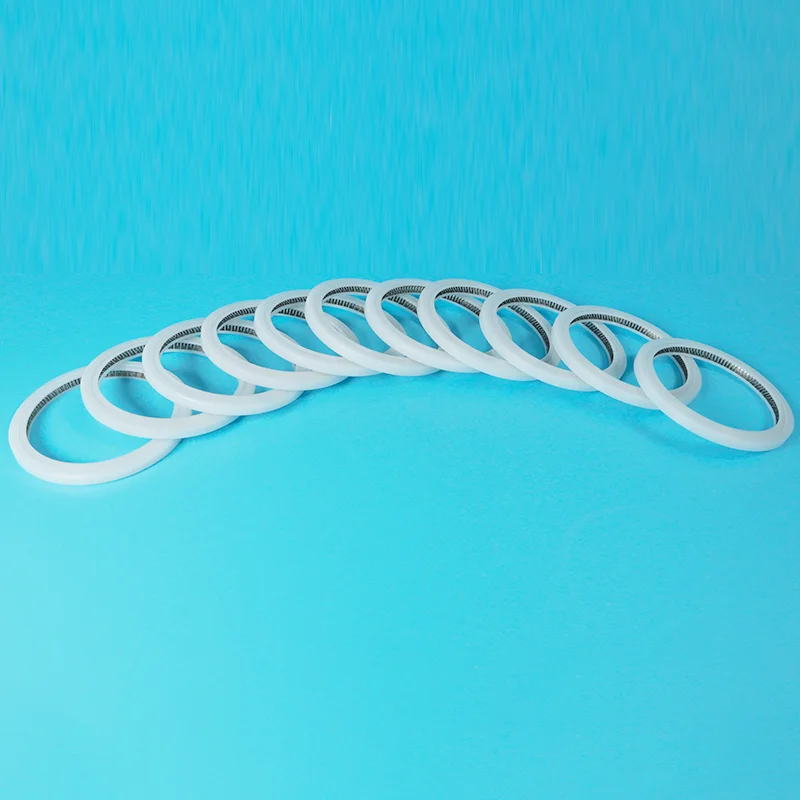
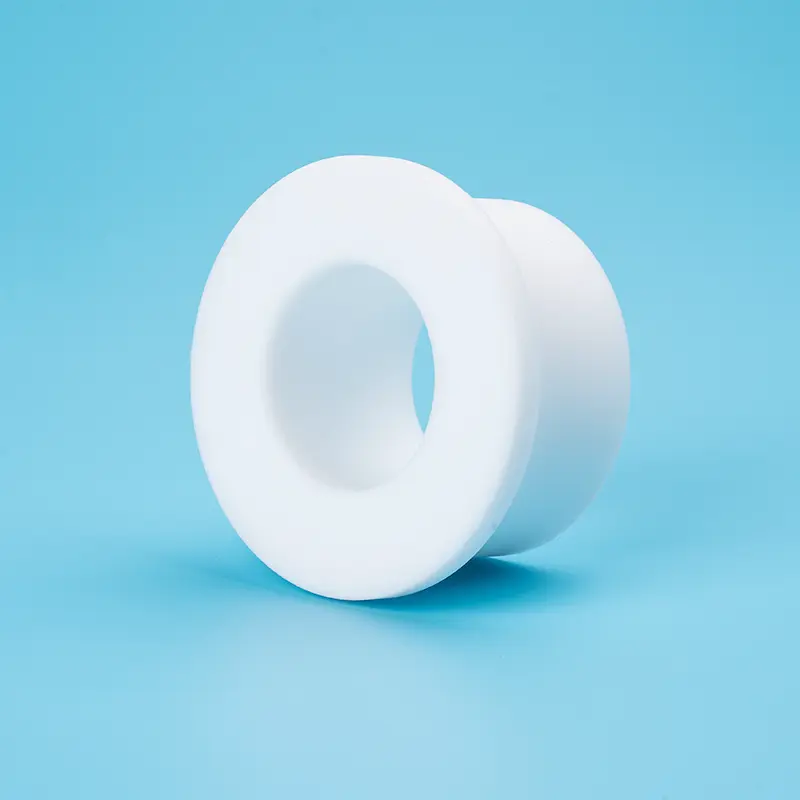
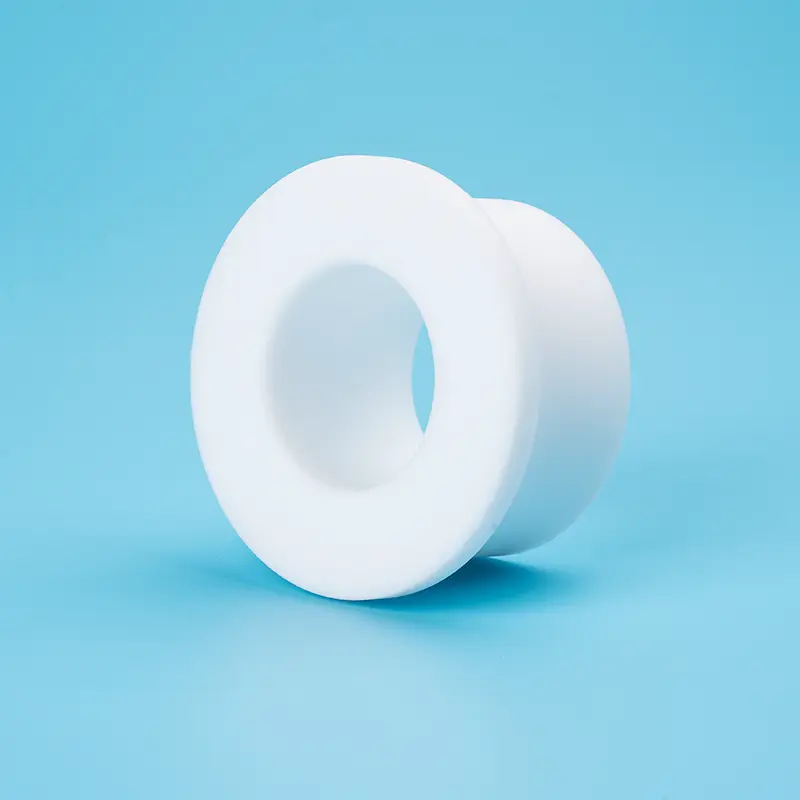
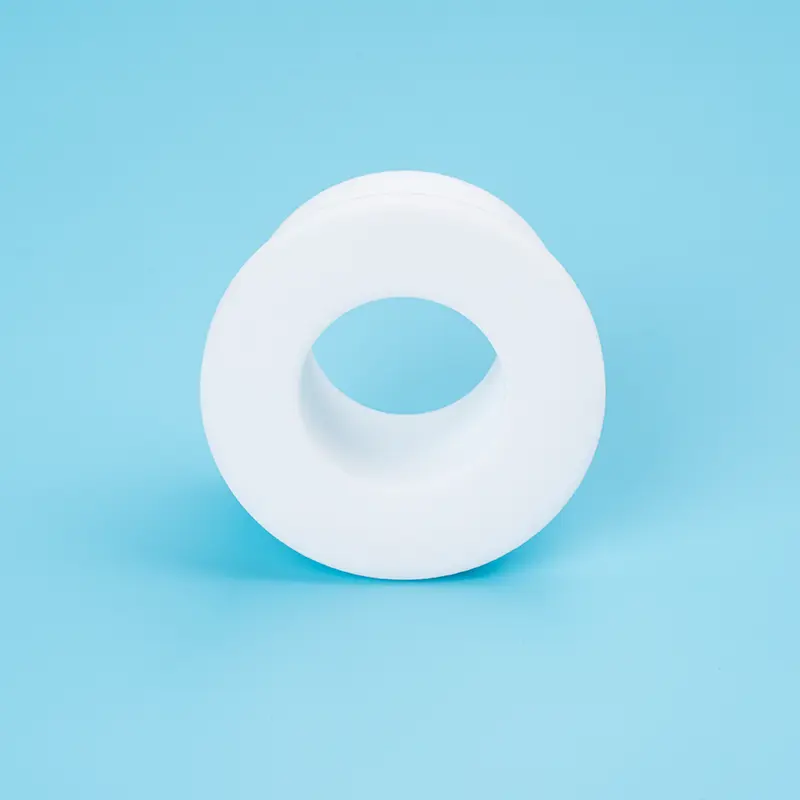
PTFE-Lined Bushing
  • PTFE-Lined BushingPTFE-Lined Bushing
  • PTFE-Lined BushingPTFE-Lined Bushing
  • PTFE-Lined BushingPTFE-Lined Bushing

PTFE-Lined Bushing

Taifno manufactures custom PTFE-lined bushings for dry-running, high-load and low-speed motion systems. Available constructions include steel-backed sintered-bronze/PTFE bushings and PTFE fabric-lined bearings, with straight, flanged, thrust-washer and drawing-specific configurations. Send the required dimensions, load, speed, shaft material, temperature, environment, quantity and applicable standard for engineering review and factory quotation.
    Rating: 5.0
    (Rating Count: 1)

    Custom PTFE-Lined Bushings Manufacturer for Dry-Running and High-Load Applications

    Taifno manufactures custom PTFE-lined bushings for industrial OEMs, equipment manufacturers and replacement-bearing buyers. These self-lubricating bearings use a PTFE sliding layer supported by a metal substrate or bonded fabric structure to combine low-friction motion with greater structural strength than a solid PTFE sleeve.

    Straight bushings, flanged bushings, thrust washers and drawing-specific parts are available. For a technical recommendation and factory quotation, provide the bushing dimensions, load, speed, shaft material and finish, temperature, operating environment, quantity and required standard.

    0.02–0.15 Referenced friction range; operating conditions apply
    Up to 482 N/mm² Referenced static rating for selected fabric-lined designs
    Custom ID 6–300 mm+ Subject to construction, tooling and tolerance review
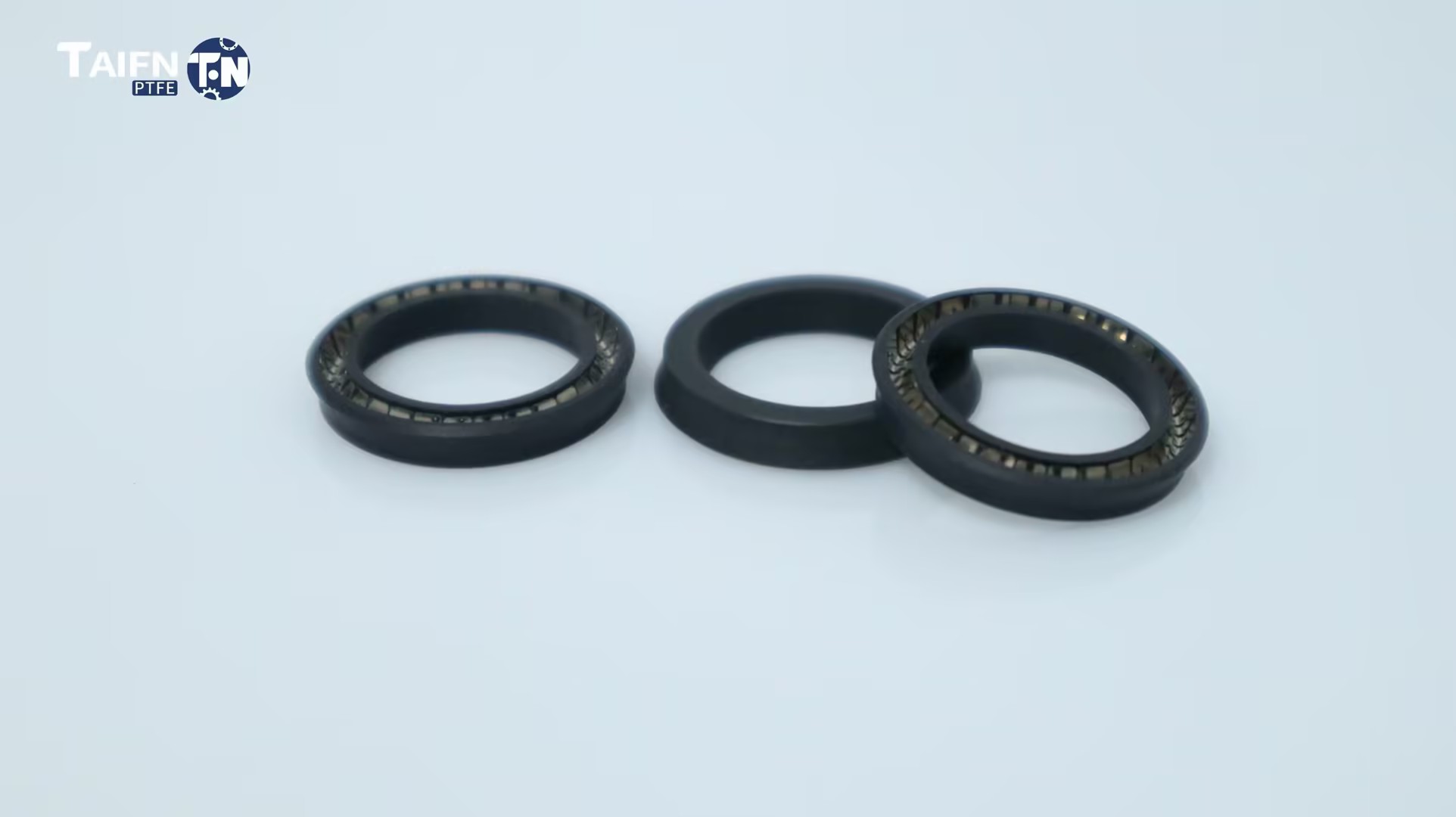
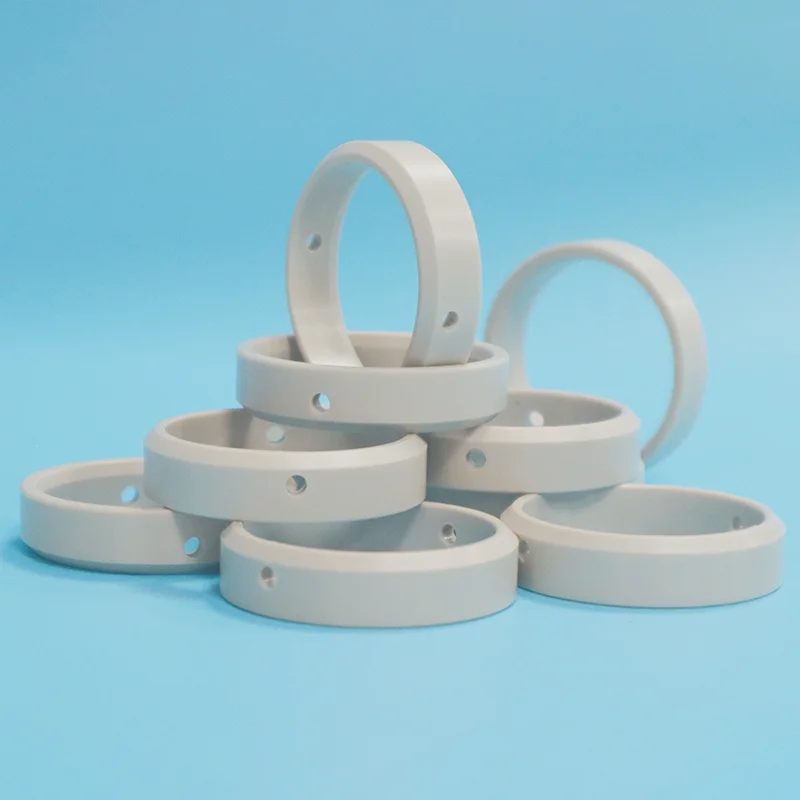
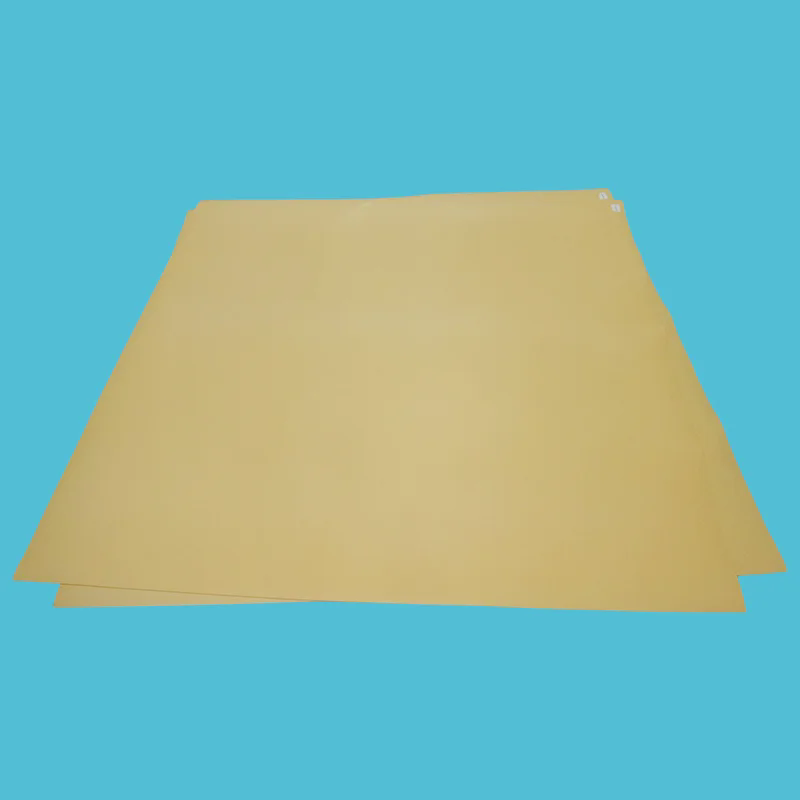
    Custom PTFE-lined bushing manufactured for dry-running bearing applications Metal-backed self-lubricating PTFE-lined bushing
    Self-LubricatingDesigned for operation without routine external lubrication in approved applications.
    Metal SupportedThin PTFE sliding layer combined with a load-supporting substrate.
    Custom ManufacturedDimensions, flange geometry, liner and backing selected for the application.
    OEM SupplyPrototype, replacement and volume-production support for industrial buyers.

    What Problems Do PTFE-Lined Bushings Solve?

    Common bearing problems and the intended role of a PTFE-lined bushing
    Operating Problem Possible Consequence How a PTFE-Lined Bushing Helps
    Severe wear of conventional metal bearings under oil-free or limited-lubrication conditions. Frequent replacement, unplanned maintenance and equipment downtime. The self-lubricating PTFE liner is designed to support long-term dry-running operation when load, speed, shaft and temperature remain within the approved design envelope.
    Bearing components are exposed to acids, alkalis, solvents or humid environments. Corrosion, loss of clearance and premature bearing failure. The PTFE contact surface offers broad chemical resistance, but the metal backing, bonding system and exposed edges must also be protected and checked against the actual medium.
    Stick-slip occurs under heavy-load and low-speed motion. Unstable movement, vibration, positioning error and noise. A referenced friction range of 0.02–0.15 can support smoother motion. Actual friction depends on load, speed, temperature, shaft finish, alignment and liner type.
    Thermal expansion, insufficient clearance or material mismatch causes seizure. Overheating, equipment damage and production shutdown. Correct bearing clearance and an application-specific liner system can accommodate the specified temperature range. Standard compliance and wider-temperature capability must be confirmed for the ordered construction.

    Available PTFE-Lined Bushing Forms

    Straight BushingCylindrical sleeve designed primarily for radial loads.
    Flanged BushingSleeve with an integrated flange for combined radial and axial guidance.
    Thrust WasherFlat bearing element intended for axial loads and end-face motion.
    Custom ShapeDrawing-specific bearing geometry manufactured after technical review.

    Buyers can also review Taifno’s PTFE seals and machined components and modified PTFE tube and rod materials for related motion-control components.

    Key Features of Metal-Backed and Fabric-Lined PTFE Bushings

    Self-LubricatingNo routine external lubrication is required in an approved dry-running application.
    Low FrictionReferenced coefficient of friction is 0.02–0.15, depending on design and test conditions.
    High Load CapabilitySelected PTFE fabric-lined designs may reach a referenced static load of 482 N/mm².
    Chemical ResistanceThe PTFE sliding surface resists many chemicals, but the complete bearing system requires compatibility review.
    Temperature OptionsSpecified designs may cover -65°F to +325°F, while wider-range custom materials require written confirmation.
    Extended Service PotentialReferenced fabric-liner comparisons report 7–10 times longer life under specific tests, not as a universal guarantee.

    PTFE-Lined Bushing vs. Solid PTFE Bushing

    Preliminary selection guide for industrial bearing buyers
    Comparison Item Solid PTFE Bushing PTFE-Lined Bushing
    Structure Solid sleeve manufactured from virgin or filled PTFE. Metal substrate with a PTFE composite layer or bonded PTFE fabric liner.
    Wall thickness Usually thicker, from millimeter-scale walls to larger machined sections. Thin-wall designs commonly range from approximately 0.5 to 2.7 mm.
    Load capability Generally selected for light-to-medium loads. Higher structural load capability; selected fabric-lined designs report up to 482 N/mm² static load.
    Best suited to Light-to-medium loads, broad chemical exposure and clean service. Heavy-load, low-speed, oscillating and compact bearing arrangements.
    Corrosion behavior The complete solid PTFE body provides broad chemical resistance. The sliding layer is resistant, but exposed metal and bonding materials require separate evaluation.
    Installation Usually press-fit, depending on design. Usually installed by controlled press-fit into a prepared housing.
    Typical sectors Chemical processing, food equipment and pharmaceutical machinery where documentation permits. Construction equipment, automotive systems, industrial actuators and qualified aerospace applications.
    Choose a PTFE-lined bushing when: High load capacity, a thin wall, low-speed movement, dry operation or a specified qualified bearing construction is required.
    Choose a solid PTFE bushing when: Complete-body chemical resistance, electrical insulation, clean operation or a thicker machinable sleeve is more important than maximum load capacity.

    PTFE-Lined Bushing vs. Conventional Metal Bearing

    Functional comparison for maintenance and procurement evaluation
    Comparison Item Conventional Metal Bearing PTFE-Lined Bushing Potential Buyer Value
    Lubrication Often requires scheduled greasing or oil. Designed for self-lubricating operation. Can reduce lubrication labor, access requirements and lubricant consumption.
    Coefficient of friction Referenced range of 0.10–0.50, depending on bearing and lubrication. Referenced range of 0.02–0.15 under suitable conditions. Can reduce operating resistance and support smoother low-speed movement.
    Corrosion resistance Unprotected metal can corrode in wet or chemical environments. The PTFE contact surface offers broad resistance; backing and edges require evaluation. Can improve reliability where the complete bearing is properly protected.
    Stick-slip May occur at low speed and high load. Low-friction liner is designed to reduce stick-slip. Smoother movement and improved positioning stability.
    Service life Baseline depends on bearing type and lubrication. Specific PTFE fabric-liner references report 7–10 times longer life. Potentially fewer replacements, subject to equivalent testing and field validation.
    Maintenance Periodic lubrication and inspection may be required. May operate without routine lubrication after correct selection and installation. Reduced planned maintenance in difficult-to-access equipment.
    Typical operating range Can support heavy-load and high-speed service when properly lubricated. Commonly selected for dry-running, high-load, low-speed or oscillating motion. Material can be matched to the motion profile instead of selected by load alone.

    PTFE-Lined Bushing Construction Options

    Steel-Backed Sintered-Bronze/PTFE Construction

    Sliding layer: PTFE and fiber mixture, typically 0.01–0.03 mm, providing low friction, self-lubrication and transfer-film formation.

    Intermediate layer: Sintered bronze powder, typically 0.20–0.35 mm, supporting load distribution, heat transfer and retention of the PTFE compound.

    Backing layer: Low-carbon steel, typically 0.50–2.7 mm, providing structural strength and press-fit support.

    PTFE Fabric-Lined Construction

    PTFE fabric-lined bushings use woven PTFE fibers integrated with a resin bonding system. Referenced data reports tensile strength up to 270 MPa and higher load capability for selected aerospace and heavy-load designs.

    The resin system, backing material, bond strength, environmental resistance and applicable qualification standard must be specified for the exact ordered part.

    PTFE-Lined Bushing Technical Specifications

    Typical reference values requiring grade-specific confirmation
    Parameter Typical or Referenced Value Engineering Note
    Material construction Steel backing, sintered bronze and PTFE sliding layer; or PTFE fabric-lined construction. These are different bearing systems and must not share ratings without verification.
    Applicable standards AS81934, AS8942 or specified military requirements where qualified. Compliance applies only when the exact part, material, process and documentation meet the named specification.
    Referenced minimum temperature -65°F (-54°C) Associated with selected specification-controlled constructions.
    Referenced maximum temperature +325°F (+163°C) Confirm load, duration, liner and bonding system.
    Custom wider-temperature option -180°C to +260°C Not a default rating; requires a separately approved material and construction.
    Maximum referenced static load Up to 482 N/mm² For selected PTFE fabric-lined designs and specified test conditions.
    Maximum referenced dynamic load 220–275 N/mm² Fabric-liner reference; speed, duty cycle and temperature must be considered.
    Coefficient of friction 0.02–0.15 Depends on load, speed, temperature, shaft finish, alignment and liner.
    Referenced tensile strength 270 MPa Fabric or composite reference, not a universal property of the complete bushing.
    Custom inside diameter 6–300 mm+ Subject to wall thickness, tooling, tolerance and production-volume review.
    Outside diameter and length Manufactured to drawing. Provide housing dimensions, fit and tolerance requirements.
    Application limitations:
    • Strong acids or alkalis may affect exposed metal, bonding agents or phenolic resin even when the PTFE sliding surface is compatible.
    • Operation above 325°F (163°C) requires a separately reviewed liner, backing and bonding system.
    • PTFE-lined bushings are generally better suited to heavy-load, low-speed or oscillating motion than extreme high-speed service.
    • Food, pharmaceutical, cleanroom and aerospace use requires the applicable material, process and compliance documentation.
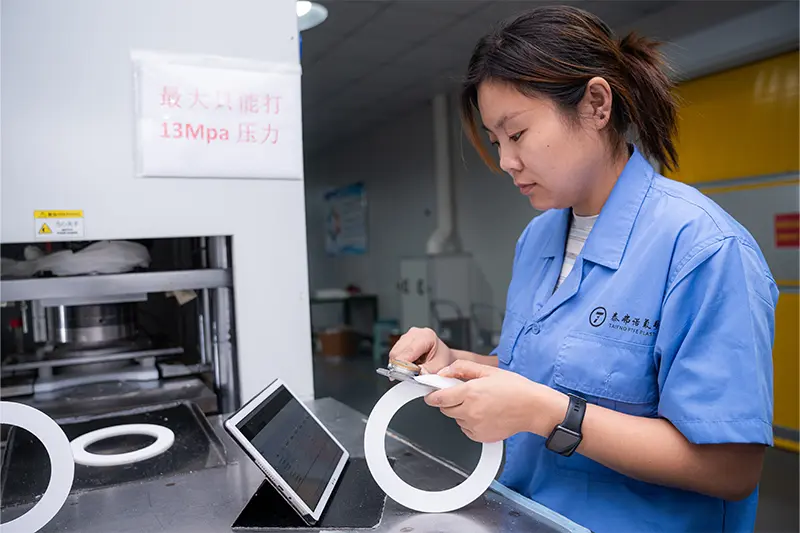
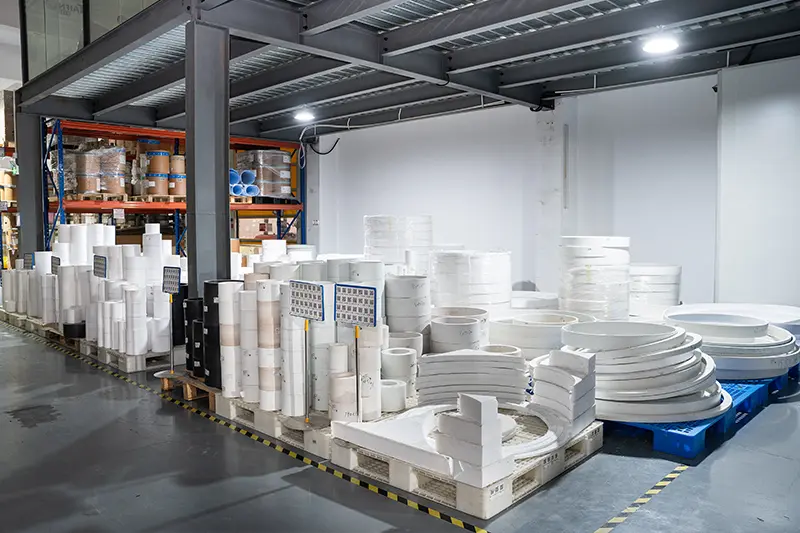
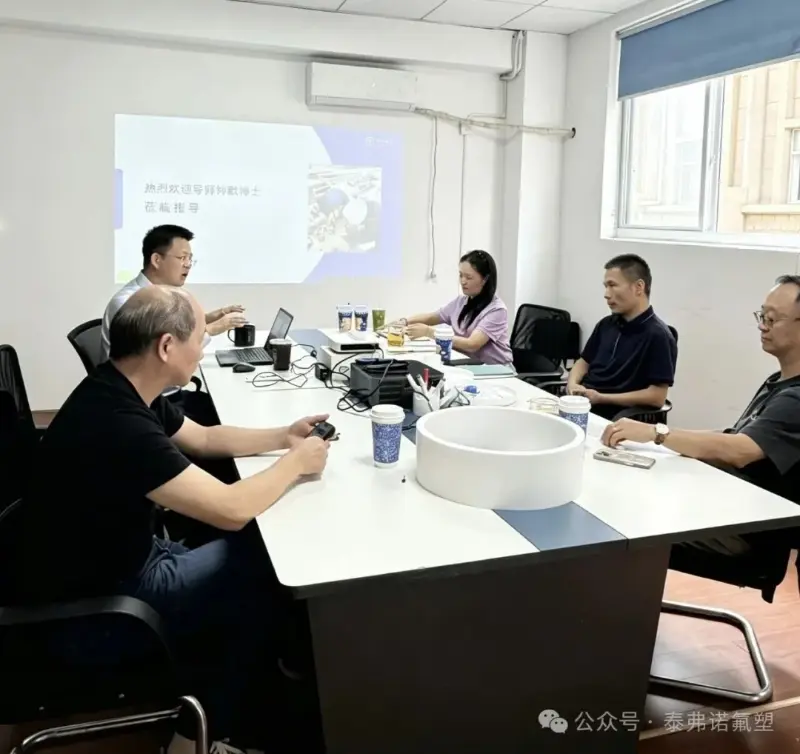
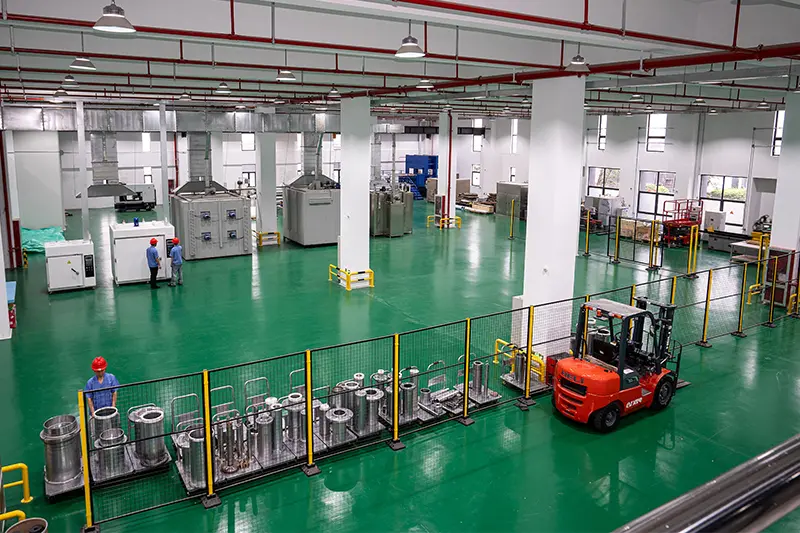
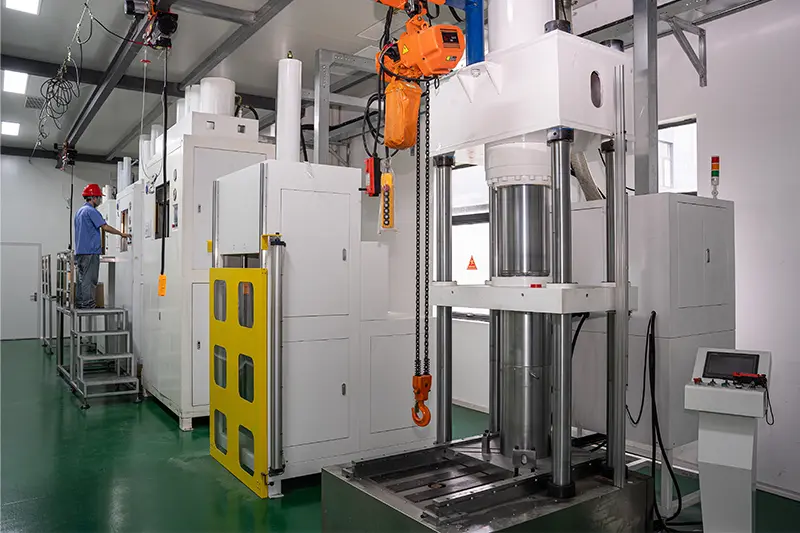
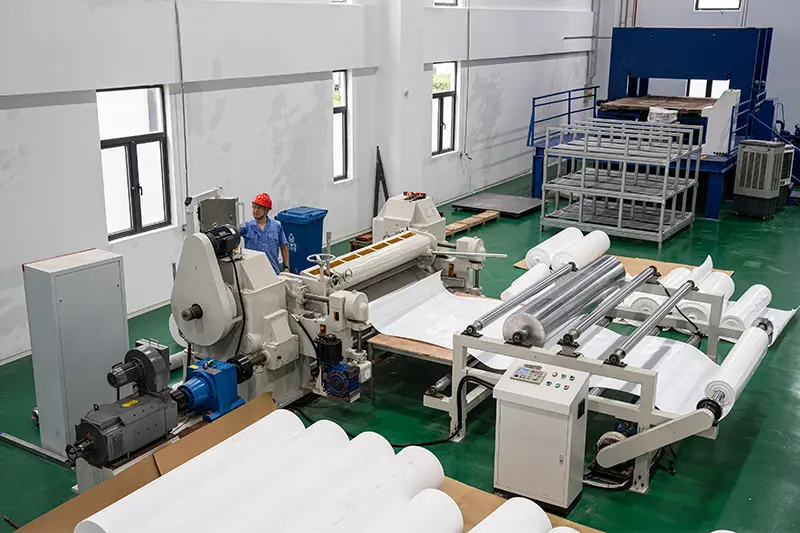
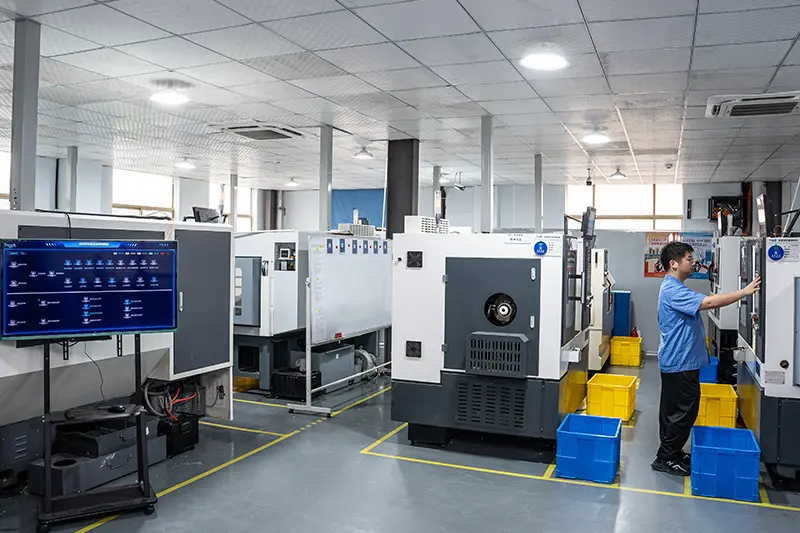
    Taifno PTFE bearing manufacturing facility PTFE-lined bushing material preparation equipment Custom PTFE component production area at Taifno Taifno PTFE products manufacturing facility

    Core Purchasing Advantages

    Product characteristics translated into procurement value
    Value Point Technical Basis Potential Customer Benefit
    Reduced lubrication maintenance PTFE sliding surface is designed for self-lubricating operation. Can reduce lubricant use, scheduled greasing and access-related labor.
    Extended service potential Selected fabric-liner references report 7–10 times the life of the compared bronze-sintered PTFE bearing. Potentially fewer replacements when equivalent conditions are validated.
    Environmental resistance PTFE resists many chemicals while optional backing protection can reduce corrosion exposure. Supports use in humid or corrosive equipment after complete compatibility review.
    High load capability Selected fabric-lined designs report static ratings up to 482 N/mm². Compact bearing arrangements for heavy-load, low-speed systems.
    Reduced stick-slip Low-friction PTFE interface promotes smoother movement. Can improve motion stability, positioning and noise performance.
    Specification-controlled supply Parts may be manufactured to applicable drawings and standards when agreed in the order. Supports OEM documentation, inspection and traceability requirements.

    Applications for Custom PTFE-Lined Bushings

    Typical industries, components and selection requirements
    Industry Typical Applications Critical Selection Requirements
    Aerospace Landing-gear mechanisms, actuators and flight-control bearing locations. Exact specification, qualification status, traceability, load, oscillation and temperature.
    Chemical and Petrochemical Valves, pumps and agitator bearing positions. Compatibility of the liner, bond, backing and exposed edges with the actual media.
    Construction Machinery Scissor lifts, aerial work platforms, pivots and linkages. High load, low speed, contamination, impact and housing alignment.
    Automotive Shock absorbers, hinges, suspension systems and actuators. Cycle life, temperature, contamination, noise and dimensional control.
    Food and Beverage Equipment Selected dry-running pivots and processing-equipment bearing positions. Applicable food-contact declarations, cleaning chemicals and exposed-metal protection.
    Semiconductor Equipment Selected clean-equipment guides, pivots and motion systems. Particle-generation testing, outgassing, chemical compatibility and cleanliness documentation.

    For additional semi-finished materials used in custom bearing projects, review Taifno’s PTFE semi-finished products. Compliance for food, cleanroom, aerospace or other controlled applications must be established through documentation for the exact grade and production lot.

    Referenced Customer Application Cases

    Aerial Work Platform Bearing Replacement
    Challenge
    The original metal bearings reportedly suffered severe wear under oil-free service and required replacement every six months.
    Solution
    A self-lubricating PTFE-lined bushing was selected for the heavy-load, low-speed pivot.
    Reported result
    The supplied case data reports two years of operation and an 85% reduction in maintenance cost. Verification requires the corresponding customer record and operating conditions.

    Aerospace Component Application
    Challenge
    The application required a high-reliability lined bearing manufactured to a specified aerospace requirement.
    Solution
    A specification-controlled PTFE fabric-lined bushing was selected.
    Reported result
    The supplied case data reports qualification and 10,000 operating cycles. The exact specification, report and acceptance criteria should be supplied before publication as a certified result.
    EEAT and procurement notice: Case-study results and comparative service-life claims are application-specific. They should be supported by dated test reports, customer authorization or internal project records before being presented as verified performance.
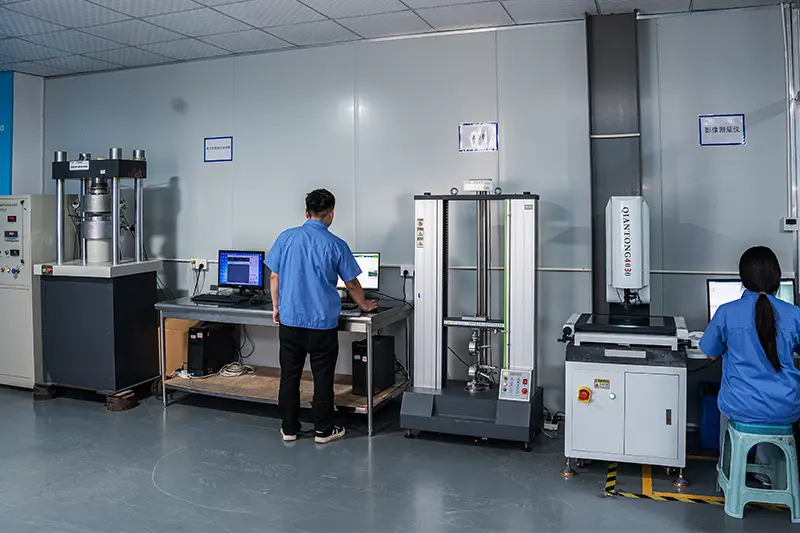
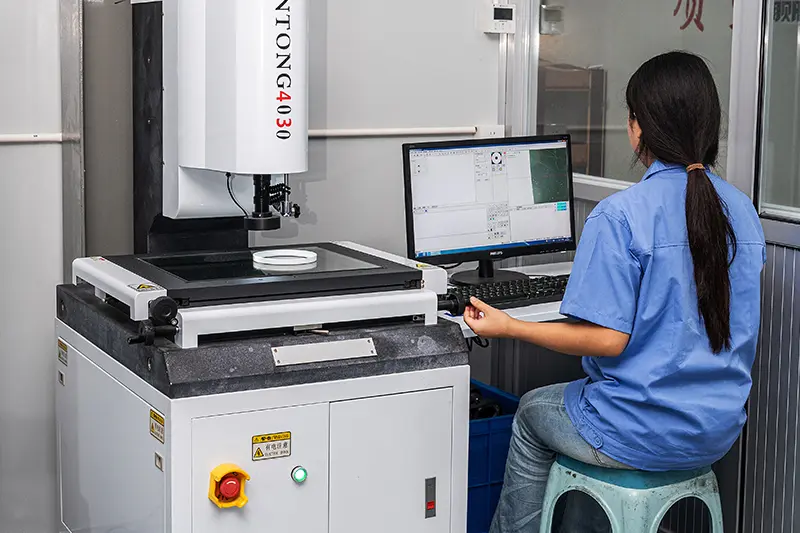
    PTFE-lined bushing material inspection at Taifno Dimensional testing for custom PTFE bearing components Laboratory inspection of PTFE composite products Quality-control equipment for PTFE-lined bearing production

    Manufacturing and Inspection Requirements

    Taifno supports custom PTFE-lined bushing production from drawing review and material selection through forming, bonding, machining and dimensional inspection. Buyers should define the required inspection plan, certificate package and acceptance criteria before production.

    • Straight, flanged, thrust-washer and drawing-specific configurations.
    • Metal-backed composite and PTFE fabric-lined construction options.
    • Prototype and volume-production support subject to tooling review.
    • Dimensions, wall thickness, roundness and tolerances agreed before manufacture.
    • Material certificates, inspection records and traceability available when specified in the purchase order.
    • Standard compliance supplied only for parts manufactured and documented to the applicable requirement.

    Review Taifno’s quality assurance process for information about inspection and production control.

    Information Required for a PTFE-Lined Bushing Quotation

    Engineering RFQ Checklist
    • Inside diameter, outside diameter, length, flange dimensions and tolerances.
    • Drawing, annual quantity, prototype quantity and delivery destination.
    • Radial load, axial load, static load and dynamic load.
    • Rotational, oscillating or linear motion and operating speed.
    • Shaft material, hardness, surface finish and mating clearance.
    • Continuous and peak temperature, duty cycle and start-stop frequency.
    • Chemicals, water, dust, impact and other environmental exposure.
    • Required standard, inspection report, material certificate and traceability level.

    Frequently Asked Questions About PTFE-Lined Bushings

    What is the difference between a PTFE-lined bushing and a solid PTFE bushing?

    A solid PTFE bushing is machined or molded from virgin or filled PTFE and is commonly selected for light-to-medium loads, broad chemical resistance and clean service. A PTFE-lined bushing uses a thin PTFE sliding layer supported by metal or a bonded composite, providing a thinner wall and higher structural load capability. Selected fabric-lined designs report static ratings up to 482 N/mm², but the applicable rating must be confirmed for the exact construction.

    What are the temperature and load limits of PTFE-lined bushings?

    Selected specification-controlled designs are referenced from -65°F to +325°F (-54°C to +163°C). Wider custom ranges, including referenced values from -180°C to +260°C, require a separately approved liner, substrate and bonding system. Selected PTFE fabric-lined designs report static load up to 482 N/mm² and dynamic load of 220–275 N/mm² under specific conditions. Final limits depend on load, speed, motion, shaft, temperature and duty cycle.

    Do all PTFE-lined bushings comply with AS81934 or AS8942?

    No. Compliance cannot be applied automatically to every PTFE-lined bushing. It applies only when the exact material, dimensions, manufacturing process, qualification tests and documentation meet the named specification. Buyers must state the required standard when requesting a quotation and obtain the applicable certificate and test records for the ordered part.

    Do PTFE-lined bushings require lubrication?

    They are designed for self-lubricating operation and normally do not require routine external lubrication in an approved application. The referenced coefficient of friction is 0.02–0.15. Actual performance depends on load, speed, temperature, shaft finish, alignment, contamination and liner construction. Initial lubrication should not be added unless permitted by the selected bearing specification.

    Can PTFE-lined bushings be used in corrosive environments?

    The PTFE sliding surface resists many acids, alkalis and solvents, but the complete bushing is not automatically resistant across pH 0–14. Exposed steel, bronze, bonding agents and phenolic resin may be attacked by the environment. Provide the chemical identity, concentration, temperature and exposure method so the complete construction can be evaluated.

    Can Taifno manufacture PTFE-lined bushings from customer drawings?

    Yes. Taifno can manufacture straight bushings, flanged bushings, thrust washers and custom bearing components according to drawings. Provide the dimensions, tolerances, load, speed, motion type, shaft details, temperature, environment, quantity and applicable standard for engineering review and quotation.

    Request a Custom PTFE-Lined Bushing Quotation

    Send your drawing and operating conditions for liner selection, manufacturability review and factory pricing.

    Request a Quotation
    Send Inquiry
    Contact Info
    Rating:
    5.0
    X
    We use cookies to offer you a better browsing experience, analyze site traffic and personalize content. By using this site, you agree to our use of cookies. Privacy Policy
    RejectAccept