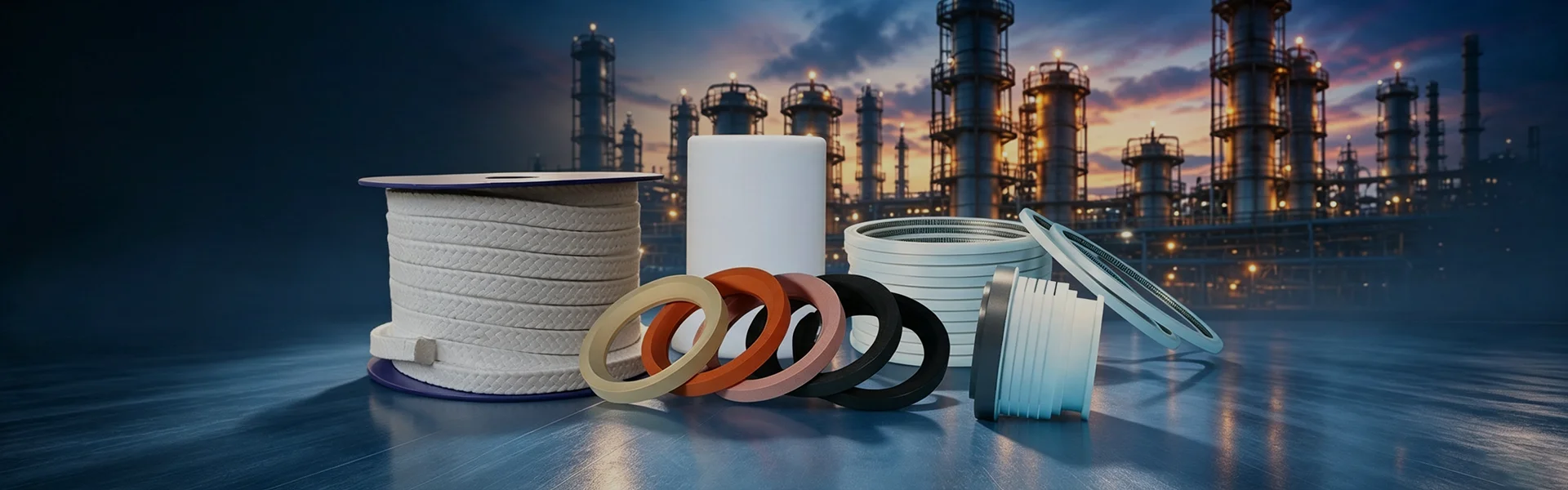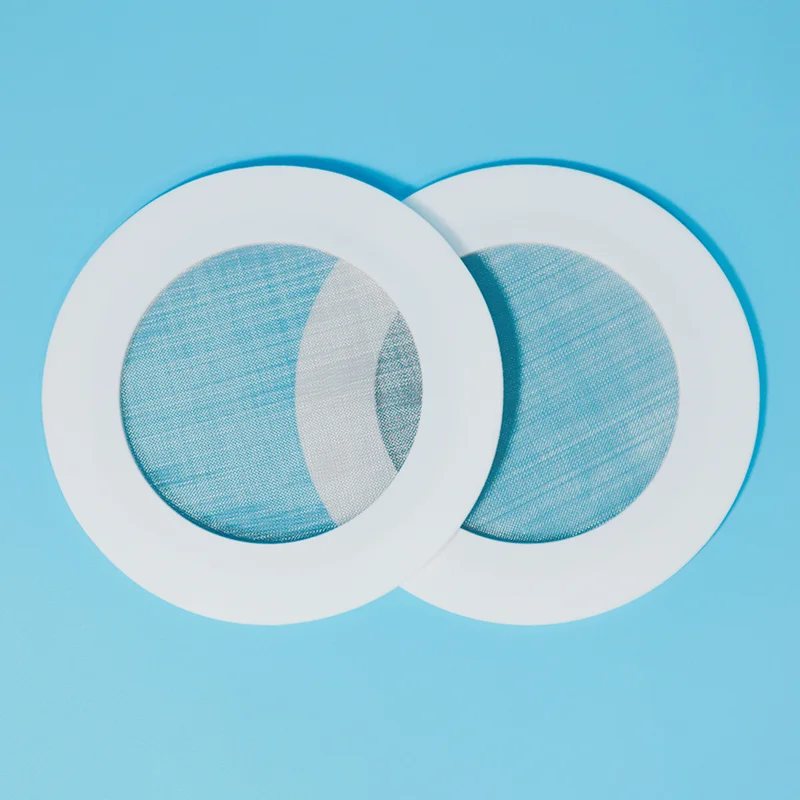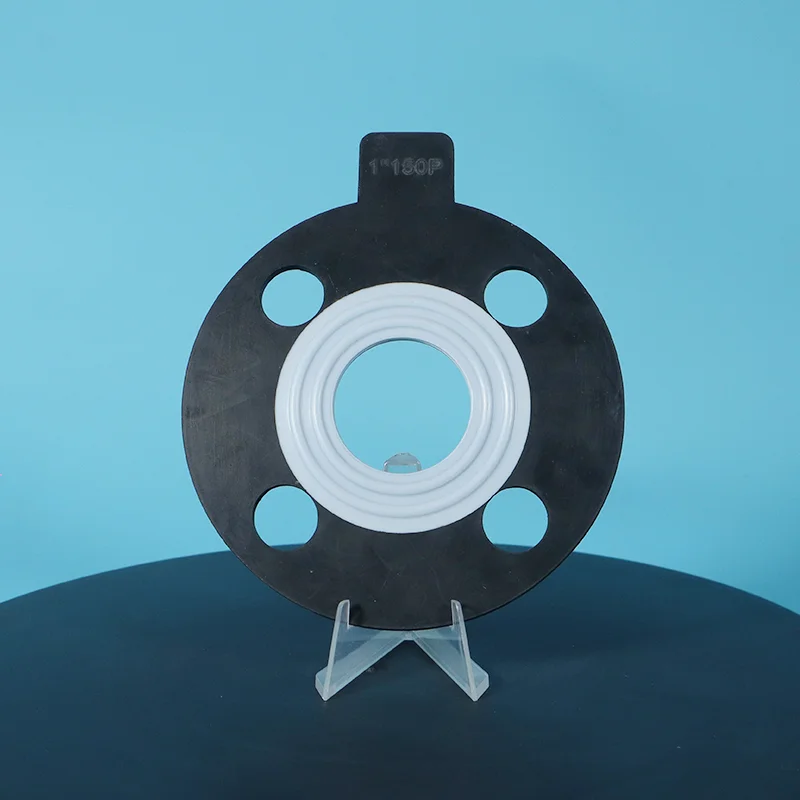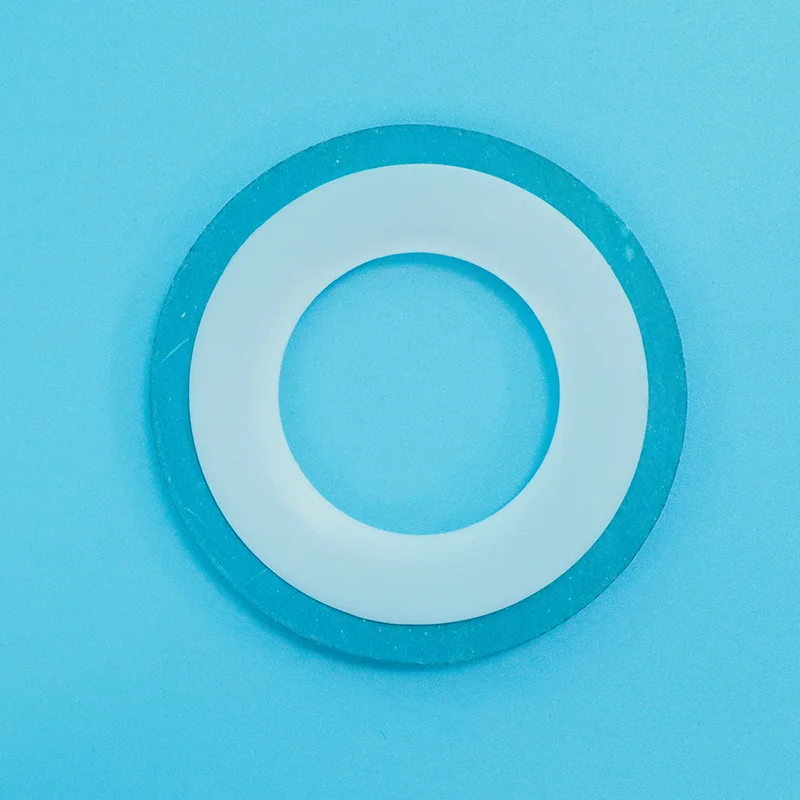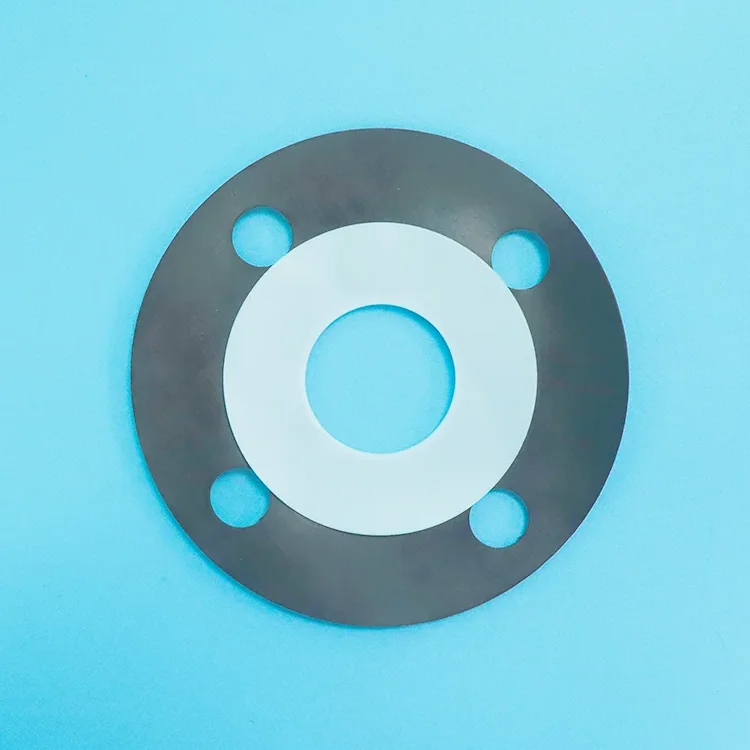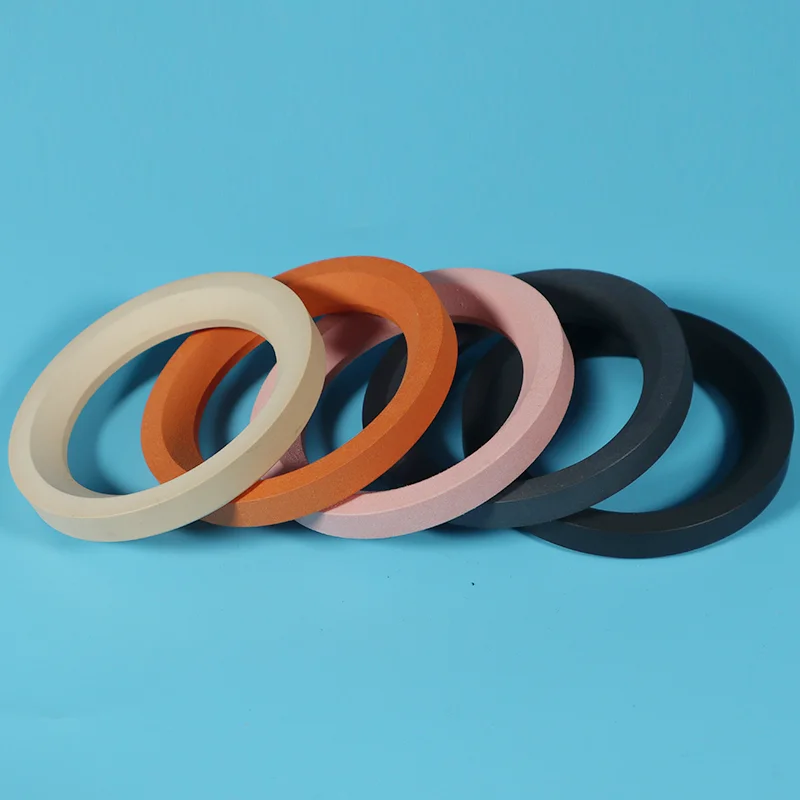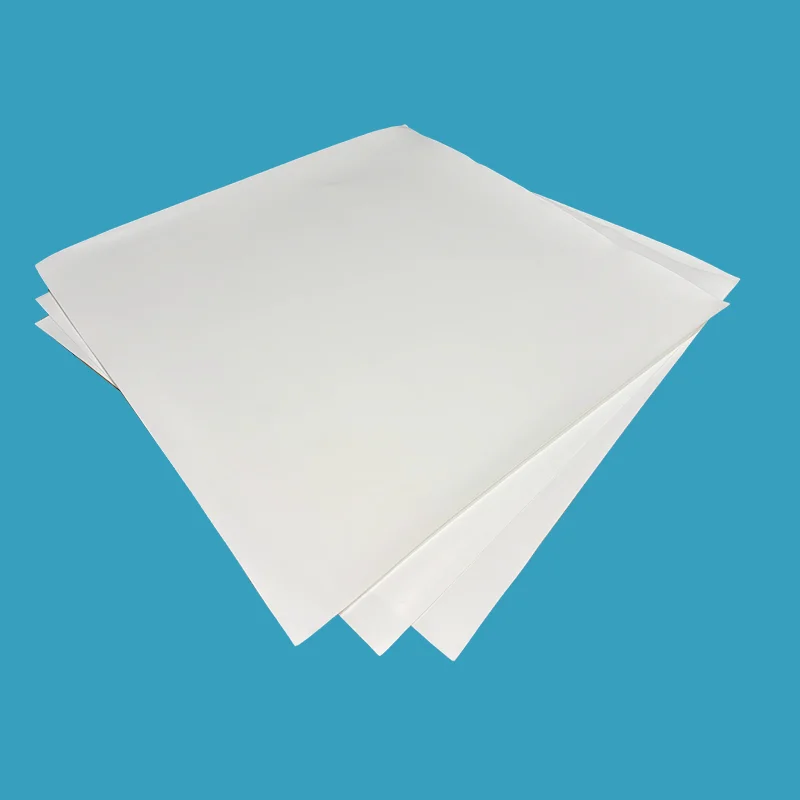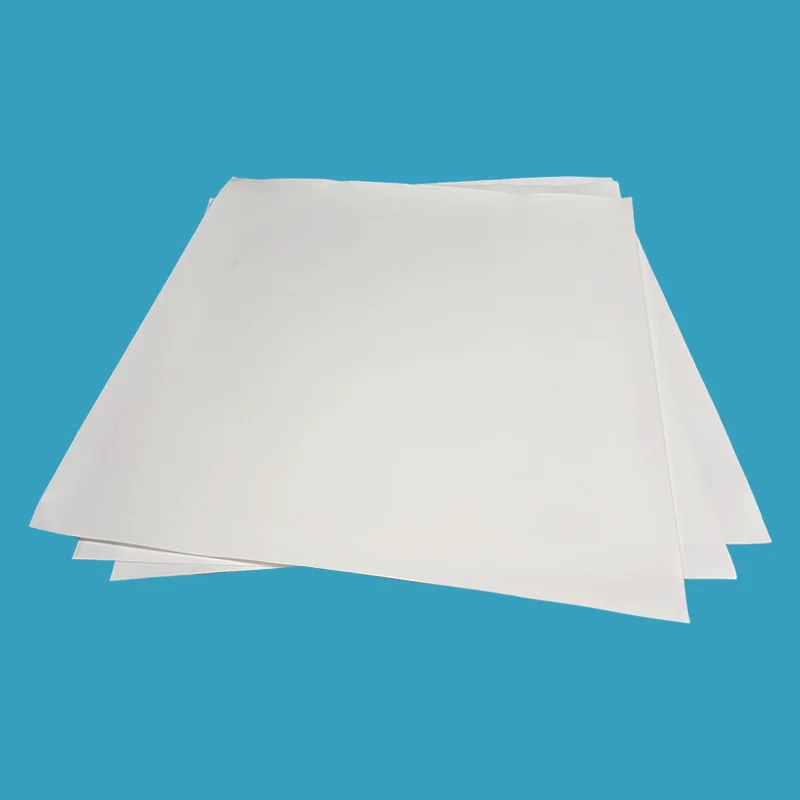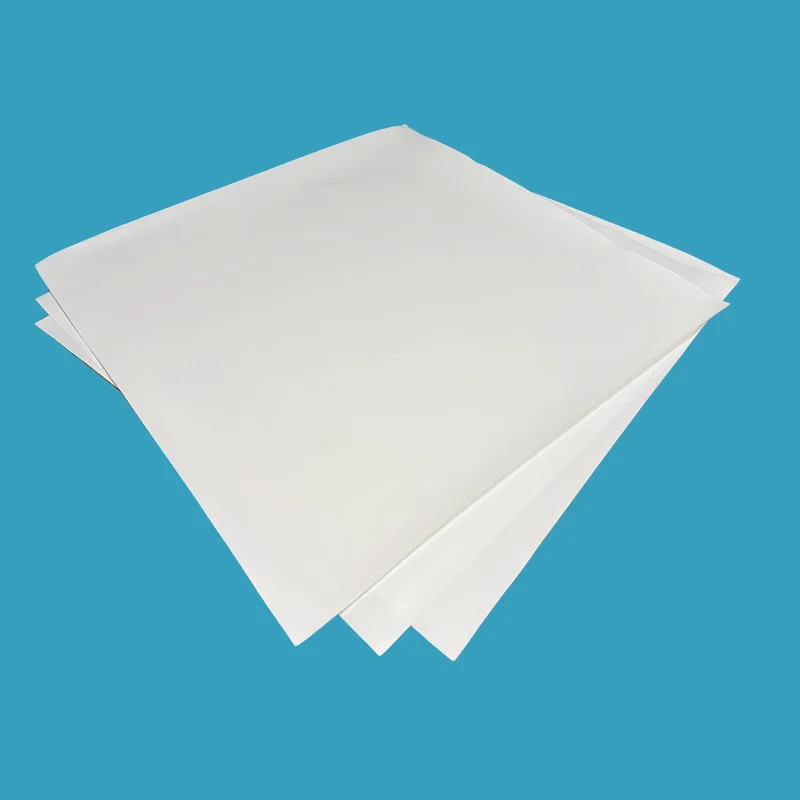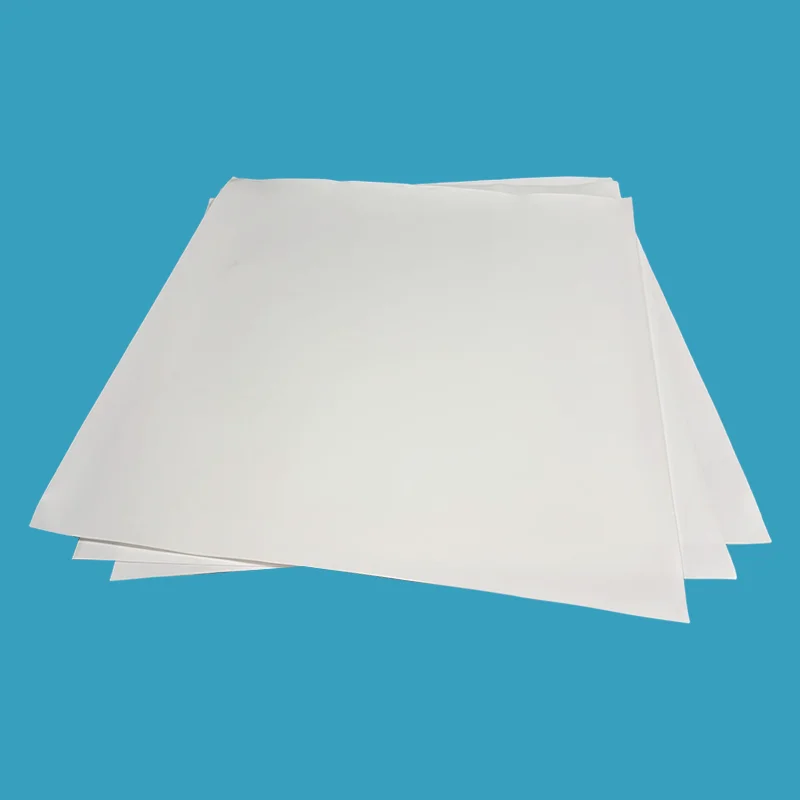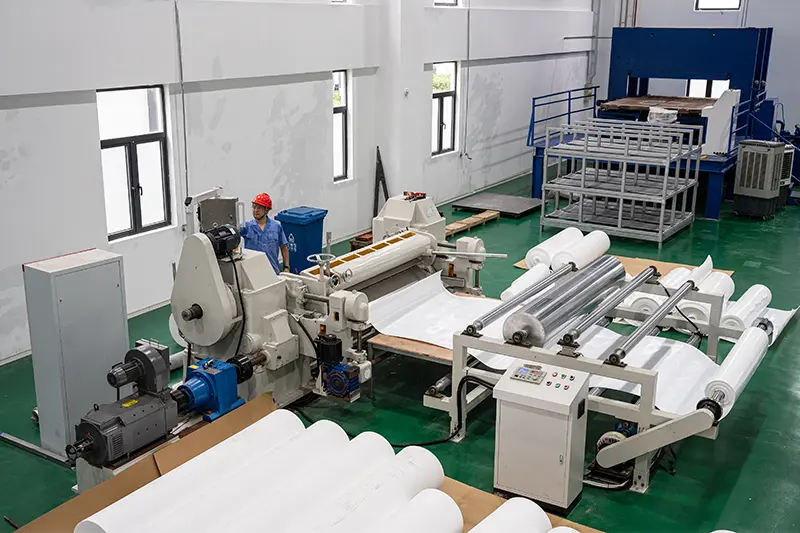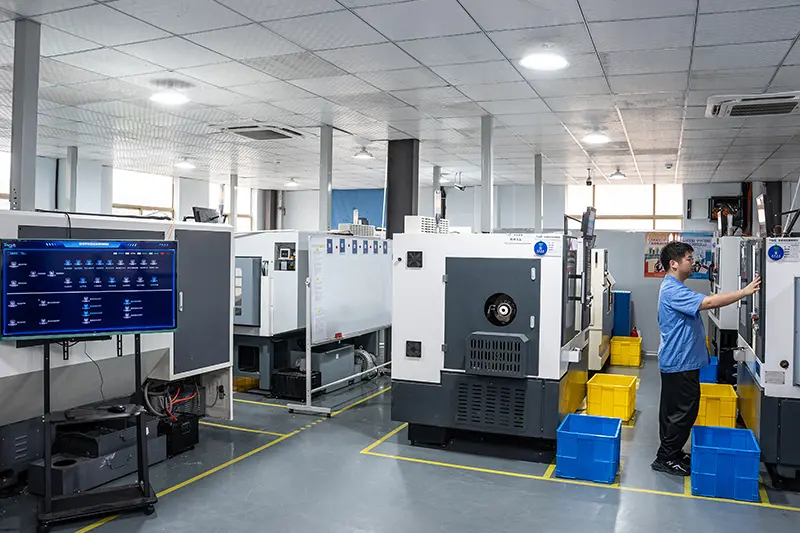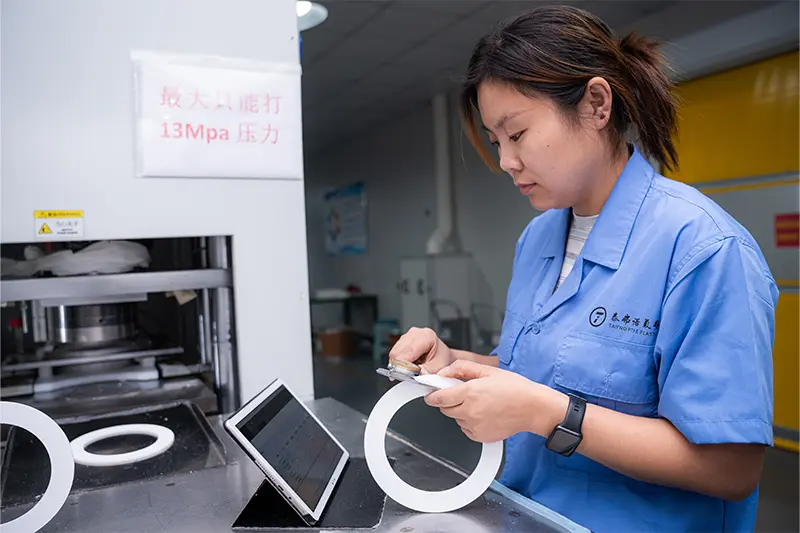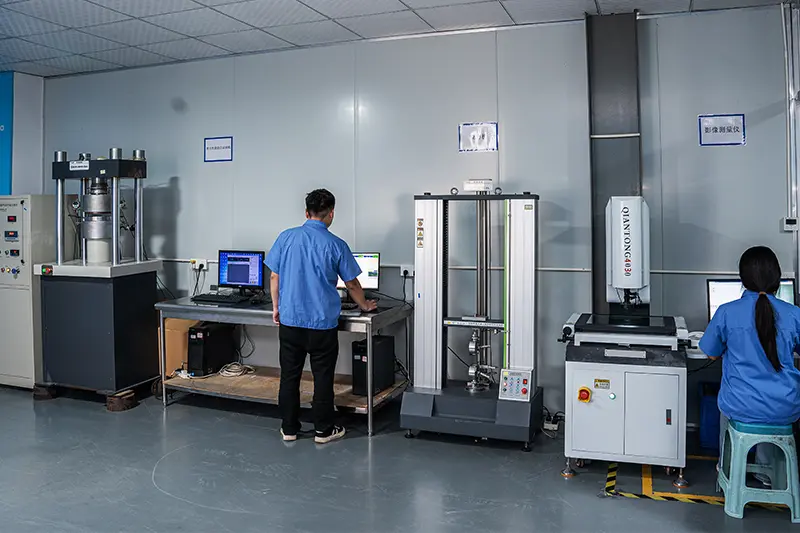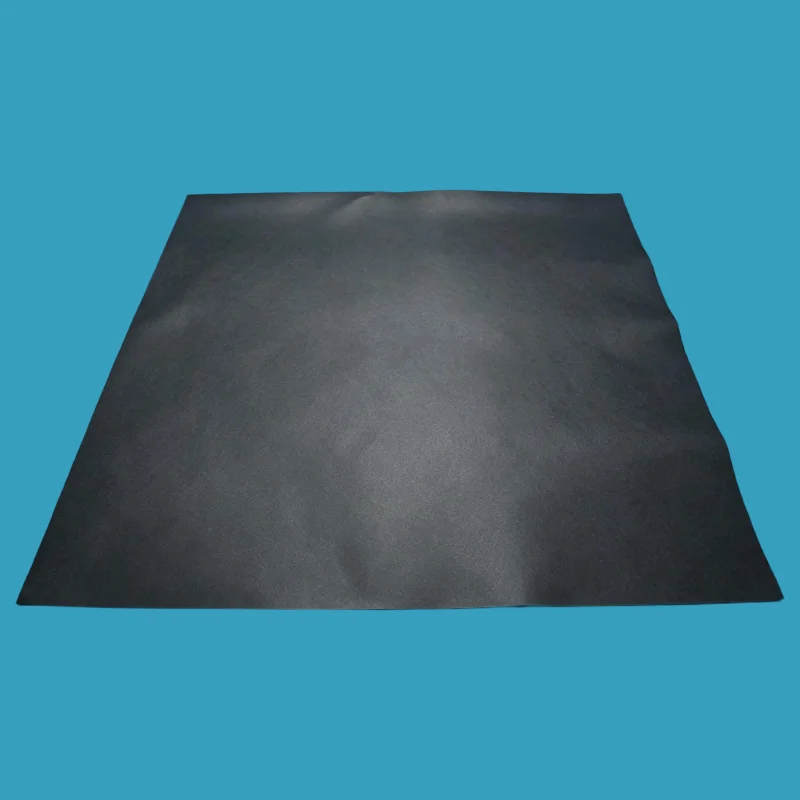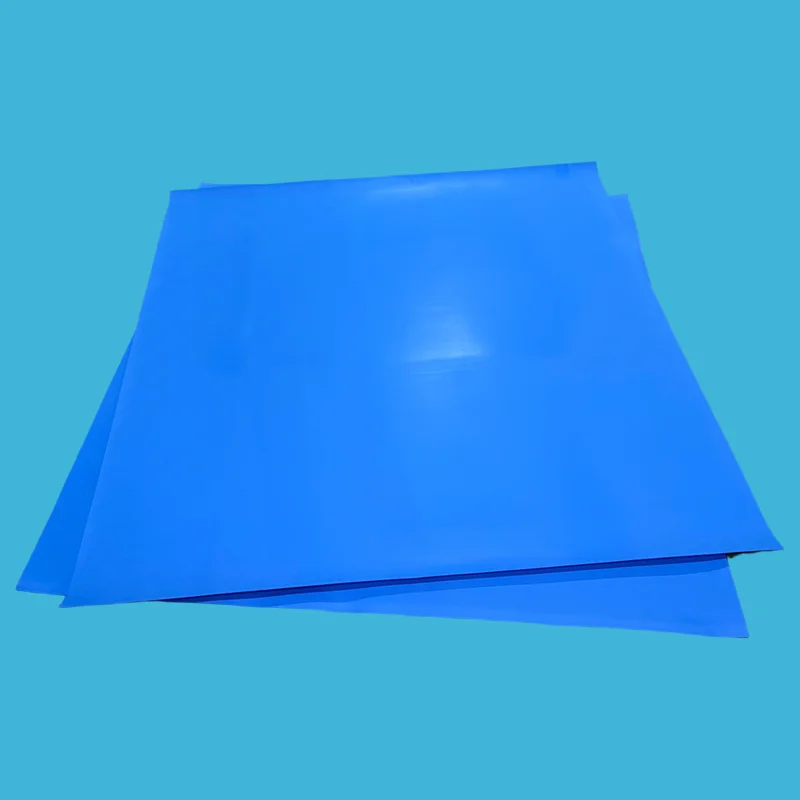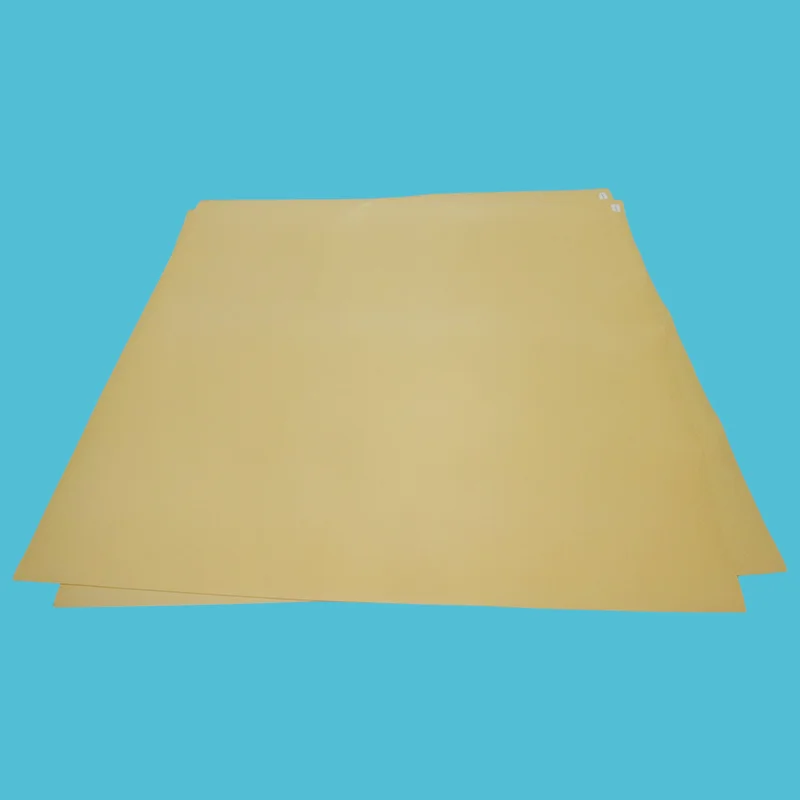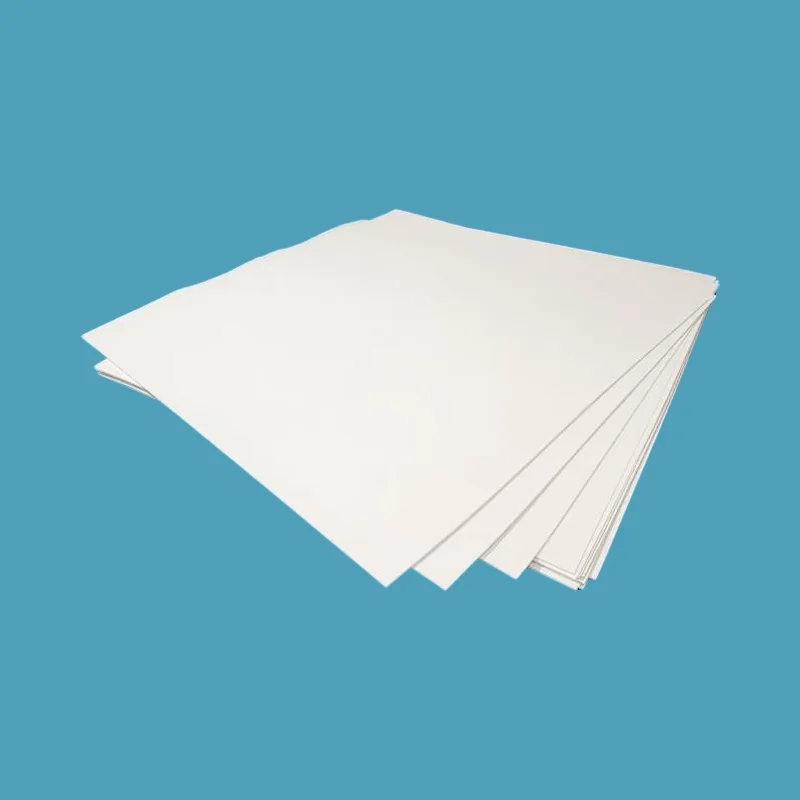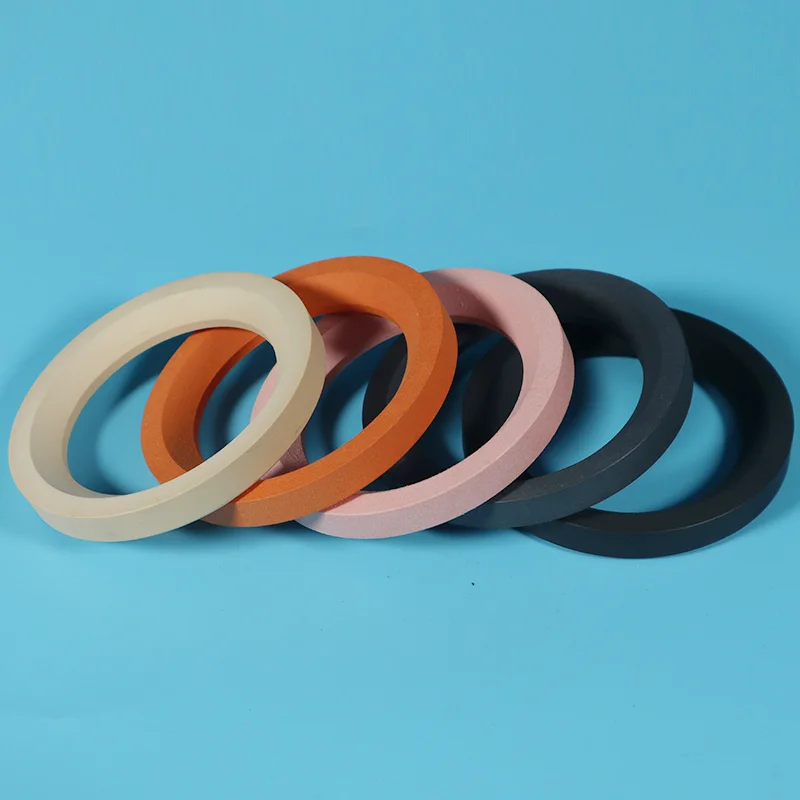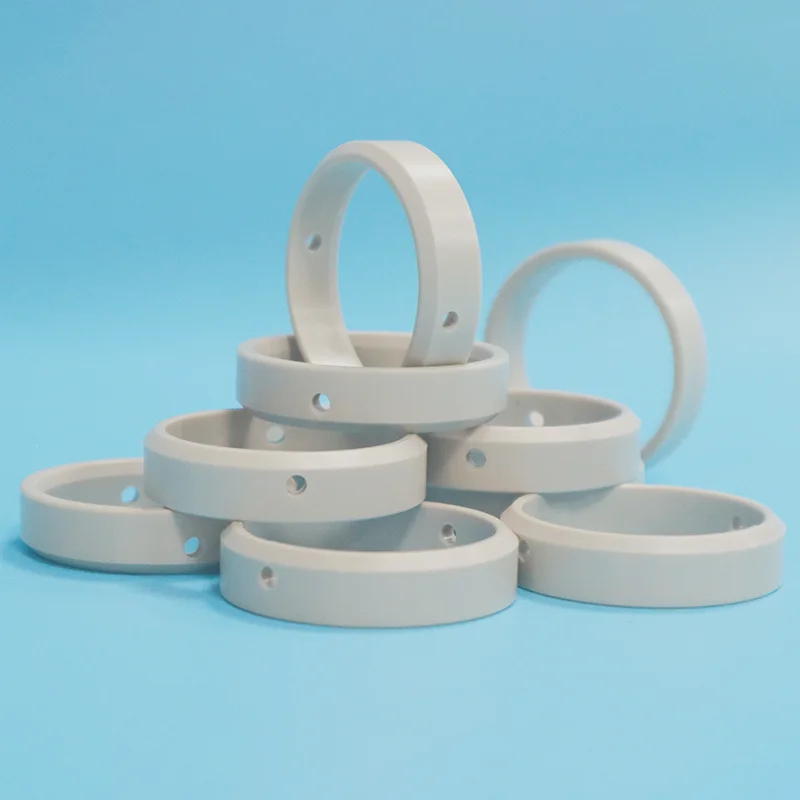
A glass-fiber-filled PTFE sheet is a reinforced PTFE material designed for applications where pure PTFE lacks sufficient mechanical strength. If you want to get a customized solution of this product, Taifno is a good choice to be your supplier.
By incorporating 25% glass fibers into the PTFE matrix, the material achieves improved stiffness, wear resistance, creep resistance, and dimensional stability while preserving PTFE’s excellent chemical resistance against acids, alkalis, and solvents.

Glass-Fiber-Filled PTFE Sheet is a reinforced PTFE material made by incorporating 15–25% glass fibers into the PTFE matrix. The standard 25% glass fiber formulation provides an optimal balance between mechanical strength and chemical resistance.
The added fibers create a stronger internal structure, improving load capacity, wear resistance, creep resistance, and dimensional stability while maintaining PTFE’s low friction properties and broad chemical compatibility (pH 0–14).
Compared with virgin PTFE, this material offers higher tensile strength (≥13 MPa), reduced thermal expansion, and better resistance to deformation under continuous load. It is widely used for gaskets, valve seats, pump components, and wear parts.
However, glass fiber filled PTFE is not recommended for hydrofluoric acid (HF) or strong alkali environments, and its harder surface may not be suitable for applications requiring maximum flexibility or protection of soft mating surfaces. FDA-compliant grades are available for food and pharmaceutical applications.
Glass-Fiber-Filled PTFE Sheet is designed for applications where virgin PTFE cannot provide enough mechanical stability. The glass fiber reinforcement improves the strength and durability of PTFE, helping solve common sealing problems in high-load and wear conditions.
1. Reduced Creep Under Continuous Load: Glass fiber reinforcement strengthens the PTFE structure, reducing cold flow and helping maintain sealing pressure over long operating periods.
2. Improved Wear Resistance: The reinforced material provides better resistance against abrasive media, extending service life in applications where pure PTFE wears too quickly.
3. Better Dimensional Stability: Lower thermal expansion helps maintain gasket dimensions and sealing reliability during temperature fluctuations.
4. Higher Mechanical Strength: With increased stiffness, load capacity, and tensile strength (≥13 MPa), Glass Fiber Filled PTFE Sheet reduces the risk of deformation and extrusion under pressure.
5. Maintained Chemical Resistance: While improving mechanical performance, the PTFE base still provides excellent resistance to most acids, alkalis, and solvents across pH 0–14.
|
Feature |
Glass Fiber PTFE |
Virgin PTFE |
Glass Microsphere PTFE |
|
Tensile Strength |
≥13 MPa |
Lower |
Moderate |
|
Wear Resistance |
★★★★★ excellent |
★★☆☆☆ poor |
★★★☆☆ |
|
Creep Resistance |
★★★★☆ improved |
★★☆☆☆ poor |
★★★★★ |
|
Flange Protection |
★★☆☆☆ can scratch soft flanges |
★★★☆☆ |
★★★★★ safe |
|
Chemical Compatibility |
pH 0-14, NOT for HF/strong alkali |
pH 0-14 |
pH 0-14, NOT for HF |
|
FDA Compliant |
✅ Yes |
✅ Yes |
✅ Yes |
|
Best For |
Abrasive media, high pressure, valve seats |
Clean chemicals, smooth flanges, FDA |
Fragile flanges, low torque |
|
If Your Service Is... |
Choose... |
Why |
|
Abrasive media, slurries, high wear |
Glass Fiber PTFE |
Highest wear resistance |
|
High pressure, high load |
Glass Fiber PTFE |
Higher mechanical strength |
|
Valve seats, pump components |
Glass Fiber PTFE |
Strength + chemical resistance |
|
Glass-lined flanges, fragile surfaces |
Glass Microsphere PTFE |
Low torque, flange protection |
|
Clean chemicals, food/pharma, low cost |
Virgin PTFE |
Universal chemical resistance, lowest cost |
|
Abrasive + high pressure + high temperature |
Glass Fiber PTFE with 25% glass content |
Balanced reinforcement |
|
Industry |
Application |
Why Glass Fiber |
|
Chemical Processing |
Pump housings, valve seats, gaskets — acids, solvents, corrosive media |
Chemical resistance + mechanical strength |
|
Oil & Gas |
Valve seats, pipeline seals — high pressure, hydrocarbons |
High load capacity, wear resistance |
|
Food & Beverage |
Processing equipment, FDA-compliant seals |
FDA-approved grades available |
|
Pharmaceutical |
Sterile equipment, API manufacturing |
FDA-compliant, non-contaminating |
|
Semiconductor |
Chemical distribution, pure water production |
Pure material, chemical resistance |
|
General Industrial |
Bearings, slide runners, filter housings |
Wear resistance, low friction |


|
Parameter |
Value |
Test Method |
|
Temperature Range |
-180°C to +200°C |
ASTM |
|
Density |
2.23-2.40 g/cm³ |
ASTM D4884 |
|
Tensile Strength |
≥13 MPa |
ASTM D4894 |
|
Elongation |
≥180% |
ASTM D4894 |
|
Hardness |
Shore D ≥60 |
ASTM D2240 |
|
Deformation Under Load |
~9% (14N/mm², 24h) |
ASTM D621 |
|
Coefficient of Friction (Static) |
0.17-0.19 |
ASTM D1894 |
|
Coefficient of Friction (Dynamic) |
0.15-0.17 |
ASTM D1894 |
|
Glass Fiber Content |
15-25% (25% standard) |
— |
|
Color |
Off-white, light gray, or light blue |
— |
|
FDA Compliant |
Yes — FDA 21 CFR 177.1550 |
— |
|
Size (mm) |
Thickness Range (mm) |
Glass Content |
|
1000 × 1000 |
0.5 — 20 |
15%, 25% |
|
1200 × 1200 |
0.5 — 20 |
15%, 25% |
|
1500 × 1500 |
0.5 — 6 |
15%, 25% |
|
2000 × 2000 |
0.5 — 20 |
15%, 25% |
|
Custom sizes available |
— |
— |
100% Virgin PTFE Resin — no regrind, no recycled material.
Premium Glass Fiber Reinforcement — Uniform dispersion for consistent mechanical properties.
FDA-Compliant Grade — Meets FDA 21 CFR 177.1550 requirements.
Full Traceability — Every batch traceable. Material certificates on request.
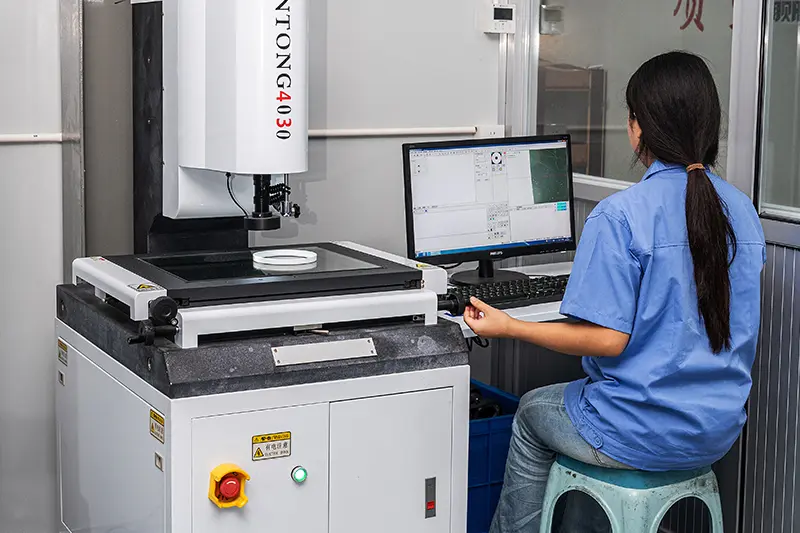
Tested to International Standards — ASTM D4884 (density), ASTM D4894 (tensile/elongation), ASTM D2240 (hardness).
Custom Color Available — Light blue, off-white, and other colors on request.
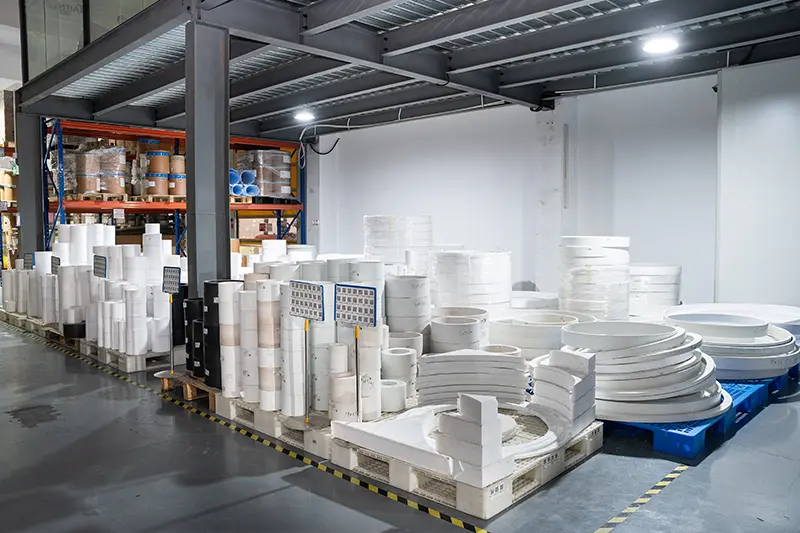
Lead Time — Standard sizes in stock (24-48 hours); custom sizes 7-10 days.


A hydrometallurgical company operated a pressure acid leach autoclave under severe conditions of 120℃ temperature, 5.0MPa pressure, and exposure to sulfuric acid containing copper ions. The original virgin PTFE lining provided excellent chemical resistance but suffered from creep deformation under continuous heat and pressure.
After approximately 6 months of operation, the lining developed warping and reduced stability, resulting in increased inspection requirements and maintenance costs.
The equipment was upgraded with glass-fiber-filled PTFE sheet, which enhanced mechanical strength, creep resistance, and dimensional stability while maintaining PTFE’s excellent corrosion resistance. The reinforced PTFE lining successfully withstood the demanding operating environment.
After replacement, the lining has remained flat and stable after 3 years of continuous service, demonstrating improved durability and reliability compared with conventional virgin PTFE materials.
A: A glass-fiber-filled PTFE sheet is PTFE reinforced with 25% glass fibers. It offers significantly improved mechanical strength, wear resistance, and creep resistance compared to virgin PTFE, while maintaining excellent chemical resistance (pH 0-14).
Virgin PTFE is softer and deforms under load, glass fiber PTFE holds its shape longer (tensile strength ≥13 MPa vs lower for virgin PTFE). This makes it the preferred choice for valve seats, pump components, gaskets, and dynamic sealing applications where virgin PTFE would creep or wear out.
However, glass fiber PTFE is not compatible with hydrofluoric acid (HF) or strong alkali, for these services, use virgin PTFE or carbon-filled PTFE. Available in FDA-compliant grades for food and pharmaceutical applications (FDA 21 CFR 177.1550).
A: Yes. Glass-fiber-filled PTFE sheet is available in FDA-compliant grades that meet FDA 21 CFR 177.1550 requirements for food contact and pharmaceutical applications.
This makes it suitable for food processing equipment, sanitary seals, and pharmaceutical manufacturing components where both chemical resistance and mechanical strength are required.
Always verify that your specific grade carries the FDA certification, we provide full documentation (material certificates, FDA compliance letters) with every compliant order.
For extreme purity requirements (USP Class VI), please contact us for alternative recommendations.
A: Temperature: -180°C to +200°C continuous service.
Pressure: Up to 55-100 bar depending on thickness and design.
Chemical: pH 0-14, NOT compatible with hydrofluoric acid (HF) or strong alkali, glass fibers react with these chemicals. Use virgin PTFE or carbon-filled PTFE for HF services.
Mechanical: Harder than virgin PTFE — may score soft shafts or fragile flanges; use glass microsphere PTFE for glass-lined flanges.
Three most common mistakes:
Using in HF service: glass dissolves: use virgin PTFE or carbon-filled PTFE instead
Over-tightening: glass fiber PTFE is stronger but still requires controlled torque (30-50% of metal gaskets); over-tightening can damage the gasket and cause leakage
Expecting same flexibility as virgin PTFE: glass fiber reduces flexibility (elongation ≥180% vs 250-300% for virgin PTFE); design accordingly
We include installation specifications with every order. Follow them.
Need help selecting the right grade? Contact us with your temperature, pressure, and media, we recommend the right PTFE grade within 24 hours.
Address
No.1028, Qiersan Street, Andong Town, Cixi City, Zhejiang Province, China
Tel