Products
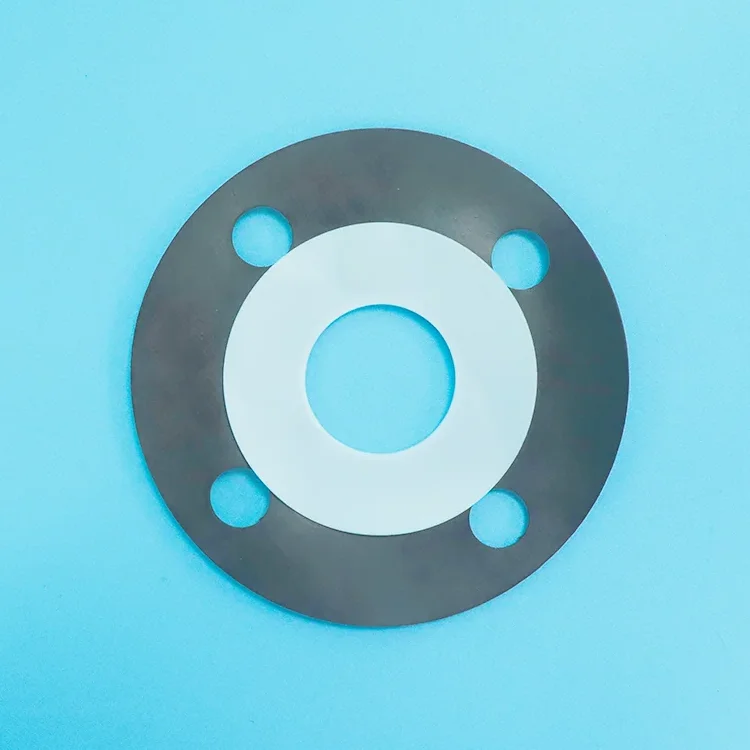
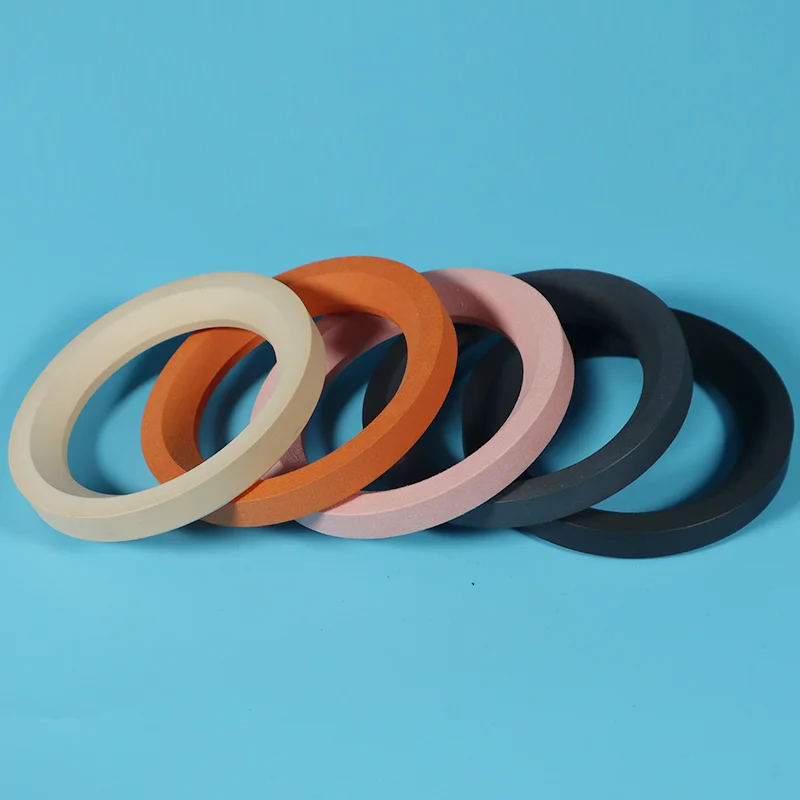
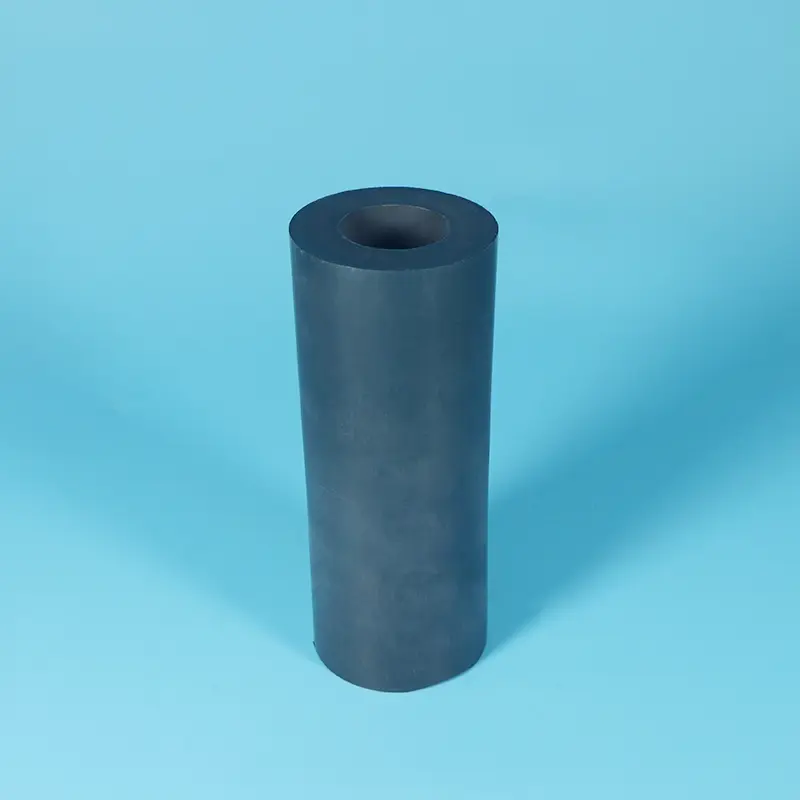
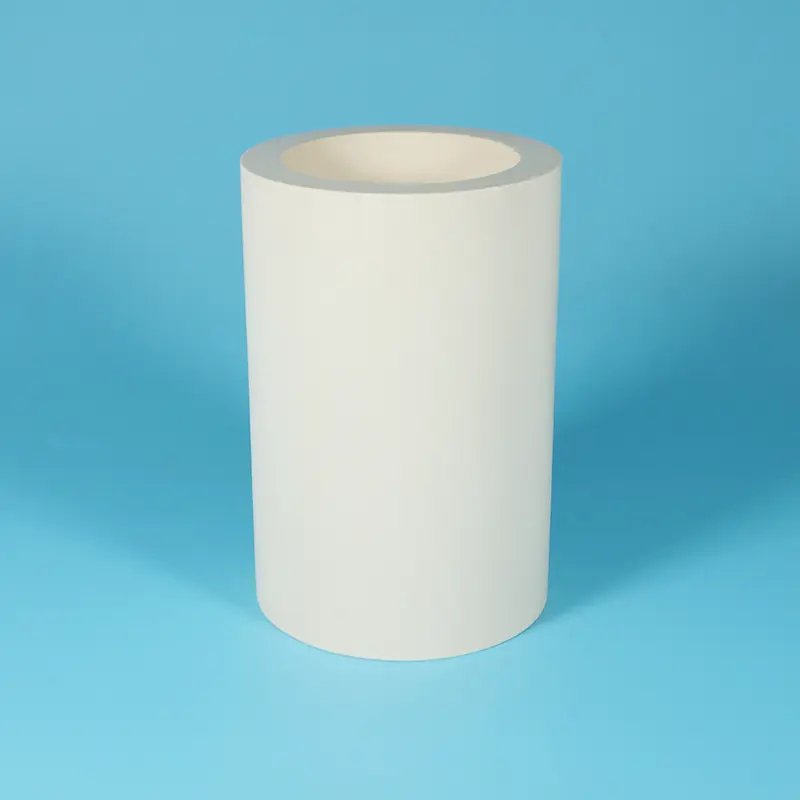
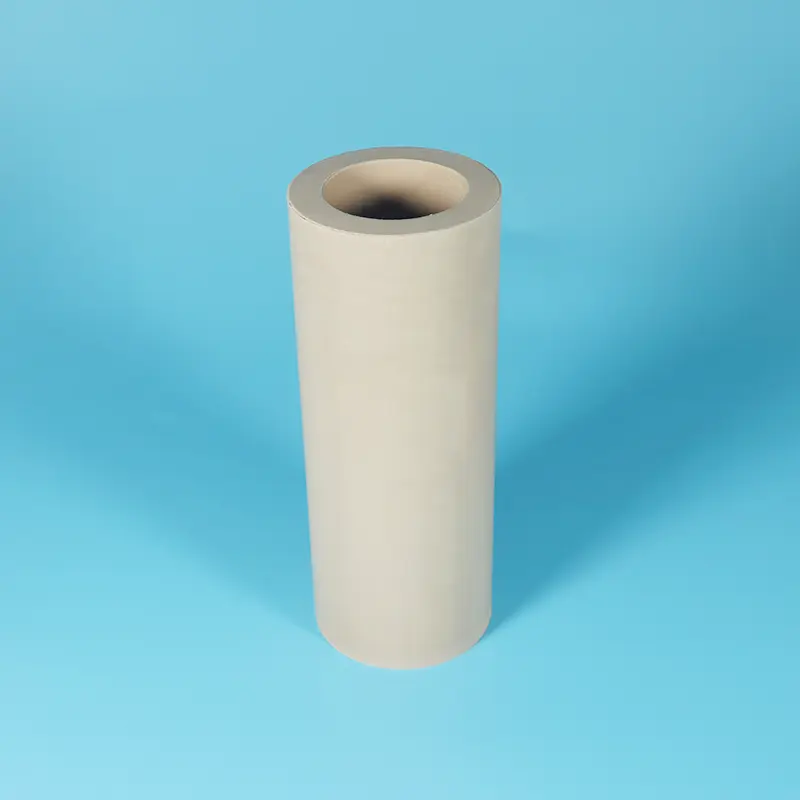
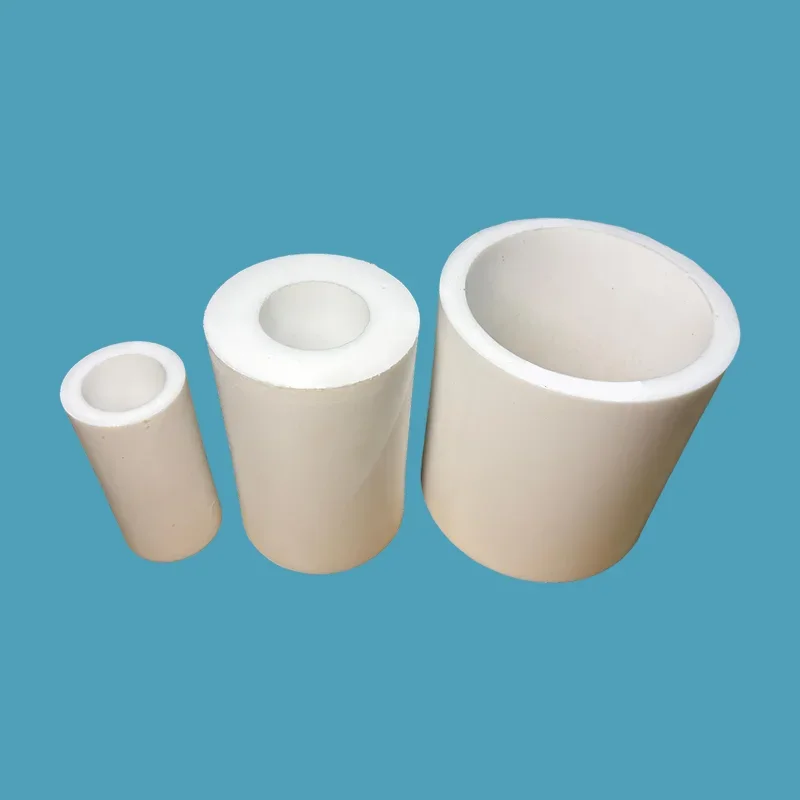
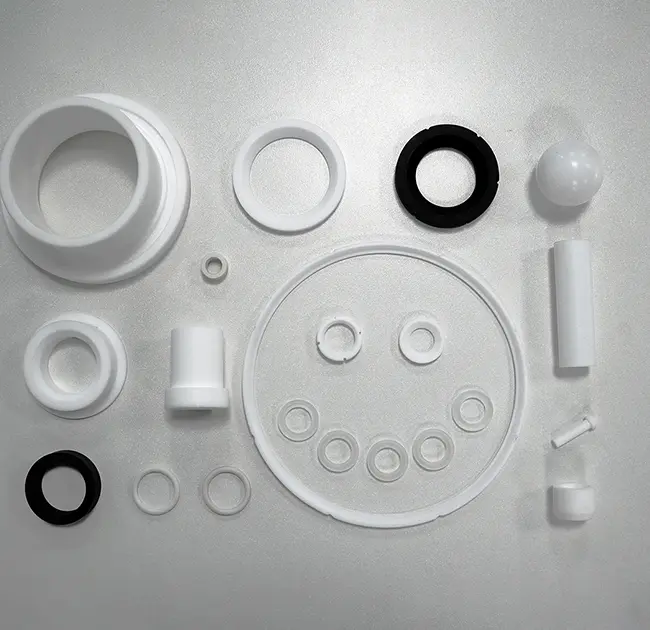
Glass Fiber-Filled PTFE Tube
  • Glass Fiber-Filled PTFE TubeGlass Fiber-Filled PTFE Tube
  • Glass Fiber-Filled PTFE TubeGlass Fiber-Filled PTFE Tube
  • Glass Fiber-Filled PTFE TubeGlass Fiber-Filled PTFE Tube

Glass Fiber-Filled PTFE Tube

Taifno, a specialized manufacturer from China, offers a range of modified PTFE tubes and rods, including glass fiber-filled PTFE tubes, featuring significantly enhanced rigidity, creep resistance, and dimensional stability resulting from R&D upgrades. Their reinforced structure prevents expansion upon exposure to water and heat, enabling precision machining to tight tolerances.

Glass fiber-filled PTFE tubing is one of the modified PTFE tube and rod products offered by Taifno; it incorporates 15% to 25% glass fiber reinforcement into the PTFE matrix. This composition enhances the material's rigidity, creep resistance, and dimensional stability while maintaining PTFE's excellent chemical resistance and low-friction properties.

Key specifications: temperature range of -196°C to +260°C, pressure resistance up to 8.0 MPa, tensile strength ≥25 MPa, and density of 2.1–2.3 g/cm³.

Please provide your required dimensions, specifications, and application details; as a professional manufacturer, Taifno will provide you with a factory-direct price quote within 24 hours.

Glass Fiber-Filled PTFE TubeGlass Fiber-Filled PTFE Tube

What Is Glass Fiber-Filled PTFE Tube?

A glass fiber-filled PTFE tube is manufactured by adding 15-25% glass fiber filler to PTFE resin through compounding, then extruding or molding into tube form.

The glass fibers act as a reinforcing skeleton within the PTFE matrix, providing structural reinforcement that prevents the tube from expanding when exposed to water and heat.

Manufacturing processes:

Process

Diameter Range

Best For

Extruded Tube

13-213mm OD (up to 4000mm length)

Smaller diameters, uniform wall thickness, long lengths 

Molded Tube

30-1323mm OD (100-300mm length)

Large diameters, custom sizes, thick walls 

Glass Fiber Content Options:

Content

Best For

Key Benefit

15% Glass Fiber

Moderate strength improvement, better machinability

Balanced performance 

20% Glass Fiber

General purpose

Tensile strength ≥10 MPa 

25% Glass Fiber

Maximum strength and rigidity

Tensile strength ≥10 MPa, ultimate strength ≥100% 

Key Properties

Material Data

Property

Value

Test Method

Temperature Range

-196°C to +260°C (-320°F to +500°F)

ASTM D3418 

Pressure Rating

Up to 8.0 MPa

— 

Density

2.1-2.3 g/cm³

ASTM D792 

Tensile Strength

≥25 MPa (up to 45 MPa)

ASTM D638 

Elongation at Break

≥150% (typically 200-350%)

ASTM D638 

Compression Strength

24 MPa

ASTM D695 

Hardness

Shore D 50-60

ASTM D636 

Coefficient of Friction

0.01 (on steel)

— 

Color

Off-white, light gray, light blue

—

Key Characteristics

Characteristic

Benefit

Improved Rigidity

Reinforcement prevents expansion when exposed to water and heat 

Dimensional Stability

Maintains tolerances during precision machining 

Creep Resistance

Reduced cold flow under sustained load 

Chemical Resistance

Resists strong acids, alkalis, and most solvents 

Low Friction

Self-lubricating, coefficient of friction 0.01 

Machinability

Can be machined to close tolerances 

Non-Stick

Naturally slippery surface, media does not adhere 

Why Choose Glass Fiber-Filled PTFE Tube?

1. Enhanced Rigidity and Dimensional Stability

Unlike virgin PTFE, glass fiber-filled PTFE tubes do not expand when exposed to water and heat, allowing precision machining to close tolerances.

This makes them ideal for applications where dimensional accuracy is critical.

2. Improved Creep Resistance

Virgin PTFE creeps under sustained load. Glass fiber reinforcement significantly reduces cold flow and creep relaxation, maintaining dimensional stability over time.

3. Increased Mechanical Strength

Glass fiber-filled PTFE offers higher tensile strength (≥25 MPa) and compression strength (24 MPa) compared to virgin PTFE. Suitable for higher pressure and load applications.

4. Universal Chemical Resistance

Retains PTFE's excellent chemical resistance, withstands strong acids, strong alkalis, and most chemical solvents.

Not compatible with molten alkali metals or elemental fluorine.

5. Machinability

The reinforcement prevents deformation during machining and can be machined to close tolerances.

Available in both extruded and molded forms to suit different diameter and volume requirements.

Product Applications

Primary Industries

Industry

Application

Why Glass Fiber Filled

Chemical Processing

Corrosive fluid transfer, pipe linings, valve components

Chemical resistance + mechanical strength

Mechanical Engineering

Bearings, bushings, guide rings, wear components

Increased rigidity and wear resistance

Electrical & Electronics

Insulation sleeves, connector bodies, standoffs

Dimensional stability + dielectric properties

Oil & Gas

Valve seats, seals, pump components

High pressure capability + creep resistance

Semiconductor

High-purity chemical distribution

Chemical resistance + dimensional stability

Automotive

Bushings, seals, custom components

Wear resistance + low friction

Typical Applications

Corrosive fluid transfer lines requiring higher mechanical strength

Chemical injection lines in oil and gas

Valve seats and seals in high-pressure service

Bearing pads and guide rings

Electrical insulation components requiring tight tolerances

Custom machined parts where dimensional stability is critical

Pipe linings for abrasive media

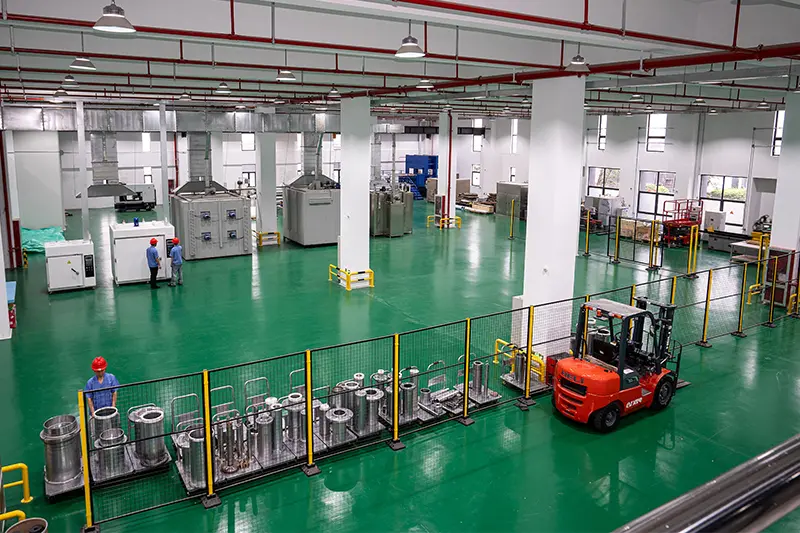
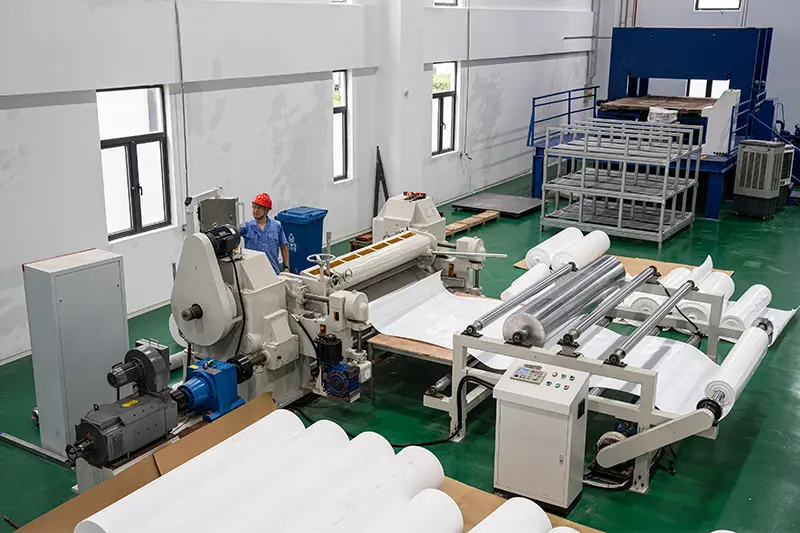
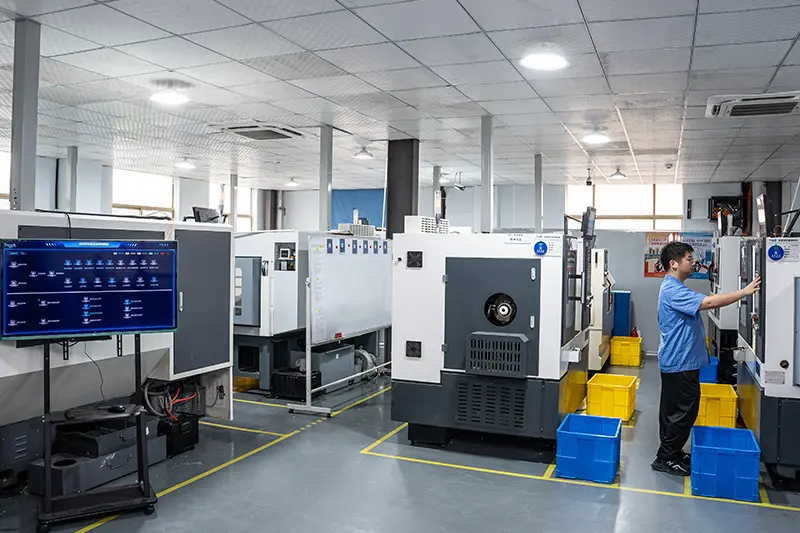
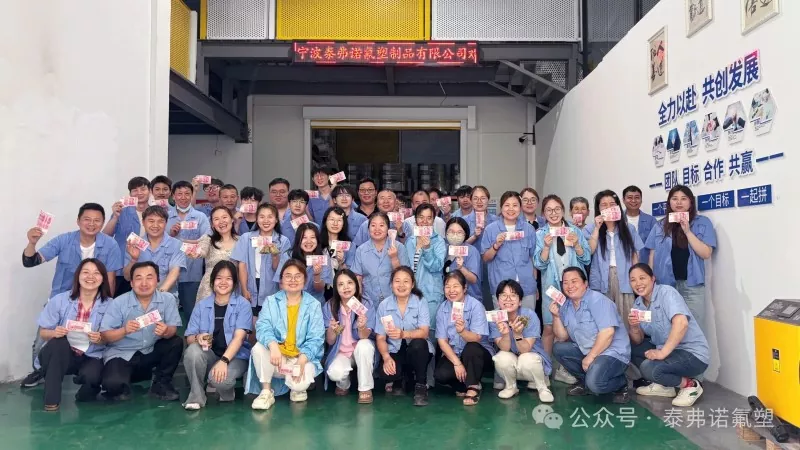
FactoryFactoryFactoryFactory

Filler Content Selection Guide

Content

Best For

Key Benefit

15% Glass Fiber

Applications requiring moderate rigidity improvement with better machinability

Balanced strength and machinability 

20% Glass Fiber

General purpose, valve seats, gaskets, packing

Good strength and creep resistance 

25% Glass Fiber

High load, high wear applications requiring maximum strength

Maximum rigidity and dimensional stability 

Glass-Filled vs. Virgin PTFE Tube: The Differences

Feature

Virgin PTFE Tube

Glass-Filled PTFE Tube

Rigidity

Lower, soft, deforms under load

Higher, reinforcement prevents expansion 

Dimensional Stability

Poor, expands with water and heat

Excellent, machined to close tolerances 

Creep Resistance

Poor, significant cold flow

Improved, reduced creep relaxation 

Tensile Strength

~20 MPa

≥25 MPa 

Compression Strength

Lower

24 MPa 

Hardness

Shore D 50-55

Shore D 50-60 

Chemical Resistance

pH 0-14

pH 0-14 (not for HF/strong alkali)

Machinability

Deforms during machining

Machined to close tolerances 

Cost

$

$$

Best For

General chemical service, low load

Precision components, high load, dimensional stability

Quality Assurance

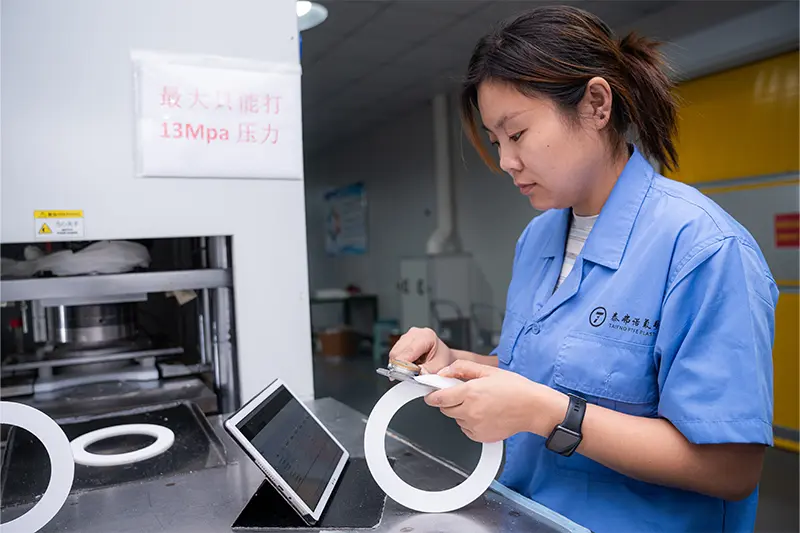
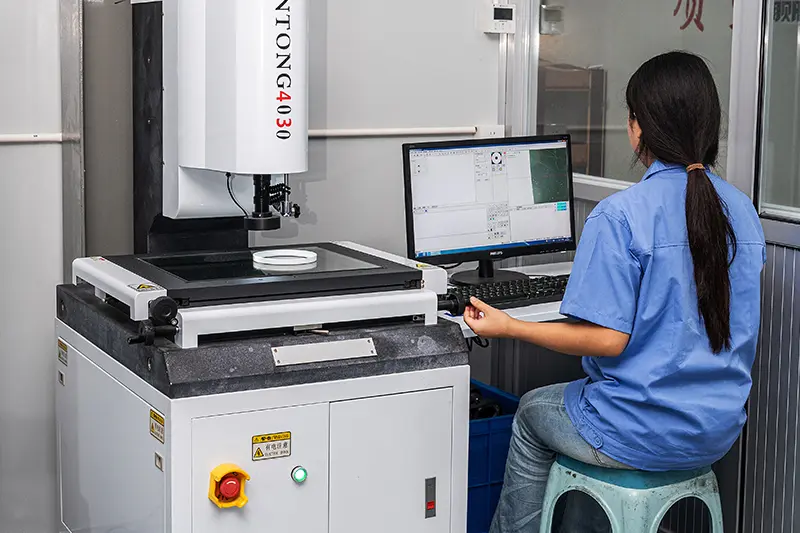
100% Virgin PTFE Resin: no regrind, no recycled material. Consistent quality, batch after batch

Premium Glass Fiber: Uniform dispersion for consistent mechanical properties

Precision Manufacturing: Extruded and molded processes for consistent dimensions

Full Traceability: Material certificates available with traceable lot numbers

FDA, REACH, RoHS Compliant: Certificates available

Custom Sizes: Custom diameters, lengths, and glass content available on request

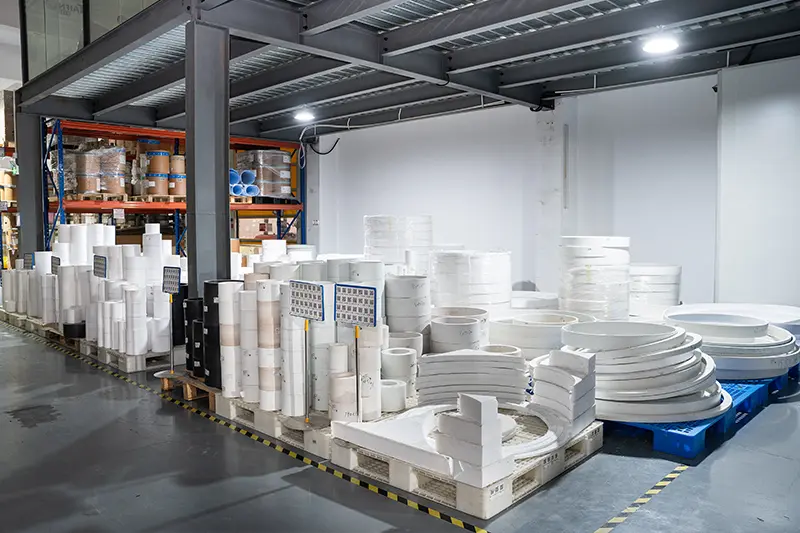
Lead Time: Standard sizes in stock (24-48 hours); custom sizes 5-15 days

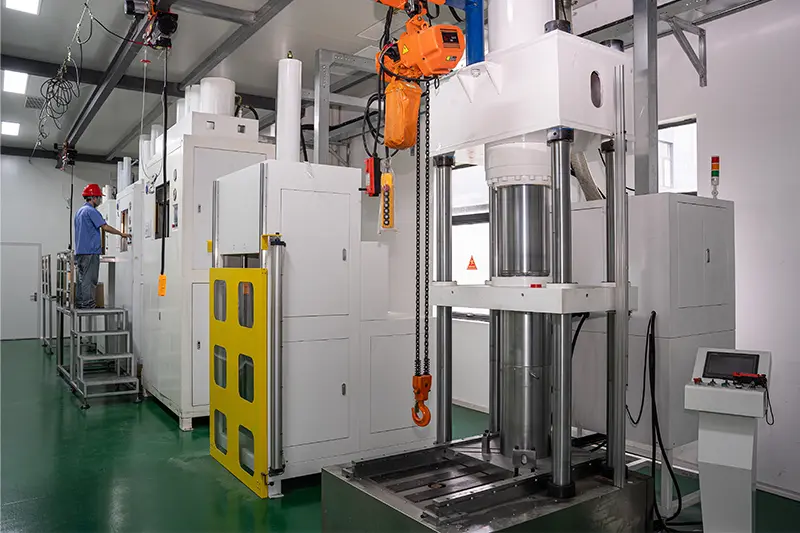
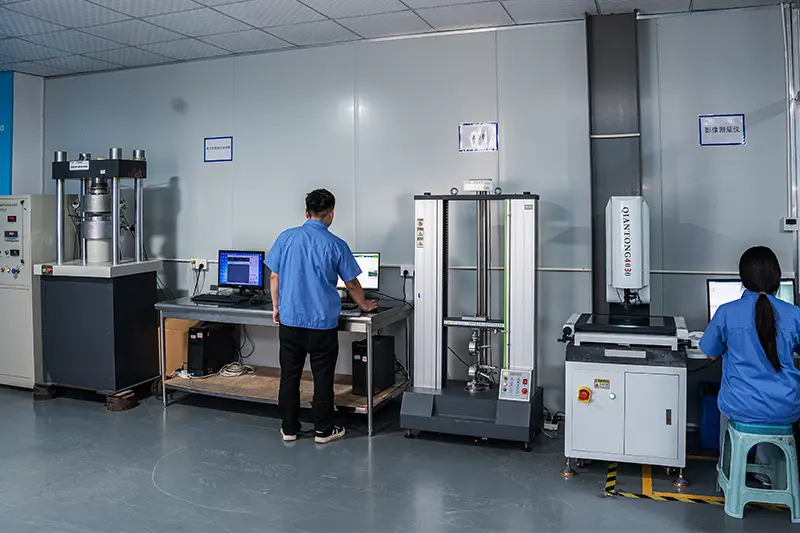
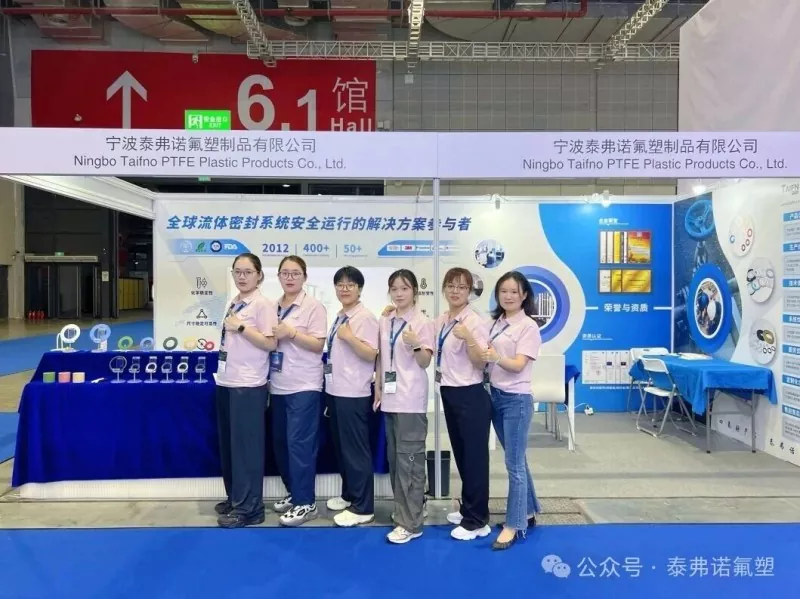
TestTestTestTest

FAQ

Q: Glass fiber-filled PTFE tube vs. virgin PTFE tube, when should I choose glass-filled?

A: Choose glass-filled when you need rigidity, dimensional stability, and the ability to machine to close tolerances.

Virgin PTFE expands when exposed to water and heat, making it difficult to maintain tight tolerances.

Glass fiber reinforcement prevents this expansion and provides improved creep resistance.

Choose glass-filled for: precision components, high pressure, valve seats, bearing applications, and any application requiring dimensional stability.

Choose virgin PTFE for: clean chemicals, general service, low load, and FDA applications where no fillers are permitted.

Q: What are the available glass fiber content options, and how do I choose?

A: Glass fiber filled PTFE tubes are available in 15%, 20%, and 25% glass fiber content.

15% glass fiber: moderate rigidity improvement with better machinability.

20% glass fiber: general purpose, good strength and creep resistance.

25% glass fiber: maximum strength, rigidity, and dimensional stability.

Quick rule:

General applications → 15-20% glass.

High load, high wear, precision requirements → 25% glass.

Send us your application details and we will recommend the optimal content.

Q: What are the temperature and pressure limits for glass fiber-filled PTFE tube?

A: Temperature: Continuous -196°C to +260°C.

Pressure: Up to 8.0 MPa.

Chemical: pH 0-14, resists strong acids, strong alkalis, and most chemical solvents.

⚠️ NOT compatible with hydrofluoric acid (HF) or strong alkali, glass fiber reacts with these chemicals.

For HF service, use virgin PTFE tube.

For specific data based on your application conditions, please provide your temperature, pressure, and media type.

Hot Tags: Glass Fiber-Filled PTFE Tube, PTFE Tube with Glass Fiber, 25% Glass Filled PTFE Tube
Send Inquiry
Contact Info
X
We use cookies to offer you a better browsing experience, analyze site traffic and personalize content. By using this site, you agree to our use of cookies. Privacy Policy
RejectAccept