Products
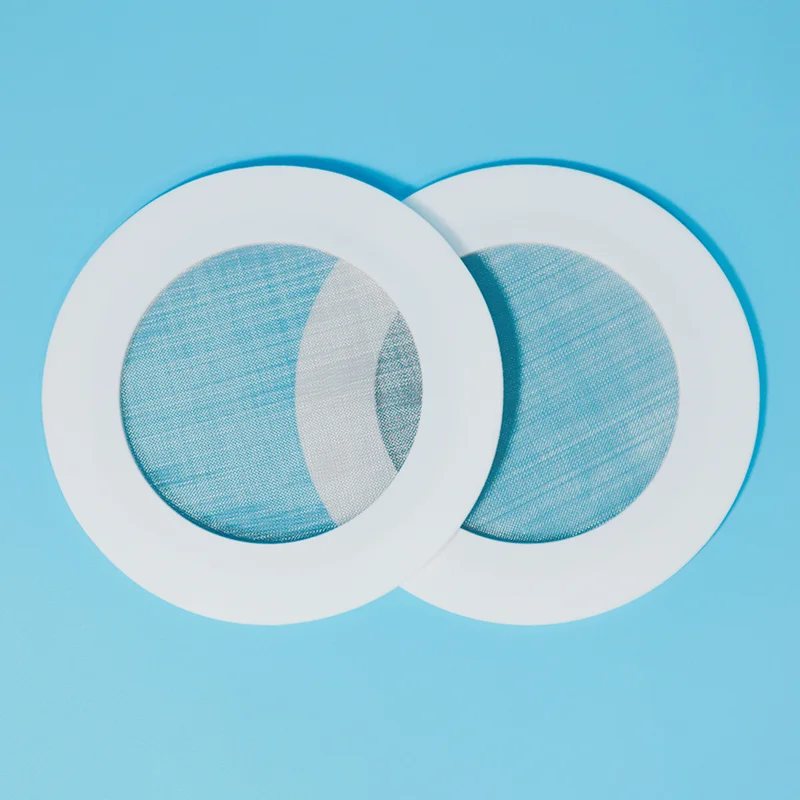
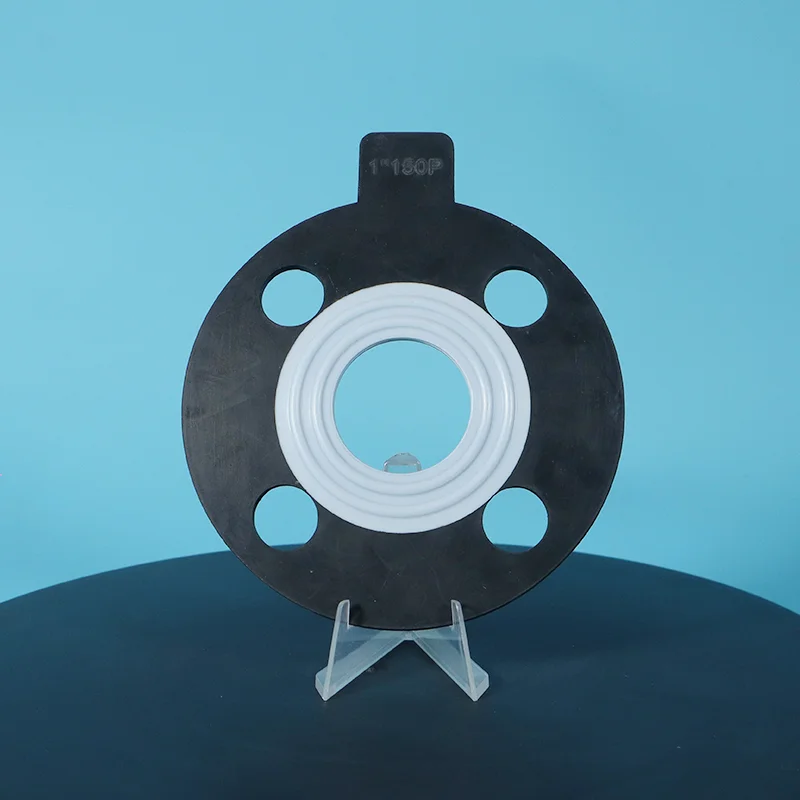
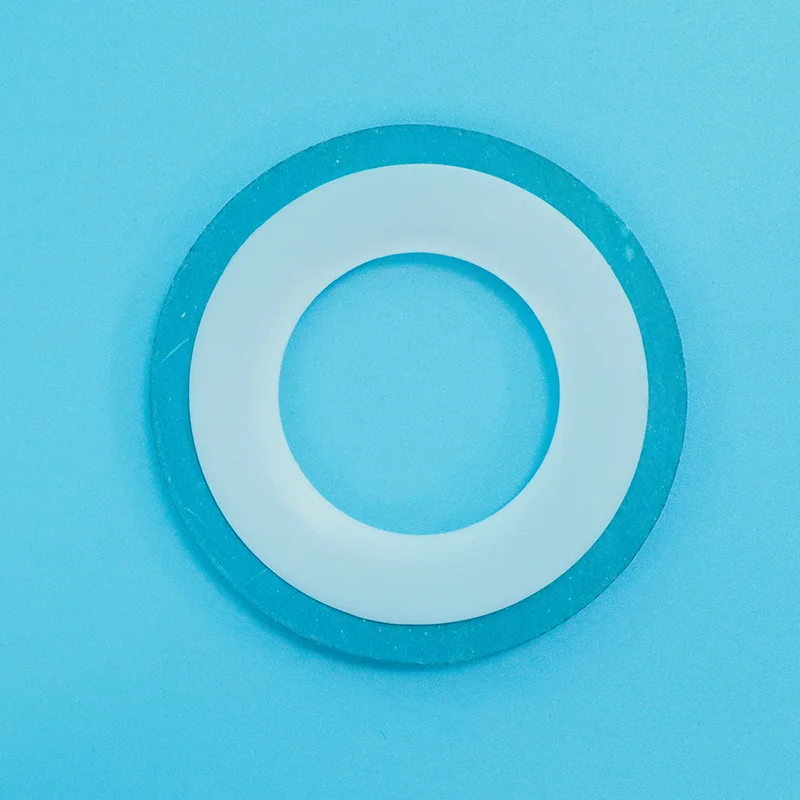
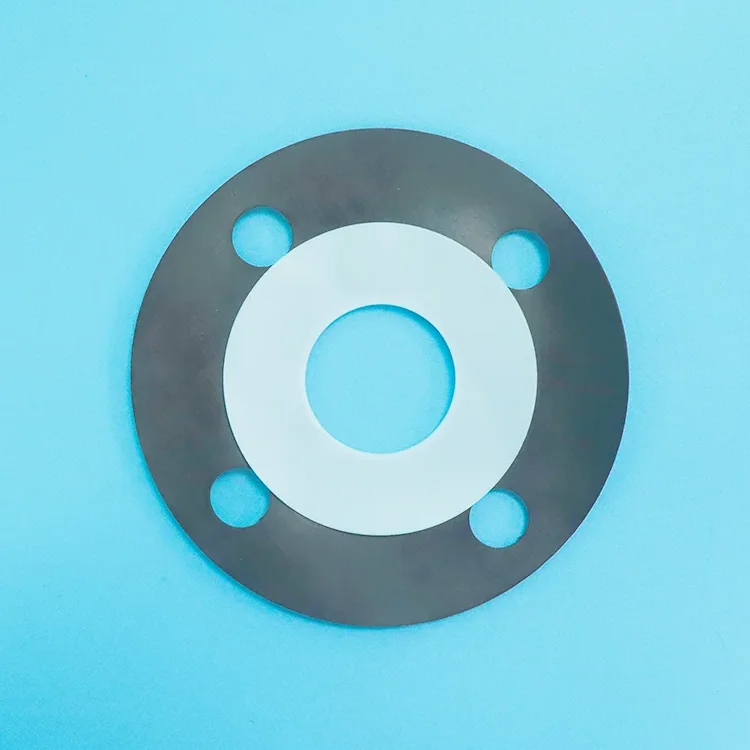
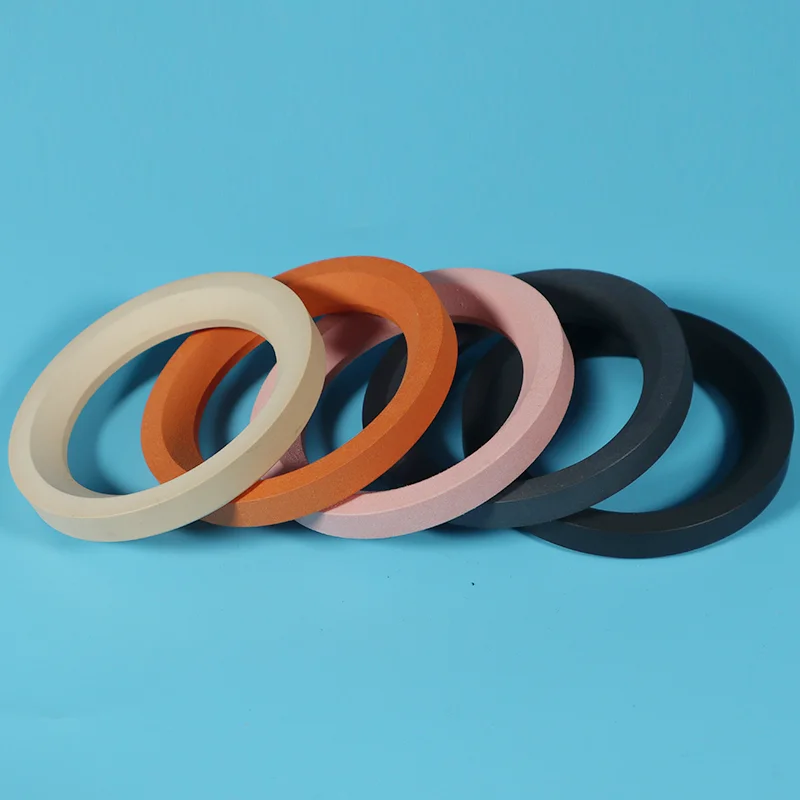
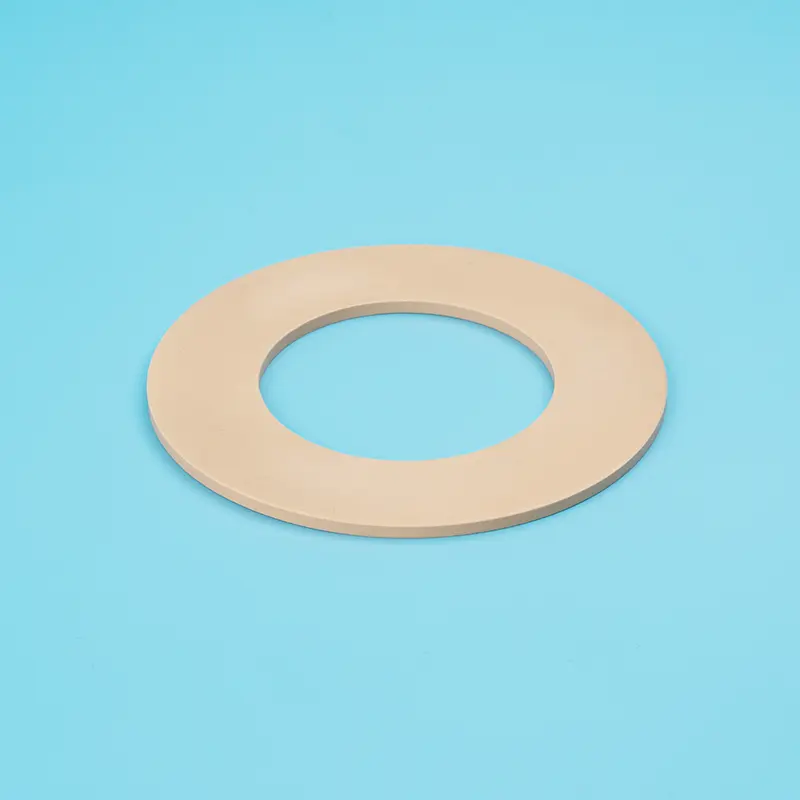
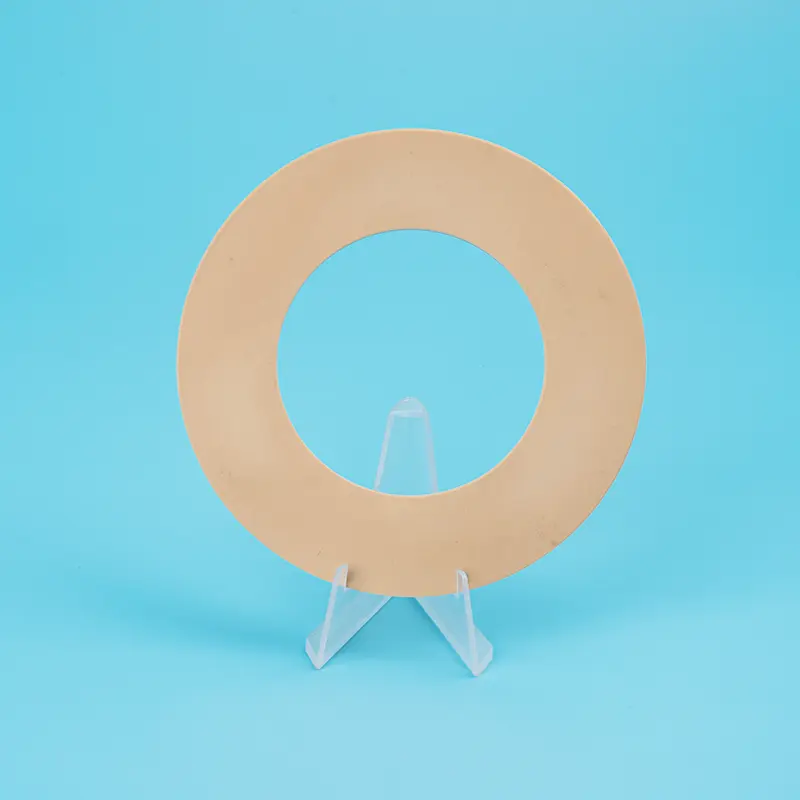
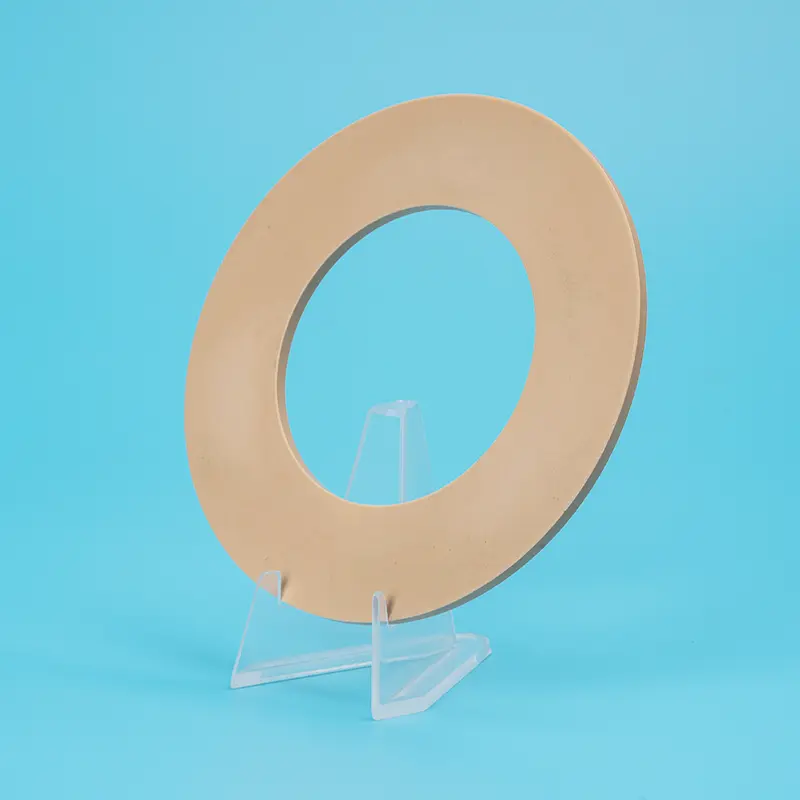
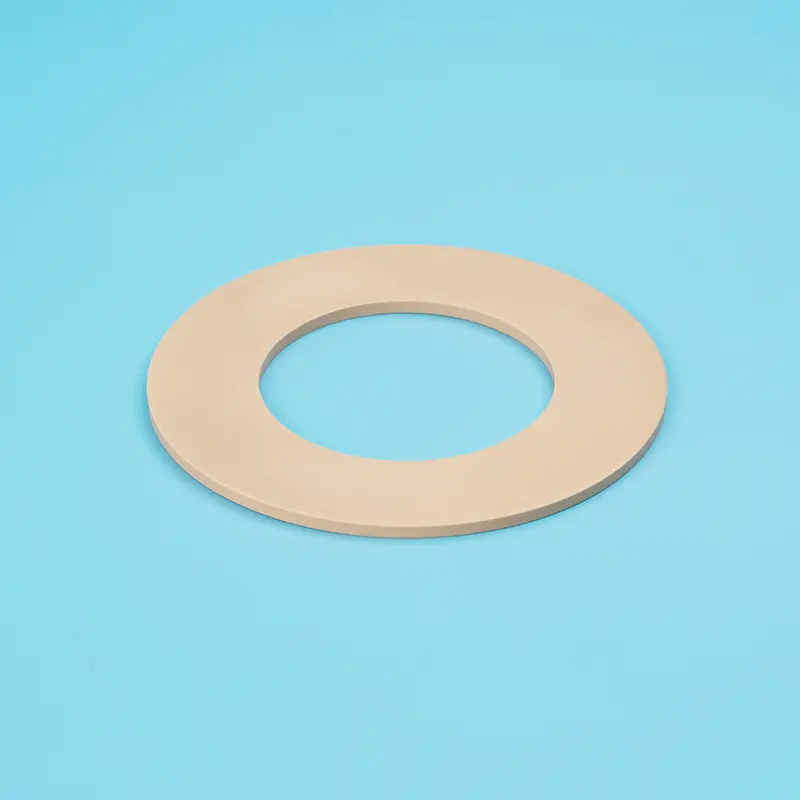
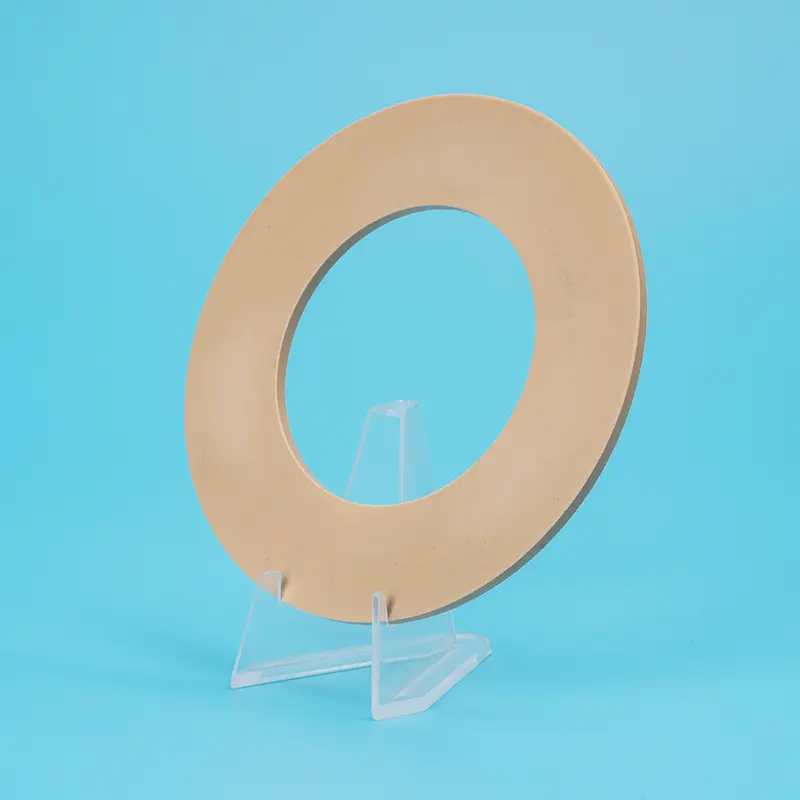
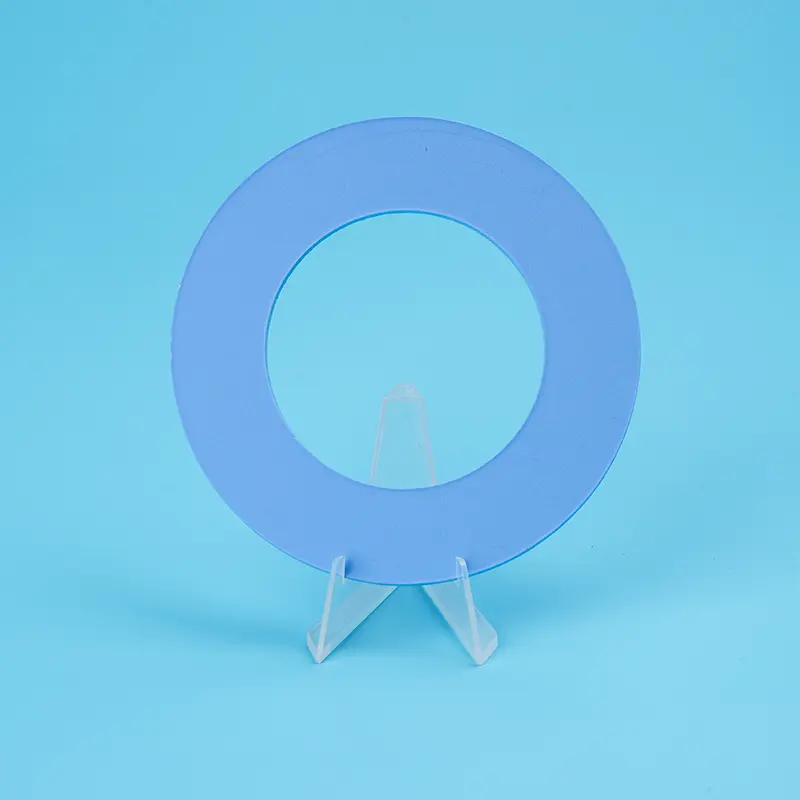
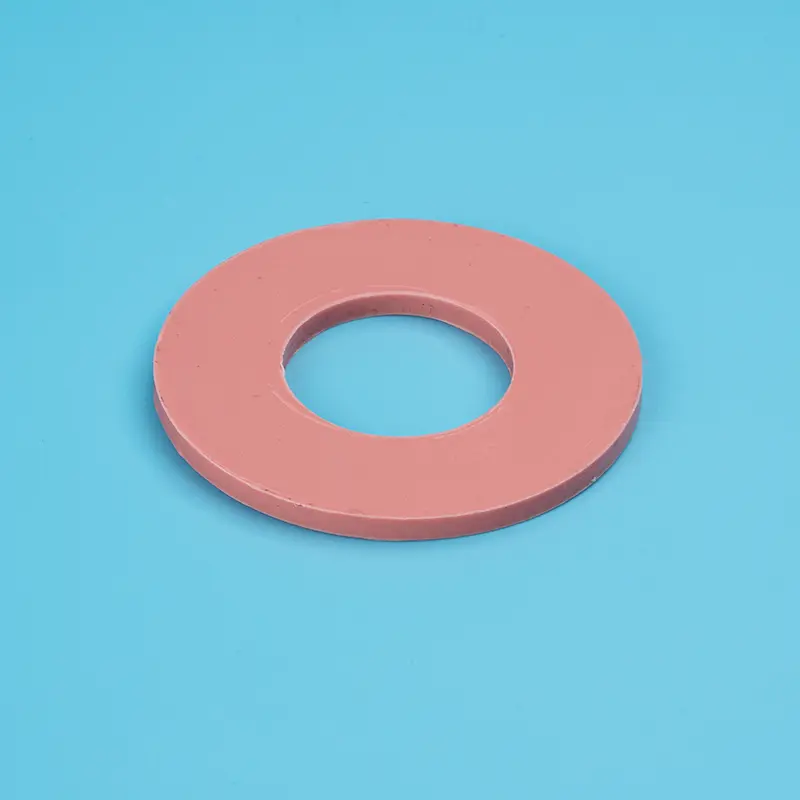
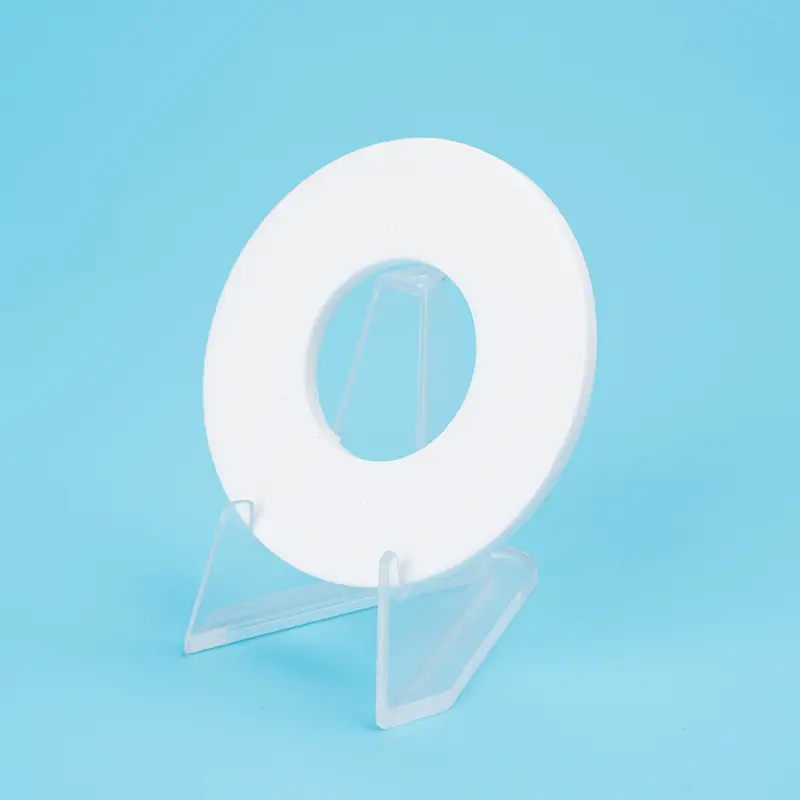
POB-Filled PTFE Gasket
  • POB-Filled PTFE GasketPOB-Filled PTFE Gasket
  • POB-Filled PTFE GasketPOB-Filled PTFE Gasket
  • POB-Filled PTFE GasketPOB-Filled PTFE Gasket

POB-Filled PTFE Gasket

You can confidently order POB-Filled PTFE gaskets from Taifno. Sold directly from the factory, these products combine the chemical resistance of PTFE with the high-temperature, wear-resistant, and creep-resistant properties of polyphenylene esters; they are specifically designed for high-temperature, oil-free, and demanding operating conditions.

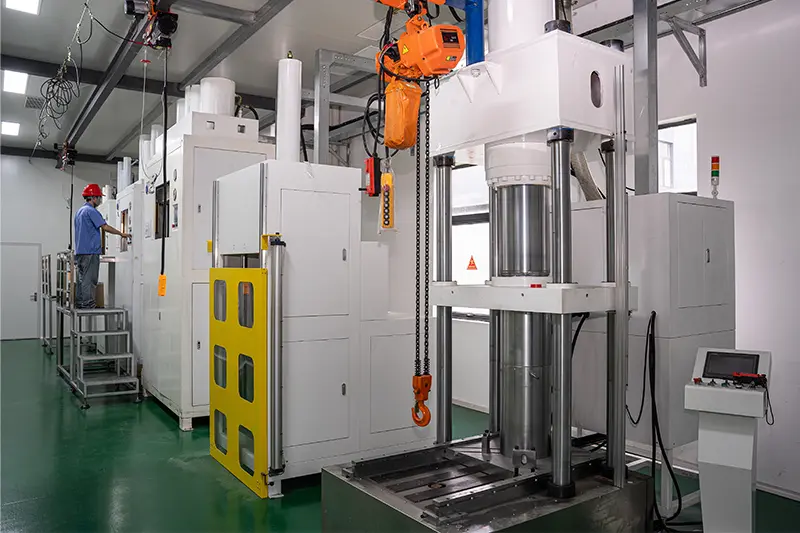
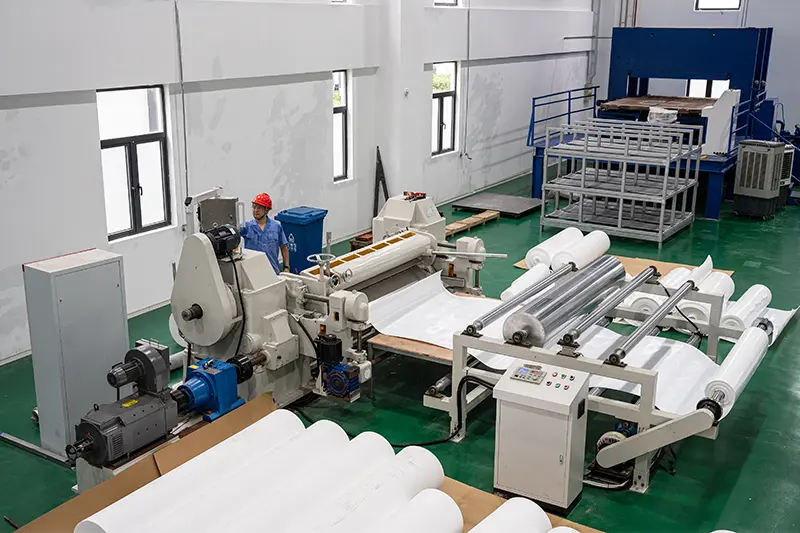
The polyphenyl ester filled PTFE gasket is produced with PTFE as the matrix, blended with polyphenyl ester filler and functional additives via high-speed mixing and compression molding.

With polyphenyl ester incorporated, the material features excellent creep resistance, wear resistance and self-lubricity. Its short-term peak temperature resistance reaches 300–315℃, with a continuous service temperature range of -180 ~ +260℃.

POB-Filled PTFE GasketPOB-Filled PTFE Gasket

Why Choose a POB-Filled PTFE Gasket?

Problem

Consequence

How POB Gaskets Solve the Problem

Conventional PTFE gaskets soften and deform under continuous service above 260℃

Gasket failure, leakage, production interruption

POB raises the short‑term peak temperature resistance to 300–315℃ and maintains dimensional stability under elevated temperatures, with continuous service temperature up to 260℃.

Virgin PTFE exhibits significant cold flow (creep) under high pressure, leading to rapid bolt torque relaxation

Frequent re‑torquing, high maintenance costs

POB filler improves creep resistance up to 4 times.

Unfilled PTFE seals suffer severe wear and short service life under oil‑free lubrication

Frequent replacement, production downtime

POB filler drastically boosts wear resistance (up to 1000×), enabling reliable long‑term oil‑free operation.

Sealing materials corrode when exposed to strong acids, alkalis, or organic solvents

Gasket failure, equipment damage

POB‑filled PTFE retains chemical resistance across the full pH 0–14 range.

What Is Polyphenyl Ester (POB)?

Polyphenyl Ester (POB) is a high-performance heat-resistant aromatic polyester engineering plastic with outstanding thermal and tribological properties.

Key Performance Parameters:

Property

Parameter / Value

Decomposition Temperature

530°C

Long-Term Service Temperature

up to 260°C

Short-Term Peak Temperature

300–315°C

Thermal Conductivity

3–5× higher than conventional plastics

Wear Resistance

up to 1000× better than virgin PTFE

Dynamic Coefficient of Friction

0.16–0.32

Thermal Stability

Excellent thermal stability among high-performance polymers

POB features outstanding thermal stability with a decomposition temperature of 530°C. Its continuous service temperature reaches up to 260°C, while short-term peak temperature can hit 300–315°C. It delivers superior comprehensive performance in thermal stability, self-lubricity, hardness, electrical insulation and wear resistance among high-performance polymers.

Combination of POB and PTFE: The POB-filled PTFE composite retains PTFE’s full chemical resistance and low friction coefficient, while greatly improving PTFE’s inherent weakness of poor wear resistance and cold flow, delivering complementary performance advantages.

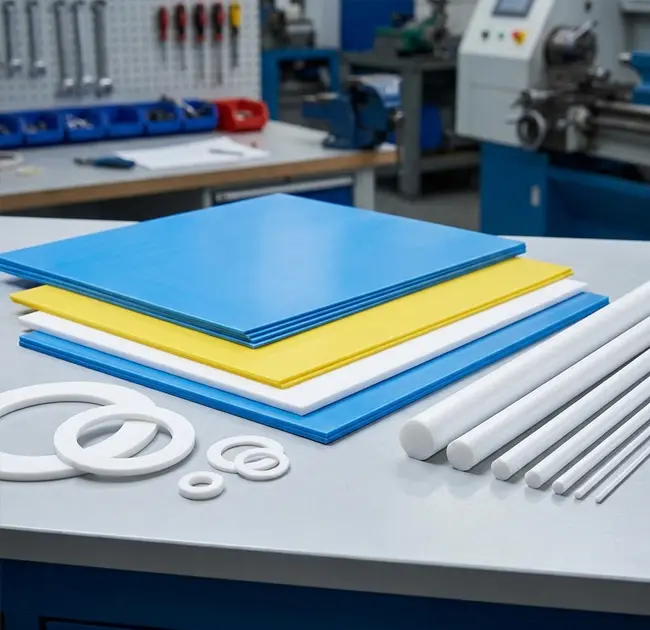
Product Form

Product Form

Specifications

Sheets

Customizable dimensions and thickness

Cut Gaskets

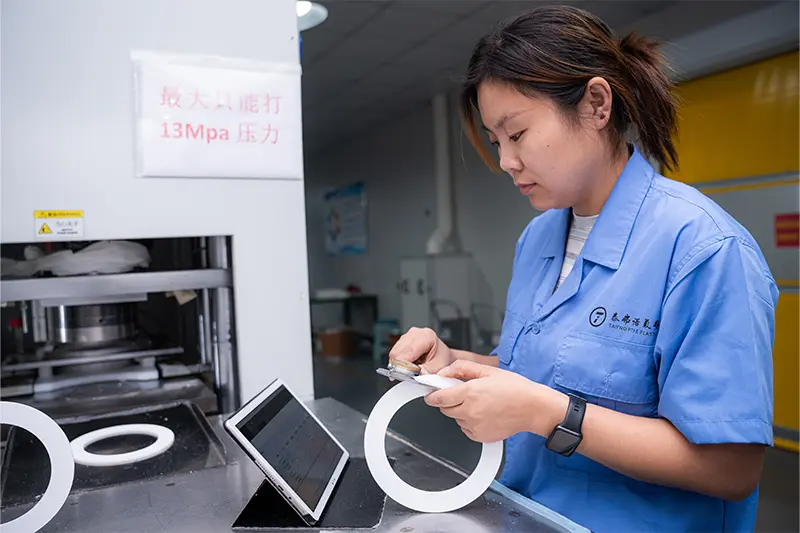
Custom-cut to fit any flange size

Molded Parts

Gaskets, valve seats, piston rings, bushings, bearings

Washers

Sealing washers in various specifications

Typical Color: Dark Brown, Black, Gray

POB Filled PTFE vs. Conventional PTFE Gasket

Comparison Item

POB-Filled PTFE Gasket

Conventional PTFE Gasket

Customer Value

Temperature Resistance

-180°C to +260°C (Short-term peak up to 315°C)

-180°C to +260°C

Suitable for higher-temperature operating conditions

Creep Resistance

★★★★★up to 4x improvement


★★☆☆☆

Poor

Maintains bolt torque longer; extends seal service life

Wear Resistance

★★★★★up to 1000x improvement


★★☆☆☆

Poor

Extremely long service life in oil-free lubrication applications

Dynamic Coefficient of Friction

0.16–0.32

~0.05-0.10

Excellent self-lubricating properties

Chemical Resistance

pH 0–14

pH 0-14

Equally excellent performance

Thermal Decomposition Temperature

530°C

327°C (Melting point)

Greater stability at high temperatures

Typical Seal Life

up to 5–8 years

up to 1–2 years

Service life extended by up to 3–5 times

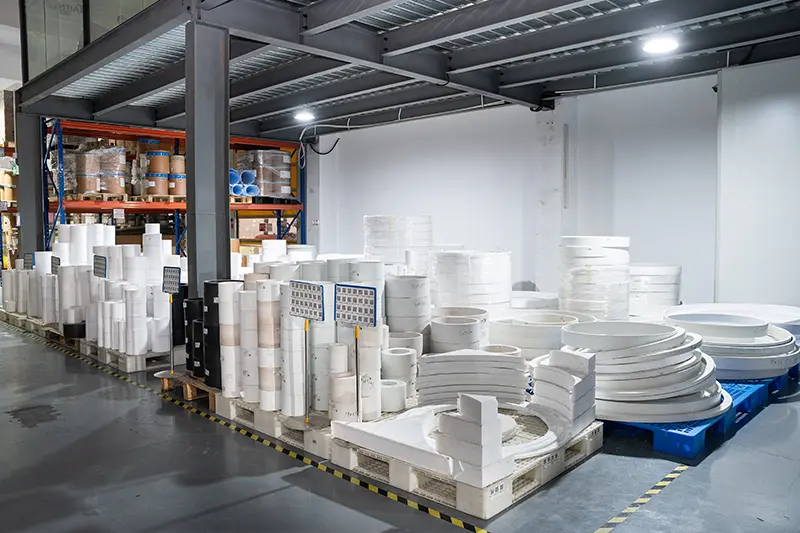
FactoryFactoryFactoryFactory

Core Advantages

1. High-Temperature Resistance

Product Features: Thermal decomposition temperature reaches 530°C; continuous operating temperature up to 260°C, short‑term peak temperature up to 315°C; suitable for high‑temperature sealing environments.

Customer Value: Ideal for sealing applications in equipment such as high‑temperature valves, compressors, and heat exchangers; minimizes the risk of material failure caused by high temperatures.

2. Creep Resistance

Product Features: Creep resistance is up to four times higher than that of virgin PTFE; offers superior dimensional and sealing stability under sustained pressure.

Customer Value: Helps maintain stable bolt preload and torque; reduces the need for re‑tightening and lowers maintenance frequency.

3. Wear Resistance

Product Features: Wear resistance is up to 1,000 times higher than that of virgin PTFE; exhibits excellent mating surface compatibility, minimizing damage to counter‑surfaces.

Customer Value: Ensures a long service life under conditions of continuous friction and oil‑free lubrication; reduces the need for component replacement and equipment downtime.

4. Self-Lubrication

Product Features: Dynamic friction coefficient ranges from approximately 0.16 to 0.32; offers excellent self‑lubricating properties without relying on external lubricants.

Customer Value: Enables stable, long‑term operation under oil‑free conditions; reduces costs associated with lubricants and routine maintenance.

5. Chemical Resistance

Product Features: Resistant to chemicals across the full pH range (0–14); withstands strong acids, strong alkalis, and various organic solvents.

Customer Value: Compatible with almost all common corrosive media; meets sealing requirements for demanding environments in the chemical, pharmaceutical, and other industries.

6. Thermal Conductivity

Product Features: Thermal conductivity is approximately 3–5 times higher than that of standard plastics; efficiently conducts and dissipates heat generated during friction.

Customer Value: Helps minimize frictional heat buildup and enhances continuous operational stability; suitable for high-speed motion and high-frequency operating conditions.

Technical Specifications

Parameter

Property / Value

Material

PTFE + Polyphenyl Ester

Color

Dark Brown, Black, Gray

Density

2.1–2.3 g/cm³

Minimum Temperature

-180°C

Maximum Temperature (Continuous)

260°C

Maximum Temperature (Peak)

315°C

Decomposition Temperature

530°C

Dynamic Coefficient of Friction

0.16–0.32

Hardness

Shore D 60–68

Tensile Strength

18–28 MPa

Elongation

150–250%

pH Range

0–14

Optimal Filler Content

20% Polyphenyl Ester (POB)

NOT Suitable For: Molten alkali metals and fluorine gas (PTFE is inherently incompatible)

Product Applications

Industry

Typical Applications

Key Requirements

Chemical & Petrochemical

Seals and valve seats for piping conveying high-temperature, corrosive media

High-temperature resistance + Chemical resistance

Valve Manufacturing

High-temperature valve stem seals and ball valve seats

Withstands up to 260°C continuous / 315°C peak + Self-lubricating

Compressors

Compressor piston rings, guide rings, and bushings

Oil-free lubrication + Wear resistance

Pharmaceutical

Seals for sterile equipment

Chemical resistance + Contamination-free

Power Generation

Seals for high-temperature steam systems

High-temperature resistance + Steam resistance

Marine

Subsea pipeline liners and underwater bearings

Self-lubricating + Corrosion resistance

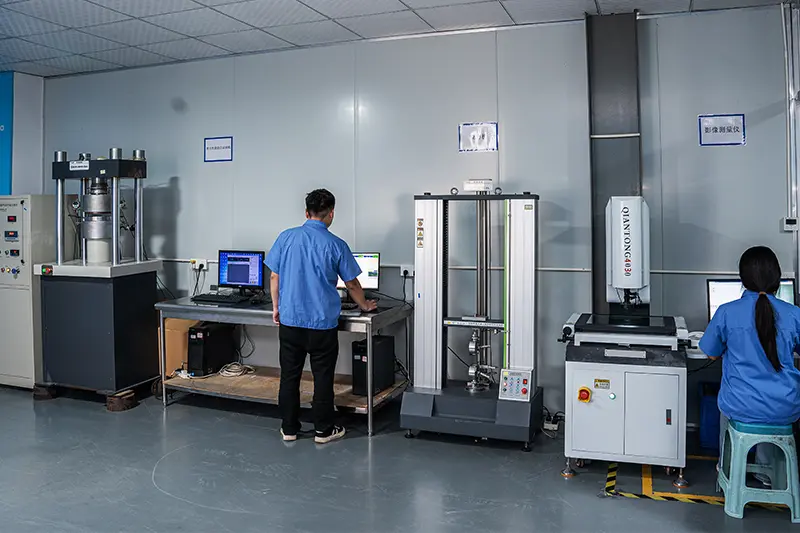
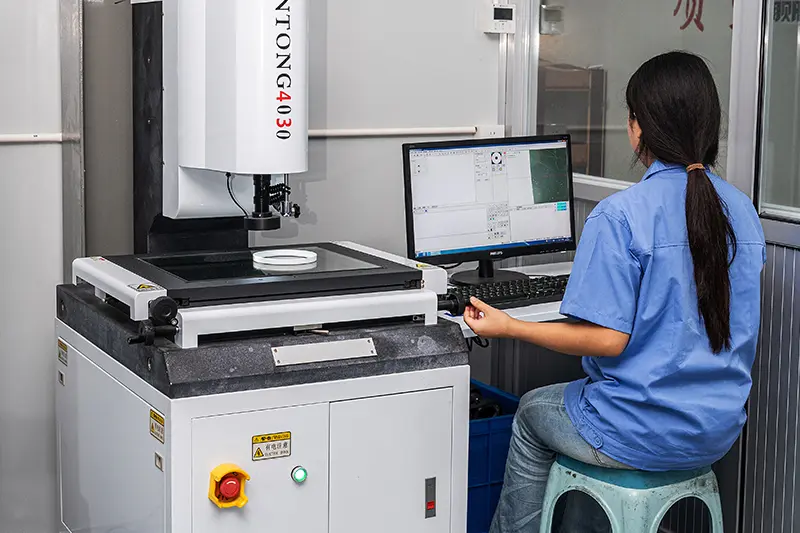
TestTestTestTest

FAQ

Q: What is the difference between POB-filled PTFE gaskets and conventional PTFE gaskets?

Q: What is the difference between POB-filled PTFE gaskets and conventional PTFE gaskets?

A: POB-filled PTFE gaskets contain POB filler, continuous temperature up to 260°C, short-term peak temperature up to 315°C (virgin PTFE only 260°C), up to 4x better creep resistance, up to 1000x better wear resistance, dynamic COF 0.16-0.32. Virgin PTFE softens and creeps above 260°C.

Choose POB filled for: Short-term peak service above 260°C, oil-free lubrication, long-service-life applications.

Choose virgin PTFE for: General chemical sealing, temperatures below 260°C, non-critical applications. POB-filled PTFE offers 1-2x better comprehensive performance than virgin PTFE.

Q: What are the temperature and pressure limits for POB-filled PTFE gaskets?

A: Temperature: Continuous -180°C to +260°C (short-term peak up to 315°C).

Decomposition temperature: 530°C, excellent high-temperature stability.

Pressure: Depends on gasket design and flange conditions, POB-filled PTFE offers up to 4x better creep resistance than virgin PTFE.

Chemical: pH 0-14, excellent resistance to almost all organic solvents and oils.

For application-specific data, please provide your media, temperature, and pressure.

Q: What is the optimal POB content for POB-filled PTFE gaskets?

A: According to research data, 20% (by weight) POB content provides optimal performance.

At this filler level, the composite achieves an optimal friction coefficient and wear scar width while maintaining good mechanical properties.

As POB content increases, friction coefficient and wear scar width decrease, but when content exceeds 30%, tensile strength decline slows and hardness increases.

Hot Tags: POB-Filled PTFE Gasket, PTFE Gasket Manufacturer, Custom PTFE Gaskets
Send Inquiry
Contact Info
X
We use cookies to offer you a better browsing experience, analyze site traffic and personalize content. By using this site, you agree to our use of cookies. Privacy Policy
RejectAccept