Products
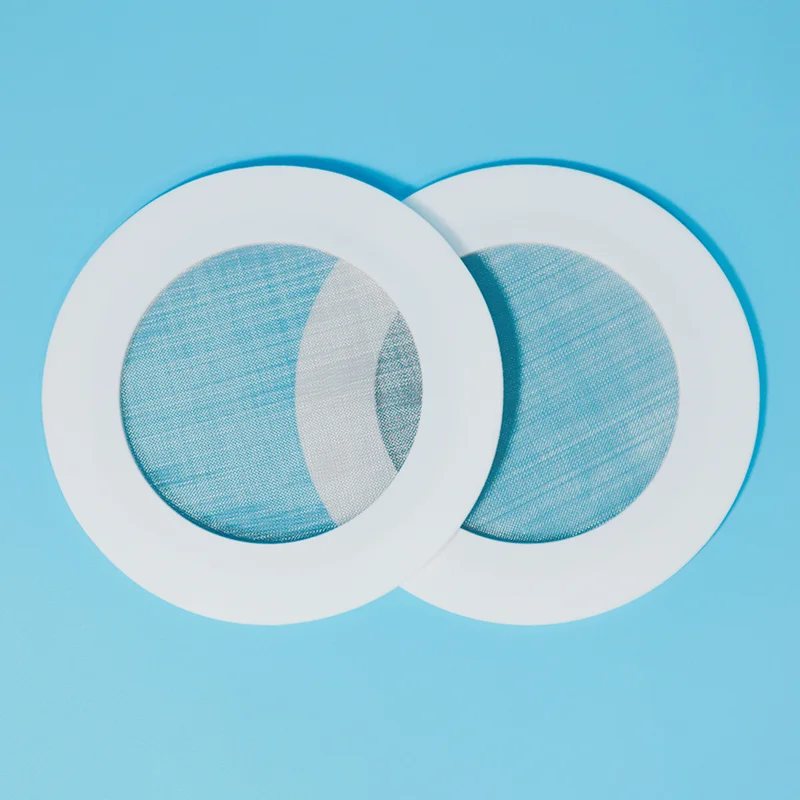
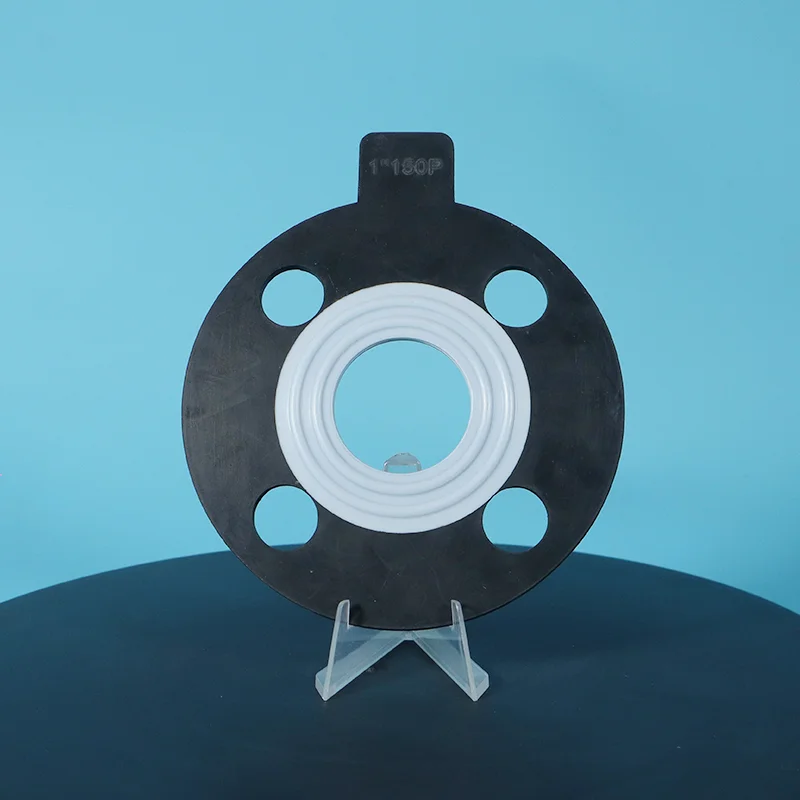
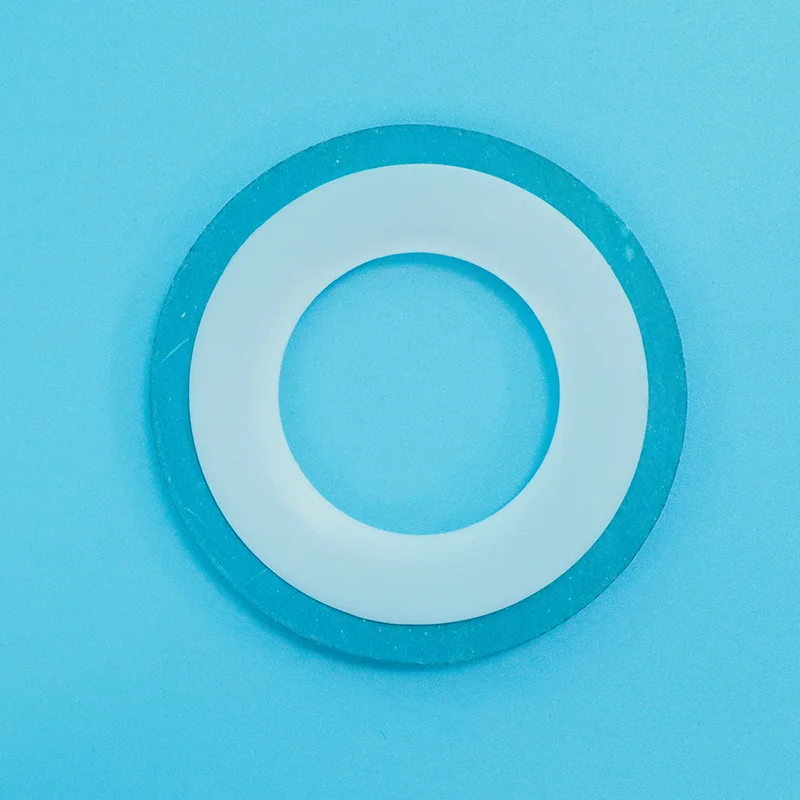
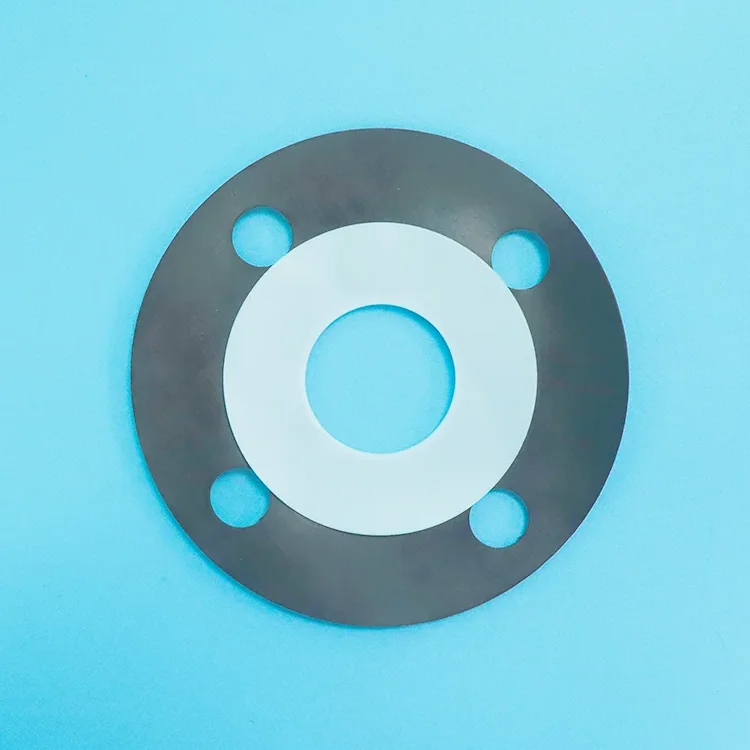
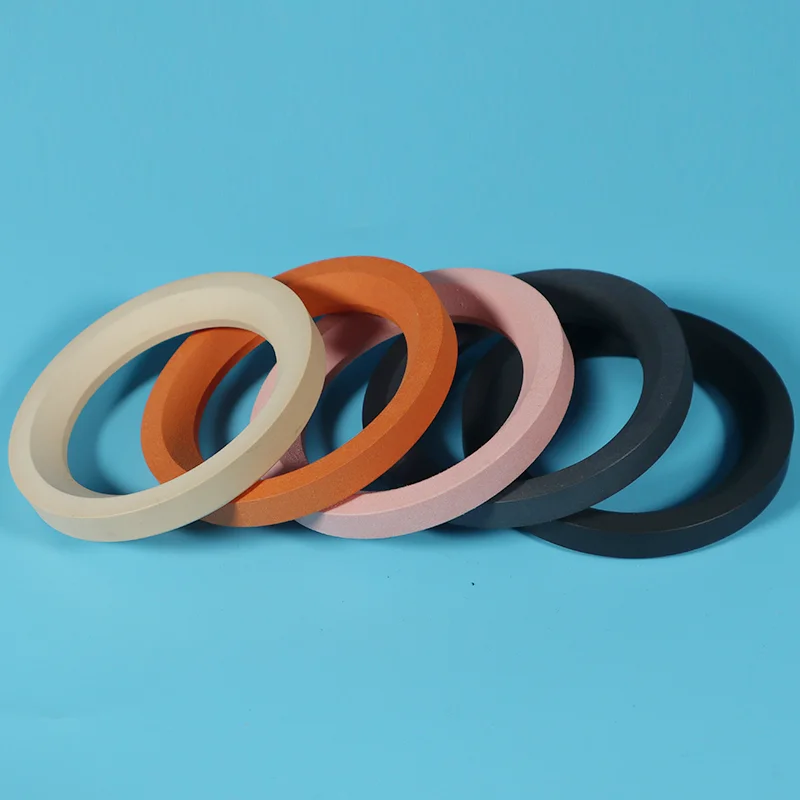
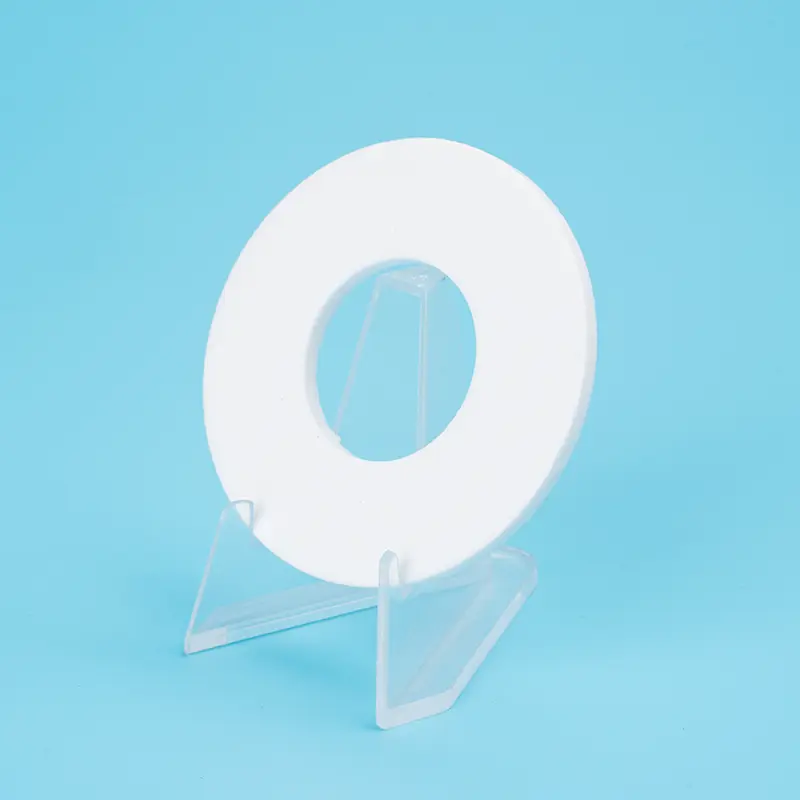
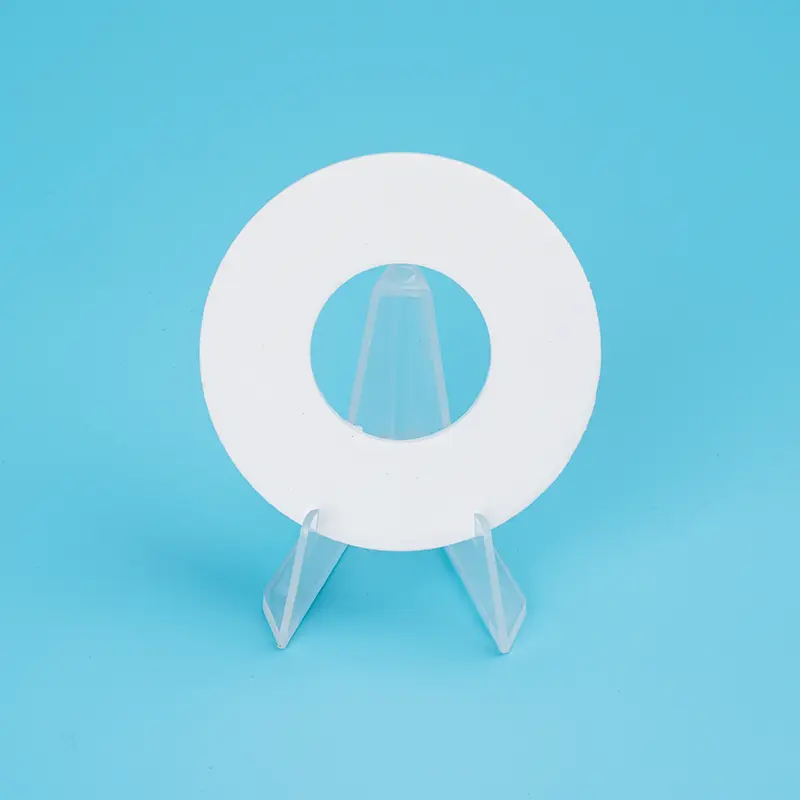
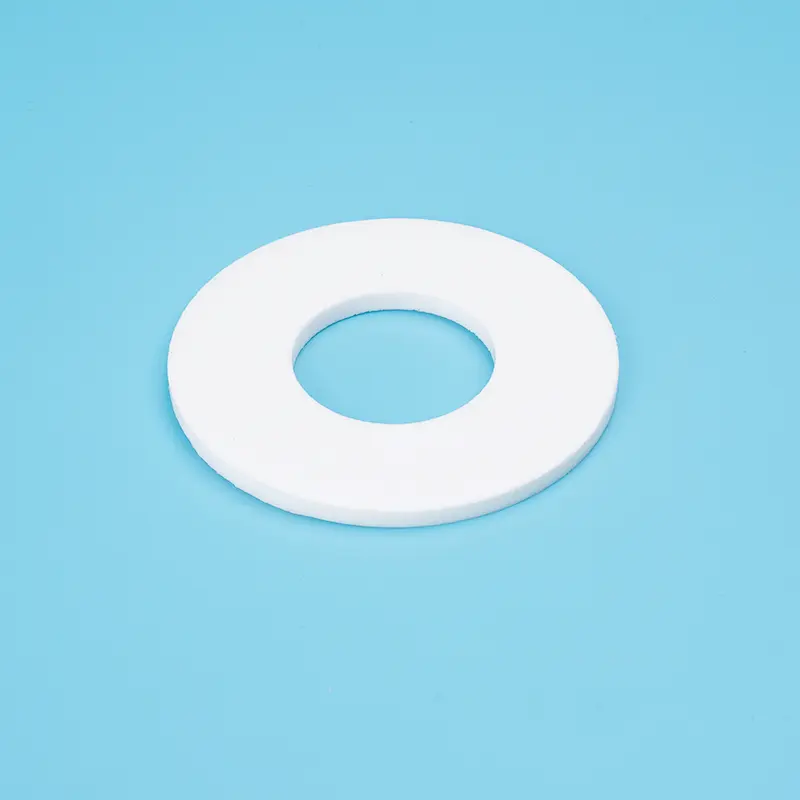
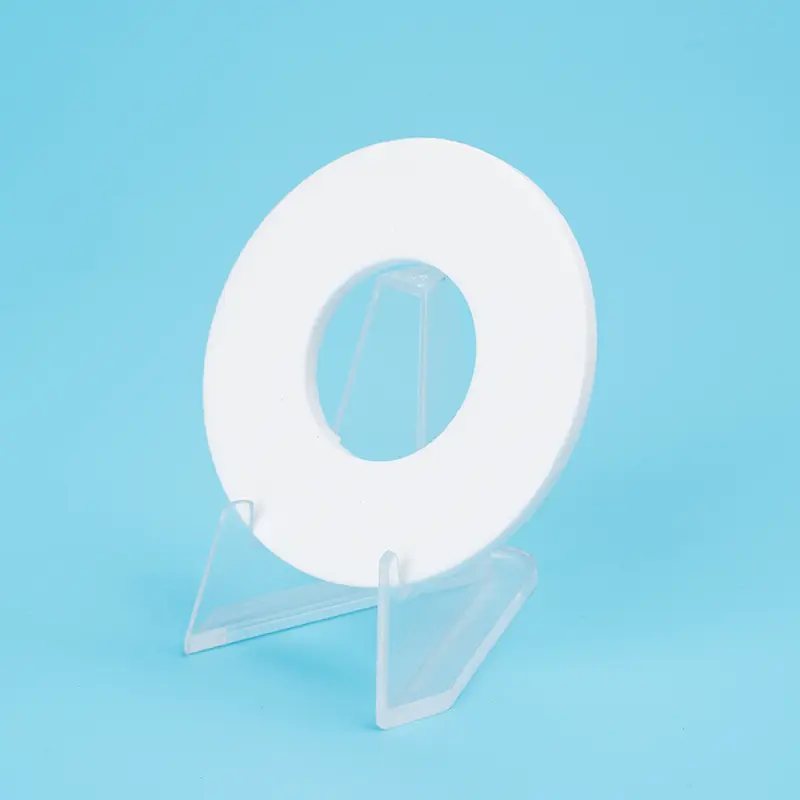
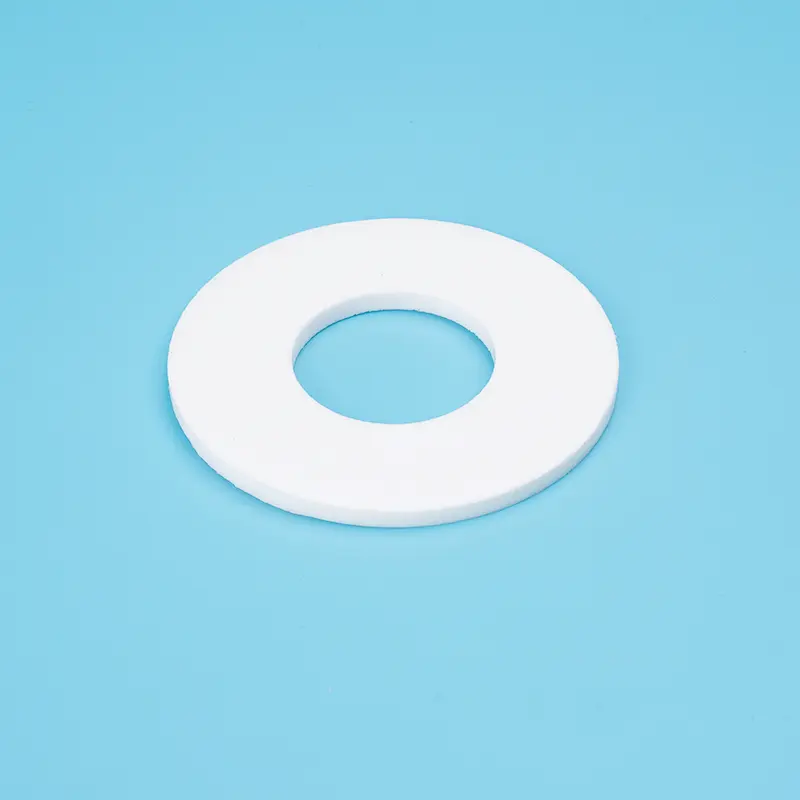
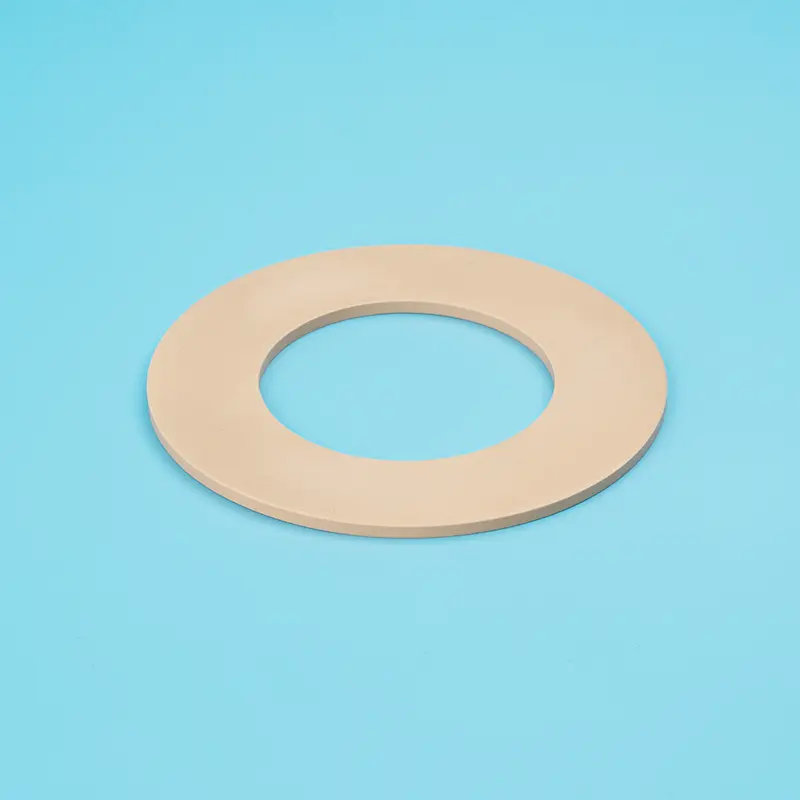
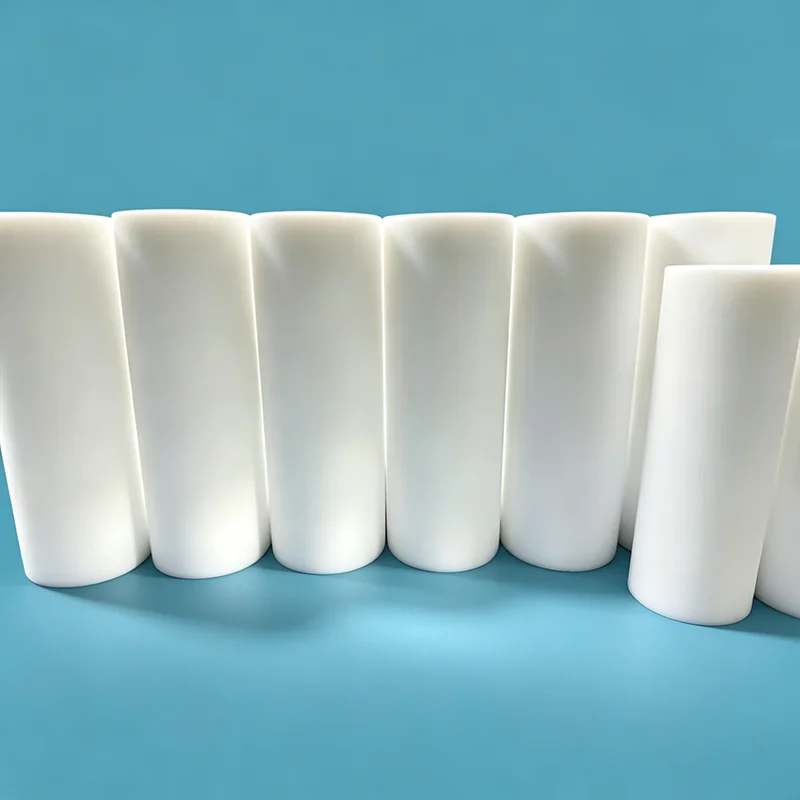
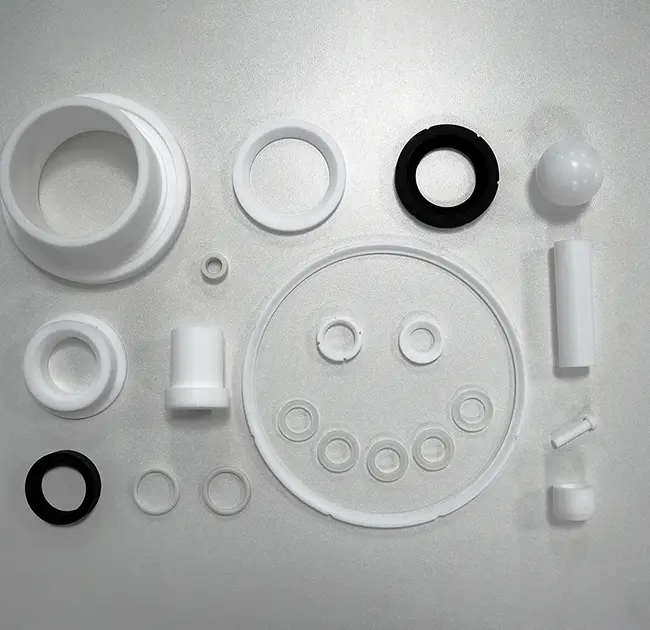
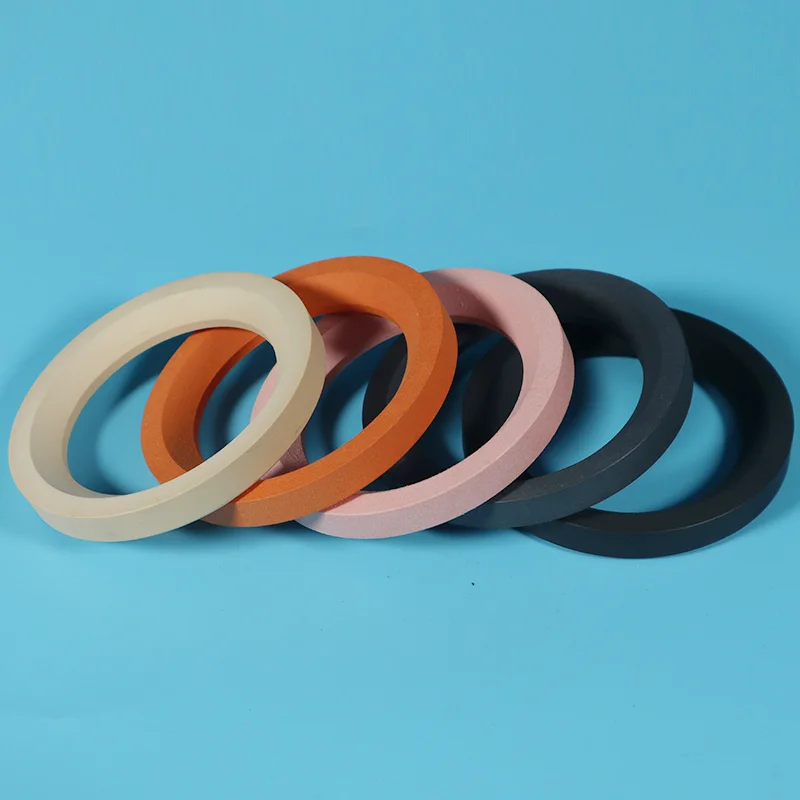
Barium Sulfate-Filled PTFE Gasket
  • Barium Sulfate-Filled PTFE GasketBarium Sulfate-Filled PTFE Gasket
  • Barium Sulfate-Filled PTFE GasketBarium Sulfate-Filled PTFE Gasket
  • Barium Sulfate-Filled PTFE GasketBarium Sulfate-Filled PTFE Gasket

Barium Sulfate-Filled PTFE Gasket

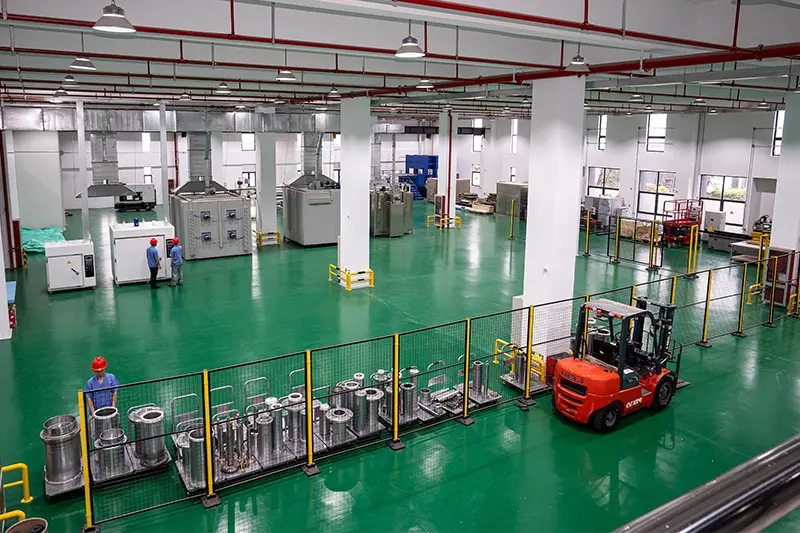
The barium sulfate-filled PTFE gasket is a high-performance gasket manufactured by Taifno (China) and offered at factory-direct prices. Suitable for applications involving strong alkalis, chlorine gas, hydrofluoric acid (HF), and toxic chemicals, it features excellent creep resistance and superior durability.

Barium sulfate-filled PTFE gaskets are made by adding barium sulfate filler to PTFE resin. Barium sulfate is the only filled PTFE material that can handle both strong caustics and hydrofluoric acid (HF) simultaneously, high density, excellent creep resistance, and superior chemical resistance.

It is one of the preferred sealing materials for chlor-alkali, fluorine chemical, pulp and paper, and wastewater treatment industries.

Barium Sulfate-Filled PTFE GasketBarium Sulfate-Filled PTFE Gasket

Why Choose Barium Sulfate-Filled PTFE Gasket?

Problem

Consequence

How BaSO₄ Gaskets Solve the Problem

Creep and leakage of PTFE gaskets in strong caustic (NaOH, KOH) service

Frequent replacement, production interruption, safety risks

Barium sulfate filling significantly reduces cold flow and improves bolt torque retention.

Frequent failure of seals in chlorine piping

Leakage, equipment corrosion, safety hazards

Barium sulfate is a recommended filler material for chlorine service.

Corrosion of glass/silica-filled gaskets in hydrofluoric acid (HF) service

Gasket failure, equipment damage, personnel safety risk

Barium sulfate gaskets are suitable for use with up to 48% HF.

Extrusion and deformation of conventional PTFE gaskets under high pressure

Bolt relaxation, leakage, shutdown

Density of 2.5 g/cm³; higher compressive strength.

Product Form

Product Form

Specifications / Description

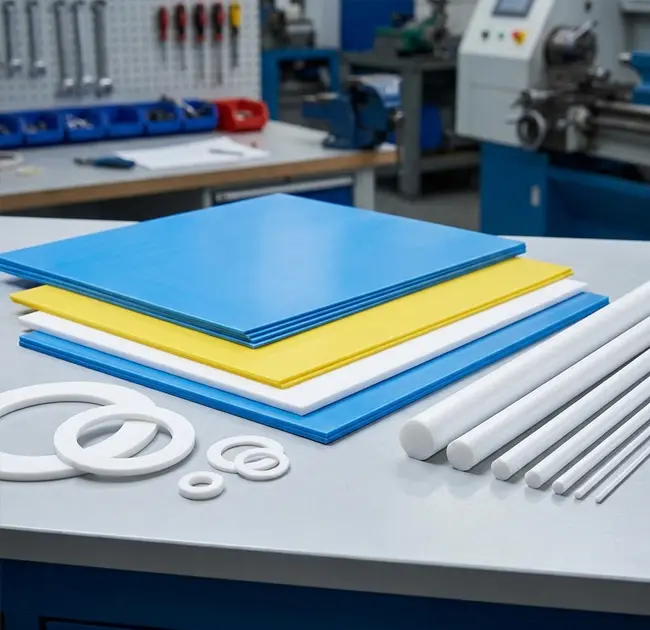
Sheets

1500 × 1500 mm

Thickness Range

1.0 mm – 8.0 mm

Cut Gaskets

Custom-cut to any flange size

Barium Sulfate vs. Other Filled PTFE: Why Choose BaSO₄?

Comparison Item

BaSO₄ Filled

Silica Filled

Glass Microsphere Filled

Glass Fiber Filled

Strong Caustics (NaOH/KOH)

★★★★★

Excellent

★★★☆☆

Limited

★★★☆☆

Limited

★☆☆☆☆

Not suitable

Hydrofluoric Acid (HF)

★★★★★

Suitable (up to 48%)

❌ NOT compatible

❌ NOT compatible

❌ NOT compatible

Chlorine

★★★★★

Excellent

★★★★★

Excellent

★★★★☆

Good

★★★★☆

Good

Creep Resistance

★★★★★

Excellent (30% creep relaxation)

★★★★★

Excellent

★★★★☆

Good

★★★★☆

Good

Density

2.5 g/cm³

2.1–2.3 g/cm³

1.7–2.0 g/cm³

2.2–2.4 g/cm³

Compressibility

8–16%

7–11%

≥18%

Moderate

Best For

Caustics + HF + Chlorine

Strong acids, solvents

Low torque, uneven flanges

High wear, high pressure

Recommendation: If your operating conditions involve strong alkalis, chlorine gas, or hydrofluoric acid (HF), barium sulfate-filled PTFE is the only material capable of fully handling all three of these harsh media.

Barium Sulfate PTFE Gasket vs. Conventional PTFE Gasket

Comparison Items

Barium Sulfate PTFE Gasket

Conventional PTFE Gasket

Density

2.5 g/cm³

2.15–2.20 g/cm³

Creep Resistance

★★★★★

Excellent (30% creep relaxation)

★★☆☆☆

Poor (significant cold flow)

Tensile Strength

13.2 MPa

Lower

Caustic Resistance

★★★★★

Excellent

★★★☆☆

Moderate

HF Resistance

★★★★★

Suitable (up to 48%)

★★★★★

Suitable

Typical Seal Life

3–5 years

1–2 years

Material Cost

30–50% higher

(Lower)

Core Advantages

1. Preferred for Strong Caustics

Barium sulfate-filled gaskets perform exceptionally well in strongly alkaline media (such as NaOH and KOH), making them the standard choice for industries including chemical processing, chlor-alkali, and papermaking.

2. Suitable for Hydrofluoric Acid (HF)

These gaskets are suitable for hydrofluoric acid applications at moderate concentrations and temperatures (up to 48% HF). This capability exceeds that of glass fiber- or silica-filled PTFE gaskets; barium sulfate is the only PTFE filler material capable of handling both strong alkalis and HF.

3. Recommended for Chlorine Service

Barium sulfate is a recommended filler material for chlorine service and is widely used in the chlor-alkali industry.

4. High Density & Mechanical Strength

The barium sulfate filler results in a material density of 2.5 g/cm³ and a tensile strength of 13.2 MPa, significantly enhancing resistance to compression and extrusion.

5. Excellent Creep Resistance

A unique manufacturing process minimizes PTFE cold flow issues, resulting in a creep relaxation of only 30% and excellent bolt torque retention.

6. Multiple Certifications

FDA 21 CFR 177.1550, TA-Luft (VDI 2440), BAM (oxygen service, up to 260°C/52 bar), ABS, DNV-GL, RoHS, and REACH.

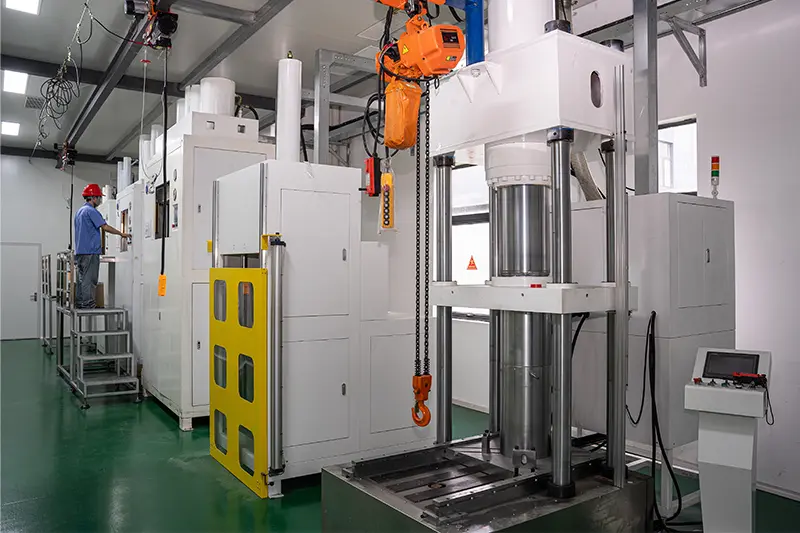
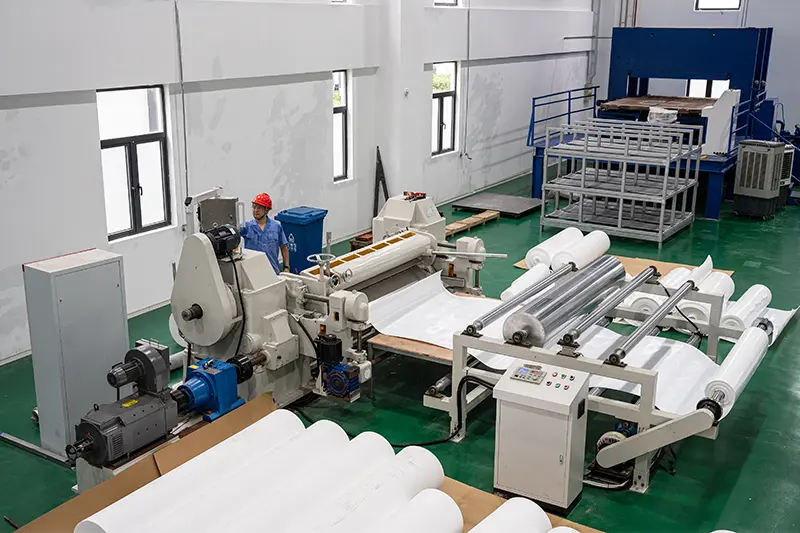
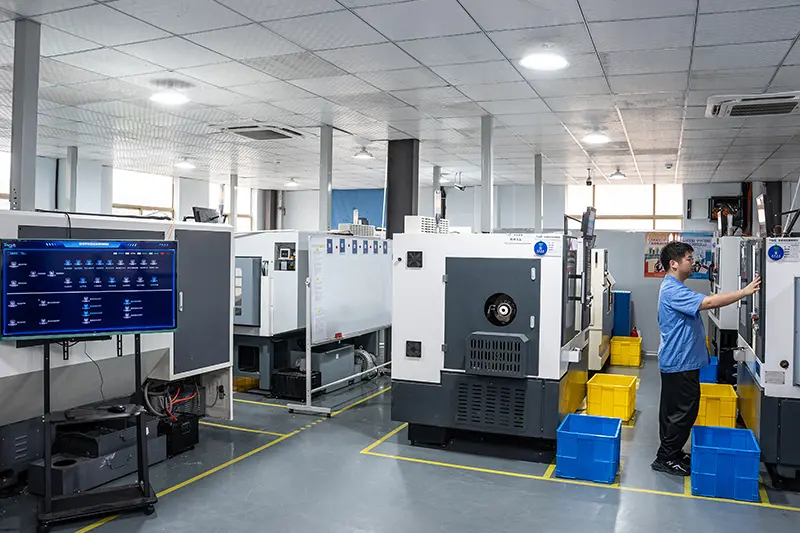
FactoryFactoryFactoryFactory

Technical Specifications

Parameter

Parameter / Value

Material

PTFE + Barium Sulfate (BaSO₄)

Color

Granite White

Density

2.5 g/cm³

Minimum Temperature

-212°C to -268°C

Maximum Temperature

260°C (continuous) / 271°C (peak)

Maximum Pressure

55–103 bar (800–1,500 PSI)

Compressibility (ASTM F36)

8–16%

Recovery (ASTM F36)

35%

Creep Relaxation (ASTM F38)

30%

Tensile Strength (ASTM F152)

13.2 MPa / 1,920 psi

Sheet Size

1500 × 1500 mm

Thickness Range

1.0–8.0 mm

Product Applications

Industry

Typical Applications

Why Barium Sulfate (BaSO₄)?

Chlor-Alkali

Chlorine and caustic soda piping seals

Material specifically designed for chlorine and strong alkalis

Fluorine Chemicals

Hydrofluoric acid (HF) piping seals

The only filled PTFE suitable for handling HF

Pulp & Paper

Digesters, chemical lines

Resistant to strong alkalis and chemicals

Chemical & Petrochemical

Strong caustic piping, toxic chemicals

Resistant to strong alkalis and corrosion

Wastewater Treatment

Chemical dosing systems

Chemical resistant with a long service life

Pharmaceutical

Sterile equipment seals

FDA compliant and high purity

Power Generation

Water treatment, flue gas desulfurization (FGD)

Corrosion and temperature resistant

Typical Media: Strong alkalis (NaOH, KOH), chlorine gas, hydrofluoric acid (HF, up to 48%), hydrogen peroxide, sodium hypochlorite, nitric acid, chlorine dioxide, steam, hydrocarbons, refrigerants, etc.

Customer Case Studies

Case Studies

Challenge

Solution

Result

Chlor-alkali plant in the USA

Standard PTFE gaskets in chlorine piping suffered from creep-induced leakage at high temperatures, requiring replacement every six months.

Replaced with barium sulfate filled PTFE gaskets

Two years of continuous operation with zero leakage; maintenance costs reduced by 70%

Fluorine chemical plant in Germany

Seals in hydrofluoric acid (HF) piping frequently failed, posing safety risks.

Used barium sulfate gaskets

Seal service life extended threefold; TA-Luft certified

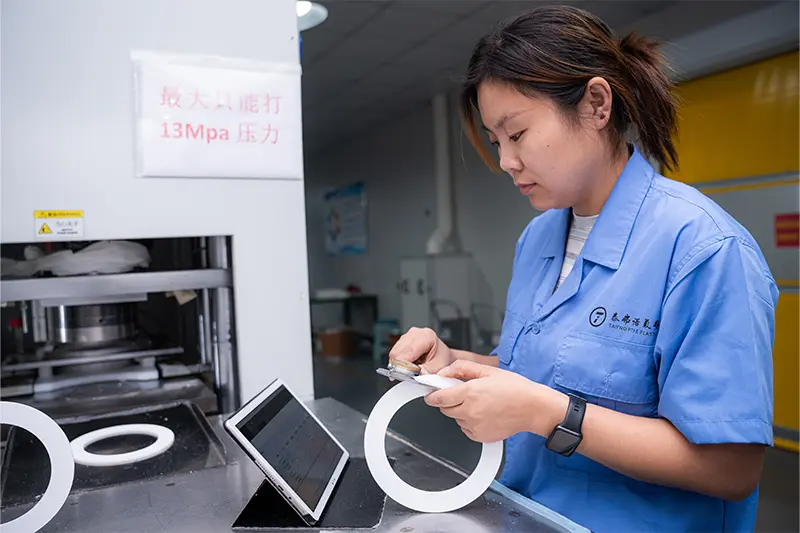
TestTestTestTest

FAQ

Q: What is the difference between barium sulfate gaskets and conventional PTFE gaskets? Which one should I choose?

A: Barium sulfate-filled PTFE gaskets incorporate barium sulfate filler, resulting in higher density (2.5 vs. 2.15–2.20), significantly improved creep resistance (30% reduction in creep relaxation), and higher tensile strength (13.2 MPa). While standard PTFE gaskets offer excellent chemical resistance, they are prone to significant cold flow.

Choose barium sulfate-filled gaskets for: strong alkalis, chlorine gas, hydrofluoric acid (HF), toxic chemicals, and high-pressure applications.

Choose standard PTFE gaskets for: general chemicals, non-critical applications, and lower-cost requirements. Although barium sulfate-filled gaskets are 30–50% more expensive, they offer a significantly longer sealing service life, resulting in a lower total cost of ownership.

Q: What is the difference between barium sulfate and glass/silica filled PTFE gaskets?

A: The key difference lies in HF compatibility. Both glass-fiber-filled PTFE and silica-filled PTFE are incompatible with hydrofluoric acid (HF); the fillers react with HF, leading to gasket failure.

Barium sulfate-filled gaskets are suitable for service conditions involving HF concentrations of up to 48%. Furthermore, barium sulfate is the only filled PTFE material capable of handling both strong alkalis and HF.

If your application involves strong alkalis, chlorine gas, or HF, barium sulfate is the preferred choice.

For specific selection recommendations, please provide details regarding the medium, temperature, and pressure.

Q: Can barium sulfate gaskets be used for food or pharmaceutical applications?

A: Yes. Barium sulfate-filled gaskets comply with FDA 21 CFR 177.1550 requirements for food contact and are suitable for the food, pharmaceutical, and drinking water industries.

The PTFE material is non-toxic, tasteless, and odorless, and does not contaminate the medium. Please specify the FDA-compliant grade when ordering.

Q: What are the temperature and pressure limits for barium sulfate gaskets?

A: Temperature: Continuous use from -200°C to +260°C (peaks up to 271°C).

Pressure: Up to 55–103 bar (800–1,500 PSI), depending on gasket thickness and flange design.

Chemical Resistance: pH 0–14; especially recommended for media such as strong alkalis, chlorine gas, and HF.

For precise specifications, please provide your operating parameters, and we will perform the necessary calculations to offer a recommendation.

Hot Tags: Barium Sulfate-Filled PTFE Gasket, Barium Sulfate PTFE Gasket, PTFE Gasket Manufacturer
Send Inquiry
Contact Info
X
We use cookies to offer you a better browsing experience, analyze site traffic and personalize content. By using this site, you agree to our use of cookies. Privacy Policy
RejectAccept