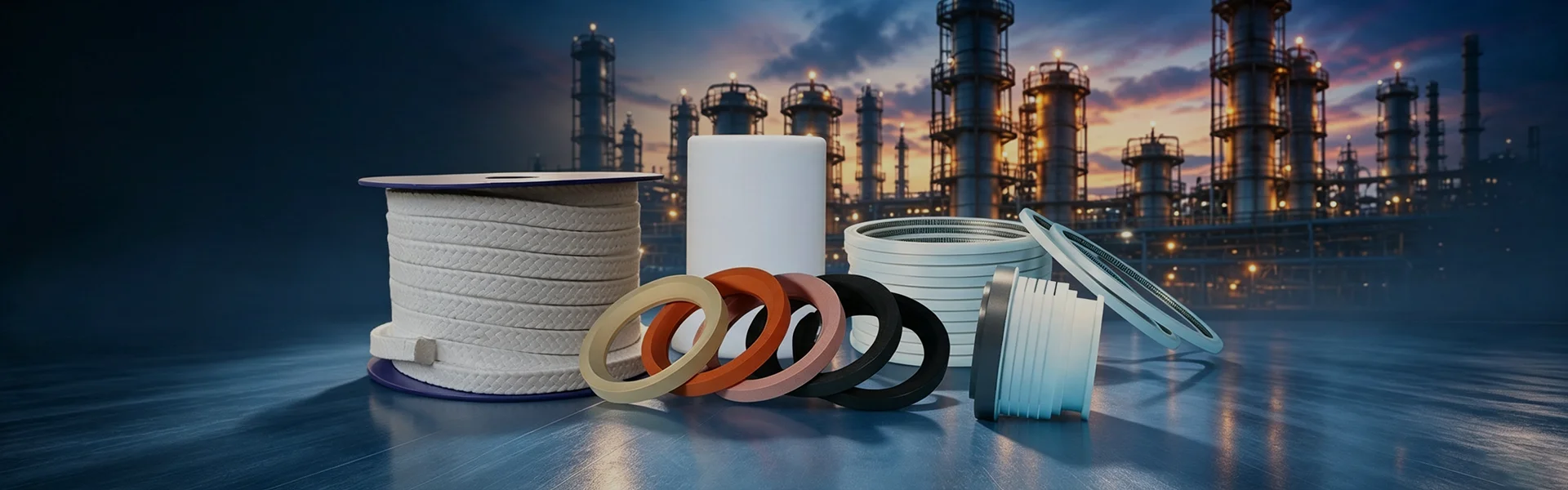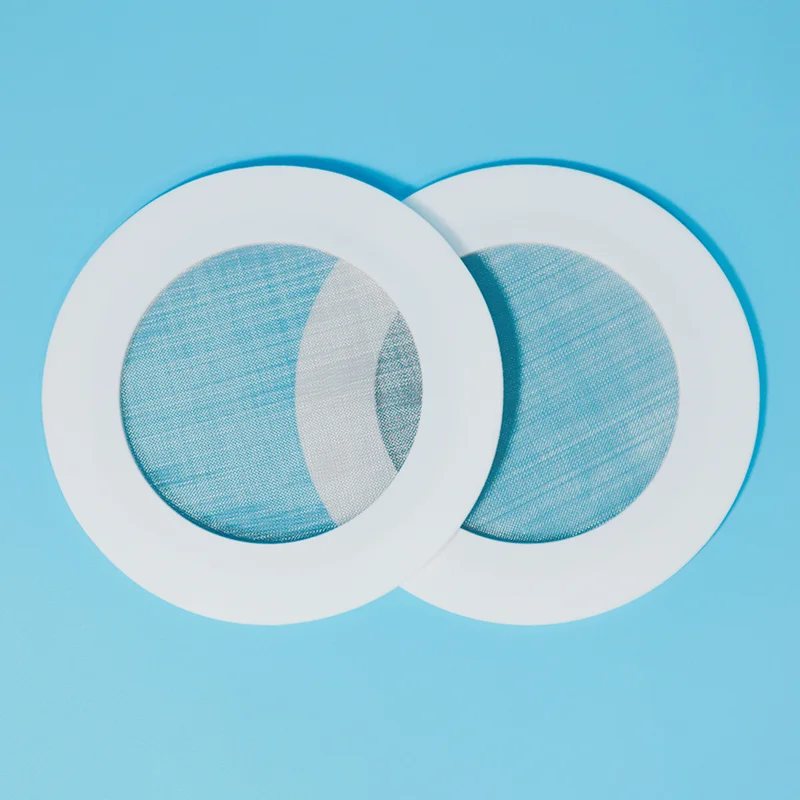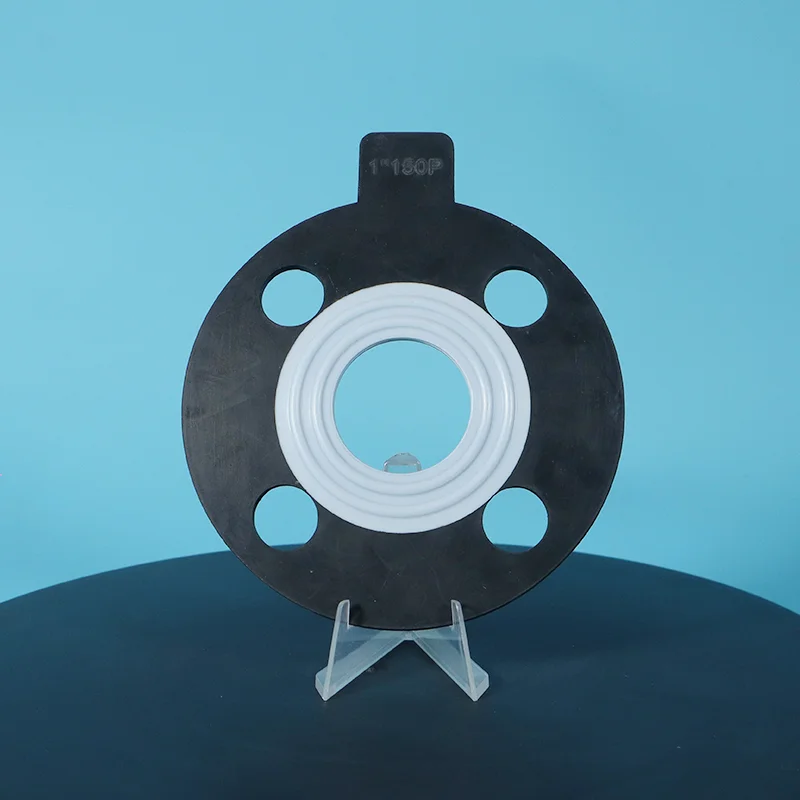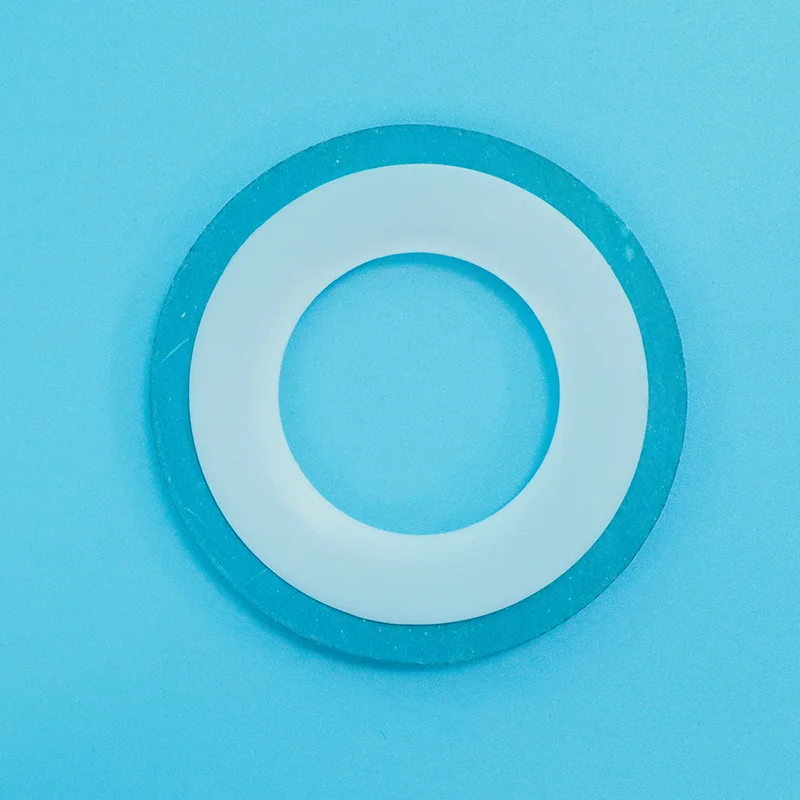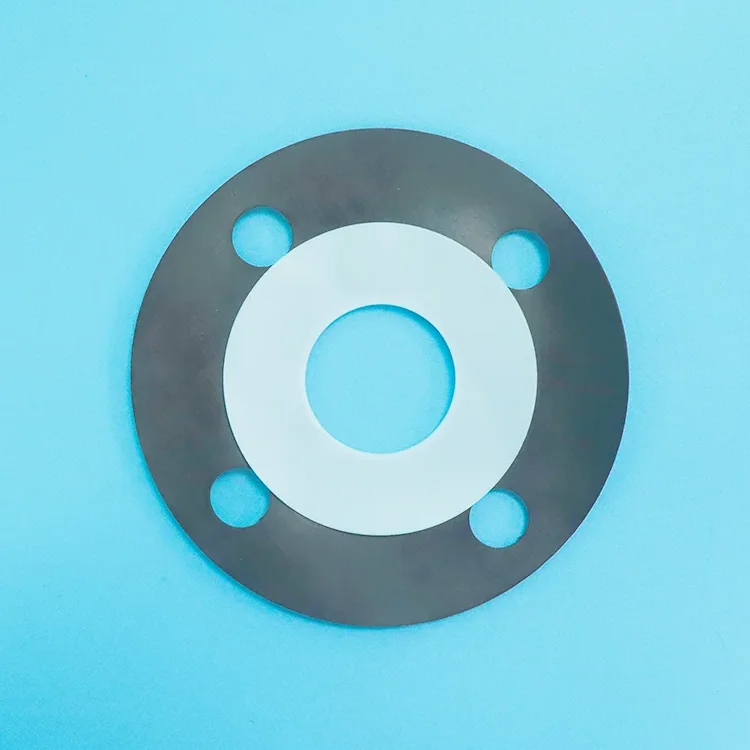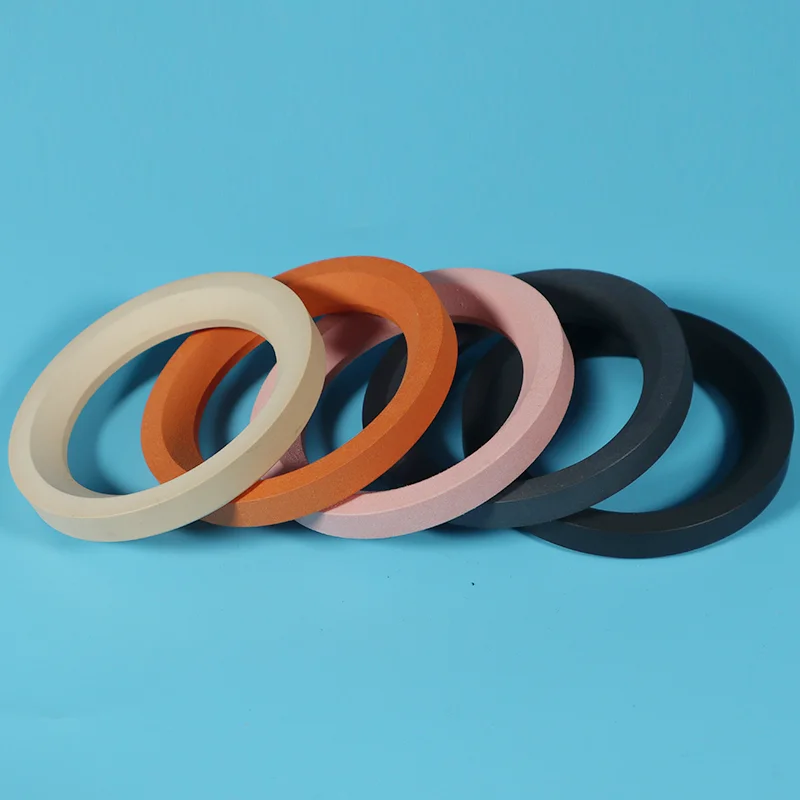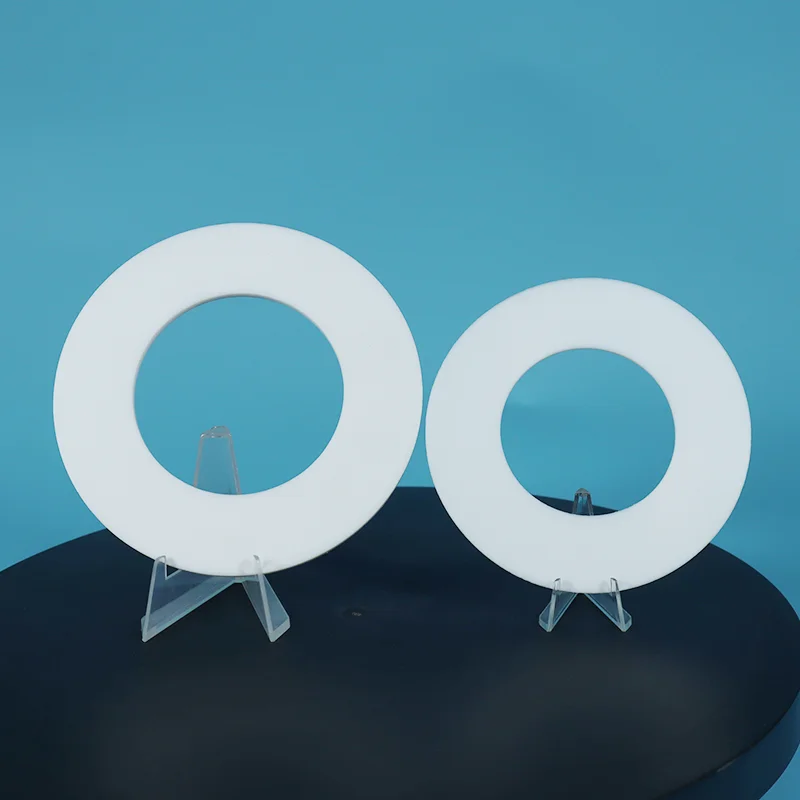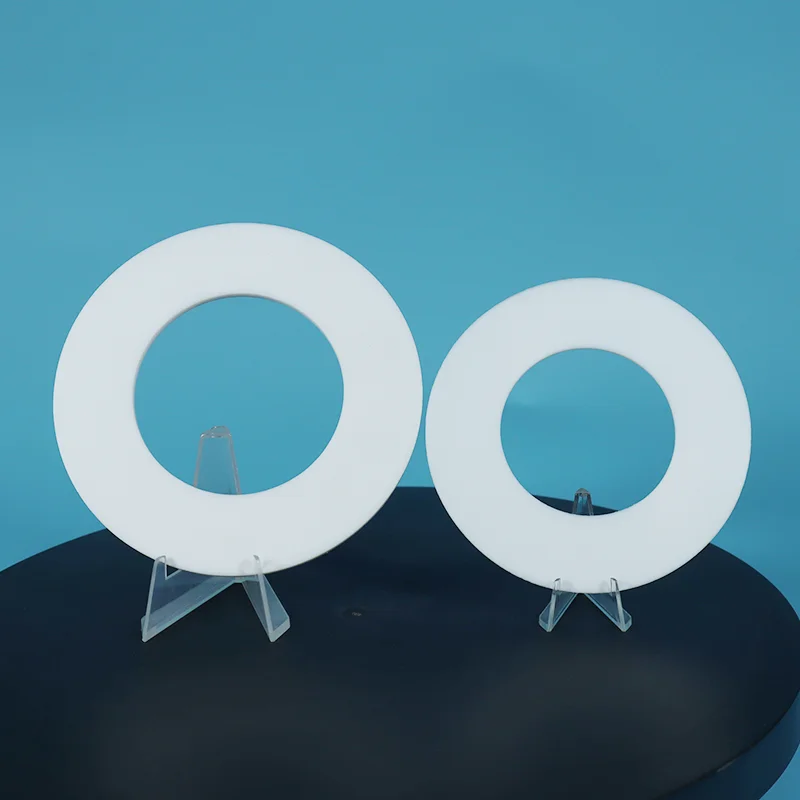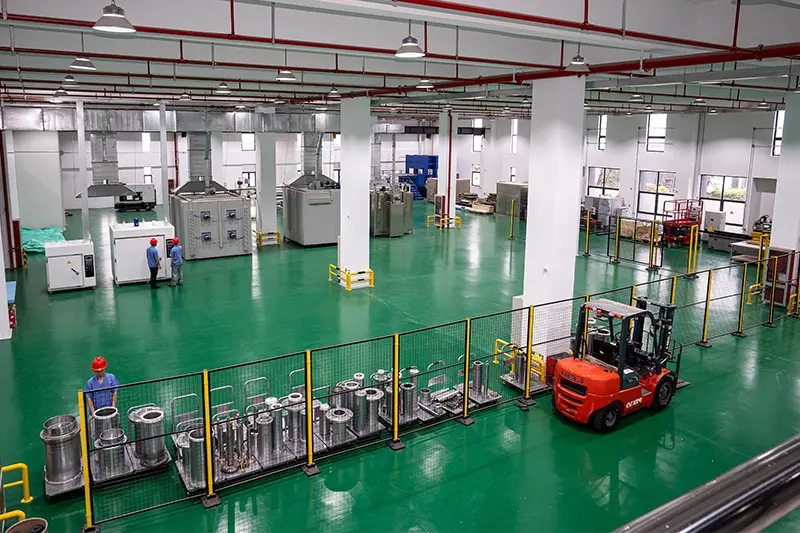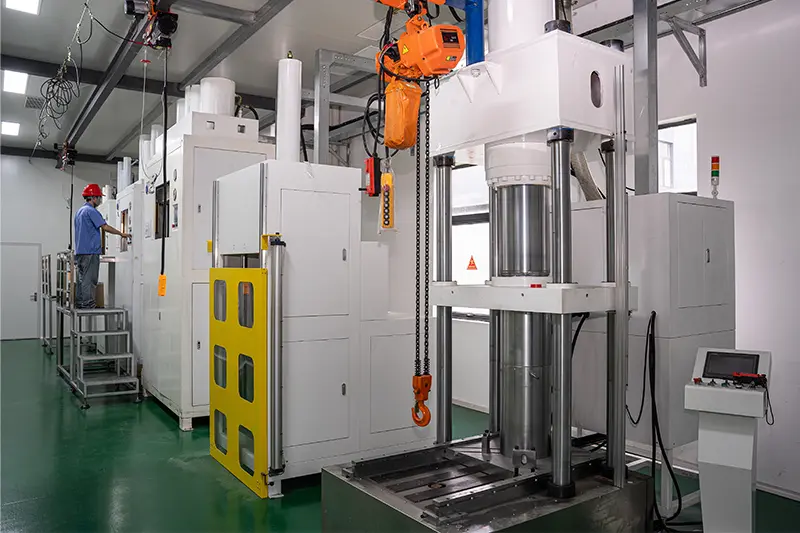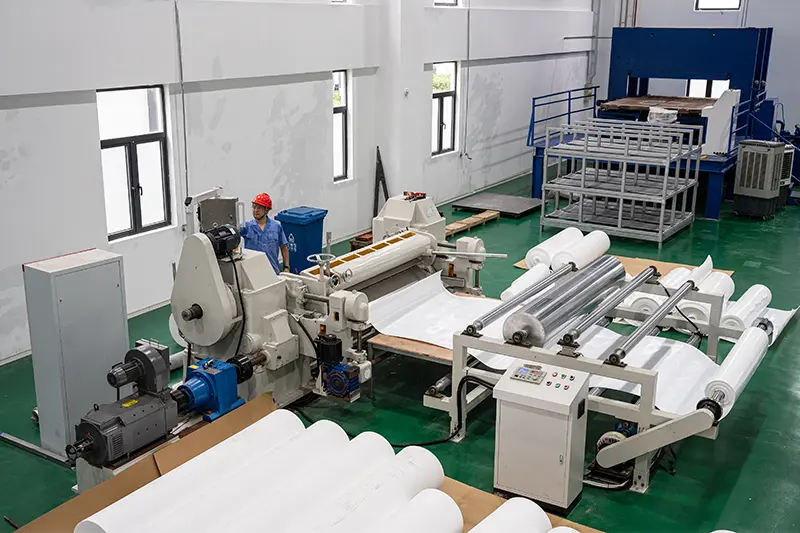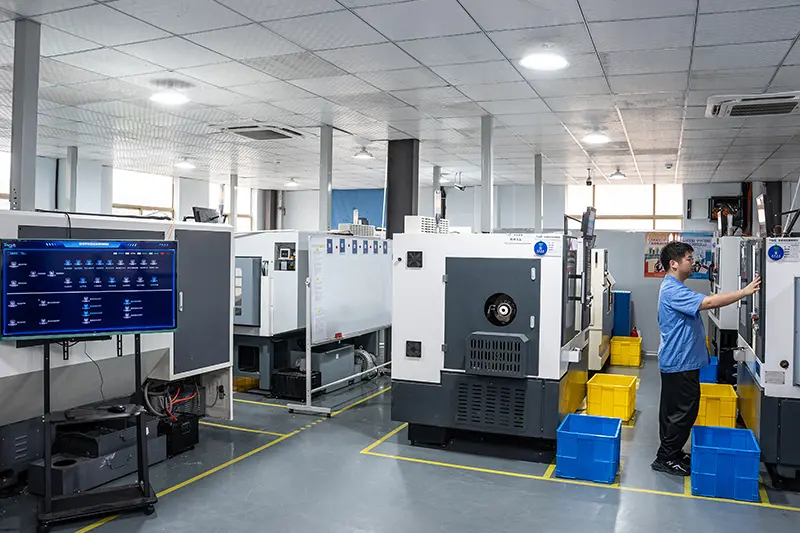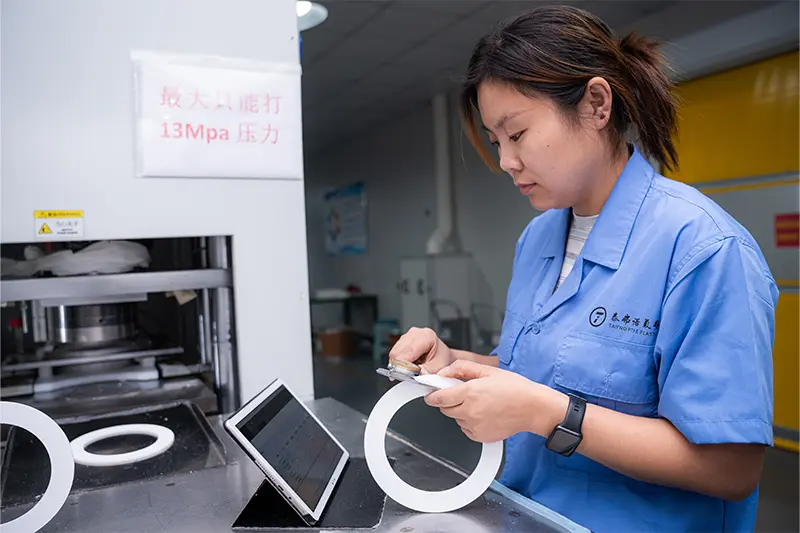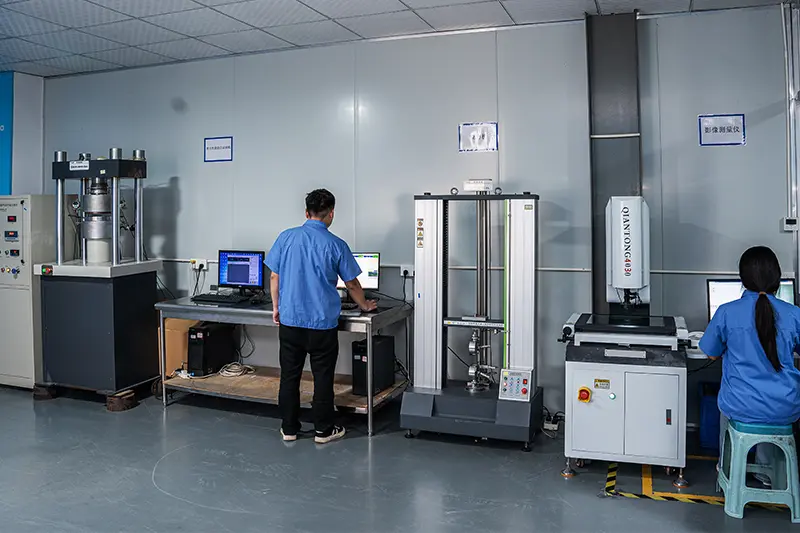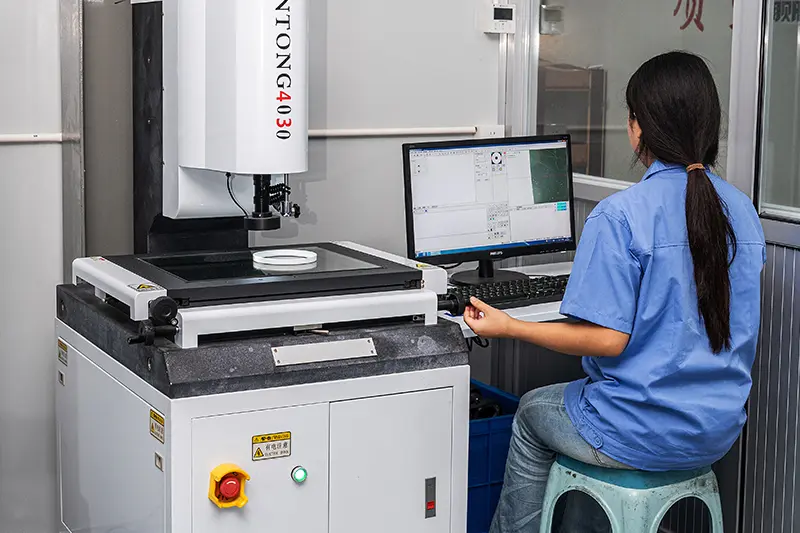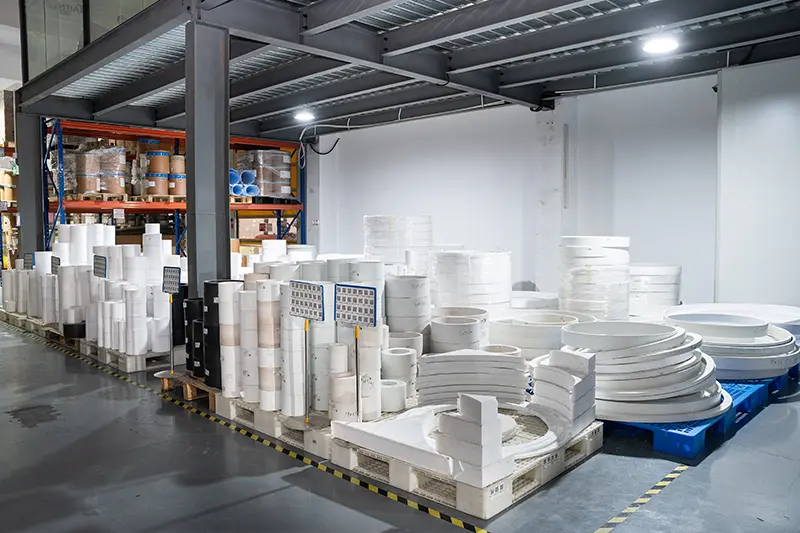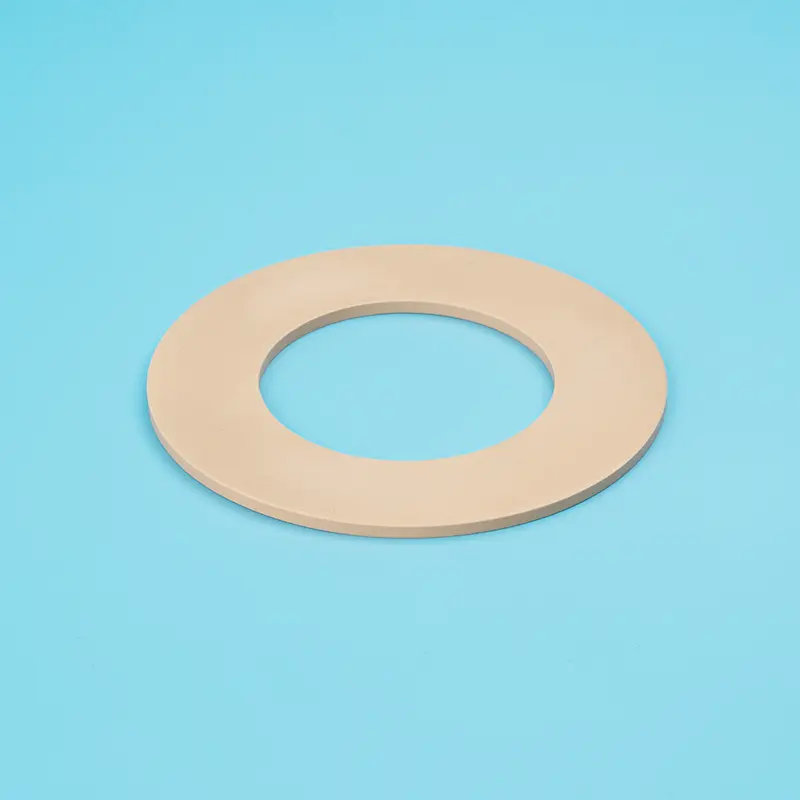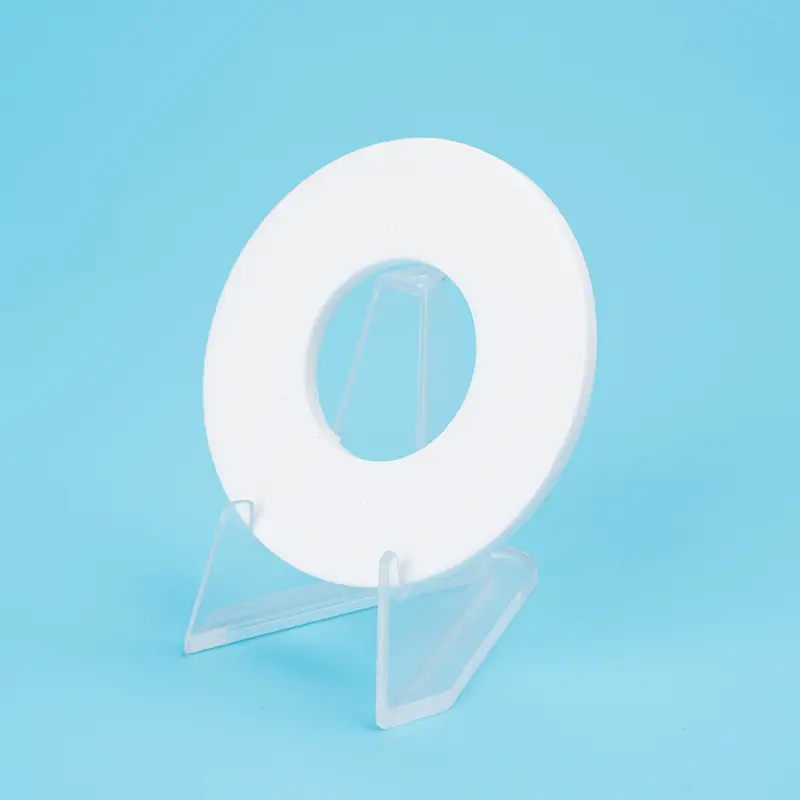
Compared to rubber or graphite gaskets, pure PTFE flat gaskets offer superior performance when dealing with corrosive media, extreme temperatures, and applications requiring high levels of hygiene. With 20 years of experience in the PTFE industry, Taifno provides sealing materials tailored to your specific chemical, temperature, and purity requirements; please feel free to contact us.

A PTFE gasket (Polytetrafluoroethylene gasket) is a sealing component manufactured from PTFE resin through machining, molding, or cutting processes. Virgin PTFE Flat Gasket are valued for their broad chemical resistance, wide operating temperature range, and non-contaminating properties. They are available in configurations including flat gaskets, V-shaped gaskets, piston rings, and ball valve seats.
Universal chemical resistance (pH 0-14): Resistant to virtually all industrial chemicals, acids, solvents, and alkalis
Wide temperature range (-180°C to +200°C): Maintains sealing integrity from cryogenic to high-temperature service
Lowest coefficient of friction (0.05-0.10): Self-lubricating, reduces wear on mating surfaces
Non-stick surface: Prevents media adhesion and buildup, easy cleaning
Excellent electrical insulation: High dielectric strength up to 20 kV/mm
FDA-compliant grades available: Virgin PTFE meets FDA 21 CFR 177.1550
|
Problem |
How PTFE Solves It |
The Cost of Choosing Wrong |
|
Rubber swells and degrades in chemicals |
PTFE is chemically inert — no swelling, no degradation |
Leaks, product loss, safety incidents |
|
Elastomers fail in extreme temperatures |
PTFE handles -180°C to +200°C — stable across full range |
Brittle failure at low temp, softening at high temp |
|
Metal gaskets corrode |
PTFE is corrosion-proof — pH 0-14 resistance |
Equipment damage, contamination |
|
Graphite oxidizes in acids |
PTFE handles acids with ease — no oxidation |
Gasket failure, fugitive emissions |
|
Contamination in food/pharma processes |
FDA-compliant virgin PTFE — no extractables |
Product recall, regulatory fines |
|
Feature |
PTFE Gasket |
Rubber/Elastomer |
Metal Gasket |
Graphite Gasket |
|
Chemical Resistance |
★★★★★ pH 0-14 |
★★☆☆☆ limited |
★★★☆☆ |
★★★★☆ |
|
Temperature Range |
-180°C to +200°C |
-40°C to +150°C |
Up to 600°C+ |
Up to 450°C |
|
Friction |
★★★★★ lowest |
★★★☆☆ |
★★☆☆☆ |
★★★★☆ |
|
Creep Resistance |
★★☆☆☆ poor (virgin) |
★★★★☆ |
★★★★★ |
★★★☆☆ |
|
FDA Compliant |
✅ Yes |
⚠️ Limited |
❌ No |
❌ No |
|
Cost |
$$ |
$ |
$$$$ |
$$$ |
|
Best For |
Chemicals, acids, solvents, FDA |
Water, air, general service |
Extreme pressure, high temp |
High temp, steam |
|
Feature |
Virgin PTFE |
Filled PTFE |
Expanded PTFE (ePTFE) |
|
Chemical Resistance |
★★★★★ pH 0-14 |
★★★★☆ depends on filler |
★★★★★ pH 0-14 |
|
Creep Resistance |
★★☆☆☆ poor |
★★★★☆ improved |
★★★★☆ excellent |
|
Conformability |
★★☆☆☆ rigid |
★★☆☆☆ |
★★★★★ excellent |
|
FDA Compliant |
✅ Yes |
⚠️ Depends on filler |
✅ Yes |
|
Best For |
High-purity, FDA applications |
High pressure, mechanical strength |
Damaged flanges, low torque |
|
If Your Application Is... |
Choose... |
Why |
|
Food, pharmaceutical, clean chemicals, FDA compliance |
Virgin PTFE |
Maximum purity, FDA compliant |
|
High pressure, high load, creep resistance required |
Filled PTFE |
Improved mechanical strength |
|
Damaged, rough, or warped flanges |
ePTFE |
Conforms to irregularities, low torque |
|
Glass-lined flanges, fragile surfaces |
ePTFE or Envelope Gasket |
Low torque, gentle on flanges |
|
Strong caustics, pulp & paper |
Barium Sulfate-Filled PTFE |
Chemical compatibility + reduced creep |
|
Heat dissipation, low friction, dynamic seals |
Graphite-Filled PTFE |
Thermal conductivity, low wear |
|
Industry |
Application |
Why PTFE |
|
Chemical Processing |
Pipe flanges, pumps, valves, reactors |
pH 0-14 chemical resistance |
|
Pharmaceutical |
Sterile processing equipment, API manufacturing |
FDA compliance, non-contaminating |
|
Food & Beverage |
Sanitary connections, processing equipment |
FDA compliance, non-stick, easy cleaning |
|
Oil & Gas |
Refinery flanges, pipelines — hydrocarbons, H₂S |
Chemical resistance, wide temperature range |
|
Power Generation |
Steam systems, cooling water |
-180°C to +200°C range |
|
Water & Wastewater |
Treatment plant flanges, pump connections |
Corrosion resistance, non-contaminating |
|
Semiconductor |
High-purity chemical distribution |
Ultra-pure material, no extractables |


|
Parameter |
Value |
|
Temperature Range |
-180°C to +200°C |
|
Pressure Range |
Up to 80 bar (depends on grade, thickness, and design) |
|
pH Range |
0-14 — universal chemical resistance |
|
Density |
2.10-2.40 g/cm³ |
|
Tensile Strength |
≥15 MPa (virgin) |
|
Coefficient of Friction |
0.05-0.10 |
|
Dielectric Strength |
Up to 20 kV/mm |
|
Water Absorption |
<0.01% |
|
Material |
100% Virgin PTFE or filled compounds |
|
Size Range |
Thickness (mm) |
Notes |
|
DN15 to DN600+ |
0.5 – 6.0 |
Standard sizes in stock |
|
Custom sizes |
Available on request |
Cut to specification |
100% Virgin Resin Material — no regrind, no recycled material
Full Traceability — material certificates available on request
FDA-Compliant Grades Available — meets FDA 21 CFR 177.1550
Custom Manufacturing — available in various sizes, thicknesses, and shapes
Lead Time — standard sizes in stock (24-48 hours); custom sizes 5-10 days


A paper mill in Guangdong, China, experienced frequent sealing failures in its steam condensate system operating at 180°C and 1.6 MPa pressure. The system underwent two thermal cycles every day, causing repeated expansion and contraction of the flange connection. The original pure PTFE gaskets suffered from creep deformation and reduced sealing performance under continuous thermal cycling, requiring replacement approximately once a month. Frequent maintenance not only increased operating costs but also affected equipment reliability and production efficiency.
To address this issue, the plant replaced the conventional pure PTFE gaskets with glass-filled PTFE gaskets manufactured from glass fiber reinforced PTFE sheets. Compared with unfilled PTFE, glass-filled PTFE provides improved compressive strength, enhanced dimensional stability, and better resistance to creep and cold flow under high temperature and pressure conditions. These enhanced mechanical properties make it more suitable for applications involving repeated thermal cycling and long-term flange sealing requirements.
After installation, the glass-filled PTFE gaskets maintained stable sealing performance under continuous operation at 180°C, 1.6 MPa, and two thermal cycles per day. The gasket replacement interval was significantly extended from approximately 1 month to 14 months, greatly reducing maintenance frequency and improving the reliability of the steam condensate system.
● Application Equipment: Steam condensate system in a paper mill
● Operating Conditions: 180°C temperature / 1.6 MPa pressure / 2 thermal cycles per day
● Original Solution: Pure PTFE gasket
● Replacement Solution: Glass-filled PTFE gasket
● Service Life Improvement: Extended from 1 month to 14 months
● Key Benefits: Improved creep resistance, better dimensional stability, reduced maintenance frequency, and enhanced long-term sealing reliability
This case highlights the advantages of glass-filled PTFE materials in high-temperature sealing applications with frequent thermal cycling, providing a more durable solution than standard pure PTFE gaskets for demanding industrial environments.
A: A PTFE gasket (polytetrafluoroethylene gasket) is a sealing component used to prevent leaks between flanges and pipe connections. Virgin PTFE Flat Gasket are preferred over rubber and metal because they offer universal chemical resistance (pH 0-14), rubber swells in chemicals and metal corrodes.
They also offer a wide temperature range (-180°C to +200°C), non-stick surface, and FDA-compliant grades for food and pharmaceutical applications.
When to use PTFE: Aggressive chemicals, extreme temperatures, FDA-regulated processes, and applications where contamination is not acceptable.
When NOT to use PTFE: Molten alkali metals, elemental fluorine at high temperatures, or applications requiring high mechanical strength without filler reinforcement.
A: Virgin Virgin PTFE Flat Gasket are made from pure, unfilled PTFE resin and offer the highest chemical resistance and purity, the preferred choice for FDA-regulated food contact and pharmaceutical processing.
Filled Virgin PTFE Flat Gasket incorporate additives such as glass, barium sulfate, or carbon to improve mechanical strength and reduce creep, making them suitable for higher-pressure applications. Filled PTFE is the most common type for general industrial use.
Expanded PTFE (ePTFE) gaskets are produced by stretching virgin PTFE to create a highly compressible, conformable material that seals effectively on rough, damaged, or irregular flange surfaces at lower bolt loads. Unlike filled PTFE, ePTFE maintains the full chemical resistance of virgin PTFE because no additives are introduced.
A: Temperature: -180°C to +200°C continuous service.
Chemical: pH 0-14 universal resistance, NOT compatible with molten alkali metals or elemental fluorine at high temperatures.
Limitations: PTFE has poor creep resistance (cold flow), it deforms under long-term high pressure. PTFE also has low mechanical strength, not suitable for high-pressure impact without filler reinforcement.
Three common mistakes:
(1) Using virgin PTFE in high-pressure service: it deforms under sustained load; use filled PTFE.
(2) Over-tightening: PTFE is soft; excessive compression causes creep and leakage. Use a torque wrench.
(3) Wrong grade selection: not all Virgin PTFE Flat Gasket are the same; choose virgin for purity, filled for strength, ePTFE for conformability. We include installation specifications with every order.
Need help selecting the right grade? Contact us with your temperature, pressure, and media, we recommend the right PTFE grade within 24 hours.
Address
No.1028, Qiersan Street, Andong Town, Cixi City, Zhejiang Province, China
Tel