Send Inquiry
English
Products
Metal Clad Expanded PTFE Gasket
  • Metal Clad Expanded PTFE GasketMetal Clad Expanded PTFE Gasket
  • Metal Clad Expanded PTFE GasketMetal Clad Expanded PTFE Gasket

Metal Clad Expanded PTFE Gasket

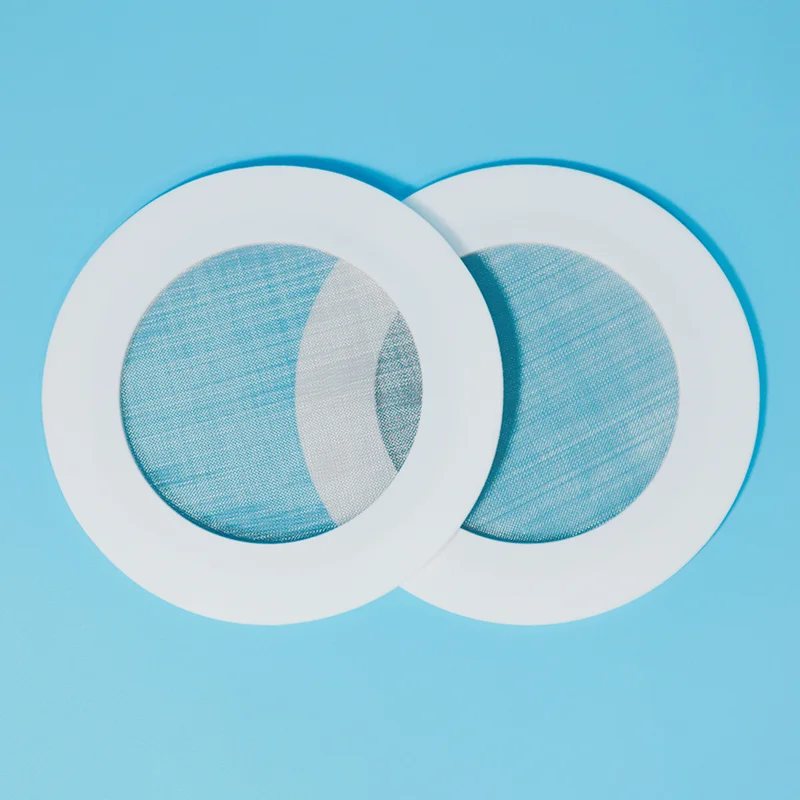
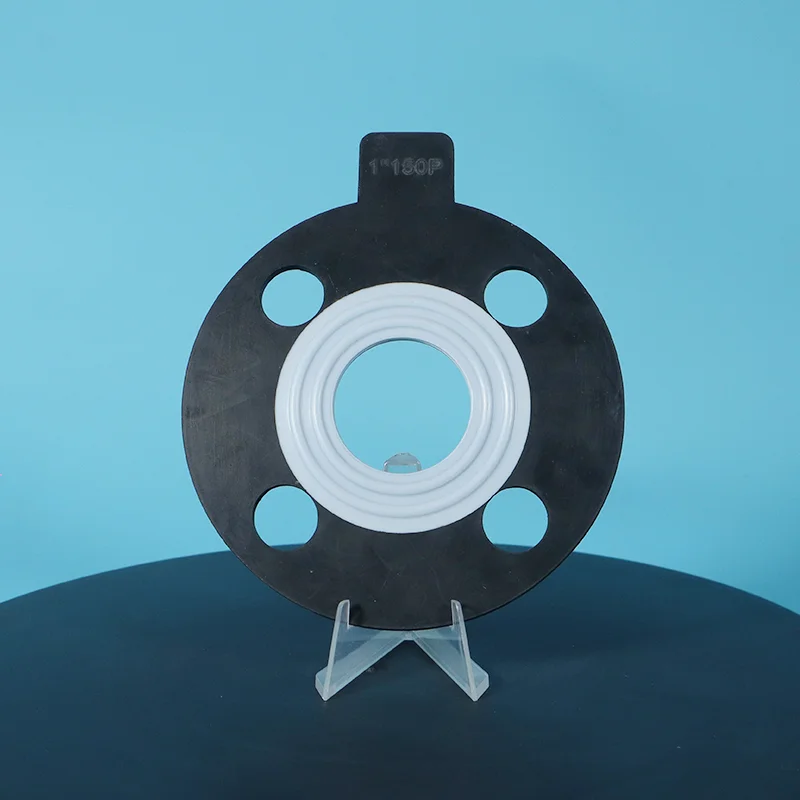
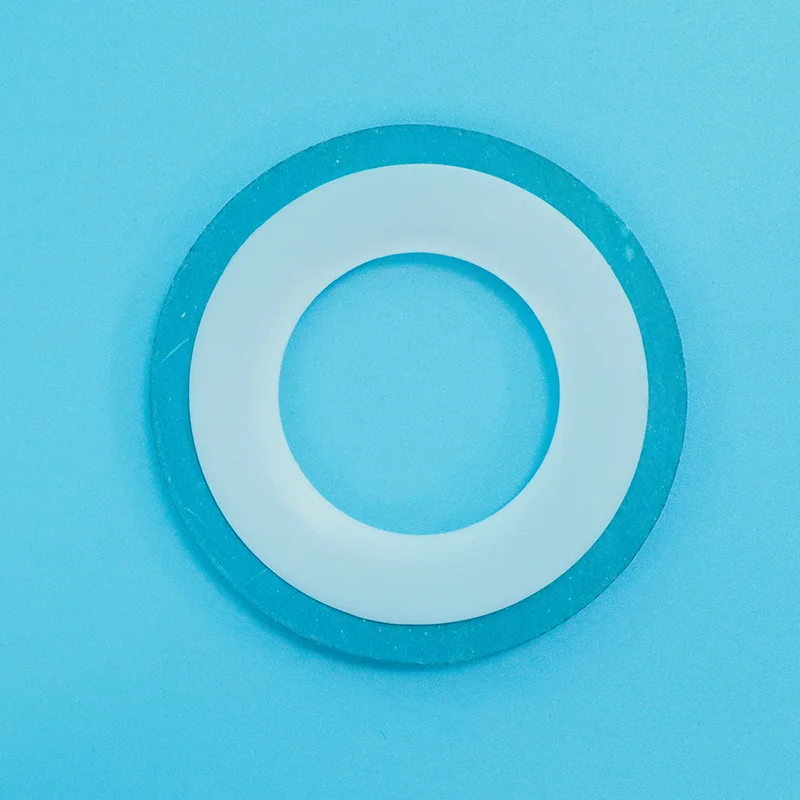
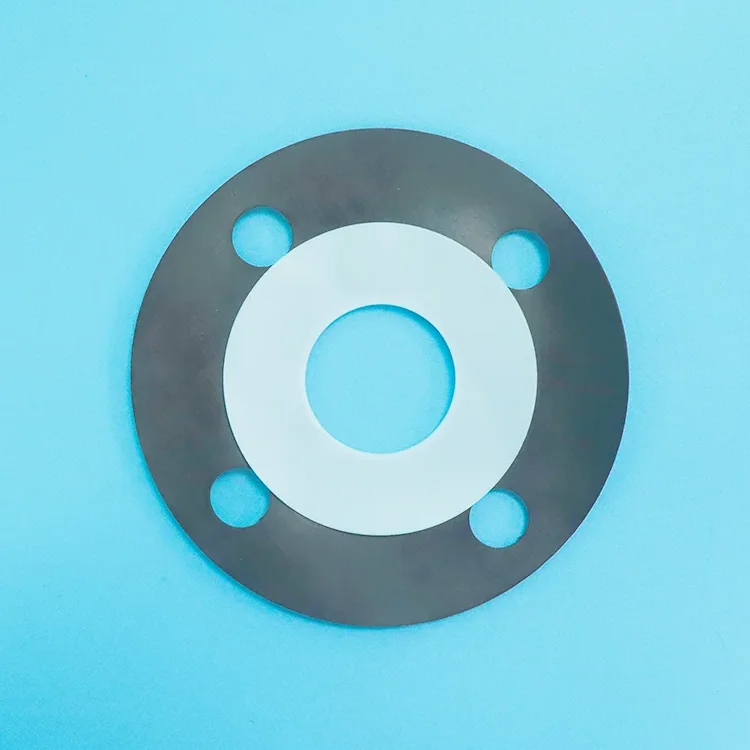
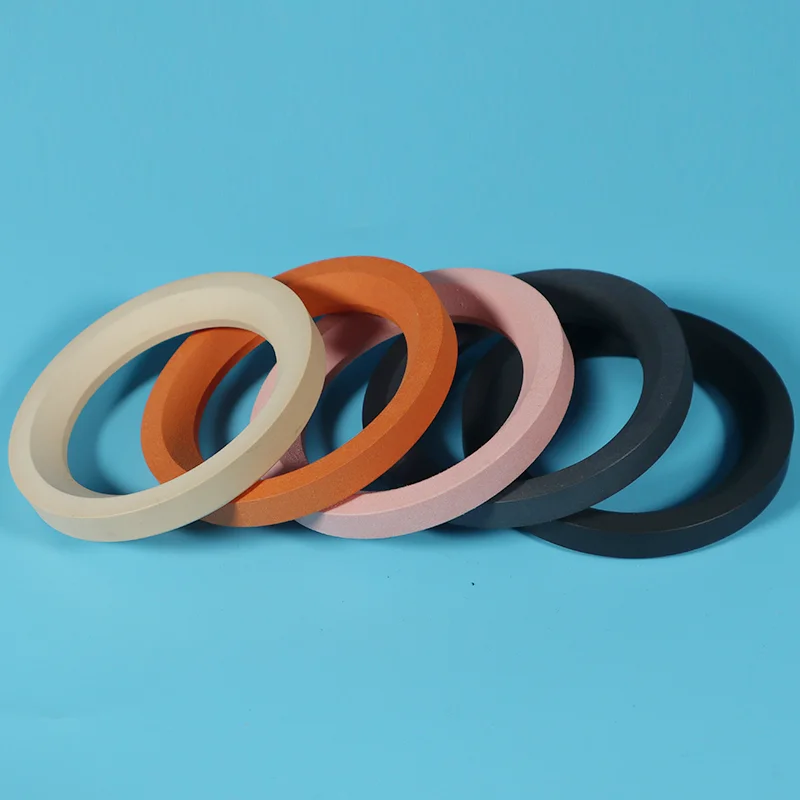
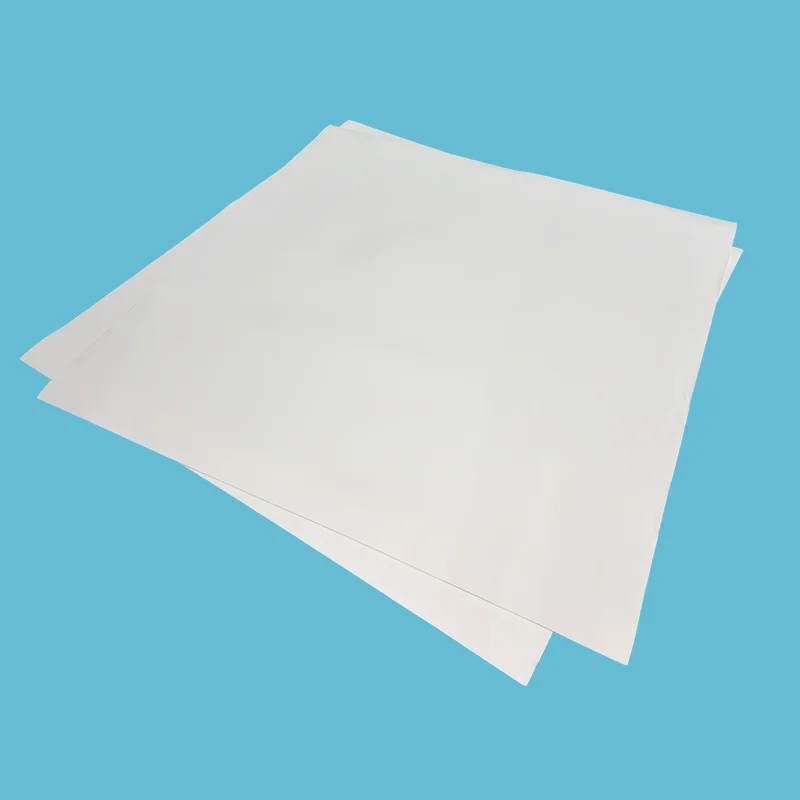
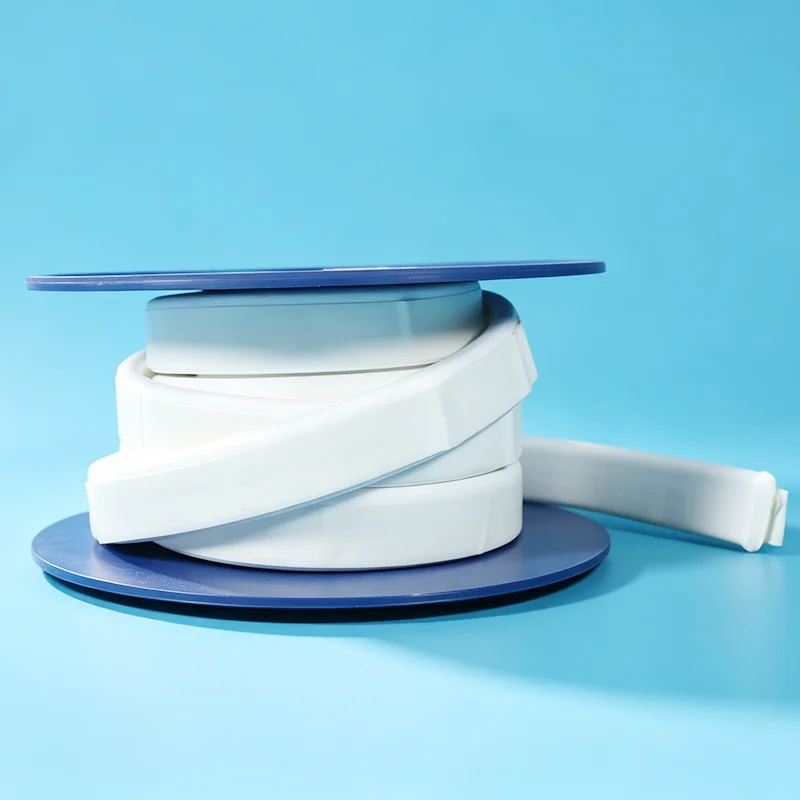
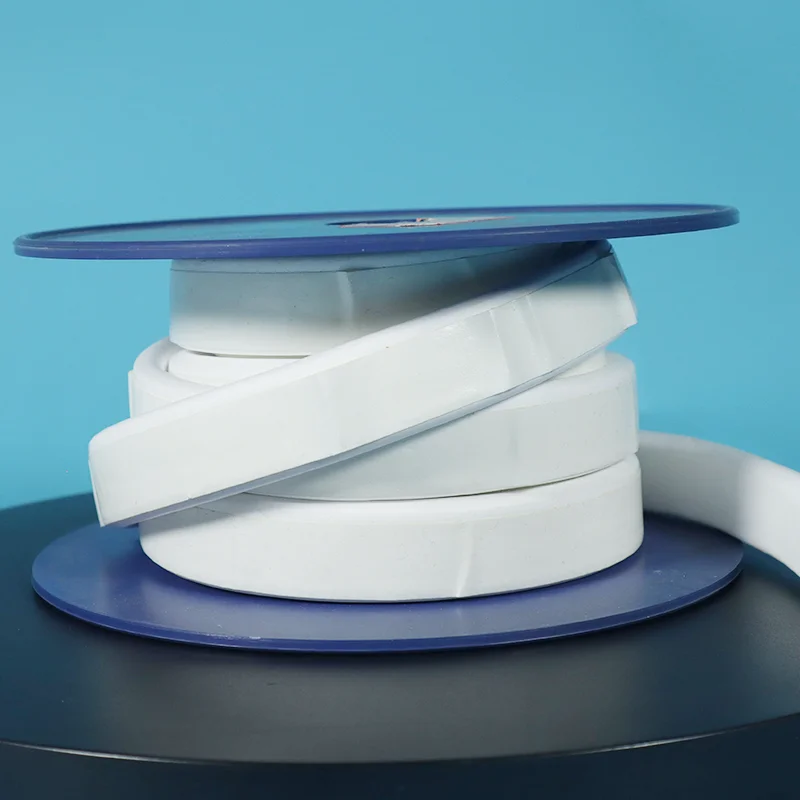
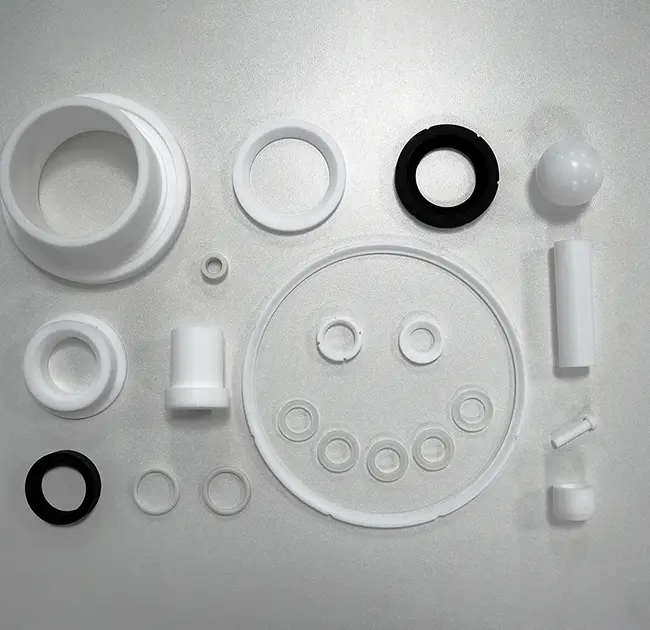
Metal Clad Expanded PTFE Gaskets feature a unified, bonded construction; a stainless steel core ensures blowout resistance and resilience. The ePTFE outer layer is suitable for environments with a pH range of 0–14 and for use with rough flange surfaces. If your operating conditions involve high pressure, thermal cycling, or fragile flanges, this gasket manufactured by Taifno factory is a great choice. Free samples are available upon request.

Standard PTFE gaskets may lack sufficient mechanical strength under high pressure, while rubber gaskets can degrade in aggressive chemical media. Traditional PTFE envelope gaskets with loose jacket layers may also suffer from folding, filler exposure, or installation damage.

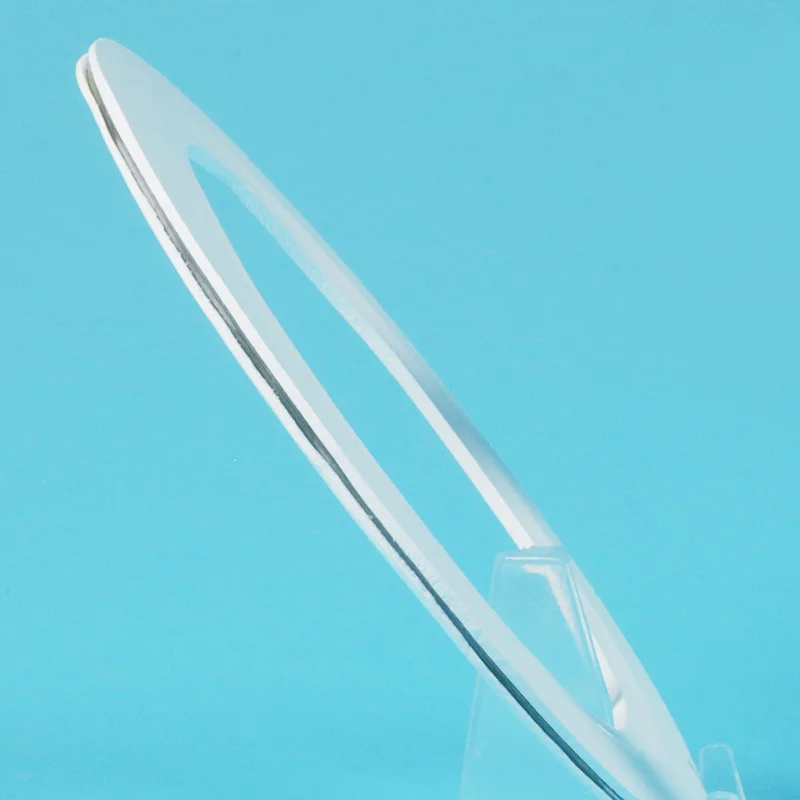
The metal clad expanded PTFE gasket solves these limitations with a corrugated stainless steel core fully encapsulated by expanded PTFE (ePTFE), creating a bonded one-piece structure without exposed filler.

The stainless steel core provides blowout resistance, structural support, and spring-back recovery, while the expanded PTFE layer delivers excellent chemical resistance and high compressibility to seal uneven or sensitive flanges with low bolt torque.

With performance from -196°C to +200°C, pressure capability up to 210 bar, and pH 0–14 chemical resistance, it is designed for high-pressure, thermal cycling, and demanding chemical sealing applications.

Metal Clad Expanded PTFE GasketMetal Clad Expanded PTFE Gasket

How Metal Clad Expanded PTFE Gasket Is Designed for Reliable Sealing?

Metal Clad Expanded PTFE Gasket combines a corrugated stainless steel reinforcement core with a fully bonded expanded PTFE (ePTFE) outer layer. This composite design integrates the mechanical strength of metal with the flexibility and chemical resistance of ePTFE, providing stable sealing performance in demanding applications.

The sealing structure includes:

1. Corrugated Stainless Steel Core: The internal metal insert acts as a reinforcement layer, providing spring-back recovery, blowout resistance, and structural stability during high pressure operation and pressure cycling.

2. Expanded PTFE Jacket: The soft micro-porous PTFE layer conforms to uneven flange surfaces and maintains sealing performance under low bolt loads, making it suitable for glass-lined, plastic, and other sensitive flange systems.

3. Bonded One-Piece Construction: Unlike traditional envelope gaskets with separate PTFE layers that may shift or fold during installation, the ePTFE jacket is permanently bonded to the metal core. This prevents exposed filler, installation damage, and sealing failures.

Why Choose Metal Clad Expanded PTFE Gasket?

Metal Clad Expanded PTFE Gasket is designed to overcome the limitations of conventional sealing materials by combining ePTFE flexibility with stainless steel reinforcement.

1. Higher Pressure Reliability

Unlike standard PTFE materials that may creep or extrude under pressure, the internal metal core provides structural support and blowout resistance for long-term sealing stability.

2. Superior Chemical Resistance

The ePTFE outer layer is chemically inert and provides universal resistance across pH 0–14 media, avoiding the degradation issues commonly found with rubber gaskets.

3. Protection for Fragile Flanges

The compressible ePTFE layer seals effectively at lower bolt loads, reducing stress on glass-lined, plastic, and other sensitive flange surfaces.

4. Stable Performance During Thermal Cycling

The corrugated stainless steel core provides spring-back recovery, helping maintain sealing force during temperature fluctuations and repeated operating cycles.

5. Reliable One-Piece Construction

The bonded structure eliminates loose PTFE layers, exposed filler, and installation-related failures found in traditional envelope gasket designs.

Comparison & Selection Guide 

ePTFE Metal-Jacketed vs Other Gasket Types

Feature

ePTFE Metal-Jacketed

Standard PTFE Gasket

Traditional Envelope Gasket

Rubber/Elastomer

Blowout Resistance

✅ Excellent — metal core

❌ Poor — soft

⚠️ Moderate — filler dependent

❌ Poor

Installation Reliability

✅ Bonded — no loose leaves

✅ Simple

❌ Poor — leaves fold back

✅ Simple

Low Torque Sealing

✅ Excellent — ePTFE conforms

❌ Poor — rigid

✅ Good

✅ Good

Chemical Resistance

★★★★★

pH 0-14

★★★★★

★★★★☆

★★☆☆☆

Temperature Range

-196°C to +200°C

-180°C to +200°C

-180°C to +200°C

-40°C to +150°C

Conformability

★★★★★

fills pits

★★☆☆☆

★★★☆☆

★★★★★

Thermal Cycle Performance

★★★★★

metal springs back

★★☆☆☆

★★★☆☆

★★★☆☆

Glass-Lined Flange Friendly

✅ Yes — low torque

✅ Yes

✅ Yes — low torque

❌ No

Cost

$$$

$

$$

$$

Quick Selection Guide

If Your Application Is...

Choose...

Glass-lined steel flanges — wavy, uneven surfaces

ePTFE Metal-Jacketed — low torque, bonded, conformable

High pressure + thermal cycling

ePTFE Metal-Jacketed — metal core provides spring-back

Aggressive chemicals + extreme temperatures

ePTFE Metal-Jacketed — universal chemical resistance, wide temperature range

Traditional envelope gaskets keep failing at seams

ePTFE Metal-Jacketed — bonded construction eliminates loose leaf failures

Standard steel flanges, clean media, low cost

Standard PTFE gasket

Water, air, low temperature

Rubber gasket

Primary Applications

Industry

Application

Key Requirement

Chemical Processing

Glass-lined reactors, pipe flanges — acids, solvents, corrosive media

Low torque, universal chemical resistance, wavy flange sealing

Pharmaceutical

Sterile processing equipment, bioreactors — FDA compliance

Pure PTFE, no contamination, low torque

Food & Beverage

Sanitary connections, filling equipment — FDA compliance

Pure ePTFE, easy cleaning, no contamination

Pulp & Paper

Digestor flanges, large diameter piping — thermal cycling

Conformability, thermal cycle performance

Power Generation

Steam systems, condenser flanges — high temperature

Wide temperature range, spring-back

Petrochemical

Pipeline flanges, heat exchangers — high pressure, H₂S

Blowout resistance, chemical resistance

Real-World Applications

Case Study 1: Glass-Lined Reactor — Eliminated Flange Damage and Leakage

Challenge: A chemical plant was using rigid PTFE gaskets on glass-lined steel reactor covers. High torque required cracked the glass lining, causing $15,000/year in repair costs and contamination risks. Traditional envelope gaskets had loose PTFE leaves that folded back during installation, exposing the filler to acid attack and causing leakage after 3-6 months.

Solution: Installed Metal Clad Expanded PTFE Gasket with corrugated stainless steel core. Bonded construction eliminated loose leaves. ePTFE jacket sealed at low torque.

Result: Zero glass lining damage. Perfect seal with lower torque. Installation reliable, no folded leaves. No leakage for 3 years. Eliminated $15,000/year in glass repair costs.

Case Study 2: Chemical Plant — Solved Seam Corrosion Problem

Challenge: A chemical processing plant handling strong acids was experiencing gasket failure from permeation through traditional PTFE envelope gaskets. Fillers inside the envelope were slowly attacked by media permeating through the PTFE, causing thickness loss and bolt load loss.

Solution: Replaced with Metal Clad Expanded PTFE Gasket with chemically inert ePTFE filler rings and bonded construction, no adhesive seams, no pathways for corrosion.

Result: Complete chemical inertness achieved. Any media permeation through the envelope no longer caused failure — all internal components were chemically inert. Gasket life extended from 6 months to 3+ years.

Case Study 3: Large Diameter Glass-Lined Flange — No Installation Failures

Challenge: A pharmaceutical plant needed gaskets for 48" glass-lined flanges. Traditional envelope gaskets were difficult to install, PTFE leaves would fold back, causing leakage, production interruptions, and safety issues. Installation took hours per gasket due to careful alignment required.

Solution: Bonded ePTFE metal-jacketed gaskets with stainless steel core. No loose leaves, simple installation.

Result: Installation time reduced from 2 hours to 30 minutes per flange. Zero leakage after 18 months. No installation errors. No replacement needed.

Note: Actual case results vary by application conditions. Contact us for application-specific recommendations.

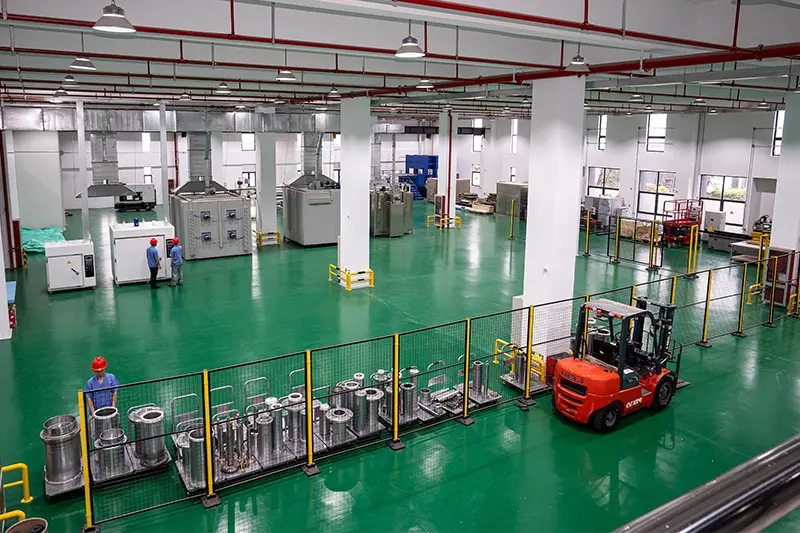
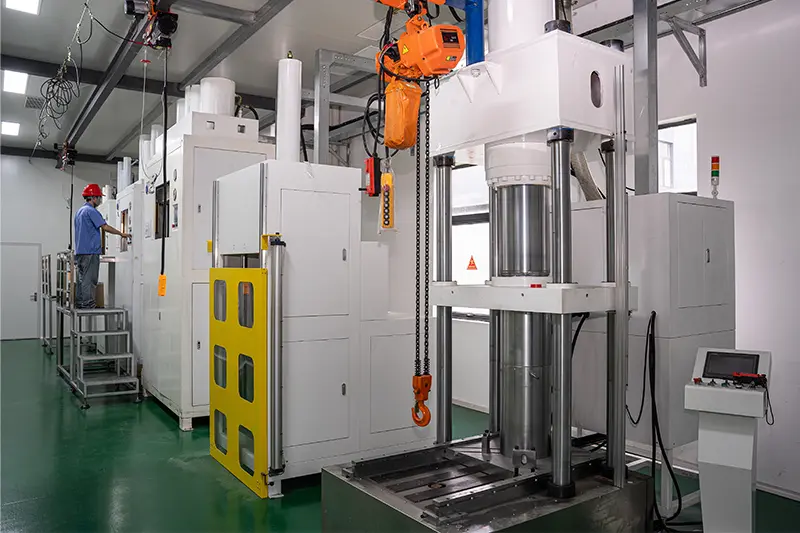
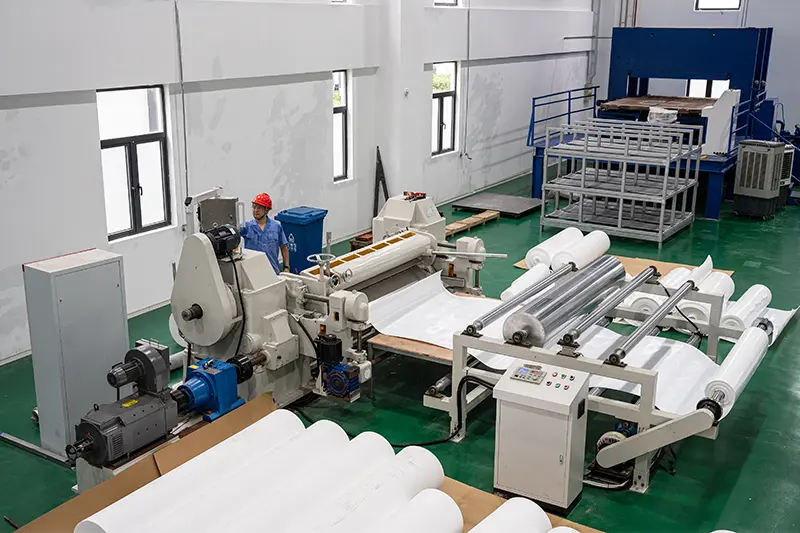
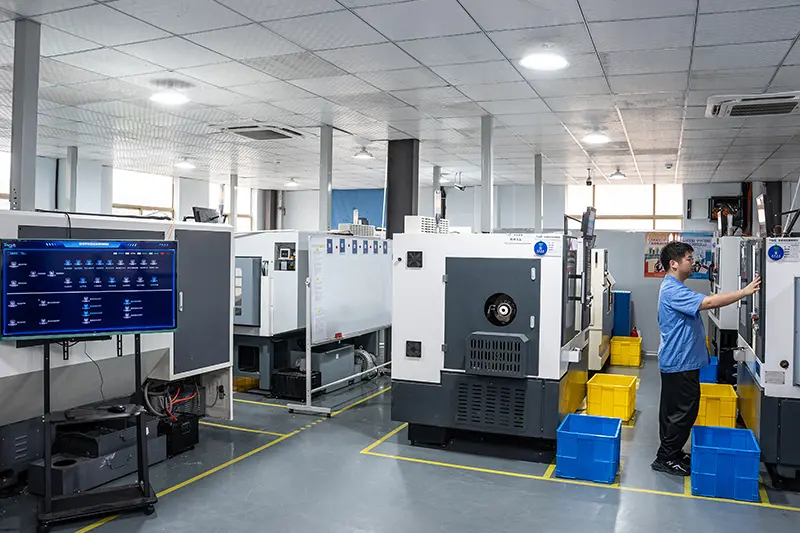
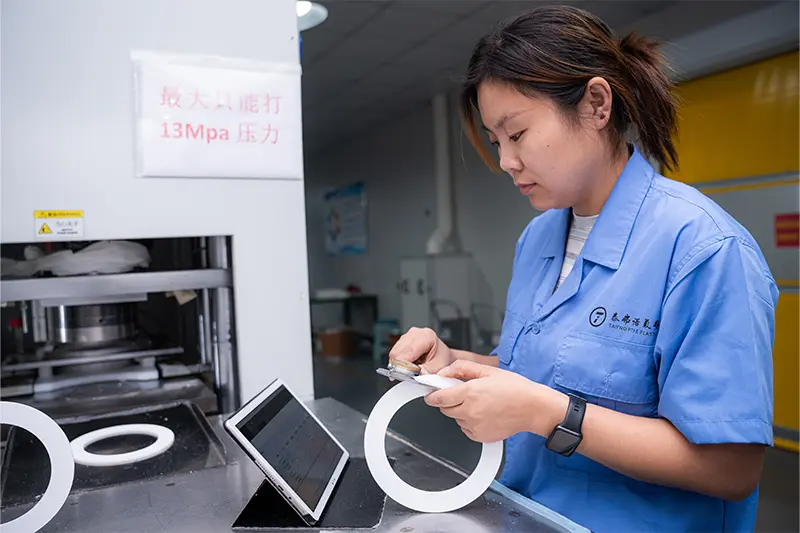
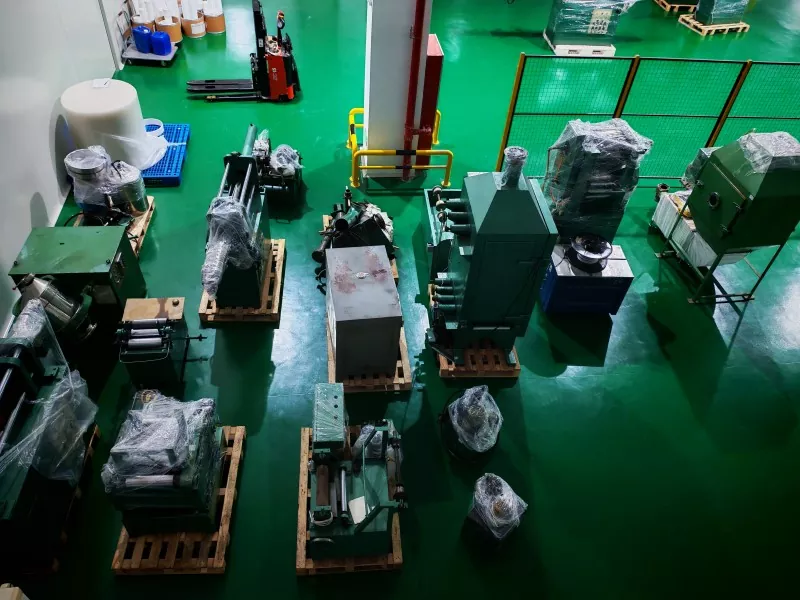
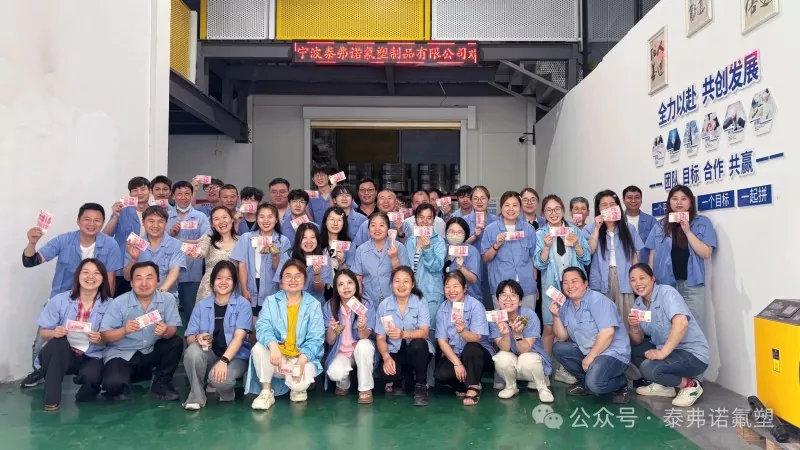
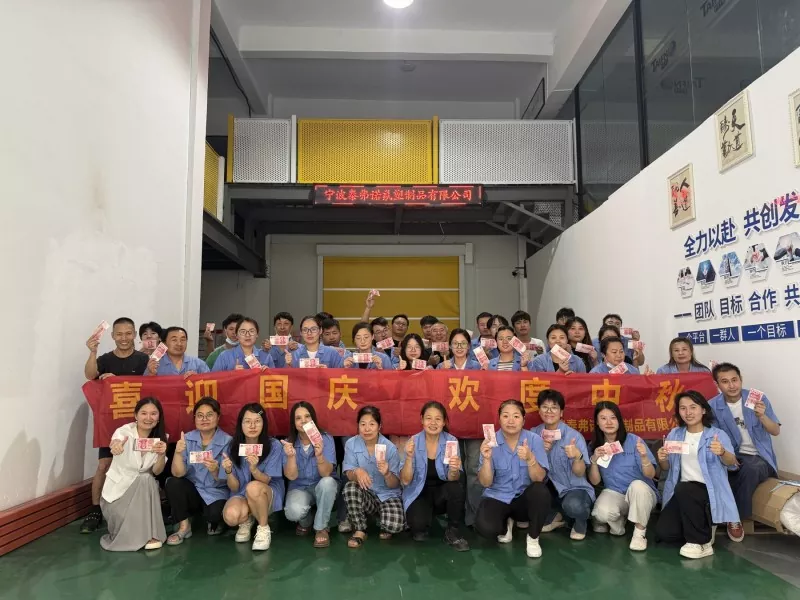
FactoryFactoryFactoryFactory

Technical Specifications

ePTFE Metal-Jacketed Gasket Properties

Parameter

Value

Temperature Range — Continuous

-196°C to +200°C

Pressure — Typical

Up to 210 bar (3000 PSI)

pH Range

0-14 — universal chemical resistance

Material

100% Expanded PTFE (ePTFE) + Stainless Steel core

Core Material

304 SS, 316 SS, Hastelloy, Inconel, Monel

Gasket Thickness

2.3mm to 14mm (0.09 to 0.55 inches)

Construction

Bonded, seamless — no adhesive

FDA Compliant

Yes — meets FDA 21 CFR 177.1550

Color

White/off-white (ePTFE jacket)

Core Material Options

Core Material

Best For

304 Stainless Steel

General chemical service, standard applications

316 Stainless Steel

Improved corrosion resistance — aggressive chemicals, salt water

316L Stainless Steel

Enhanced corrosion resistance — acidic environments

Hastelloy® C-276

Extreme corrosion resistance — highly aggressive chemicals, acids

Inconel®

High-temperature strength — extreme heat (+200°C+)

Monel®

Seawater, salt water — excellent marine resistance

Core Design

Corrugated metal insert: Provides spring-back, blowout resistance, and structural integrity

Fully encapsulated: Metal core completely protected from chemical attack — both ID and OD

Seamless construction: No exposed edges, no pathways for corrosion or permeation

Quality Assurance

100% Virgin ePTFE Resin — no regrind, no recycled material. Consistent quality.

Bonded Construction — No adhesive between layers. No loose leaves. One-piece gasket integrity.

Full Traceability — Every batch traceable. Material certificates on request.

Corrugated Metal Core — Precision-formed stainless steel insert provides consistent spring-back.

FDA-Compliant Grades Available — Virgin ePTFE meets FDA 21 CFR 177.1550.

Custom Sizes — Any diameter, any thickness — manufactured to your flange specs.

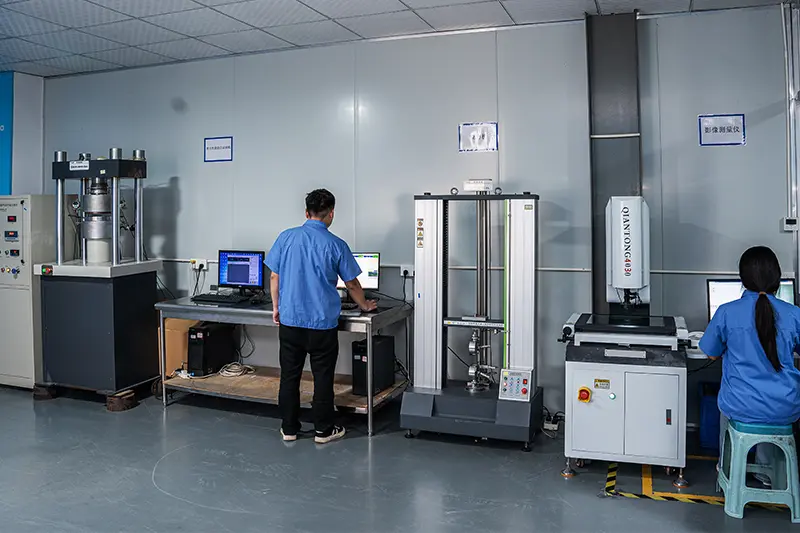
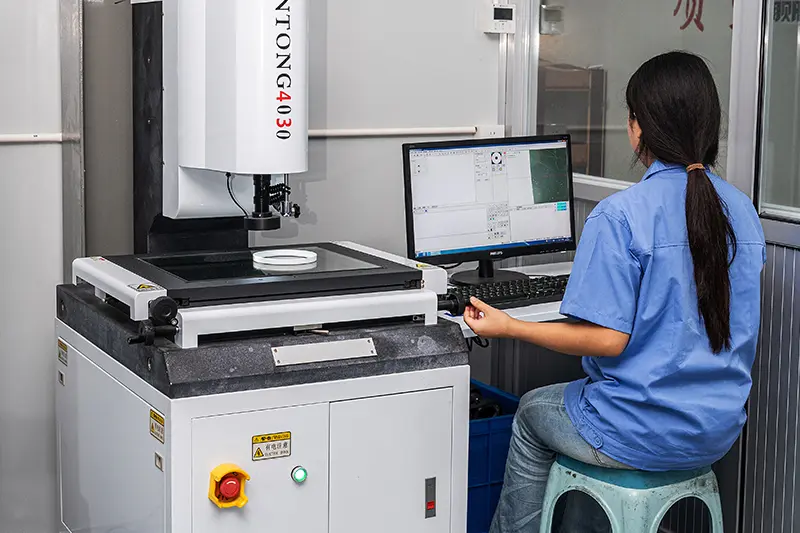
TestTestTestTest

FAQ

Q: When should I use Metal Clad Expanded PTFE Gasket?

A: Use it when standard PTFE creeps or blows out under pressure, rubber degrades in chemicals, or traditional envelope gaskets leak at seams due to loose PTFE leaves folding back during installation.

Best for: Glass-lined steel flanges, high pressure, thermal cycling, aggressive chemicals, and fragile surfaces requiring low torque.

Key difference from traditional envelope gaskets:

Bonded construction: no loose PTFE leaves that can fold back.

Seamless ID and OD: no pathways for corrosion or permeation.

Q: How much does it cost and what is the lead time?

A: Cost depends on diameter, thickness, core material (304/316 SS vs Hastelloy/Inconel), and quantity.

Total cost view: Higher upfront than standard PTFE. But one gasket lasting 3-5 years eliminates multiple replacements, downtime, and glass repair costs. Over 3 years, total cost is lower than standard PTFE replaced every 6-12 months.

Lead time:

Custom sizes: 7-15 days.

Shipping: air 5-10 days, sea 15-30 days.

Q: What are the limits — and the most common mistakes?

A: Temperature: -196°C to +200°C.

Pressure: up to 210 bar.

Chemical: pH 0-14, universal.

Three common mistakes:

(1) Over-tightening: seals at lower torque than standard PTFE; over-tightening damages the ePTFE jacket.

(2) Damaging the PTFE jacket: ePTFE is soft; handle with care.

(3) Mistaking for traditional envelope gaskets: this is bonded, one-piece construction. No loose leaves. No need to check for folded layers during installation. 

Hot Tags: Metal Clad Expanded PTFE Gasket, Expanded PTFE Gasket Manufacturer, PTFE Envelope Gasket Supplier
Send Inquiry
Contact Info
X
We use cookies to offer you a better browsing experience, analyze site traffic and personalize content. By using this site, you agree to our use of cookies.Privacy Policy