Products
304 Perforated Sheet Reinforced PTFE Gasket
  • 304 Perforated Sheet Reinforced PTFE Gasket304 Perforated Sheet Reinforced PTFE Gasket

304 Perforated Sheet Reinforced PTFE Gasket

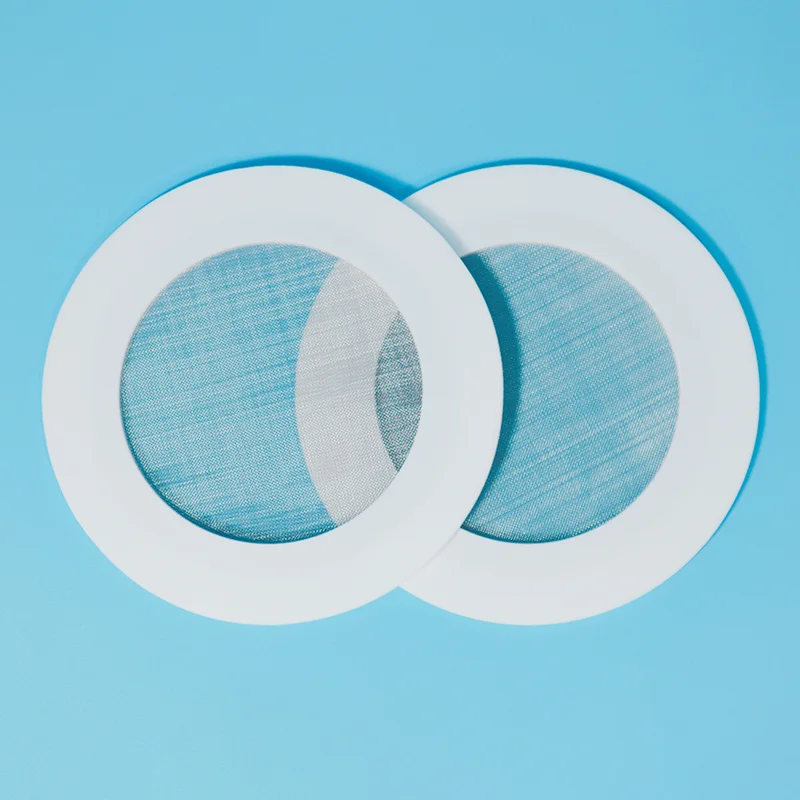
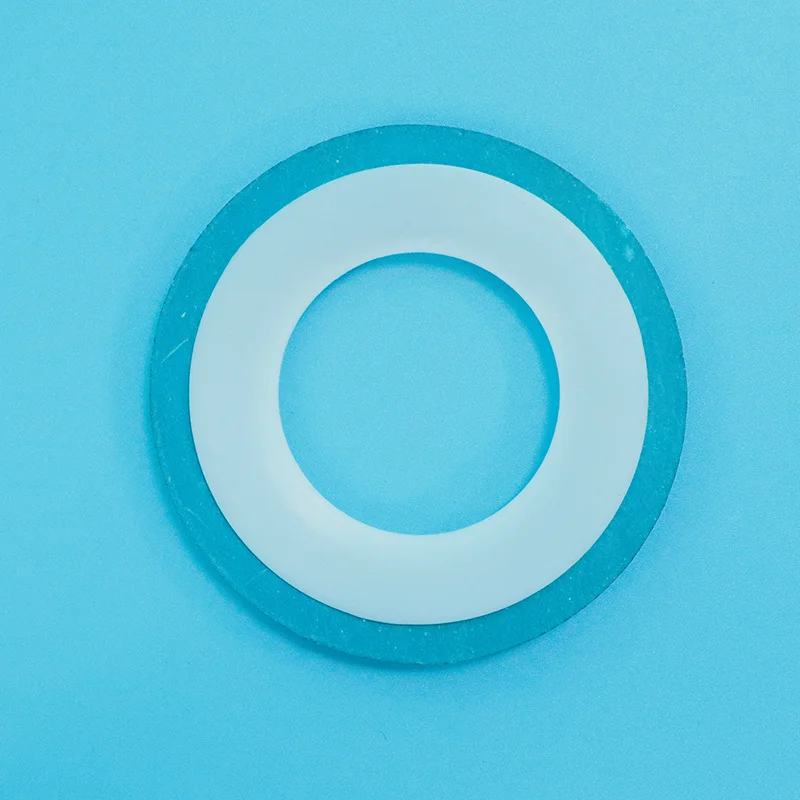
Taifno 304 Perforated Sheet Reinforced PTFE Gasket combines PTFE's chemical resistance with enhanced mechanical strength. Designed for improved creep resistance and blowout protection, it delivers over 90% improvement in stud load retention and a potential seal life of 3–5 years under suitable operating conditions. Taifno supports customized gasket sizes for industrial sealing applications.

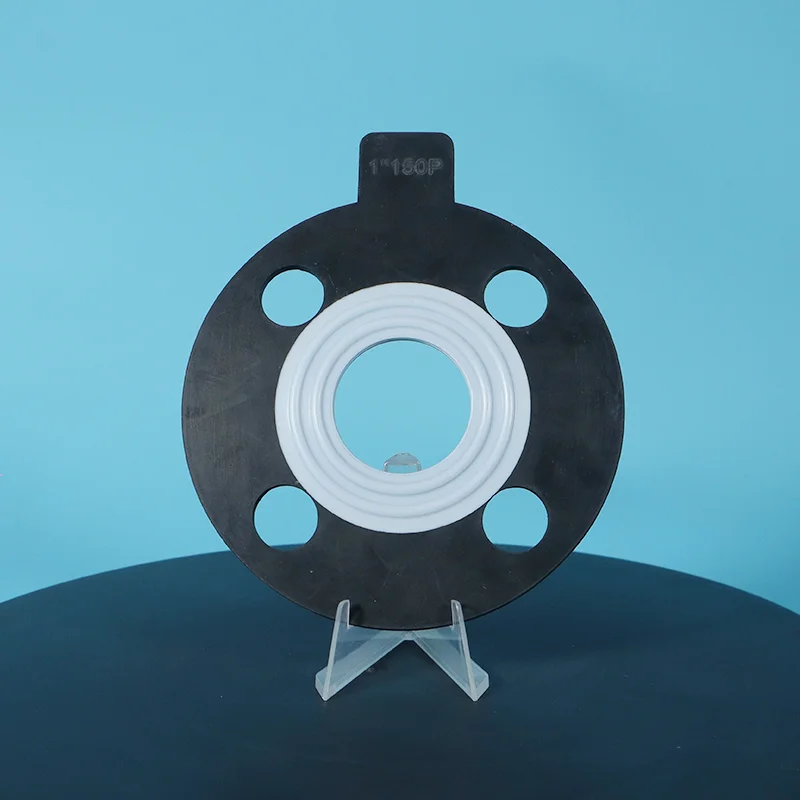
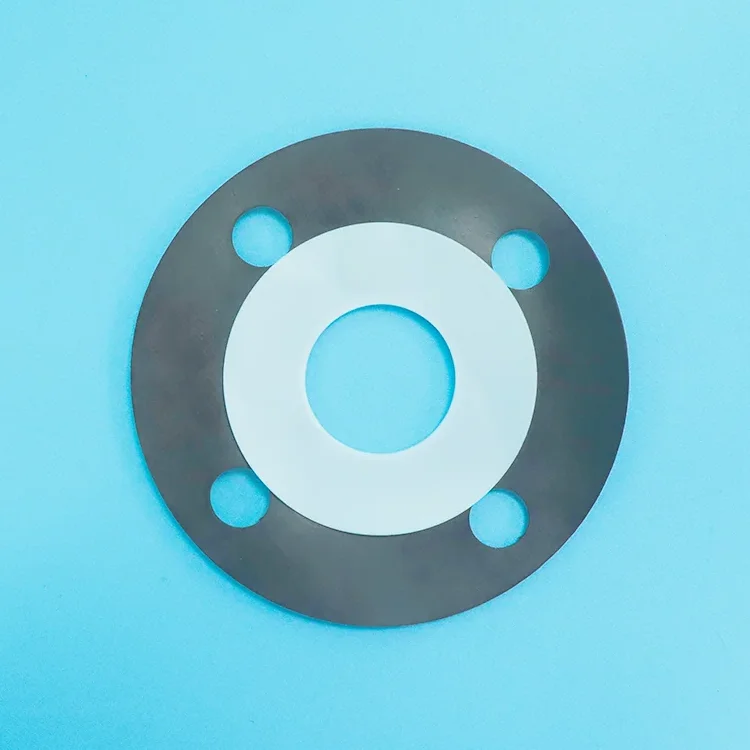
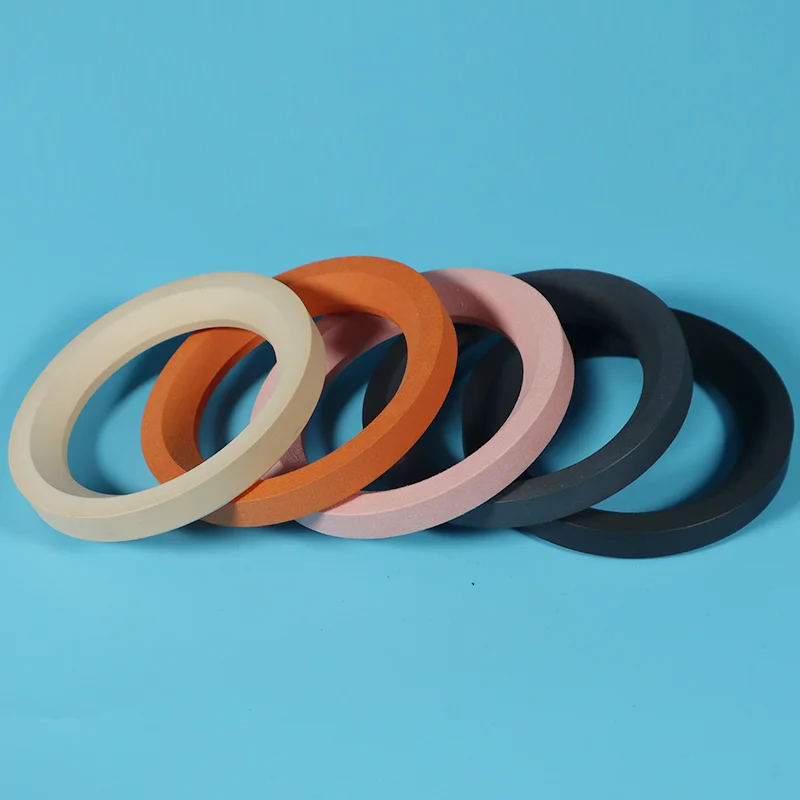
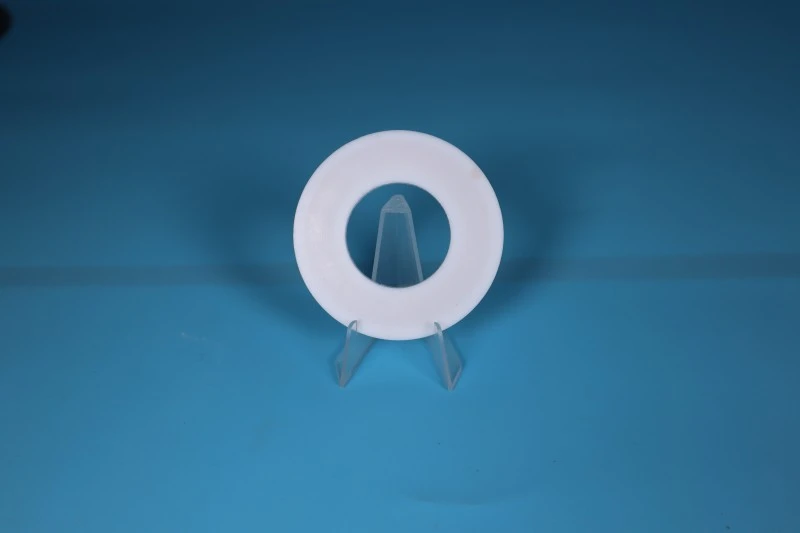
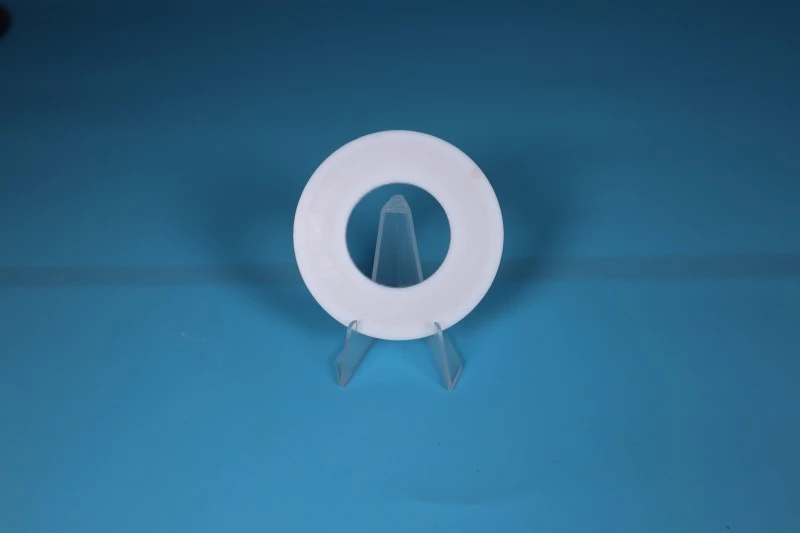
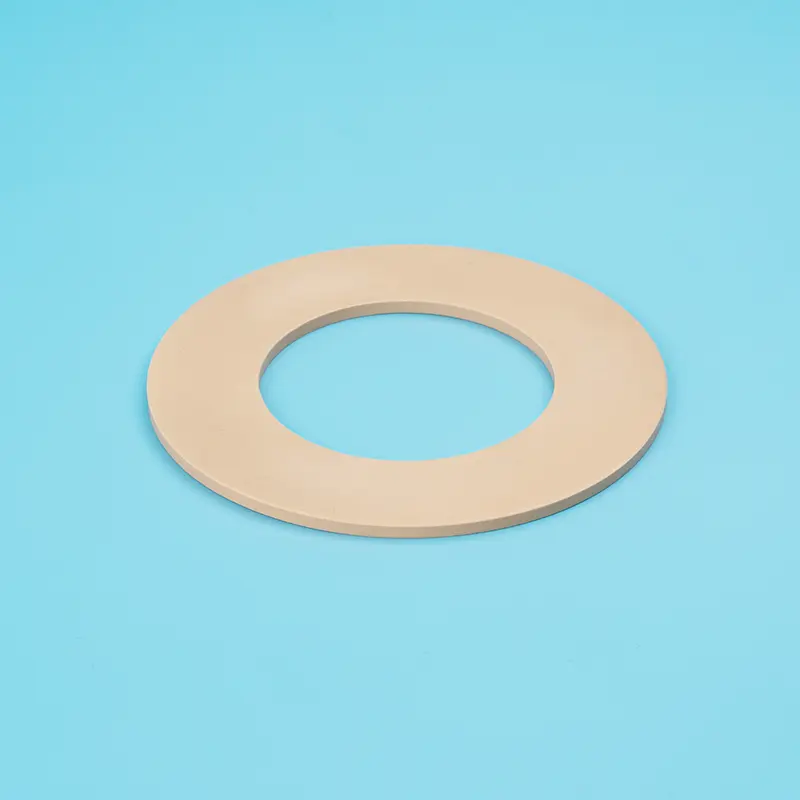
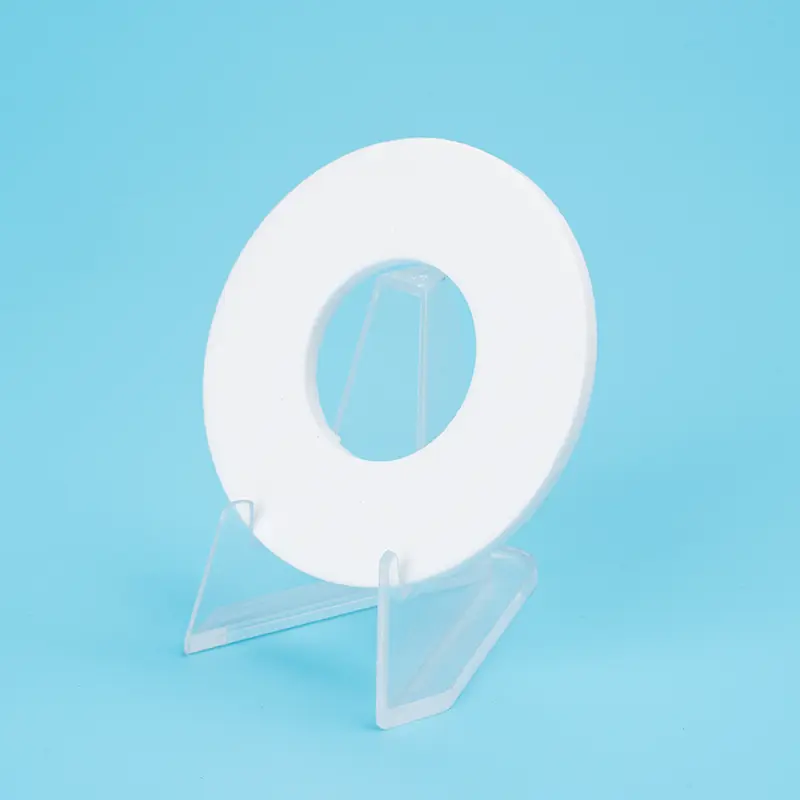
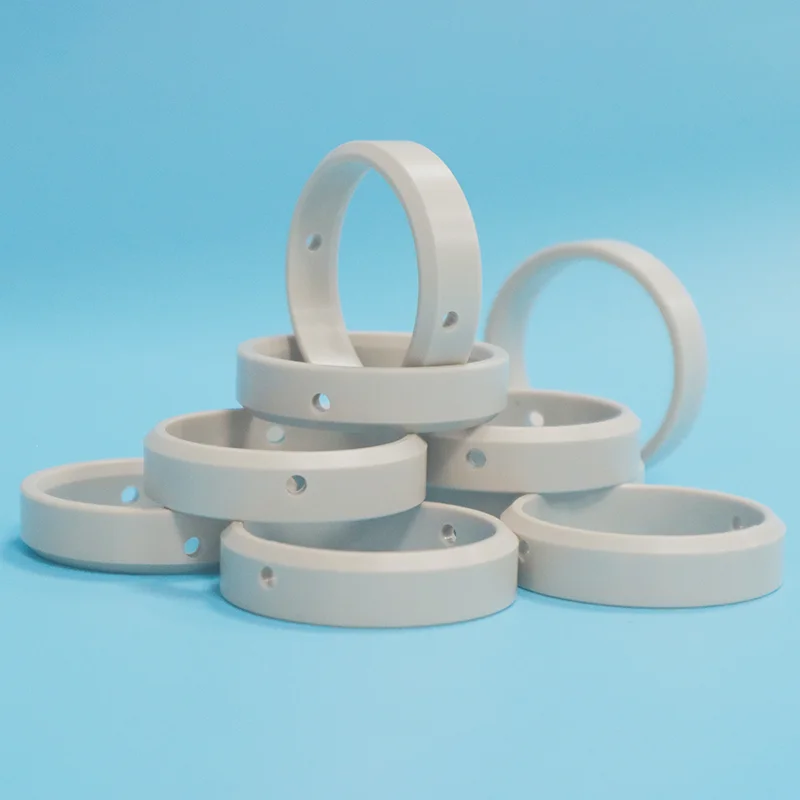
    A 304 perforated sheet reinforced PTFE gasket is a composite gasket made by high-temperature pressing and sintering a 304 stainless steel perforated sheet as the reinforcing skeleton with PTFE. The metal skeleton is completely encapsulated by PTFE — overcoming PTFE's cold flow and insufficient recovery while retaining its chemical resistance.

    304 Perforated Sheet Reinforced PTFE Gasket

    Product Form

    Description

    Sheets

    Custom sizes and thicknesses available

    Cut Gaskets

    Custom cut to any flange size

    Ring Gaskets

    Pre-formed ring gaskets, metal ring fully encapsulated in PTFE

    TestTestTestTest

    Are You Facing These Problems?

    Problem

    Consequence

    How 304 Perforated Gasket Solves It

    Virgin PTFE gaskets creeping under pressure, re-torquing every 2-3 months

    Frequent shutdowns, high maintenance costs

    304 metal skeleton retards creep, 90%+ stud load retention improvement — 3-5 years without re-torquing

    PTFE gaskets blowing out under pressure surges

    Safety incidents, media leakage

    304 metal skeleton provides blowout resistance — eliminates spray risk

    Glass-lined flanges losing seal at low torque

    Repeated tightening, flange damage

    Perforated sheet reinforcement provides excellent recovery — maintains seal at low torque

    Conventional modified PTFE not suitable for strong acids, alkalis, solvents

    Gasket corrosion failure

    PTFE fully encapsulates metal — retains pH 0-14 chemical resistance

    Cost Comparison: 304 Perforated vs Virgin PTFE Gasket

    Comparison

    Virgin PTFE Gasket

    304 Perforated PTFE Gasket

    Customer Value

    Unit Cost

    $

    $$ (40-60% higher)

    Slightly higher upfront investment

    Seal Life

    6-12 months

    3-5 years

    3-5x longer life

    Annual Maintenance

    1-2 times (re-torquing/replacement)

    0.2-0.3 times

    80% reduction in maintenance work

    Stud Load Retention

    Baseline

    90%+ improvement

    More reliable sealing, less re-torquing

    Creep Resistance

    Baseline

    90%+ improvement

    Maintains sealing force long-term

    Blowout Resistance

    Baseline

    90%+ improvement

    Safer under pressure fluctuations

    3-Year Total Cost (incl. labor + downtime)

    High

    60%+ lower

    Significantly lower total cost

    Conclusion: Higher upfront cost pays off within the first year — 3-5 years of maintenance-free service vs 6-12 months with virgin PTFE. The more pressure cycling and thermal cycling, the greater the savings.

    304 vs 316 Perforated PTFE Gasket — How to Choose?

    Comparison

    304 Perforated PTFE

    316 Perforated PTFE

    Selection Tip

    Metal Material

    304 Stainless Steel

    316L Stainless Steel

    —

    Corrosion Resistance

    General industrial media

    Strong corrosive media (acids, alkalis, salt water)

    Strong corrosive → 316

    Temperature Range

    -157°C to +260°C

    -212°C to +260°C (up to 288°C for some grades)

    Cryogenic → 316

    Certification

    Industrial grade

    FDA/USP Class VI / 3-A Sanitary

    Food/Pharma → 316

    Cost

    $$

    $$$

    —

    Best For

    Chemical, Power, General Industry

    Food, Pharma, Marine, Strong Corrosive

    —

    Quick Decision:

    Media is mild acids, mild alkalis, oil/gas, steam → Choose 304 Perforated PTFE (best value)

    Media is seawater, strong acids (H₂SO₄/HCl), strong alkalis, chlorides → Choose 316 Perforated PTFE

    Need FDA/USP/3-A certification → Choose 316 Perforated PTFE

    Glass-Lined Flanges — Why 304 Perforated PTFE Gaskets Are Ideal?

    Glass-lined flanges present three major sealing challenges in the chemical industry:

    Challenge

    How 304 Perforated Gasket Solves It

    Uneven surface: Glass layer is wavy, ordinary gaskets cannot conform

    Soft PTFE conforms to wavy surfaces

    High brittleness: High torque cracks glass, repair costs thousands

    Low torque installation protects fragile glass layer

    Low torque requirement: Only 50-70% of steel flange torque

    Metal skeleton provides structural strength at low torque

    The ideal upgrade for glass-lined flange sealing.

    Core Advantages — Key Metrics for Decision Makers

    Key Metric

    304 Perforated PTFE

    Explanation

    Stud Load Retention

    90%+ improvement

    Less re-torquing, more reliable sealing

    Creep Resistance

    90%+ improvement

    Maintains sealing force long-term, 3-5x longer life

    Blowout Resistance

    90%+ improvement

    Safer under pressure fluctuations

    Max Pressure

    Up to 500 psi (34 bar)

    Suitable for higher pressure ratings

    Seal Life

    3-5 years

    60%+ lower total cost

    Recovery

    Excellent

    Maintains seal under thermal cycling

    Chemical Resistance

    pH 0-14

    Resists almost all corrosive media

    Technical Specifications

    Parameter

    Value

    Material

    PTFE + 304 Stainless Steel Perforated Sheet

    Metal Content

    ~50% (typical)

    Min Temperature

    -157°C

    Max Temperature

    260°C

    Max Pressure

    Up to 500 psi (34 bar)

    Standard Thickness

    3/32 inch (~2.4mm)

    pH Range

    0-14

    Standard Sizes

    1/2 inch to 48 inches

    Flange Class

    ANSI Class 150, 300, etc.

    FactoryFactoryFactoryFactory

    Applications

    Industry

    Typical Application

    Key Requirement

    Chemical & Petrochemical

    Strong corrosive media piping flanges, valves, pump seals

    PTFE encapsulates metal + Chemical resistance

    Glass-lined Equipment

    Glass-lined flange seals

    Creep resistance + Blowout resistance + Low torque

    Power Generation

    Heat exchangers, condenser seals

    Temperature resistance + Creep resistance

    Pharmaceutical

    Sterile equipment seals

    No extractables + Chemical resistance

    General Industry

    Pressure vessels, manways, handholes

    Blowout resistance + Long service life

    Suitable Media: Acids, caustics, chlorides, solvents, peroxides, phenols, sulfates

    Frequently Asked Questions

    Q: How long does a 304 perforated gasket last? How much longer than virgin PTFE?

    A: 304 Perforated Sheet Reinforced PTFE Gasket offer 3-5 years of seal life — compared to 6-12 months for virgin PTFE gaskets under the same conditions. The 304 metal skeleton retards PTFE creep relaxation, with 90%+ improvement in stud load retention. One installation, 3-5 years maintenance-free.

    Q: 304 or 316 perforated gasket — how to choose?

    A: General corrosive media (oil/gas, mild acids/alkalis, steam) → Choose 304 Perforated PTFE (best value). Strong corrosive media (seawater, strong acids, chlorides) → Choose 316 Perforated PTFE. Food/pharma requiring FDA/USP certification → Choose 316 Perforated PTFE.

    Q: Can 304 perforated gaskets solve glass-lined flange sealing problems?

    A: Yes. The three challenges of glass-lined flanges — wavy surfaces, high brittleness, and low torque requirements — are all addressed by 304 perforated gaskets. Soft PTFE conforms to wavy surfaces, the metal skeleton provides strength at low torque, and creep resistance protects the fragile glass layer. The ideal upgrade for glass-lined flange sealing.

    Q: What are the temperature and pressure limits?

    A: Temperature: Continuous -157°C to +260°C. Pressure: Up to 500 psi (34 bar) , depending on gasket design and flange conditions. Chemical: pH 0-14. For application-specific data, please provide your media, temperature, and pressure.

    Q: What is the MOQ? What is the lead time? Do you support samples?

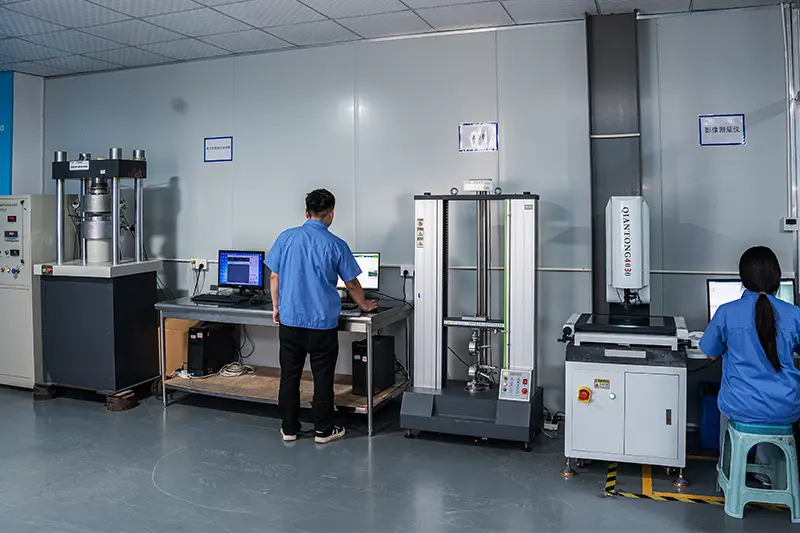
    A: MOQ: Small-batch customization supported. Lead time: Standard specifications 24-48 hours shipping; custom sizes 7-15 working days. Samples: Free samples supported (available to both new and existing customers, shipping collect). Payment terms: T/T (recommended). Quality: Material certificates and test reports available for every batch.


    Send Inquiry
    Contact Info
    X
    We use cookies to offer you a better browsing experience, analyze site traffic and personalize content. By using this site, you agree to our use of cookies. Privacy Policy
    RejectAccept