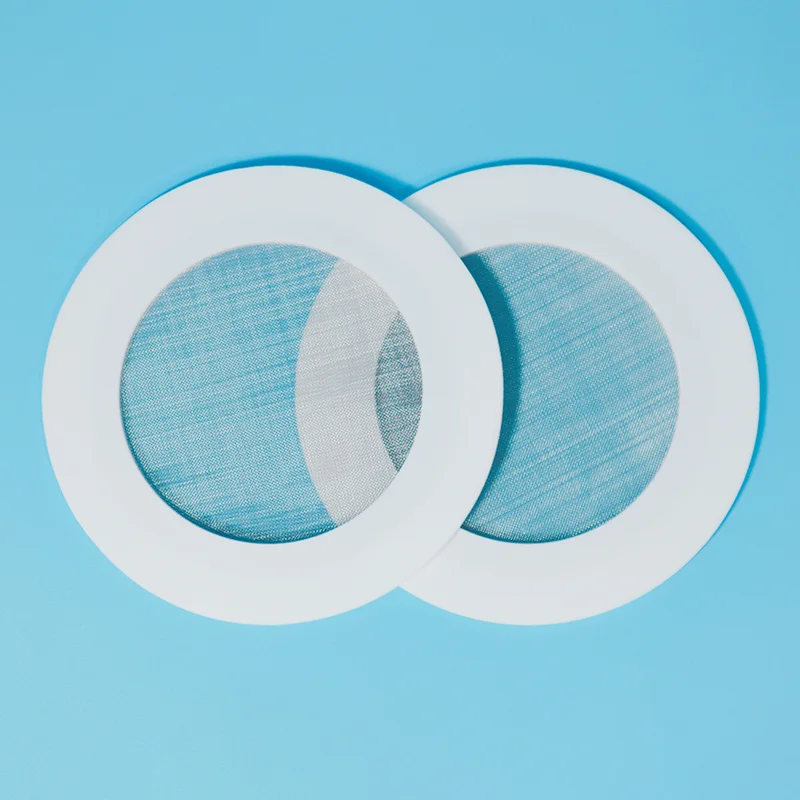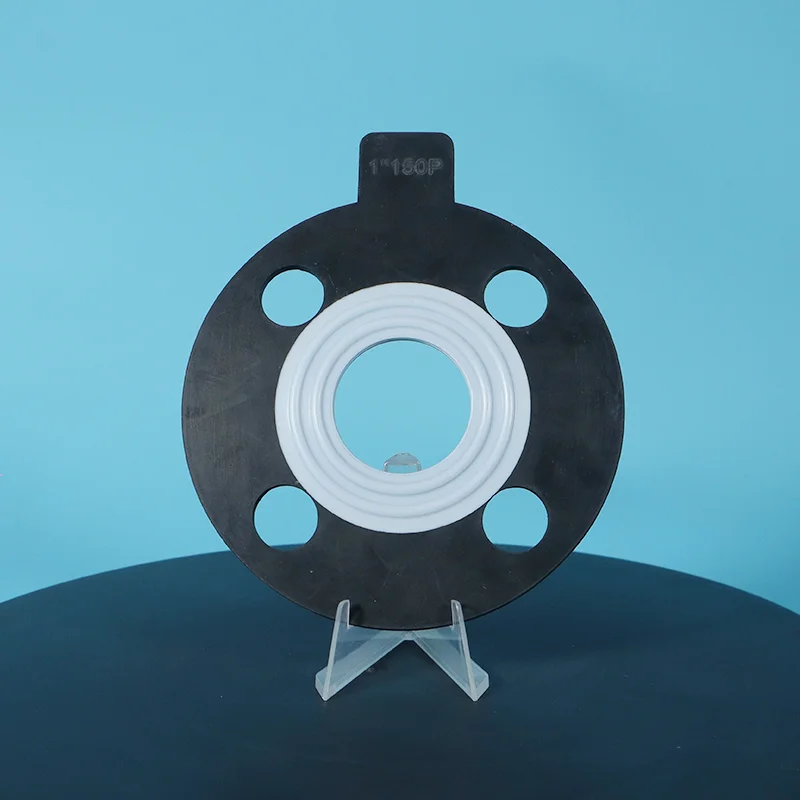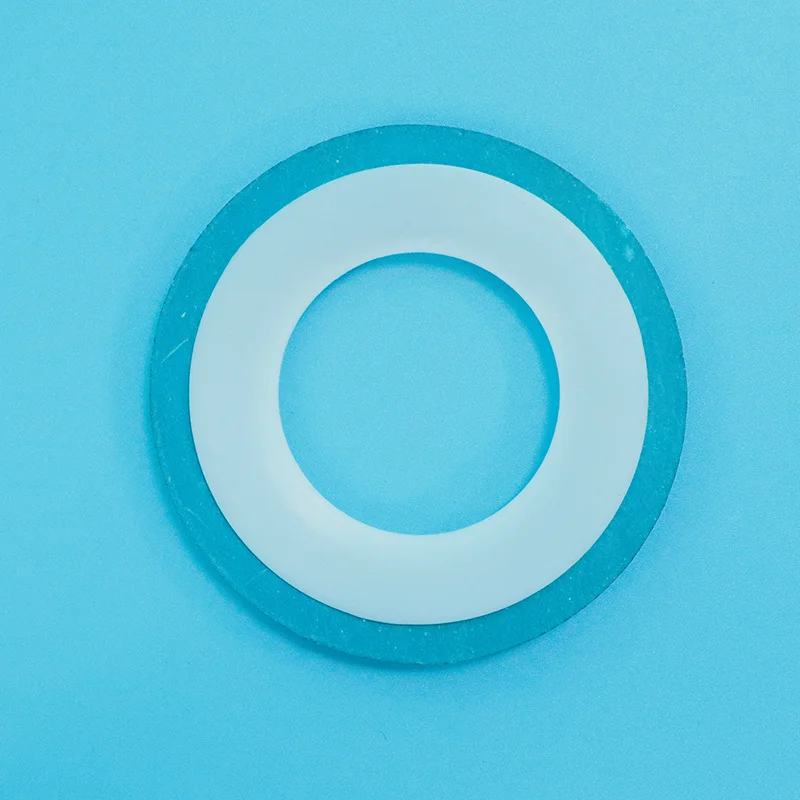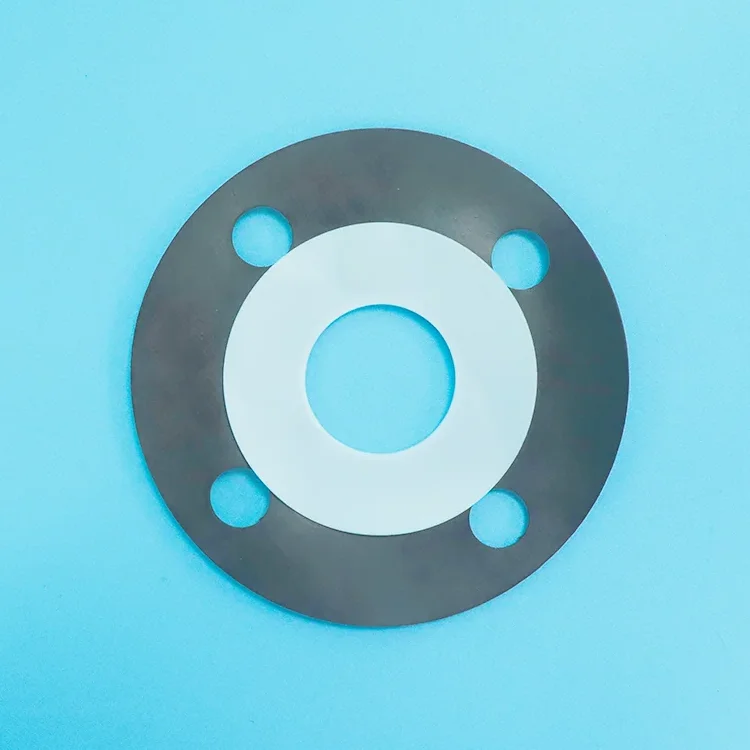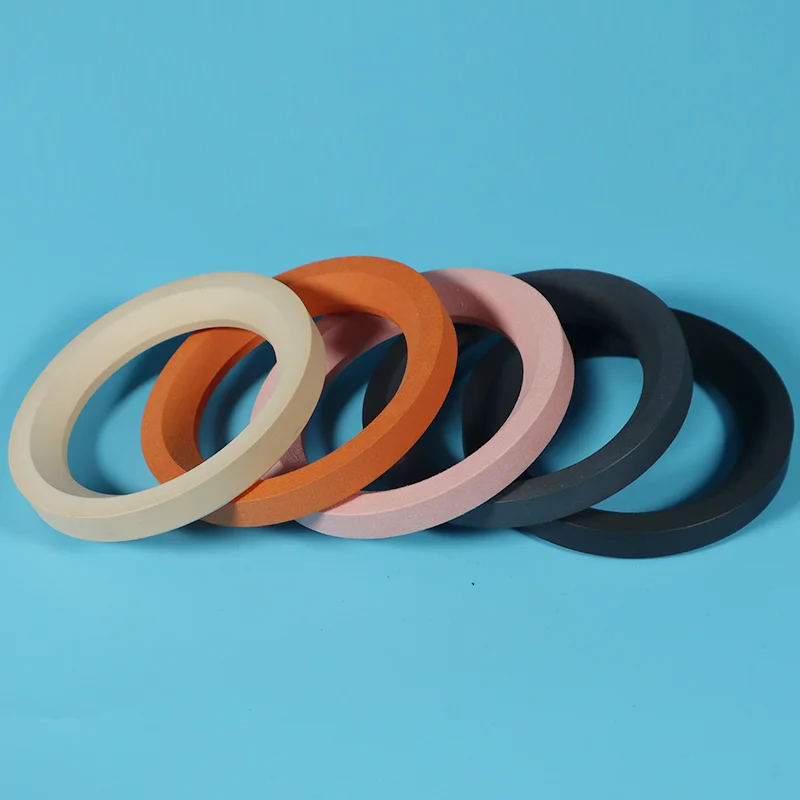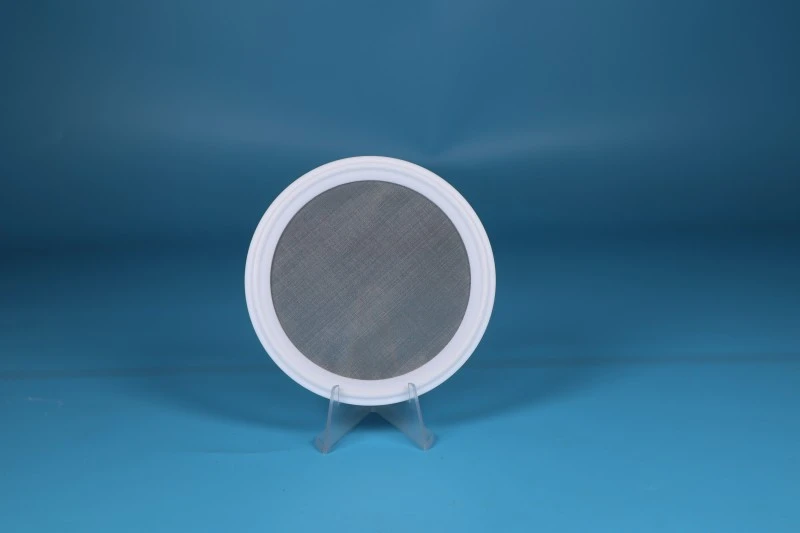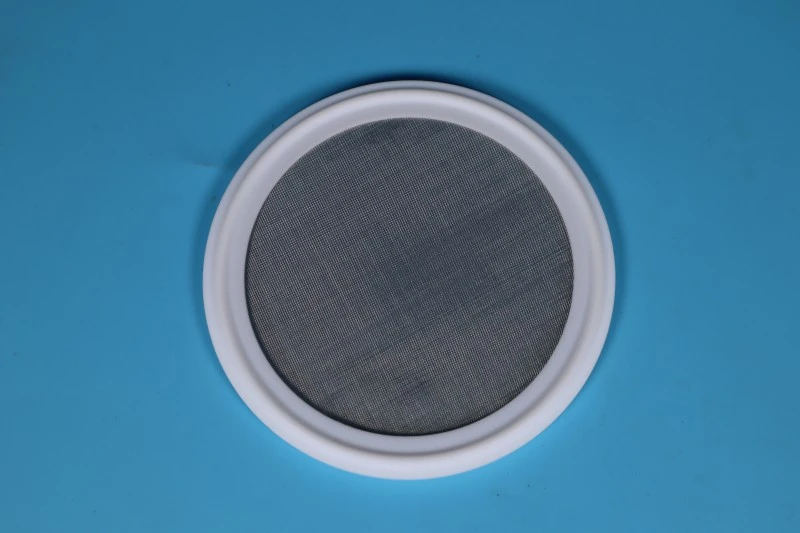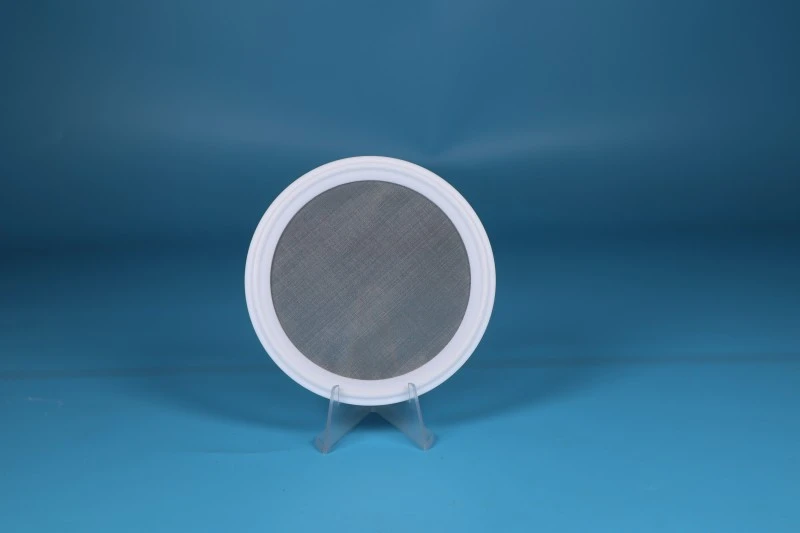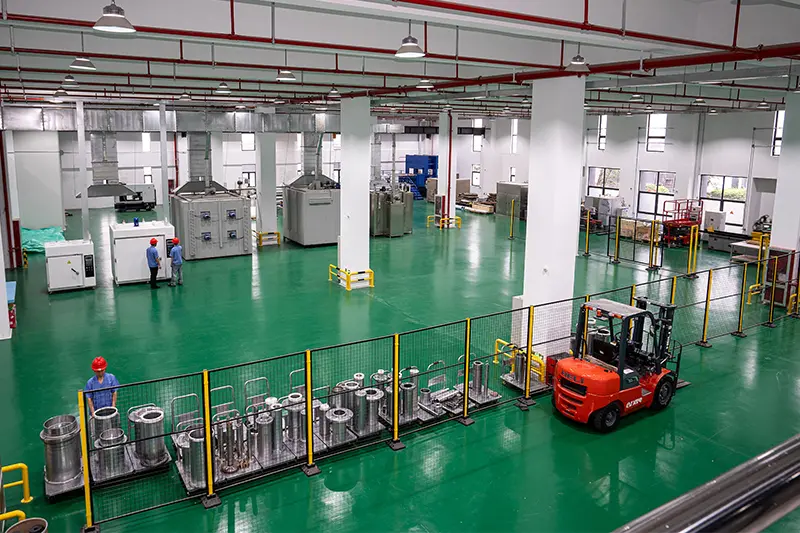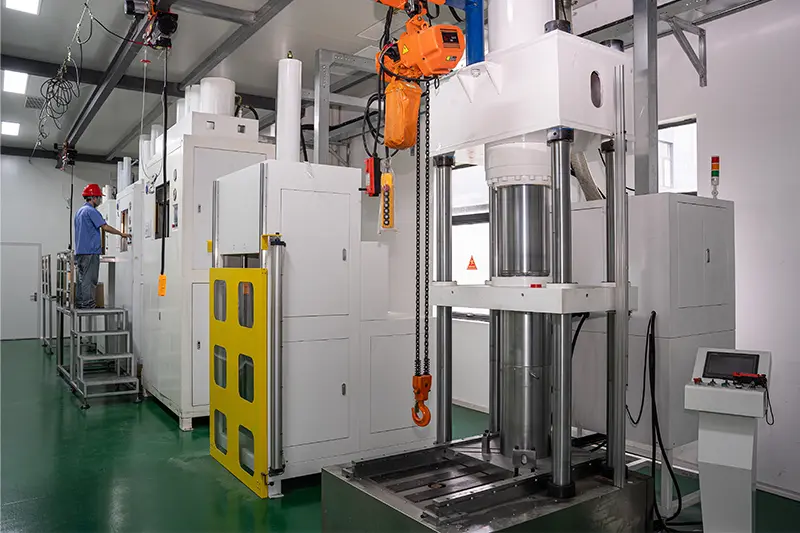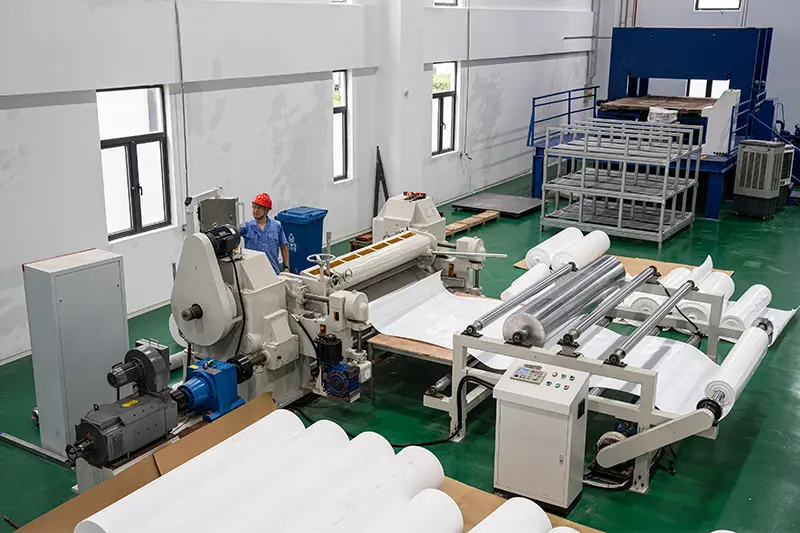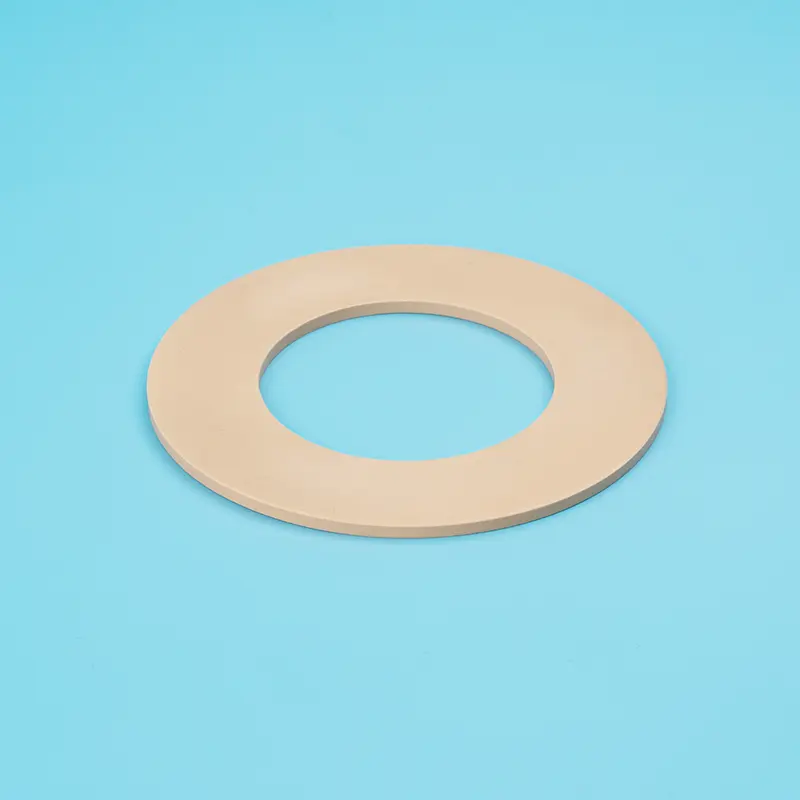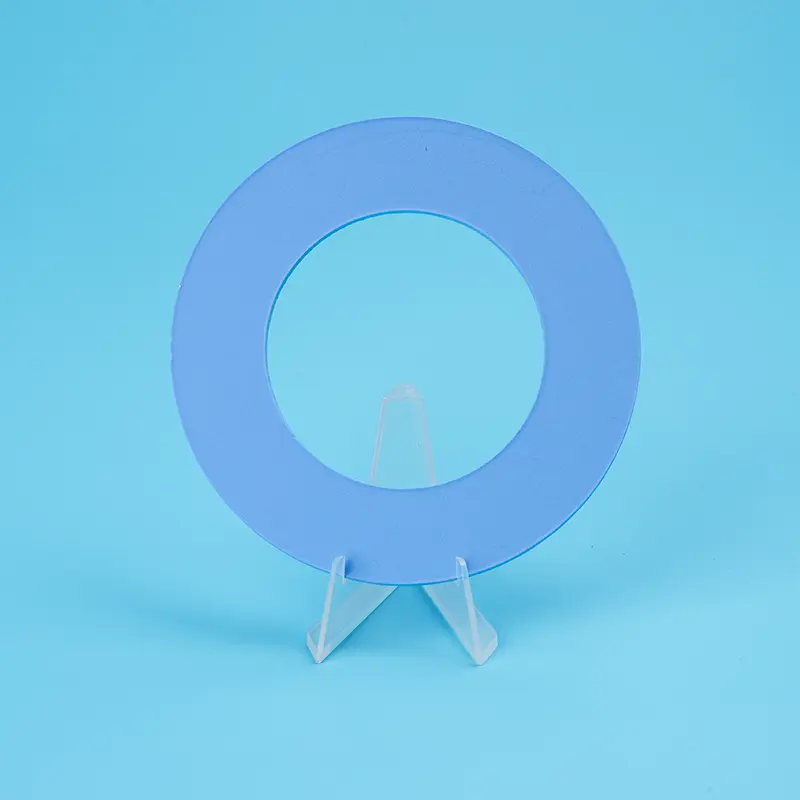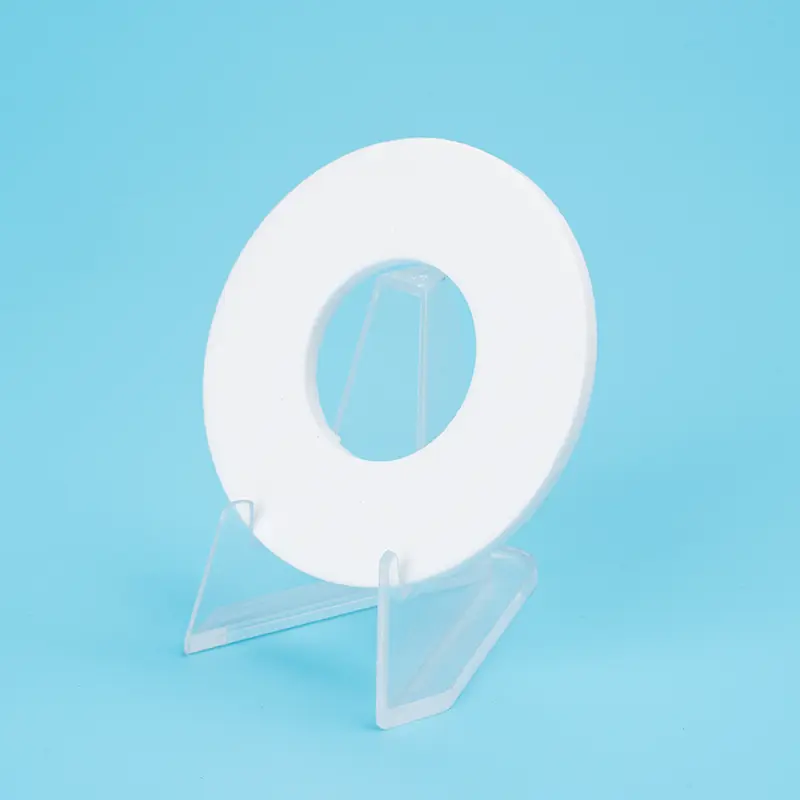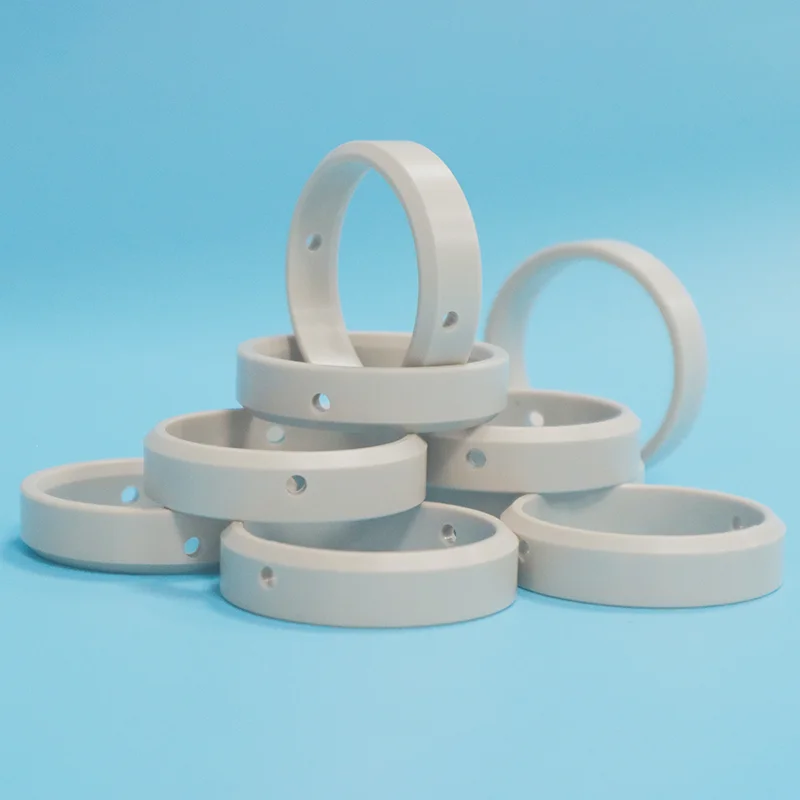
Taifno PTFE Screen Filter Gasket combines a PTFE sealing component with stainless steel filter mesh in one integrated design, providing both reliable sealing and filtration. Designed for industrial applications requiring fluid sealing and impurity control, it helps simplify component assembly. Contact Taifno for customized specifications and bulk order quotations.
PTFE sealing and stainless steel mesh integrated into one component — two functions, one gasket.
Product Positioning
PTFE Screen Filter Gasket combines a PTFE sealing ring with a stainless steel filter mesh into one integrated component — completing both sealing and filtration at the flange connection.
Product Form
Description
Flat Gasket with Screen
PTFE gasket body with stainless steel mesh covering the bore
Tri-Clamp Style
For sanitary fittings with screen, suitable for food/pharma
Edge-Wrapped Screen
Screen edge encapsulated with PTFE, used as a complete sealing component
Lab Support Screen Gasket
For 47mm/50mm filtration devices, supports filter membrane to prevent rupture
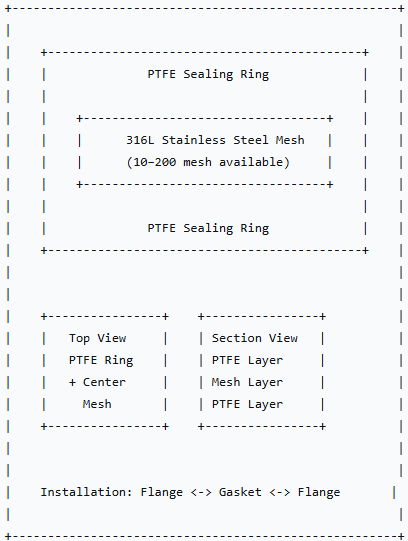
Typical construction: PTFE sealing ring + 316L stainless steel mesh (10–200 mesh available), integrally molded or bonded, with mesh covering the gasket bore.
Key Features
Sealing + filtration in one, reduces components
PTFE provides excellent chemical resistance (pH 0–14)
316L SS mesh corrosion-resistant and heat-resistant
Suitable for low-torque flanges (glass-lined, FRP, plastic)
Multiple mesh sizes available (10 to 200 mesh)
FDA-compliant grades available for food/pharma
Lab specifications protect fragile glass filter supports from breakage
Separate filter installation costs more, takes space
Higher procurement costs, complex installation
Integrated sealing + filtration, reduces cost
Multiple components needed at flange joint
More leak points, lower reliability
Two functions, one gasket, fewer leak points
Glass-lined/plastic flanges cannot withstand high torque
Flange cracking, equipment damage
PTFE gasket seals at low torque
Filter membrane rupture in lab filtration
Sample loss, experiment failure
PTFE support gasket protects membrane
Which Type Do You Need?
Customer Type
Recommended Product
Key Parameters
Chemical Piping
Flat Gasket with Screen
20–60 mesh, DN15–DN600
Food & Pharma
Tri-Clamp Style
40–60 mesh, FDA/USP compliant
Laboratory
Support Screen Gasket
120 mesh, 47mm/48mm
PTFE Screen Gasket vs Separate Gasket + Strainer
Comparison
PTFE Screen Gasket
Gasket + Strainer
Components
1 piece
2+ pieces
Leak Points
1 flange joint
2+ connection points
Installation Time
One-step
Multiple steps
Cost
Integrated, lower cost
Two separate components, higher cost
Flange Types
Low-torque flanges (glass-lined/FRP/plastic)
Limited by individual components
Filtration
10–200 mesh available
Depends on separate strainer
Core Advantages
Advantage
Description
Customer Value
Integrated Design
PTFE ring + 316L SS mesh integrated
Fewer components, lower leak risk
Low Torque Sealing
Soft, compressible PTFE seals at low torque
Protects glass-lined, plastic and fragile flanges
Excellent Chemical Resistance
PTFE pH 0–14, 316L mesh resists most chemicals
Suitable for chemical, pharma and food industries
Multiple Mesh Options
10 to 200+ mesh available
Select filtration precision as needed
FDA Compliant Available
Meets FDA 21 CFR 177.1550
Suitable for food and pharma
Enhanced Creep Resistance
Patented serrated mesh reinforcement
Solves PTFE cold flow, extends seal life
Cleanable
Tri-clamp style removable and cleanable
Meets hygienic application requirements
Lab Applications
Supports filter membrane, preventing rupture
Protects lab glass filters
Mesh Selection Guide
Mesh
Approx. Opening
Best For
10 Mesh
~2.0 mm
Coarse particle filtration, high flow conditions
20 Mesh
~0.84 mm
General industrial filtration
40 Mesh
~0.42 mm
Fine filtration, chemical, pharmaceutical
60 Mesh
~0.25 mm
High-precision filtration, food, pharmaceutical
100 Mesh
~0.15 mm
Ultra-fine particle filtration
120 Mesh
~0.125 mm
Lab filtration, high-purity applications
Structure Diagram
Illustration: PTFE screen gasket consists of a PTFE sealing ring and a central 316L stainless steel mesh, installed between two flanges, completing both sealing and filtration.
Technical Specifications
Parameter
Specification
Gasket Material
PTFE / ePTFE (Virgin or expanded PTFE)
Screen Material
316L Stainless Steel
Mesh Size
10, 20, 40, 60, 100, 120 mesh available
Temperature Range
-268°C to +288°C
Pressure Range
10–40 bar (depends on gasket and flange conditions)
WFI system required FDA audit with both sealing and filtration, needed to pass FDA audit
Used Tri-Clamp PTFE gasket (60 mesh, FDA/USP compliant)
Passed audit with zero findings, integrated design eliminated 2 leak points
Laboratory in Germany
Frequent filter membrane rupture in 47mm filtration device, significant sample loss
Used PTFE support ring + 120 mesh SS screen
Membrane rupture rate reduced by 95%, experimental reliability significantly improved
FAQ
Q: What is the difference between a PTFE Screen Filter Gasket and a standard PTFE gasket?
A: A standard PTFE gasket provides sealing only. A PTFE screen gasket integrates a 316L stainless steel mesh at the bore, filtering particulate matter from the fluid while sealing the flange — protecting downstream equipment (pumps, valves, instruments). One component, two functions, fewer leak points.
Q: What flange types are PTFE screen gaskets suitable for?
A: PTFE Screen Filter Gaskets are particularly suitable for low torque flanges, including glass-lined flanges, FRP flanges, plastic flanges, as well as standard steel flanges and sanitary tri-clamp fittings. The soft PTFE gasket material seals at low torque without damaging fragile flange surfaces. For metal flanges, install at standard torque.
Q: Can the screen be cleaned and reused?
A: Tri-clamp style models are designed to be removable and cleanable — remove, clean, dry, and reinstall. Integrated/molded designs are recommended as single-use and replaced during maintenance intervals. For reusable options, please specify your requirements when inquiring.
Q: What are the temperature and pressure limits for PTFE screen gaskets?
A: Temperature: PTFE continuous service -268°C to +288°C. Pressure: Depends on gasket design and flange conditions — PTFE gaskets are suitable for low to medium pressure ratings (typical values 10–40 bar). The 316L SS screen has higher pressure resistance than the PTFE gasket itself, so the overall limit is determined by the PTFE gasket.
Q: Can PTFE screen gaskets solve the cold flow/creep problem?
A: Yes, significantly. By using a serrated mesh reinforcement structure — combining stainless steel reinforcement mesh with modified PTFE resin through molding — it effectively resists PTFE cold flow deformation while maintaining good compression recovery. This design extends seal life significantly while retaining PTFE's chemical resistance.
We use cookies to offer you a better browsing experience, analyze site traffic and personalize content. By using this site, you agree to our use of cookies. Privacy Policy